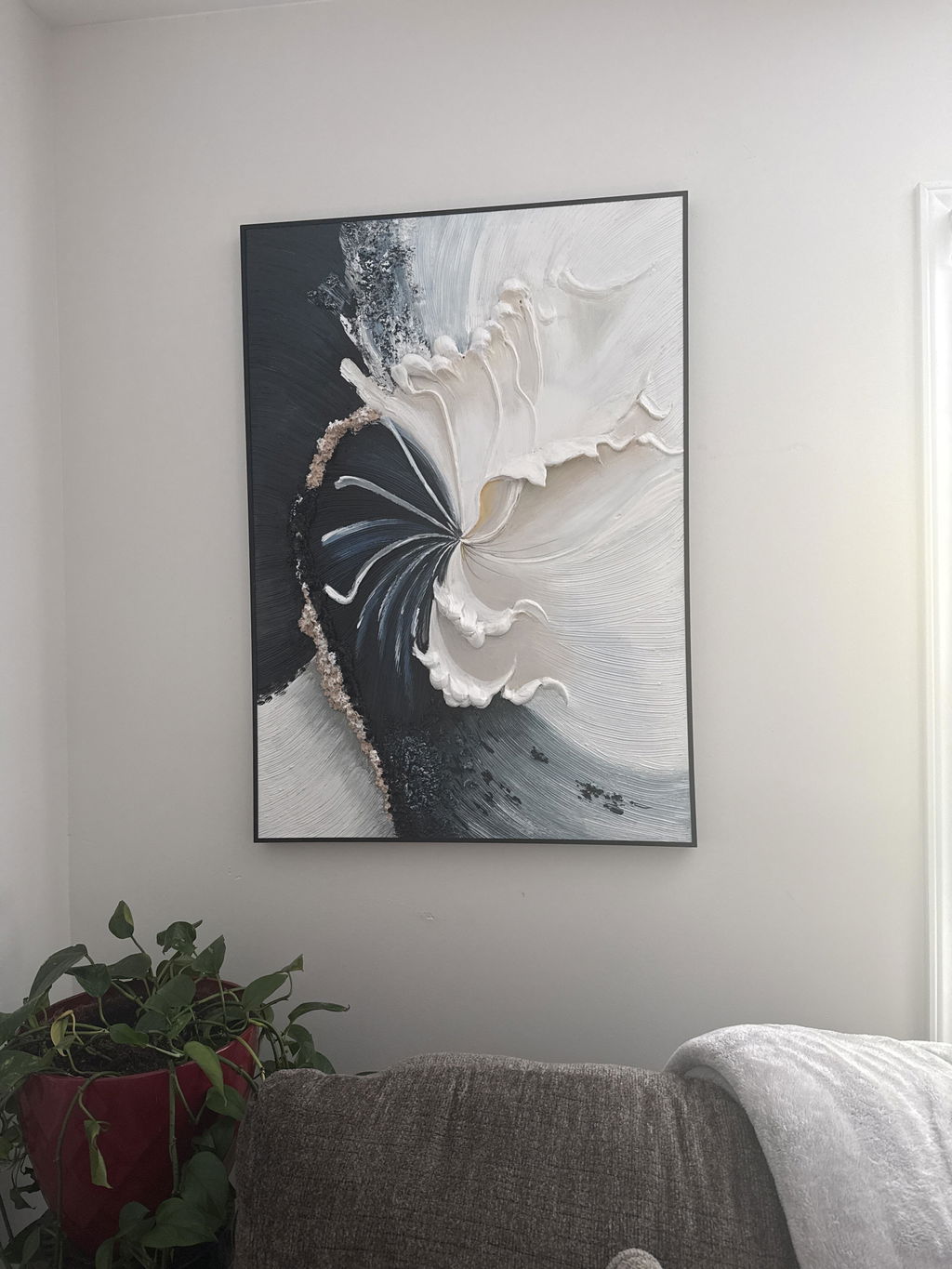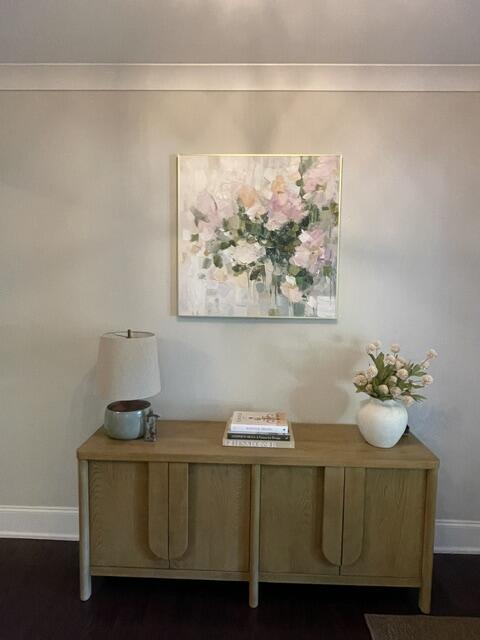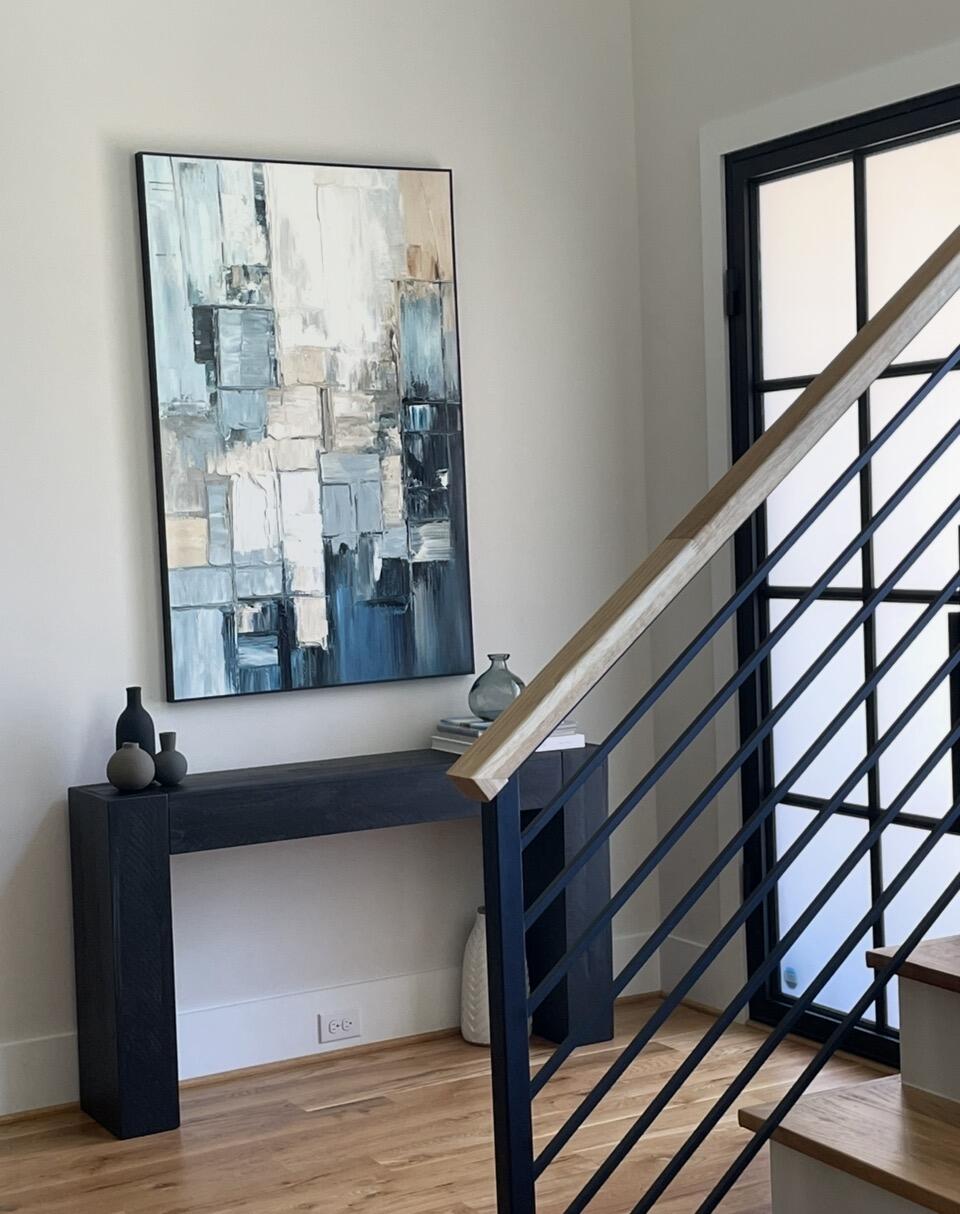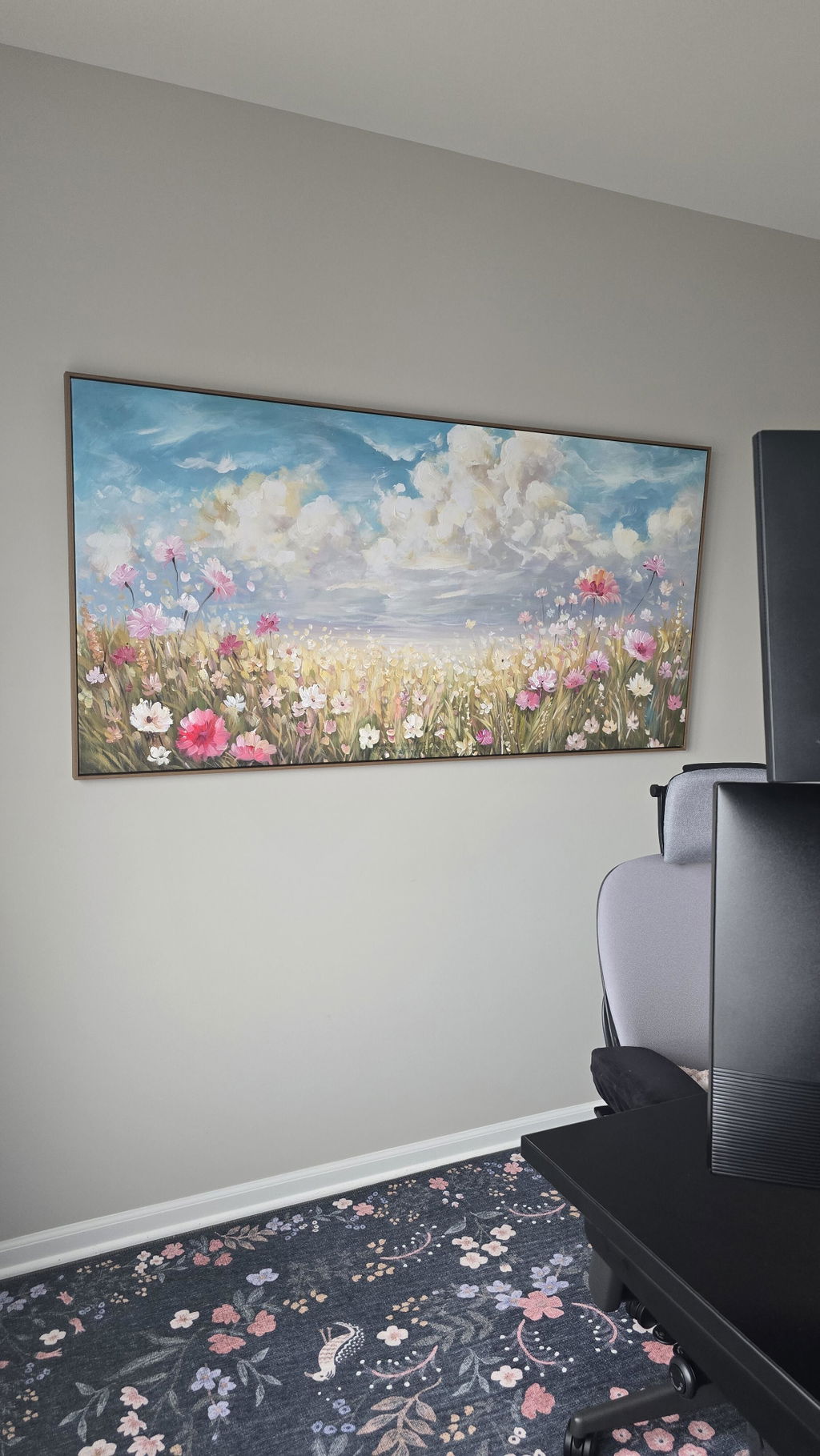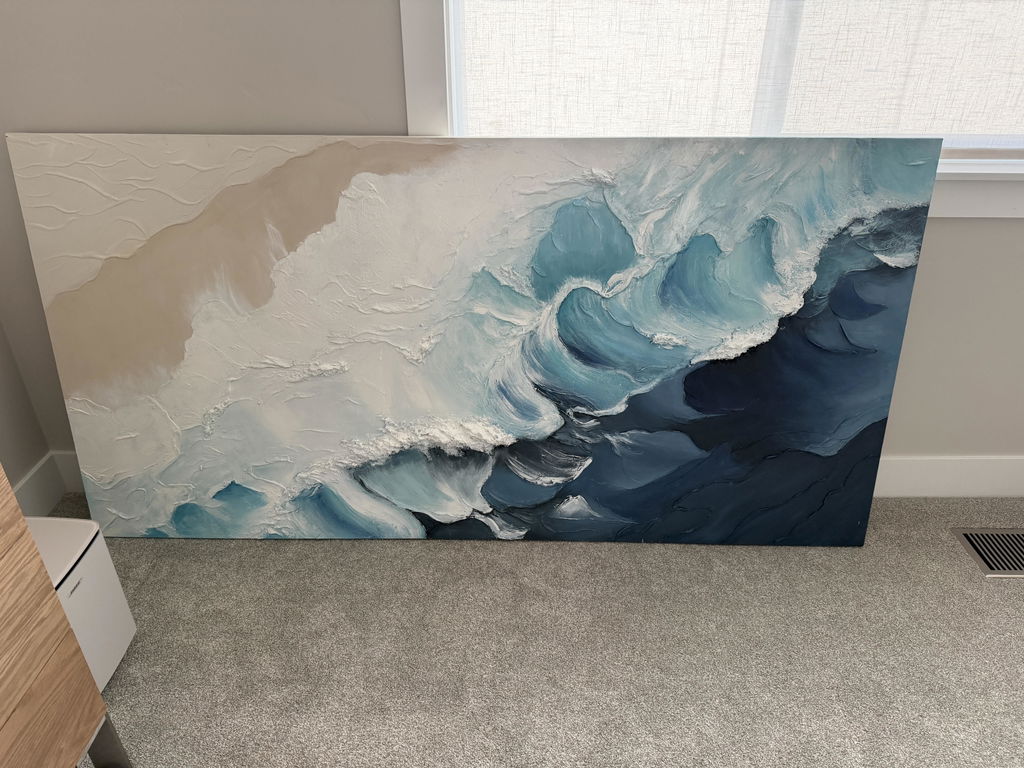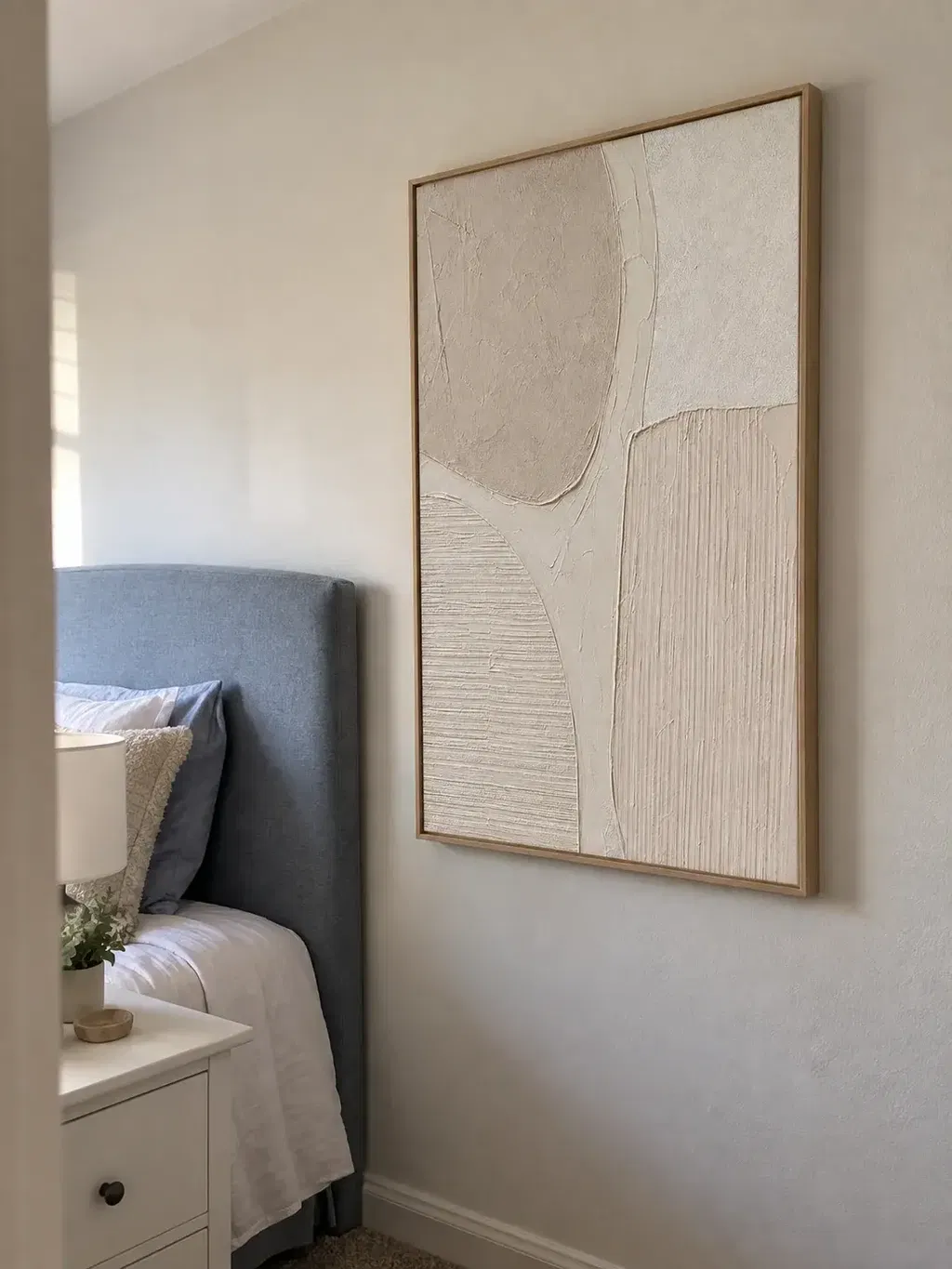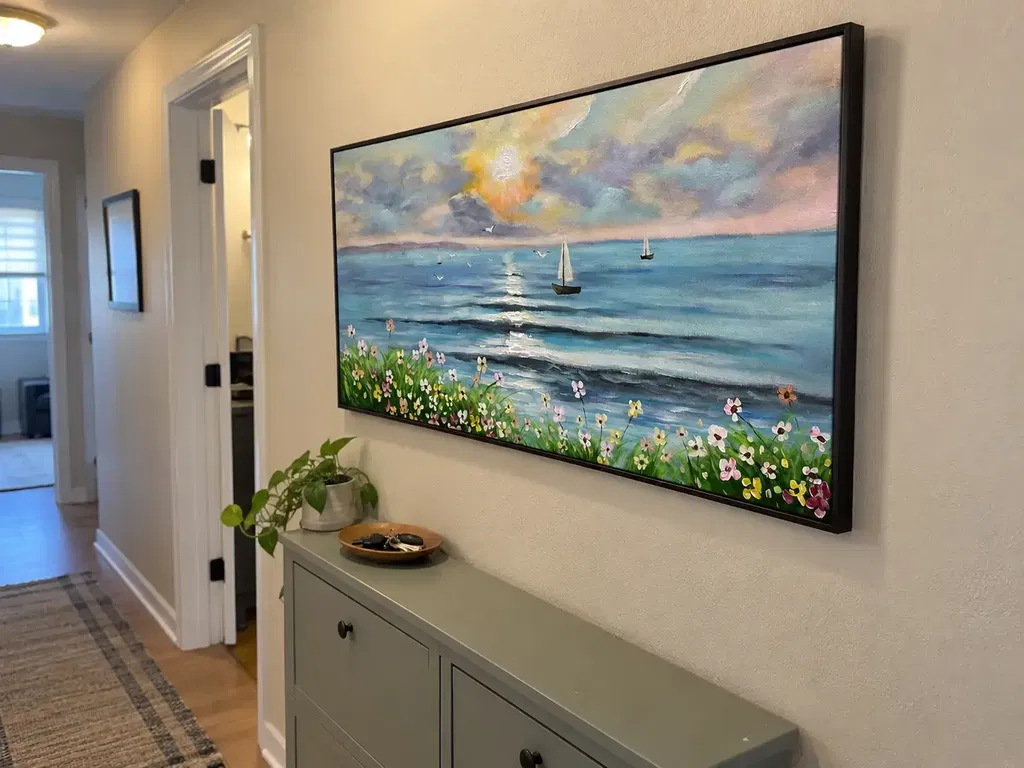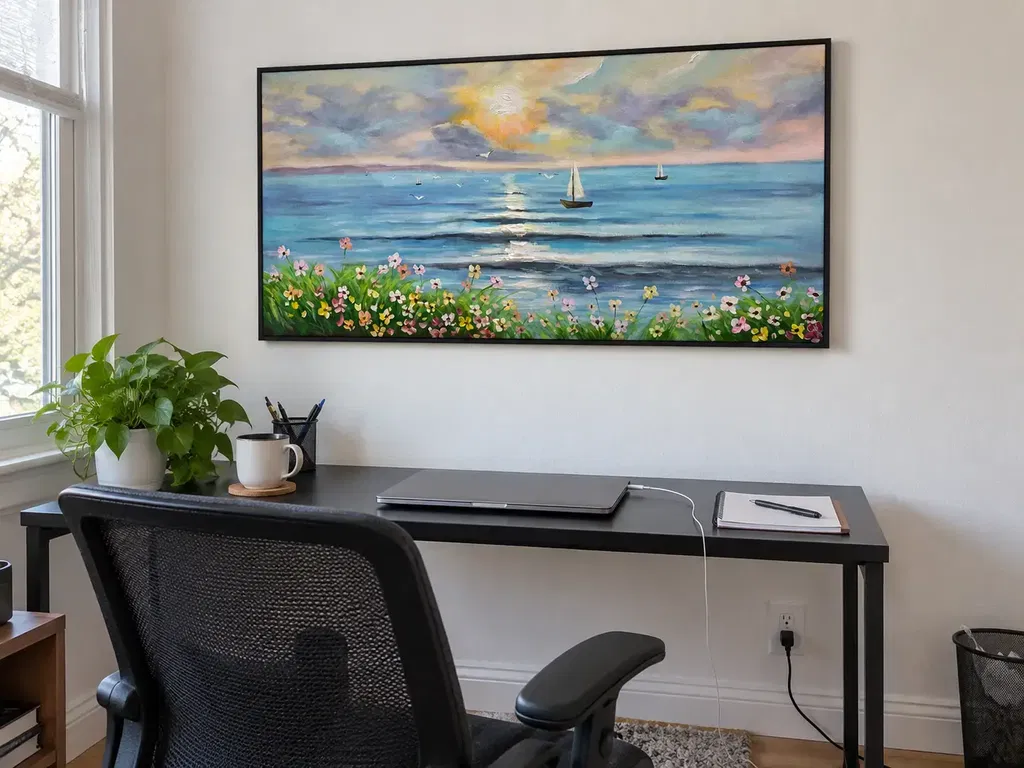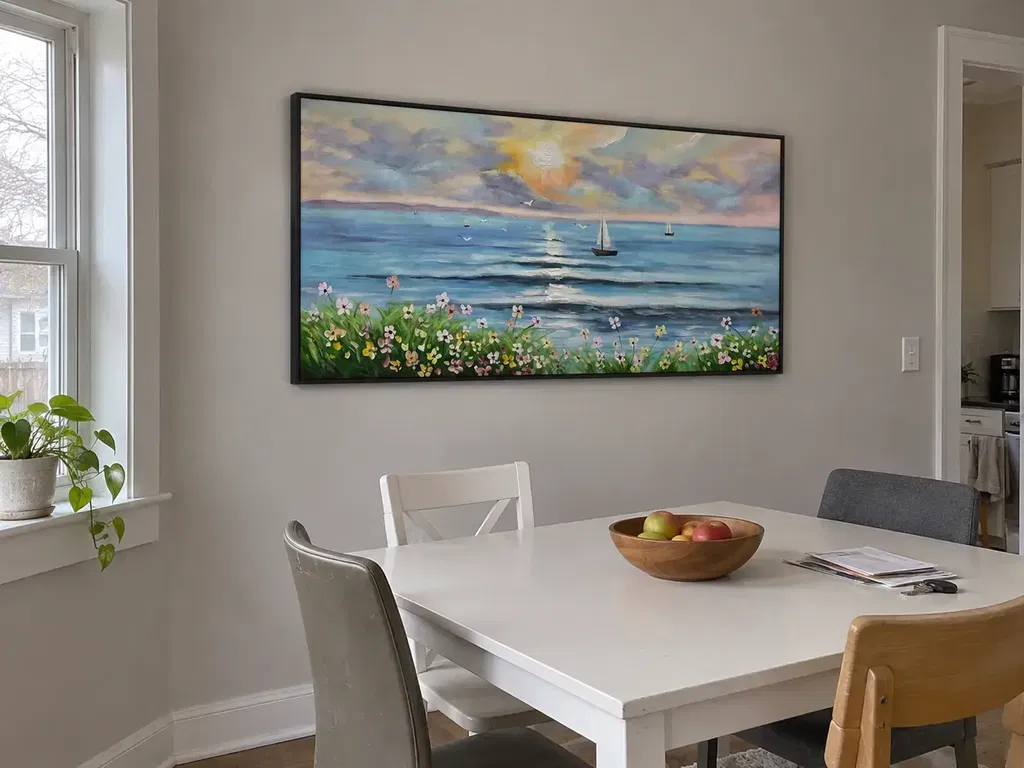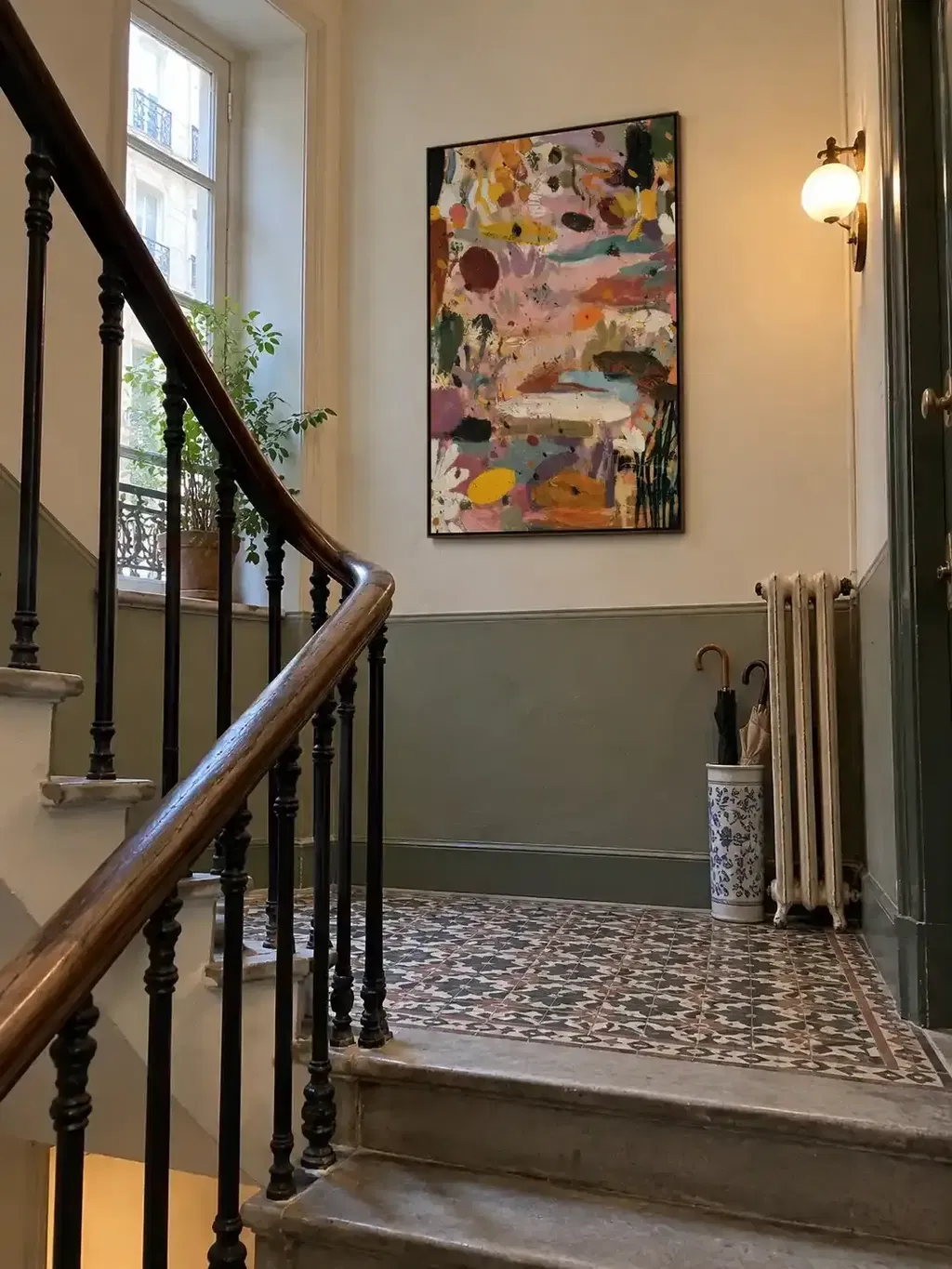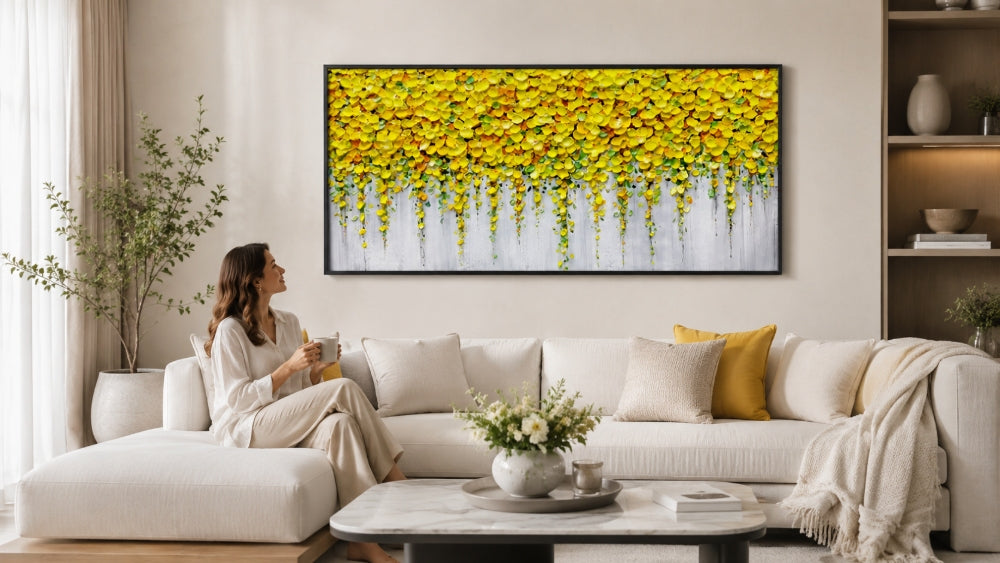
Determining when a blank wall needs oversized wall art is often the difference between a room that feels finished and one that feels unintentionally sparse.
In interior design, scale is a tool used to command attention and establish hierarchy. If a room features expansive square footage, high ceilings, or substantial furniture, standard-sized frames often fail to provide the necessary visual weight.
Large-scale pieces solve a common problem: the "lost" sensation where decor is swallowed by the architecture. A blank wall requires oversized art when a single focal point is needed to anchor a space, or when multiple smaller pieces would create unwanted visual clutter. Generally, art is considered "oversized" when it exceeds 32x48 inches, often reaching 48x72 inches or more for massive residential walls.
Signs Your Room Requires an Oversized Statement Piece
Many homeowners struggle with a room that feels "cold" despite having quality furniture. This is frequently a result of a scale mismatch between the walls and the floor plan. If your eye wanders around a room without a clear place to rest, you likely need a singular, massive focal point. For room-specific oversized art ideas, review the best oversized wall art guide.
Oversized art acts as a visual anchor. It tells the viewer where the heart of the room is located. You should consider large wall art if you notice the following issues in your space:
- The Vanishing Decor Effect: You have hung a standard 24-inch frame, but it looks like a postage stamp on a vast expanse of drywall.
- High-Ceiling Emptiness: Rooms with 10-foot or 12-foot ceilings often have a "dead zone" above the furniture line. This vertical void can make a room feel uninviting and cavernous.
- Anchor-Point Furniture: A 90-inch sofa or a 72-inch credenza requires a piece of art that can match its physical presence.
- Visual Noise Overload: If you have tried to fill a large wall with many small items, the result is often chaotic. A single extra large wall art canvas provides a sense of calm and intentionality.
The Furniture Ratio Rule for Perfect Scaling

Interior designers rely on a mathematical approach to ensure art doesn't look like an afterthought. The most important guideline is the "2/3 to 3/4 rule." This rule dictates that your wall art should span between two-thirds and three-quarters of the width of the furniture it sits above. The large wall art buying guide gives a wider checklist for size, color, subject, and placement.
Following this ratio ensures that the art and the furniture function as a single visual unit. If the art is too small, the furniture looks too heavy. For a 72-inch credenza, your art should ideally be between 48 and 54 inches wide.
| Furniture Item | Width (Inches) | Recommended Art Width (2/3 to 3/4) |
|---|---|---|
| Standard Loveseat | 60" | 40" – 45" |
| Three-Seater Sofa | 84" | 56" – 63" |
| Large Sideboard/Credenza | 72" | 48" – 54" |
| King Size Headboard | 76" | 50" – 57" |
Oversized Art vs. Gallery Walls: Which is Best?
Choosing between one huge wall art decor piece and a gallery wall depends on the atmosphere you want to create. A gallery wall introduces many lines and multiple subjects, which creates "energy." This can be overwhelming in a minimalist living room. If you are deciding between one canvas and several coordinated pieces, compare oversized wall art vs sets of 2 or 3.
In contrast, a singular framed abstract wall art piece provides a clean, sophisticated look. It reduces the number of visual decisions the eye has to make, which naturally lowers the perceived clutter of the room.
| Feature | Single Oversized Piece | Gallery Wall |
|---|---|---|
| Visual Impact | Bold, singular focal point | Eclectic, storytelling feel |
| Clutter Level | Low; creates a sense of calm | High; can feel busy or chaotic |
| Installation | Single heavy-duty mount | Multiple precise measurements |
Choosing the Best Orientation for High Ceilings
Architectural features like 12-foot ceilings or double-height entryways present a unique challenge. In these spaces, horizontal (landscape) art often fails to bridge the gap between the furniture and the ceiling.
To solve the "tall wall" problem, vertical (portrait) orientation is the superior choice. A tall, vertical piece of oversized landscape wall art draws the eye upward, celebrating the height of the room rather than letting it feel like wasted space. It creates a vertical axis that balances the horizontal lines of the floor and furniture.
How to Visualize Art Size Using Painter's Tape

Before investing in a large-format piece, you must confirm the dimensions in your specific environment. The most effective way to test this is the painter's tape method: For styling after you choose the size, see how to style a large painting without clutter.
- Measure the Furniture: Identify the width of the sofa or table the art will anchor.
- Mark the Corners: Use low-tack painter's tape to outline the exact dimensions of the proposed art on your wall.
- Check the Breathing Room: Ensure there is at least 6 to 12 inches of space above the furniture and at least 12 inches below the ceiling.
- The Room Walk-Through: View the taped outline from the primary seating area and the doorway.
- Adjust the Height: Move the tape until the center sits roughly at eye level (57-60 inches).
Critical Considerations for Mounting Heavy Artwork
Oversized art brings significant physical weight. Most oversized frames or stretched canvases weigh between 15 and 50 pounds. Failures in mounting can lead to falling damage, which may cause canvas tears or structural frame failure.
Safety is paramount when dealing with large-scale decor. You should never hang a heavy piece into just the drywall. Instead, follow these professional standards:
- Locate Wall Studs: Use a stud finder to identify vertical supports. Large pieces should be anchored into at least one stud.
- Heavy-Duty Hardware: Use French cleats or heavy-duty D-rings. The structural damage risk increases when the weight is concentrated on a single weak point.
- Two-Person Rule: Because of the bulk and weight, large panels or canvases should be positioned by two or more people to prevent accidental drops.
Conclusion: When to Choose Oversized Wall Art
Choosing when a blank wall needs oversized wall art is a matter of balancing your room's architecture with its furniture. When a space feels empty or lacks a clear focal point, a large statement piece provides the necessary scale to tie the interior design together. By following the 2/3 furniture width rule and using vertical orientation for high ceilings, you can transform a cold, cavernous room into a sophisticated, intentional space. Oversized art remains the most effective way to eliminate visual clutter and anchor your home’s aesthetic.
Safety Notice
This article provides general guidance only. Always follow the manufacturer's instructions, applicable local requirements, and appropriate safety practices. For installations involving heavy structural loads, high-traffic areas, or specialized wall materials, consult a qualified professional.
FAQs
How do I know if art is too big for my wall?
Art is too big if it extends past the edges of the furniture it anchors or leaves less than 12 inches of space from the ceiling and corners, making the room feel cramped.
Can I use oversized art in a small room?
Yes. One large piece can actually make a small room feel larger by providing a singular focus and reducing the visual 'noise' created by multiple smaller frames.
What is the standard size for oversized wall art?
Oversized wall art typically starts at 32x48 inches. Common larger dimensions include 40x60 inches or 48x72 inches for statement canvases and triptychs.