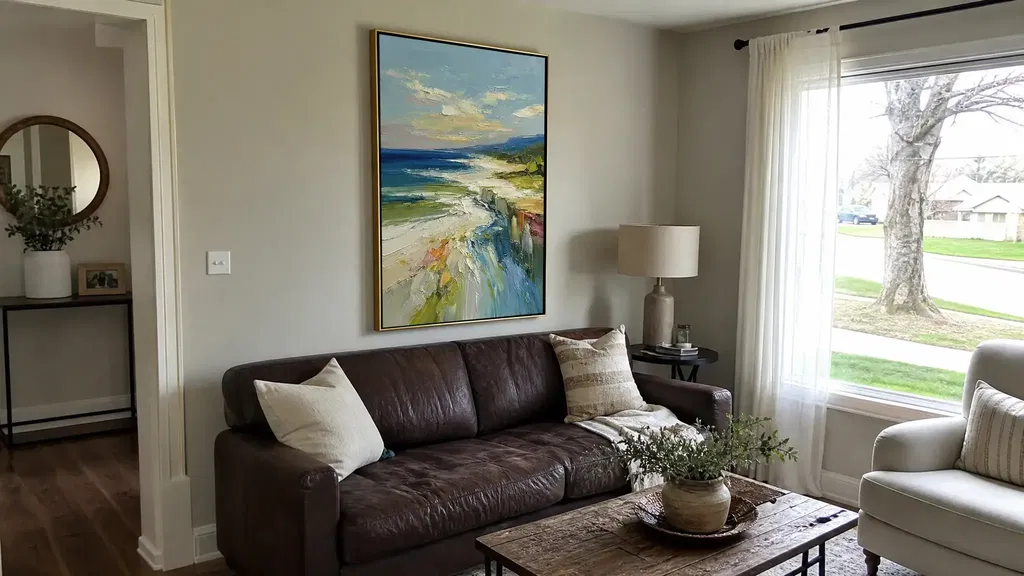
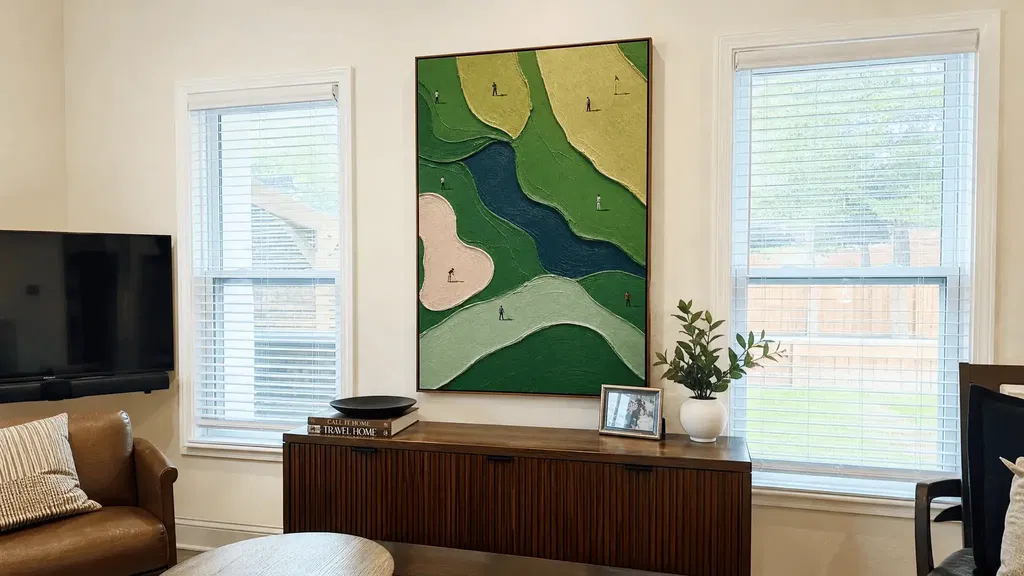
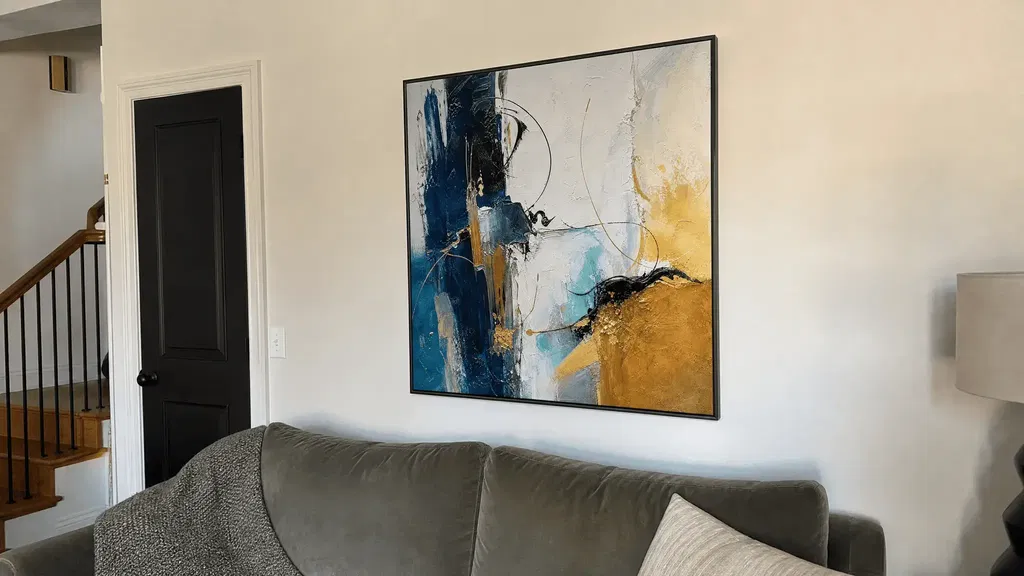
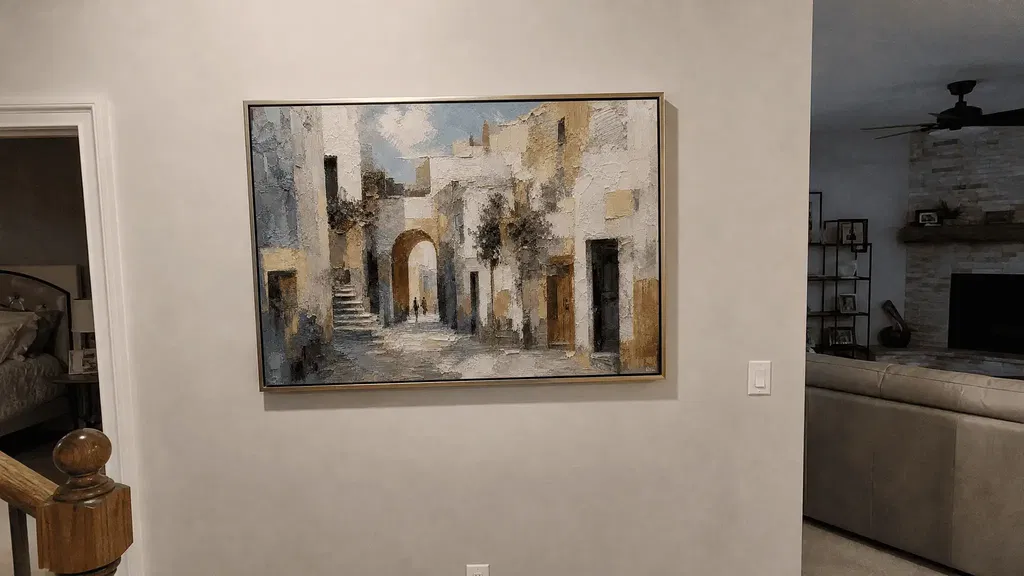
Textured wall art for hospitality projects works best as part of a project record, not as a series of isolated product purchases. Start by defining the guest experience and property goals, then match each location to its viewing and operating conditions. Before ordering, finalize the artwork specifications, approval path, delivery handoff, and site-readiness plan. After installation, keep location and care records so future maintenance or replacement does not require starting the approval process over.
This guide to hospitality textured wall art helps single-property and multi-property teams identify their current stage and choose the next practical action.
Plan the Textured Wall Art Brief Before Shopping
The brief should establish the property concept, guest-facing goal, spaces, decision-makers, dates, visual direction, non-negotiables, and variables that may change by location. Use it as the starting point for textured wall art selection instead of beginning with isolated browsing.
Set the Visual Direction and Guest Experience Goal
Describe what the artwork needs to do in the space before comparing individual pieces. Define the mood, palette, scale, relationship to the architecture, and intended role—such as a focal point, brand-identity cue, wayfinding support, or visual continuity between rooms.
A useful brief describes the guest experience in observable terms. For example, a lobby may need a strong arrival moment, while a guest room may need quieter visual continuity with the furnishings. That distinction guides later choices without assuming that one style or format will suit every property.
Separate Project Variables From Non-Negotiables
Create a short written brief with these fields:
- Project scope: property or brand, renovation or opening phase, spaces included, and single-property or multi-property status.
- Visual rules: approved colors, mood, palette, scale range, orientation, and relationship to adjacent finishes.
- Variables: dimensions, quantities, finish, framing, location, and timing that may change by room or phase.
- Controls: budget boundaries, decision-makers, sign-off authority, revision rules, and required dates.
- Future use: replacement expectations, approved variations, and the records the property must retain after installation.
For a rollout, mark each field as fixed, adaptable, or property-specific. Teams can then use relevant hospitality art collections for visual direction without treating a collection page as evidence of trade pricing, installation, certification, or performance.
Match Artwork to Each Hospitality Space
Artwork decisions should account for sightlines, lighting, circulation, adjacent finishes, operating activity, and approval requirements. A guest room, lobby, dining area, corridor, and office should each have a location record rather than inherit one universal size, placement, or suitability rule.
Use a location schedule with an identifier, dimensions, quantity, orientation, mounting condition, and approver for every area. Before approval, review the artwork in its actual context: sightlines, lighting, wall color, furniture, nearby elements, environmental exposure, and applicable accessibility or building requirements. This is a transferable review principle from federal fine-art policy, not a universal hotel mounting or compliance specification.
| Space Type | Primary Planning Question | Artwork Decision to Confirm |
|---|---|---|
| Guest rooms and suites | What will the guest see from the bed, entry, and main seating area? | Confirm scale, orientation, glare, nearby furniture, and the approved location record. |
| Lobbies and reception | Does the piece read clearly along arrival and waiting sightlines? | Confirm viewing distance, circulation, lighting, crowd flow, and protection needs. |
| Corridors and elevators | Will movement, doors, corners, and cleaning routes affect the location? | Confirm clearance, route conditions, wall finish, and the responsible approver. |
| Restaurants and bars | Could food service, events, lighting, moisture, or furniture changes affect the artwork? | Confirm the finish-specific care guidance, placement, protection, and operating-window requirements. |
| Offices and meeting areas | Does the artwork support the room without conflicting with screens, partitions, or reconfiguration? | Confirm viewing angles, equipment, flexible furniture, and future room use. |
| Other guest-facing spaces | What site condition or operating activity is unique to this location? | Flag the location for separate product, finish, mounting, or operational review. |
Treat traffic, cleaning routes, events, construction, water, light, HVAC, and nearby building work as checks—not proof that a particular artwork is commercially suitable. GSA care guidance identifies these conditions as relevant environmental or operational risks; the specific artwork, finish, site, and protection plan still require separate confirmation (care and maintenance guidance).
Lock the Artwork Specification Before Approval
Before artwork is approved, ordered, or released for shipping, create one controlled record covering identity, dimensions, orientation, quantity, finish, framing or edge treatment, location, timing, site inputs, and revision ownership. Request product-specific care, mounting, performance, and compliance documents when they affect the decision.
Choose the Right Production and Ordering Path
Choose the path based on repeatability, customization, variation tolerance, available dimensions, samples, revisions, and timing—not on the label alone.
| Ordering Path | Best Fit for the Decision | Confirm Before Approval |
|---|---|---|
| Ready-to-hang | A defined reference and available format already fit the location. | Exact dimensions, finish, framing, quantity, current availability, care guidance, and delivery terms. |
| Made-to-order | The project needs a controlled format or quantity with limited customization. | Which dimensions and finishes are fixed, allowable variation, sample needs, timing, and when the order becomes binding. |
| Custom | The space requires a specific concept, scale, material direction, or coordinated series. | Design revisions, physical approval piece, final dimensions, materials, documentation, production timing, and sign-off authority. |
No universal lead time, price, variation limit, or replacement availability is established here. Ask the supplier to confirm current terms for the exact order, and use a sample when texture, color, scale, finish, framing, batch variation, or nearby materials could materially change approval.
Document Approval, Quantity, and Site Requirements
The controlled record should include:
- approved artwork reference and revision date;
- labeled dimensions, orientation, quantity by location, finish, framing, and edge treatment;
- location schedule, delivery address, arrival window, receiving contact, and packaging expectations;
- mounting or site information supplied for the specific artwork and wall;
- care guidance, available product documentation, and any required sample or physical approval piece; and
- sign-off authority, substitution rules, and the point at which quantity, location, or design changes require reapproval.
This structure adapts an official public-art documentation checklist that calls for location, dimensions, materials and finishes, hardware, installation information, maintenance needs, and expected lifecycle before approval (specification documentation guidance). It is useful planning logic, not a universal hospitality code requirement. For teams comparing capital allocation or procurement questions, hospitality art budget planning can serve as an informational follow-up, but supplier-specific commercial terms still need to be confirmed directly.
Move From Approval to Site Installation
A hospitality installation is ready only when the released order, receiving plan, access route, site condition, operating window, assigned responsibilities, and sign-off process are aligned. Do not assume that an artwork order includes trade installation, storage, protection, or access coordination.
Prepare the Order and Delivery Handoff
Use this three-step handoff:
- Release the controlled order: reconcile the final reference, quantities, dimensions, addresses, contacts, delivery window, and approved revisions.
- Prepare receiving and storage: name the receiving owner, secure-storage owner, inspection contact, and process for documenting discrepancies or visible damage.
- Inspect and reconcile: compare delivered items with the approved references and location schedule before distributing them to rooms or installation zones.
Assign receiving, storage, mounting, protection, condition checks, cleanup, and final sign-off in the order or installation plan. An official county public-art guideline illustrates why responsibilities are assigned by agreement; it does not create a default hotel rule (installation responsibility guidance). Confirm the actual contract, site requirements, artwork details, and responsible installer for the project.
Confirm Site Readiness and Installation Boundaries
Before the installation window, verify:
- wall locations, dimensions, finish completion, and nearby furniture or equipment;
- doors, corners, elevators, access routes, staging areas, and storage conditions;
- traffic, egress, lighting, housekeeping routes, guest occupancy, restaurant activity, and scheduled events;
- construction status and any dust, vibration, water, or other work that could affect the artwork; and
- the specific mounting method, artwork, wall, weight, agreement, and jurisdictional requirements.
The physical route matters as much as the destination. Check that the artwork can move through doors and around corners, and identify equipment or access needs before arrival (site access and route checks). For a multi-property rollout, reuse the handoff package while recording each property's local route, storage, access, operating window, and approval differences.
Maintain the Program and Plan Replacements
After installation, maintain a location-based record with approved references, dimensions, care guidance, photos, condition notes, and replacement status. Use the record to decide whether to maintain, protect, replace, or refresh; do not apply one generic cleaning method, inspection frequency, lifespan, or durability claim to unspecified artwork.
Create a Practical Care and Inspection Routine
Use a three-step routine:
- Document approved care: retain the supplier's artwork- and finish-specific instructions and identify the inspection owner for each artwork group.
- Inspect by location: look for visible damage, loosening, staining, finish changes, or site-related issues using a routine appropriate to the space and operating conditions.
- Log the next action: record the location, date, image, condition, disposition, and whether the issue changes a future specification or placement decision.
A hospitality art maintenance resource may help with follow-up planning, but its guidance should not override the instructions for the specific artwork or finish. During renovation, create a protection or removal plan before dust, vibration, water, or other hazards begin. Official care guidance supports preserving photos, condition notes, and protection planning, while more complex material or risk questions may warrant a qualified specialist (lifecycle record guidance).
Decide When to Replace or Refresh
Consider replacement or refresh when condition, visual fit, availability, or the property concept no longer supports the space. First check the approved reference, compatible alternatives, current supplier information, and whether the location itself needs a different artwork decision.
For a renovation, decide on protection or removal before construction starts rather than after visible damage appears. For a multi-property program, retain the master reference, allowable-variation rules, current location schedule, and local exception record so a replacement is consistent without forcing every property into an identical site solution.
Choose the Next Action for Your Project
Route the project by its current stage, then create the next required record instead of reopening every earlier decision.
- Concept and briefing: complete the property goal, visual direction, spaces, decision-makers, location schedule, and fixed-versus-adaptable rules.
- Selection and approval: compare the ordering path, request a sample when the visual decision could change, lock the specification, and obtain dated sign-off before release.
- Procurement and installation: verify the released order, receiving and storage owners, delivery route, site readiness, operating window, mounting responsibility, inspection, and final sign-off.
- Installed-program maintenance or replacement: create the location record, retain care guidance and photos, log condition, and decide whether to maintain, protect, replace, or refresh.
- Multi-property branch: create the master specification, approved references, repeatability checks, allowable-variation rules, and local-exception process before adapting the package to individual properties.
If the immediate need is visual sourcing, browse our hospitality art collections after the brief is defined. If the project is already shortlisted, move to the specification and approval record instead. The next decision should always be tied to the project stage and confirmed product, site, contract, and jurisdiction details.
Hospitality Textured Wall Art FAQs
How Do Hotels Choose and Install Wall Art Without Disrupting Guests?
Set the installation window around occupancy, housekeeping, restaurant or event schedules, receiving, storage, construction status, and access—not just the delivery date. Before work begins, name the person responsible for mounting and the owners for protection, cleanup, condition checks, and sign-off; then confirm the actual mounting method and site requirements.
What Should a Hospitality Team Ask an Art Supplier Before Placing an Order?
Ask for the exact reference, dimensions, quantity, allowable variation, finish, framing, current lead time, packaging, delivery terms, care guidance, replacement availability, and product-specific documentation that can actually be supplied. Also ask when the order becomes binding, what changes trigger reapproval, and who handles discrepancies or visible damage after delivery.
How Do You Standardize Artwork Across Multiple Hotel Properties?
A master specification is only the starting point. Pair it with approved references, property-level location schedules, repeatability checks, allowable-variation rules, and a documented local-exception process; confirm each property's wall, route, operating window, and approval authority before release.
When Should a Hospitality Team Request a Sample or Physical Approval Piece?
Request one when texture, color, scale, finish, framing, batch variation, or nearby materials could materially change the decision. Name the design or procurement approver before reviewing the sample, and make the approved sample or reference part of the dated record used for the larger order.