The Quick Answer: Which Art Format Suits Your Room?
The choice between oversized art and multi-piece sets depends primarily on your room’s scale and the ceiling height. Oversized art is the superior choice for high-ceilinged rooms or expansive lofts where you need a bold, singular focal point to anchor the space without creating visual noise. In contrast, sets of 2 or 3 (diptychs and triptychs) are better suited for wide, horizontal spaces like the wall above a sofa or a long console table. Sets allow you to cover more surface area with a lighter visual touch, making them ideal for rooms with standard or lower ceilings where a massive single canvas might feel claustrophobic.
When to Choose Oversized Wall Art for a Bold Focal Point
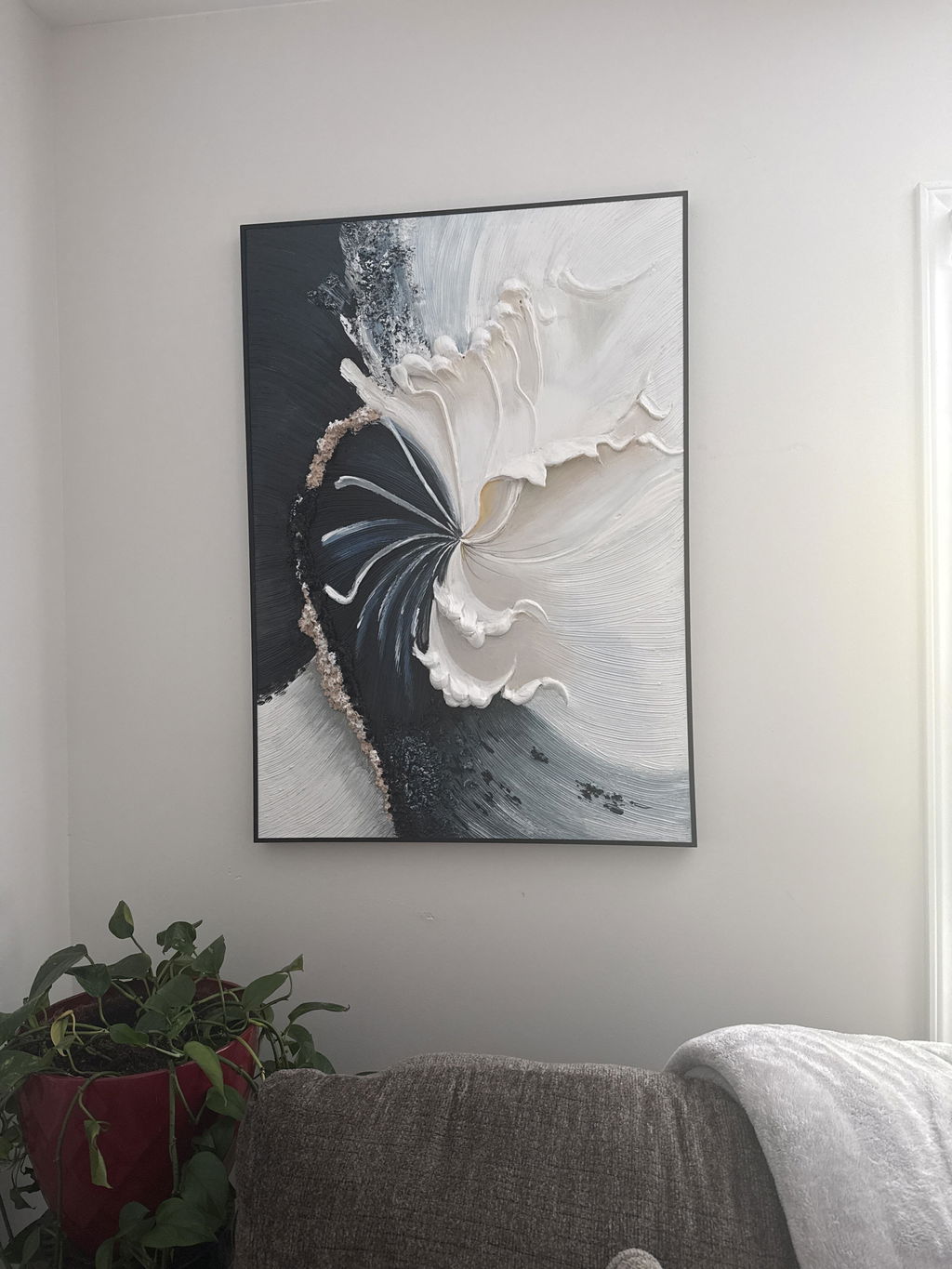
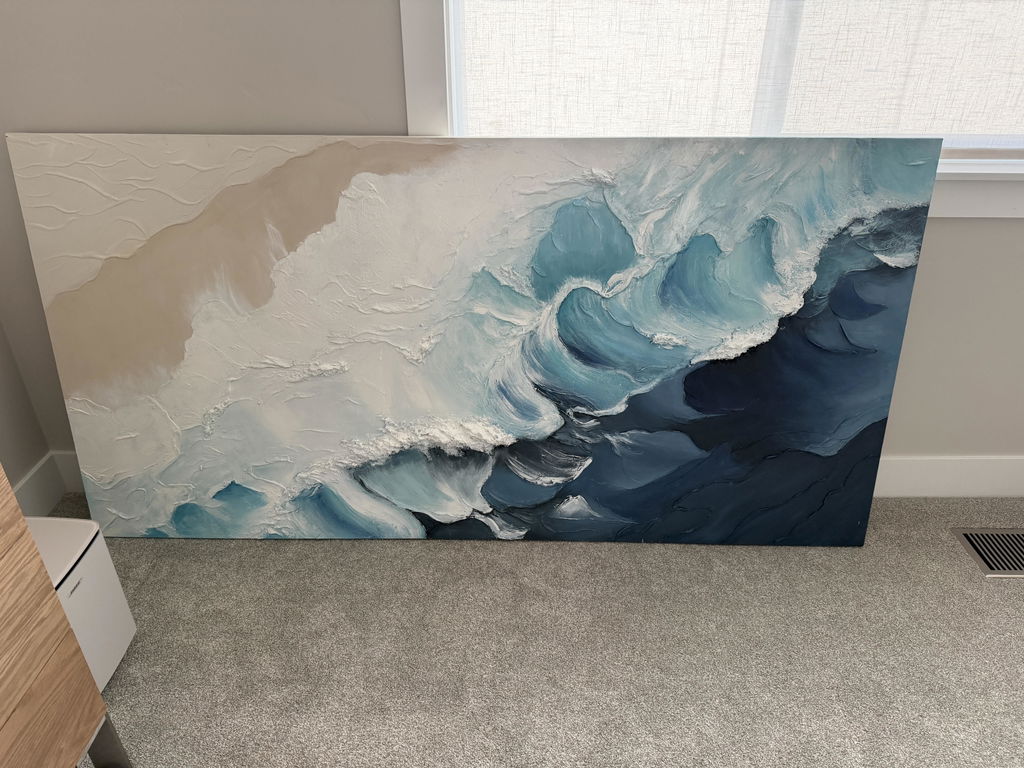
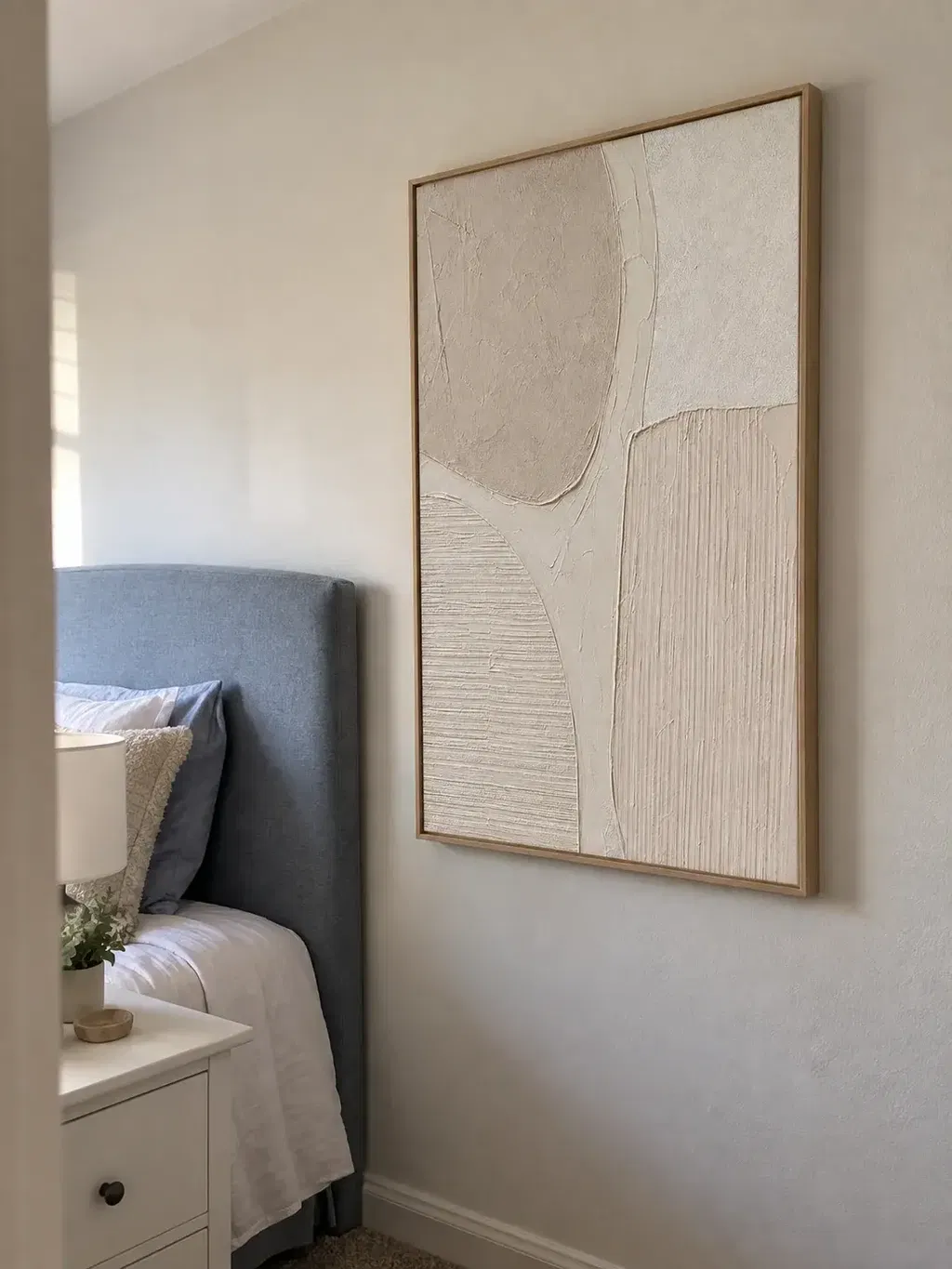
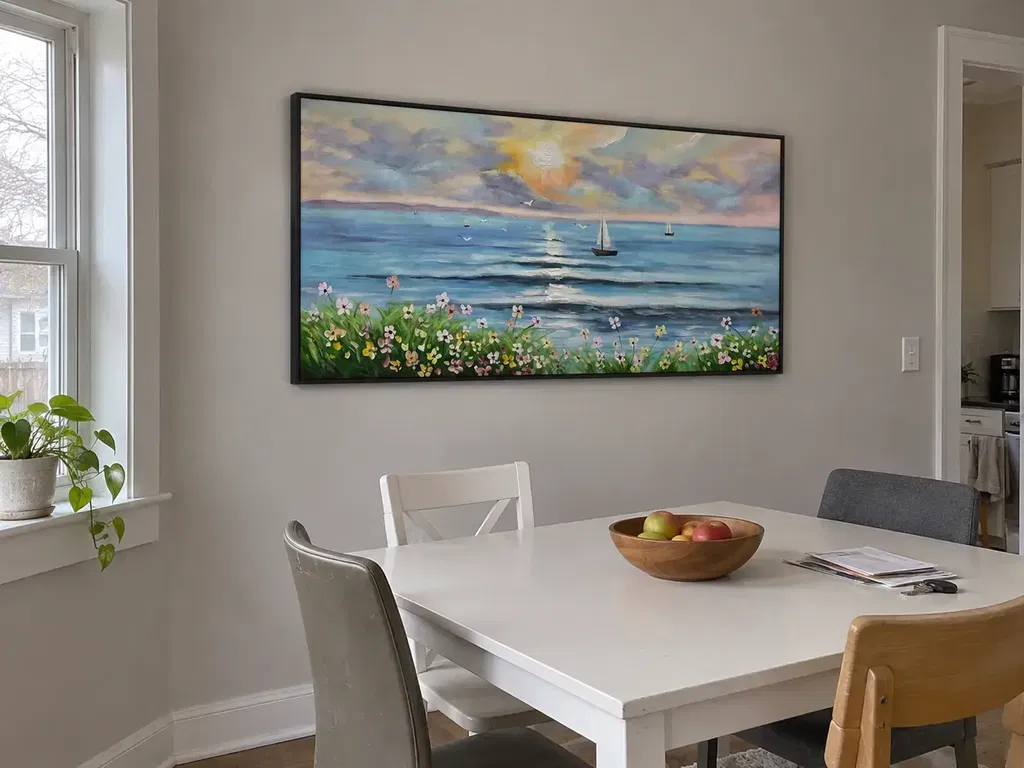
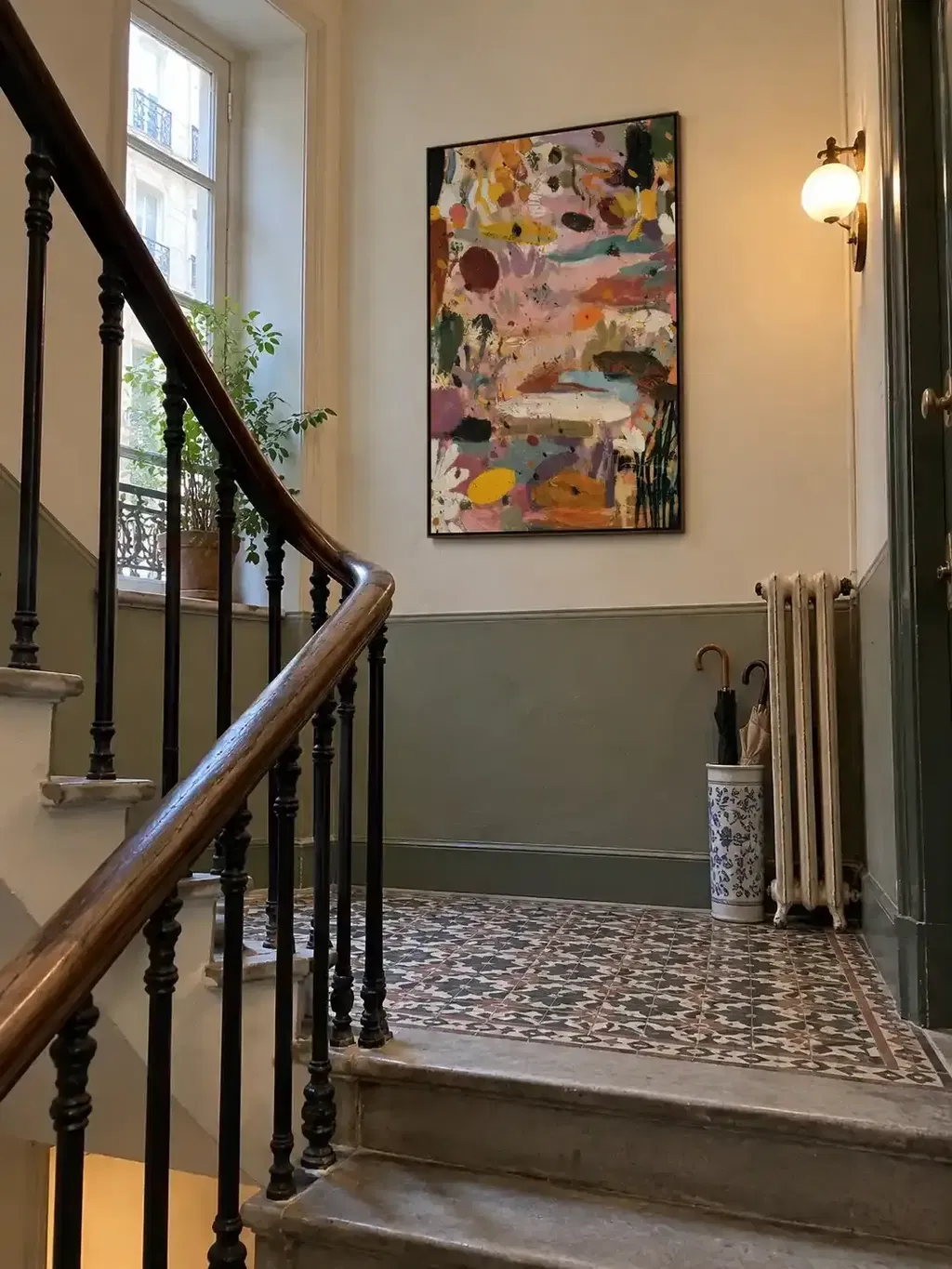
Oversized wall art is defined by its ability to eliminate visual clutter. When you hang a single, large format art piece, you are making an intentional decision to prioritize a primary subject. This format is particularly effective in minimalist environments. In a large room, multiple small frames can look like "postage stamps," whereas a single large canvas fills the void with confidence. For room-by-room examples, see the best oversized wall art guide.
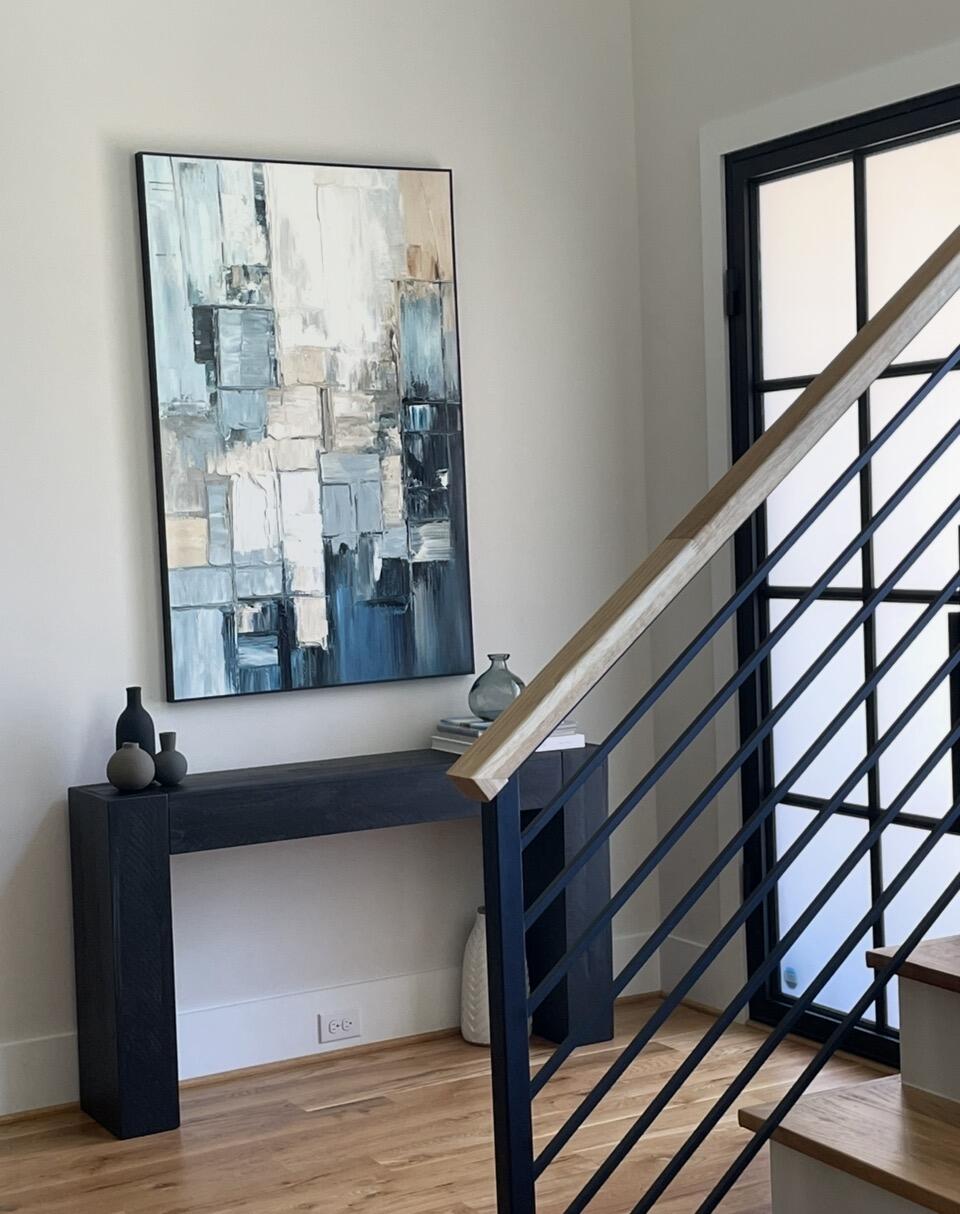
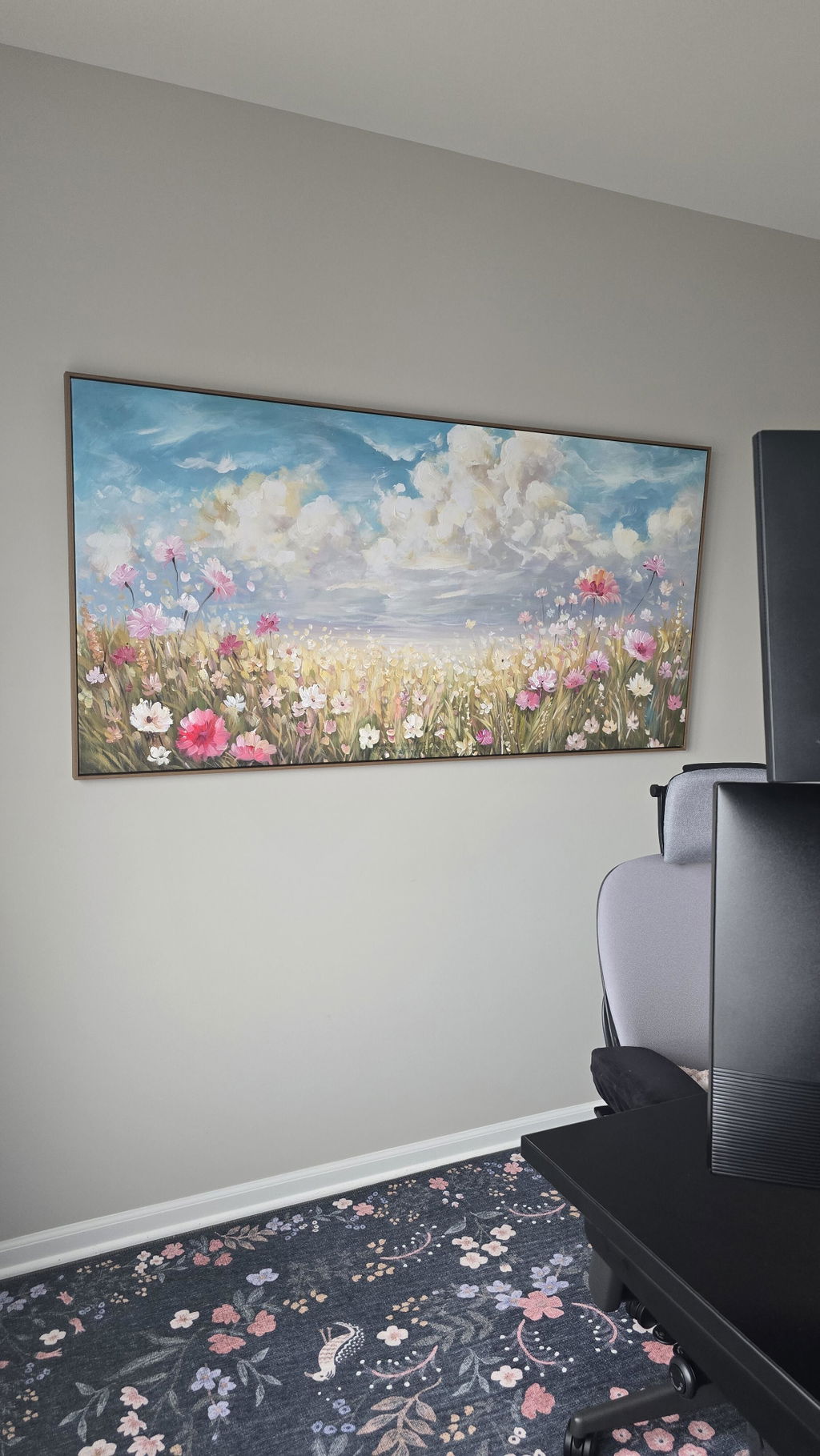
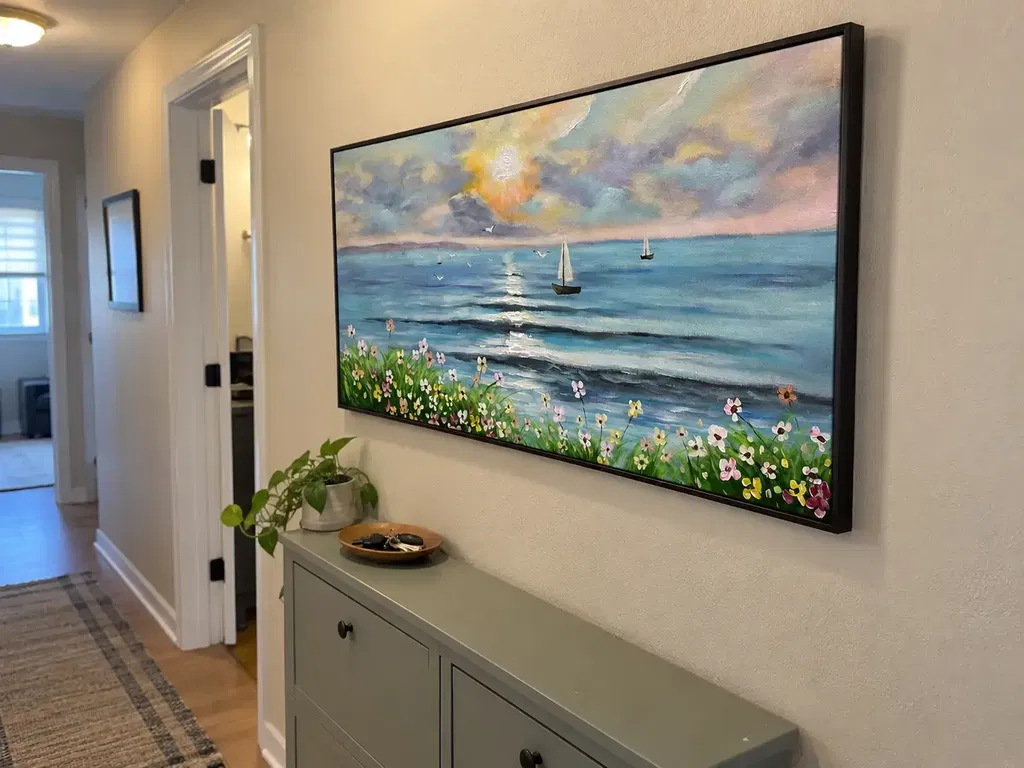
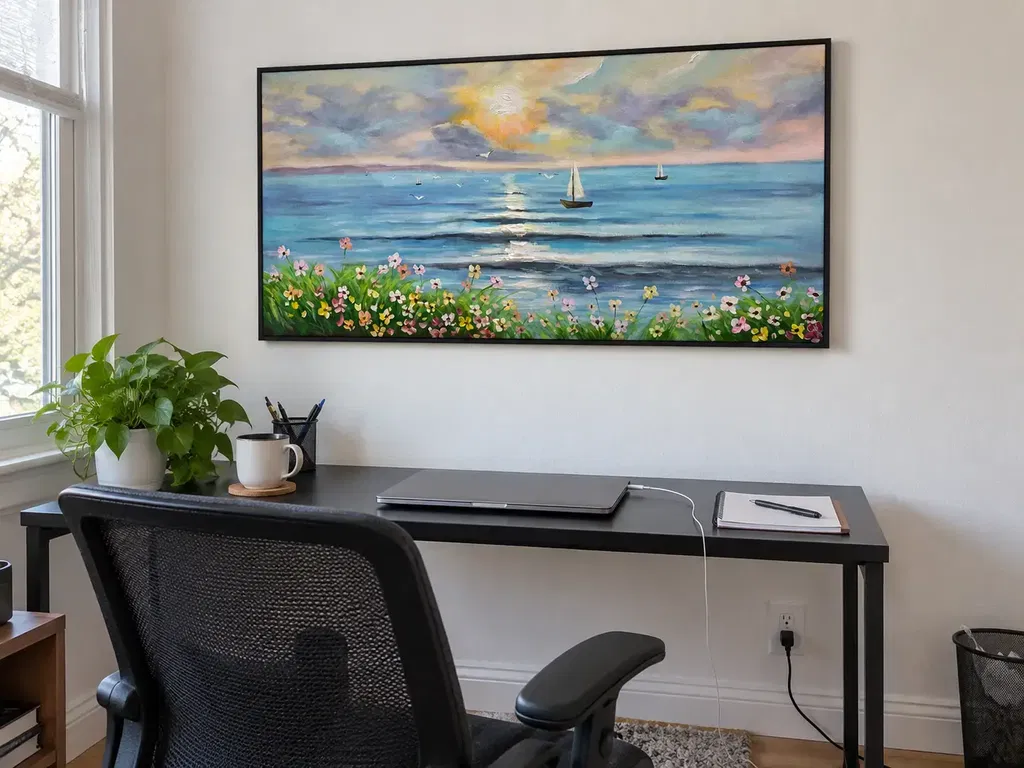
Architecturally, oversized pieces are the best wall art for high ceilings. They draw the eye upward, emphasizing the vertical volume of the room. When choosing a large landscape artwork, consider the "Rule of Thirds." Even in a single composition, the most impactful art often places its horizon line or primary subject off-center, creating a sense of natural balance that prevents the large format from feeling too static or heavy.
Because of their scale, handling these pieces requires care. Professional conservators at the Smithsonian note that large panels or canvases should be carried by two or more people to prevent structural damage or accidental falls. A single large piece also benefits from a clean, uncluttered surrounding; let the art breathe by keeping nearby furniture or lighting relatively simple.
Why Sets of 2 or 3 Work Best for Wide Horizontal Spaces
If you are decorating a wide horizontal wall, a painting 3 piece set—known as a triptych—offers a dynamic rhythm that a single piece cannot replicate. These sets break up the image, allowing the wall color to peek through the gaps. This creates "white space" that makes the art feel lighter and less overwhelming in tighter quarters. For format definitions and design uses, review diptych and triptych painting sets.
Understanding Triptychs and Diptychs
- Diptych: A set of two panels. This format is excellent for creating symmetry. It works beautifully on narrow walls or on either side of a window.
- Triptych: A set of three panels. This is the most popular choice for above sofas because the central panel provides a clear anchor, while the two side panels extend the visual reach to match the furniture's width.
Sets are particularly effective for large abstract wall art where the pattern continues across panels. This creates a "window" effect, suggesting that the image extends beyond the frames. It is a classic technique for making a smaller room feel more expansive by tricking the brain into perceiving a wider horizon.
Mastering the 2/3 Rule for Furniture and Art Sizing
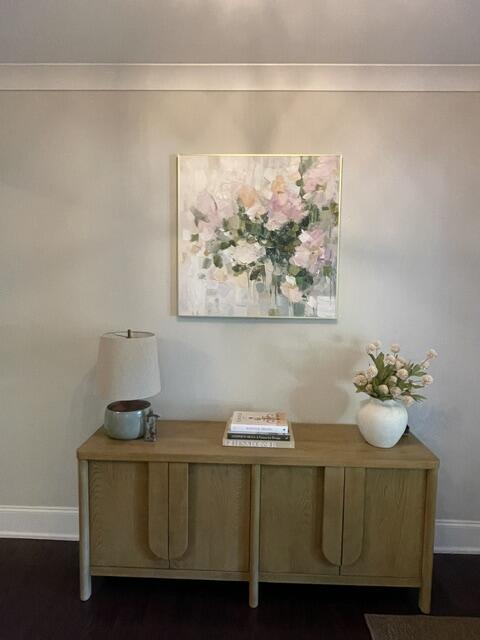
The most common mistake in home decor is hanging art that is too small for the furniture below it. To ensure your canvas wall art framed look fits the room, you must apply the 2/3 rule. This rule dictates that your artwork—whether a single piece or a total set—should span between 60% and 75% of the width of the furniture it sits above.
The Calculation for a 72-Inch Sofa:
- Measure the width of your sofa (e.g., 72 inches).
- Multiply by 0.66 (72 x 0.66 = 47.5 inches).
- Multiply by 0.75 (72 x 0.75 = 54 inches).
- Your ideal art width is between 48 and 54 inches.
How to Space Multi-Panel Art Sets Correctly
Spacing is the secret to making a multi-piece set look like a cohesive installation rather than a series of disconnected images. The standard recommendation is to leave a 2 to 4 inch gap between each panel. For installation math and alignment steps, use the multi-panel painting hanging guide.
If the gaps are too wide (more than 5 inches), the eye will stop at each frame, and the image will lose its flow. If the gaps are too narrow, the set will look cramped. Proper spacing allows for a rhythmic pause. Furthermore, consider the environment behind the art; wall temperature and backing-board design can affect how a canvas ages over time. Using backing boards is a recommended preventive-conservation measure to protect against humidity changes behind large installations.
The Painter's Tape Method for Visualizing Scale
Before purchasing a large abstract painting, use the painter’s tape method to "try on" the size. This prevents the common regret of buying a piece that looks massive online but disappears on your actual wall. If the room still feels unfinished, check when a blank wall needs oversized art.
- Mark the Corners: Use low-tack blue painter’s tape to outline the outer dimensions of a single oversized piece on your wall.
- Mock the Set: If considering a triptych, tape out three separate rectangles with 3-inch gaps between them.
- Step Back: Leave the tape up for 24 hours. Walk into the room at different times of day to see how the "scale" feels as you move through the space.
Summary: Oversized Art vs. Multi-Piece Sets Comparison Table
| Feature | Oversized Wall Art | Sets of 2 or 3 (Multi-Panel) |
|---|---|---|
| Best Room Type | High ceilings, open-concept lofts | Standard ceilings, wide horizontal walls |
| Visual Impact | Bold, singular, commanding | Rhythmic, airy, expansive |
| Installation | Heavy, requires 2 people & hooks | Requires precise leveling |
Conclusion: Selecting Your Oversized Wall Art vs Sets of 2 or 3
Ultimately, deciding between Oversized Wall Art vs Sets of 2 or 3 requires a balance of architectural logic and personal style. If your goal is to create a museum-like focal point that emphasizes the height and grandeur of a room, a single oversized canvas is the professional choice. However, if you are looking to ground a long piece of furniture or make a cramped wall feel wider and more rhythmic, a set of 2 or 3 panels will yield a more harmonious result. By following the 2/3 rule and using the painter's tape method, you can move forward with confidence, knowing your selection will fit the scale of your home perfectly.
Safety Notice
This article provides general guidance only. Always follow the manufacturer's instructions, applicable local building requirements, and appropriate safety practices for hanging heavy items. For installations involving significant structural loads, high-traffic areas, or specialized wall materials, consult a qualified professional to ensure the artwork is securely fastened and poses no risk to occupants.
Light damage is cumulative and irreversible; consider the placement of your art relative to direct sunlight to ensure its long-term preservation.
FAQs


How much space should I leave between pieces in a set?
A standard gap of 2 to 4 inches is recommended for sets of 2 or 3 to maintain a sense of cohesion without the pieces appearing cluttered or disconnected.
Can I use the 2/3 rule for console tables?
Yes, the 2/3 rule applies to any furniture anchor. Your art should span roughly 66% to 75% of the console table's width to look balanced.
Is one large canvas more expensive than a set of three?
Generally, one massive oversized canvas can be more expensive due to specialty shipping and crating costs, whereas a set of three smaller panels can often be shipped in standard packaging.