Beyond Protection: Varnish as a Tool for Optical Engineering
In the high-end art market, a significant shift is occurring. Recent data from Marketplace.org indicates that sales of "vanity" auction pieces over $10 million plummeted 44% in 2024. Collectors and interior designers are retreating from purely financial assets, returning instead to art with "real application value"—custom, hand-painted works that transform living environments.
For the discerning homeowner or designer, the final "decision safety" of a commissioned piece often rests on a single, invisible layer: the varnish. While often viewed merely as a protective shield against dust and UV rays, varnish is, in reality, a sophisticated tool for light management. It is the final stage of optical engineering that dictates how a painting interacts with a room's specific lighting architecture.
As research from Columbia University confirms, consumers value authentic human-created art 62% higher than AI-generated prints. This premium is rooted in the "essential identity" and physical presence of the work. Varnish is the medium that preserves this identity, controlling light refraction to ensure that the "soul" of the painting—its texture, depth, and color—remains predictable and impactful under varying environmental conditions.
The Physics of the Finish: Refraction vs. Smoothing
To understand how varnish affects a painting, we must look past the surface. Conventional wisdom suggests that varnish intensifies colors primarily by changing the refractive index of the surface. However, deeper analysis reveals a more nuanced mechanism.
The Surface Smoothing Effect
According to research published via ResearchGate, the visual modification provided by varnish is driven more by molecular weight-dependent surface smoothing than by refractive index changes. When paint dries, it often develops a microscopic roughness. This roughness causes light to scatter in multiple directions (diffuse reflection), which can make dark colors appear "chalky" or desaturated.
Varnish fills these microscopic valleys. By creating a uniform, level surface, it transitions the reflection from diffuse to specular (mirror-like). This allows light to penetrate deeper into the pigment layers before reflecting back to the viewer, which we perceive as increased color saturation and "depth."
Logic Summary: Our analysis of varnish performance assumes that surface topography is the primary variable in light scattering. We categorize varnish effectiveness based on its ability to "level" the paint film's microscopic profile, a process dictated by the resin's molecular weight and viscosity during application.
The Kubelka-Munk Equation in Practice
The Getty Conservation Institute utilizes the Kubelka-Munk equation to explain these optical phenomena. This model identifies that pigment reflection is dominated by absorption (K) and scattering (S) coefficients. Varnish effectively reduces the "S" component at the surface interface. For designers, this means a varnished painting will maintain its "true" color profile even as the sun moves across a room, provided the varnish type is matched to the light source.

Gloss vs. Matte: Navigating the Trade-offs
Choosing between a gloss, satin, or matte finish is not merely a matter of taste; it is a strategic decision based on the room’s "light hygiene."
| Varnish Type | Optical Mechanism | Best For | Trade-off |
|---|---|---|---|
| Gloss | Maximizes specular reflection; minimizes scattering. | Low-light areas; traditional portraits; deep shadows. | High risk of "hotspots" and glare in bright rooms. |
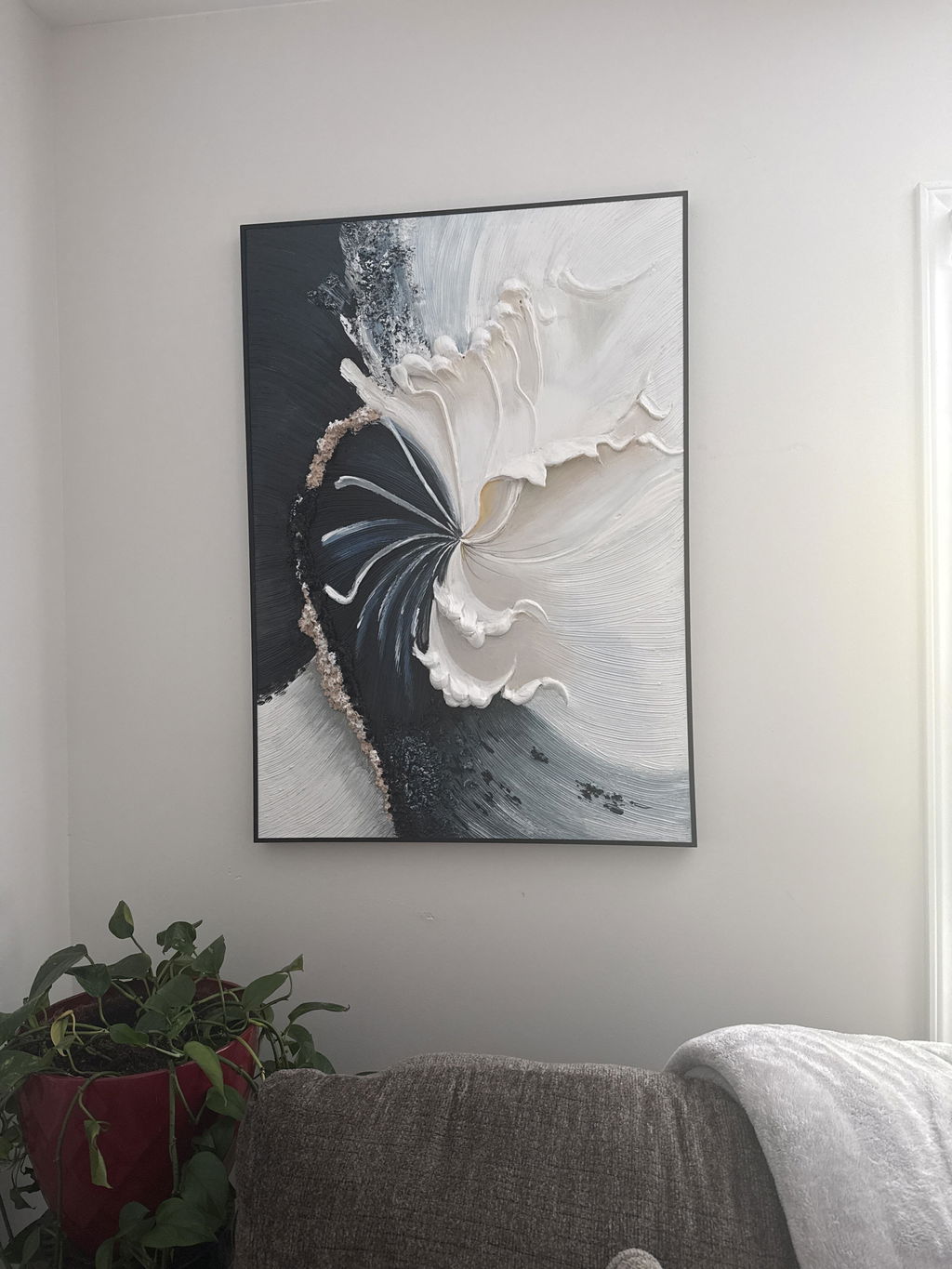
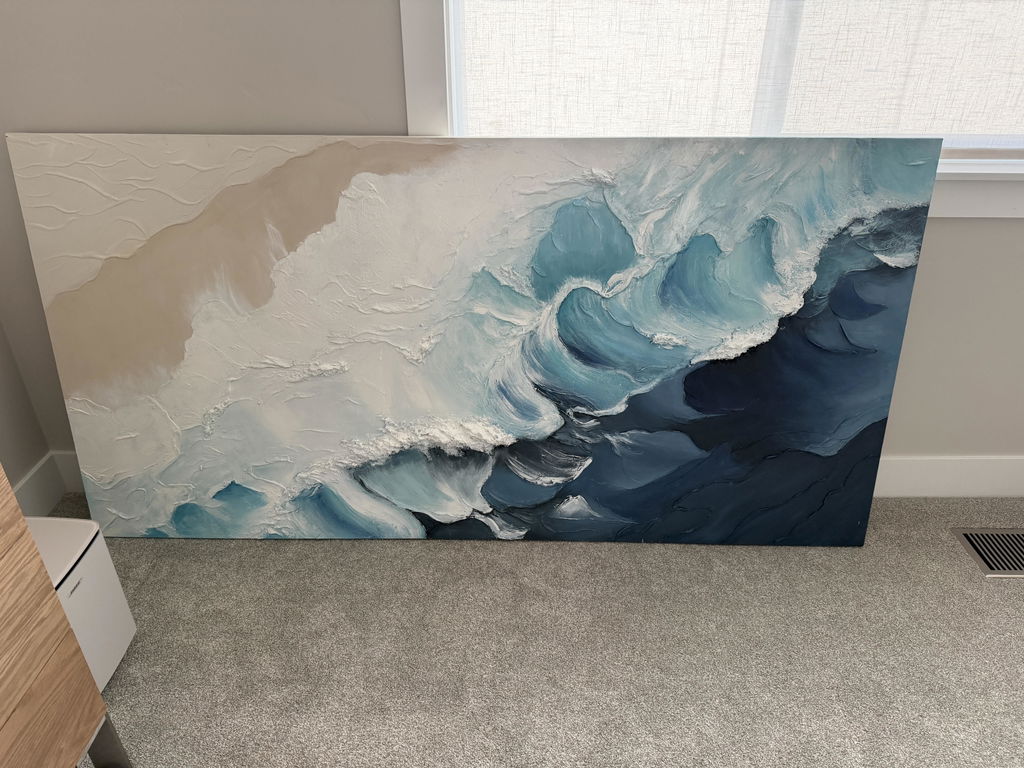
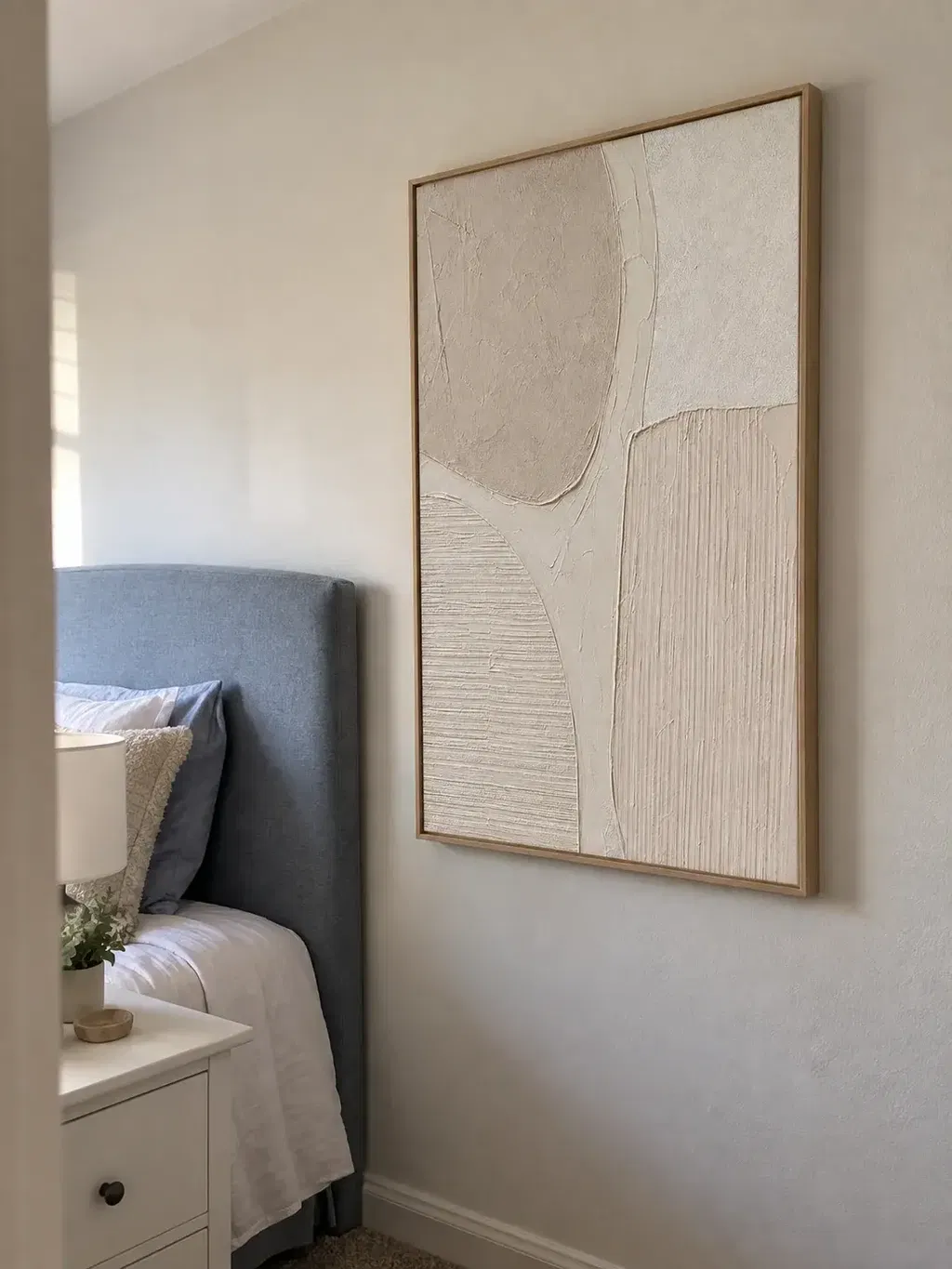
| Matte | Introduces controlled scattering via matting agents. | Brightly lit rooms; large windows; contemporary impasto. | Can slightly desaturate dark tones and "flatten" depth. |
| Satin | Balanced refractive profile. | Transitional spaces; most residential settings. | A "middle-ground" that may lack the drama of gloss. |
The Glare Problem in Modern Interiors
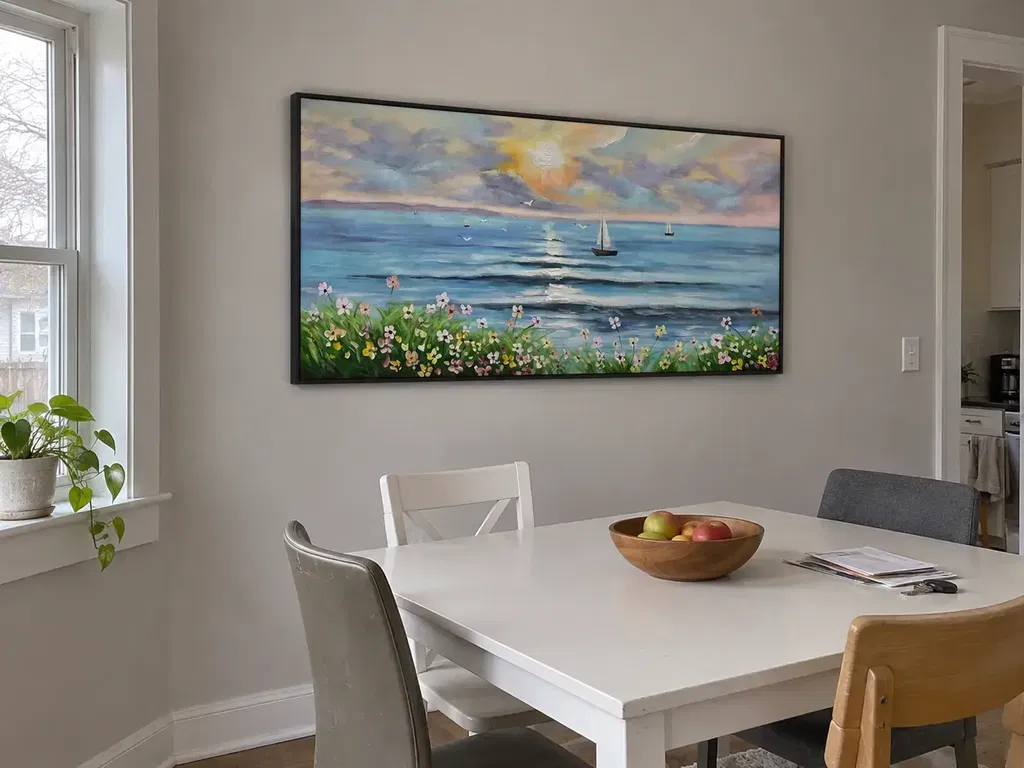
In modern "biophilic" designs—which UPenn research shows can improve patient mood by 73% in clinical settings—natural light is abundant. However, large windows are the enemy of gloss varnish.
Experienced practitioners know that matte varnish is preferred for textured paintings in these environments because it minimizes glare hotspots. However, there is a "hidden" cost: matte varnishes contain microscopic particles (usually silica) that scatter light. This scattering can reduce color saturation. To compensate, artists must often increase pigment intensity during the painting phase to ensure the final work doesn't look "washed out" once the matte coat is applied.
The "Plastic Barrier" Risk
A common mistake we observe in the field (based on patterns from professional restoration and customer feedback) is the over-application of varnish. Applying a thick, single layer creates a "plastic barrier" effect. This thick film distorts the natural interaction between light and the underlying pigments, often leading to a "canned" or artificial appearance.
The professional heuristic is to apply multiple thin layers with specific drying intervals. This achieves gradual optical control without burying the tactile brushstrokes that define Professional Oil Quality.
Lighting Analysis: The Designer’s Protocol
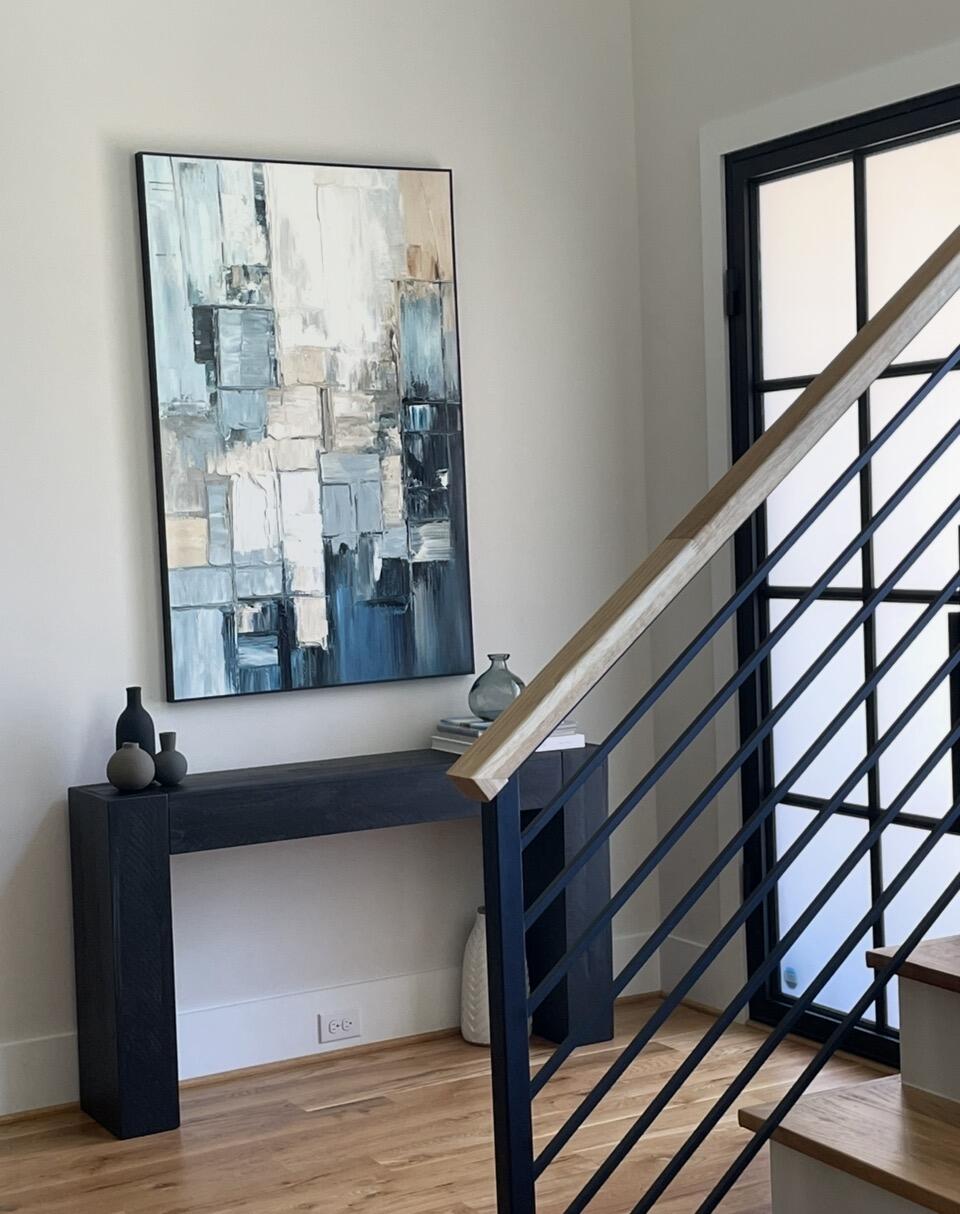
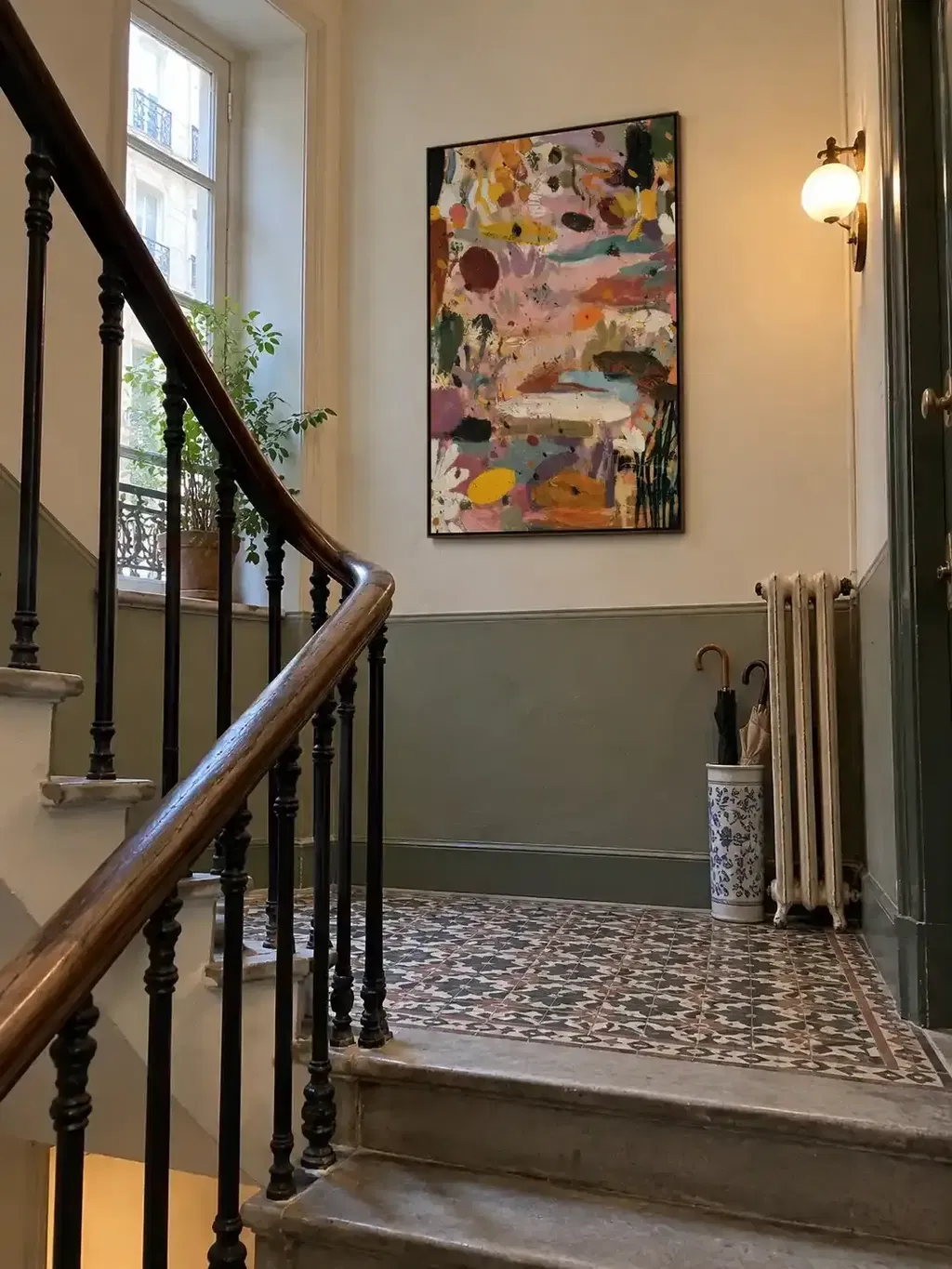
For interior designers, the goal is "predictable outcomes." A painting that looks stunning in a gallery may lose its impact when placed in a high-ceiling foyer with recessed LED lighting.
The In Situ Test
We recommend a specific protocol for varnish selection:
- Analyze the Primary Light Source: Is it directional (spotlights), diffused (north-facing windows), or ambient (chandeliers)?
- Conduct a Section Test: Apply small samples of different varnish types to a test strip of the same pigment density.
- The 24-Hour Observation: View the test strip at morning, noon, and evening.
This reduces the risk of what we call "geometric metamerism"—where a painting’s colors appear to shift drastically depending on the angle of the viewer or the light source. By aligning the varnish's refractive properties with the room's light architecture, you secure the investment's visual longevity.

Advanced Technical Challenges: SID and Haziness
Even with perfect application, chemical interactions can compromise the optical clarity of a painting.
Support Induced Discoloration (SID)
Research from Golden Artist Colors identifies a phenomenon known as Support Induced Discoloration. When transparent acrylic mediums or varnishes are applied thicker than 1/16 inch, they can draw out water-soluble impurities from common cotton or linen canvases. This results in a catastrophic yellow or brown tint. To prevent this, professional-grade paintings require proper Sizing and Priming before any paint or varnish is applied.
The "Haziness" Mystery
Advanced collectors often ask why an expensive painting might turn cloudy years later. Tate research suggests that PEG-type surfactants in some modern paints can migrate to the surface when humidity rises, forming water-soluble microcrystals. This creates a "hazy" film. Choosing the right varnish—specifically those with high solvent resistance and UV stabilizers—can help lock these surfactants in place and maintain clarity.
Methodology Note: These observations are modeled on chemical aging studies and conservation reports. They represent typical risks in standard residential environments (50% humidity, 70°F).
Health, Safety, and the Environment
In today's market, "aesthetic control" includes the safety of the indoor environment. The choice of varnish and its underlying pigments has significant health implications.
VOCs and Indoor Air Quality
The EPA warns that indoor air pollution is often more concentrated than outdoor pollution. Low-VOC (Volatile Organic Compound) varnishes and sealants are now a prerequisite for large healthcare and corporate facilities seeking LEED certification.
For residential clients, particularly those with infants or respiratory sensitivities, the "off-gassing" of traditional mineral spirits and turpentine can be a major concern. Princeton University Guidelines warn that chronic inhalation of these vapors can lead to central nervous system issues. We prioritize water-based acrylic varnishes or walnut-oil-based alternatives that eliminate these toxic solvents while maintaining high optical performance.
The Heavy Metal Factor
While varnish protects the surface, the pigments beneath it carry their own risks. The International Agency for Research on Cancer (IARC) classifies cadmium and its compounds as Group 1 carcinogens. While ECHA data suggests the environmental impact of artist paints is low compared to industrial fertilizers, the localized risk in a home studio or a closed room remains.
When we discuss "decision safety," we refer to the peace of mind that comes from knowing a mural or canvas uses Eco-Friendly Alternatives that pass strict heavy metal migration tests (such as the BS EN 71-3 standard for toy safety).
The Economic Impact of Artisanal Quality
Investing in a hand-painted, properly varnished mural is more than a decorative choice; it is a property value strategy. A study by the Royal Society found that neighborhoods with higher "art" geo-tags saw significantly greater house price gains.
In the commercial sector, the impact is even more pronounced. Chicago’s Millennium Park public art projects drove an estimated $1.4 billion in real estate growth. For a business owner, a high-quality, hand-painted wall acts as a "permanent physical billboard" that generates foot traffic and social media engagement.
However, this value is only sustained if the artwork survives the elements. Outdoor murals face "chalking"—where the binder breaks down due to UV exposure, leaving a powdery pigment residue. Professional application of high-solids, UV-resistant varnish can prevent this, turning a "disposable decor" item into a "cultural heritage asset" (as recognized by PMC research).

Summary of Best Practices for Varnish Selection
To ensure "decision safety" and visual excellence, keep these expert heuristics in mind:
- Wait for the Cure: For oil paintings, follow the Six-Month Rule. Varnishing too early can trap moisture and lead to cracking.
- Spray for Uniformity: Spray application generally provides superior optical uniformity compared to brushing, as it avoids the "microscopic refraction anomalies" caused by brush marks.
- Layering is Key: Three thin coats are always better than one thick coat. This maintains the Texture and Light Interaction of the original work.
- Environment Matters: Apply varnish in a dust-free, temperature-controlled environment. A single dust particle can act as a lens, creating a visible defect in an otherwise perfect finish.
Varnish is the final word in a painting’s narrative. It is the bridge between the artist’s intent and the viewer’s experience. By understanding the physics of light refraction and the practical constraints of a room's environment, you can ensure that every work of art remains as vibrant and deep as the day it was finished.
Disclaimer: This article is for informational purposes only and does not constitute professional health, legal, or financial advice. Art materials, particularly solvents and heavy metal pigments, should be handled with care according to manufacturer safety data sheets (SDS). Consult with a certified conservator or industrial hygienist for specific safety protocols.
Sources and References
- Art Market Trends: Marketplace.org - The expensive art market continues to struggle
- Consumer Perception of AI vs. Human Art: Columbia Business School - Human-Made vs. AI Art
- Varnish Physics & Refraction: ResearchGate - The Effect of the Refractive Index of a Varnish
- Health & VOC Standards: EPA - Indoor Air Quality and Low-VOC Paints
- Economic Impact of Art: Royal Society - Quantifying the link between art and property prices
- Pigment Toxicology: IARC - Cadmium and Cadmium Compounds
- Technical Conservation: Tate - Conservation Concerns for Acrylic Emulsion Paints