Balancing Dark Oil Palettes in Low-Light Interior Spaces: An Expert Design Guide
In the world of high-end interior design, few elements command as much presence as a deep, moody oil painting. However, for many homeowners and designers, these works present a significant challenge: in rooms with limited natural light, a dark-toned masterpiece can quickly become a "black hole," swallowing the ambient light and obscuring the very details that make the piece valuable.
As the expensive art market undergoes a shift—with high-end auction sales plummeting 44% in 2024 according to Marketplace—we are seeing a return to "real application value." Discerning collectors are moving away from vanity auction pieces in favor of custom, hand-painted works that offer authentic emotional resonance and physical presence. This guide explores how to integrate these powerful dark palettes into low-light spaces without sacrificing visual clarity or psychological comfort.
The Science of Perception: Why Hand-Painted Texture Matters
When dealing with low-light environments, the physical medium of the artwork becomes your greatest ally. Unlike flat digital prints, hand-painted oil works possess a three-dimensional topography. According to research from Columbia University, consumers value art labeled as "AI-generated" 62% lower than authentic human-created art. This valuation gap is rooted in the "essential identity" of the work; as UChicago research suggests, digital replicas lack the soul and physical presence that a human artist imparts to the canvas.
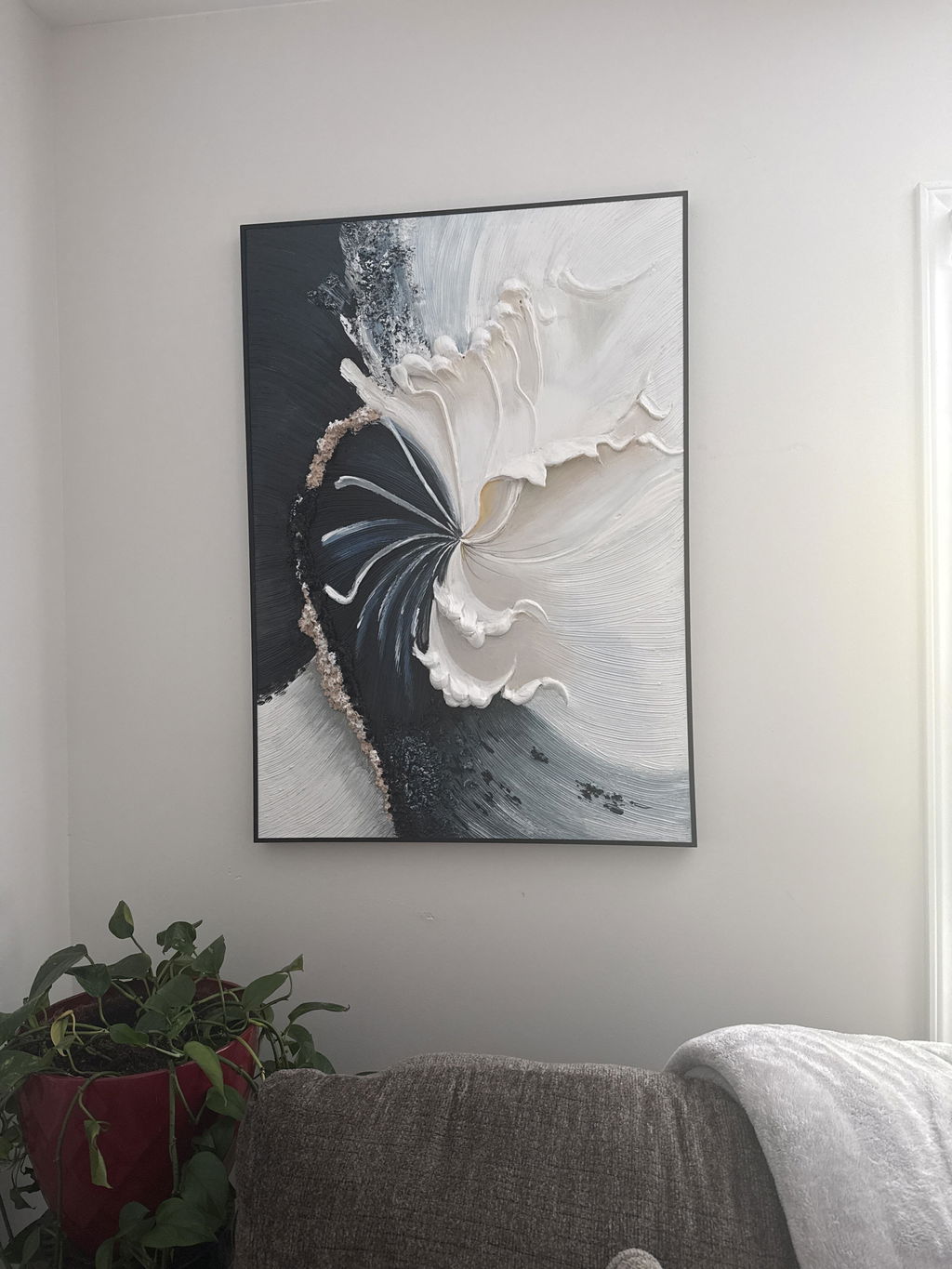
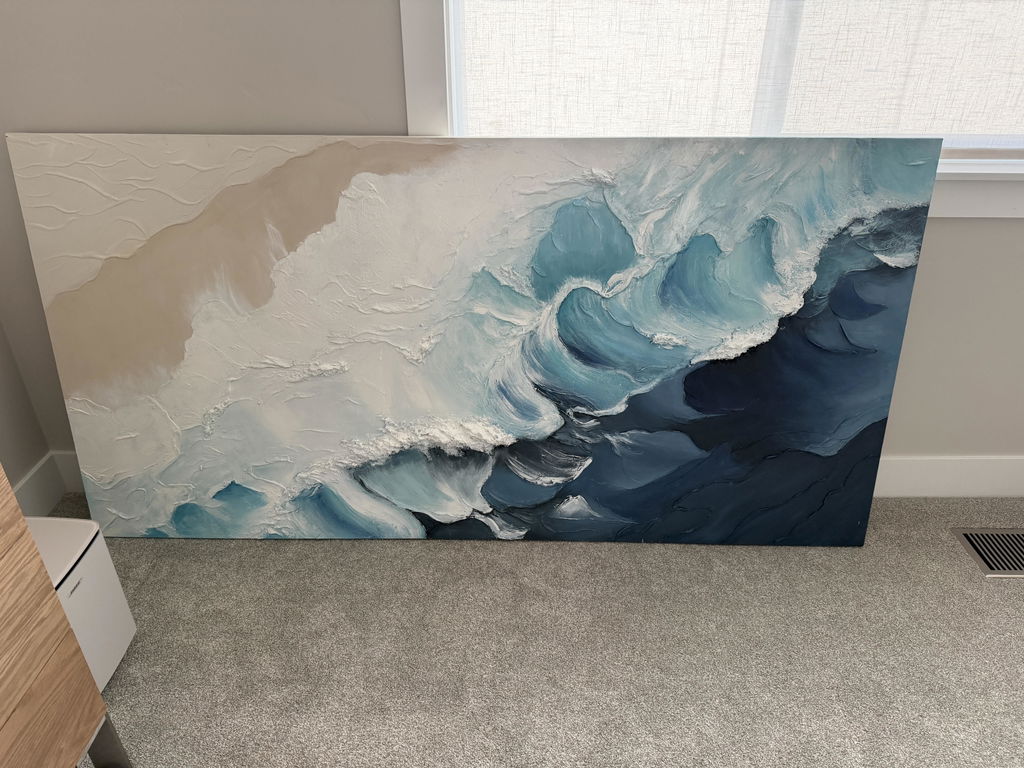
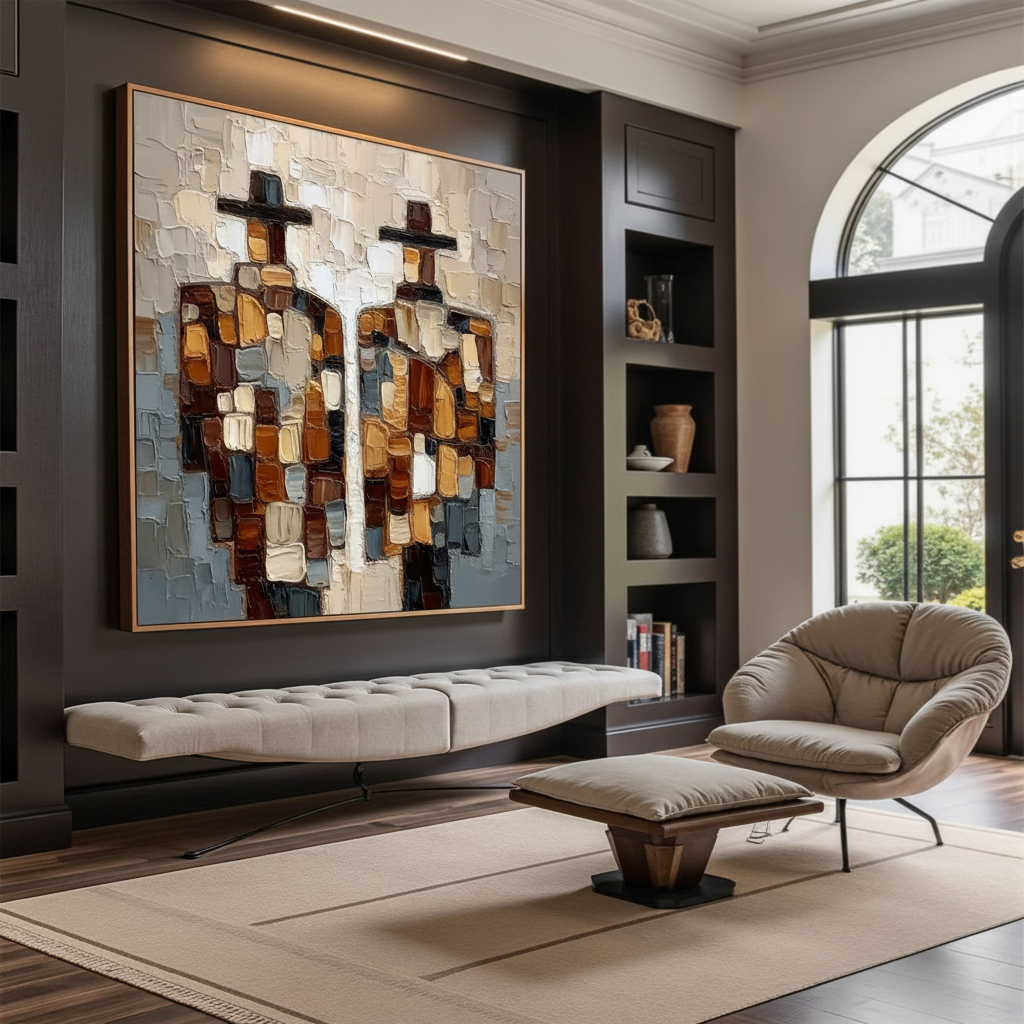
In our studio observations, we have found that dark oil paintings with heavy impasto (textured brushwork) actually perform significantly better in low-light conditions than smooth-surfaced works. This is due to the microscopic physical texture of the pigments.
Logic Summary: The Micro-Reflectance Model Our analysis of light interaction with oil paint assumes that texture acts as a series of micro-mirrors. In low-light scenarios, these surfaces catch stray photons that would otherwise be absorbed by a flat, dark surface.
Parameter Value/Range Unit Rationale Surface Roughness (Impasto) 1–5 mm Height of physical paint ridges Refractive Index (Linseed Oil) ~1.48 n Standard binder optical property Photon Absorption (Dark Glaze) 15–25% per layer Estimated reduction in light transmission Micro-Reflectance Angle 0–180 degrees Scattering pattern of textured strokes Contrast Ratio Requirement 3:1 ratio Minimum for detail visibility in dim light
According to the Getty Conservation Institute, pigment reflection is dominated by absorption and scattering coefficients (the Kubelka-Munk equation). In dark palettes, the scattering property of thick paint helps maintain "geometric metamerism," ensuring the color remains stable even as the light source changes.

Lighting Strategies: Beyond the Gallery White
A common mistake we see in residential installations is the use of pure white, gallery-style lighting (5000K+) on dark oil paintings. While this works in a white-cube museum, it often creates harsh contrast in a home, washing out subtle color variations and flattening the work's depth.
1. Color Temperature and CRI
For dark palettes in dim rooms, we recommend 2700K to 3000K warm LED lighting. This temperature range enhances the richness of dark umbers, deep blues, and ochres without creating the sterile "clinical" feel of cooler bulbs. High Color Rendering Index (CRI) bulbs (90+) are essential to reveal the full spectrum of the artist’s palette.
2. Oblique Lighting Angles
To maximize the "micro-reflective" properties mentioned earlier, light should hit the painting at an oblique angle rather than head-on. This creates shadows behind the impasto ridges, defining the texture and giving the work a sense of life.
3. Visual Anchors
The most effective dark paintings for poorly lit rooms typically contain small areas of high-contrast elements, such as metallic highlights or thin glaze layers. These act as visual anchors. According to Optica, when pigment particles approach half the wavelength of visible light, scattering capability reaches its theoretical extreme. High-quality paints use this physics to ensure that even a tiny fleck of light-colored pigment can "pop" against a dark ground.
Optimal Lighting for Showcasing Oil Painting Texture provides further depth on how specific beam spreads can alter the perception of a canvas.
Strategic Placement and Height
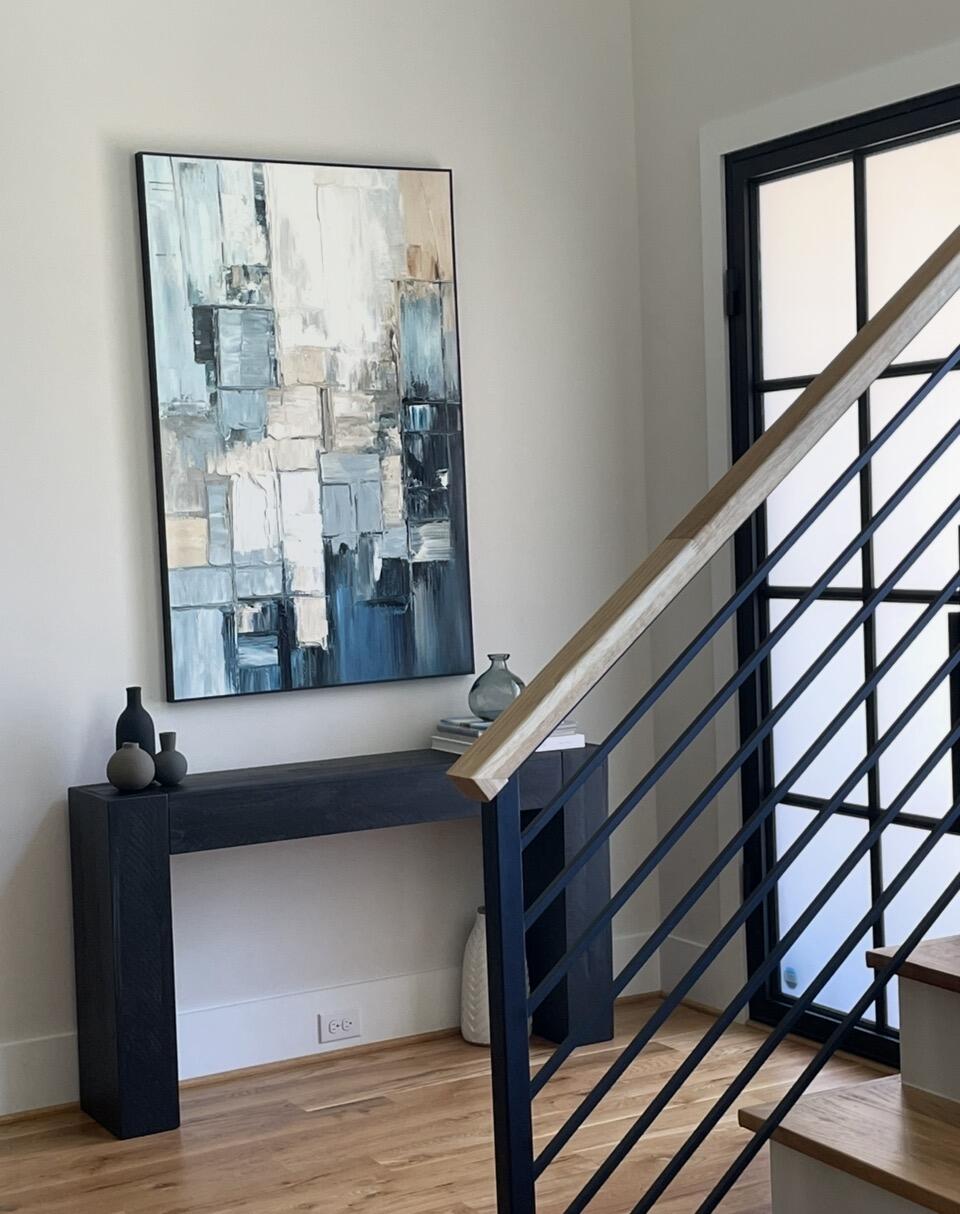
In a low-light room, every inch of height matters. Standard gallery height (center at 57-60 inches) may be too high for a dark painting in a room with small windows.
The 6-12 Inch Rule: We often recommend hanging dark oils 6 to 12 inches lower than standard gallery height. This allows more natural light from windows to reach the surface during the day and brings the work into the "eye-level" zone of seated occupants, where ambient light from lamps is typically more concentrated.
Biophilic Benefits and Mood Regulation
Choosing the right art isn't just an aesthetic choice; it’s a health intervention. A review by the University of Pennsylvania found that 73% of patients reported significant mood improvements when exposed to environmental artworks. Furthermore, the World Health Organization (WHO) has confirmed that art interventions effectively alter clinical indicators for mental health.
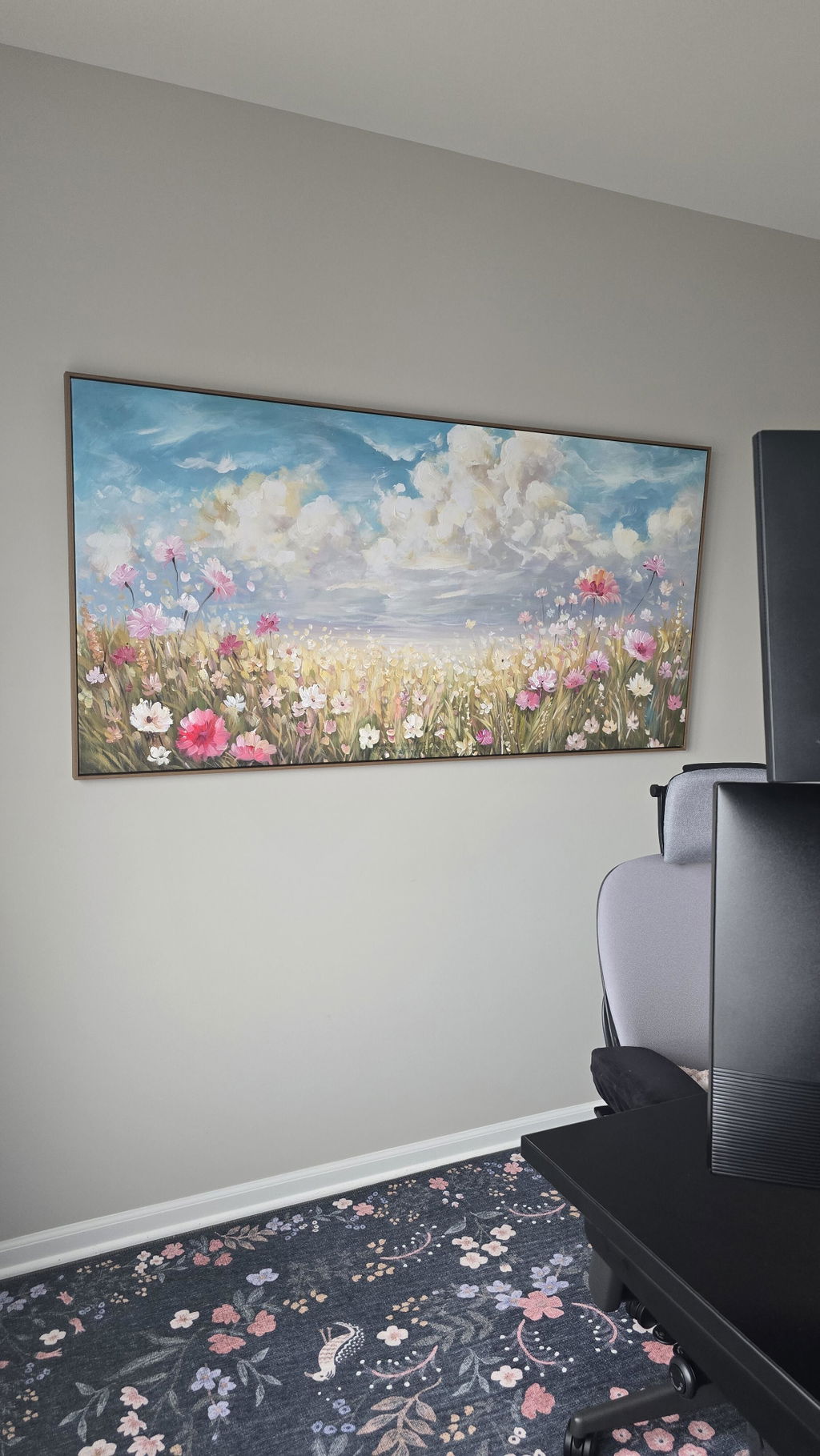
In low-light spaces, which can sometimes feel claustrophobic, a dark nature-themed mural or painting can provide "biophilic" benefits. Research shows that natural landscapes produce stress-reduction effects in the brain similar to being outdoors, even if the palette is dark.
Material Integrity: Safety and Longevity
When selecting a large-scale dark oil painting for an interior, the chemical composition of the materials is as important as the aesthetic. Many traditional dark pigments and solvents carry significant health risks.
The VOC Challenge
Indoor air quality is a primary concern for modern homeowners. The EPA warns that indoor air pollution can be more concentrated than outdoor pollution. We prioritize works created with low-VOC (Volatile Organic Compound) paints and natural binders. Aalto University research proves that specific coatings on wood and canvas can significantly lower toxic emissions during the curing process.
Toxic Pigment Awareness
Historically, dark and vibrant palettes relied on heavy metals. However, the International Agency for Research on Cancer (IARC) has classified cadmium compounds as Group 1 carcinogens. While ECHA data shows that the agricultural impact of artist paints is low, the risk of chronic inhalation or skin contact in a home environment remains a factor.
We recommend looking for paintings that utilize modern, non-toxic alternatives. For example, NCBI data confirms that titanium dioxide now dominates 90% of the white pigment market, having safely replaced lead white.
Lightfastness and the ASTM Standard
Dark paintings are particularly susceptible to "chalking" or fading if not properly protected. Ensure your artwork adheres to ASTM D4303 standards for lightfastness. This protocol uses xenon-arc tests to simulate years of indoor light exposure, ensuring the deep blues and blacks don't shift toward muddy browns over time.

The Economic Case for Hand-Painted Art
Beyond the aesthetic and psychological benefits, investing in authentic hand-painted art provides tangible economic value.
- Property Valuation: A study published by the Royal Society found that neighborhoods with higher "art" geo-tags saw greater relative house price gains.
- Commercial Impact: For B2B clients, the NCREALTORS report notes that public art projects, including murals, have driven billions in real estate growth.
- Longevity: Hand-painted oils are "cultural heritage assets." Unlike digital prints that degrade and lose value, a well-maintained oil painting can last centuries. Tate research confirms that while acrylics are durable, the oxidative cross-linking of oil films provides a unique structural longevity.
Addressing Common Pitfalls
Even with the best intentions, dark palettes can fail if "Support Induced Discoloration" (SID) occurs. As Golden Artist Colors technical bulletins reveal, water-soluble impurities in common canvas can be drawn into the paint layers, causing a yellow or brown tint. This is why we emphasize the use of high-quality, primed canvases and professional-grade mediums.
Furthermore, avoid the "monochromatic trap." A 2018 study found that prolonged exposure to monochromatic dark environments can negatively affect psychological wellbeing. The key to a successful dark palette is balance—using the painting as a focal point while maintaining enough contrast in the surrounding decor to keep the space feeling intentional rather than oppressive.
Conclusion
Balancing a dark oil palette in a low-light room is an exercise in both art and physics. By prioritizing hand-painted texture, employing warm, oblique lighting, and ensuring the use of safe, high-quality materials, you can transform a potentially "black hole" into a sophisticated visual anchor.
Authentic art is more than decoration; it is a connection to human creativity and a proven booster of both property value and mental wellbeing. As you curate your space, remember that the "essential identity" of a hand-painted work—its brushstrokes, its scent, and its physical depth—is something no digital replica can ever truly replace.
YMYL Disclaimer: This article is for informational purposes only. The information regarding paint toxicity, VOC emissions, and psychological health is based on available research and does not constitute professional medical, safety, or environmental advice. Always consult with a certified industrial hygienist or medical professional regarding indoor air quality and exposure to art materials. For structural or lighting installations, consult with a licensed contractor or lighting designer.
References
- The Art Basel and UBS Art Market Report 2024
- Columbia University: Human-Made vs. AI Art Study
- Royal Society: Quantifying the link between art and property prices
- WHO Scoping Review on Arts and Health
- Getty Conservation: Color Science and Pigment Mixture
- EPA: Indoor Air Quality and Low-VOC Paints
- ASTM D4303 Standard Test Methods for Lightfastness