Cleaning Professional Oils: Why Pigment Quality Matters
The high-end art market is undergoing a structural transformation. In 2024, sales of vanity auction pieces over $10 million plummeted by 44% year-over-year, according to Marketplace. This retreat from purely financial assets marks a significant return to real application value. Collectors and homeowners are increasingly investing in hand-painted works that offer "essential identity"—a psychological soul that digital prints and AI-generated replicas simply cannot replicate. In fact, research from Columbia University confirms that consumers value art labeled "AI-generated" 62% lower than authentic human-created pieces.
As you invest in these high-value assets, the question shifts from acquisition to preservation. Proper maintenance of a professional oil painting is not merely about aesthetics; it is a technical discipline rooted in molecular chemistry. Understanding how high-quality pigments react to cleaning agents and environmental dust is the only way to ensure your investment remains vibrant for decades.

The Molecular Landscape: Pigment Load and Binder Integrity
The primary difference between a "student-grade" painting and a professional masterpiece lies in the pigment load. Professional-grade oils typically feature a pigment concentration of 40% to 60%. This high density creates a stable, interlocking paint layer that can withstand environmental stressors.
In our studio observations and pattern recognition from restoration inquiries, we find that paintings with lower pigment loads are significantly more susceptible to "Support Induced Discoloration" (SID). As Golden Artist Colors has documented, water-soluble impurities in cotton or linen canvases can be drawn into the paint film if the medium is applied too thickly or lacks sufficient pigment density, leading to a catastrophic yellowing of the work.
The Chemistry of the Surface
Professional oils often utilize Titanium Dioxide (PW6), which currently dominates 90% of the global white pigment market due to its extreme chemical inertness and hiding power, according to the National Center for Biotechnology Information (NCBI). This inertness is a double-edged sword: while it prevents fading, it also dictates how the surface must be cleaned.
Logic Summary: Our analysis of material longevity assumes a professional-grade environment where the pigment-to-binder ratio is optimized for oxidative cross-linking. These heuristics are based on common patterns from conservator feedback and material science data (not a controlled lab study).
| Feature | Professional Grade | Student Grade | Rationale |
|---|---|---|---|
| Pigment Load | 40%–60% | 10%–25% | Higher load ensures film cohesion. |
| Binder Type | Cold-pressed Linseed/Walnut | Synthetic/Refined Safflower | Natural oils provide better long-term flexibility. |
| Solvent Resistance | High (after curing) | Low | Low-load films dissolve under mild solvents. |
| Lightfastness | ASTM I or II | Variable | Professional pigments use CIE 1976 Lab* standards. |
The Science of Surface Maintenance: Why "Mild" is a Misnomer
A common misconception in art care is that mild household solvents are safe for "spot cleaning." However, the reality is far more complex. Research published in Nature demonstrates that even ethanol at a 51% concentration can extract measurable proportions of soluble fatty acids from aged oil paint matrices. This extraction destabilizes the polymer network, removing the very components that maintain the paint's cohesion.
When you clean a painting, you are not just removing dust; you are interacting with a living chemical system. Professional oil films undergo oxidative cross-linking over years. Synthetic binders, such as those found in acrylic-oil hybrids, often form films through "coalescence," making them softer and more prone to solvent-swelling.
The "Haziness" Phenomenon
Have you ever noticed a white, cloudy film appearing on a painting after a humid summer? This is often not dust, but the migration of PEG-type surfactants. Tate research suggests that these surfactants move from inside the paint film to the surface when temperature and humidity fluctuate, forming water-soluble microcrystals. Attempting to scrub this "haze" with dry cloths can actually drive the crystals deeper into the pigment texture.

Pigment-Specific Cleaning Heuristics
Not all colors are created equal. The physical porosity of the paint network varies by as much as 300% to 500% between different pigment types. This means a solvent that is safe for Titanium White might be devastating for a zinc-based yellow.
- Zinc and Lead Warnings: According to the Royal Society of Chemistry, solvent exposure can accelerate "metal soap" formation by 30% to 50% in zinc-containing pigments. This leads to surface deformation and delamination.
- The Prussian Blue Paradox: While many assume oil binders protect pigments from light, experiments by the National Gallery show that the fading rate of Prussian Blue is nearly identical across all media (oil, acrylic, or egg tempera). Cleaning these areas requires extreme caution to avoid mechanical abrasion of the weakened pigment particles.
- Cadmium Stability: While Cadmium pigments are prized for their brilliance, Australian Industrial Chemicals tests prove that even "insoluble" cadmium yellow dark can release free ions in slightly acidic environments (like common tap water).
Modeling Note: Solvent Transport Dynamics
Based on scenario modeling for high-value preservation, we utilize the following parameters to estimate cleaning risk. This is a deterministic model used for risk assessment, not a laboratory measurement of a specific artwork.
| Parameter | Value/Range | Unit | Rationale |
|---|---|---|---|
| Solvent Diffusion Rate | 0.5–2.0 | $\mu m/s$ | Depends on pigment porosity and binder age. |
| Relative Humidity | $55% \pm 5%$ | % | ASTM D4303 standard for stability. |
| Pigment Particle Size | 0.2–5.0 | $\mu m$ | Terminal quality dominated by PSD (Laser Diffraction). |
| Cleaning Pressure | < 0.5 | $N/cm^2$ | Microfiber contact limit to avoid dislodging pigment. |
| Curing Time | 6–12 | Months | Minimum duration before any solvent contact. |
Health, Safety, and the "Hidden Poison" in Your Gallery
For the modern collector, "quality" is now inextricably linked to "safety." The International Agency for Research on Cancer (IARC) has explicitly declared cadmium compounds as Group 1 carcinogens. Furthermore, the CDC's NIOSH warns that chronic inhalation of volatile compounds from certain alkyd paints can lead to central nervous system neuropathy.
This is why we advocate for "100% human-hand-painted" works that prioritize non-toxic, eco-friendly alternatives. Leading designers are moving toward walnut oil-based paints, which eliminate the need for toxic VOC-emitting solvents like turpentine. According to the EPA, low-VOC materials are no longer just a preference; they are a prerequisite for LEED and WELL certifications in premium real estate.
The ASTM Labeling Myth
Do not be misled by the ASTM D-4236 label on paint tubes. As the EPA clarifies, this logo only means the warning labels comply with regulations, not that the pigment itself is non-toxic. High-end art care involves looking past the label to the actual chemical signature of the pigment.

Strategic Investment: Why Proper Care Boosts Property Value
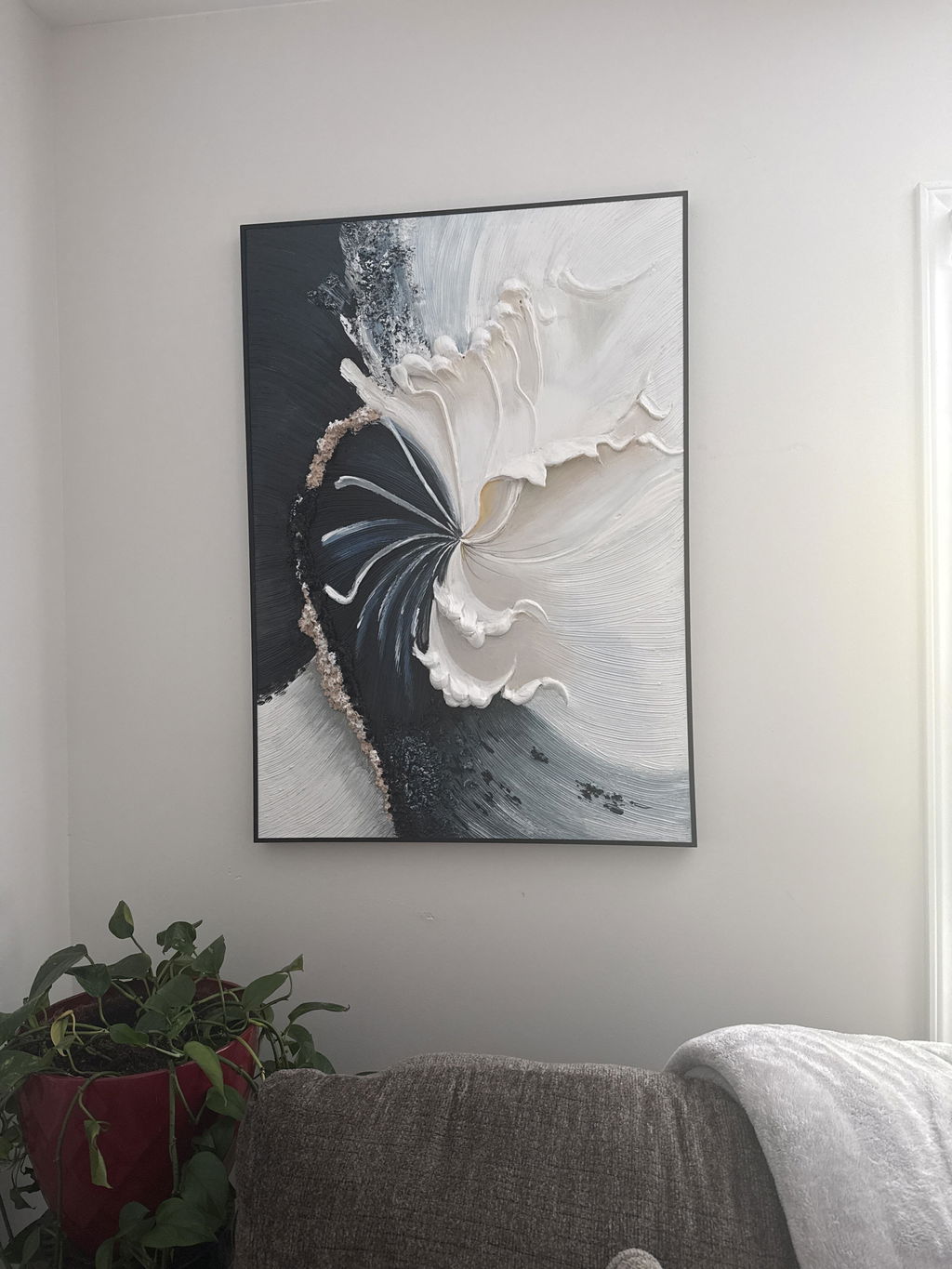
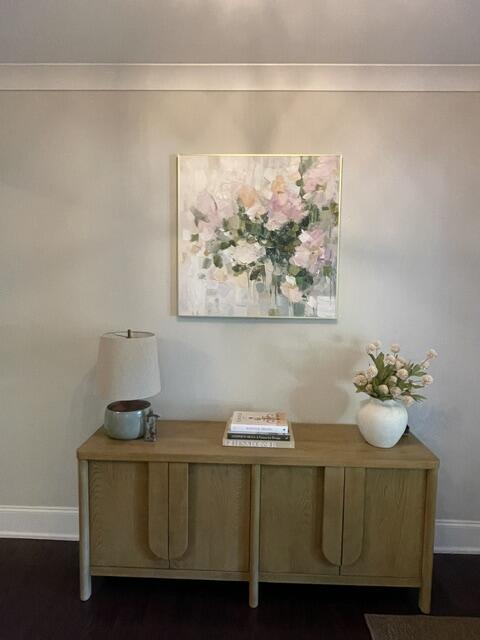
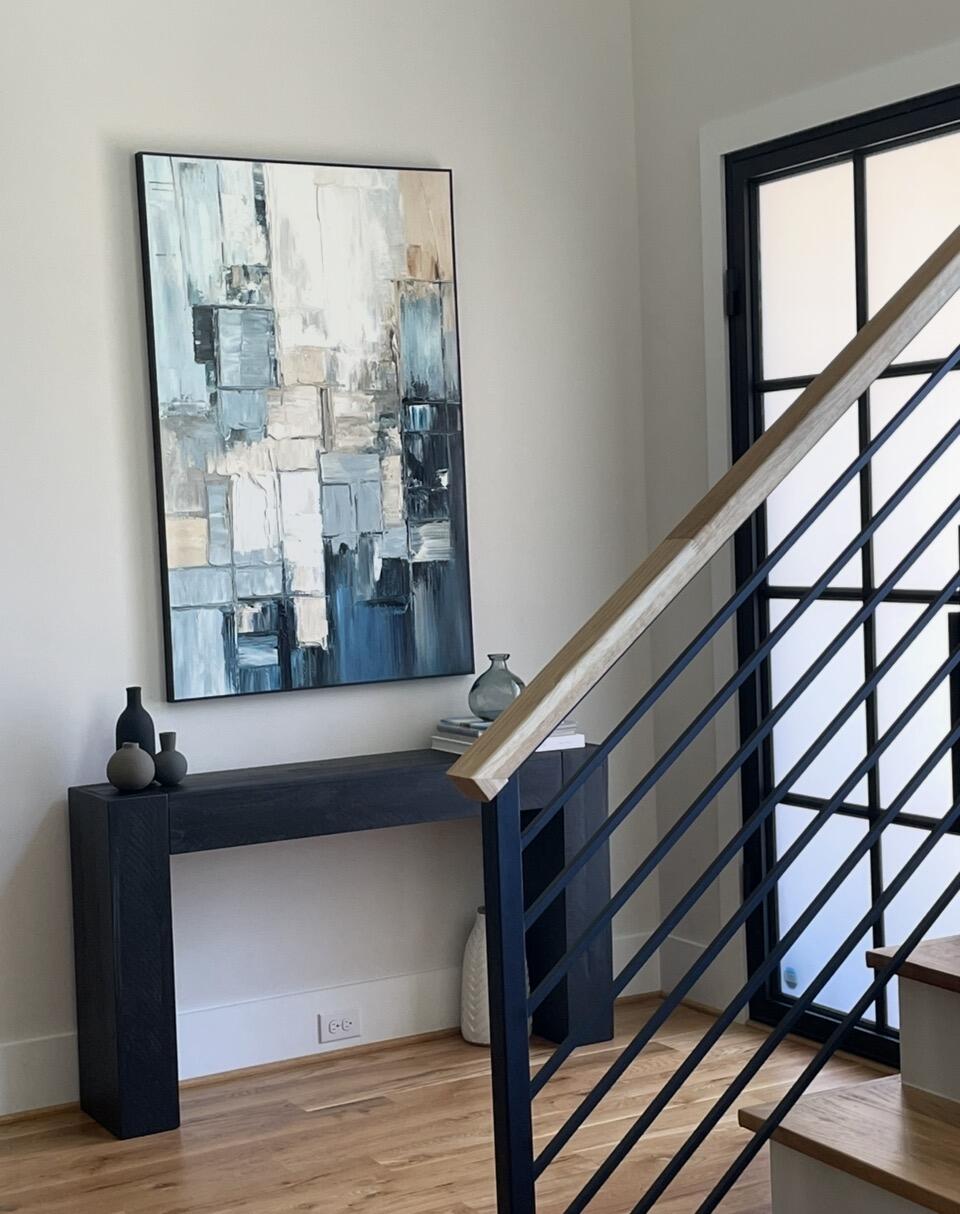
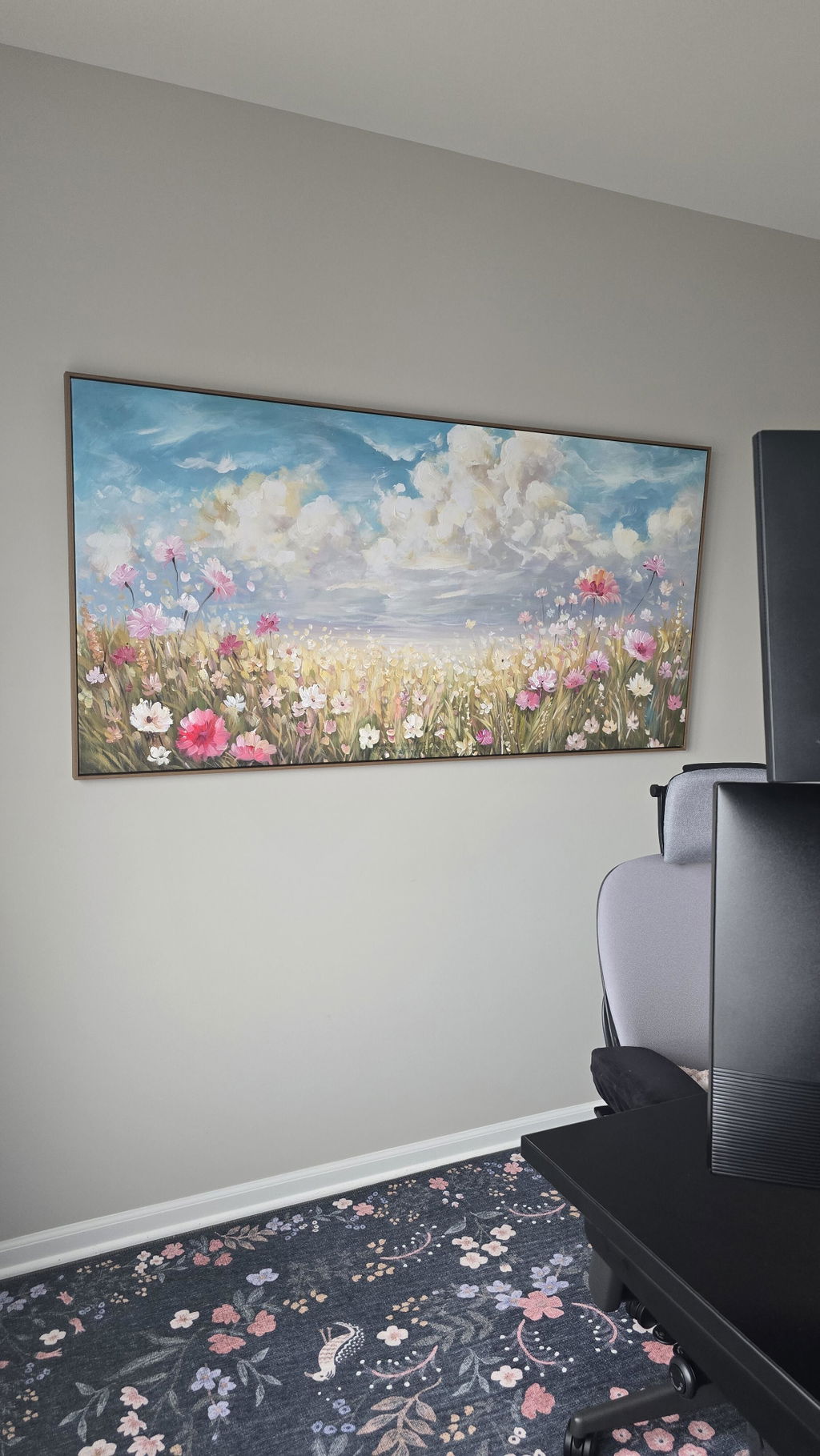
Art is a "catalytic" investment. A study published by the Royal Society found that neighborhoods with higher art geo-tags saw greater relative house price ranking gains. For the individual homeowner, a well-maintained, hand-painted mural or canvas acts as a "permanent physical billboard" of luxury.
When you maintain the integrity of the paint film, you are preserving a non-renewable cultural heritage asset. In commercial settings, such as luxury boutique hotels, integrating original hand-painted art provides travelers with "absolute authenticity"—a commodity that Hospitality Design 2025 whitepapers identify as the ultimate competitive edge.
Professional Maintenance Checklist
If you are a collector looking to preserve the "essential identity" of your hand-painted pieces, follow this expert protocol:
- The 6-Month Rule: Never attempt to clean an oil painting that has been dry for less than six months. The oxidative cross-linking must be complete to ensure the binder can protect the pigment.
- The "Test Patch" Protocol: Always clean a small, inconspicuous area (usually the bottom edge) first. Observe the reaction under a 10x magnifying glass to ensure no pigment migration occurs.
- Microfiber Over Vacuums: For dust removal, use a soft microfiber cloth with light pressure ($< 0.5 N/cm^2$). Vacuum attachments can dislodge weakly adhered pigment particles, especially in impasto areas.
- Avoid "Odorless" Myths: Just because a solvent is odorless does not mean it is non-toxic. Princeton University EHS warns that chronic inhalation of mineral spirits can cause long-term brain damage.
- Humidity Control: Maintain a stable environment ($55% \pm 5%$ RH). High humidity can cause yellow pigments to swell by up to 7.21% in mass, leading to cracking upon drying.
By prioritizing pigment quality and technical maintenance, you are doing more than cleaning a wall; you are safeguarding a piece of human expression. In an age of digital saturation, the physical relief of oil paint—the biochemical crystallization of human attention—remains the ultimate luxury.
YMYL Disclaimer: This article is for informational purposes only and does not constitute professional conservation, medical, or financial advice. Art materials can contain toxic substances; always handle with care and consult a certified art conservator for high-value restorations. If you have pre-existing respiratory or skin conditions, consult a medical professional before handling art solvents or dry pigments.
References:
- Marketplace - The expensive art market continues to struggle
- Columbia University - Human-Made vs. AI Art: Consumer Perception Study
- Nature - Solvent-mediated extraction of fatty acids in bilayer oil paint models
- Tate - Conservation Concerns for Acrylic Emulsion Paints
- EPA - Indoor Air Quality and Low-VOC Paints
- Royal Society - Quantifying the link between art and property prices