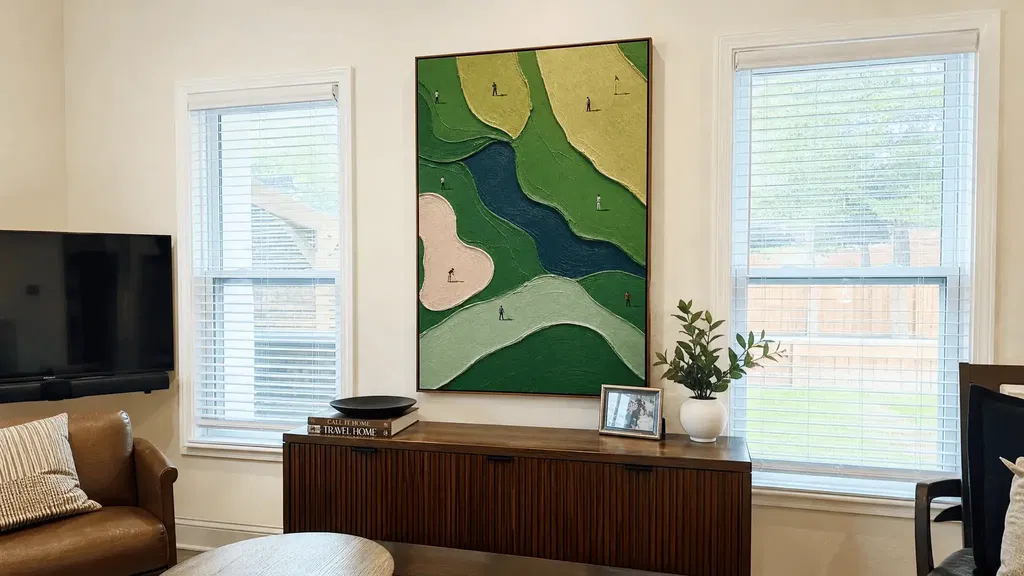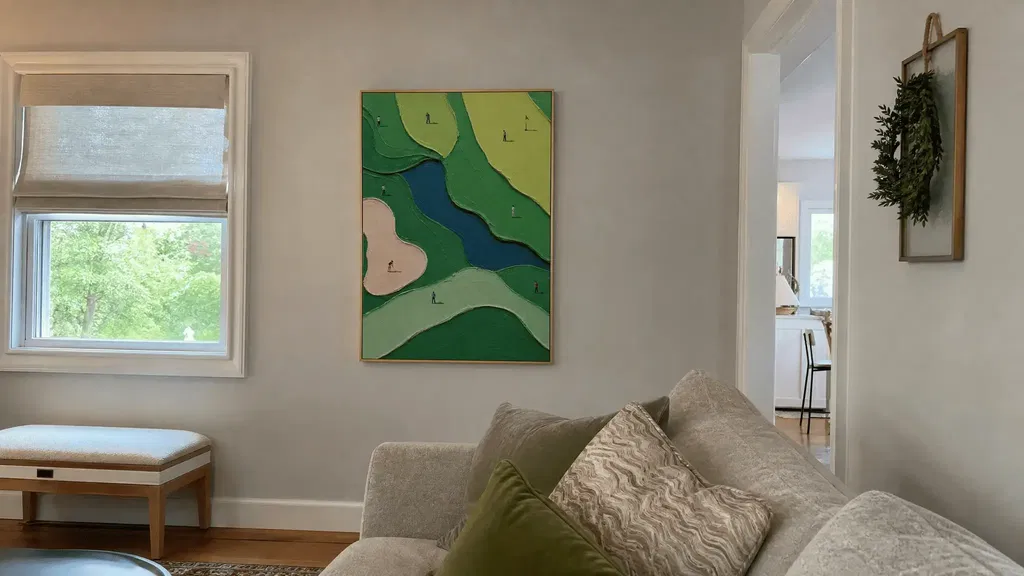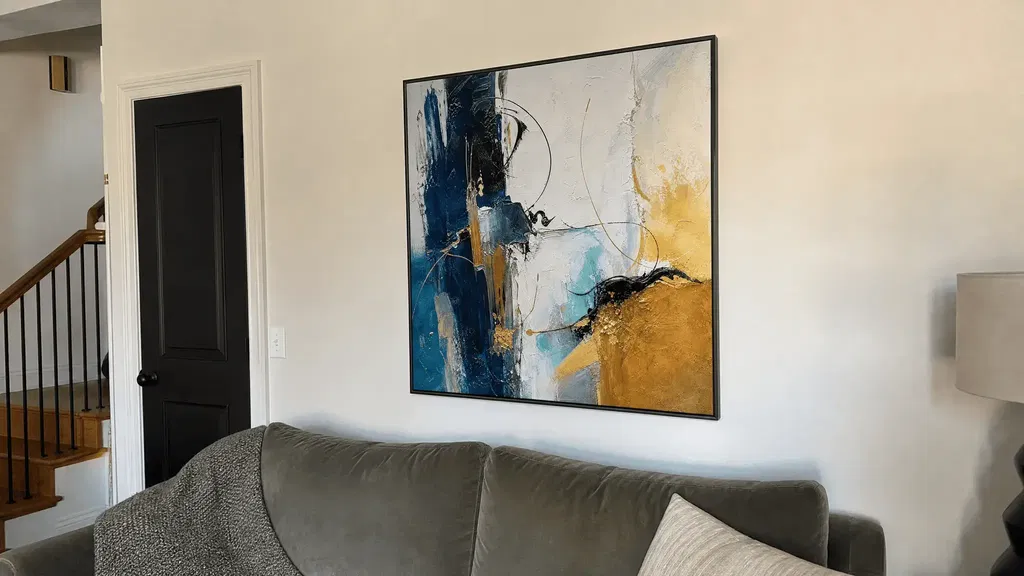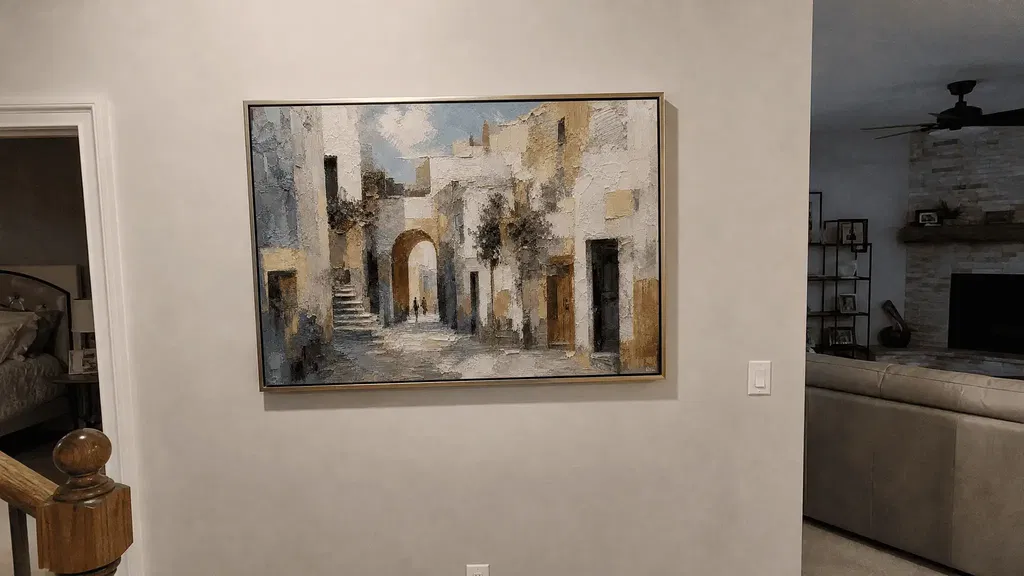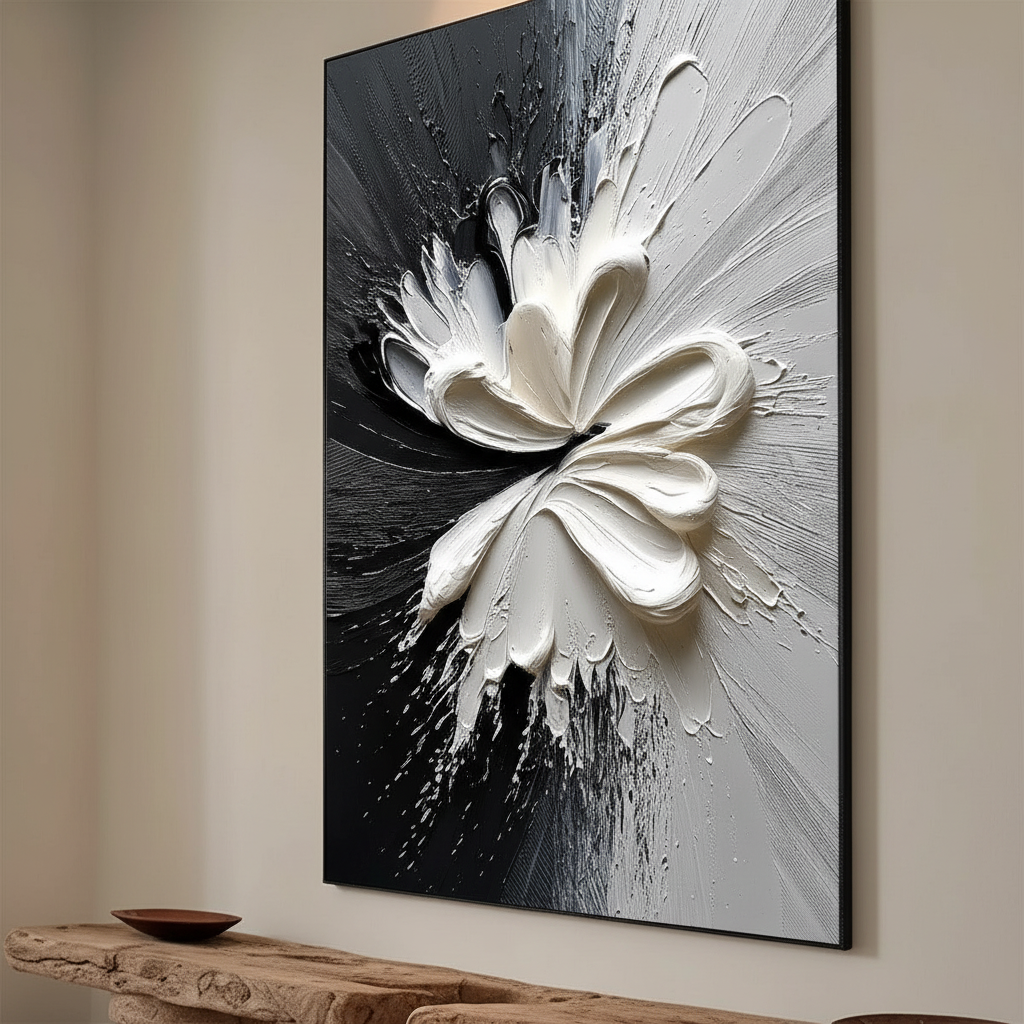
The Challenge of Surface Inconsistency in Fine Art
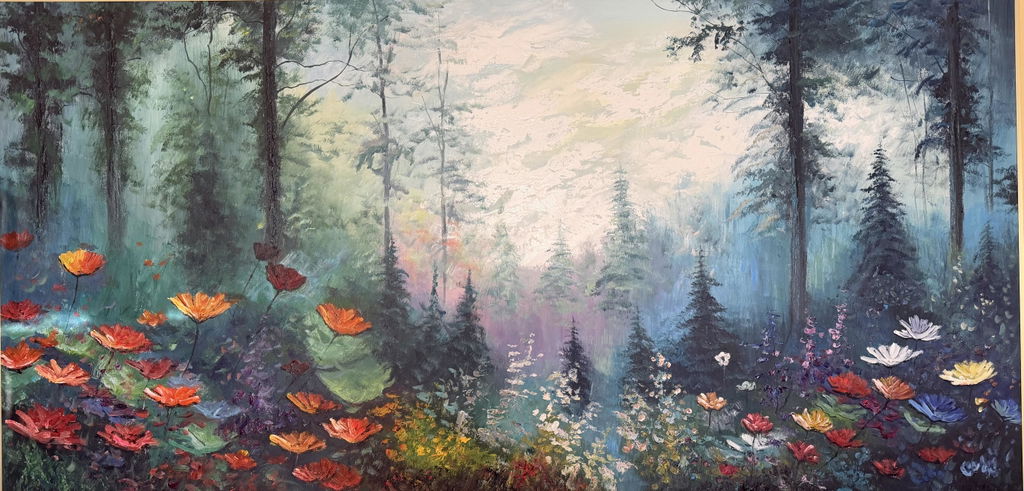
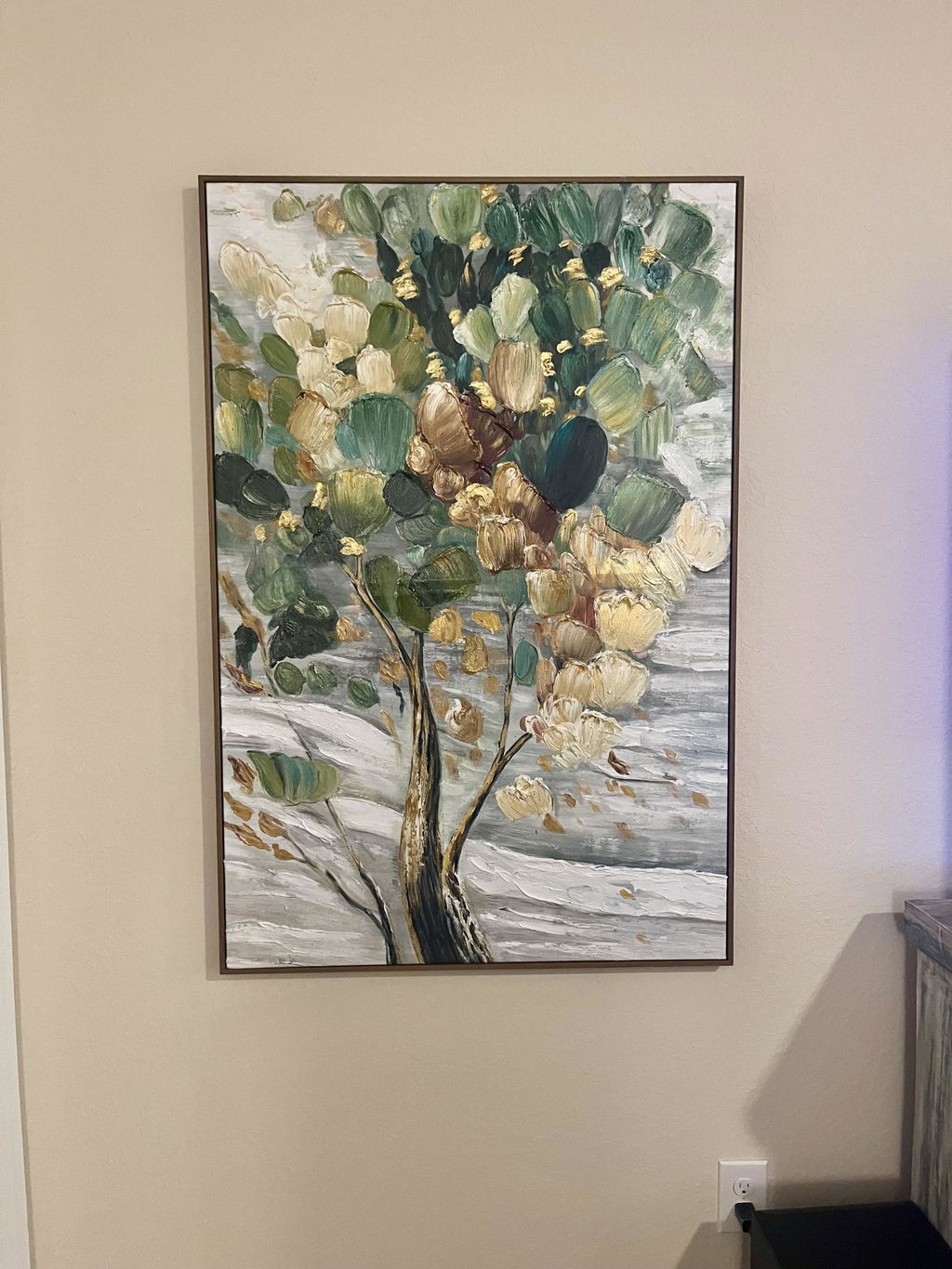
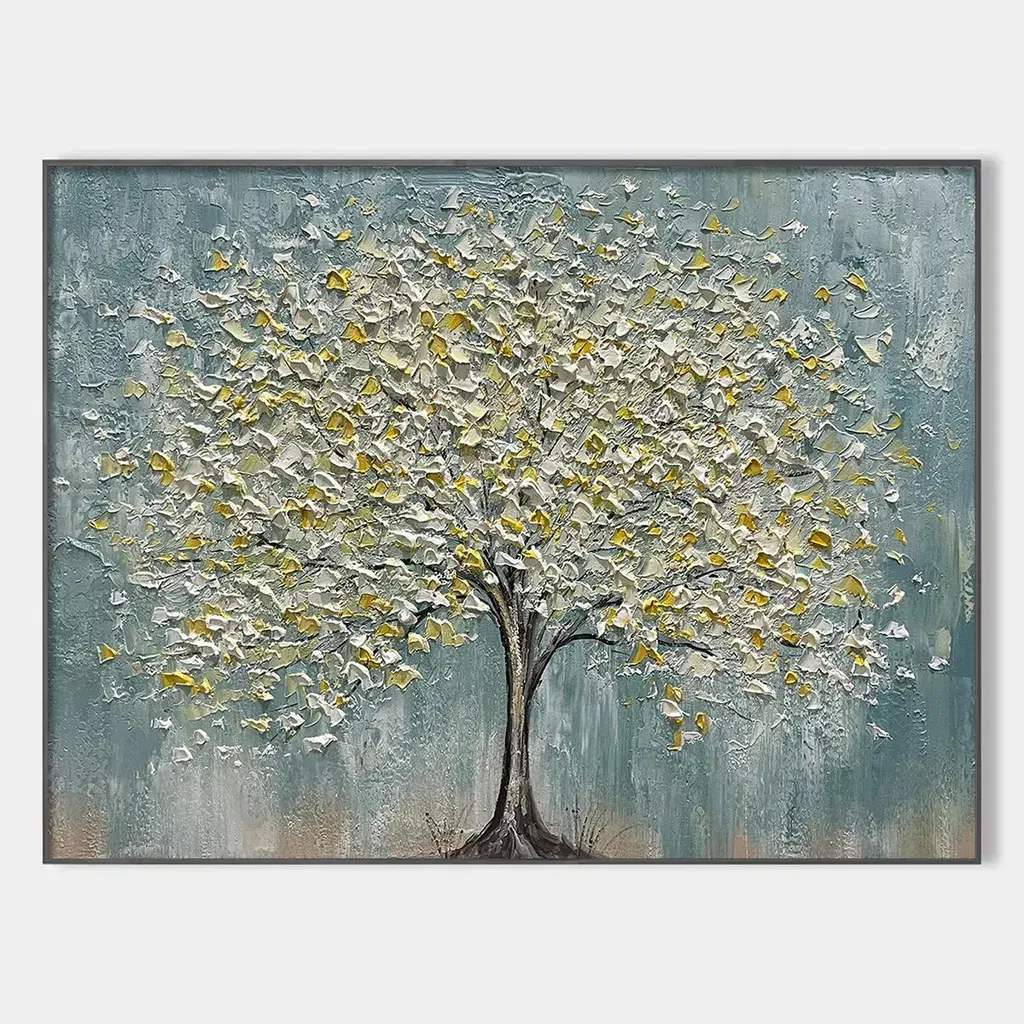
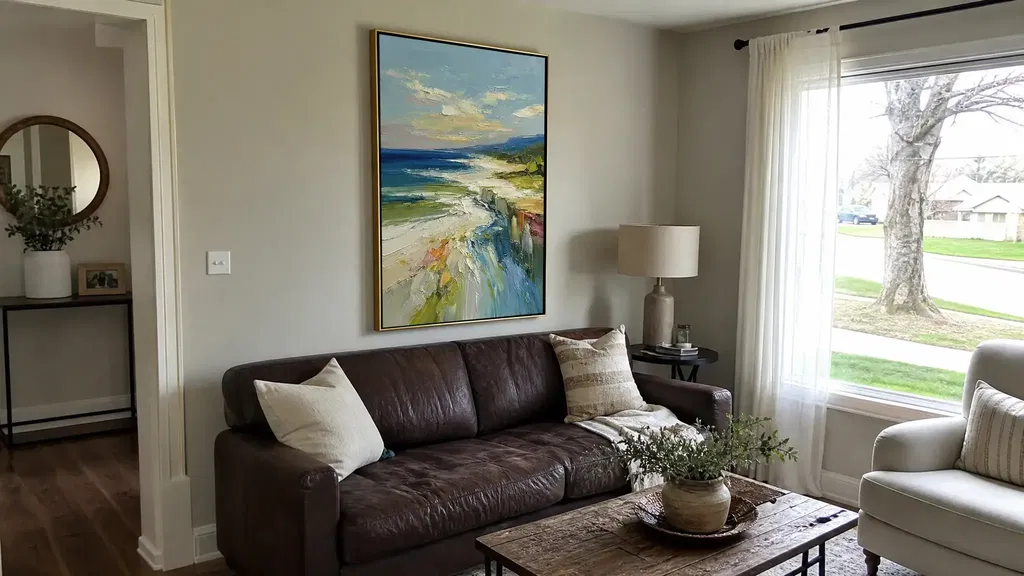
Few things are as frustrating for a collector as watching a vibrant, hand-painted oil painting lose its luster in specific patches. You invest in a piece for its depth and luminosity—the very qualities that separate authentic human craftsmanship from flat, mass-produced prints. Yet, weeks or months after installation, you might notice "sunken-in" areas: spots where the paint has turned matte, dull, or strangely desaturated compared to the surrounding gloss.
This phenomenon isn't a sign of a "failed" painting, but rather a complex interaction between chemistry, physics, and the environment. In an era where the high-end art market is shifting away from purely financial assets toward pieces with real application value and emotional resonance—as noted by Marketplace.org—understanding the technical integrity of your purchase is paramount. Buyers today value the "essential identity" of the artist's hand, a quality that University of Chicago research suggests is irreplicable by digital means.
At MontCarta, we believe that transparency regarding the "invisible labor" of art conservation and production is what builds trust. This guide explores why glazed areas lose their luster, the molecular mechanics of oil absorption, and how professional protocols restore the intended depth of a masterpiece.
The Physics of "Sinking": Why Paint Turns Matte
To understand why paint "sinks," we must look at the microscopic structure of a paint film. Oil paint is a suspension of pigment particles within a binder (typically linseed or walnut oil). When you apply a "glaze"—a thin, transparent layer used to build depth—the ratio of binder to pigment is critical.
Interfacial Tension and Capillary Action
The "sunken-in" effect is primarily a result of the binder being pulled away from the pigment particles. This isn't just simple evaporation; it involves complex interfacial tension dynamics. According to specialized surface science analysis, the substrate's pore geometry and environmental humidity create capillary action patterns. These patterns selectively pull the oil binder down into the lower layers of the painting or the substrate itself, leaving the pigment particles on the surface "starved" of their coating.
When pigment particles are exposed without a sufficient binder envelope, light scatters off their irregular surfaces rather than passing through a smooth, refractive oil film. This is the underlying optical principle explained by the Getty Conservation Institute, utilizing the Kubelka-Munk equation: the surface's refractive index determines color saturation. When the binder disappears, the refractive index drops, and the area appears matte and dull.
The Myth of Standardized Absorption
A common misconception in the art world is that following standard oil absorption tests, such as ASTM D1483, can perfectly predict how a painting will behave. However, our technical analysis suggests that these tests only measure pigment properties in isolation. They cannot account for how a finished paint formulation interacts with a specific, multi-layered substrate.
Logic Summary: Our assessment of absorption dynamics assumes that real-world performance is dominated by the "vehicle demand" of the pigment combined with the porosity of the underlying ground, a variable not captured in isolated laboratory pigment testing.

Substrate Secrets: The Role of the "Ground"
The foundation of any painting—the canvas and its primer (gesso)—plays a silent but dominant role in surface luster. If the substrate is too "thirsty," it will act like a sponge, relentlessly pulling oil out of every subsequent layer.
The Porous Imprimatura
Professional artists often apply an imprimatura—a thin, initial stain of color—to kill the white of the canvas. If this layer is applied over an inadequately sealed ground, the porous surface continues to absorb oil for weeks. We often observe that "sunken-in" areas appear most frequently in glazes containing transparent earth pigments like raw umber or burnt sienna. These pigments have naturally high oil absorption rates, making them the "canaries in the coal mine" for substrate issues.
Thermal Micro-Fractures and Long-Term Sinking
While many assume that temperature only affects drying time, the reality is more structural. Substrate expansion and contraction from seasonal changes can create micro-fractures in the paint film months after the artist has finished. These microscopic pathways allow the binder to seep into newly exposed substrate pores. This is why maintaining a stable relative humidity—ideally between 40% and 55%—is the most effective preventive measure for protecting the first year of a painting's life.
| Factor | Typical Range | Unit | Impact on Luster |
|---|---|---|---|
| Substrate Porosity | 15–25% | % | High porosity accelerates "sinking" |
| Relative Humidity | 40–55% | % | Stability prevents micro-fracturing |
| Pigment Oil Demand | 30–100+ | g/100g | Higher demand pigments (Umbers) dull faster |
| Curing Duration | 6–12 | Months | Required before stable refractive state |
Modern vs. Traditional: Medium Incompatibility
In the pursuit of retail-grade certainty, modern paint manufacturers have engineered formulas for faster drying times and easier application. However, this often sacrifices long-term binder stability.
The Acrylic-Oil Conflict
A significant "gotcha" for many collectors is the use of oil glazes over acrylic "underpaintings." While this is a common practice, Tate research highlights that acrylic polymers and oil binders have fundamentally different chemical structures. Acrylics form films through physical coalescence, whereas oils undergo oxidative cross-linking.
Applying traditional "oiling out" techniques (using linseed oil) to a painting with an acrylic base can cause chemical incompatibility, swelling, and even permanent damage. Furthermore, surfactants in acrylics can migrate to the surface when humidity rises, creating a "hazy" appearance that is often mistaken for sunken-in oil paint. Understanding these color stability shifts is essential for any serious collector.
The Case of Prussian Blue and Smalt
Historical pigments also offer lessons in luster. For instance, Tate's study on Smalt (a potassium glass pigment) shows that its fading and dulling are tied to its internal chemistry. Similarly, Prussian Blue has been shown to fade or shift regardless of the medium used, proving that sometimes the pigment itself is the limiting factor in maintaining a "jewel-like" glaze.
Professional Restoration: The Oiling-Out Protocol
If your painting has already developed matte patches, professional restorers use a technique called "oiling out." This process involves applying a very thin layer of a high-quality oil medium to the sunken areas to restore their refractive index and saturate the colors.
The "6-Month Rule"
A common mistake in studio practice is attempting to fix sunken spots too early. You must wait until the painting is "surface-dry"—typically 6 to 12 months for traditional oil—before applying corrective layers. Applying oil to a film that is still actively cross-linking can lead to "wrinkling" or cracking.
The Oiling-Out SOP:
- Clean: Gently remove dust with a lint-free cloth.
- Dilute: Mix a high-quality stand oil with odorless mineral spirits in a 1:3 ratio.
- Apply: Use a soft brush to apply a localized, thin coat only to the matte areas.
- Absorb: Allow 24 hours for the "thirsty" pigment to drink the binder.
- Wipe: Gently remove any excess that hasn't been absorbed to avoid a sticky, dust-attracting surface.
For those interested in the technical nuances of blending and surface finish, this protocol is the gold standard for maintaining the "wet-look" depth of fresh oil paint.

Health, Safety, and the "Green" Mural
When discussing art materials, luster isn't the only concern; safety and environmental impact are increasingly vital to the modern buyer. The CDC NIOSH reports warn that chronic inhalation of volatile compounds in certain paints can lead to central nervous system issues.
The Non-Toxic Advantage
At MontCarta, we prioritize the health of both the artist and the home. This means moving away from toxic historical pigments like Lead White (now largely banned by EU REACH regulations) and Cadmium, which the IARC classifies as a Group 1 carcinogen.
Instead, we lean into high-performance, low-VOC (Volatile Organic Compound) alternatives. This isn't just about ethics; it's about practical certification. For commercial developers, using zero-VOC compliant murals can help secure LEED or WELL green building points, turning a decorative choice into a strategic environmental asset.
Modeling Environmental Impact
Modeling Note (Reproducible Parameters): To assess the "health-ROI" of a mural installation, we model the reduction in indoor air pollutants based on the substitution of standard industrial coatings with artist-grade, low-VOC acrylics or oils.
| Parameter | Low-VOC Standard | Unit | Rationale |
|---|---|---|---|
| VOC Content | < 50 | g/L | LEED Green Building threshold |
| Heavy Metal Migration | Pass (EN 71-3) | Binary | Safety for residential/child environments |
| Binder Source | Natural (Linseed/Walnut) | Type | Reduces dependence on petroleum-based polymers |
| Solvent Type | Odorless/Water-based | Type | Minimizes respiratory irritation |
| Pigment Stability | ASTM I or II | Rating | Ensures long-term value without toxic decay |
Investing in Cultural Heritage
Ultimately, a hand-painted mural or oil painting is more than just decor; it is a "non-renewable cultural heritage asset." Research from UC Cincinnati and the Royal Society suggests that high-quality public and private art installations directly correlate with increased property values and community cohesion.
When you see a "sunken-in" spot, don't see a flaw. See a living material that is responding to its environment. By following professional maintenance protocols and choosing materials that balance vibrancy with lightfastness, you ensure that your investment remains as luminous as the day it was painted.
Disclaimer: This article is for informational purposes only. When dealing with high-value art restoration or chemical solvents, always consult with a professional conservator. MontCarta is not liable for damages resulting from DIY restoration attempts on third-party artworks.
Sources
- Marketplace.org: The Expensive Art Market Struggles
- ASTM D1483: Standard Test Method for Oil Absorption
- Tate: Conservation Concerns for Acrylic Emulsion Paints
- Getty Conservation Institute: Color Science and Pigment Mixture
- CDC NIOSH: Paint and Coating Hazards
- EPA: Indoor Air Quality and Low-VOC Paints
- Royal Society: Quantifying the Link Between Art and Property Prices