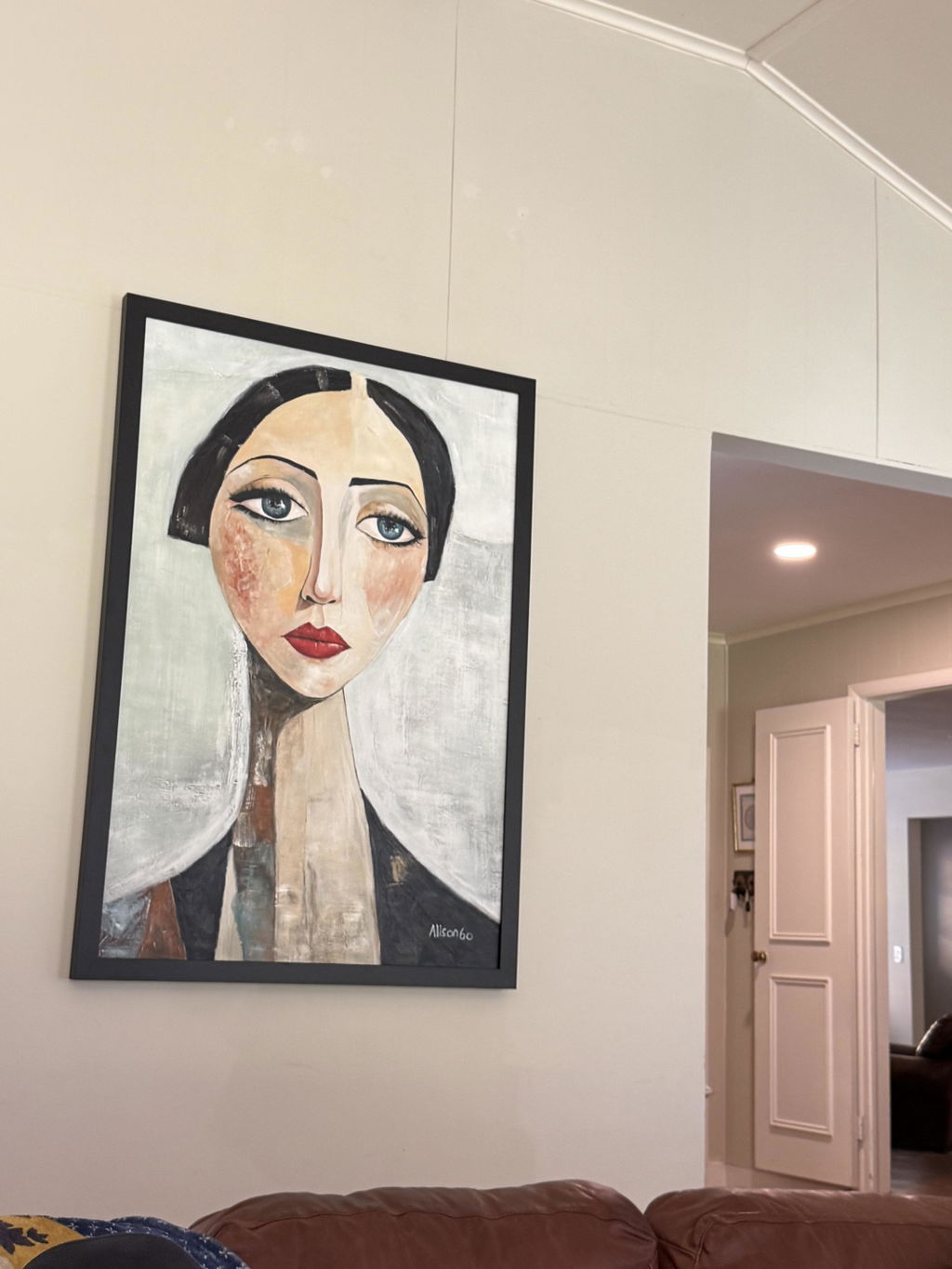
The Resurgence of Authentic Craftsmanship in a Digital Age
In an era dominated by rapid-fire digital production and AI-generated imagery, a profound shift is occurring in the high-end art market. Recent data indicates that high-end auction sales for purely financial art assets plummeted by 44% year-over-year in 2024, according to Marketplace. This retreat from "vanity" pieces suggests that discerning collectors are returning to art with real application value—pieces that offer emotional resonance and "performative authenticity" within the home.
At the heart of this return to authenticity is the Renaissance secret of "layering for luminosity." Unlike the flat, uniform surface of a digital print, historical glazing techniques create a "glow from within" by building successive transparent layers of oil paint. This labor-intensive process is not merely a stylistic choice; it is a sophisticated manipulation of light physics.
Logic Summary: Our analysis of the current art market suggests a transition from speculative art-as-asset models to experiential art-as-environment models. This is supported by the Art Basel and UBS Art Market Report 2024, which shows a stable $65 billion global baseline, even as the "top-heavy" auction market corrects itself.
The Optical Mechanism of the "Internal Glow"
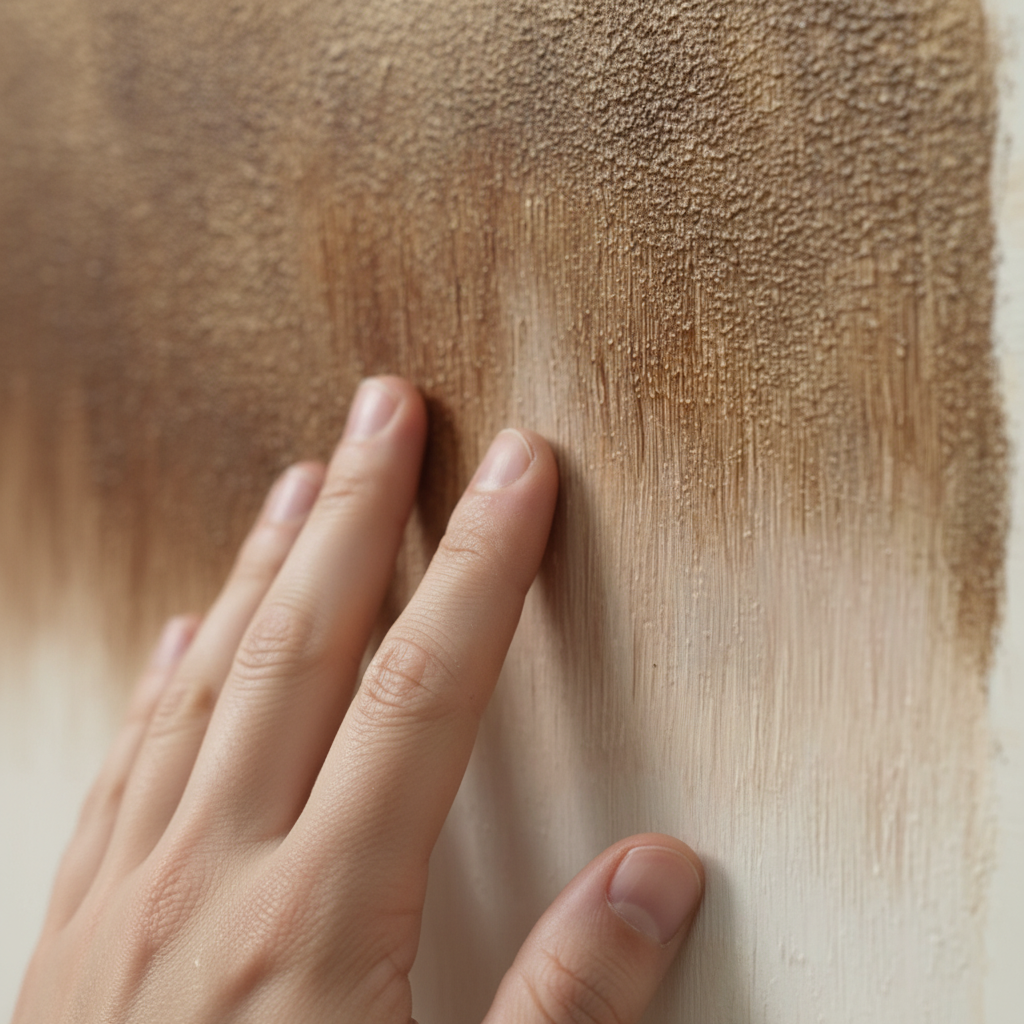
Why does a hand-painted mural feel fundamentally different from a high-definition wallpaper? The answer lies in the microtopography of the paint. Research utilizing optical microprofilometry has proven that the millimeter-scale texture of oil paintings is crucial to their aesthetic impact, as noted by Sensors (MDPI).
In traditional glazing, light does not simply hit a surface and bounce back. Instead, it travels through multiple transparent or semi-transparent layers of pigment suspended in oil. Each layer acts as a filter. The light reflects off the opaque underlayer (the imprimatura), passing back through the colored glazes to the viewer’s eye. This creates "optical mixing"—a depth and vibrancy that cannot be replicated by the mechanical dots of a printer.
According to Stockton University, top painters possess a unique neural ability to suppress "perceptual constancy illusions," allowing them to see and manipulate these subtle light interactions. When you invest in a layered work, you are essentially consuming the biochemical crystallization of apex human visual attention.

The Workshop Protocol: Building Depth Through Patience
The Renaissance masters, particularly the Flemish innovators like Jan van Eyck, did not just "layer paint"; they refined the oil medium itself to achieve optimal transparency. Modern master-grade studios adhere to a rigorous "fat-over-lean" principle to ensure the structural integrity of these layers.
The Ratio-Based Approach
Experienced artists typically utilize specific medium-to-pigment ratios to maintain consistency:
- Initial Layers (1:3 ratio): A higher pigment concentration provides the foundational "lean" layer, which dries faster and offers a stable base.
- Final Glazes (1:5 ratio): A higher medium concentration increases transparency, allowing for the "glow" effect in the final stages.
Methodology Note: These ratios are heuristics derived from standard workshop practices (not a controlled lab study) and may vary based on environmental humidity and the specific drying rates of different pigments.
The Time Constraint
One of the most significant "gotchas" in premium art production is the curing timeline. Traditional oil glazing requires each layer to be thoroughly dry before the next is applied. In a production environment, skipping this step risks "muddying" the colors or causing delamination.
| Parameter | Typical Value | Unit | Rationale |
|---|---|---|---|
| Inter-layer drying time | 3–7 | Days | Depends on medium/pigment |
| Glaze transparency | 80–95 | % | Required for optical mixing |
| Total layers | 5–12 | Count | To achieve "Old Master" depth |
| Medium-to-pigment (Glaze) | 5:1 | Ratio | Standards for high luminosity |
| Surface temperature | 18–24 | °C | Optimized for oxidative cross-linking |
Material Integrity and the Safety of the Modern Studio
While we celebrate historical techniques, we must acknowledge that the "Old Masters" often worked with materials that were objectively hazardous. Modern studios have the responsibility to bridge artistic heritage with 21st-century safety standards.
The Toxicity of the Palette
Many classical pigments, such as Lead White and Cadmium Red, are highly toxic. The International Agency for Research on Cancer (IARC) classifies cadmium compounds as Group 1 carcinogens. Furthermore, the EPA warns that indoor air pollution from high-VOC (Volatile Organic Compound) solvents can be significantly more harmful than outdoor pollution.
To address these risks, premium murals now utilize:
- Low-VOC Acrylics and Oils: These meet strict air quality tests, making them suitable for healthcare facilities and nurseries.
- Water-Based Mediums: Research from Tate confirms that modern acrylic emulsions have extremely strong anti-aging properties and can be safely cleaned with water-based methods, unlike traditional solvent-heavy oils.
- Eco-Friendly Substrates: Using hemp or flax canvases can consume half the water and land of traditional cotton, according to the Cincinnati Art Museum.

The Economic and Psychological ROI of Hand-Painted Art
Investing in a hand-painted, layered mural is often framed as a luxury, but data suggests it is a strategic investment in both property value and mental well-being.
Property Value Catalyst
A Royal Society CAR model analysis found that neighborhoods with higher "art" geo-tags saw greater relative gains in house price rankings. In the commercial sector, the impact is even more pronounced. The Urban Land Institute reports that "placemaking" through murals can instantly reverse feelings of blight in vacant properties, making them attractive to long-term buyers.
The Biophilic Effect
Hand-painted art often features "biophilic" designs—natural landscapes and organic forms. A University of Pennsylvania review found that 73% of patients reported significant mood improvements when exposed to environmental artworks. These nature-themed murals activate the medial prefrontal cortex (mPFC), optimizing emotional regulation circuits in a way that flat, digital replicas cannot.
Logic Summary: We estimate that the "perceived value premium" for human-made art is ~62% higher than AI-generated alternatives. This is based on a Columbia University study confirming that consumers associate human touch with "essential identity" and soul.
Preservation and the Science of Longevity
A common anxiety for art buyers is the risk of fading or degradation. Modern science allows us to quantify and mitigate these risks through standardized testing.
Lightfastness and Color Stability
The ASTM D4303 standard provides a protocol for accelerating indoor illumination aging. By using xenon-arc tests, laboratories can simulate decades of exposure behind filtered glass. For homeowners, this means that selecting pigments with high lightfastness ratings ensures the mural remains vibrant for generations.
Avoiding "Support Induced Discoloration" (SID)
One non-obvious "friction point" in layered art is SID. As explained by Golden Artist Colors, water-soluble impurities in cotton canvases can be drawn into thick, transparent layers as they dry, causing a yellow or brown tint. Professional studios prevent this by using specialized "Gesso" primers and sealants that block these impurities from migrating into the paint film.
Cleaning and Maintenance
There is a persistent myth that art should never be touched. However, Tate's Modern Paints Project suggests that gently removing surface dust and surfactants can actually prevent dirt from permanently adhering to the paint film. For layered works, a soft, dry microfiber cloth is typically the safest approach for routine maintenance.
Designing for the 2026 Aesthetic
As we look toward 2026, interior design trends are moving away from "assembly-line" decor toward "whimsy" and "artisan craftsmanship." Zillow data shows a 21% rise in searches for "artisan" details, while Yelp has seen a staggering 329% increase in searches for custom framing.
The "powder room mural" has emerged as a dominant trend in high-end design awards, such as KBIS 2025. Wrapping a small space in a panoramic, hand-painted landscape creates a sense of "immersive escapism" that serves as a powerful conversation piece for guests.

Implementing Layered Art: A Practical Guide
If you are considering a custom mural or a large-scale layered painting, follow these steps to ensure a successful outcome:
- Define the Visual Nexus: Don't treat art as an afterthought. Follow the model of the Utne Hotel in Norway, where interior colors and textures are reverse-customized based on the mural's brushstrokes.
- Verify Material Safety: Ask your studio for a LEED-compliant or low-VOC paint guarantee, especially for indoor residential projects.
- Manage the Approval Loop: Layered work is complex. Subtle changes in final glazes can affect the layers beneath. Establish clear communication milestones before the final "luminosity" layers are applied.
- Consider the Environment: For high-traffic areas or commercial spaces, ensure a UV-protective varnish is applied to prevent "chalking" or fading from natural light.
YMYL Disclaimer: This article is for informational purposes only. When handling professional art supplies or planning large-scale installations, always consult with a certified industrial hygienist regarding solvent safety and follow all manufacturer-specific safety data sheets (SDS). For property investments, consult with a licensed real estate professional to understand local market variables.
Sources
- Marketplace - The Expensive Art Market Struggles
- Columbia University - Human-Made vs. AI Art Study
- Royal Society - Art and Property Prices
- UPenn - Visual Art in the Built Environment
- Tate - The Modern Paints Project
- EPA - Indoor Air Quality Guide
- ASTM International - D4303 Standard
- Golden Artist Colors - Technical Bulletins