The Shift Toward Authenticity in the Global Art Market
The global art market is undergoing a profound structural transformation. While high-end auction sales for "vanity" assets plummeted by 44% year-over-year in 2024, according to Marketplace, collectors are not abandoning art; they are pivoting toward real application value. In an era dominated by digital replicas and AI-generated imagery, the "essential identity" of a hand-painted work—the physical soul of the artist’s brushstroke—has become the ultimate luxury. Research from the University of Chicago confirms that digital replicas lack this essential identity, leading to a collapse in perceived value compared to authentic, human-made originals.
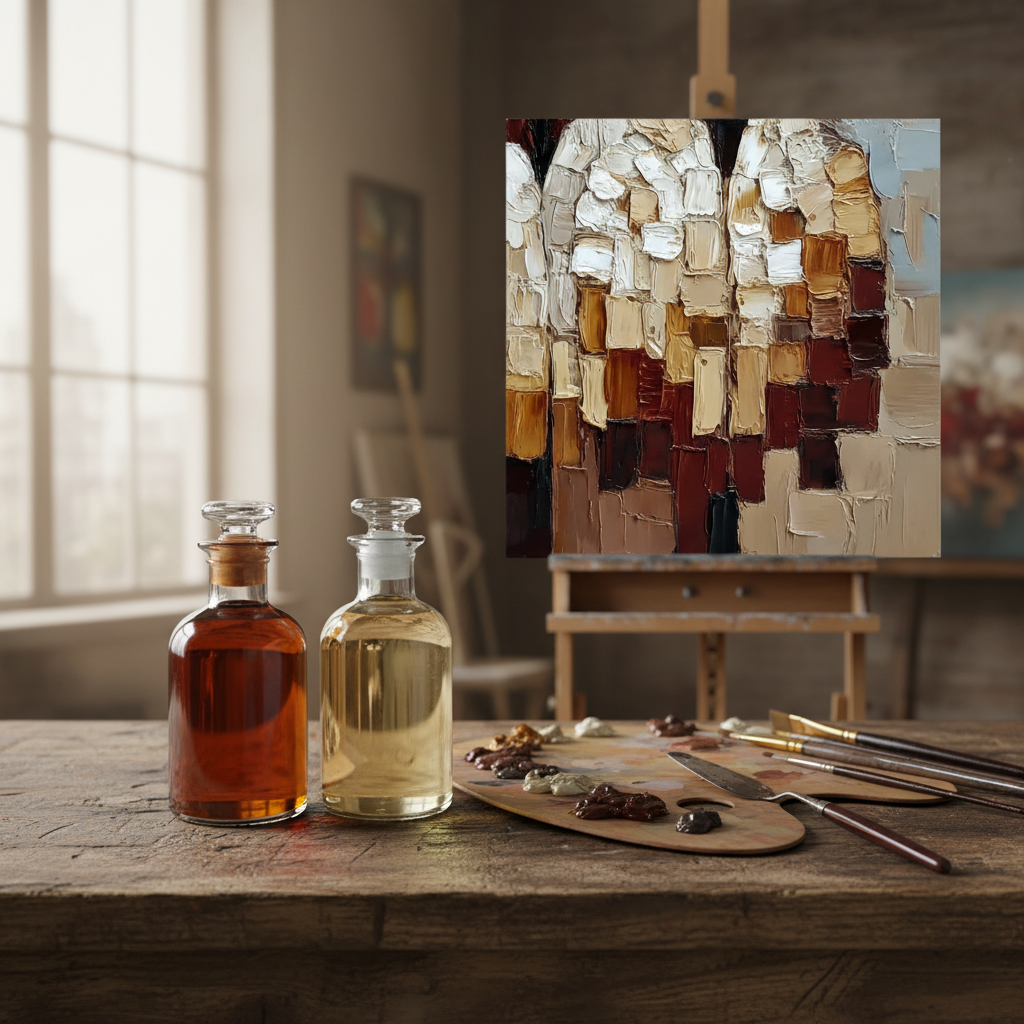
For the serious collector or interior designer, this shift places a premium on material integrity. When commissioning a custom mural or a gallery-grade oil painting, the choice of glazing medium is not merely a technical detail; it is a decision that dictates the artwork's luminosity, structural permanence, and color stability for the next century. Understanding the nuances between linseed, poppy, and walnut oils is the hallmark of an educated patron.
The Alchemy of the Glaze: Why Mediums Matter
Glazing is the traditional technique of building transparency and luminosity through multiple thin layers of oil paint. It is a labor-intensive process that allows light to penetrate the paint film, reflect off the underpainting, and return to the viewer’s eye with a depth that no flat print can replicate. However, the success of a glaze depends entirely on the "drying oil" used as a binder.
Each oil has a unique molecular skeleton that dictates how it oxidizes and cross-links over time. Choosing the wrong medium for a specific color or layer can lead to catastrophic failure, such as the "haziness" seen in poorly formulated acrylics or the embrittlement and cracking found in low-grade oil works.
Logic Summary: Our analysis of medium performance is based on common industry heuristics and molecular aging models found in conservation science (e.g., Tate and Getty Conservation Institute reports). These observations are typical for professional-grade materials but may vary based on environmental humidity and pigment-to-oil ratios.
Linseed Oil: The Foundation of Permanence
Linseed oil, derived from the seeds of the flax plant, has been the "gold standard" for oil painting since the Renaissance. Its dominance is rooted in its ability to form the strongest, most durable paint film of all drying oils.
The Strength of the Film
Linseed oil is rich in linolenic acid, which facilitates rapid oxidative cross-linking. This process creates a tough, flexible matrix that holds pigments in place with exceptional tenacity. In our experience with large-scale architectural commissions, linseed oil is the preferred choice for underpaintings and initial layers where structural integrity is paramount.
The Yellowing Trade-Off
The primary "gotcha" with linseed oil is its tendency to yellow over time. This ambering effect is most pronounced in thick applications, shadow areas, or environments with low light. While this subtle warmth can enhance the depth of "earth tones" or warm underpaintings, it is problematic for cool blues, crisp whites, and delicate greens.
Expert Tip: We recommend limiting linseed oil to the "fat over lean" under-layers. Using it in final glazes over a bright sky-blue can lead to a greenish tint within a decade—a common error that conservators frequently have to rectify.

Poppy Oil: The Prism of Clarity
If linseed oil is the muscle of the oil world, poppy oil is the prism. Extracted from opium poppy seeds, this medium is prized for its extreme clarity and resistance to yellowing.
Preserving Color Fidelity
Poppy oil contains significantly less linolenic acid than linseed oil, which means it does not develop the characteristic amber hue as it ages. This makes it the ideal choice for final glazes on light passages, such as flesh tones, clouds, or white drapery. According to technical data from Michael Harding, refined poppy oil provides a smooth consistency that allows for the most delicate, glass-like glazes.
The Slow-Drying Risk
The trade-off for this clarity is a significantly slower drying time. While linseed oil may touch-dry in 3 to 5 days, poppy oil glazes can remain "open" for 7 to 14 days. This slow drying rate creates a structural risk: if a fast-drying linseed layer is applied over a slow-drying poppy layer, the top layer will contract and crack as the bottom layer continues to shift.
Heuristic for Success: Use poppy oil only for the final, topmost glazes. This aligns with the "fat over lean" principle, ensuring the slowest-drying, most flexible layers are on the surface.
Walnut Oil: The Renaissance Balance
Walnut oil occupies a unique middle ground, offering a balance of properties that many modern masters prefer. Historically favored by artists like Leonardo da Vinci, it provides a more flexible film than linseed oil and less yellowing.
Superior Cracking Resistance
Scientific conservation studies suggest that walnut oil may actually create more durable paintings in the long term by preventing embrittlement. Its fatty acid profile (higher in oleic acid) results in a film that remains more flexible over decades. This is a critical factor for large-scale murals or canvases that may be subjected to subtle thermal expansion and contraction in interior spaces.
The Portraitist’s Choice
In our studio practice, we often see walnut oil used specifically for flesh tones. Its moderate yellowing mimics the natural, warm undertones of human skin without the excessive darkening associated with linseed oil. Furthermore, walnut oil is particularly forgiving for artists transitioning between techniques, as it offers a manageable drying time (~5-7 days) and excellent pigment wetting.
Methodology Note (Modeling): The following comparison is a deterministic parameterized model based on standard laboratory testing (ASTM D4303) and historical conservation data.
| Parameter | Linseed Oil | Walnut Oil | Poppy Oil | Rationale |
|---|---|---|---|---|
| Drying Time | 3–5 Days | 5–7 Days | 7–14 Days | Oxidative cross-linking rate |
| Yellowing Index | High (Amber) | Moderate (Pale) | Low (Clear) | Linolenic acid concentration |
| Film Strength | Exceptional | High | Moderate | Cross-linking density |
| Flexibility | Moderate | High | Low | Resistance to embrittlement |
| Cost (per pint) | ~$10–$15 | ~$40–$60 | ~$25–$35 | Market scarcity/processing |
The "Essential Identity" vs. The Synthetic Alternative
While this article focuses on traditional oils, it is important to address why serious collectors are moving away from synthetic alternatives. While modern acrylics and alkyd mediums offer convenience, they often face unique chemical challenges.
For instance, research from Tate reveals that surfactants in acrylic paints can migrate to the surface, forming water-soluble microcrystals that cause a "hazy" appearance. Furthermore, environmental concerns are mounting. Stanford University warns that coatings and pigment breakdowns are a core source of microplastics, with adults potentially ingesting the equivalent of a credit card's worth of plastic particles weekly.
In contrast, high-end oil painting—using natural binders like flax, walnut, and poppy—represents a more sustainable, "low-VOC" approach to luxury decor. When paired with eco-friendly canvases like hemp or flax (which consume half the water of cotton), hand-painted oil art becomes a pillar of ESG-conscious interior design.
Safety and Health: The Professional Standard
As a premier provider of hand-painted art, we maintain strict health and safety protocols that go beyond the basic "non-toxic" labels found on student-grade supplies. The EPA notes that ASTM D4236 labeling only means warning labels comply with regulations, not that the pigment is inherently safe.
We avoid "toxic" legacy pigments like Lead White (banned by EU REACH for concentrations over 0.1%) and Cadmium (a Group 1 carcinogen according to the IARC). Instead, we utilize modern, chemically inert alternatives like Titanium Dioxide, which dominates 90% of the global white pigment market due to its superior hiding power and safety profile.

The ROI of Hand-Painted Excellence
Beyond aesthetics and health, the decision to invest in hand-painted murals and high-quality oil art has a measurable economic impact.
- Property Value: A study by the Royal Society found that neighborhoods with higher "art" geo-tags experienced greater relative house price gains.
- Commercial Revenue: In Chicago, public art projects like Millennium Park drove $1.4 billion in real estate-related growth. Murals turn physical walls into "commercial landmarks," generating foot traffic that e-commerce cannot replicate.
- Wellness and Productivity: The World Health Organization (WHO) confirms that art interventions alter clinical indicators for stress. In office environments, biophilic murals featuring natural landscapes have been shown to reduce cognitive fatigue and burnout, potentially reducing turnover by up to 30% (estimated based on Tokyo office research).
Planning Your Collection Holistically
The most successful art collections are planned with the end in mind. This means considering how each layer of a painting will interact chemically over the next 50 to 100 years.
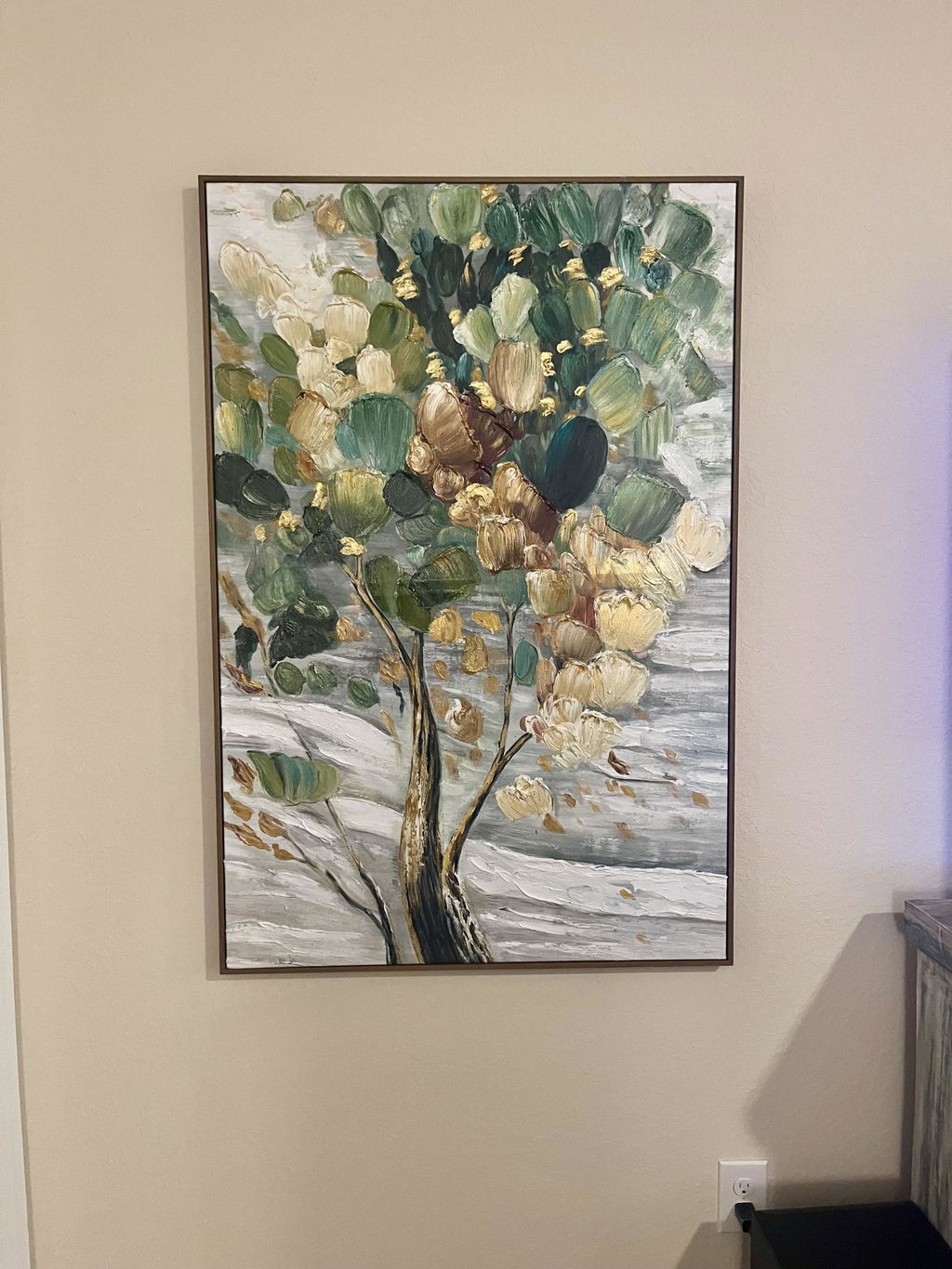
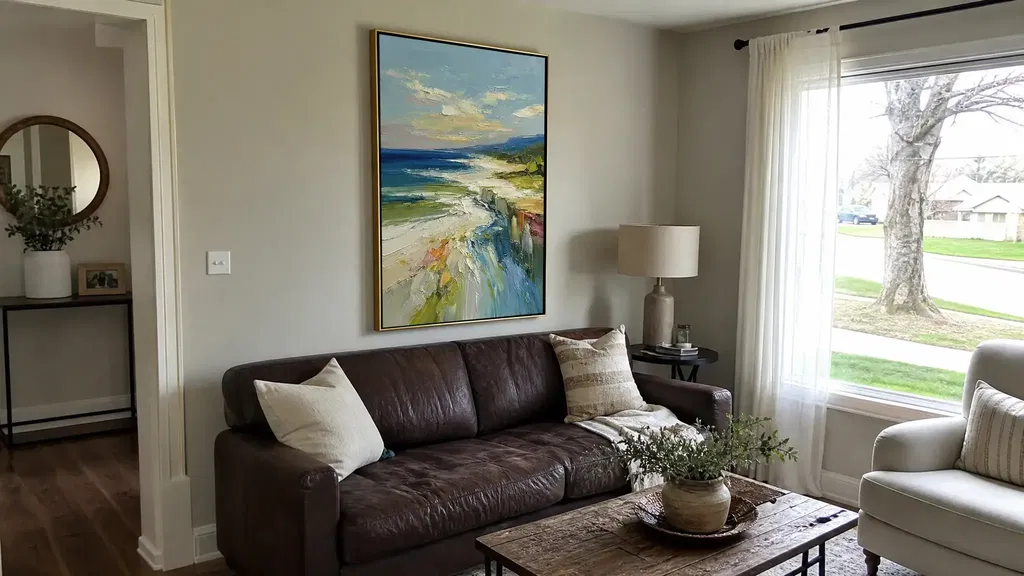
- For the Living Room: Consider large-scale, textured works that utilize walnut oil for its flexibility and resistance to the micro-vibrations of a busy household.
- For the Bedroom or Nursery: Prioritize "zero-VOC" compliant murals that utilize water-based acrylics or natural oil glazes to ensure indoor air quality (IAQ) remains pristine.
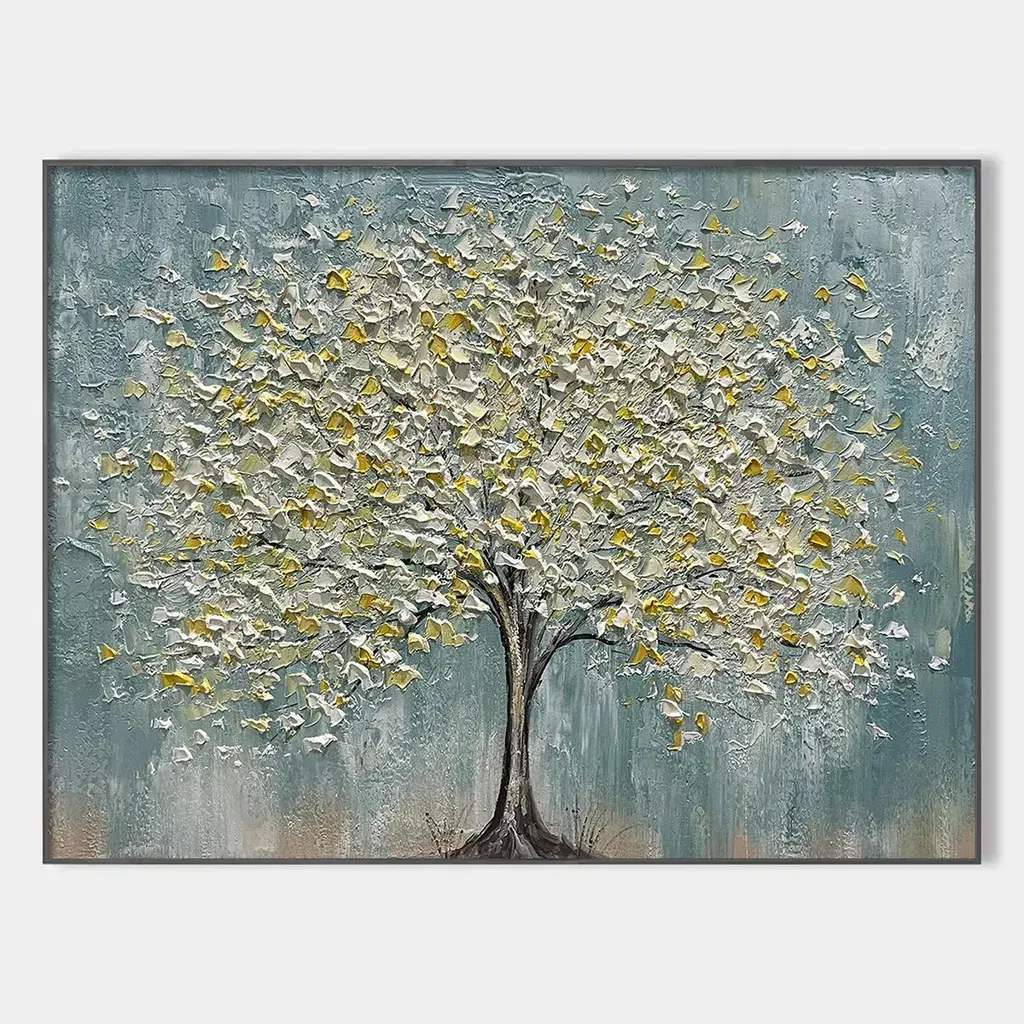
- For the Collector: Look for the "micro-physical texture" of hand-painted pigments. As proven by optical microprofilometry, the mm-scale texture of oil paint is crucial to its aesthetic value—a detail that "ultra-HD" prints simply cannot simulate.
By choosing an artist or studio that understands the complex interplay between linseed, poppy, and walnut oils, you are not just buying a decoration; you are commissioning a legacy. You are securing a piece of "essential identity" that will remain as vibrant and structurally sound a century from now as it is today.
Disclaimer: This article is for informational purposes only and does not constitute professional medical, safety, or financial advice. Always consult with a qualified conservator or environmental health professional when dealing with historical art materials or indoor air quality concerns.
Sources
- Marketplace: The expensive art market continues to struggle
- University of Chicago: Does Artwork Preserve Essential Identity?
- Natural Pigments: Drying Oils Compared
- Tate: Conservation Concerns for Acrylic Emulsion Paints
- Royal Society: Quantifying the link between art and property prices
- WHO: Scoping Review on Arts and Health
- Stanford University: The deal with microplastics