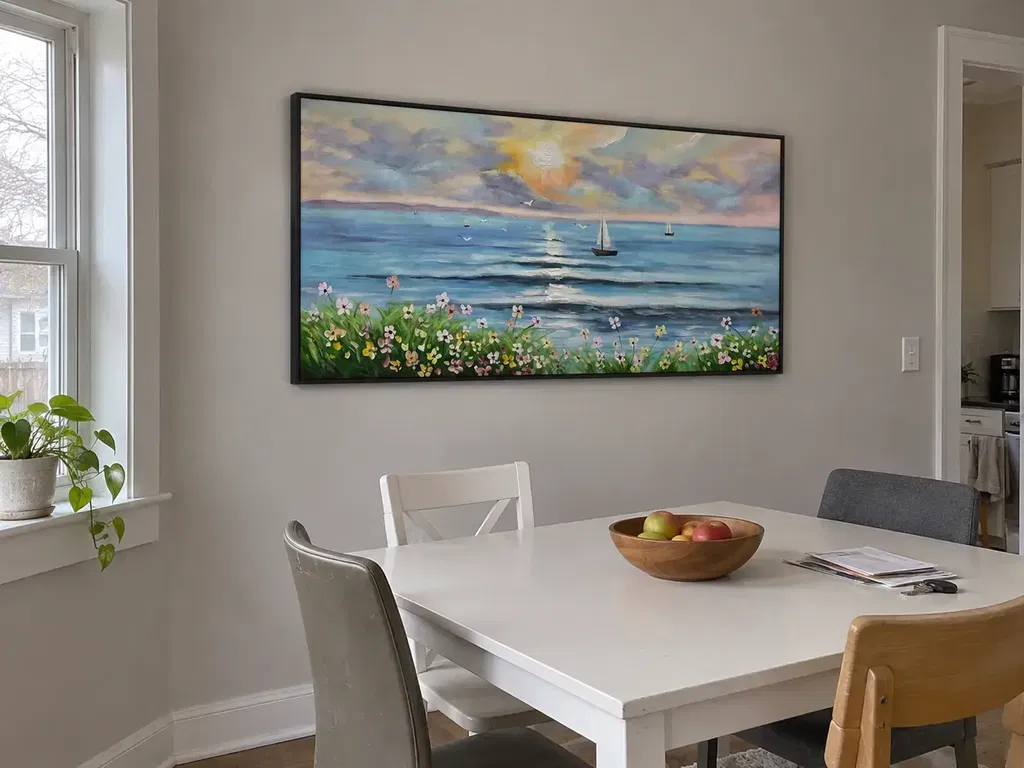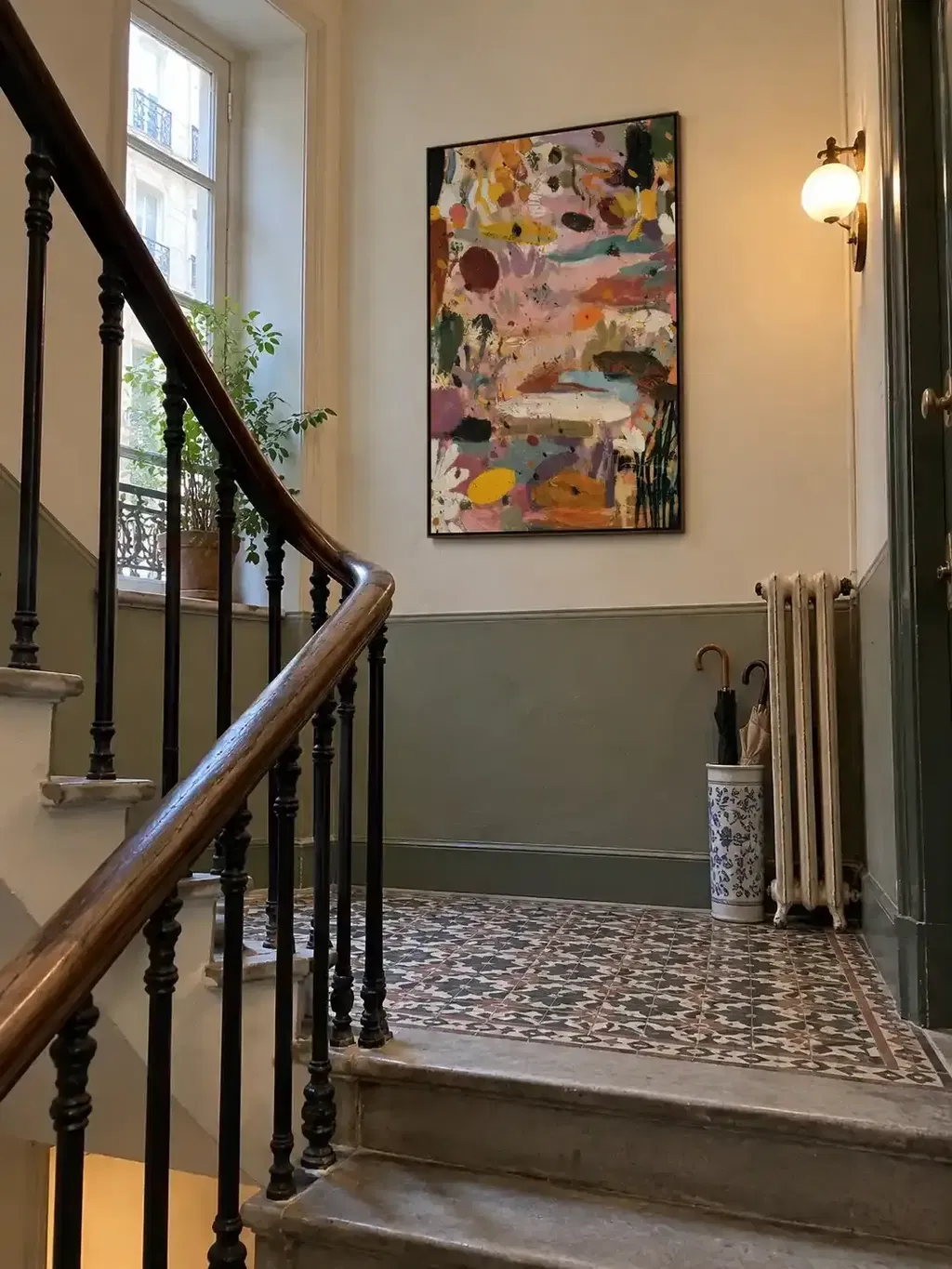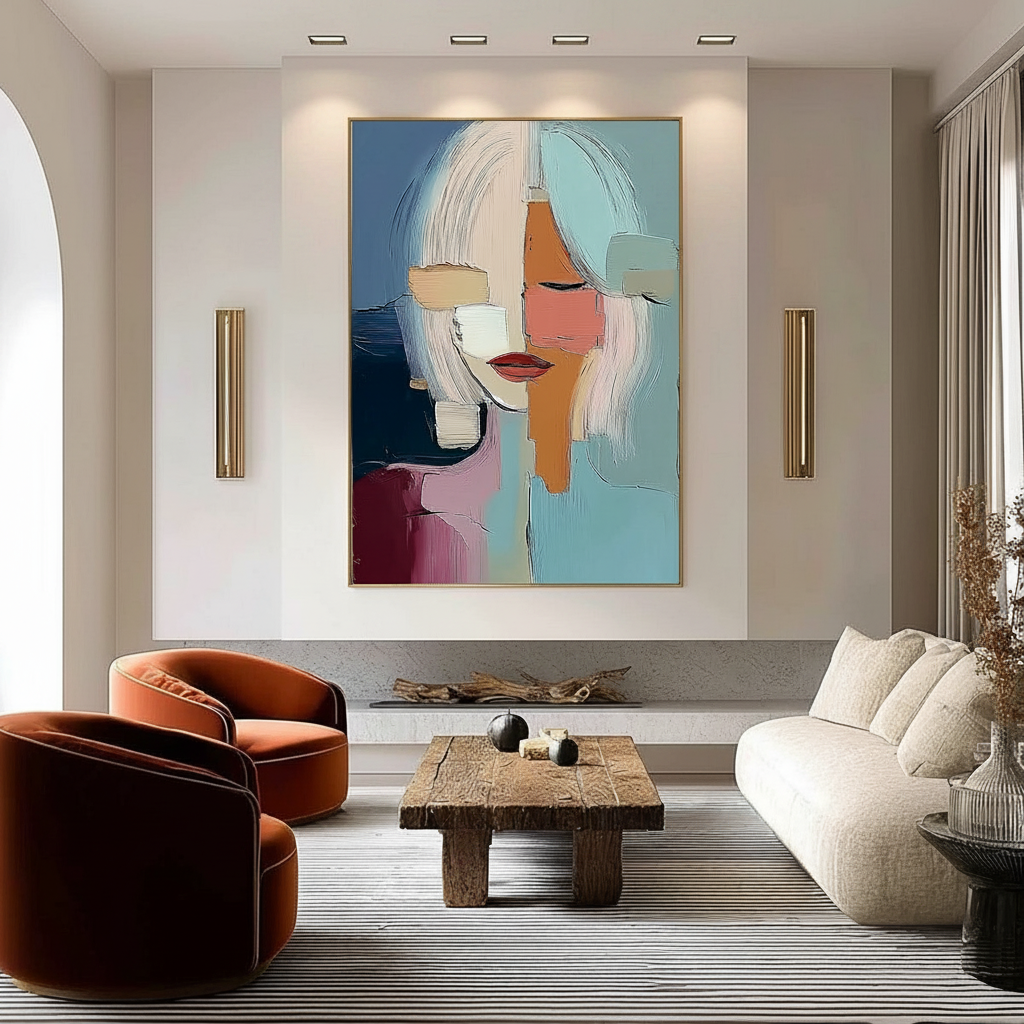
Beyond Symmetry: Solving the Architectural Puzzle of Off-Center Fireplaces
Architectural "quirks" are often the soul of an older home, yet they present significant challenges for modern interior curation. Among the most frustrating is the off-center fireplace—a feature that can make a room feel perpetually tilted. While conventional wisdom suggests these placements are "dynamic opportunities," our observations from years of spatial design suggest they are more often the result of structural retrofitting or historical constraints rather than intentional aesthetics.
In the current art market, we are seeing a significant retreat from overpriced vanity auction pieces, with sales for high-end works plummeting 44% year-over-year in 2024 according to Marketplace. Instead, homeowners are returning to real application value, seeking custom, hand-painted solutions that solve specific spatial dilemmas. When a fireplace sits three feet to the left of the room’s center, a standard "centered" approach to art fails. You need a strategy of visual counter-weighting.

The Neuroaesthetics of Spatial Balance
Why does an asymmetrical room cause such internal friction? It isn't just a matter of taste; it is biological. Research into the neurological mechanisms of creative arts shows that passive art viewing consistently activates the medial prefrontal cortex (mPFC) and the amygdala, which are core to our emotional regulation circuits, as noted in a systematic review published by PMC. When a focal point like a fireplace is misaligned, the brain’s "top-down" visual selection processes work overtime to resolve the imbalance, often leading to subtle cognitive fatigue.
Furthermore, digital prints or mass-produced replicas often fail to provide the "essential identity" required to anchor a room. A study from the University of Chicago found that digital replicas lack the perceived soul or "essence" of the artist, which collapses their value in the eyes of the consumer. For a high-stakes architectural correction, the physical relief and micro-topography of hand-painted pigments are non-negotiable.
The 3:1 Ratio and Other Expert Heuristics
To correct a room's visual center without physically moving the chimney breast, we utilize a set of design heuristics developed through pattern recognition in historical home renovations. These are not rigid mandates but baseline models for achieving visual equilibrium.
1. The 2/3 Width Rule
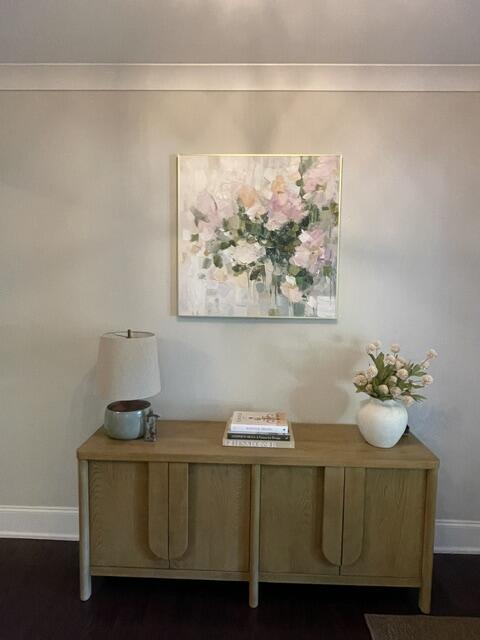
The artwork’s width should be at least two-thirds of the fireplace’s width. This ensures the art has sufficient "visual mass" to act as a counter-weight. If the art is too small, it appears to be floating accidentally; if it is the correct scale, it feels like an intentional architectural anchor.
2. The 3:1 Dynamic Tension Rule
For every inch the fireplace is offset from the room’s true center, the artwork should be positioned three inches further in the opposite direction from the room's center. This creates a "dynamic tension" that tricks the eye into perceiving a new, balanced center point.
3. Diagonal Compositional Pull
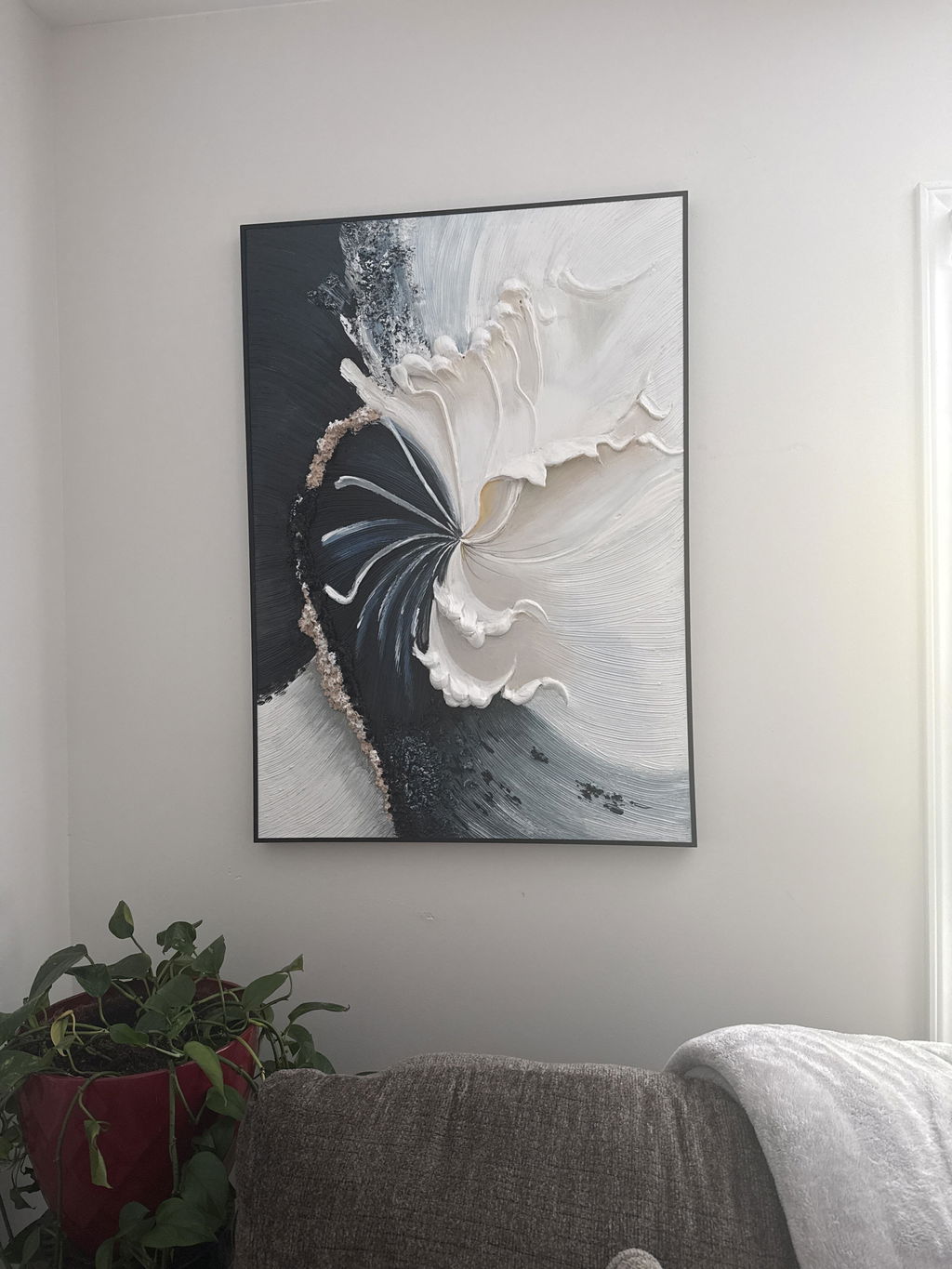
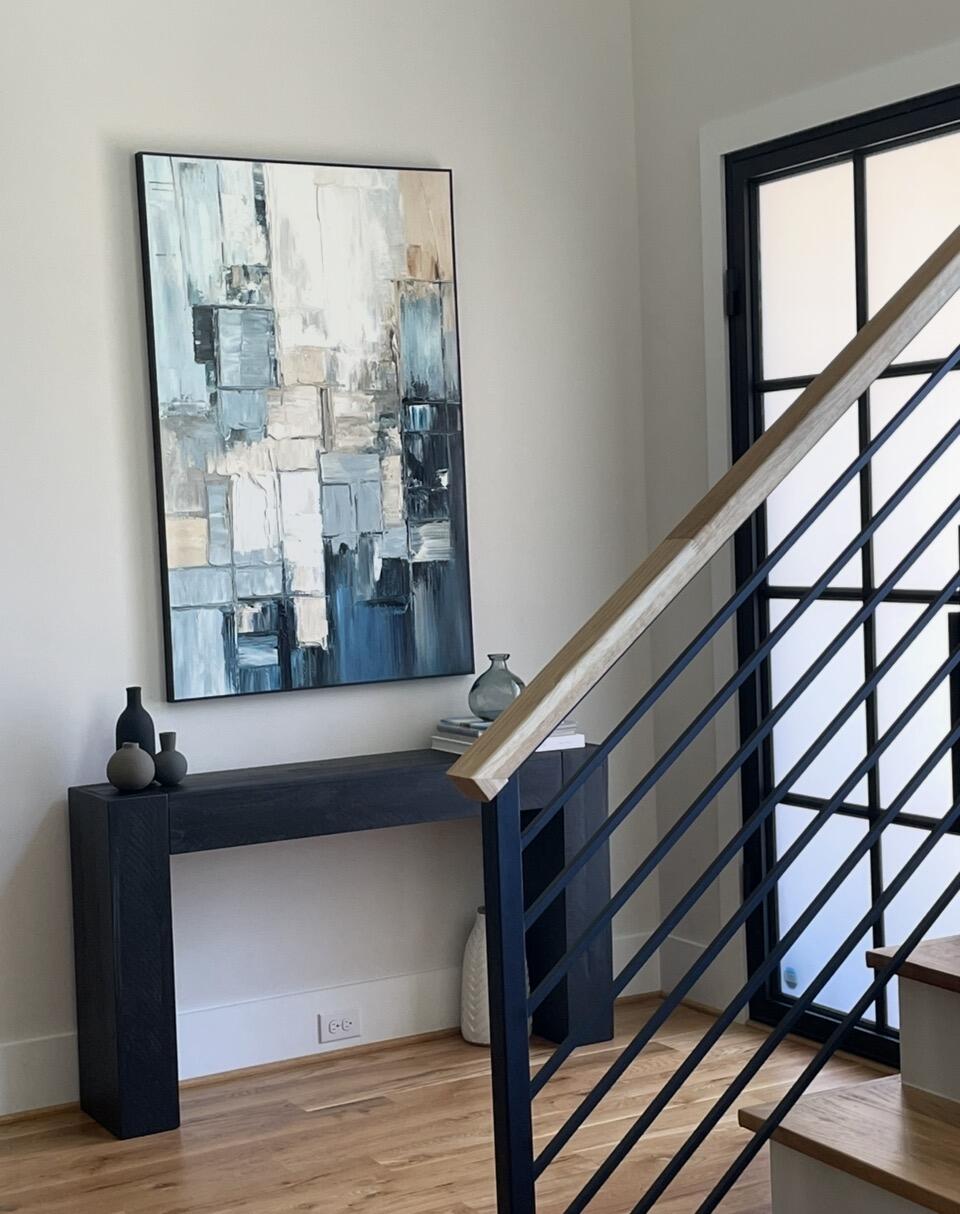
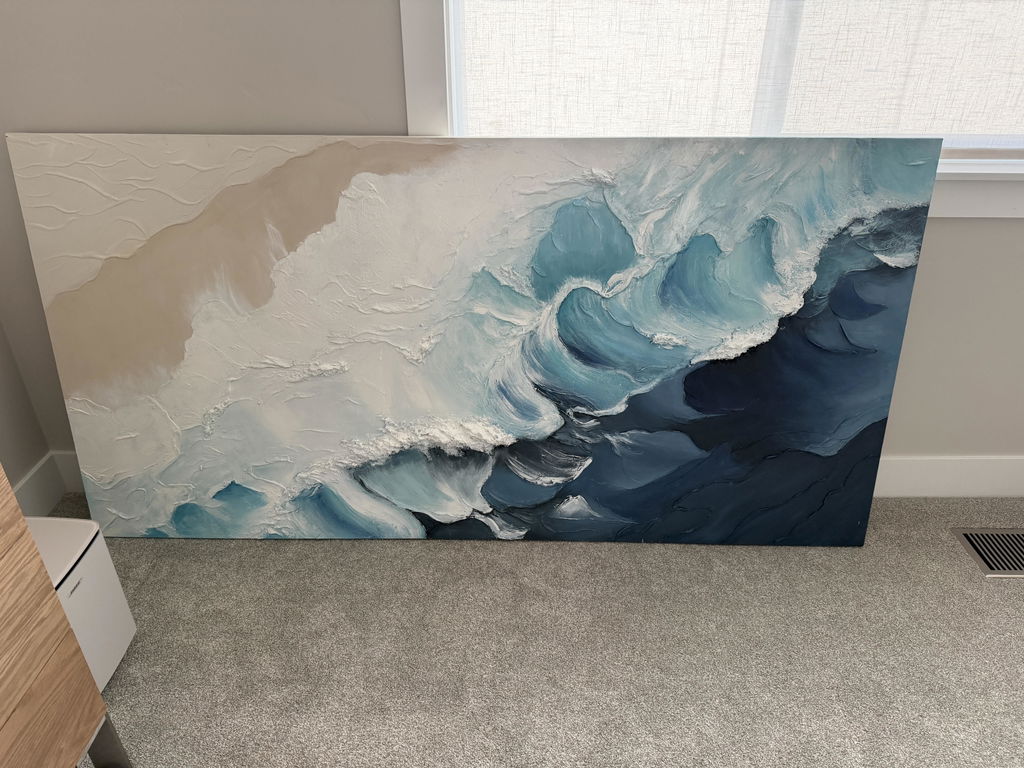
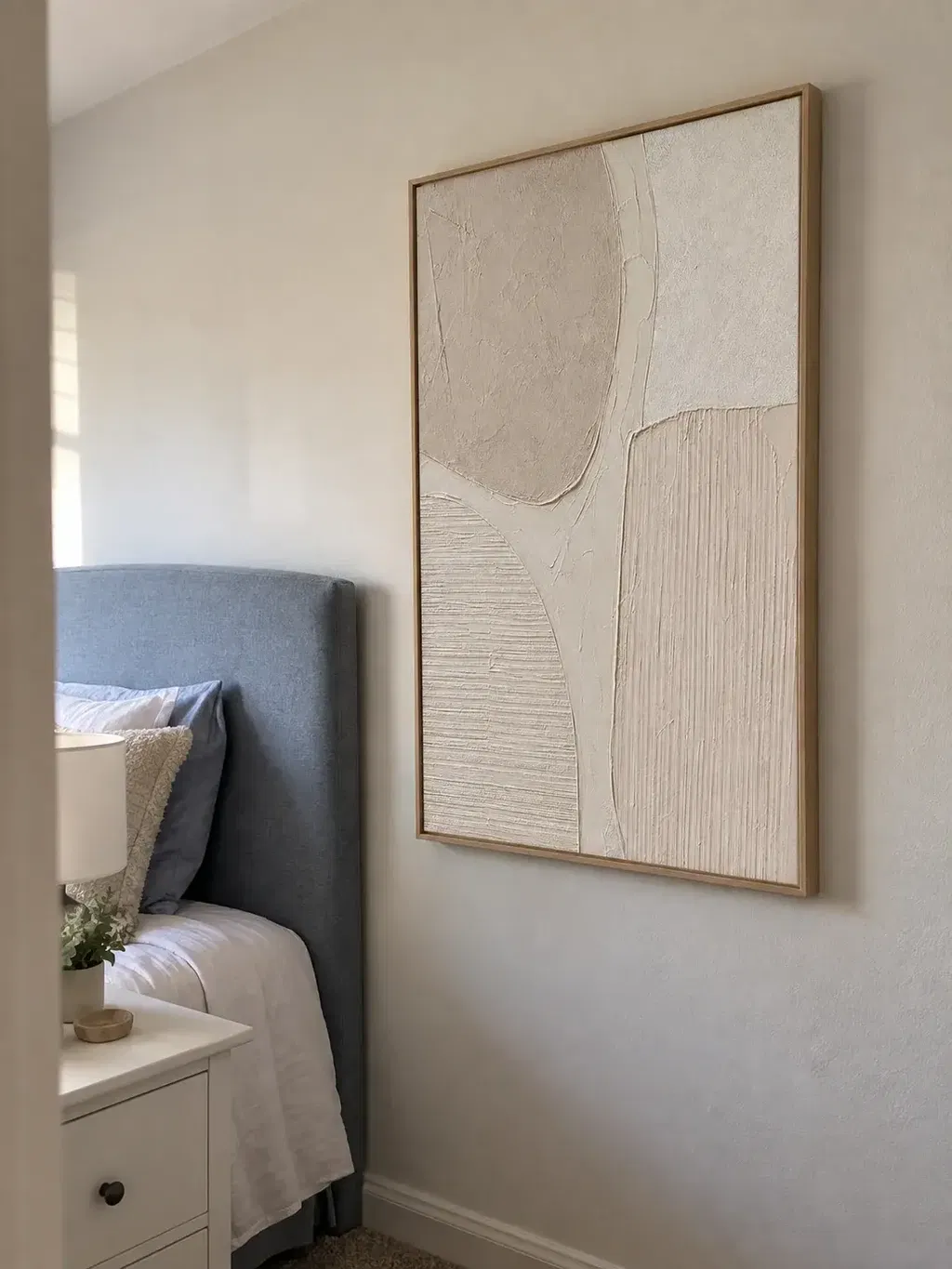
When dealing with an offset of more than 12 inches, symmetrical art (like a portrait or a centered circle) will only highlight the fireplace's misalignment. Instead, we recommend asymmetrical art with a strong diagonal composition. A brushstroke that moves from the bottom corner (nearest the fireplace) toward the top opposite corner (toward the room's center) directs the eye's path back to where the room "should" be centered.
Modeling Note: Visual Counter-Weighting Parameters Our analysis of asymmetrical balance assumes a standard 8-foot ceiling and a fireplace occupying roughly 1/3 of the wall height. This model is a scenario-based heuristic, not a controlled lab study.
Parameter Value/Range Unit Rationale Art-to-Fireplace Width >0.66 Ratio Minimum mass for counter-weighting Offset Compensation 3:1 Ratio Visual leverage for center correction Lighting Boost 30–40 % Increase in visual weight via lumens Hanging Height 1530 mm Industry standard eye-level (may vary) Visual Weight Bias Diagonal Type Directional eye-guiding mechanism
The Materiality of Trust: Why Hand-Painted Matters
In an era of AI-generated imagery, the "human premium" has become a critical factor in home value. Columbia University experiments confirm that consumers value art labeled as "AI-generated" 62% lower than authentic human-created art, according to Columbia Business School.
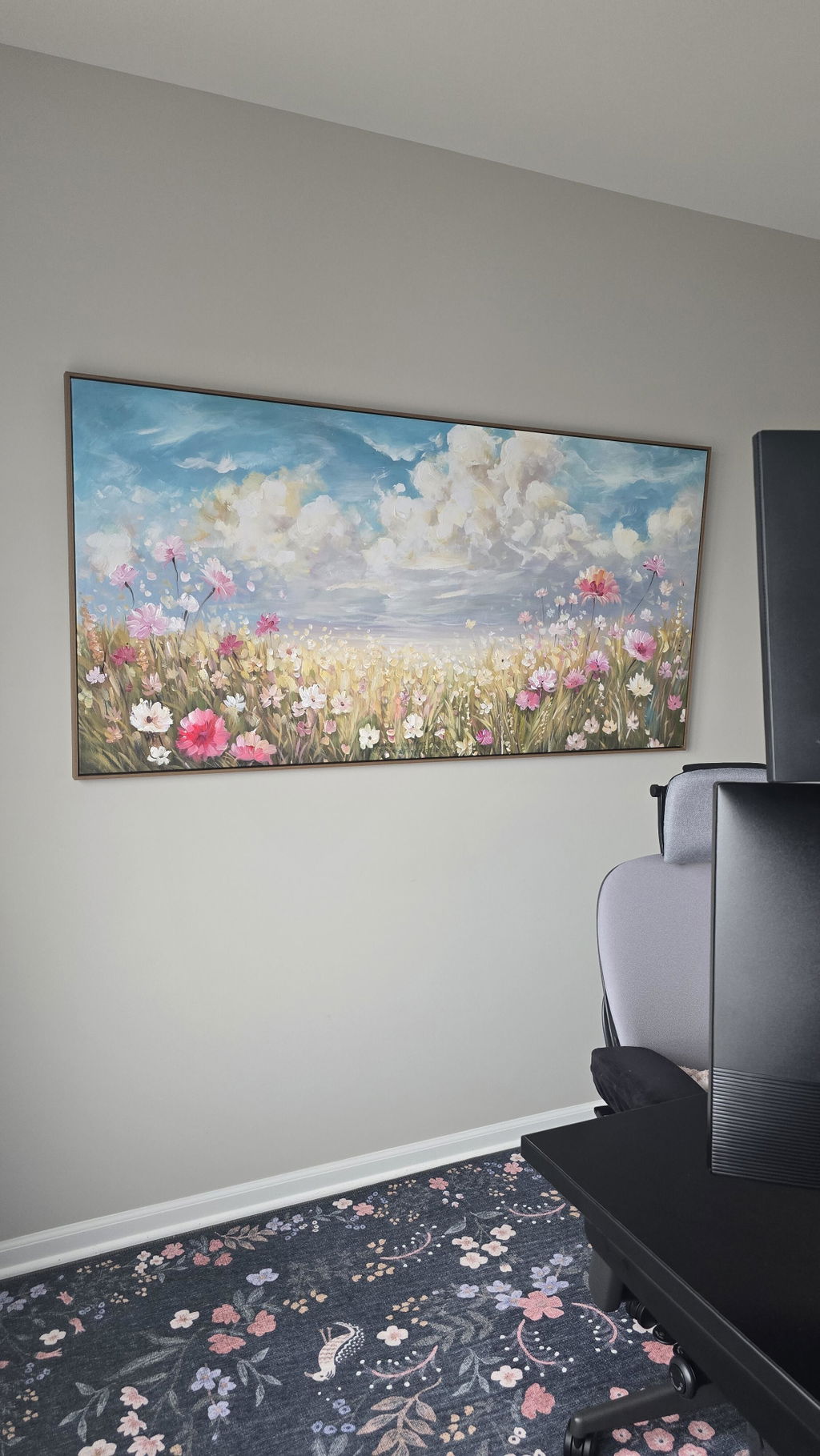
When you are using art to solve an architectural flaw, the physical presence of the medium matters. Optical microprofilometry proves that the mm-scale texture of oil and acrylic paintings is crucial to their aesthetic impact; these tactile features provide data that the human eye craves but digital prints cannot replicate, as detailed in Sensors (MDPI). This is especially important when using Large Art for Small Living Rooms, where the viewer is in close proximity to the canvas.

Safety and Air Quality: The Hidden Cost of Cheap Pigments
As we transition into more health-conscious home design, the chemical composition of your wall art becomes a safety concern. The CDC NIOSH warns that chronic inhalation of volatile compounds in certain paints can lead to central nervous system issues. Many consumers believe that "odorless" solvents are safe, but Princeton University EHS guidelines clarify that even odorless mineral spirits can cause brain damage with chronic exposure.
Furthermore, heavy metal contamination is a real risk in lower-tier art supplies. Laboratory tests detected seven heavy metals in some acrylic paints, with peak contamination reaching over 500 $\mu g/g$ in certain pigments like burnt umber, according to PMC.
At MontCarta, we emphasize the use of low-VOC paints and eco-friendly alternatives. For instance, walnut oil is an excellent replacement for toxic turpentine solvents, and titanium dioxide—which now dominates 90% of the white pigment market—has safely replaced the highly toxic lead white of the past, as noted by NCBI.
Strategic Lighting: The Final 40%
One of the most common mistakes in Sizing Art Around Windows and Wall Molding or fireplaces is underestimating lighting. Proper directional lighting—such as a dedicated picture light or a recessed ceiling washer—can increase an artwork’s "visual weight" by an estimated 30–40%.
By spot-lighting the artwork while leaving the fireplace in slightly softer light, you can effectively shift the room’s focal point toward the art and away from the structural asymmetry. This is a primary strategy for Curation in Small-Space Apartments, where physical space for counter-weighting furniture is limited.
The Economic Case for Custom Art
Investing in hand-painted murals or large-scale canvases isn't just an aesthetic choice; it's a real estate strategy. A Royal Society CAR model analysis found that neighborhoods with higher "art" geo-tags saw greater relative house price ranking gains, as documented by the Royal Society.
For developers and homeowners alike, art acts as a "permanent physical billboard." In commercial settings, public art has been shown to drive billions in real estate growth, such as the projects in Chicago's Millennium Park which catalyzed $1.4 billion in related growth, according to NC Realtors. Whether you are Defining Living Room Zones or masking a structural flaw, custom art provides an "absolute authenticity" that mass-market decor cannot touch.
Pigment Longevity: Acrylic vs. Oil
When selecting art for a fireplace wall, environmental factors like heat and light are critical. According to ResearchGate, oil pigments are particularly susceptible to thermal aging, with some yellow pigments experiencing binder separation and melting at high temperatures.
Acrylics, by contrast, consist of long-chain molecules that form films through a physical "coalescence" process, making them more resistant to the embrittlement that affects oxidative-cross-linked oil films, as explained by JustPaint. For a wall that will experience temperature fluctuations from a fireplace, high-quality acrylics often offer superior longevity.

The Path Forward: Flaw as Feature
An off-center fireplace is not a design "death sentence." By applying the 3:1 ratio rule and selecting hand-painted works that possess "essential identity," you can transform a structural quirk into a sophisticated focal point. The goal is not to hide the asymmetry, but to balance it with intentional, high-performance curation.
As the industry moves toward 2026, trends are shifting toward "artisan craftsmanship" (up 21% in Zillow searches) and "whimsy" (up 15%), according to PA Realtors. Embracing the unique geometry of your home with custom, human-made art aligns perfectly with this movement toward understated elegance and authentic texture.
Disclaimer: This article is for informational purposes only. When hanging heavy artwork or installing lighting near a fireplace, ensure all fixtures meet local fire safety codes and weight-bearing requirements. If using art materials yourself, consult a professional regarding ventilation and safety protocols.
Sources
- Art Market Trends: Marketplace - The expensive art market continues to struggle
- Human vs. AI Perception: Columbia Business School - Human-Made vs. AI Art
- Neuroaesthetics: PMC - Neurological mechanisms of creative arts
- Pigment Safety: CDC NIOSH - Paint and Coating Hazards
- Real Estate Impact: Royal Society - Quantifying the link between art and property prices
- Pigment Chemistry: NCBI - Titanium Dioxide Pigment Toxicity
- Material Longevity: JustPaint - Longevity of Oil and Acrylic Paints