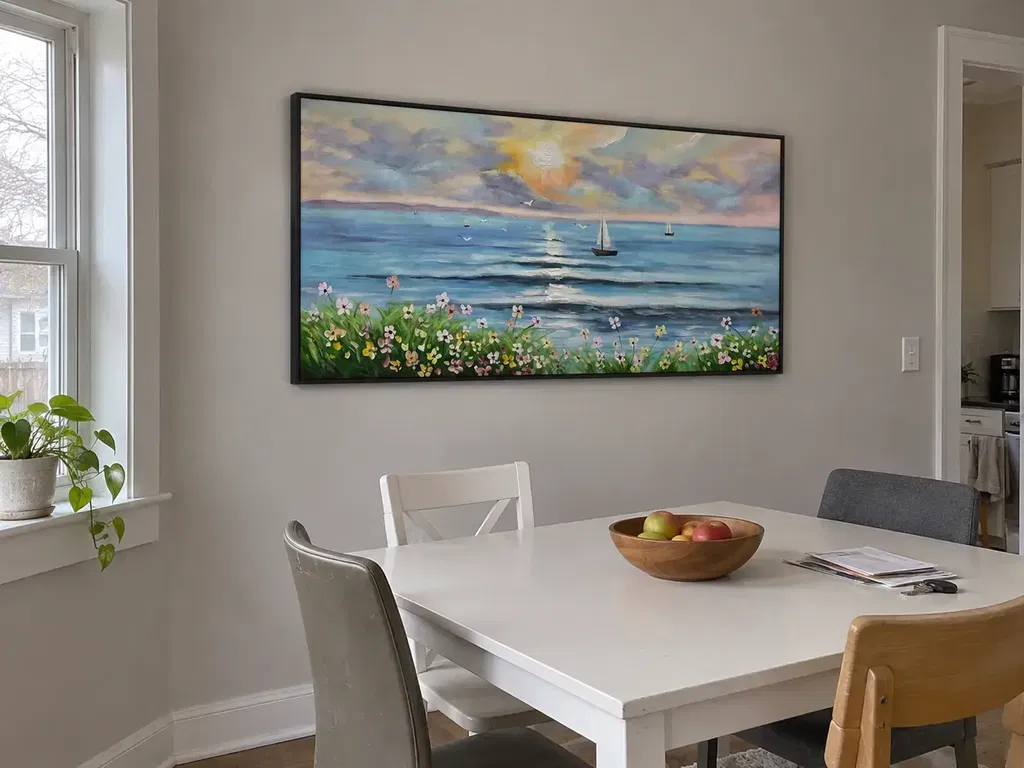
Textured wall art can be practical in a short-term rental, but it is not automatically a good fit for every room or property. The decision depends on the artwork's materials, care instructions, traffic path, environmental exposure, mounting plan, and your team's ability to inspect it during turnovers. A quiet interior focal wall with limited guest contact is usually a stronger candidate than a narrow entry, splash-prone kitchen wall, or humid bathroom. If you cannot verify care, installation, or replacement details, a flatter alternative is the more conservative choice.
Textured Wall Art Can Work When Placement Matches Turnover Needs
Treat textured wall art as a room-and-workflow decision rather than a property-wide style choice. Before ordering, confirm four basics: the maker's written care instructions, the piece's dimensions and weight, a mounting method suited to the wall, and a turnover routine that can identify changes without improvising.
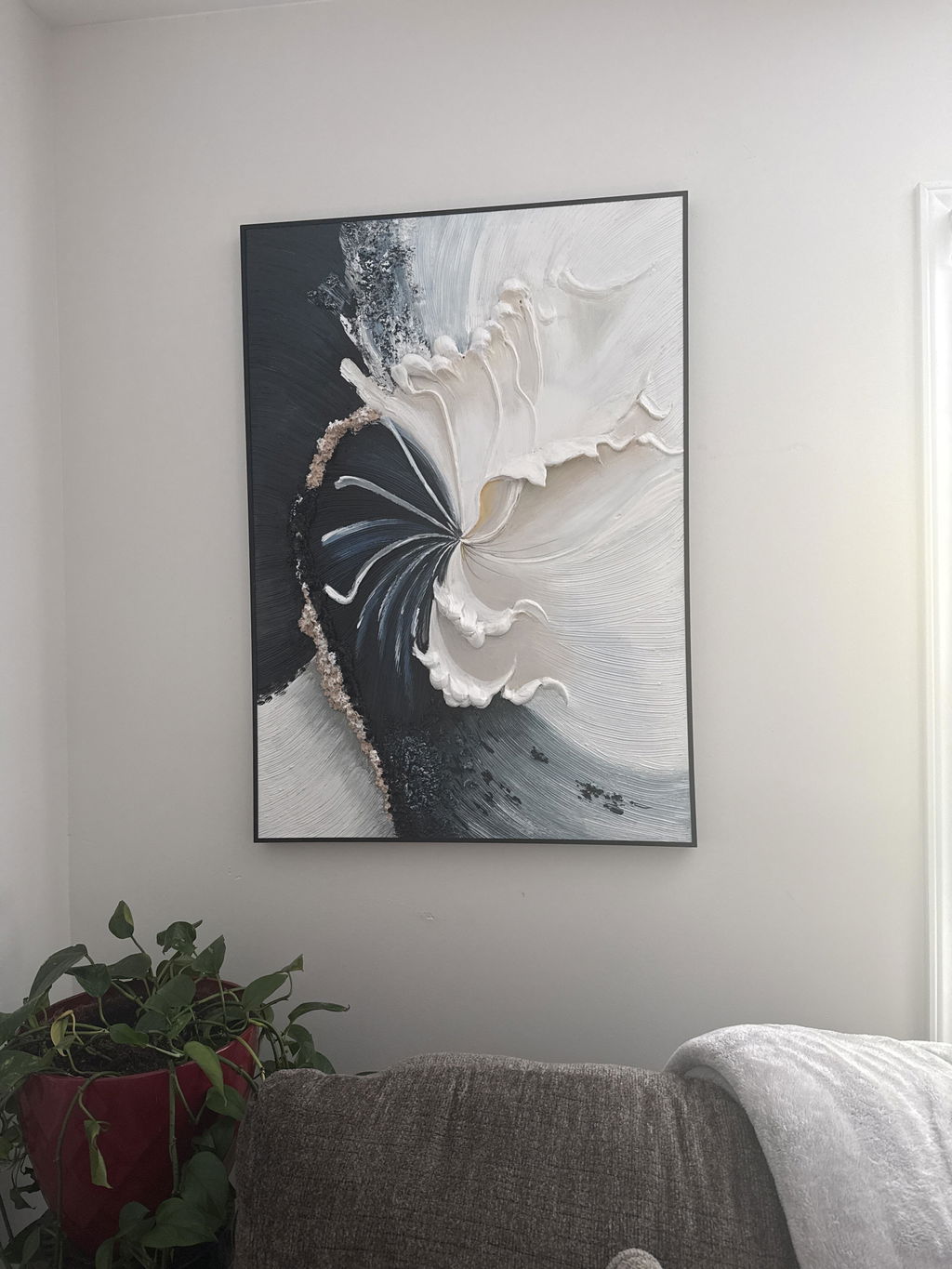
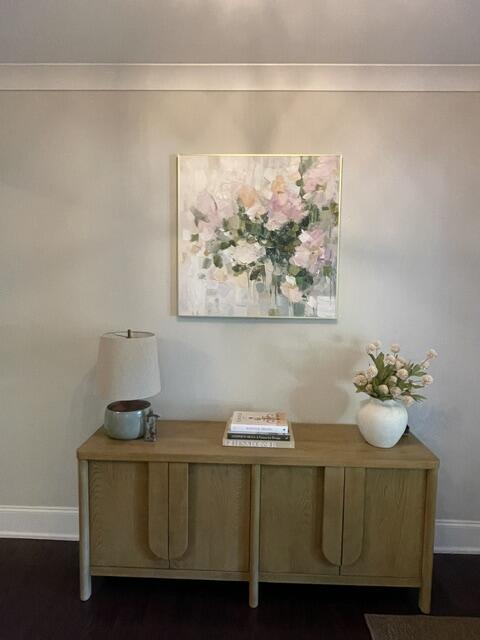
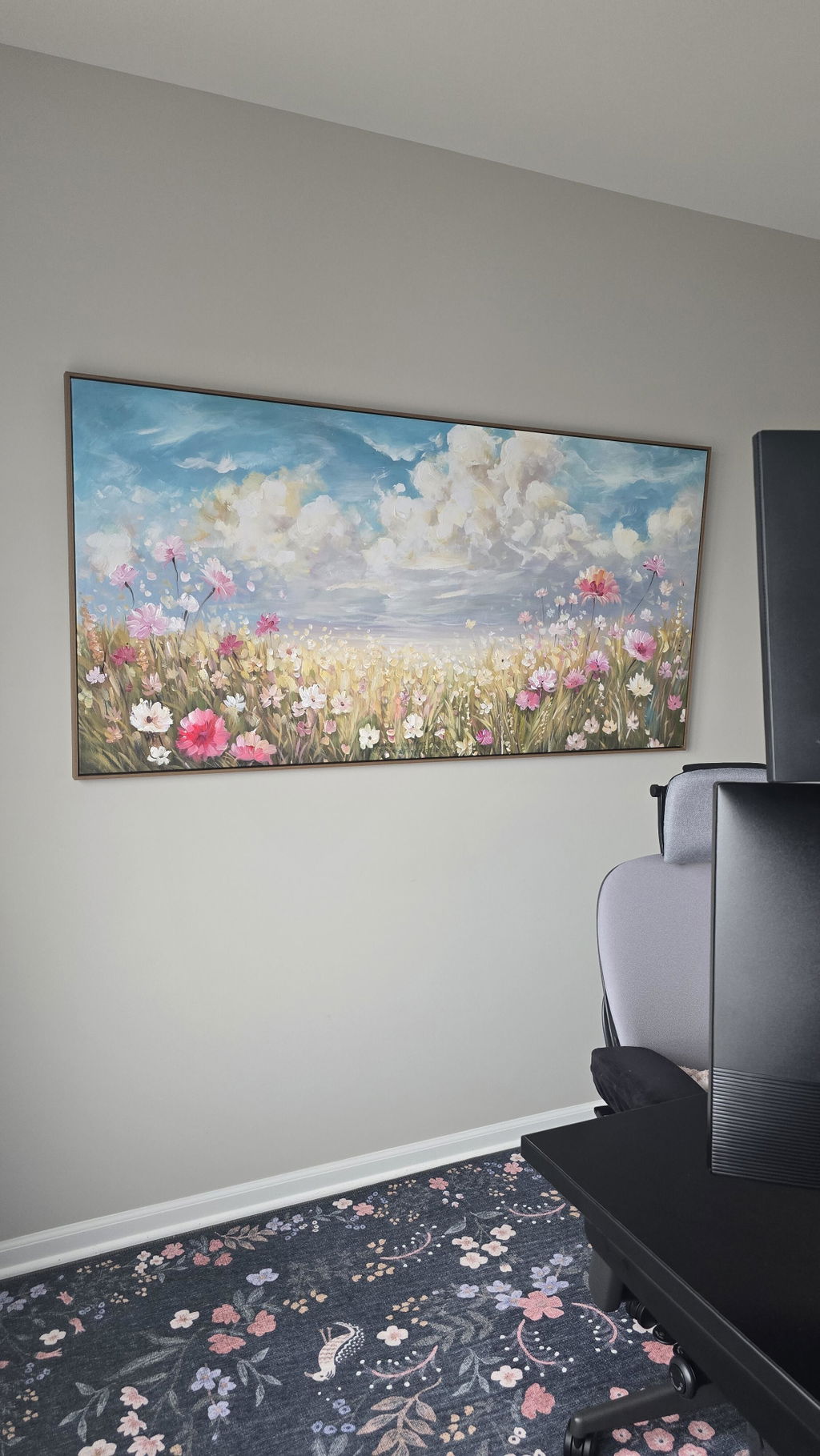
The strongest fit is a visible focal wall where guests can appreciate the relief from a reasonable viewing distance, furniture and luggage are unlikely to touch it, and indoor conditions remain relatively stable. A living room wall set away from a sofa back, dining chairs, door swings, and cleaning-equipment paths may work well. The artwork's texture can add visual interest, but the texture itself is not proof of durability, moisture tolerance, or low maintenance.

Choose a simpler surface when the rental has rapid turnovers, frequent furniture movement, limited inspection time, or unclear seller documentation. If the artwork is an original that cannot be easily reordered, record the listing, dimensions, finish description, purchase details, and care instructions before installation. Hosts who want to compare styles can browse abstract art options, but the collection should be evaluated by the same operational checklist as any other source.
Suitable and Higher-Risk Placement Zones for Wall Art for Vacation Rental Homes
The better locations for wall art for vacation rental homes are stable interior walls with limited contact and enough access for visual inspection. Room names alone do not decide suitability: trace the likely paths of guests, luggage, furniture, doors, steam, splashes, sunlight, and cleaning equipment before choosing the wall.
Living Rooms and Quiet Focal Walls
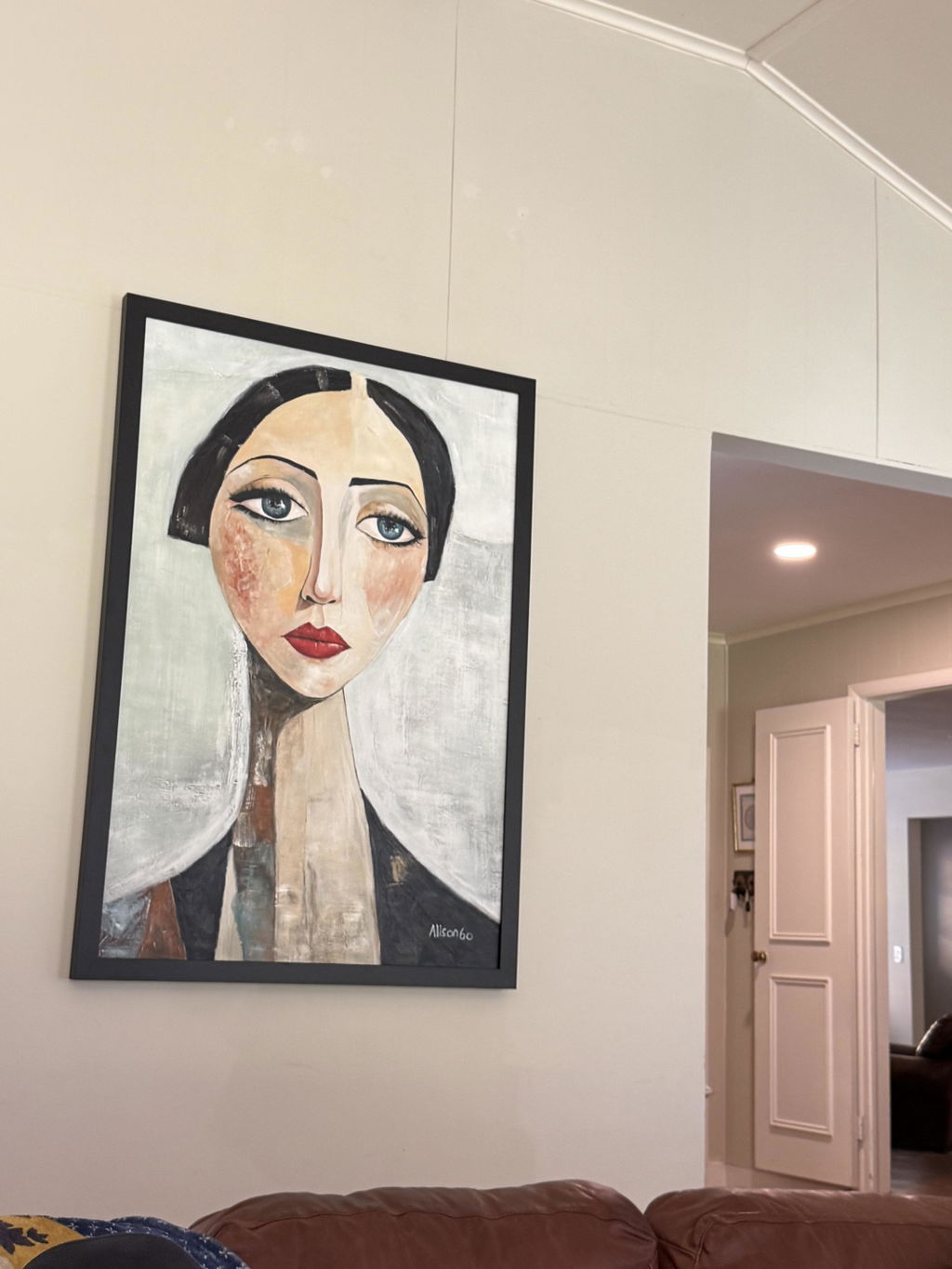
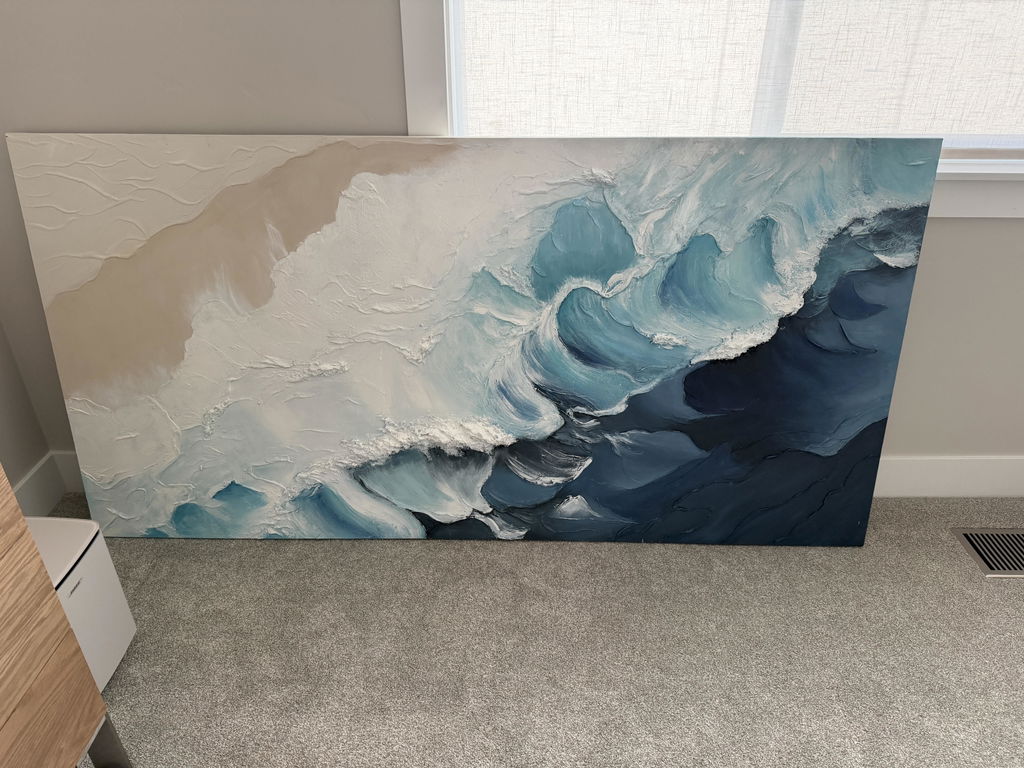
A quiet living-room focal wall is often the clearest candidate for textured art. Prioritize a surface viewed from a distance and outside the paths of sofa movement, luggage, chair backs, doors, and routine cleaning. Relief depth and artwork scale should prompt a check of viewing distance and cleaning access, not an assumption about performance. If you are deciding between low, medium, or high relief, choose the texture depth based on the room's viewing conditions and upkeep capacity.
For a large piece, confirm that the chosen wall leaves enough clearance for guests and housekeepers to move normally. A visually prominent wall is not necessarily a practical wall if it sits directly behind movable furniture or beside a frequently used door.

Bedrooms, Hallways, and Entry Areas
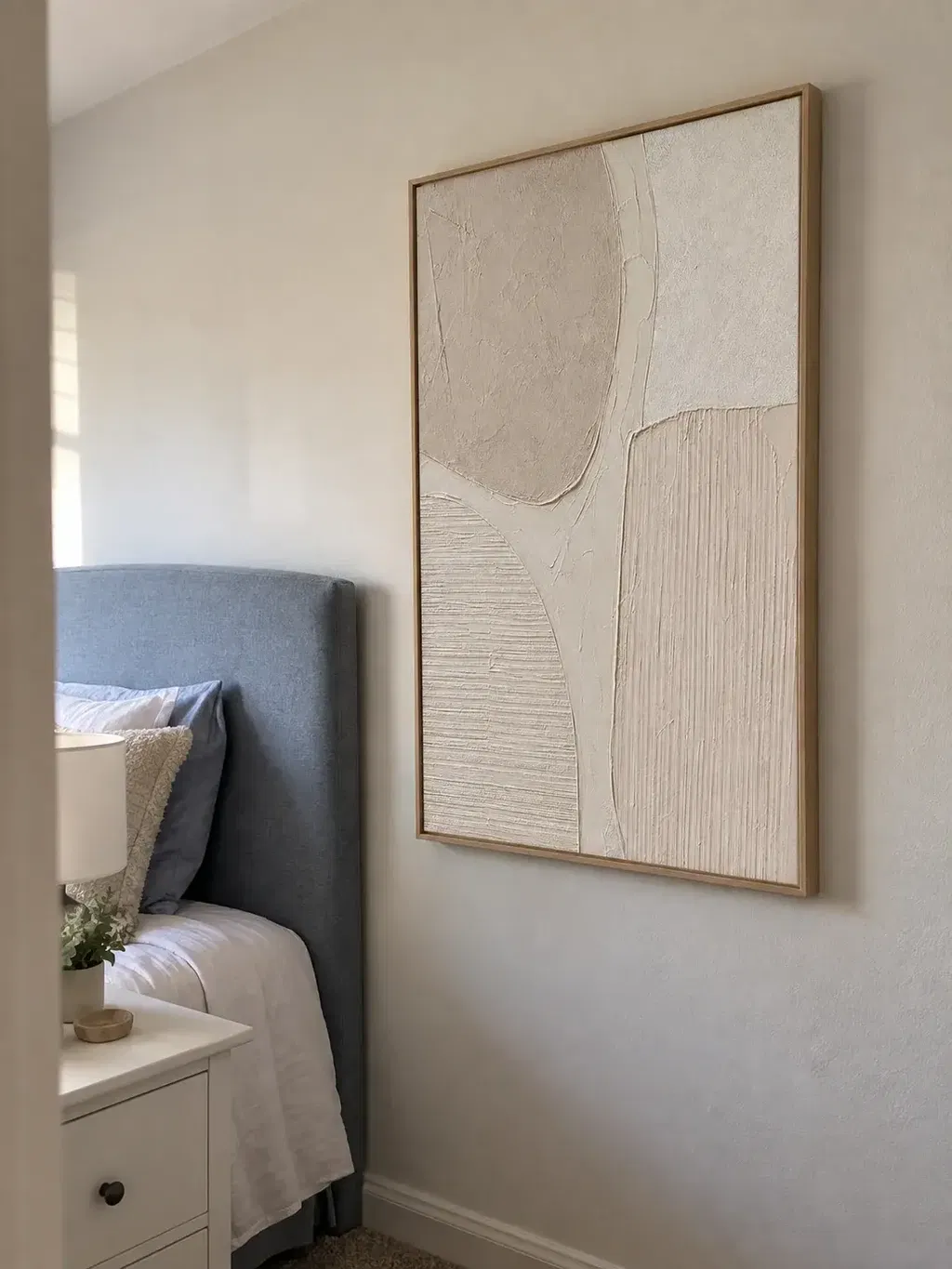
Bedrooms and hallways require a contact-path assessment. Check the space around the headboard, nightstands, shoulders, luggage, coats, door swings, and cleaning tools. A wide wall across from the bed may offer viewing distance, while a narrow wall beside the entry door may put the artwork in a shoulder or bag path.
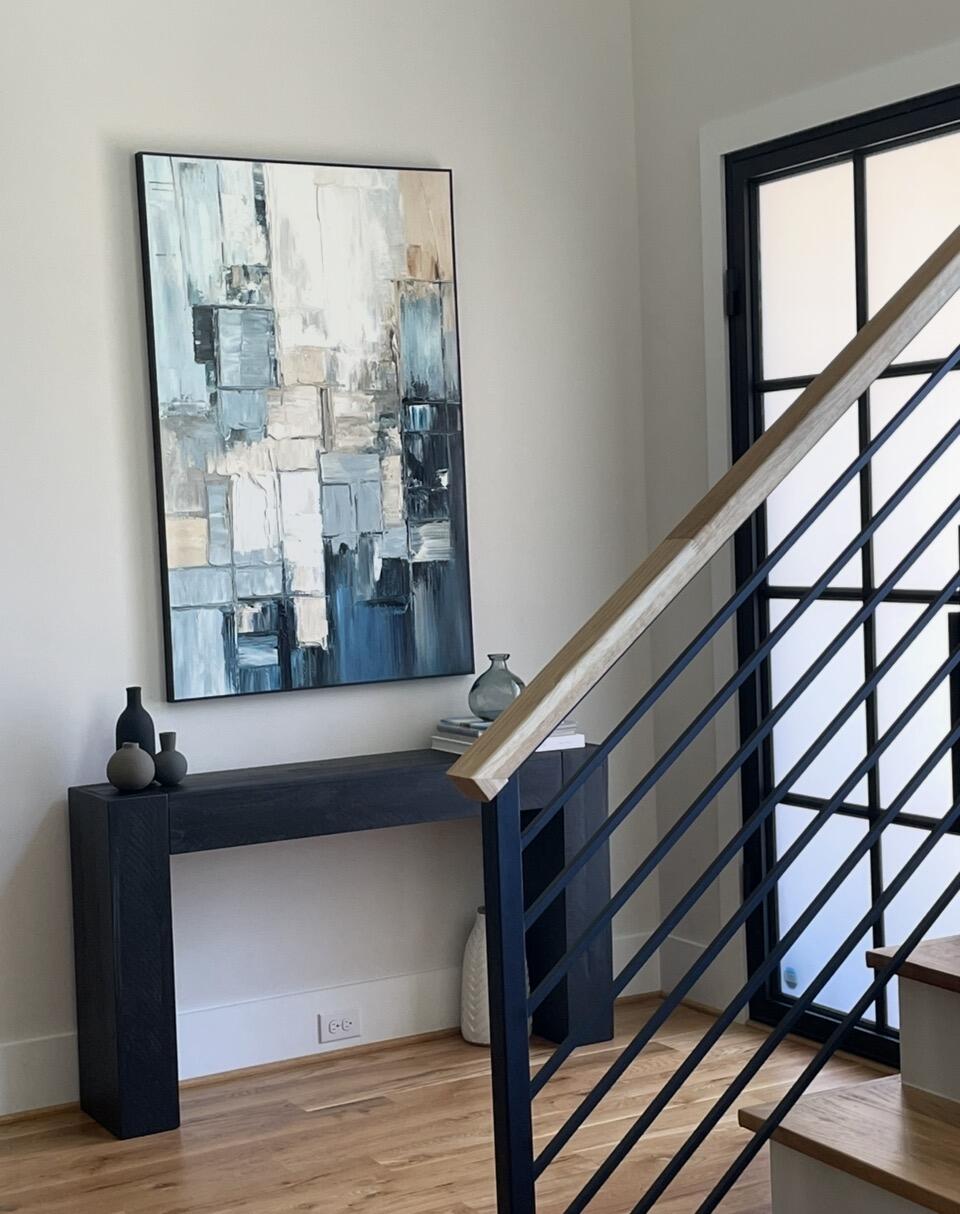
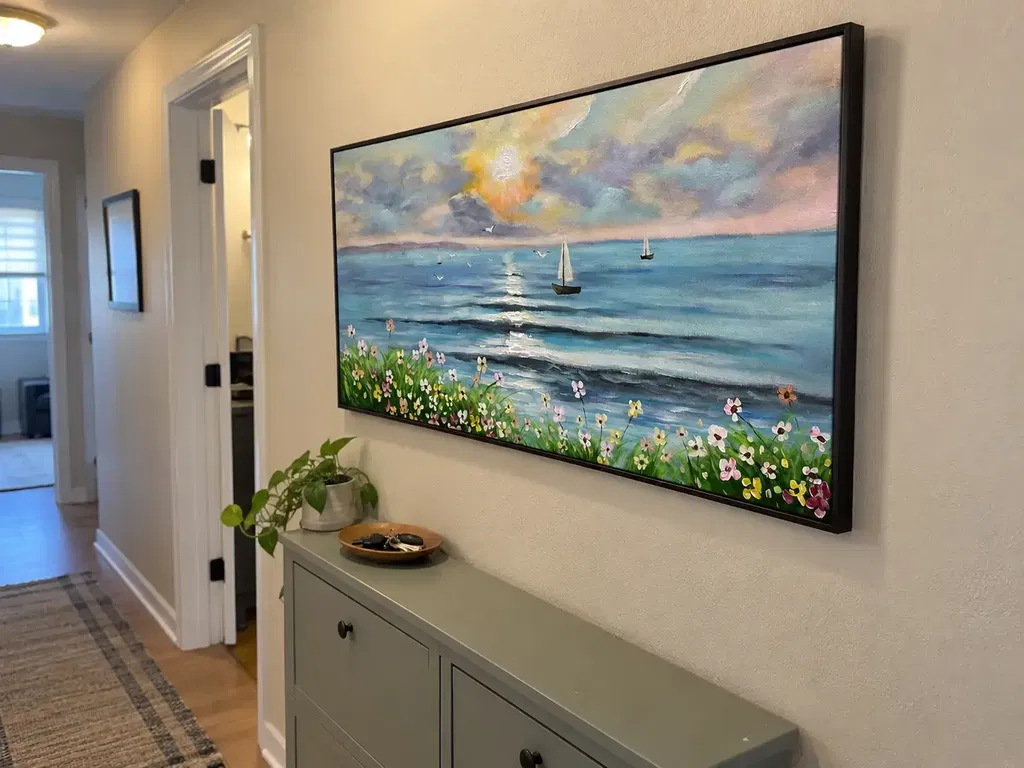
Entry areas can be especially difficult when guests arrive with suitcases or when cleaners move equipment through the space. Do not approve or reject an entry location based only on the word "high traffic." Map the actual passage, then consider whether a flatter work would deliver the same visual role with fewer protruding or irregular surfaces to monitor. High-traffic entryway art can provide additional placement context, but it does not establish that a particular piece is rental-grade.
Bathrooms, Kitchens, and Outdoor-Adjacent Walls
Bathrooms, kitchens, laundry areas, coastal rooms, and outdoor-adjacent walls deserve extra confirmation because they may involve steam, splashes, grease, salt air, direct light, or changing temperature and humidity. For a work without clear environmental specifications, a stable indoor wall away from direct sunlight and obvious environmental extremes is the cautious default; see the Canadian Conservation Institute's painting-care guidance.
Do not apply one humidity number to every work. Ask the seller or artist about the specific materials, substrate, finish, and environmental limits. If the piece includes paper, exposed fibers, collage, or mixed-media components, request additional care guidance before placing it near moisture or relying on routine guest-space cleaning. When the answer remains unclear, move it to a drier interior location or choose another piece.
Cleaning and Turnover Workflow Matter More Than Visual Impact
Textured art fits a frequent turnover only when staff can inspect it and follow documented, piece-specific instructions. Care depends on the artwork's materials and construction, not simply on whether the surface looks raised or irregular; the Smithsonian's art-care guidance explains why material and construction should guide handling decisions.
Before purchase, ask for the approved care method, prohibited products or handling, environmental restrictions, and instructions for visible stains or loose material. Do not assume that a household cleaner, wet cloth, brush, vacuum, or compressed air is appropriate. A cleaning article such as how to clean textured paintings may help frame questions, but the maker's instructions for the actual work take priority.
Use this comparison to decide whether your turnover process can support the piece:
| Turnover checkpoint | Textured piece | Simpler surface | Host action |
|---|---|---|---|
| Care information before purchase | Require material-specific instructions; relief or mixed media may need special handling. | Still confirm the surface and finish, but the handling question may be less complex. | Request written guidance before ordering and save it with the property records. |
| Visual inspection during turnover | Look for movement, chips, lifting, stains, residue, or changes in relief. | Check for movement, marks, scratches, and visible damage. | Add a quick condition check to the turnover checklist. |
| Approved routine handling | Use only the method the maker or seller permits for that piece. | Follow the listed care method; do not assume all flat surfaces tolerate the same products. | Brief cleaners and managers before the first guest stay. |
| Stop-and-report conditions | Pause when damage, residue, unclear staining, or loose components appear. | Pause when damage or an unfamiliar mark cannot be identified safely. | Photograph the condition and escalate for owner or specialist review. |
| Instructions unavailable | Do not improvise with wet cleaning or household chemicals. | Choose a documented alternative if routine care is uncertain. | Favor the simpler option when uncertainty would add recurring friction. |
This process does not mean every raised surface creates more labor. It means the host should identify whether the specific surface can be checked and handled consistently between stays. If staff cannot reach the wall easily or do not have a clear stop-and-report rule, the visual benefit may not justify the operating uncertainty.
Secure Mounting and Replacement Planning Reduce Rental Friction
Secure installation is conditional on the artwork, wall, hardware, and exact installation instructions. A standard hook, adhesive, or renter-oriented hanger should not be treated as universal. Official hardware documentation illustrates this model-specific limitation; for example, the 3M CLAW product information applies to its stated product and installation conditions, not to every artwork or wall.
Use this sequence before putting guest-accessible art into service:
- Inspect the wall and traffic path. Note the wall material, nearby doors, furniture, luggage routes, and cleaning access.
- Confirm the artwork details. Record exact dimensions, weight, construction, and any components that could loosen or project from the surface.
- Match the hardware to the conditions. Follow the maker's installation instructions and verify that the hardware is intended for the wall type and the artwork's actual weight.
- Check clearances. Consider head, shoulder, luggage, furniture, and door contact rather than choosing height from a universal measurement.
- Document the installation. Photograph the mounted piece, hardware position, wall condition, and surrounding clearance before the first stay.
- Brief cleaners and managers. Explain what movement, stains, chips, loose parts, or instability should be reported and when handling should stop.
- Add the piece to turnover records. Compare its condition after each stay or at the property's normal inspection interval.
- Create a replacement record. Save the product page, dimensions, color or finish description, care instructions, purchase date, seller details, and current return or reorder terms.
- Escalate uncertainty. If the wall, hardware, artwork, or damage condition is unclear, ask the seller or a qualified installer before proceeding.
A replacement record is particularly useful for one-of-a-kind original art. An identical piece may not be available later, so keep a coordinated fallback option in mind rather than promising that a damaged work can always be reordered.
Choose by Property Type, Turnover Pace, and Guest Expectations
Choose between textured and simpler wall art for vacation rental homes by comparing operational control with the visual benefit. Style neutrality can help a piece work across different guest tastes, but it is a compatibility preference—not a guarantee of guest satisfaction.
- Choose textured art when the room is stable and low-contact, the artwork's materials and care instructions are documented, the mounting method is clear, and staff can inspect the piece consistently.
- Choose a simpler surface when turnovers are rapid, furniture moves often, the wall is near a door or luggage path, environmental conditions are uncertain, or the team lacks time for artwork-specific handling.
- Use a mixed strategy by room when you want a focal point in a calm living area but need lower-maintenance choices in hallways, entries, kitchens, or other contact-prone zones.
Before buying, review current listing terms for dimensions, care, shipping, returns, availability, and replacement practicality. Internal examples such as white textured wall art, neutral textured art, or soft-toned textured art are navigation starting points only; inspect the current product information rather than assuming rental suitability. For scale comparisons, you can also review large wall artwork and verify the exact piece before ordering.
The practical next step is room by room: map contact and environmental exposure, request missing care and installation details, and decide whether the turnover team can follow them. Review current options only after those checks support this style for the intended location.
FAQs
These edge-case checks are useful when a room appears suitable but the listing, installation plan, or operating routine still leaves an unanswered question.
Can Textured Wall Art Stay in a Vacation Rental During Every Turnover?
It may remain installed between ordinary stays when the piece is in a low-contact location, its condition can be checked consistently, and handling instructions are documented. Move or protect it during deep cleaning, repairs, painting, or furniture changes if those activities create contact or residue risk.
How Should Hosts Handle Humidity When Choosing Textured Art?
Treat coastal properties, bathrooms, kitchens, and steam-prone rooms as artwork-specific questions. Ask the seller for environmental limits tied to the actual materials and finish. If no useful guidance is available, choose a drier interior location or a simpler alternative instead of applying a generic humidity number.
Should Hosts Keep a Replacement Plan for Rental Wall Art?
Yes, especially for original or one-of-a-kind work. Record the product page, dimensions, color description, care instructions, purchase date, seller terms, and installation photos. Choose a coordinated substitute in advance because an identical piece may no longer be available.