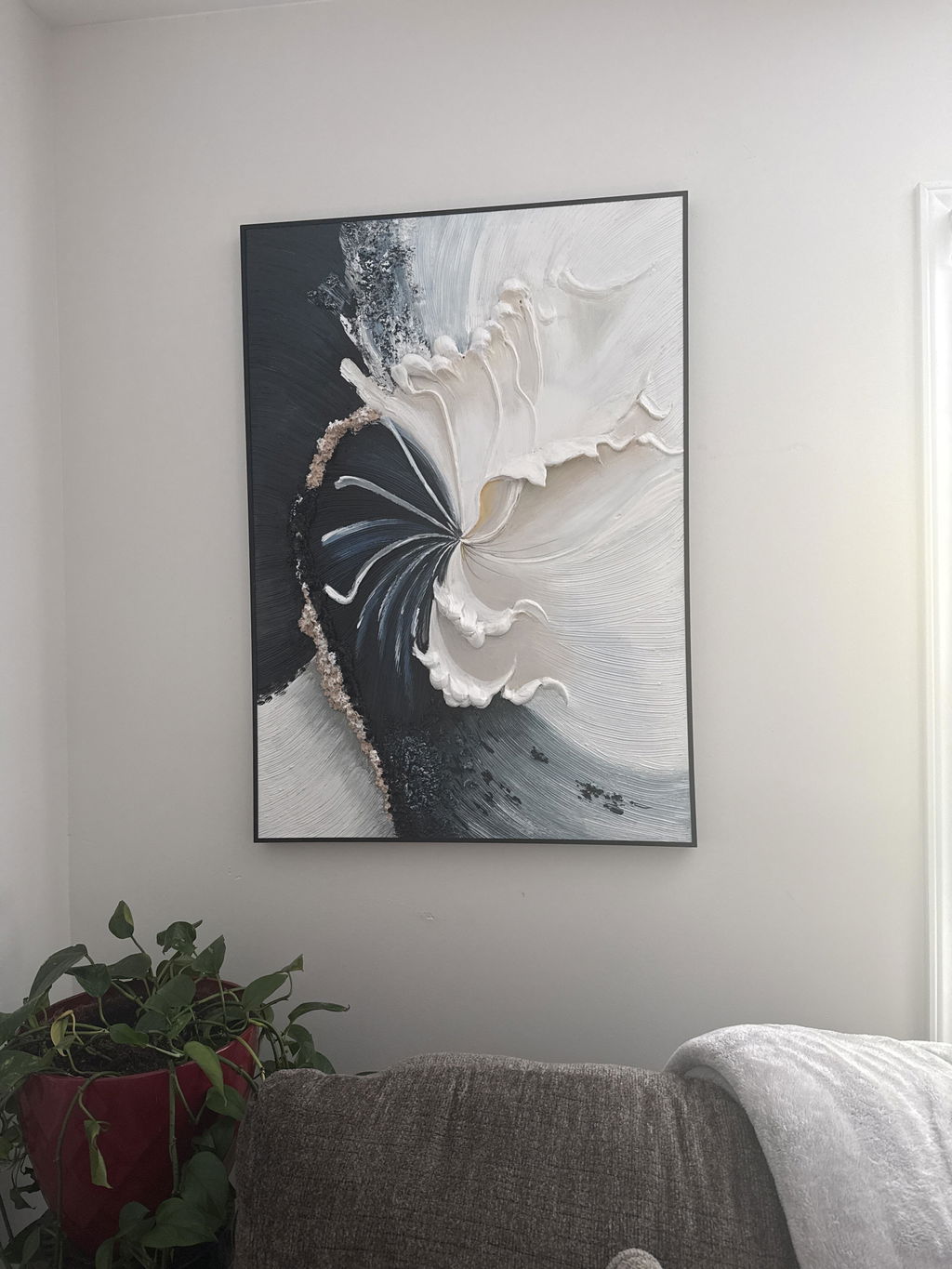
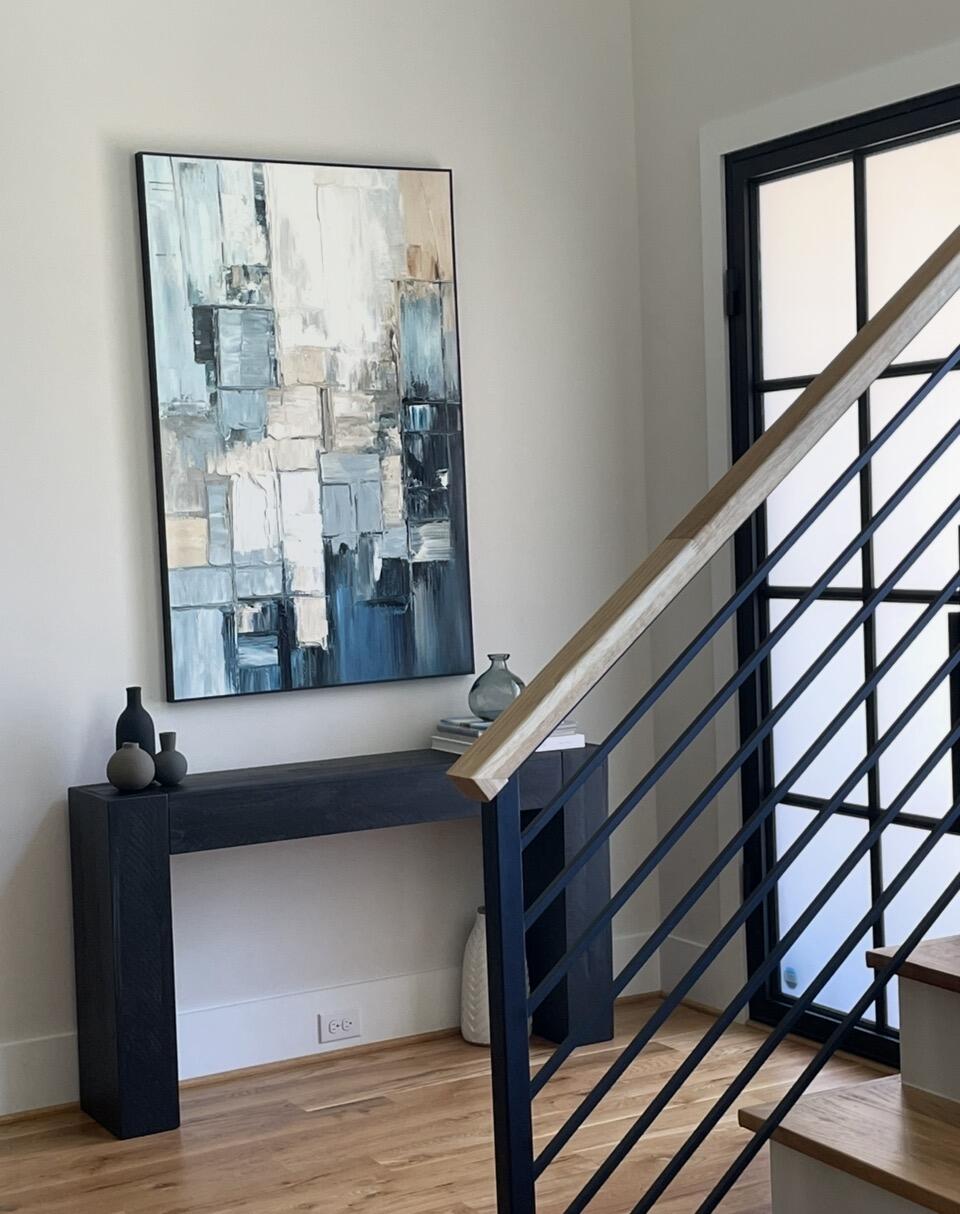
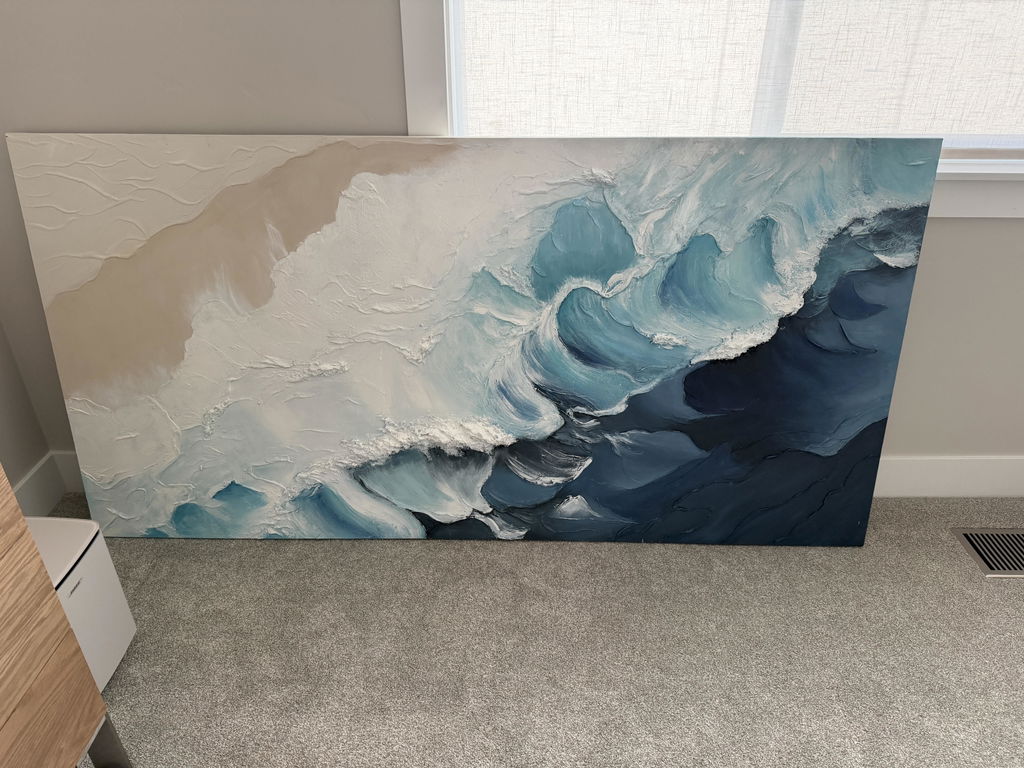
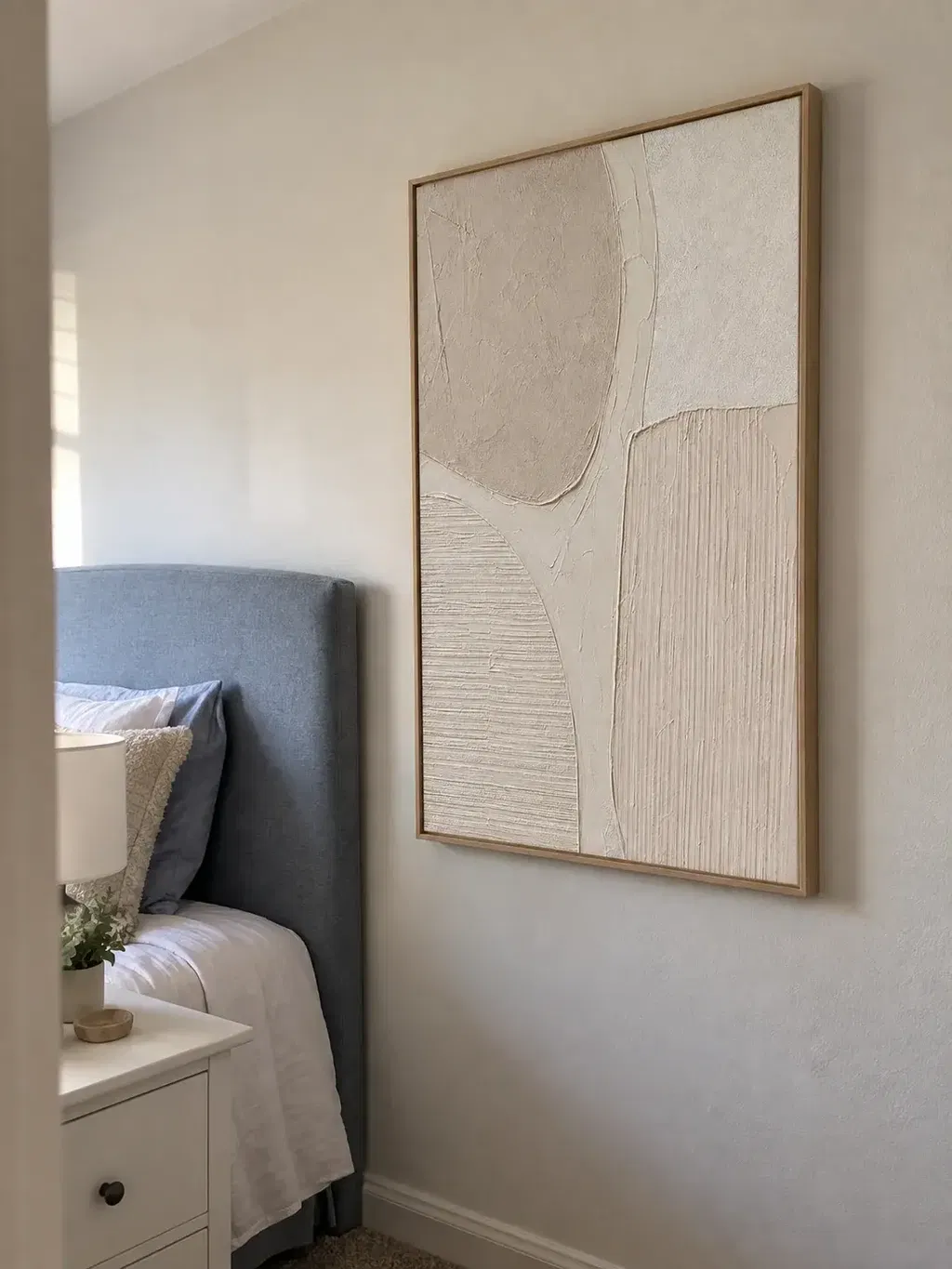
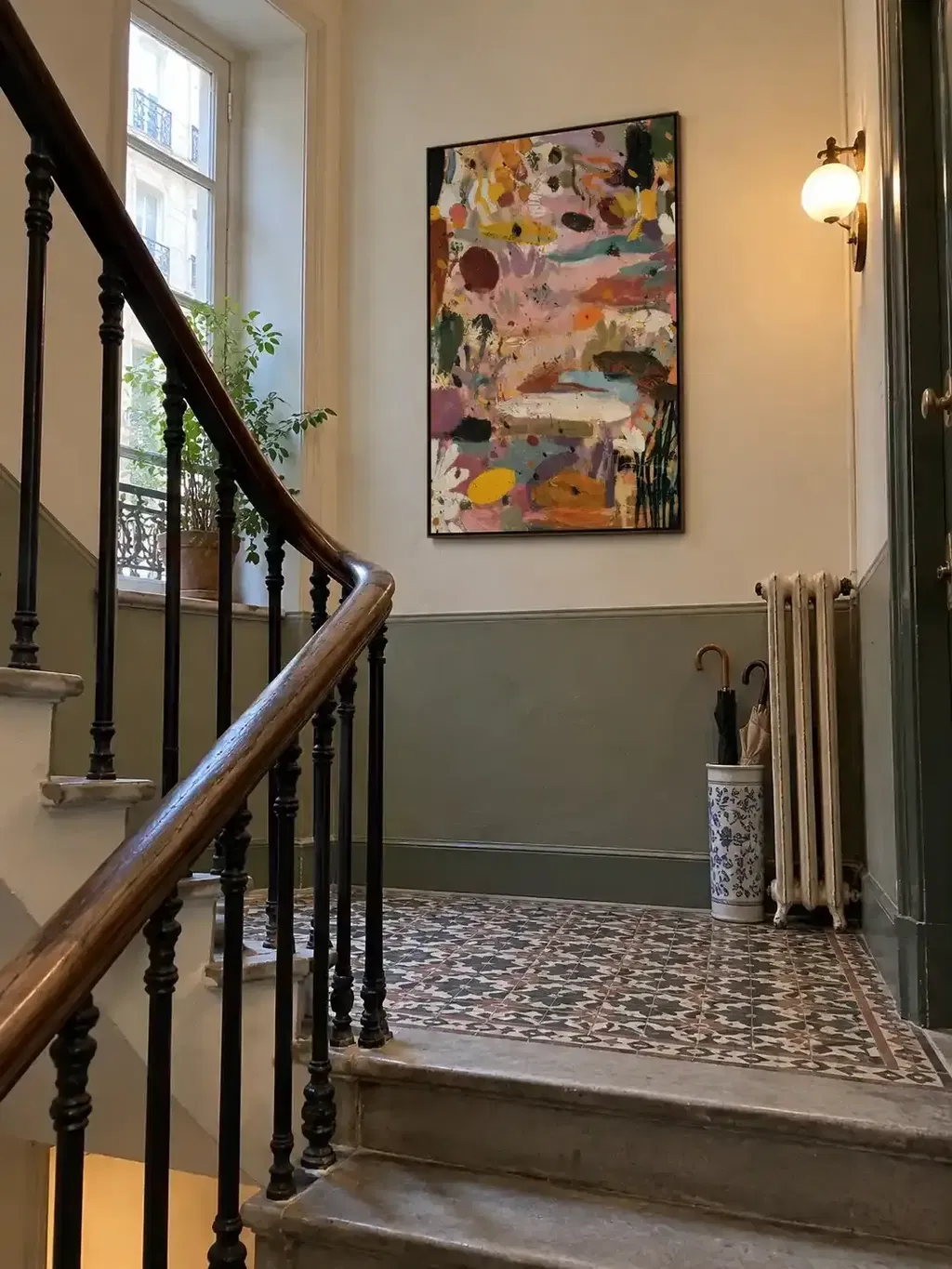
Textured oil painting care starts with a gentle approach. If you want to clean textured oil paintings without damaging the surface, the safest default is usually light dust removal, not rubbing, wet wiping, or household cleaners. Raised paint catches dust more easily, and the rest of this guide shows how to keep the surface clean without flattening texture or lifting paint.
Why Textured Surfaces Trap Dust
Raised ridges, grooves, and heavy brushwork give dust more places to settle than a flat surface does, which is why impasto looks dramatic but also collects grime more easily. The National Park Service notes that textured painted surfaces have more exposed area and more little recesses for dirt to lodge in, so owners often notice dust where the eye catches the highlights first, then the shadows between strokes.
That does not mean you need deep cleaning every time you see dust. In most homes, textured oil painting care is about keeping loose debris from building up until it becomes embedded. Once you think in those terms, the goal changes from “scrub it clean” to “remove only what is sitting on top.”

For owners, that is the main shift: a textured painting usually needs lighter, more patient maintenance than a flat print or canvas. If the surface is stable, gentle dusting is often enough. If the paint film is fragile, sticky, or already cracking, the answer changes and the work belongs with a conservator.
How brushstrokes affect light is useful background if you want to understand why that texture looks so good in a room and why the same ridges also catch dust.
What to Avoid on Impasto Paint
The safest rule is simple: if a product or tool is made to clean kitchens, glass, or skin, it is probably not a default choice for oil paint. The Canadian Conservation Institute warns against household sprays and solvents because they can permanently damage paint and ground layers.
A few common mistakes are worth stopping before they start:

- Rubbing across the surface, which can catch raised edges or flatten texture.
- Using paper towels or rough cloths, which can abrade the paint film.
- Spraying cleaner directly onto the artwork, which adds moisture and residue where you do not want it.
- Trying solvents or DIY kitchen fixes, which can leave stains or damage varnish and paint.
Soft texture can still be vulnerable. A painting may look firm at arm’s length, but raised paint can still snag, shed, or pick up residue if you press into it. That is why the “looks clean enough” test is not enough on impasto. The better test is whether the tool only lifts loose dust without forcing anything into the paint.
If you are tempted to wipe a textured area because dust is visible in the grooves, stop there. Visible dust is not a signal to escalate to stronger cleaners. It is a signal to slow down and switch to the gentlest method first.
Preventing cracks in oil paint is a useful next read if you want the broader care picture beyond cleaning.
How to Dust Textured Oil Paintings
Start with dry dusting. For most owners, the best way to dust impasto paintings at home is a soft, clean, natural-hair brush used with almost no pressure. The Rijksdienst voor het Cultureel Erfgoed recommends soft natural-hair brushes for dust removal because they are gentle on painted surfaces, while synthetic bristles can create static and feather dusters may scratch.
Dry Dusting With a Soft Brush
Hold the painting steady and use short, light strokes that follow the direction of the texture. Think of the brush as lifting dust away, not polishing the surface. If the brush drags, presses, or bends hard against the paint, you are using too much force.
Work from the upper areas downward so loosened dust does not fall onto areas you already cleaned. If the brush picks up grit, stop and tap it out or clean it before continuing. That matters because a dirty brush can turn a gentle pass into a scratch risk.
If the painting has a varnished surface that still feels stable, the same light-brush method usually applies. If it feels tacky, soft, or unusually fragile, do not keep brushing harder to “finish the job.” That is the point where home cleaning should stop.
Cleaning Grooves and Deep Texture
Deep grooves need patience, not pressure. For recessed ridges, use the brush to coax loose dust toward the surface instead of digging into the recess. A cautious vacuum assist can help in deeper texture, but it should stay away from the painting itself. One procedural guide suggests holding the nozzle about 12 inches away while using a soft brush to move dust toward suction. Hold the vacuum nozzle away from the surface
Use that only as a support step, not a default first move. The brush should do the contact work, and the vacuum should only catch what is already loosened. If the dust is embedded, the groove is delicate, or the surface begins to shed, stop rather than trying to force it out.
The clean-up goal here is narrow: remove loose dust and leave the paint texture intact. If you are trying to make the surface look newly finished, you are already asking for more than a home dusting routine should do.
Can You Use a Damp Cloth?
Usually, no, not as a casual home method. Moisture can cause the canvas to swell or shrink, which may lead to flaking paint, and it can also leach binders out of modern oil layers, leaving brittle surfaces. Moisture can swell or weaken the paint layers
| Cleaning Approach | Best Fit | Main Risk | Keep For Raised Texture? |
|---|---|---|---|
| Dry brushing | Loose surface dust on stable paint | Minimal when pressure stays light | Yes, this is the default |
| Lightly damp wiping | Rare cases only, and only with expert guidance | Swelling, binder loss, residue, or flaking | Usually no |
| Professional conservation | Fragile, valuable, or dirty surfaces | Higher cost, but lower chance of accidental damage | Yes, when home care is no longer enough |
The condition checks matter more than the calendar. If the paint is old, cracked, tacky, unevenly bonded, or already lifting at the edges, moisture is the wrong direction. Even on newer work, a damp cloth is not a safe shortcut just because dust looks stubborn.
A practical rule of thumb: if you are unsure whether the surface can take moisture, treat the answer as no. Dry methods are the default, and a conservator is the right next step when the dirt is no longer just sitting on top.
How Often Should You Clean It?
There is no universal calendar for textured oil painting care. Cleaning frequency depends on room dust, airflow, pets, cooking residue, and where the painting hangs. The Royal Netherlands Institute for Cultural Heritage frames maintenance as environment-based, which is the safer way to think about home care too.
A simple cadence works better than a rigid schedule:
- Check the surface visually every few weeks in dusty or high-traffic rooms.
- Dust lightly when you can see loose buildup on ridges or along the top edges.
- In cleaner bedrooms or low-traffic spaces, seasonal checks are often enough.
The point is to avoid both extremes. Leaving dust alone for too long can let it settle deeper into texture, but cleaning too often can create more risk than the dust itself. If the painting sits near a kitchen, vent, or pet area, expect more frequent touchpoints than you would for a bedroom wall.
For browsing, all paintings is the simplest starting point if you are comparing textured pieces and want to think about care before you buy.
A Safer Care Routine for Owners
- Inspect the surface in good side light so you can see whether the issue is loose dust or something more serious.
- Dust lightly with a soft natural-hair brush, following the texture and using the least pressure possible.
- Skip damp cloths, sprays, and household cleaners unless a qualified conservator tells you otherwise.
- Stop immediately if you see flaking, cracking, tackiness, or grime that seems embedded rather than loose.
- When the painting is valuable, fragile, or already damaged, move from home care to conservation instead of trying a second cleaning method.
That is the safest next step for most owners: keep the routine gentle, keep the contact light, and do not try to solve every visible speck. If the surface still looks dusty after a careful pass, that is often a sign to stop, not to scrub harder.
If you are shopping for textured work, browse impasto originals only after you are comfortable with the care trade-off that comes with real surface texture.
FAQs
How Do You Clean an Impasto Painting?
Start with dry dusting using a soft natural-hair brush and very light strokes that follow the texture. That is the safest first pass for stable impasto. If the dust is stuck, the surface is tacky, or the paint is fragile, stop there and move to conservation instead of adding moisture or more pressure.
Can You Dust Textured Oil Paintings?
Yes, gentle dusting is a normal part of care for textured oil paintings. The important part is the tool and pressure, not just the act of dusting. Use a clean brush, keep the strokes short, and stop if the brush starts dragging grit or the paint film seems weak.
Can You Use a Damp Cloth on Textured Art?
Not as a routine method. Moisture can swell the support, weaken binders, and leave residue in raised texture. If a painting seems to need more than dry dusting, the safer boundary is usually professional help, especially for older, valuable, or already fragile work.
What Brush Is Best for Dusting Impasto Grooves?
A soft, clean natural-hair brush is the safest default. Look for bristles that bend easily instead of pushing hard into the paint. If the groove is deep, the goal is to lift dust out gradually, not to scrub the recess until it looks empty.
When Should a Textured Oil Painting Go to a Conservator?
If you notice flaking, cracking, tackiness, or embedded grime, stop home cleaning and call a conservator. Those signs mean the issue is no longer simple dust removal. A valuable or fragile painting should also be treated as a conservation case if you are unsure how stable the surface really is.