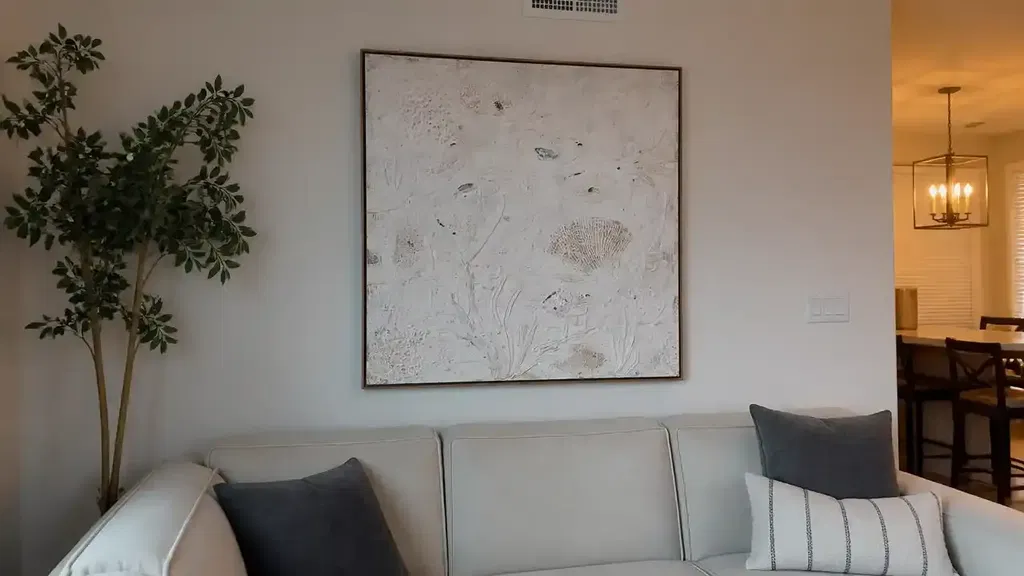
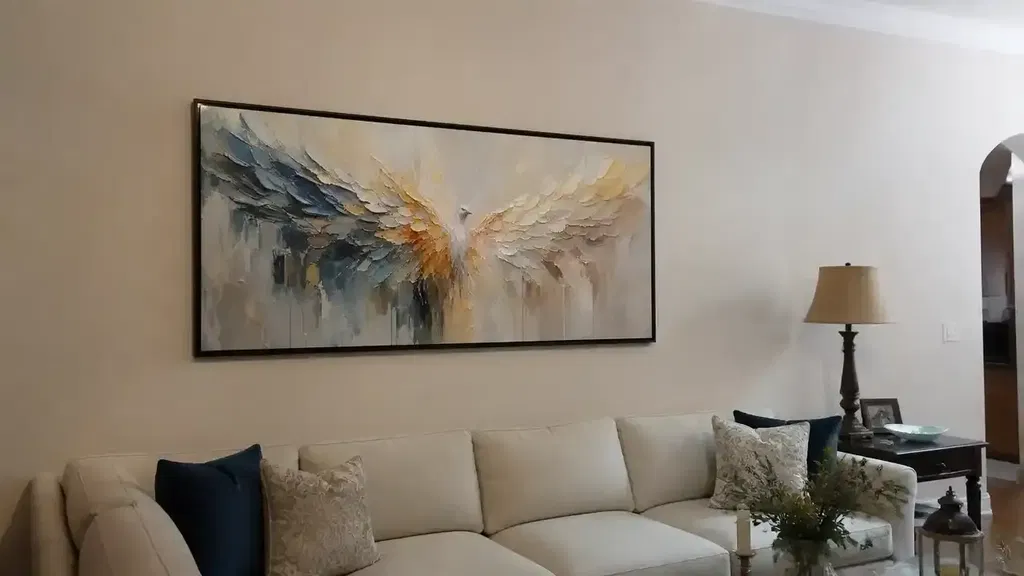
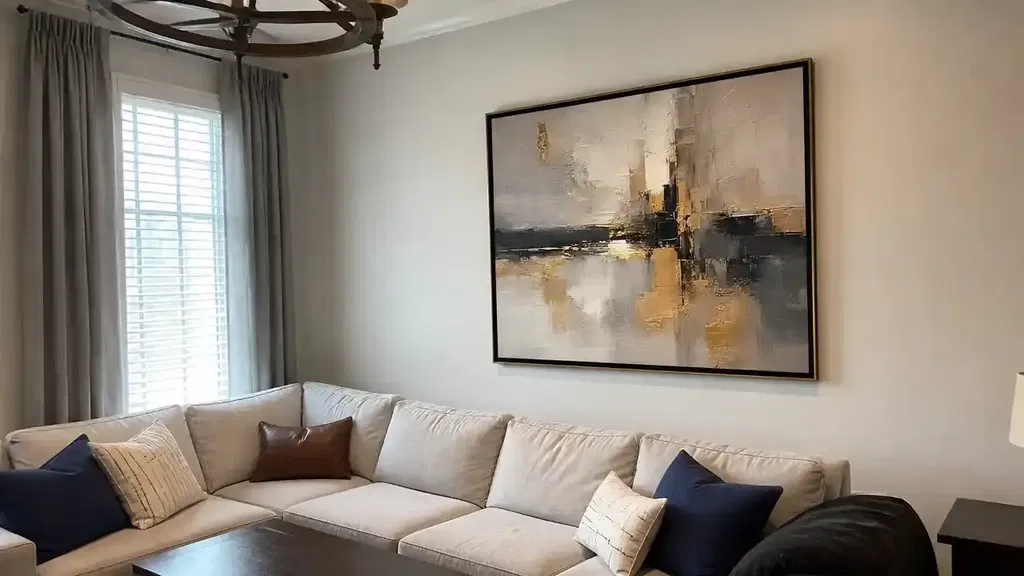
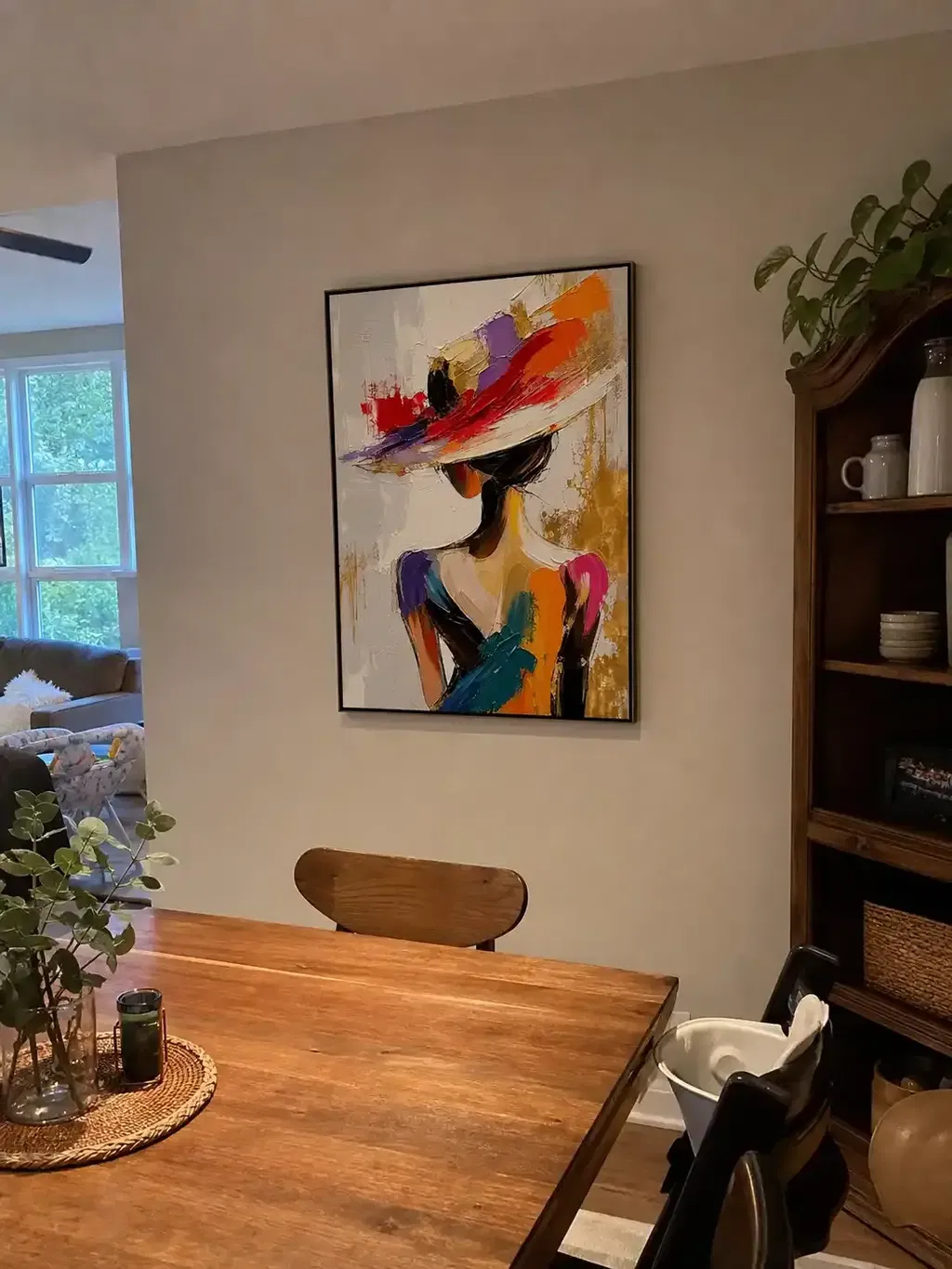
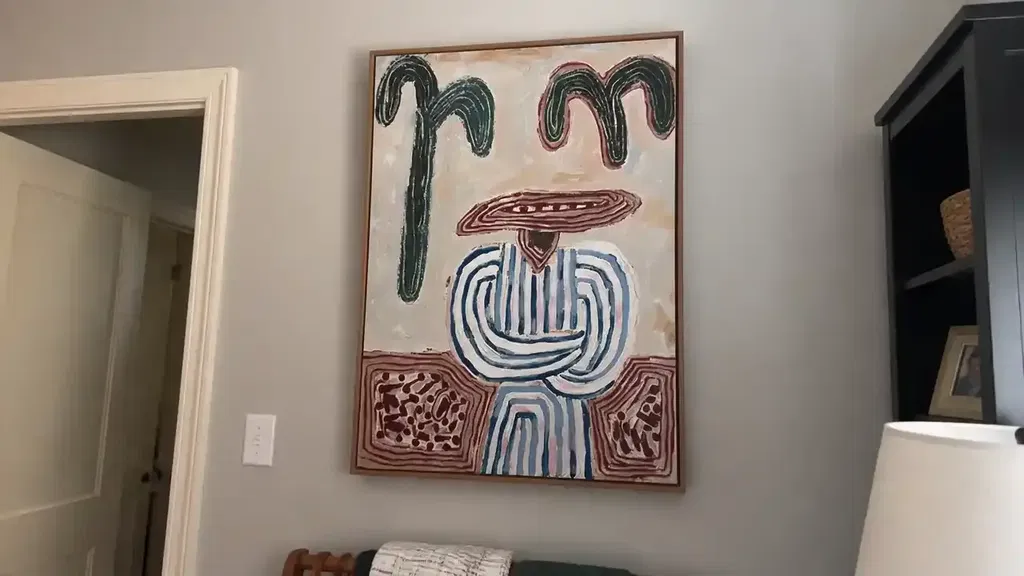
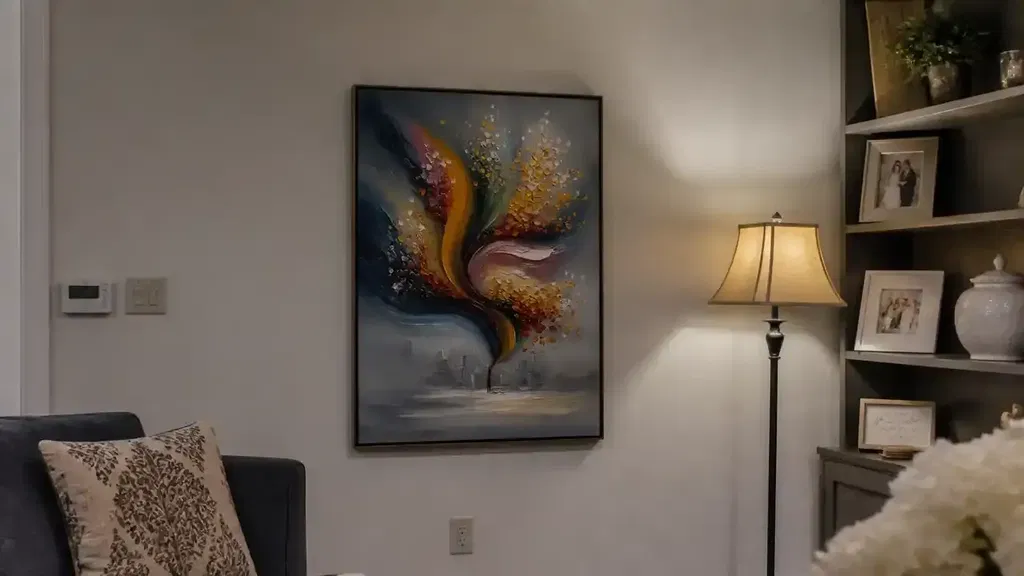
A zone-based plan makes home gym wall art easier to choose because one room may include high-energy cardio equipment, a focused strength area, quieter mat space, and a recovery corner. Start by mapping those zones, then match the visual energy to each activity. Next, measure the usable wall, tape out the proposed footprint, test reflections from actual workout positions, and verify clearance and installation conditions. This approach works in a garage, basement, spare room, or dedicated gym without assuming that one style, size, or mounting method fits every wall.
Match Each Workout Zone to the Right Visual Direction
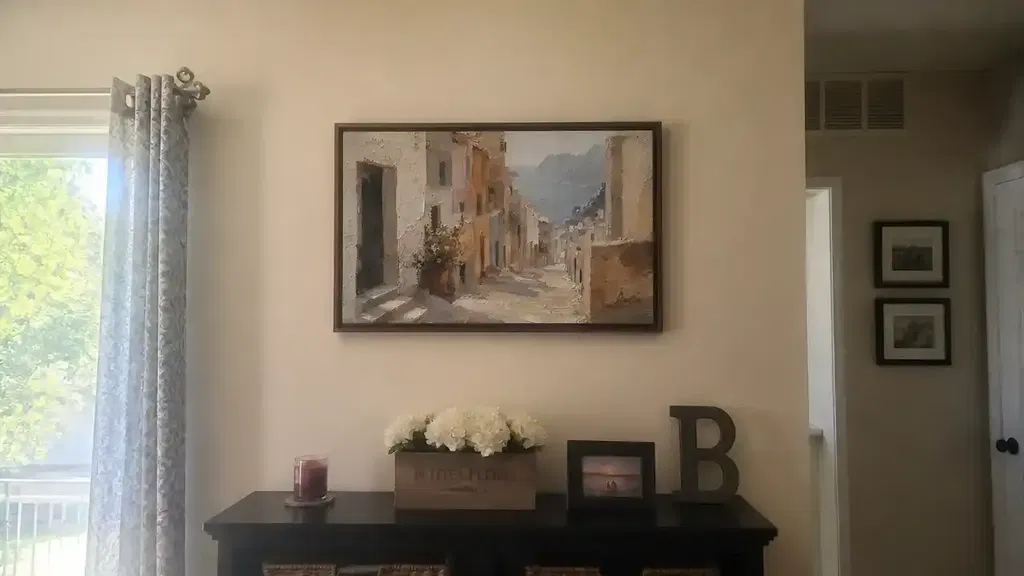
Choose the visual energy for each zone's primary activity before selecting a subject or product. Higher contrast and directional movement can suit cardio and strength areas, while open, quieter, or neutral compositions can suit stretching and recovery; these are design preferences, not proven exercise or mood effects. A repeated color, texture, or abstract language can connect the room even when the zones look slightly different.
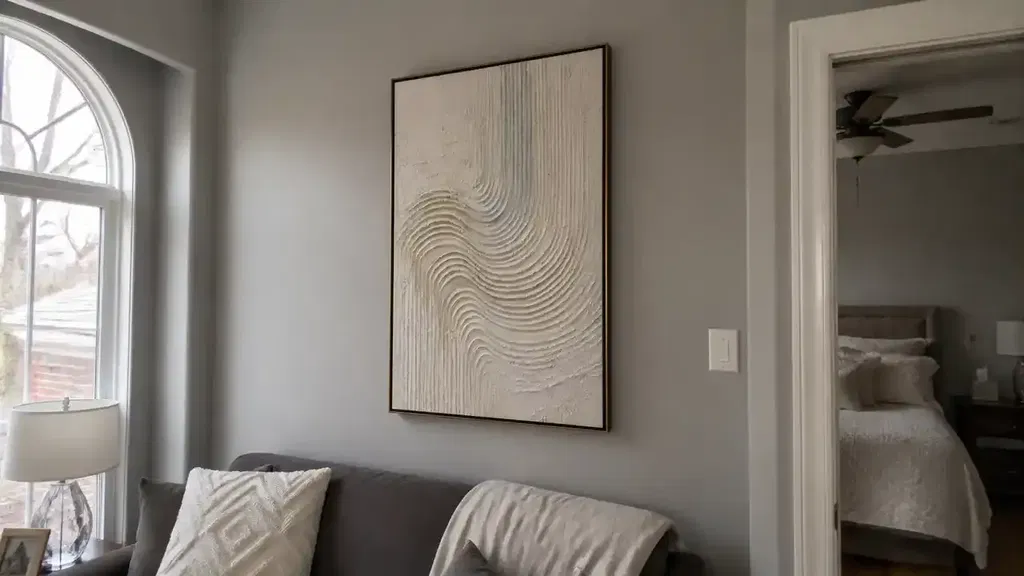
For more background on surface and depth, textured wall art can help you compare raised surfaces and layered visual effects as a category, not as a performance solution.

Cardio Zones Need Clear, Energizing Focus
Crisp contrast or directional movement can be a useful visual fit near a treadmill, bike, or rower when the room calls for more energy. Before selecting a horizontal or vertical piece, check the machine's screen position, your normal viewing angle, and any window or light reflection that may cross the sightline. A visually strong piece should remain secondary to safe access around the machine.
Strength Zones Call for Controlled Visual Weight
Racks, benches, plates, and storage already create substantial visual weight, so grounded compositions or deliberate abstract forms can help the wall feel intentional without adding clutter. Use stronger contrast selectively, especially if the piece sits near the primary equipment wall. If the rack or bench occupies most of that wall, a side or opposite wall may create a cleaner focal point.
Stretching Zones Benefit From Quieter Composition
For a mat area, consider visual qualities that leave more breathing room:
- Softer contrast or restrained abstract movement
- Open negative space rather than a densely packed composition
- A sightline that avoids mirrors, bright windows, and active equipment
Position the piece where it remains visible from the mat without narrowing the active floor area. In a mixed-use room, the best wall art for a home gym may be the piece that quietly defines the mat zone instead of competing with the cardio or strength area.
Recovery Zones Can Favor Calming or Neutral Art
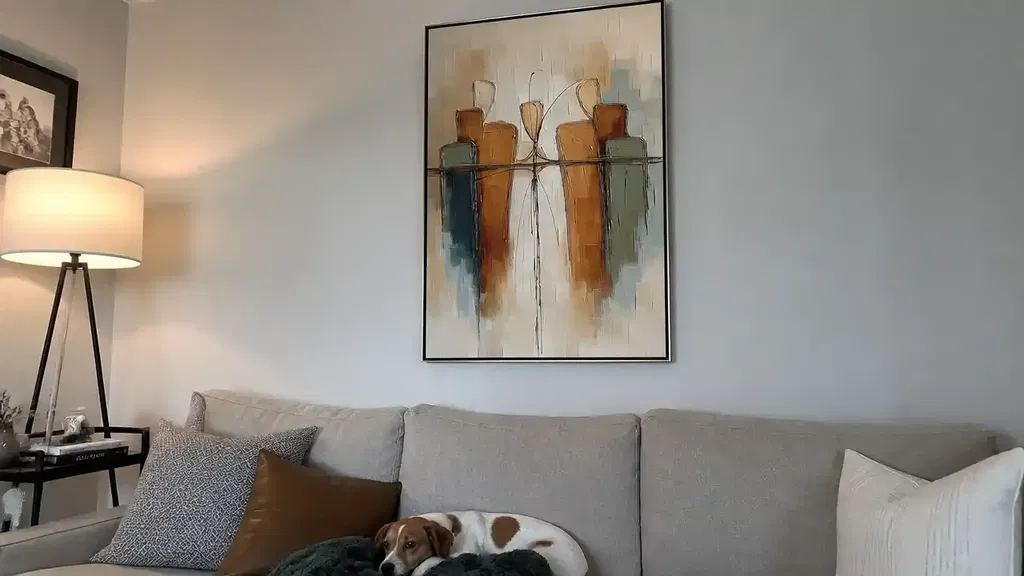
A recovery or transition area can take a calming or neutral abstract direction when the room needs visual separation from intense equipment. This does not promise a change in recovery or well-being; it simply gives the quieter zone a different visual cue. Repeat one color, texture, or abstract thread from the active zones so the room feels coordinated instead of divided into unrelated themes. A calming minimalist art collection can be a browsing path for that direction, but each candidate still needs a fit check.
Choose Size and Orientation From the Wall and Equipment Layout
There is no universal ratio or hanging height for home gym art. Measure the usable wall width and height after accounting for trim, outlets, windows, mirrors, doors, equipment, and the viewer's position. Then tape the proposed artwork footprint on the wall before buying; this reveals whether the piece feels crowded from the actual workout position.
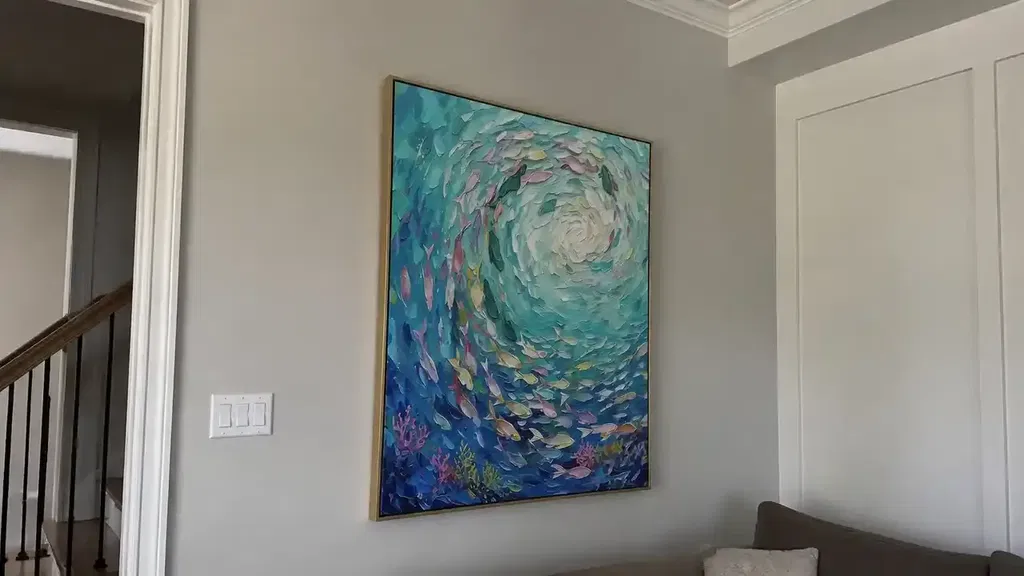
General large wall size guidance can help you compare a focal piece with a smaller grouping, but your room measurements decide the result.

| Wall or layout condition | Starting format direction | What to verify |
|---|---|---|
| Broad wall behind or beyond a machine | Horizontal may follow the long wall and sightline | Screen position, reflections, operating space, and the remaining visible width |
| Narrow wall between equipment | Vertical may use the taller, narrower section | Door swing, storage access, equipment edges, and whether the taped footprint feels cramped |
| Open focal wall | One substantial piece or a restrained grouping | Usable wall dimensions, viewing distance, visual balance, and installation requirements |
| Wall above a bench or rack | Choose orientation only after mapping the equipment envelope | Bar, bench, plate, attachment, and walk-around paths; do not let art enter those paths |
Treat the table as a starting point, not a sizing formula. In a small garage or basement, a single focal piece may use the remaining wall more effectively than several smaller works. In a spare room with several open walls, a restrained grouping can work if each piece clears the room's movement and access constraints.
Place Art Around Equipment Without Crowding the Room
Art belongs only in usable wall areas outside equipment movement, access, storage, and walk-around paths. Clear access and operating space must remain around exercise equipment; the U.S. Access Board's sports-facility guidance illustrates that principle with a public-facility example, not a universal clearance rule for private homes. For a residential gym, check the equipment instructions and trace the actual path of movement before marking the wall.
Above or Beside Cardio Equipment
Use the wall above or beside a treadmill, bike, or rower only after checking the machine's operating and access envelope. From the user's position, verify the screen angle, artwork sightline, and reflection path. Also account for cords, nearby storage, and the space needed to approach, use, and leave the machine.
- Check the operating, access, and exit envelope with the machine in its normal position.
- Confirm that the screen and artwork do not compete for the same sightline or create distracting reflections.
- Move the art to a side or open wall if any part of the envelope is uncertain.
You can browse oversized wall art options once you know an open wall can accommodate the scale.
Around Racks, Benches, and Strength Equipment
Keep art outside rack, bar, bench, plate, and attachment paths. The wall directly behind a rack may look like the obvious focal location, but it is not automatically the most workable one. If equipment occupies the primary wall, use a side or opposite open wall instead. Recheck the layout with the bench, bar, plates, and stored attachments in their normal positions—not only when the room is empty.
Near Mirrors, Mats, and Open Floor
A wall beside a mirror or beyond the mat's active footprint may work better than the wall facing a reflective surface. Check whether the piece interrupts the mirror's useful view or creates a competing reflection from the mat. In a mixed-use room, preserve one visually quiet wall rather than decorating every available surface. That open wall can provide flexibility when equipment is rearranged later.
Check Lighting, Clearance, and Hanging Conditions Before You Buy
A wall should pass four separate tests before installation: sightline, light, clearance, and installation conditions. Reflections depend on the light source, artwork surface, and viewer position, so no texture, finish, or art category can guarantee a glare-free result. Test the selected wall from the treadmill, bike, bench, rack, or mat position, then adjust placement or lighting if reflections dominate.
Reduce Glare From Windows and Overhead Lights
Use this short real-room test:
- Identify the main workout sightline and direct or indirect light sources.
- Check windows, overhead fixtures, screens, mirrors, and other reflective surfaces.
- Test the wall at different times of day, especially if sunlight changes across the room.
- Change the light angle, artwork orientation, or placement if reflections interfere with viewing.
A museum display guide emphasizes checking light angles and viewing position when lighting artwork, so testing the artwork from the viewer's position is a useful practical step. Technical discussion of reflected glare also treats luminance distribution as a variable, but it does not establish a home-gym threshold or finish rule (reflected-glare variables).
Verify Equipment Clearance and Access
Before hanging, trace the full equipment movement and access envelope. Keep the artwork clear of doors, storage retrieval, bar paths, attachments, and entry or exit routes.
- Return each machine to its normal position before checking the wall.
- Test approach, use, storage, walk-around, and exit paths rather than checking only the empty room.
- Relocate the piece or consult the equipment guidance if the boundary is unclear.
A wall can appear clear when the machine is pushed aside but become unsuitable during ordinary use.
Use Vibration-Aware Hanging Judgment
Treat wall construction, artwork weight, mounting requirements, and nearby motion as one installation decision. Do not assume a standard hook, adhesive product, or decorative placement is suitable for every piece near vibrating equipment. Review the artwork and hardware instructions, confirm the wall condition, and use qualified installation help when weight, construction, or vibration exposure is uncertain. If those inputs are unknown, a quieter wall farther from heavy motion is the more conservative choice.
Build a Cohesive Shortlist for the Whole Gym
The most useful home gym wall decor ideas begin with a room-wide thread, not a ranked product list. Choose one recurring color, texture, or abstract language, then vary visual energy and scale by zone. For example, a blue-and-white thread could connect a more directional cardio piece with a quieter stretching composition, while a shared texture can link a strength wall to a recovery corner without making every piece identical.
Create one worksheet row for every usable wall. Record:
- Zone and primary activity
- Usable width and height after fixed features and equipment are included
- Horizontal, vertical, or grouping direction suggested by the wall shape
- Main viewing position and reflection conditions
- Movement, access, storage, and walk-around result
- Confidence in the wall, artwork weight, finish, and mounting requirements
Use category and product pages as examples to inspect only after those rows are complete. You might compare large textured focal art, blue and white abstract art, or minimalist abstract art. The supplied product details do not establish dimensions, weight, finish behavior, or mounting hardware, so reject any candidate whose unknowns matter to the installation context. This is how to choose art for a home gym without assuming that an attractive listing is automatically a fit.
FAQs About Home Gym Wall Art
Use the worksheet to resolve the room-specific questions below. When product, wall, or equipment details remain unknown, follow the relevant instructions or seek qualified help.
Should Wall Art Go Behind a Treadmill or Bike?
Only after you confirm the operating, access, screen, and reflection conditions with the machine in its normal position. Otherwise, use a side or open wall.
Can I Hang Art on a Garage or Basement Gym Wall?
Check for moisture or wall damage first, then confirm lighting, clearance, and the artwork's installation requirements. If those details are unknown, pause before buying or hanging.
Is Motivational Art Better Than Calming Art for a Home Gym?
Higher-contrast art may suit cardio or strength zones, while quieter art may suit stretching or recovery. Choose by visual preference, not a promised workout effect, and keep one shared color, texture, or abstract thread.
How Do I Choose Art Near Vibrating Equipment?
Confirm the artwork weight, wall construction, mounting requirements, and nearby motion. If any input is unknown, choose a quieter wall or seek qualified installation help; no universal vibration-proof hanger rule applies to every artwork and wall.