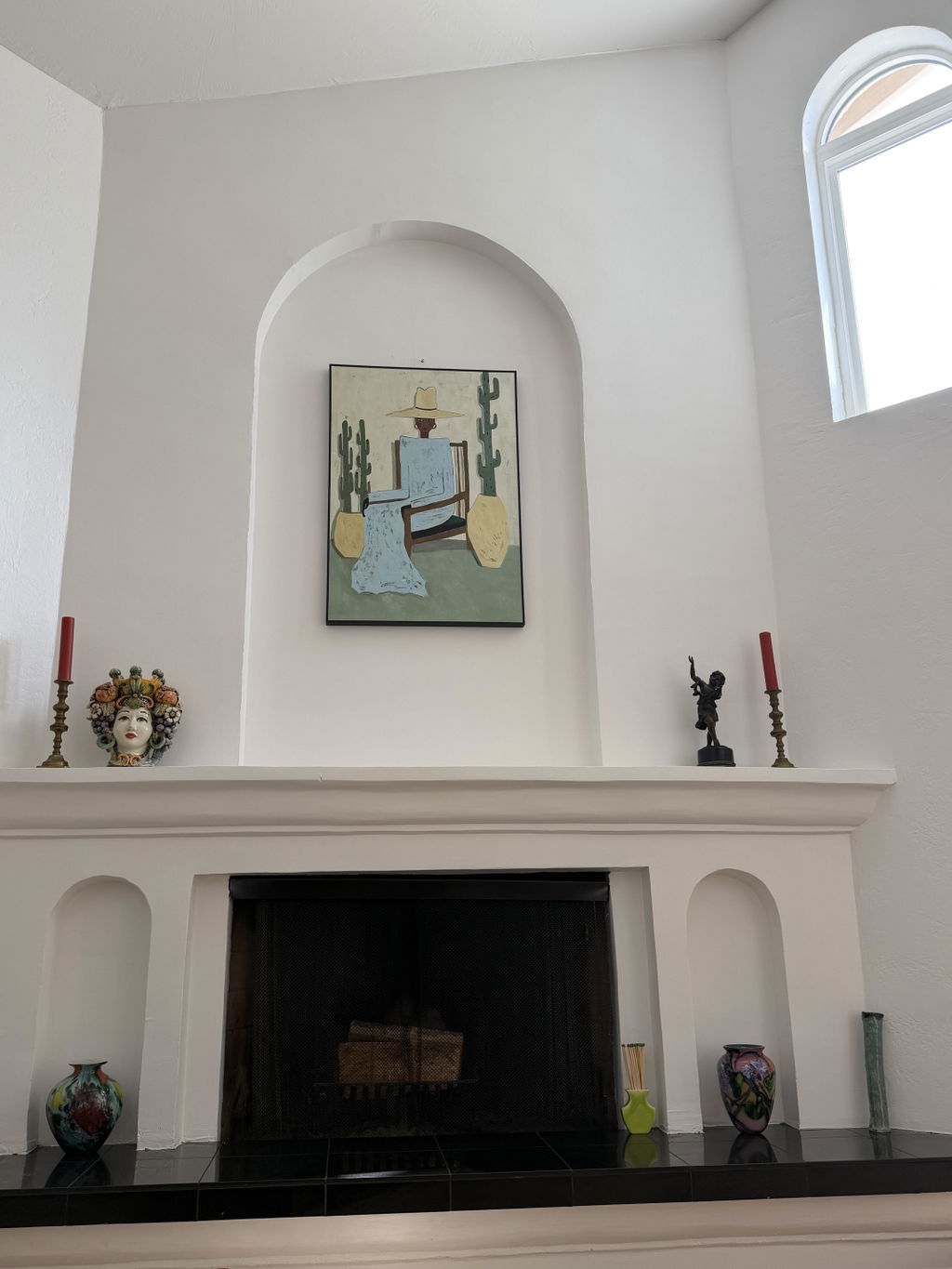
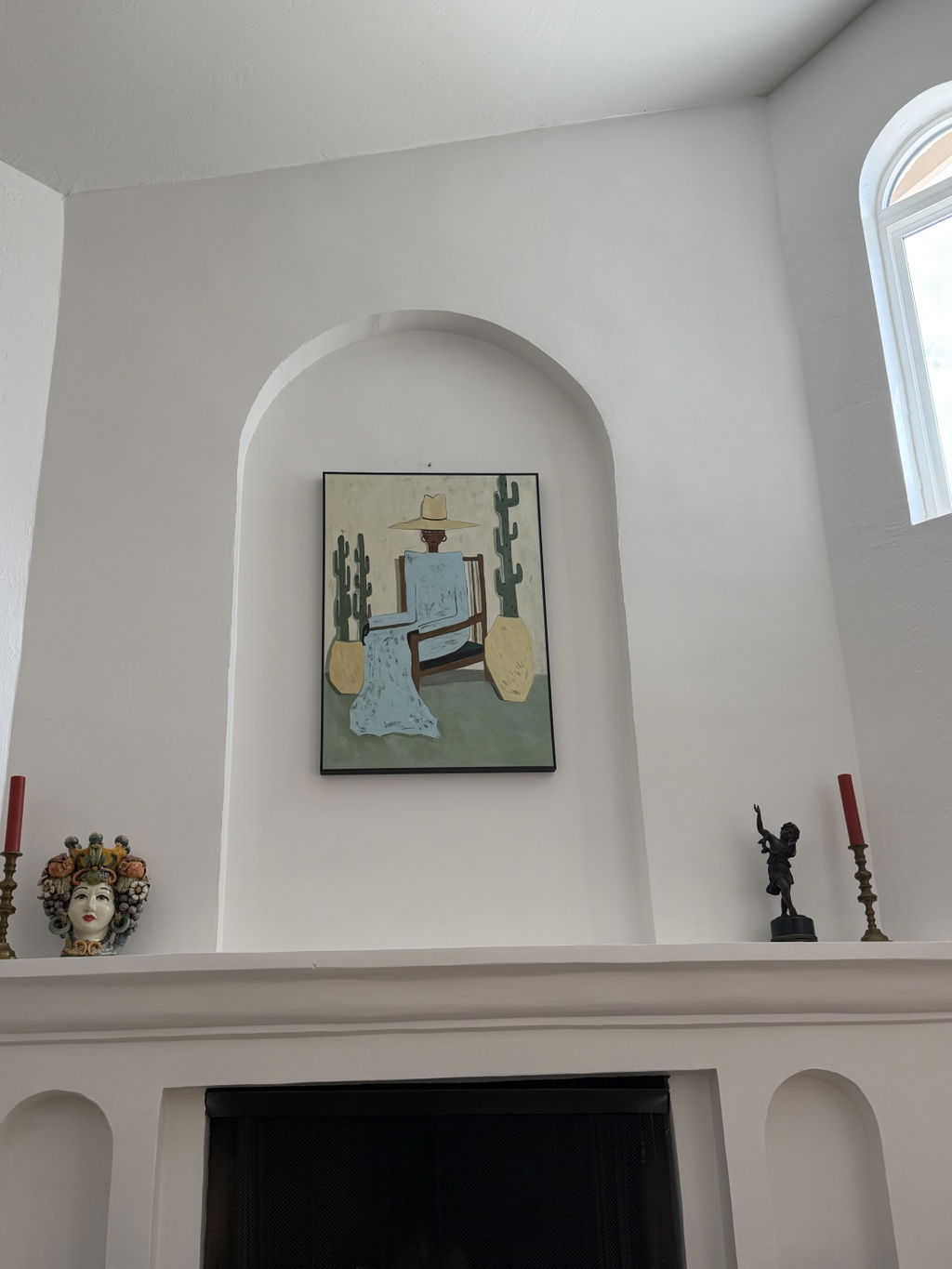
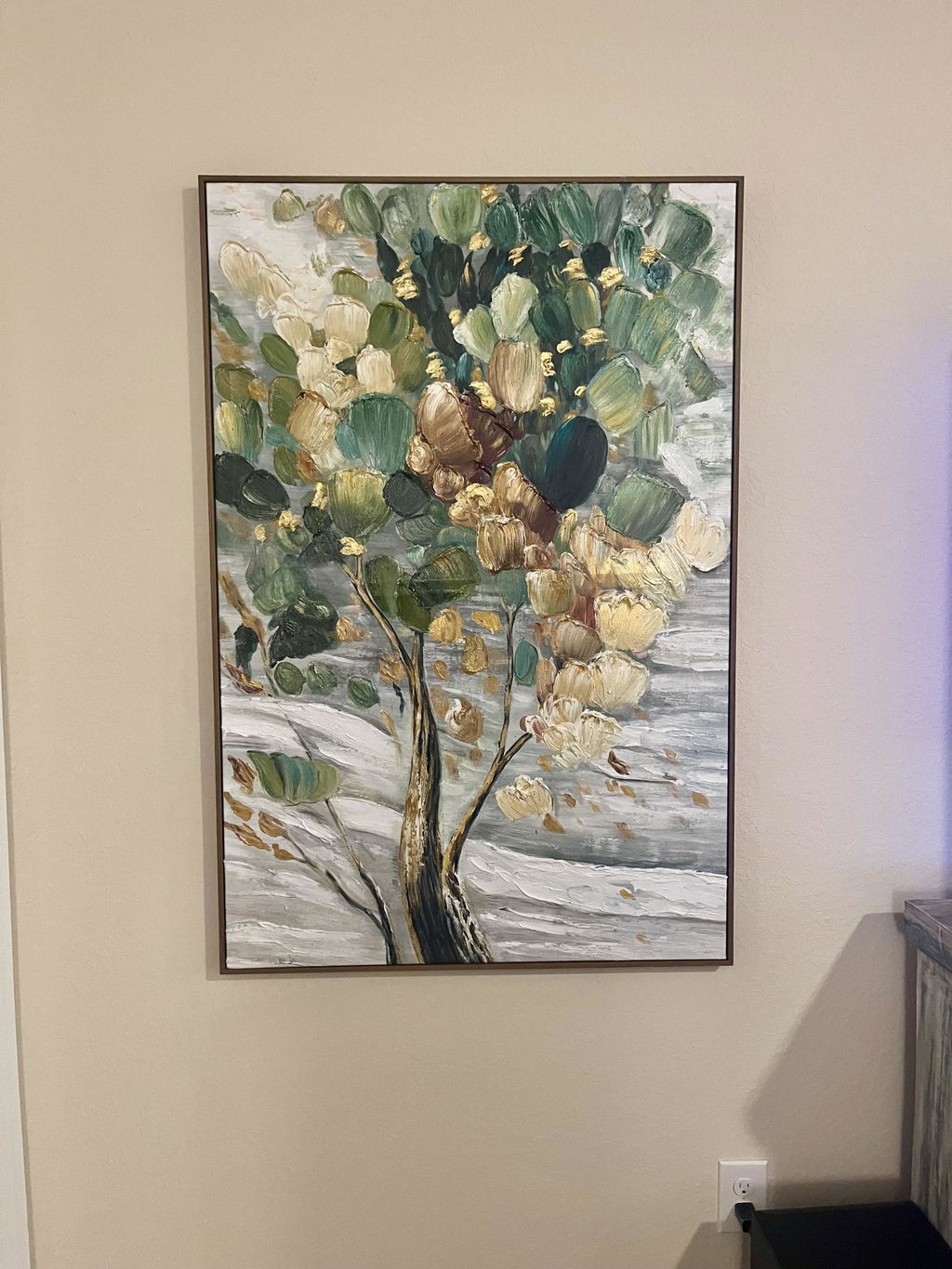
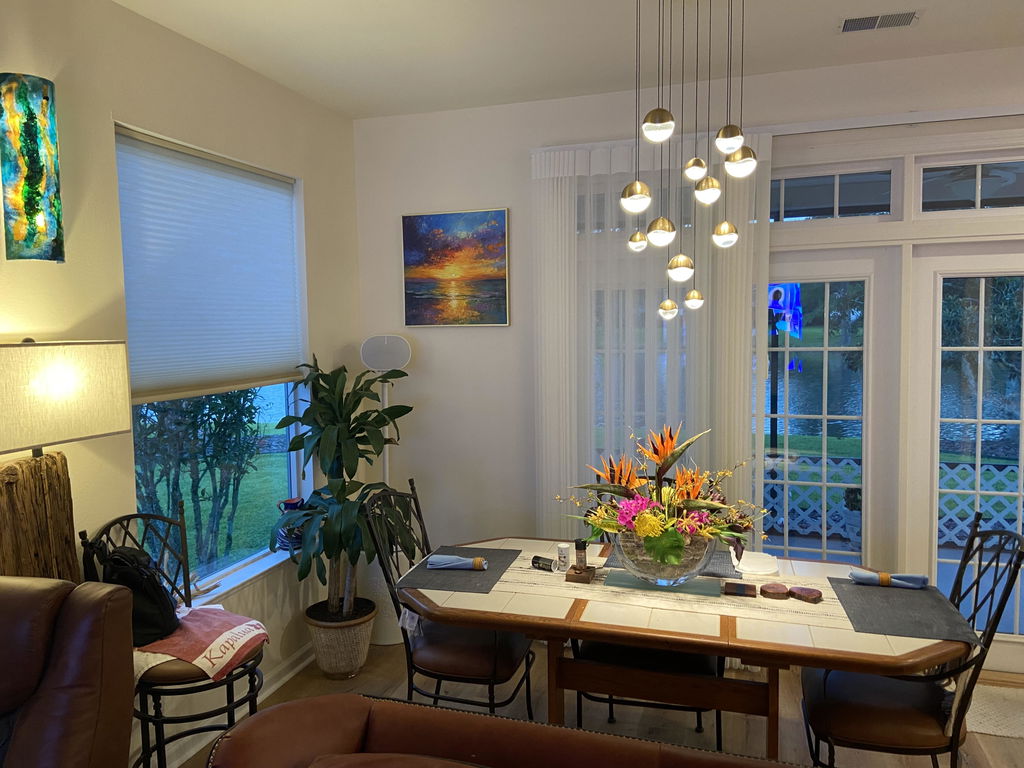
Start planning hotel wall art from the installation or handover date, then work backward through the art brief, concept approval, room or elevation validation, order release, production, inspection, delivery, and site readiness. The right schedule depends less on a generic number of weeks than on approval speed, custom versus ready-made artwork, quantity, room consistency, access, and installer coordination. Treat each handoff as a documented gate so finished pieces do not arrive before the hotel can receive or install them.
Set the Installation Milestone and Art Brief
Build hotel wall art into the renovation or FF&E schedule instead of treating it as a final decorating task. Work backward from installation or handover, and place artwork submittals and delivery milestones into the broader project schedule; FF&E schedule guidance offers a planning model, not a private-hotel completion guarantee.
Separate Guestroom and Public-Area Requirements
Guestrooms may be repeatable, but only when their dimensions, furniture, lighting, and finishes are genuinely consistent. Lobbies, corridors, restaurants, and other public areas usually involve more variation in scale, access, sightlines, and contractor coordination.
| Area type | Schedule inputs to confirm | Coordination pressure |
|---|---|---|
| Repeatable guestrooms | Room type, wall dimensions, quantity, furniture, lighting, and representative mockup | Quantity changes and whether one approved room truly represents the set |
| Redesigned or varied rooms | Current measurements, elevations, finish conditions, and artwork-to-room assignments | New measurements or approvals can reopen quantities and placement |
| Lobby, corridor, and public areas | Scale, route dimensions, wall readiness, lighting, traffic, and contractor sequence | Larger handling and more site owners may constrain the installation window |
For large-scale pieces, use the oversized artwork options as a browsing path only. Confirm dimensions, finish, mounting, and current availability for the specific project before adding anything to the schedule.

Build the Brief Around Decisions, Not Inspiration
Complete the brief before concept review. It should identify:
- Spaces, room types, and artwork quantities
- Wall dimensions, orientation, scale, and elevation references
- Visual direction, color or finish requirements, and acceptable variation
- Budget ownership and the person authorized to release an order
- Mounting conditions, access constraints, delivery destination, and storage plan
- Concept-approval owner, property-level approvers, and target installation date
Mark which spaces have unchanged layouts and which need new measurements or mockups. The brief becomes the baseline for comparing proposals and assessing whether a later change affects production, delivery, or installation.
Lock Approvals Before Ordering Hotel Wall Art
Do not release an order until the project has documented the decisions that could trigger rework: concept, placement, dimensions, quantities, finish, mounting approach, destination, and approval authority. The exact controls depend on the project, but the release should be written and traceable.
Approve the Concept and Room Mockups
Use this sequence when repetition, scale, or coordination risk makes visual validation worthwhile:
- Approve the overall design direction and artwork assignments.
- Validate a representative room, elevation, or important public-area placement for scale, grouping, sightlines, lighting, furniture, and wall finishes.
For repeated room types or prominent placements, a representative mockup or scaled visualization can reveal coordination problems before order placement, as described in FF&E mockup guidance. A physical sample is not automatically necessary; use the least burdensome approved representation that resolves the project's uncertainty.

Use Sampling to Resolve Finish Questions
Request a sample, finish reference, or approved visual representation when texture, color, sheen, framing, or surface treatment could change the decision. Record the approved reference and any permitted variation. This is especially useful for a prominent lobby piece or a repeated guestroom package where a small finish difference would be multiplied across many rooms.
Create a Written Release Gate
Before production or purchase release, record:
- Artwork identification, dimensions, orientation, and quantity
- Finish, framing or surface reference, and mounting requirements
- Destination by room, elevation, property, or storage location
- Approved visual reference and any permitted variation
- Authorized approver, release date, and final-change cutoff
A written release also gives the team a clear comparison point when a supplier proposes a substitution or when a site measurement changes.
Adjust the Schedule for Art Type and Project Scope
Ready-made artwork may eliminate some fabrication decisions, while custom work keeps more variables open until dimensions, finish, scope, and approval references are stable. Neither path has a universal hotel-art duration: lead time can change with customization, framing, quantity, approval speed, carrier arrangements, and site conditions. Ask each supplier for a current, itemized schedule covering approval, production, shipment, and installation readiness.
Choose Between Ready-Made and Custom Artwork
| Path | Schedule advantage | Decisions to close and risk of early release |
|---|---|---|
| Ready-made | May reduce custom fabrication dependencies | Fit, quantity, condition, delivery timing, access, and approvals still need confirmation; buying before validation can create a mismatch |
| Custom | Can be developed around a defined concept or site | Dimensions, finish, scope, approval reference, fabrication milestones, and replacement plan should be stable before release |
For custom work, request a written schedule that separates final design approval, fabrication, transport, and installation milestones. A sample custom-art schedule illustrates milestone documentation, but its terms and deadlines are not hotel requirements. Plan around the slowest artwork item or most constrained installation area, not the quickest piece.
Plan Mockups and Samples by Repetition and Scale
Prioritize review when any of these conditions apply:
- Room layouts, wall sizes, or finishes vary enough that one mockup may not represent the package.
- The artwork is large, prominent, texture-dependent, or difficult to replace.
- Lighting, furniture, signage, or sightlines could change how the placement reads.
- A finish decision will be repeated across many rooms.
Use one representative mockup only when the room set is sufficiently consistent. For pre-finish planning, pre-finish art planning can serve as a general reference, not as hotel-specific approval authority.
Account for Rollout Size and Property Variation
A multi-property rollout needs master concept approval plus property-level checks for dimensions, quantities, access, wall conditions, and installation windows before each release. A boutique hotel may have fewer approval layers, but one late change or missed delivery window can affect a larger share of the package. Keep a separate release record for each property when layouts or site conditions differ.
Prepare Inspection, Delivery, and Installation Readiness
Production completion is not the same as installation readiness. Treat inspection, packing, receiving, condition documentation, access, storage, wall readiness, and installer coordination as one release gate, with a named owner for each handoff.
Inspect and Document Before Shipment
Use this sequence where the project requires pre-dispatch control:
- Verify the artwork identity, dimensions, quantity, finish, components, and approved release.
- Document visible condition and packaging, and confirm the carrier, delivery destination, receiving contact, and discrepancy path.
- Resolve discrepancies or record the authorized decision before shipment or installation planning proceeds.
A shipment-planning checklist shows how to define packing, delivery responsibilities, receiving coordination, condition records, and damage reporting; the exact method depends on the artwork and carrier. This is a planning structure, not a requirement that every hotel use museum-grade controls.
Confirm Packing, Access, and Storage
Before dispatch, confirm:
- Packing method and who is responsible for unpacking
- Delivery hours, loading area, dock or elevator access, and route dimensions
- Receiving owner, inspection timing, condition records, and damage-reporting process
- Secure temporary storage if the installation area is not ready
Allow schedule space for packing, receiving, unpacking, condition checks, and discrepancy reporting rather than hiding these activities inside a generic shipping date. National Park Service handling and shipping guidance provides a conservative documentation reference, not an automatic hotel requirement. Property-specific insurance, security, environmental, accessibility, and code requirements must be confirmed by the responsible project team.
Coordinate the Installation Window
| Dependency | Owner to confirm | Release condition before installation |
|---|---|---|
| Finished walls, ceilings, and building systems | General contractor or site lead | Area is substantially complete and protected from avoidable construction damage |
| Access, lighting, furniture, and route | Site team and installer | Route and work area are available for the planned handling and sequence |
| Receiving, storage, and artwork condition | Procurement or receiving lead | Shipment is inspected, discrepancies are recorded, and storage is controlled |
| Installation responsibility and mounting requirements | Project lead and qualified installer | Named installer and site authority agree that the area is ready |
Schedule installation only after the receiving and installation areas are ready, with finishes, building systems, access, and the responsible site lead's release coordinated. The exact release authority varies by property.
Protect the Opening Date With Buffers and Change Control
Protect the fixed installation or opening milestone with a project-specific contingency and a written change process. Start with these steps:
- Identify the least predictable dependency and reserve contingency before the fixed milestone.
- Record the schedule, cost, approval, and release effect of each accepted change.
- Reissue the written release plan when fabrication, delivery, site preparation, or installation changes.
Set Schedule Buffers Around the True Constraints
Do not use a universal number of buffer days. Base the allowance on current supplier dates, carrier information, site access, inspection or replacement exposure, and the time remaining for authorized decisions. Identify the dependency most likely to move: custom fabrication, an unresolved finish, a restricted delivery route, a changing room count, a replacement risk, or site readiness. The framework helps expose schedule risk, but it cannot guarantee that a hotel will open on time.
Use a Change-Control Decision Path
Classify each change as design-critical, site-critical, cosmetic, or deferrable. Assess its effect on dimensions, quantities, materials, finish, fabrication, packing, shipping, access, mounting, cost, and installation. Obtain approval from the person with authority over the affected scope, then update the release record, schedule, responsible owners, and revised installation plan.
A change-review example treats changes affecting installation, scheduling, site preparation, or the approved design as significant; use it as a documentation model, not as hotel-specific legal language. Changes with downstream effects should not be handled through informal messages alone.
Run a Pre-Installation Checkpoint
Immediately before delivery and installation coordination, confirm:
- Approved artwork list, quantities, dimensions, finishes, and destinations
- Production and shipment status, receiving contact, inspection plan, and storage location
- Delivery route, hours, access, wall readiness, lighting, and furniture sequence
- Mounting responsibility, installer availability, site authority, and fallback action
- Open changes, their approved schedule effects, and the contingency remaining before handover
The practical release question is simple: is the artwork only ready to ship, or is the property ready to receive and install it?
FAQs
These questions address scheduling decisions that commonly remain after the main procurement steps are set. Each answer focuses on a condition that can change the release plan.
Can a Hotel Use Ready-Made Artwork When the Renovation Schedule Is Already Compressed?
Yes, when the pieces meet the approved requirements and the supplier confirms current delivery timing. Keep condition, access, receiving, and installation checks in the release plan.
What Should Happen if Artwork Arrives Before the Hotel Site Is Ready?
Use a named, secure receiving or storage arrangement instead of an uncontrolled construction area. Assign inspection, condition documentation, storage release authority, and a revised installation date.
How Should a Multi-Property Hotel Rollout Handle Artwork Approvals?
Approve the master concept first, then validate each property's dimensions, quantities, access, wall conditions, and installation window before that property's order is released.
When Should the Final Artwork Quantity Be Frozen for a Hotel Renovation?
Freeze it after room or elevation validation and before production release. If it changes later, record the effect on fabrication, packing, shipping, storage, installation, and the revised release date.