The Retreat from Vanity: Why the Art Market is Returning to "Real" Value
The global landscape of art acquisition is undergoing a structural transformation. For decades, the high-end art market was dominated by purely financial assets—vanity pieces intended for auction houses rather than living rooms. However, recent data suggests a significant retreat from these speculative investments. According to Marketplace, high-end auction sales for pieces exceeding $10 million plummeted by 44% year-over-year in 2024. This shift indicates that buyers are moving away from overpriced financial instruments and returning to "real application value"—art that offers emotional resonance, cultural status, and physical longevity within the home.
For the aesthetic-driven homeowner or interior designer, this "return to the real" is not just a matter of taste; it is a matter of "decision-safety." In an era of ephemeral digital content and AI-generated prints, the search for "performative authenticity" has led collectors back to the original oil painting. But what defines the "heirloom potential" of a piece? How do we assess whether a purchase made today will survive as a multi-generational legacy or fade into a zero-value relic?
To answer these questions, we must look beyond the canvas and into the molecular chemistry of pigments, the psychological weight of human craftsmanship, and the hard economic data that links hand-painted art to property valuation.
The Chemistry of the Heirloom: Cross-Linking vs. Digital Bronzing
The primary differentiator between a hand-painted oil and a digital reproduction is the physical nature of the medium itself. Professional-grade oil paint is not a mere "coating"; it is a living polymer.
The 100-Year Polymerization
Unlike acrylics, which dry through simple evaporation, or digital inks, which sit on the surface of paper or canvas, oil paint undergoes a complex "cross-linking" process. Over a period of 50 to 100 years, the unsaturated fatty acids in the oil binder (typically linseed or walnut oil) react with oxygen to create a durable, three-dimensional polymer film. This chemical maturation is what allows oil paintings to survive centuries in museums.
In contrast, digital giclée prints—even those marketed as "archival"—often suffer from a phenomenon known as "bronzing" or significant color shifts within 15 to 20 years. This degradation is typically caused by UV exposure and the inherent instability of dye-based or even some pigment-based inks when applied via inkjet technology. Research into longevity and lightfastness confirms that while newly dried acrylic films are softer and more resistant to initial embrittlement, the oxidative cross-linking of oils creates a structural permanence that digital alternatives cannot replicate.
The Lightfastness Standard
When assessing heirloom potential, we rely on the ASTM D4303 Standard, which utilizes physical instruments like xenon-arc tests to simulate decades of indoor illumination. Professional oil pigments are rated for lightfastness that spans centuries, whereas digital inks are often limited by the stability of the medium's binder.

Methodology Note (Heirloom Stability Model): Our analysis of multi-generational preservation assumes a standard indoor environment (approx. 70°F, 50% humidity) and utilizes a deterministic model based on the following structural heuristics:
Parameter Value/Range Unit Rationale Stretcher Bar Depth 1.5 - 2.0 Inches Prevents canvas warping over 50+ years Pigment Lightfastness ASTM I or II Rating Ensures minimal fading over 100+ years Binder Type Oxidative Oil Chemical Creates a permanent, non-soluble polymer Substrate Weight 10 - 12 Oz/yd² Provides tensile strength for heavy impasto Cleansing Method Aqueous Swab Protocol Safe dirt removal per Tate Modern
The "Essential Identity": Why Digital Replicas Collapse in Value
The value of an heirloom is not just physical; it is psychological. A recent study by Columbia University revealed a "nuclear weapon" in the argument for hand-painted art: consumers value artwork labeled as "AI-generated" 62% lower than authentic human-created art.
This perception is rooted in what University of Chicago researchers call "essential identity." Their empirical research shows that digital replicas and NFTs lack the artist’s "soul" or "essence" in the eyes of the consumer. A hand-painted mural or canvas retains an irreplicable connection to the human hand—a "material value" that includes the intrinsic worth of labor and the physical medium.
When a trend passes, a digital print’s resale value often collapses toward zero because it is an infinite commodity. Conversely, a hand-painted piece retains its value as a unique physical object. This is why the Art Basel and UBS Art Market Report 2024 notes that global art sales reached $65 billion in 2023, with buyers increasingly focusing on "provenance" and "physicality" to secure their investments.
The Impasto Heuristic: Assessing Visual Weight
For many collectors, the "camera-ready" nature of a home is a top priority. This is where the visual weight of oil vs. acrylic becomes a critical factor.
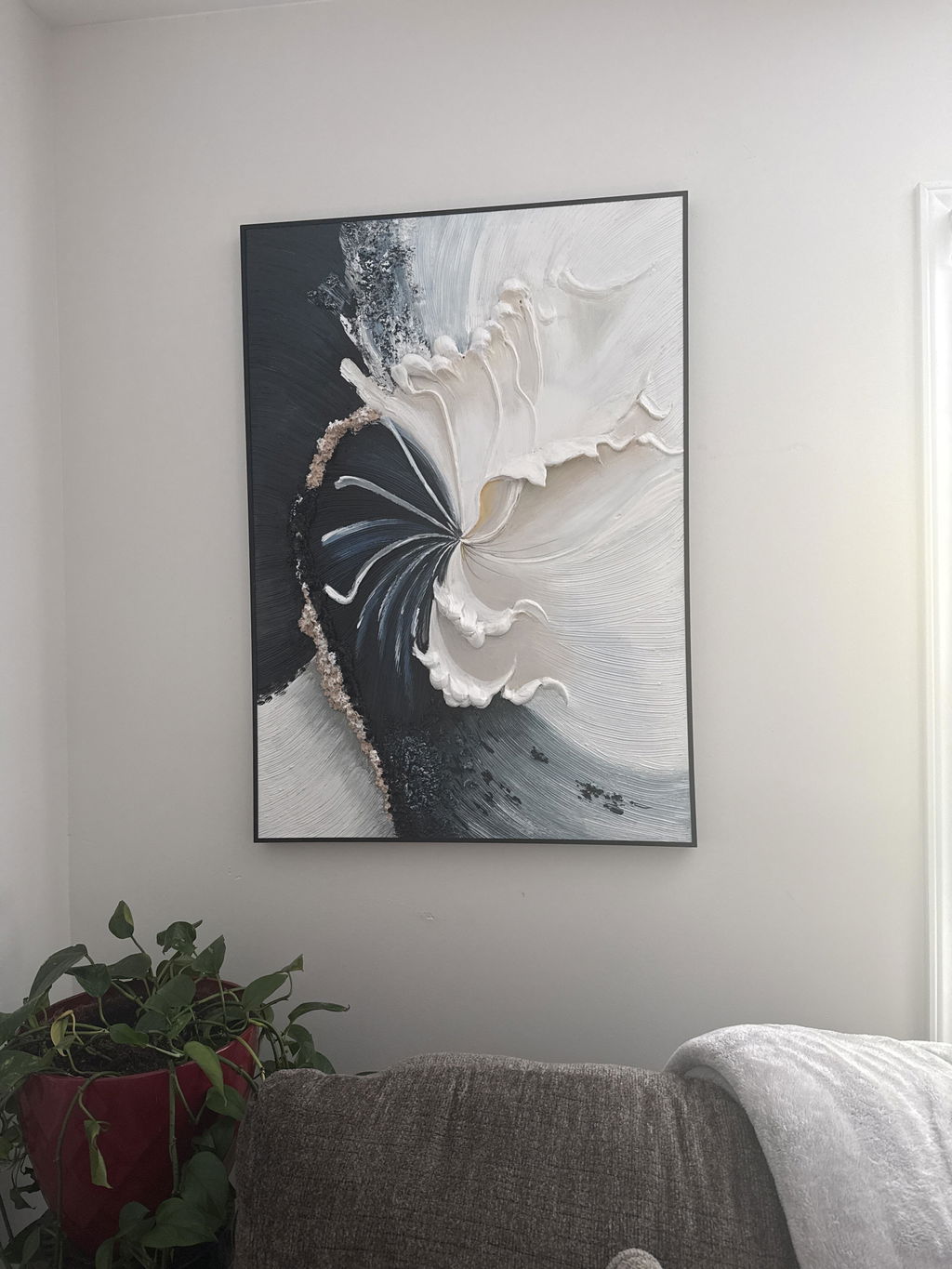
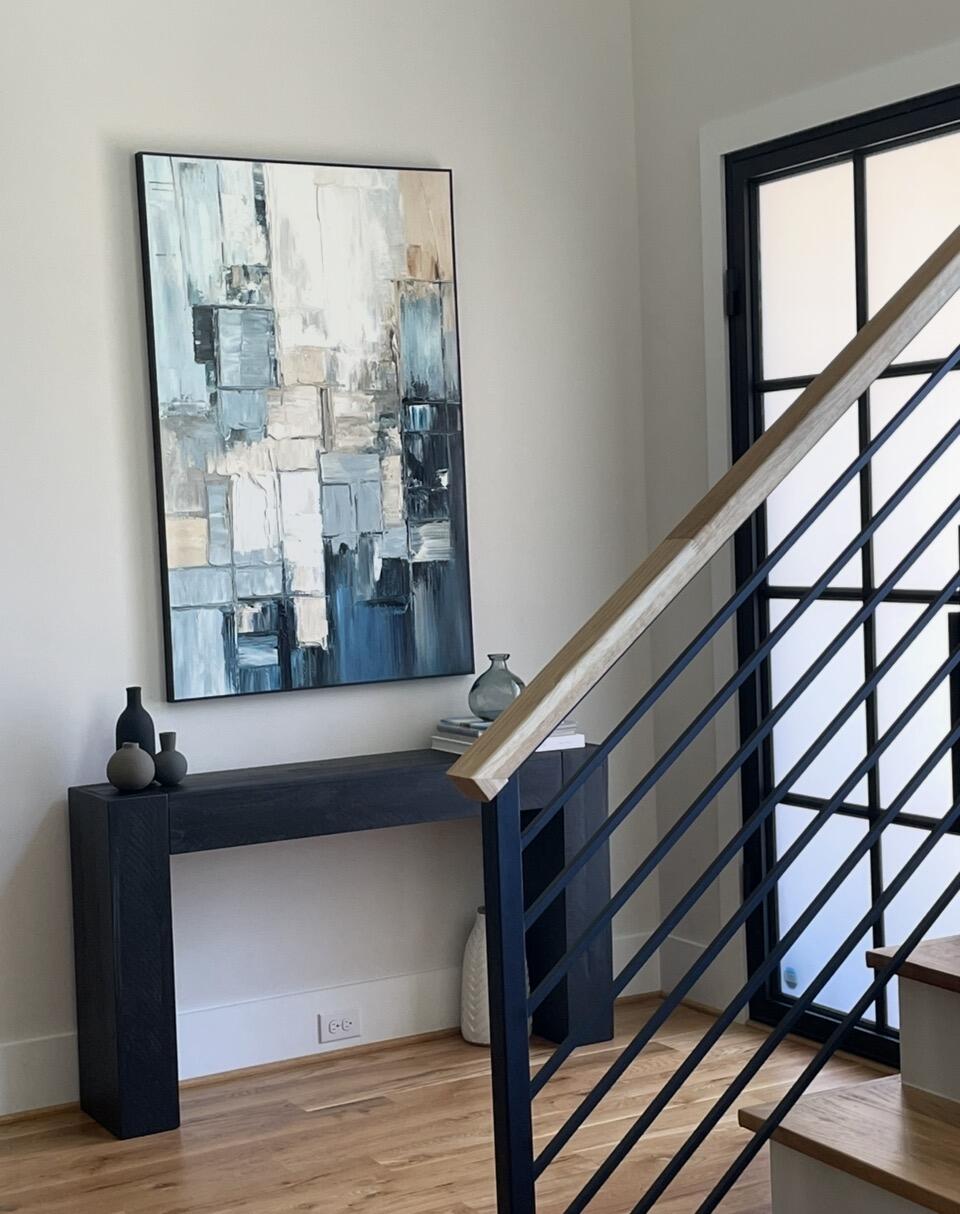
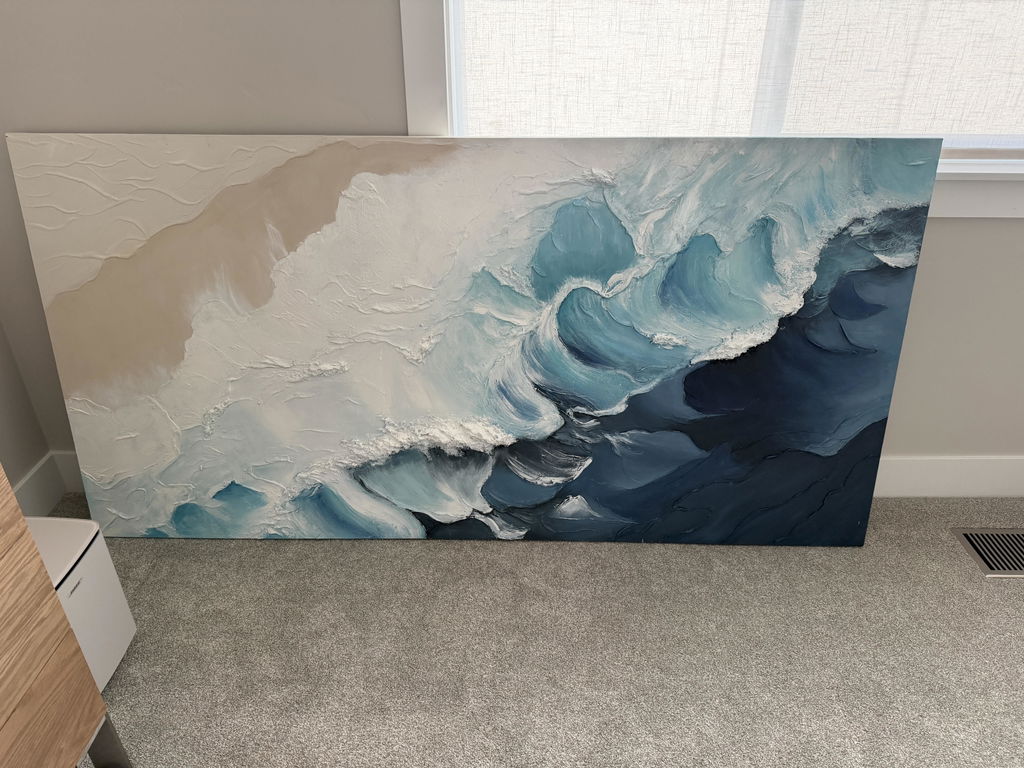
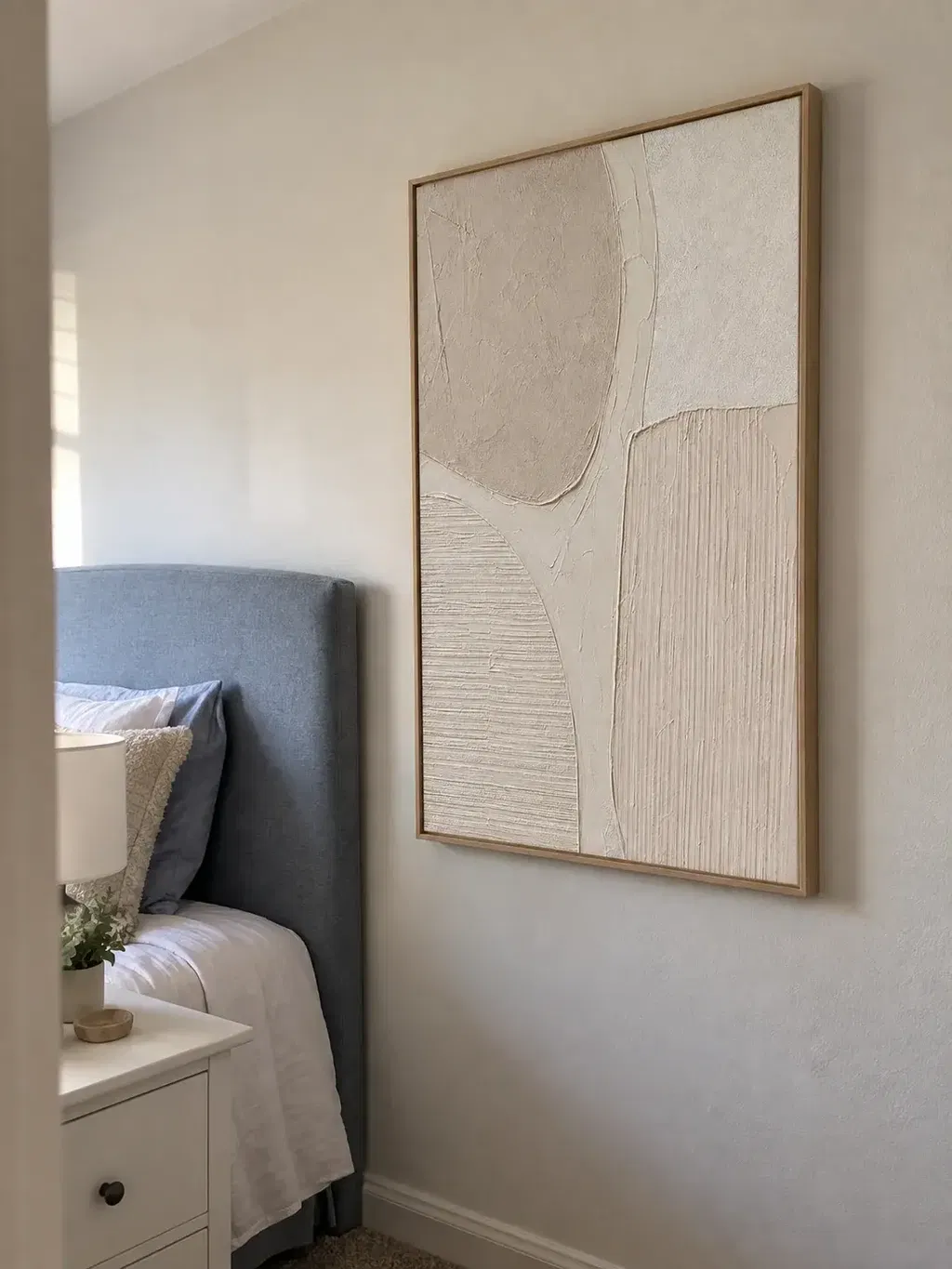
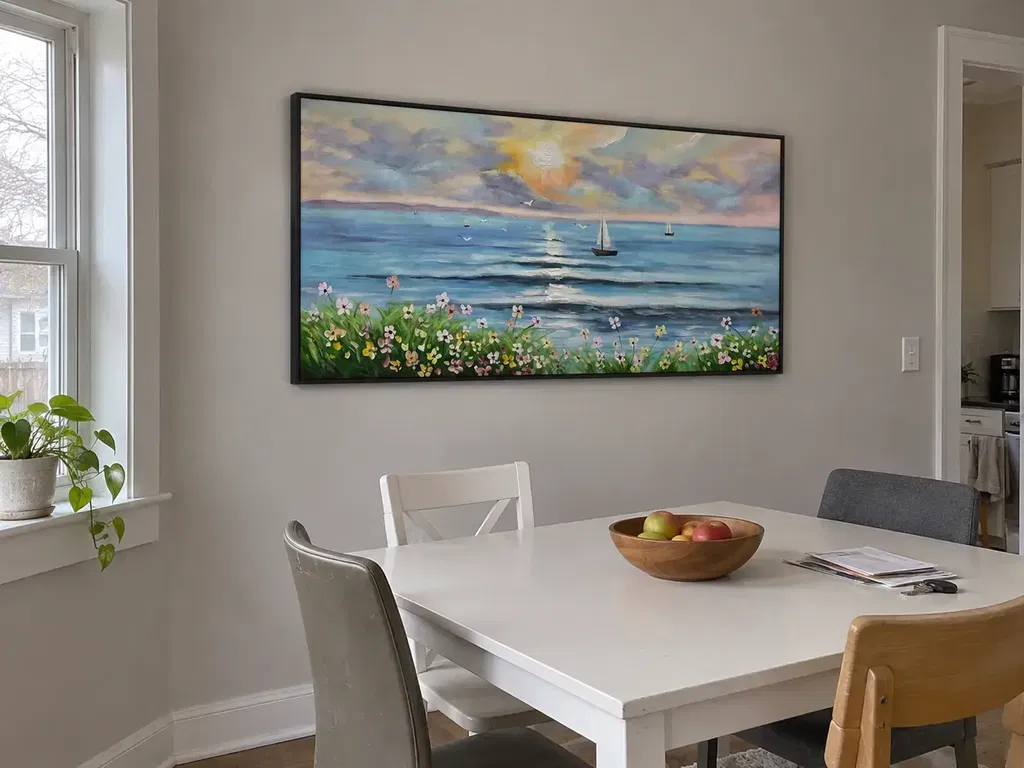
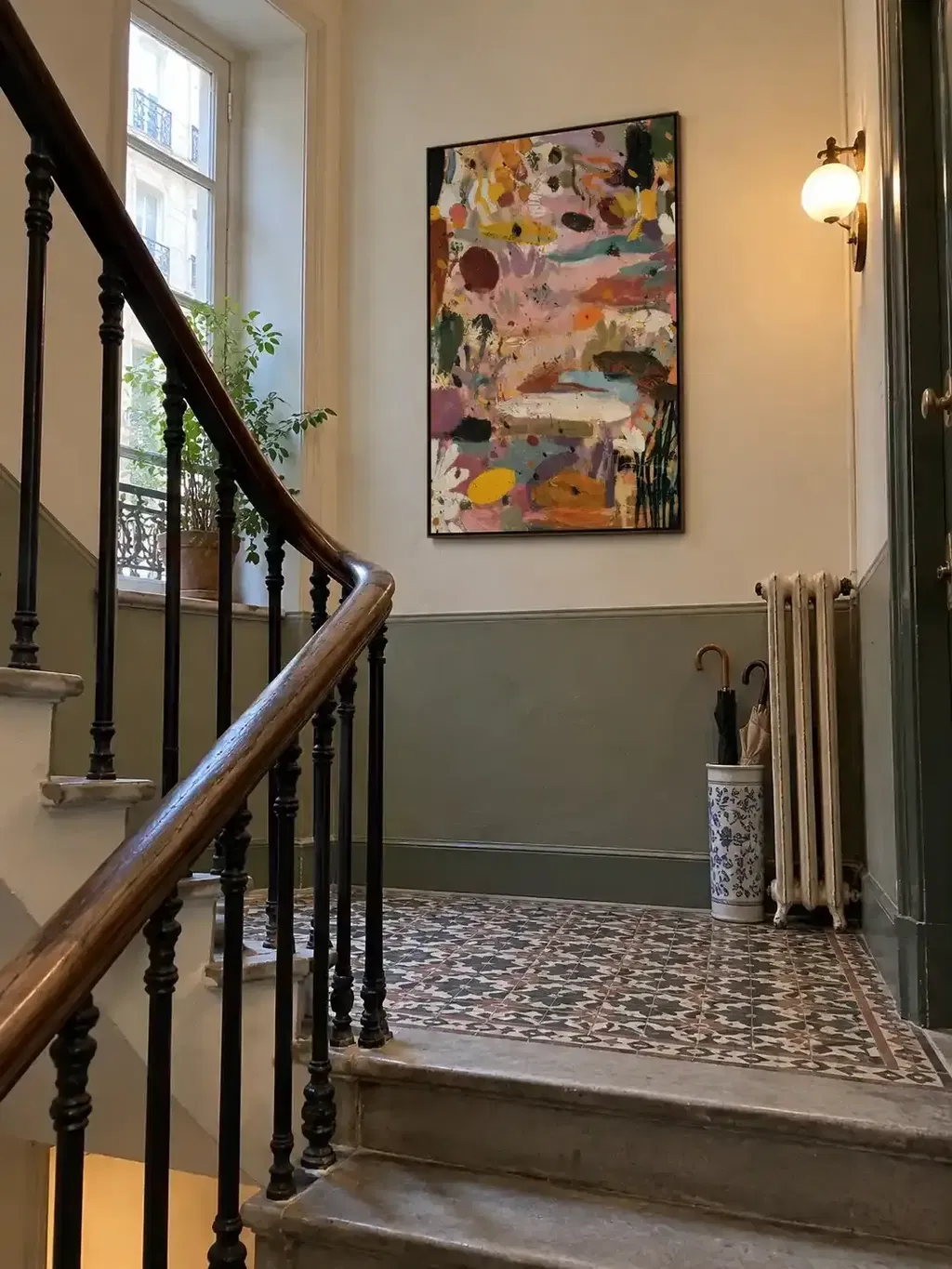
A key heuristic for heirloom quality is "impasto depth." The physical height of the paint on a canvas creates micro-shadows that change as the room’s lighting shifts throughout the day. This dynamic quality maintains aesthetic interest across generations. Digital prints, being essentially flat, lack this "tactile fruition." Optical microprofilometry has proven that the microtopography (mm-scale texture) of oil paintings is crucial to their aesthetic appeal; it provides sensory data that the human eye perceives as "depth" and "richness."
Furthermore, the saturation of pigments in oil paintings remains superior to digital inks. Because oil binders can hold a higher concentration of pigment particles without breaking down, the colors appear more "vibrant" and "alive" than the flat, CMYK-limited gamut of most printers.
Economic Leverage: Art as a Property Value Catalyst
Beyond the home, hand-painted art acts as a significant economic driver. For developers and commercial property owners, commissioning murals is no longer just about "decor"—it is a strategic investment in real estate.
The CAR Model and Property Gains
A Royal Society analysis of ten years of data found that neighborhoods with higher "art" geo-tags (indicative of public murals and galleries) had greater relative house price ranking gains. Specifically, their CAR (Cumulative Abnormal Return) model showed a direct correlation between the presence of high-quality public art and the appreciation of surrounding property values.
Commercial Foot Traffic
In Chicago, the Millennium Park public art projects drove an estimated $1.4 billion in real estate-related growth. For business owners, a hand-painted mural turns a physical wall into a "commercial landmark," generating massive foot traffic in an age where physical retail must compete with the convenience of e-commerce. University of Cincinnati regression analysis of over 300 murals confirms they remain directly correlated with significant pedestrian increases, even when controlling for population density.

The Wellness Equation: Biophilic Design and Stress Reduction
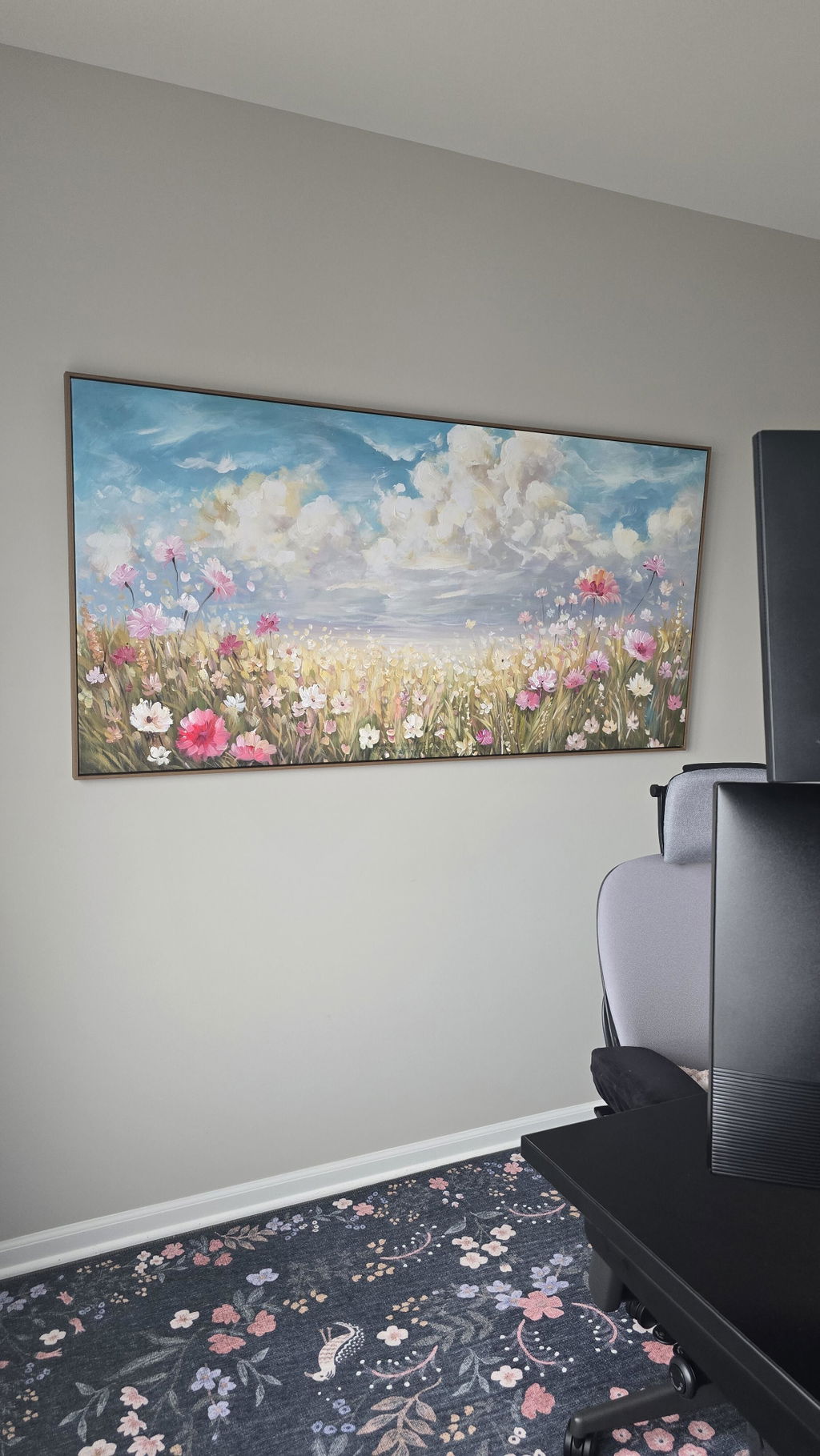
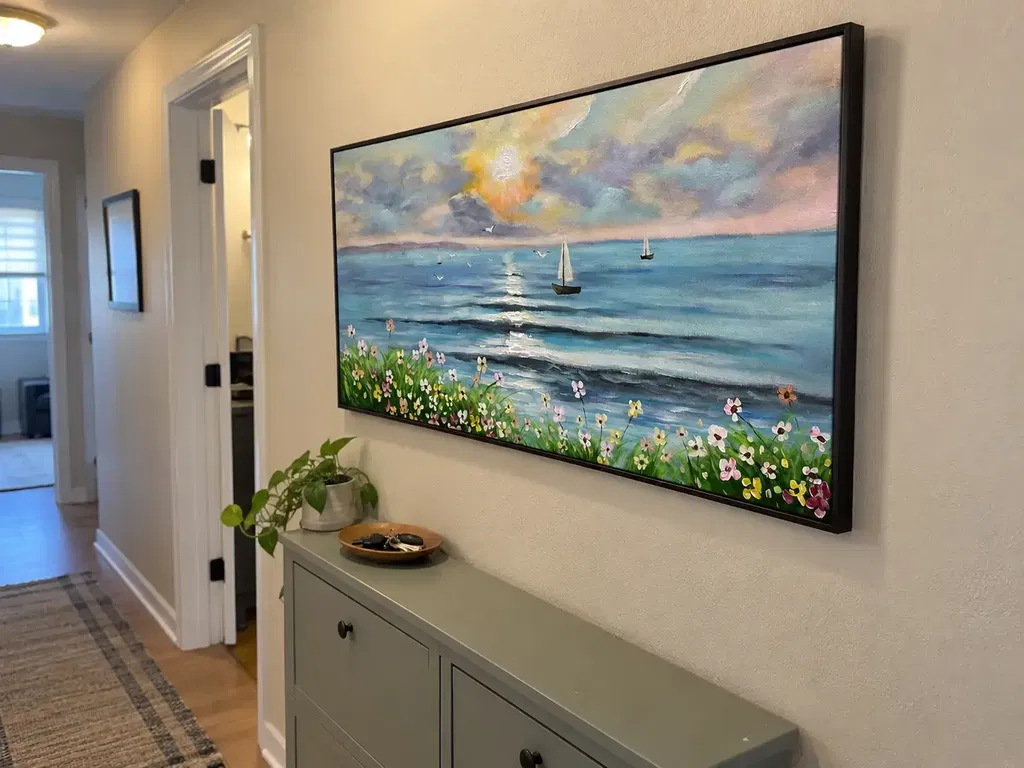
The heirloom potential of a painting is also measured by its impact on the inhabitants of a space. We are seeing a massive spike in biophilic design—incorporating natural landscapes into interior environments to promote well-being.
Clinical Indicators of Art
The World Health Organization (WHO) reviewed over 3,000 studies confirming that art interventions effectively alter clinical indicators for mental health. Specifically, passive art viewing consistently activates the medial prefrontal cortex (mPFC) and the amygdala, optimizing emotional regulation circuits. University of Pennsylvania research at the Cleveland Clinic found that 73% of patients reported significant mood improvements when exposed to environmental artworks.
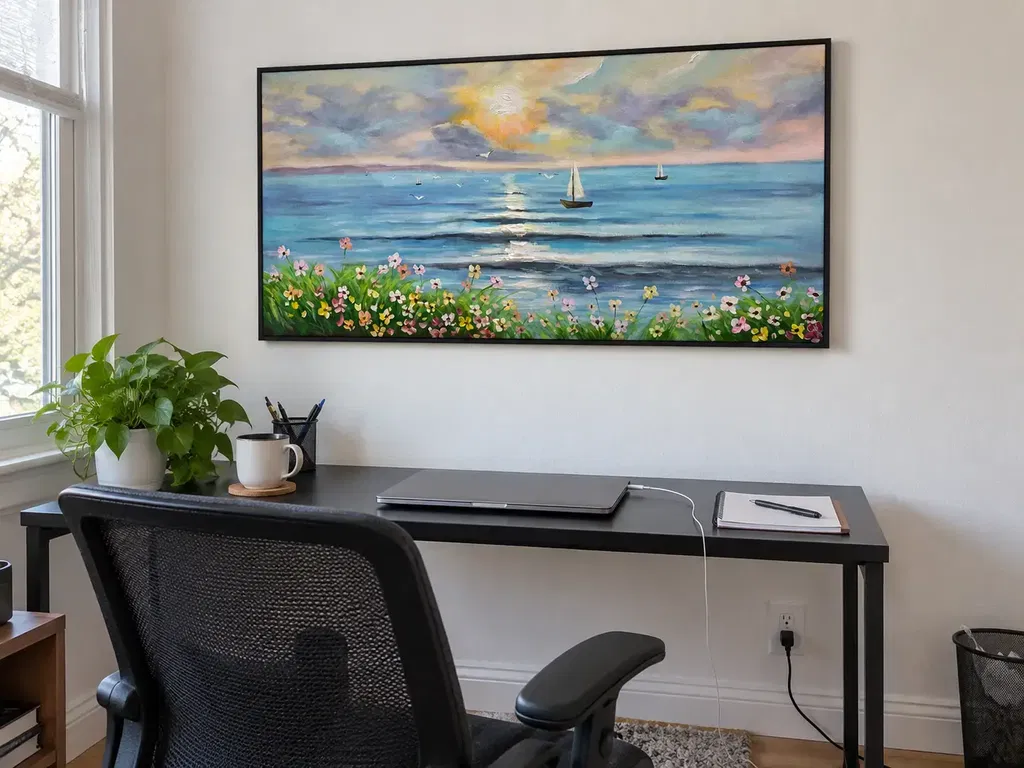
For the homeowner, this means that a nature-themed oil painting is not just a visual choice; it is a "public health infrastructure" for the family. In high-density environments like Tokyo, biophilic office design has been shown to reduce employee cognitive fatigue and burnout—a benefit that translates directly to the home office or study.
Ethical and Sustainable Craftsmanship: The 2026 Shift
As we look toward 2026 home design trends, "artisan craftsmanship" and "texture" are emerging as the soul of high-end interiors. Zillow data shows that mentions of "artisan" rose 21%, while Yelp searches for "custom framing" skyrocketed 329%. This indicates a growing demand for pieces that are not just beautiful, but ethically produced.
The Fair Trade Narrative
A Wharton School survey found that 87% of consumers strongly agree that artists should receive fair compensation. Heirloom-quality art is increasingly tied to the brand's ethics. Buyers are choosing to support platforms that ensure fair pay for their artists, moving away from the "sweatshop" models of mass-produced decor. This social value adds a layer of "moral longevity" to the piece.
Eco-Friendly Materials
Sustainability is no longer optional. Modern collectors are seeking eco-friendly art alternatives. This includes the use of:
- Hemp or Flax Canvases: Which consume half the land and water of traditional cotton.
- Walnut Oil Binders: Replacing toxic, VOC-emitting solvents like turpentine.
- Low-VOC Pigments: Essential for maintaining indoor air quality (IAQ).
Aalto University experiments have proven that coatings on moisture-controlled wood emit significantly lower toxic VOCs, a critical factor for families with infants or those seeking LEED certification for their homes.
Safety and Technical Standards: Avoiding the "Toxic Heirloom"
While we romanticize the "old masters," many classical pigments were dangerously toxic. Today’s heirloom art must meet strict safety standards to ensure it doesn't become a health hazard.
The Lead and Cadmium Reality
The International Agency for Research on Cancer (IARC) has explicitly declared cadmium compounds as Group 1 carcinogens. While the EU rejected a total ban on cadmium in artists' paints (due to the negligible 0.09% contribution to soil contamination compared to fertilizers), professional studios are moving toward non-toxic alternatives.
Furthermore, the EU REACH regulation strictly prohibits lead white (lead carbonate) concentrations exceeding 0.1%. Buyers should look for the ASTM D-4236 label, which signifies that the art materials have been reviewed by a toxicologist for chronic health hazards. However, expertise is required to see through the "label disguise"—the logo means warning labels comply with regulations, not necessarily that the pigment is "non-toxic."
Structural Failure Prevention
The primary cause of structural failure in heirloom art is not the paint, but the frame. To ensure multi-generational survival, we recommend:
- Gallery-Wrapped Canvases: Utilizing a minimum of 1.5-inch stretcher bars.
- UV Protective Varnish: To block harmful light waves at the molecular level, preventing "chalking" or binder degradation.
- Support Induced Discoloration (SID) Prevention: Using high-quality primers to prevent water-soluble impurities in the canvas from leaching into the paint film, a common cause of yellowing over time.
The Decision-Safety of Oils
Investing in a hand-painted oil piece is a move toward "decision-safety." It bridges the gap between the emotional appeal of authentic art and the retail-grade certainty of quality. Whether it is a textured abstract for a minimalist decor or a vibrant portrait meant for a bright space, the choice of oil on canvas offers a material and cultural permanence that digital reproductions simply cannot match.
By understanding the chemical cross-linking, the psychological "essential identity," and the economic impact on property value, collectors can move beyond "disposable decor" and begin building a cultural heritage asset that will remain "camera-ready" for generations to come.
Disclaimer: This article is for informational purposes only and does not constitute professional legal, financial, or medical advice. For concerns regarding indoor air quality or the toxicity of specific pigments, please consult a certified industrial hygienist or environmental health professional.
Sources
- Marketplace: The expensive art market continues to struggle
- Art Basel and UBS Art Market Report 2024
- Columbia University: Human-Made vs. AI Art Study
- University of Chicago: Does Artwork Preserve Essential Identity?
- Royal Society: Quantifying the link between art and property prices
- UPenn: Visual Art in the Built Environment
- WHO: Scoping Review on Arts and Health
- Tate: The Tate AXA Art Modern Paints Project
- ASTM D4303 Standard Test Methods for Lightfastness
- EPA: Indoor Air Quality and Low-VOC Paints