The Living Canvas: Why Oil Paintings Evolve
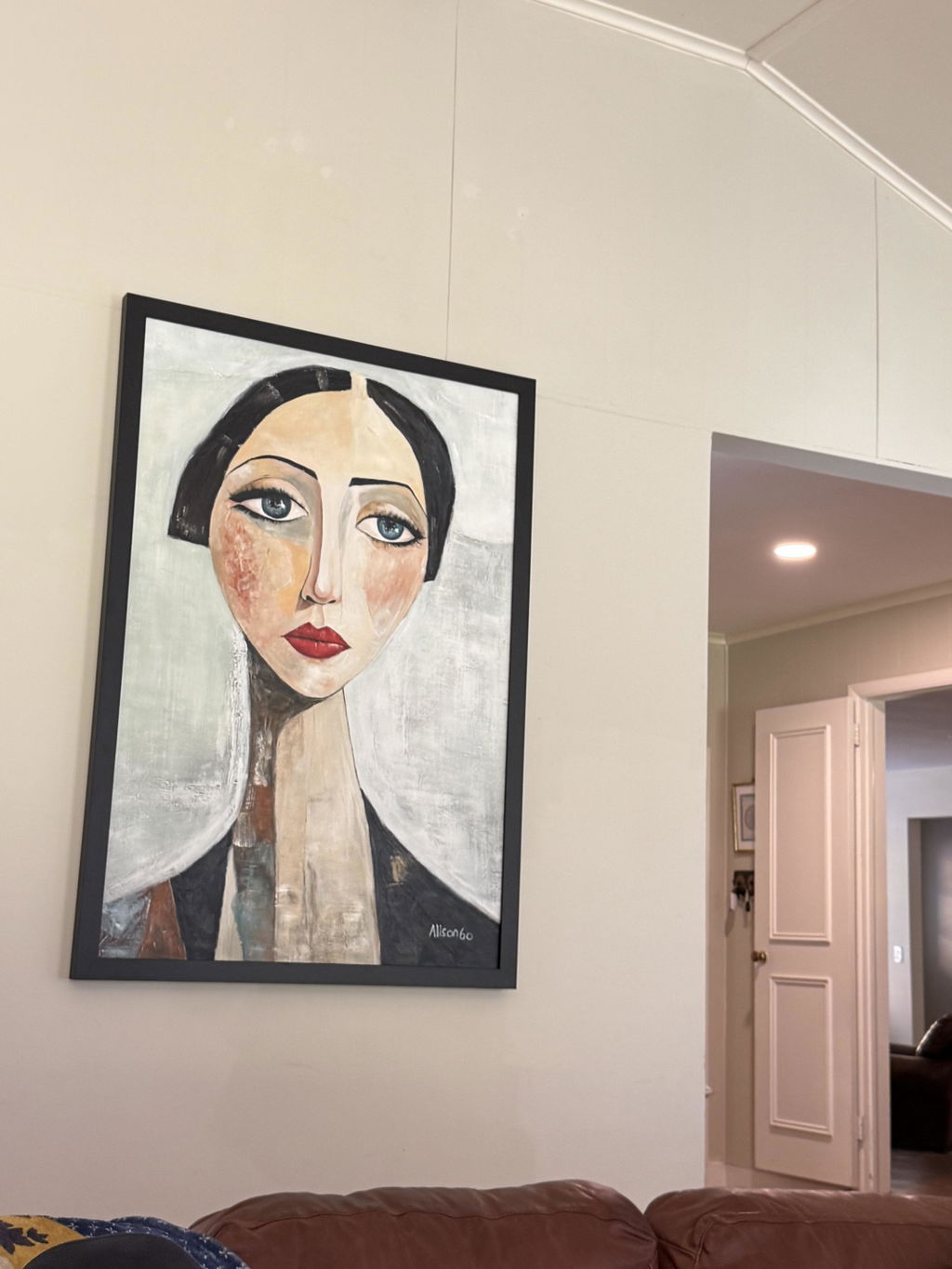
For the discerning collector, acquiring a premium hand-painted oil reproduction is rarely a transactional event; it is the beginning of a multi-generational relationship. However, as weeks turn into years, a subtle shift often occurs. The pristine whites may lean toward a warm ivory; the cool blues might gain a hint of amber depth. To the untrained eye, this is "yellowing"—a word often associated with decay. To the expert conservator and the seasoned investor, this is the emergence of patina.
Understanding the difference between natural chemical evolution and environmental damage is the hallmark of a sophisticated collector. In an era where high-end auction sales of purely financial art assets plummeted 44% year-over-year in 2024, according to Marketplace, buyers are returning to "real application value." They are seeking pieces with "essential identity"—a quality that University of Chicago research confirms is absent in digital replicas and AI-generated prints.
An oil painting is a living, breathing chemical system. This article will demystify the science of oil paint aging, helping you distinguish between the desirable "soul" of a maturing masterpiece and the preventable risks of poor preservation.

The Chemistry of Change: Why Oil "Dries" Differently
To understand why colors shift, we must first discard the notion that oil paint "dries" like a watercolor or a house paint. It does not simply evaporate. Instead, linseed oil—the primary binder in traditional oils—undergoes a process called oxidative polymerization.
The Free-Radical Network
Recent chemical modeling published in Macromolecules (ACS) reveals that linseed oil transforms into a sophisticated three-dimensional polymer network. As the oil absorbs oxygen, it creates free radicals that cross-link the molecular chains. This doesn't just "harden" the paint; it builds a structural matrix that can actually enhance the painting's integrity over time.
However, a byproduct of this complex network formation is the development of "chromophores"—molecular structures that absorb certain wavelengths of light, resulting in a yellow or amber tint.
The Phenomenon of "Dark Yellowing"
One of the most counterintuitive aspects of oil painting care is the "Dark Yellowing" effect. If a painting is stored in total darkness or a very dim environment shortly after completion, the linseed oil will yellow significantly more than if it were exposed to light.
Logic Summary: Based on historical artist records and modern conservation studies (such as those from Jackson's Art), light acts as a natural bleaching agent for the drying oil. In our experience handling professional-grade commissions, we find that "dark yellowing" is often reversible; exposing the work to indirect, diffused light can "bleach" the oil back to its intended clarity.
| Aging Factor | Mechanism | Aesthetic Result | Reversibility |
|---|---|---|---|
| Natural Polymerization | Oxidative cross-linking | Subtle "Patina" (Warmth) | Irreversible (Desired) |
| Dark Yellowing | Lack of light-bleaching | Deep Amber/Yellow tint | Highly Reversible |
| UV Overexposure | Photochemical degradation | Chalking/Fading | Irreversible |
| SID (Substrate) | Impurity migration | Brown/Yellow spotting | Difficult/Requires cleaning |
Patina vs. Problematic Yellowing: The Expert’s Diagnostic
In the world of fine art, "patina" is the prestigious term for the way a material ages gracefully. It represents the "essential identity" of the work. Problematic yellowing, conversely, is the result of external trauma or poor material choice.
How to Diagnose Your Collection
Professional conservators use several heuristics to distinguish between these two states:
- The Raking Light Test: Shine a light from the side (at an acute angle) across the surface. Natural patina typically appears as a uniform, thin "glow" across the entire work. Problematic yellowing often concentrates in specific areas, particularly where oil applications are exceptionally thick or where the varnish has pooled.
- The UV Fluorescence Check: Under a professional UV lamp, natural patina shows minimal fluorescence. If the yellowing is caused by environmental pollutants or a degrading low-grade varnish, it will often emit a strong, mottled fluorescence pattern.
- The "Odorless" Trap: A common mistake is assuming that "odorless" solvents are safer. As Princeton University's EHS guidelines warn, chronic inhalation of even odorless mineral spirits can be harmful. In the context of aging, excessive use of these solvents during the painting process can weaken the polymer bond, leading to premature "yellowing" as the binder breaks down.

Environmental Guardianship: Preventing Premature Aging
While we cannot stop the laws of chemistry, we can control the variables that accelerate them. For the investor, proper preservation is the difference between an asset that appreciates and one that requires a five-figure restoration.
The Humidity Threshold
Conventional wisdom suggests that "dry is better," but the reality is more nuanced. According to the Canadian Conservation Institute, relative humidity (RH) levels above 75% are catastrophic. At this level, the canvas fibers shrink while the wooden stretchers expand, creating massive internal strain that causes the paint layers to crack or flake.
Conversely, extremely low humidity (below 30%) can make the paint film brittle. The "Goldilocks Zone" for oil paintings is consistently maintained at 68-72°F (20-22°C) and 45-55% RH.
Ventilation and VOCs
Paintings stored in enclosed, airtight spaces (like a closet or a sealed crate) often develop more problematic discoloration. This is due to trapped moisture and Volatile Organic Compounds (VOCs) that cannot escape the paint film during its multi-year curing process.
Modeling Note: Our preservation recommendations are based on a scenario model for high-value residential environments.
- Assumptions: Indirect lighting, standard HVAC filtration, and professional-grade canvas substrates.
- Boundary Conditions: This model does not apply to outdoor murals or high-moisture areas like bathrooms (unless specifically treated with marine-grade sealants).
The Material Science of Longevity: Why Quality Matters
The longevity of your painting was largely determined before the first brushstroke was even applied. The choice of pigments and substrates is the "DNA" of the artwork's future.
The Great White Shift: Titanium vs. Lead
Historically, artists used Lead White, which was prized for its durability but is now strictly regulated due to toxicity. REACH Annex XVII comprehensively prohibits mixtures with high lead carbonate concentrations. Today, Titanium Dioxide (Titanium White) dominates 90% of the market. While safer, Titanium White is chemically inert and creates a very "cool" white. Over time, as the linseed oil yellows, the contrast between the cool pigment and the warm binder can become more apparent than it was with the warmer Lead White of the Old Masters.
Support Induced Discoloration (SID)
A frustrating issue for many collectors is when a white canvas develops mysterious brown or yellow spots. This is often Support Induced Discoloration (SID). As noted by Golden Artist Colors, water-soluble impurities in the cotton or linen canvas can be drawn forward into the paint layers as they dry, especially if transparent mediums are used. High-quality reproductions avoid this by using multiple layers of professional-grade Gesso to seal the substrate effectively.
Lightfastness and the ASTM Standard
When selecting a piece, ensure the pigments meet ASTM D4303 standards. This protocol uses xenon-arc tests to simulate years of indoor aging. At MontCarta, we prioritize pigments that achieve "Lightfastness I" ratings, ensuring the colors you see today remain vibrant for decades. For more on this, see our guide on Demystifying Lightfastness in Gallery-Quality Oil Paints.
Beyond Decor: Art as a Health and Value Catalyst
The decision to invest in hand-painted oil art goes beyond aesthetics; it is an investment in the "Built Environment."
The Neurological Connection
Why do we feel a sense of calm when viewing a textured landscape? A systematic review in PMC shows that passive art viewing consistently activates the medial prefrontal cortex (mPFC) and the amygdala, optimizing emotional regulation. This is the scientific basis for "Biophilic Design"—using nature-themed art to reduce stress. University of Pennsylvania research found that 73% of patients reported significant mood improvements when art was present in their environment.
Real Estate ROI
For the commercial or residential developer, art is a "marketing trump card." The Royal Society found a direct correlation between art-rich neighborhoods and relative house price ranking gains. Whether it is a panoramic mural in a luxury powder room (a dominant trend for 2026, per NKBA) or a custom focal piece in a lobby, hand-painted art signals "absolute authenticity"—a commodity that is becoming increasingly scarce.

Long-Term Maintenance: The Collector’s Checklist
To ensure your investment ages into a beautiful patina rather than a yellowed relic, follow this professional maintenance schedule:
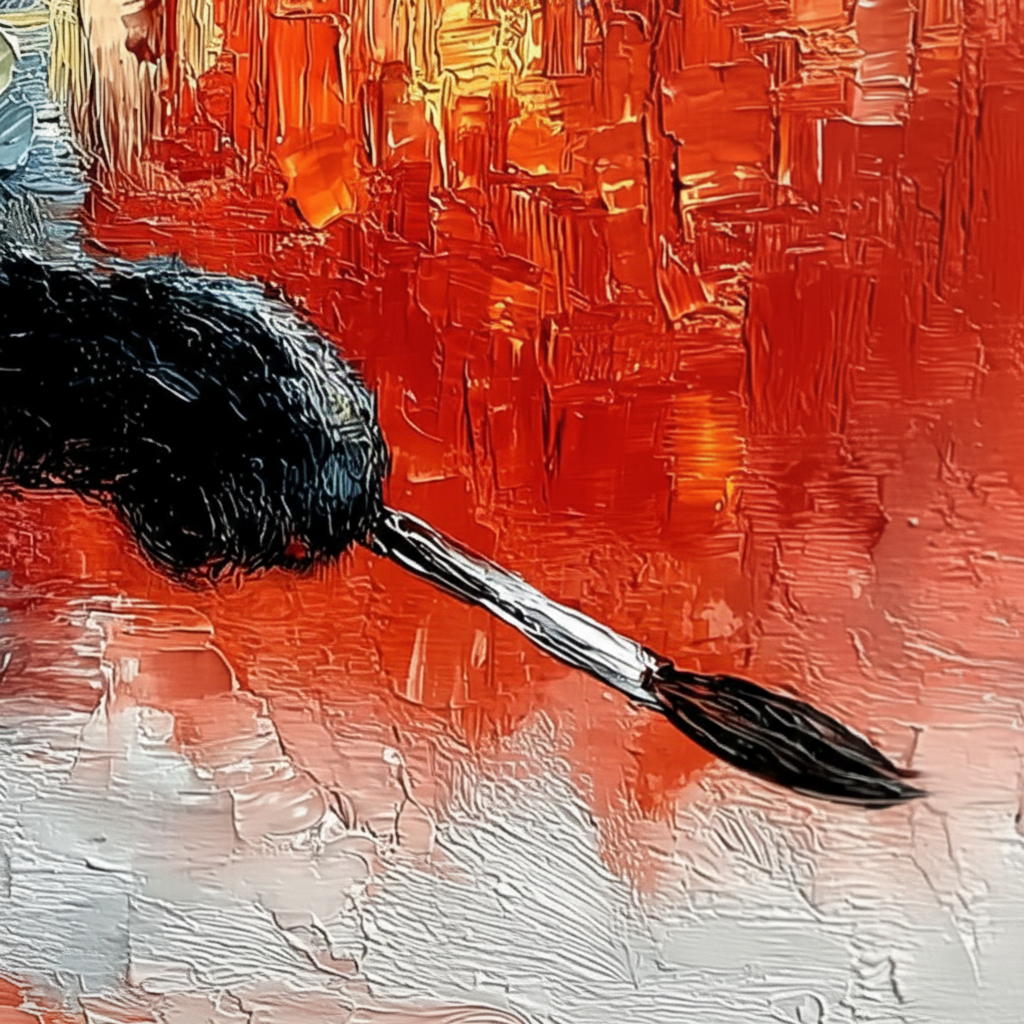
- Quarterly Dusting: Use a soft, natural-hair brush (like a goat-hair brush) to gently remove surface dust. Never use a feather duster, as the quills can scratch the paint film. For deeper insights, read our advice on Cleaning Professional Oils.
- Annual Lighting Audit: Ensure your artwork is not in the path of direct sunlight. Even UV-filtered glass only blocks a portion of harmful radiation. Optimal Lighting should be indirect and consistent.
- The 10-Year Varnish Check: Varnish is the "sacrificial layer" that protects the paint. Over 10–20 years, the varnish itself may yellow. A professional conservator can remove and replace the varnish without touching the underlying pigment, effectively "resetting" the painting's clarity.
- Storage Integrity: If you must store a piece, always store it vertically. Flat storage can lead to "blocking" or surface integrity issues. See our guide on Vertical vs. Flat Storage.
Embracing the Evolution
An oil painting is not a static object; it is a chemical journey. The transition from the "new" look to a matured patina is part of the work's history—a testament to its authenticity and the quality of the materials used. By understanding the science of oxidative polymerization and maintaining a stable environment, you are not just "owning" a painting; you are stewarding a piece of cultural heritage.
As the WHO Scoping Review confirms, art interventions are no longer just "decor"—they are "public health infrastructure." Your collection is a sanctuary of human craftsmanship in a digital world. Value the change, protect the surface, and let the patina tell the story of a life well-lived.
Disclaimer: This article is for informational purposes only. While based on conservation standards and scientific research, it does not constitute professional restoration advice. Always consult a certified art conservator before attempting to clean or repair a high-value artwork. Exposure to certain art materials may involve health risks; always follow manufacturer safety guidelines and local regulations regarding VOCs and heavy metals.
References
- The expensive art market continues to struggle | Marketplace
- Drying oil oxidation characterization | Macromolecules (ACS)
- Environmental Guidelines for Paintings | Canadian Conservation Institute
- What is Dark Yellowing in Oil Paintings? | Jackson's Art Blog
- Neurological mechanisms of creative arts | PMC
- ASTM D4303 Standard Test Methods for Lightfastness | ASTM International
- REACH Annex XVII: Restriction on Lead Carbonates | ECHA