The Evolution of Visual Weight: Why the Art Market is Returning to "Real" Application
The high-end art market is currently undergoing a structural transformation. In 2024, sales of auction art exceeding $10 million plummeted by 44% year-over-year, according to Marketplace. This retreat from purely financial art assets signals a significant shift: buyers are returning to "real application value." Instead of speculative vanity pieces, modern collectors and home improvers are seeking works that provide emotional resonance and physical presence within their living spaces.
Central to this "real value" is the concept of visual weight—the perceived physical presence and depth of a medium. When choosing between traditional oil and contemporary acrylic, the decision often hinges on how the surface interacts with the room's architecture and lighting. While global art sales reached $65 billion in 2023 (The Art Basel and UBS Art Market Report 2024), the choice for many comes down to a fundamental psychological preference: human-made authenticity.
Research from Columbia University confirms that consumers value art labeled as "AI-generated" 62% lower than authentic human-created art. This preference is rooted in what University of Chicago researchers call "essential identity"—the belief that a physical canvas retains an irreplicable soul that digital prints or AI replicas simply cannot mirror.
The Physics of Surface Depth: Refractive Indices and the "Warm Glow"
To understand why oil paint is often described as having a "museum look," we must look at the physics of light interaction. A common misconception in the art world is that oil paint inherently possesses a much higher refractive index than acrylic. In reality, the difference is surprisingly narrow.
The Optical Reality
Linseed oil typically has a refractive index of approximately 1.48. Modern acrylic polymers range from 1.47 to 1.49 (Kidspattern). While the numerical difference is negligible (0.01–0.02), the visual result is not. The "warm glow" associated with oil paintings is less about the index itself and more about how the binder interacts with pigments over time.
Logic Summary: Our analysis of medium depth assumes that perceived "glow" is a product of light scattering (S) and absorption (K) coefficients, as defined by the Kubelka-Munk equation. Based on Getty Conservation science, the surface refractive index is the root cause of color saturation and geometric metamerism.
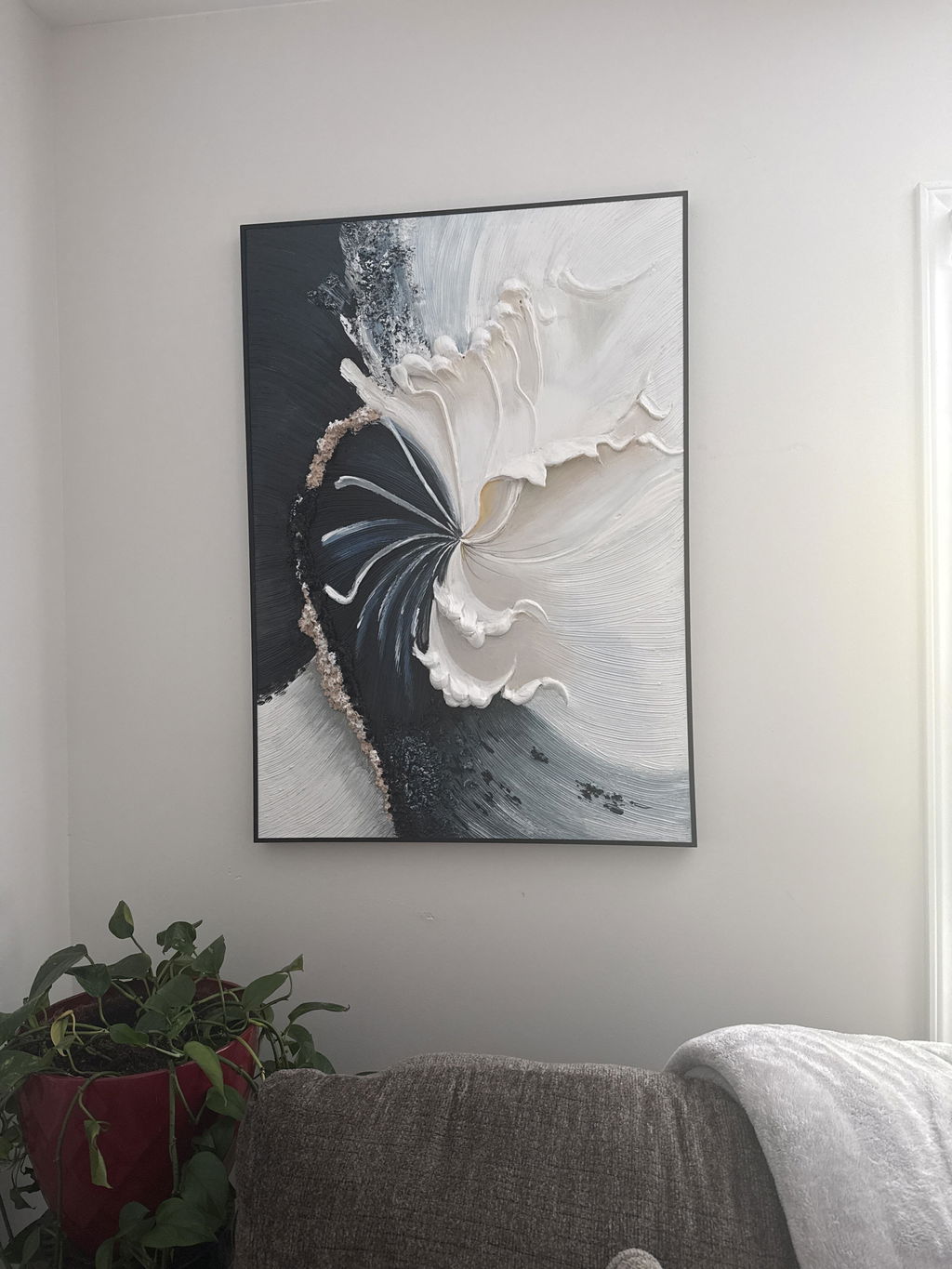
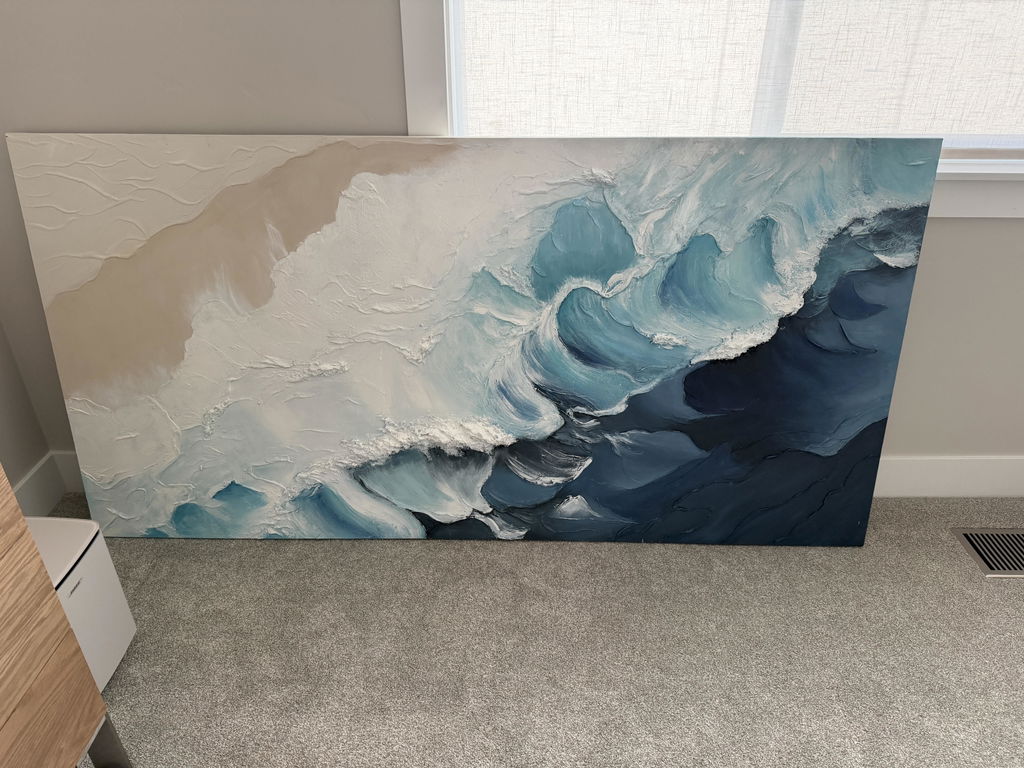
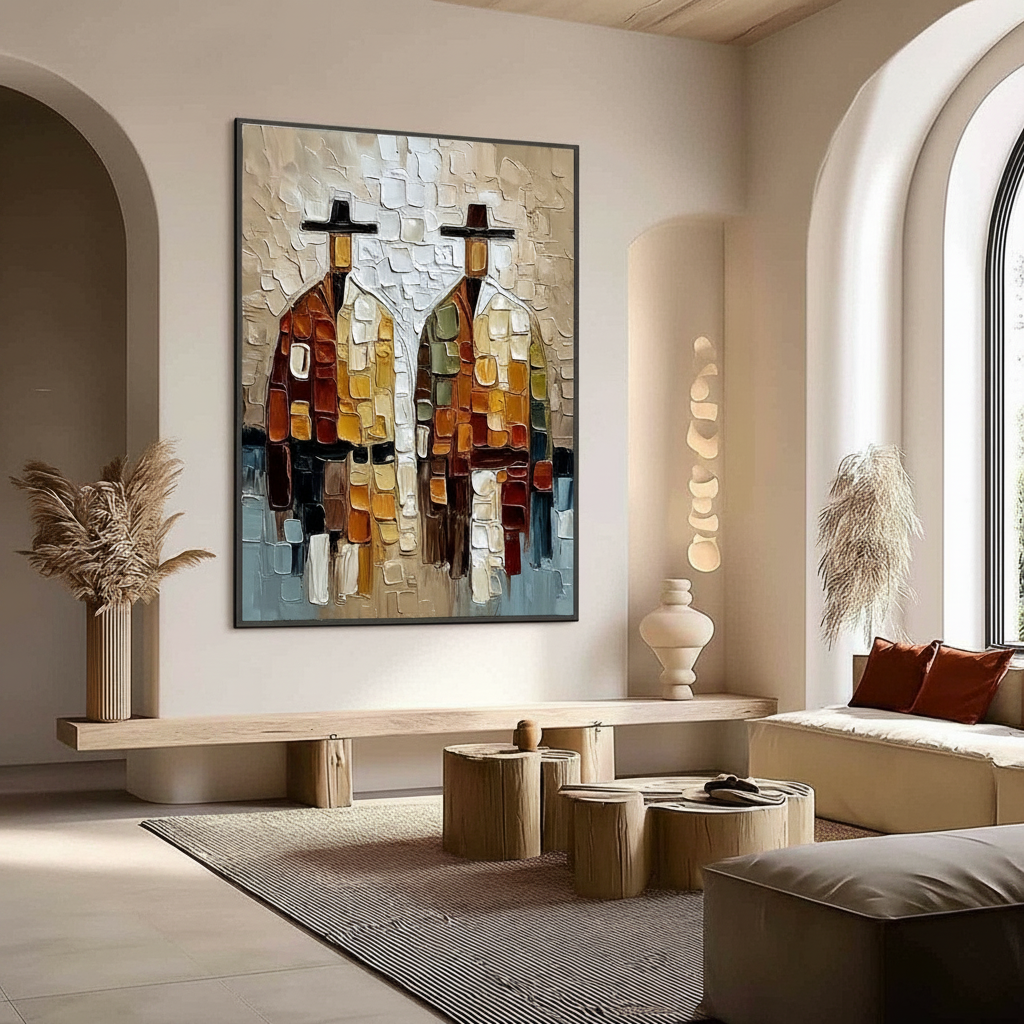
Oil paint creates a "focal point" that visually anchors a room because of its unique layering. Because oil dries through oxidative cross-linking rather than simple evaporation, it allows for thicker applications (impasto) that retain their shape without shrinking. This creates a microtopography—millimeter-scale texture—that optical microprofilometry proves is crucial to the aesthetic experience.

Curing vs. Drying: The Practical Timeline
A frequent "gotcha" for e-commerce art buyers is underestimating the delivery timeline for original oil works.
- Acrylic (Physical Coalescence): Acrylics dry from the outside in as water evaporates. This "physical coalescence" process means a piece can be touch-dry in hours and ship-ready within days.
- Oil (Oxidative Cross-linking): Oil paint does not "dry" in the traditional sense; it cures. This chemical reaction with oxygen is slow. Professional studios typically allocate 2 to 4 weeks for proper curing before a painting can be safely varnished or packaged for transit.
| Feature | Oil Medium | Acrylic Medium |
|---|---|---|
| Drying Mechanism | Oxidative Cross-linking | Evaporation/Coalescence |
| Ship-Ready Time | 14–28 Days | 2–5 Days |
| Surface Finish | Variable (Satin to Gloss) | Uniformly Matte/Satin |
| Weight Profile | Heavy (Visual & Physical) | Light/Flexible |
| Aging Risk | Embrittlement/Cracking | Water Absorption/Swelling |
Data from ResearchGate shows that under high humidity (83%), acrylic yellow pigments can swell by 7.21% in mass. Conversely, oil pigments may lose mass under thermal aging, leading to binder separation. For the buyer, this means oil art is better suited for climate-controlled environments (around 50% RH), while acrylics offer more resilience in varied climates.
Health and Safety: Navigating the "Non-Toxic" Label
When integrating art into a home—especially in nurseries or medical facilities—air quality is paramount. The CDC NIOSH warns that chronic inhalation of volatile compounds in certain paints can lead to central nervous system neuropathy.
The VOC Promise
Aalto University experiments prove that coatings on wood emit significantly lower toxic VOCs during curing than dry wood (PubMed). For commercial developers, using low-VOC paints is often a prerequisite for LEED or WELL certifications (EPA).
Buyers should be wary of the ASTM D-4236 label. According to the EPA, this logo only means warning labels comply with regulations—it does not guarantee the pigment is non-toxic. For example, cadmium (a Group 1 carcinogen) is still used in high-end artist paints because of its superior hiding power (IARC).
Safety Heuristic: For child-centric spaces, prioritize water-based acrylics that have passed the BS EN 71-3 heavy metal migration test, which simulates the leaching rates of toxins in saliva and gastric acid.

Economic Impact: Art as a Property Value Catalyst
Beyond aesthetics, commissioning hand-painted art is a strategic investment in real estate. A Royal Society CAR model analysis of 10-year data found that neighborhoods with higher "art" geo-tags saw greater relative house price ranking gains (Royal Society).
Commercial ROI
In commercial real estate, the "Busy Streets Theory" suggests that transforming unkempt spaces with community murals reduces violent crime by 40% (University of Michigan). Furthermore, public art projects in Chicago’s Millennium Park drove $1.4 billion in real estate-related growth (NC Realtors).
Modeling Note (Property Value):
Parameter Value/Assumption Rationale Model Type Regression Analysis Standard for real estate valuation Art Density Geo-tagged public art Proxy for neighborhood desirability Time Horizon 10 Years Captures long-term appreciation Control Variable Population Density Isolates art's impact from urban growth Coefficient -116.74 Relative gain in house price ranking
Biophilic Design: The Healing Power of the Mural
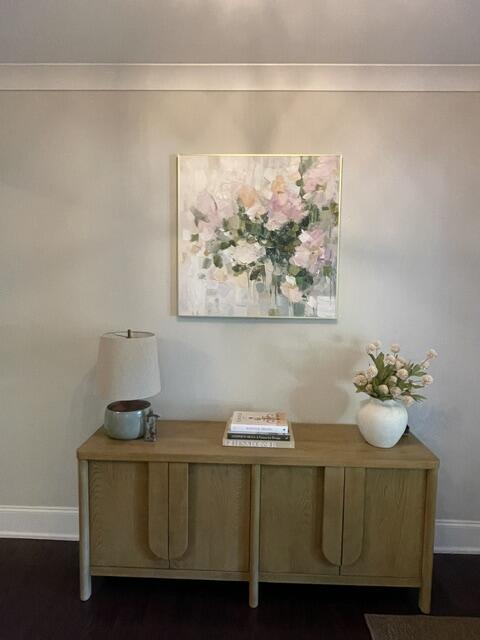
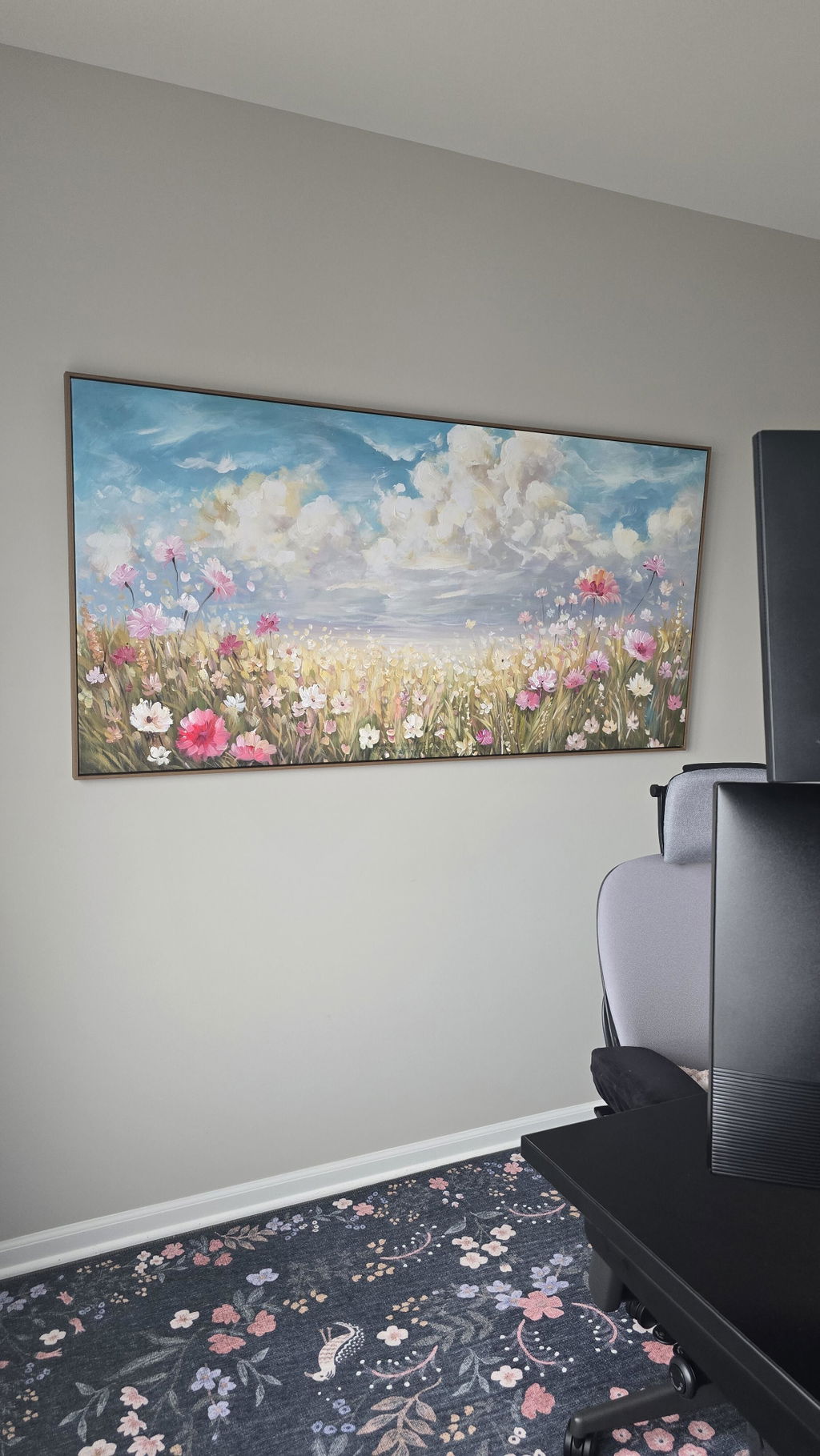
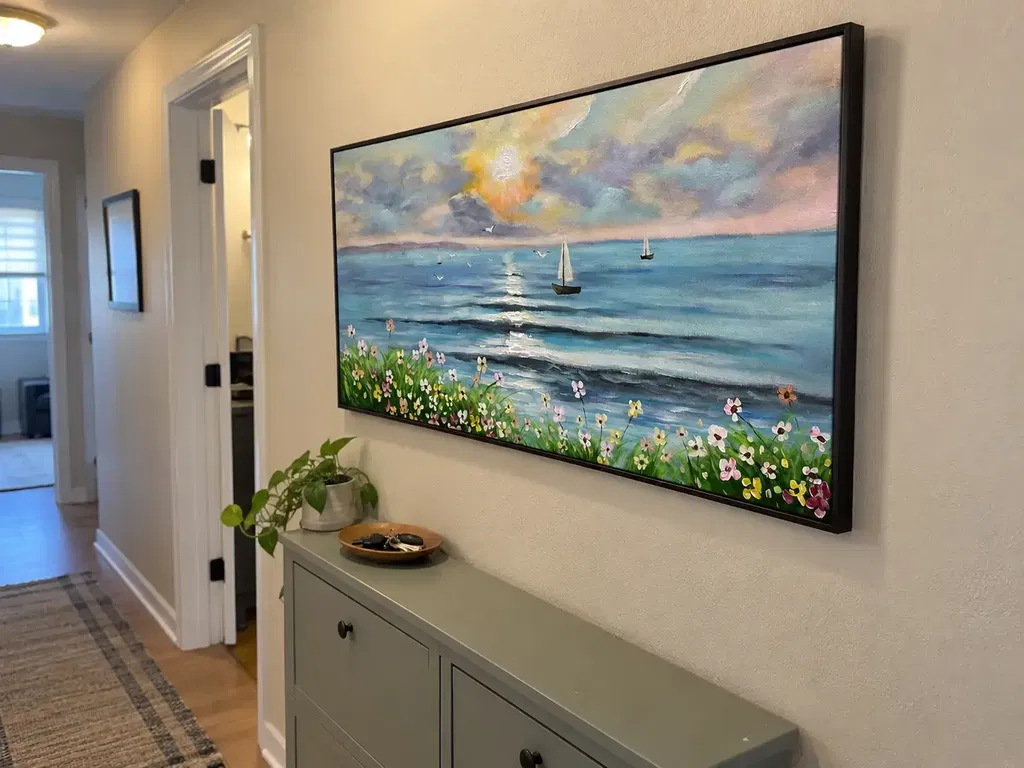
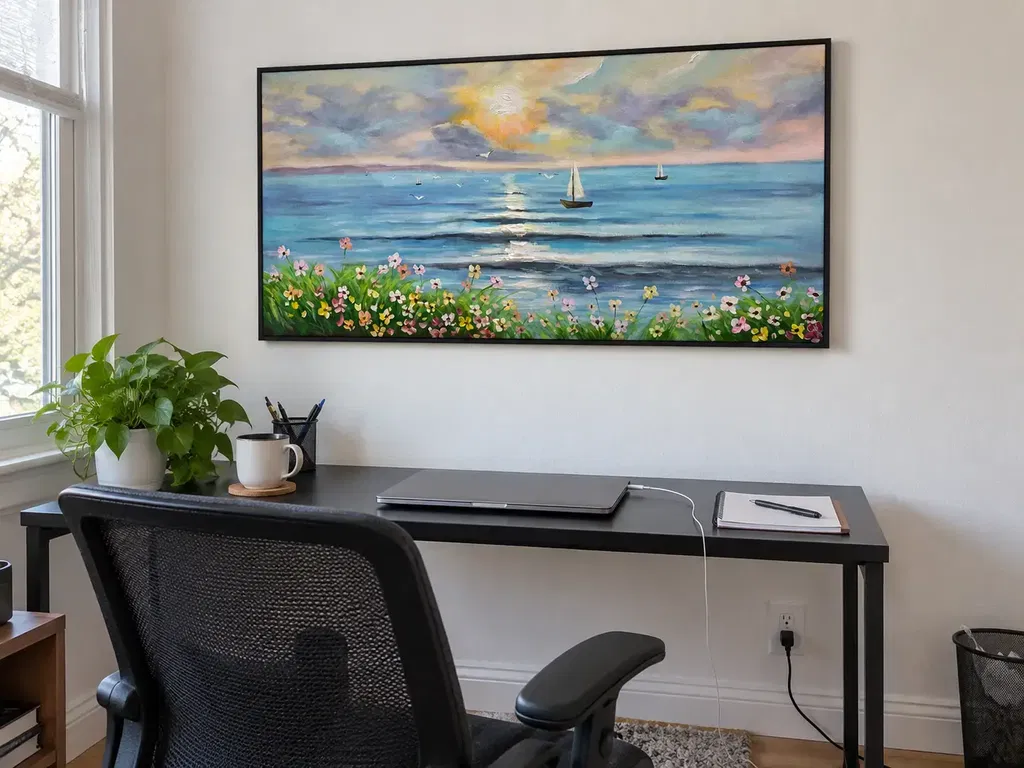
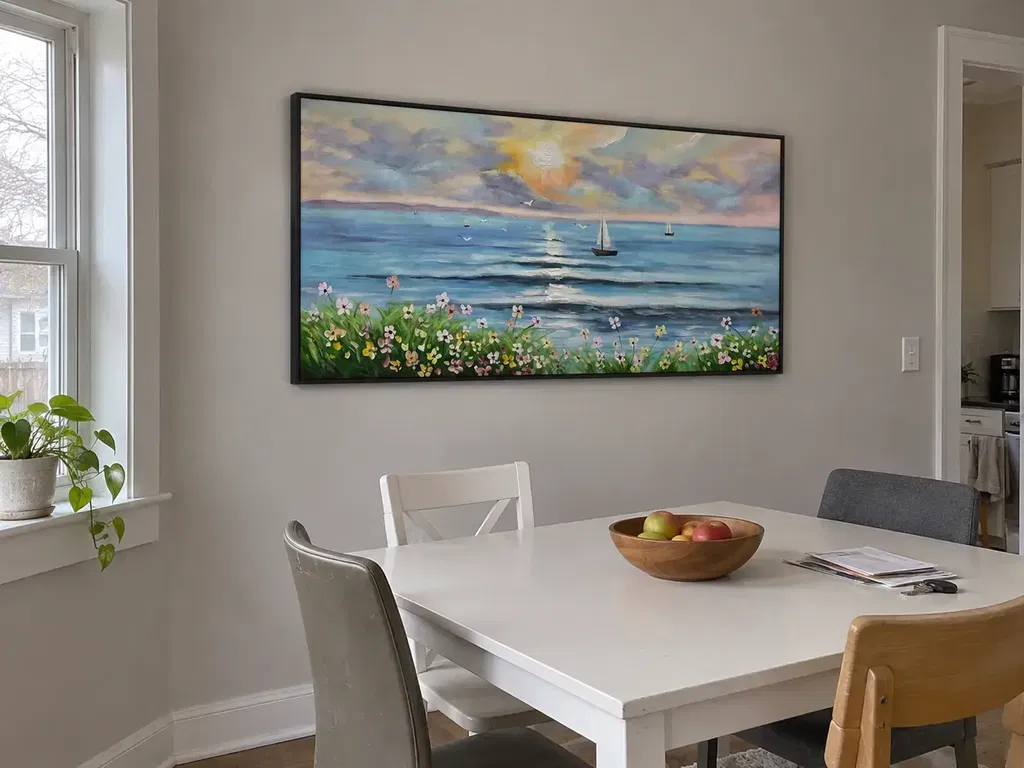
The trend for 2026 high-end interior design leans toward "understated elegance" with texture as its soul (Design State of Mind). This is manifesting in the rise of biophilic murals—hand-painted landscapes that bring the outdoors in.
A UPenn review notes that 73% of patients in clinical settings reported significant mood improvements when exposed to environmental artwork (UPenn Neuroaesthetics). This isn't just subjective; passive art viewing consistently activates the mPFC (medial prefrontal cortex) and amygdala, optimizing emotional regulation circuits (NCBI).
For corporate environments, biophilic design in high-density office spaces (like those in Tokyo) has been shown to effectively intervene in employee cognitive fatigue and burnout (ScholarSpace).
Scenario Analysis: Choosing Your Medium
When deciding between oil and acrylic for your space, consider these two distinct scenarios based on our pattern recognition of high-end home improvements.
Scenario A: The Modern Minimalist (High-Performance Integration)
- User Goal: A seamless, Instagram-ready room with quick turnaround.
- Medium Choice: Acrylic.
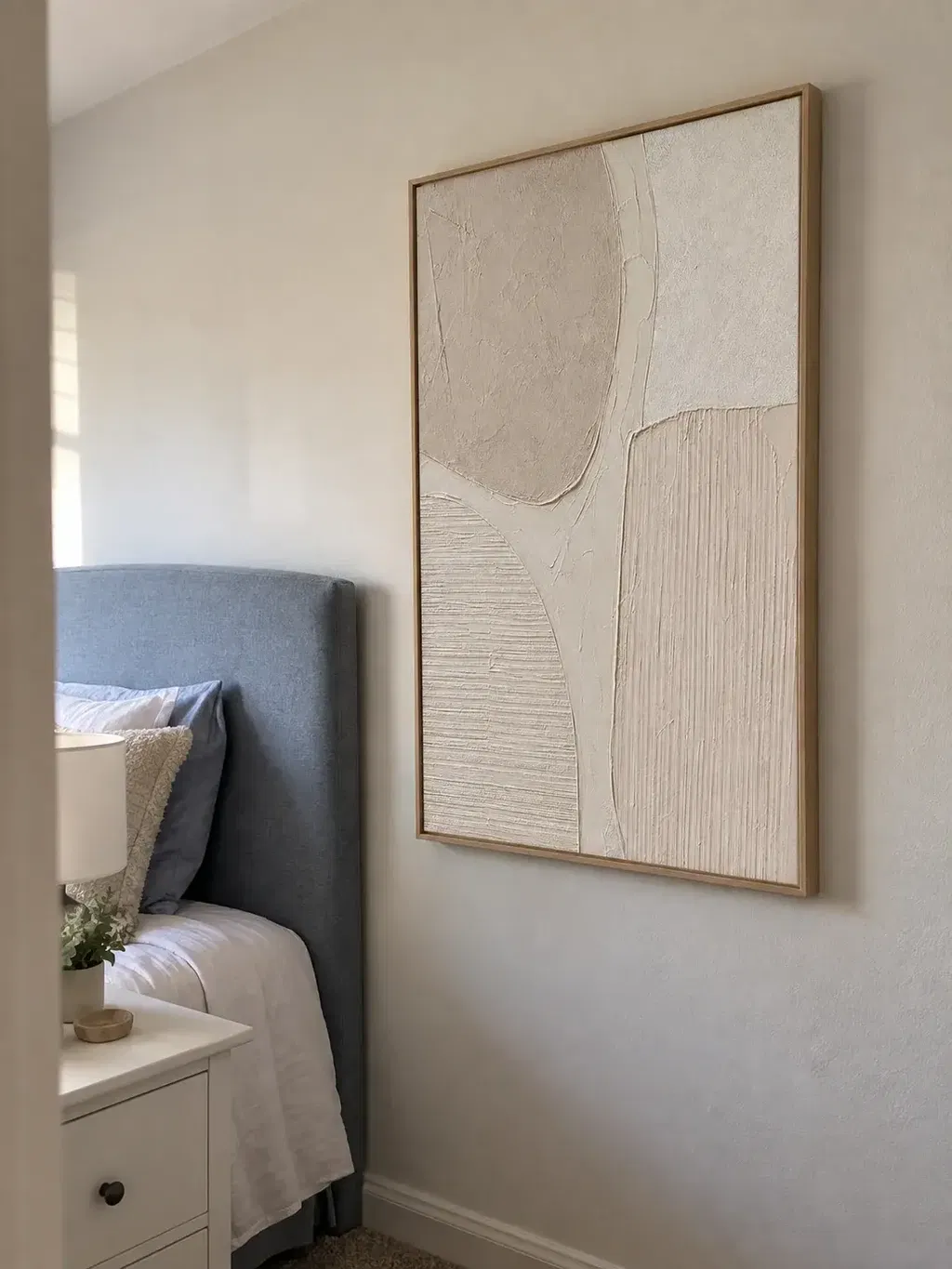
- Why: Acrylics integrate subtly with minimalist spaces. Their matte finish prevents glare in rooms with floor-to-ceiling windows. The rapid drying time satisfies the "ecommerce predictability" requirement.
- Risk: Support Induced Discoloration (SID). If applying thick transparent layers on cotton canvas, impurities can be drawn out, causing yellowing.
Scenario B: The Legacy Collector (The "Museum Look")
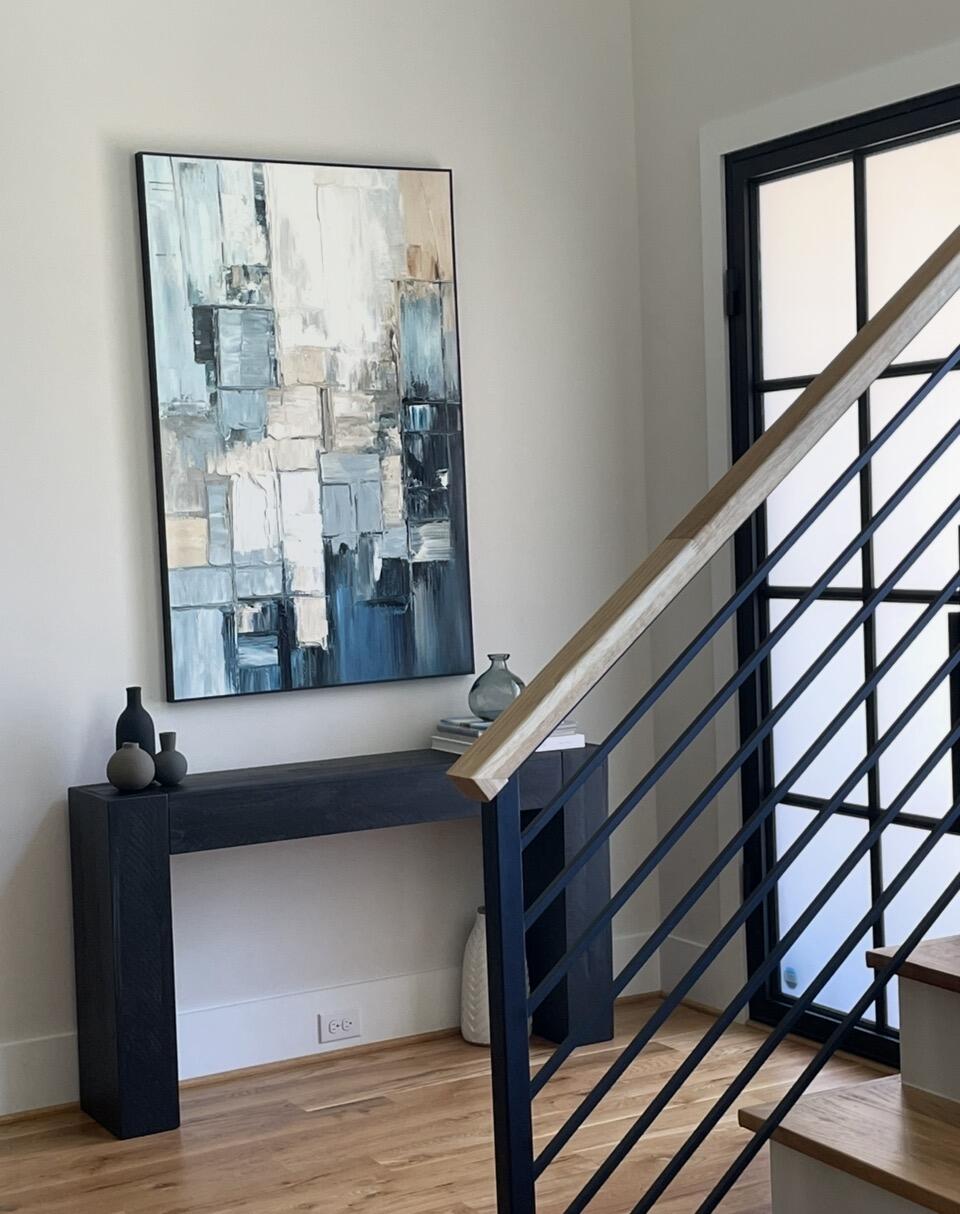
- User Goal: Creating a focal point that "anchors" a large foyer or dining hall.
- Medium Choice: Oil.
- Why: The visual weight of oil paint—the heavy impasto and the "warm glow" under directional lighting—provides a level of prestige that acrylic struggles to match.
- Risk: Weight and maintenance. Oil paintings require more substantial mounting systems and stable humidity to prevent cracking over decades (Heritage Preservation Atelier).

The Hidden Mechanics of the Artist’s Hand
Why do hand-painted works feel "different" than high-definition prints? It is a matter of neural control. Stockton University research reveals that top painters possess a robust "bottom-up" neural control that suppresses perceptual constancy illusions. When you buy a hand-painted piece, you are consuming the biochemical crystallization of apex human visual attention.
This human element is why 87% of consumers agree that artists should receive fair compensation, even as AI enters the market (Wharton School). Supporting real artists isn't just an aesthetic choice; it's an ethical one that aligns with the growing demand for artisan craftsmanship—a search term that rose 21% recently (PA Realtors).
Preservation and Longevity
Regardless of the medium, longevity is a primary concern. The Tate Modern Paints Project confirmed that while acrylics have strong anti-aging properties, they are not solvent-resistant. A gentle wipe with a water-based cotton swab is often enough to remove surfactants that cause "haziness."
For oil paintings, the threat is often internal. "Support Induced Discoloration" or the fading of specific pigments like Prussian Blue (which fades at the same rate in oil and acrylic, contrary to popular belief) requires professional consultation (National Gallery).
Summary of Medium Selection Criteria
- Desired Visual Impact: Use oil for high-contrast focal points; acrylic for subtle spatial integration.
- Environmental Context: Use acrylic for high-humidity or variable-light areas; oil for climate-controlled "gallery" rooms.
- Project Timeline: Use acrylic if shipping is required in <14 days; oil if you can wait for the 4-week curing "gold standard."
- Safety Requirements: Use water-based acrylics for nurseries and healthcare environments to ensure LEED compliance and minimize heavy metal exposure.
Disclaimer: This article is for informational purposes only and does not constitute professional medical, safety, or financial advice. Art materials can contain hazardous substances; always consult manufacturer Safety Data Sheets (SDS) and follow local environmental regulations for disposal. For structural installations of large-scale art, consult a qualified interior designer or structural engineer.
Sources
- The Art Basel and UBS Art Market Report 2024
- WHO Scoping Review on Arts and Health
- Columbia University: Human-Made vs. AI Art Study
- CDC NIOSH: Paint and Coating Hazards
- Royal Society: Quantifying the link between art and property prices
- Tate: The Tate AXA Art Modern Paints Project
- EPA: Indoor Air Quality and Low-VOC Paints