The Evolution of the Art Market: From Vanity to Verifiable Value
The global art market is undergoing a structural realignment. For decades, the high-end auction sector—defined by vanity purchases and eight-figure price tags—dominated the narrative. However, recent data from Marketplace reveals a sharp correction: sales of works over $10 million plummeted 44% year-over-year in 2024. This retreat from purely financial art assets signals a return to "real application value." Modern collectors and interior designers are shifting their focus toward custom, hand-painted works that offer emotional resonance and physical authenticity rather than speculative prestige.
In an era saturated with AI-generated imagery and mass-produced giclée prints, the "artist's hand" has become the ultimate luxury asset. This isn't just a matter of taste; it is a measurable economic preference. Research from Columbia University confirms that consumers value art labeled as "human-created" 62% higher than identical works labeled "AI-generated." Furthermore, University of Chicago empirical research suggests that digital replicas lack an "essential identity" that only a physical canvas, touched by the artist, can retain.
To protect this investment, a new standard of documentation is emerging: Pigment Fingerprinting. By creating a visual and chemical record of an artwork's micro-details, owners can verify authenticity, prevent fraud, and secure the long-term value of their collection.
The Neurological Appeal of the Hand-Painted Surface
Why does a hand-painted mural or canvas feel fundamentally different from a flat print? The answer lies in our neurobiology. A systematic review of 85 records published in PMC shows that passive art viewing consistently activates the medial prefrontal cortex (mPFC) and the amygdala, optimizing emotional regulation circuits.
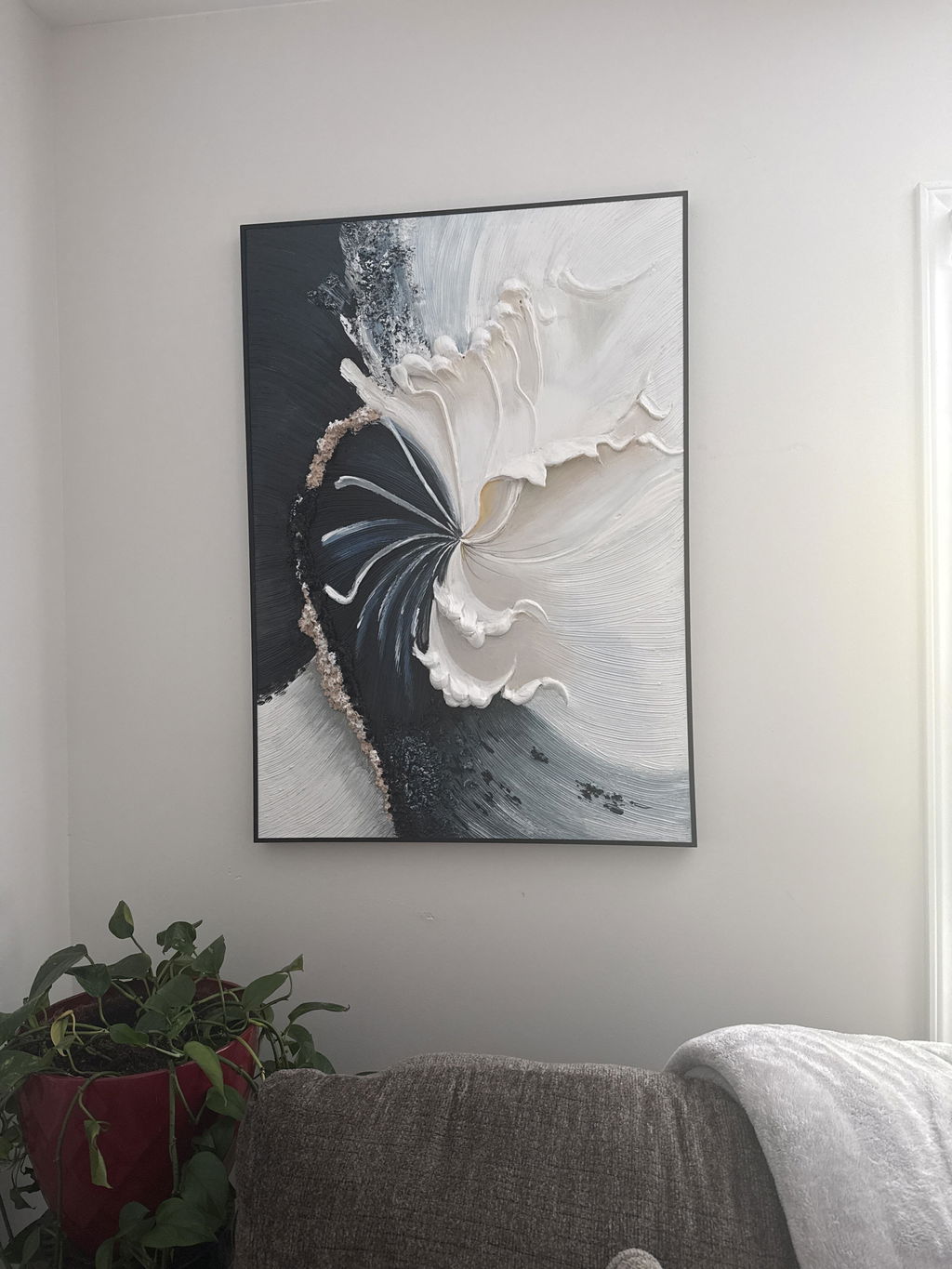
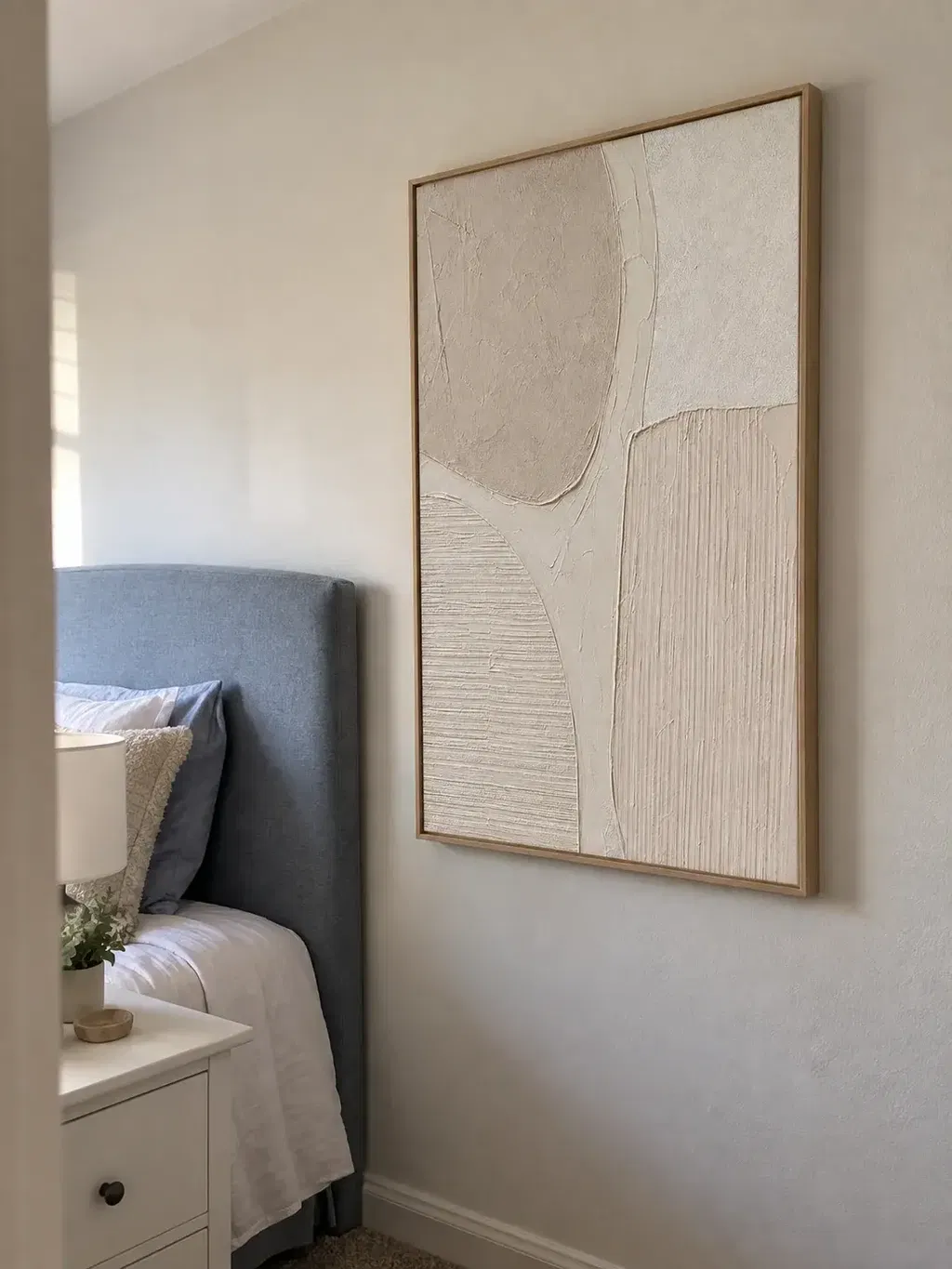
When we view a physical painting, our brains process the three-dimensional "microtopography" of the paint. Optical microprofilometry proves that the millimeter-scale texture of oil and acrylic paintings is crucial to their aesthetic impact. According to research published in MDPI, tactile exploration—even if only visual—reveals data that the eye misses in flat reproductions. This "physical relief" is what stimulates intrinsic motivation and satisfaction in viewers, a phenomenon confirmed by MUNCH Museum tests using 3D replicas.
Logic Summary: Our preference for hand-painted art is rooted in "perceptual constancy." The human brain is hardwired to detect the biochemical crystallization of human attention. When we see a brushstroke, we are seeing the result of robust bottom-up neural control and the suppression of visual illusions, as noted by Stockton University psychology research.
Pigment Fingerprinting: The Forensic Documentation Process
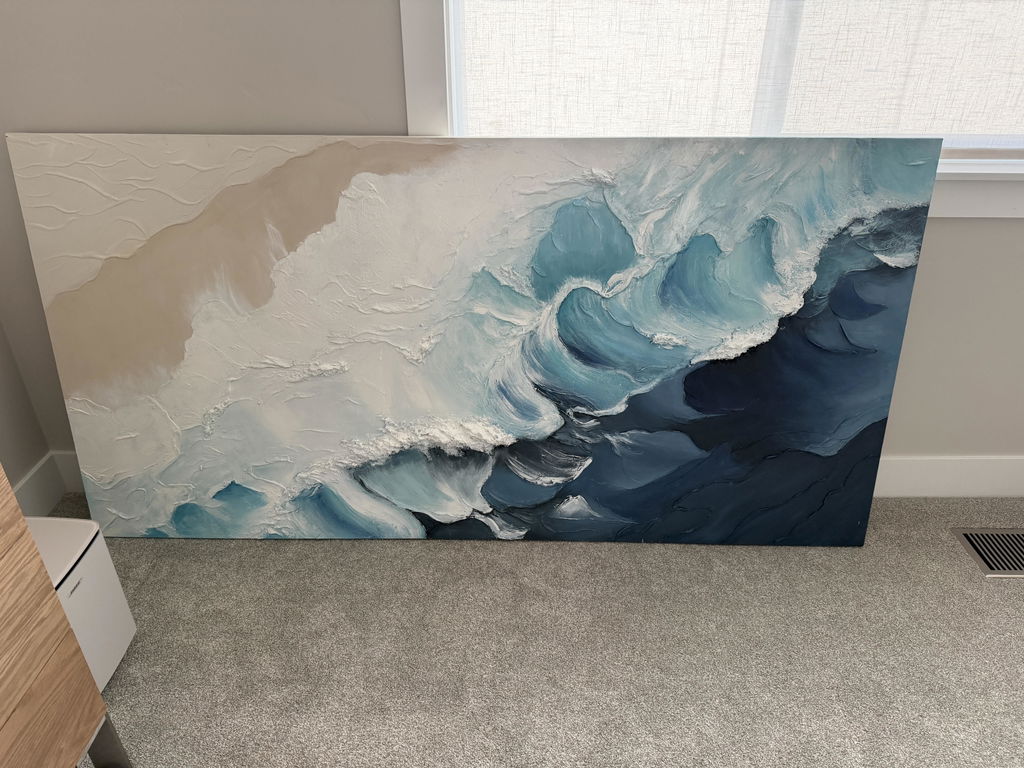
Pigment fingerprinting is the practice of using macro-photography and raking light to document the unique "DNA" of a painting. This record serves as a biometric safeguard against future forgeries or unauthorized replicas.
1. The Power of Raking Light
The most common mistake in documenting art is using a direct flash. This flattens the texture and makes a $5,000 original look like a $50 poster. Experts in art authentication emphasize raking light photography—positioning a single light source at a low angle (15–30 degrees) relative to the canvas. This casts long shadows that reveal the true topography of impasto strokes.
2. Transition Zone Analysis
To create a high-fidelity fingerprint, focus on "transition zones" where two colors meet. In genuine hand-painted works, these areas exhibit physical pigment overlap and unique bristle-drag patterns. These microscopic "collision sites" are impossible for digital printers to replicate, as printers lay down dots in a mechanical grid rather than fluidly blending viscous media.
3. Macro-Fingerprinting
A reliable rule of thumb is to capture at least one macro shot (10x magnification) of the artist's signature and one of a high-texture area in the center of the work. This creates a "biometric" record of the work's physical DNA.

The Chemistry of Authenticity: Pigment and Binder Signatures
Beyond the visual surface, the chemical composition of the paint provides an inescapable trail of provenance. Modern labs use tools like Pyrolysis-Gas Chromatography-Mass Spectrometry (Py-GC-MS) to identify the molecular skeletons of synthetic paints, according to the National Academies.
The Evolution of White: From Lead to Titanium
Historically, Lead White was the standard, but it is now strictly regulated. According to REACH Annex XVII, mixtures with lead carbonate exceeding 0.1% are largely prohibited in the EU. Today, Titanium Dioxide dominates 90% of the global white pigment market due to its chemical inertness and extreme hiding power, as documented by NCBI. Identifying the specific white pigment used can instantly date a work or confirm its compliance with modern safety standards.
The Lightfastness Standard
A common concern for collectors is fading. Lightfastness is measured using ASTM D4303 protocols. These tests use xenon-arc radiation to simulate years of indoor light exposure. However, ArtisCreation's database warns that because binder formulas vary by brand, the star ratings on paint tubes are often watered-down averages. True pigment fingerprinting includes a record of the specific pigments (e.g., PY150 or PB29) to predict how the work will age.
Modeling Note: The Pigment Fingerprinting Framework
This model describes the parameters required for a professional-grade authenticity record.
| Parameter | Value/Range | Unit | Rationale/Source |
|---|---|---|---|
| Lighting Angle | 15–30 | Degrees | Artistic Conservation Standards |
| Magnification | 10x–50x | Macro | Forensic imaging baseline |
| Color Difference | < 1.0 | Delta E | CIE 1976 Lab* aging threshold |
| Pigment Load | 40–70 | % | Standard for artist-grade media |
| VOC Limit | < 50 | g/L | EPA Indoor Air Quality Guide |
Methodology Note: This framework is a heuristic designed for collectors to standardize their records. It assumes a controlled indoor environment and the use of a DSLR or high-end mirrorless camera with a dedicated macro lens.
Health, Safety, and the "Green" Mural
For homeowners and commercial designers, the "authenticity" of a painting also includes its impact on the environment. The EPA warns that indoor air pollution is often deadlier than outdoor pollution. Hand-painted murals must meet strict Indoor Air Quality (IAQ) standards to be suitable for healthcare or residential settings.
VOCs and Curing
Acrylic paints are generally preferred for indoor murals because they emit significantly lower toxic Volatile Organic Compounds (VOCs) than oil-based alternatives. Aalto University research published in PubMed shows that VOC emissions plummet during the curing process, making them safe for "maternal and infant" environments shortly after application.
The Heavy Metal Warning
Collectors should be aware of the "toxic palette." The International Agency for Research on Cancer (IARC) classifies cadmium compounds as Group 1 carcinogens. While ECHA data shows that artist paints contribute a negligible amount to environmental cadmium compared to fertilizers, the health risk of inhaling powdered pigments remains high. CDC NIOSH reports indicate that chronic inhalation of certain metal-containing pigments can lead to central nervous system neuropathy.

Economic Impact: Art as a Property Catalyst
Investing in hand-painted art isn't just about aesthetics; it’s a proven strategy for real estate appreciation. The Royal Society's CAR model analysis of 10-year data found that neighborhoods with higher "art" geo-tags had greater relative house price ranking gains (Royal Society).
In the commercial sector, the impact is even more pronounced. NAIOP insights disclose that top developers use unique public art installations as "marketing trump cards" to lease up office space in a post-pandemic market.
Case Study: The Mural Dividend
- Chicago Millennium Park: Public art projects drove $1.4 billion in real estate-related growth (NC Realtors).
- Retail Foot Traffic: University of Cincinnati regression analysis of 300+ murals shows a direct correlation with increased pedestrian traffic.
- Public Safety: The "Busy Streets Theory" from UMich suggests that community murals can reduce neighborhood violent crime by up to 40%.
The Social Fabric: Supporting the Human Artist
Beyond property values, the choice to commission hand-painted art supports a vulnerable creative economy. A 2024 NYC Comptroller report warned that the freelance workforce at the bottom of the creative industry remains financially fragile.
By prioritizing "fair trade" art—where painters receive a significant share of the profit—collectors align their purchases with ethical standards. This is particularly relevant given that Wharton School surveys show 87% of consumers believe artists should be fairly compensated if their style is used by AI. Supporting female artists is also a key metric; while galleries with more women performers often do better commercially, women still face a severe gender pay gap (NMWA).
Practical Guide: Creating Your Authenticity Record
If you are commissioning a work or purchasing an original on-demand, follow this checklist to create your pigment fingerprint.
Step 1: Capture the "DNA"
Use a tripod and a macro lens. Set your lighting at a 20-degree angle to the side. Take three photos:
- The Signature: A 1:1 macro shot.
- The "Collision Zone": A high-contrast area where two thick layers of paint meet.
- The Substrate: A shot of the canvas edge showing the Support Induced Discoloration (SID) potential or the binder-to-pigment ratio.
Step 2: Request the Material Log
Ask the artist or studio for a list of the pigments used. Authentic works should utilize high-quality binders that resist the "haziness" caused by PEG-type surfactant migration, a common issue in lower-grade acrylics identified by Tate research.
Step 3: Digital Provenance
In 2025, the C2PA digital provenance standard allows you to attach "Content Credentials" to your documentation. This ensures that your pigment fingerprint remains interoperable and verifiable across different labs and insurance providers (C2PA Standard).

Future-Proofing Your Collection
The transition from mass-market prints to hand-painted originals is more than a trend; it is a flight to quality. As the European Crafts Alliance notes, the fusion of avant-garde design with authentic handcrafting is the ultimate luxury of the coming decade.
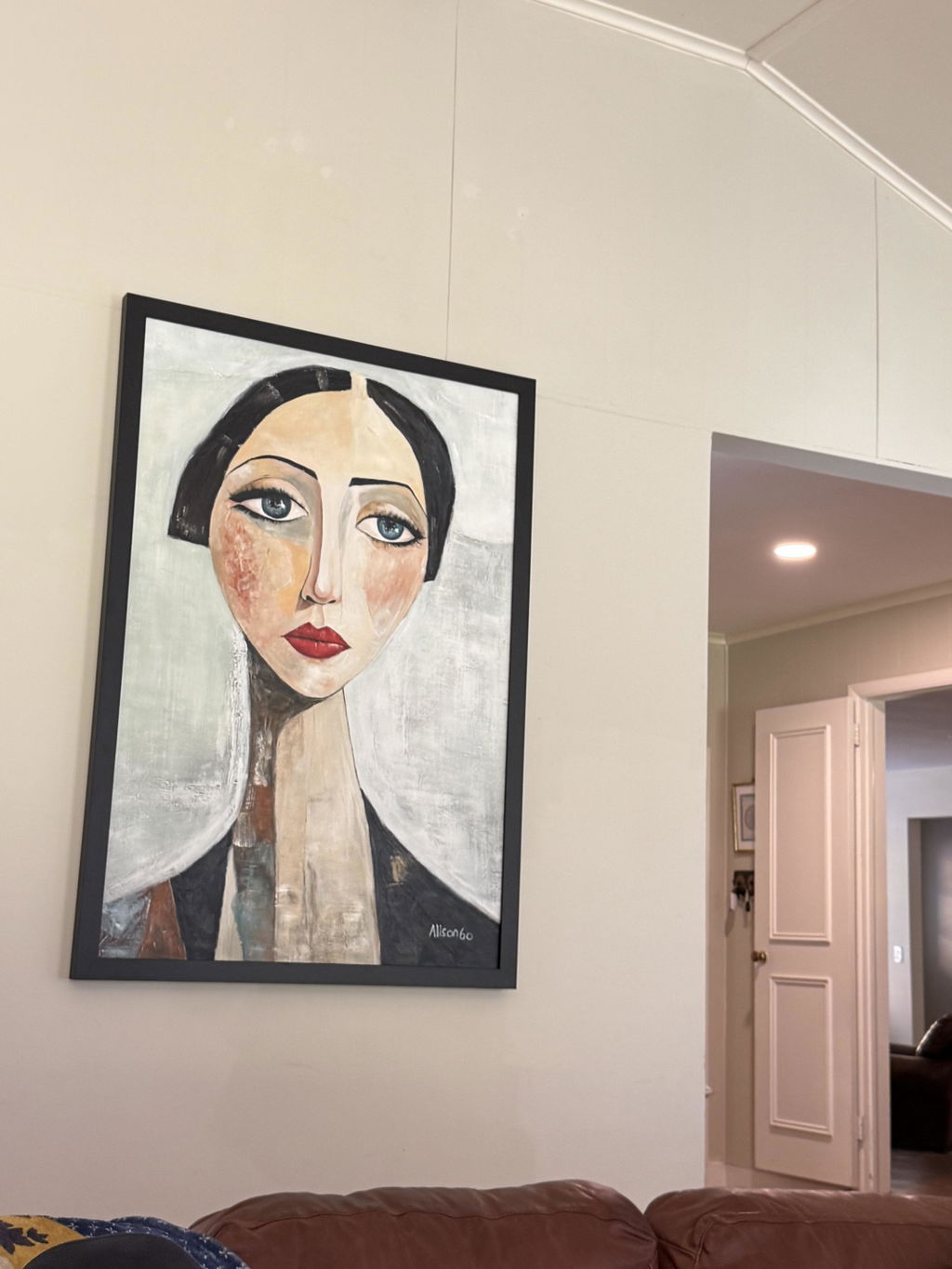
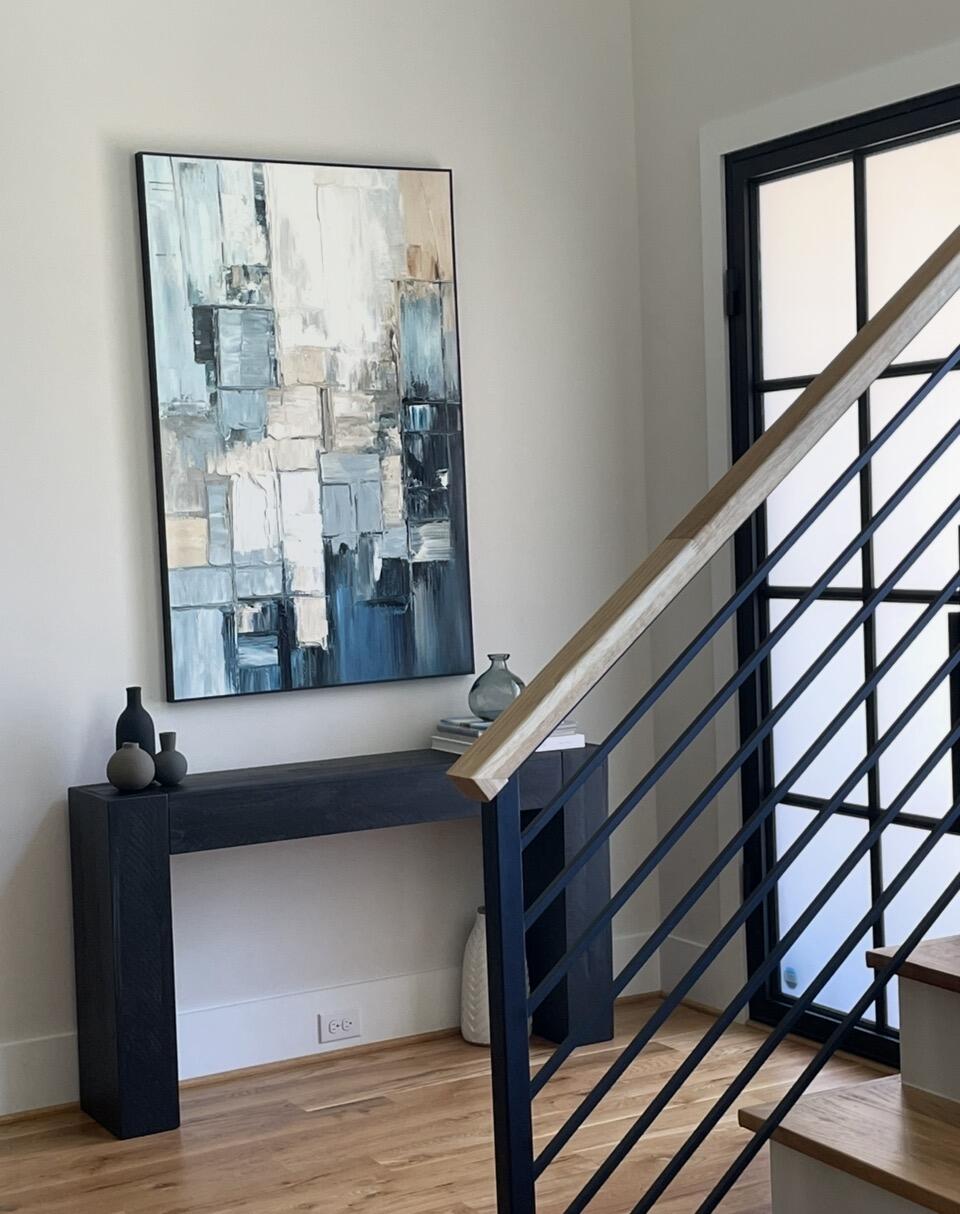
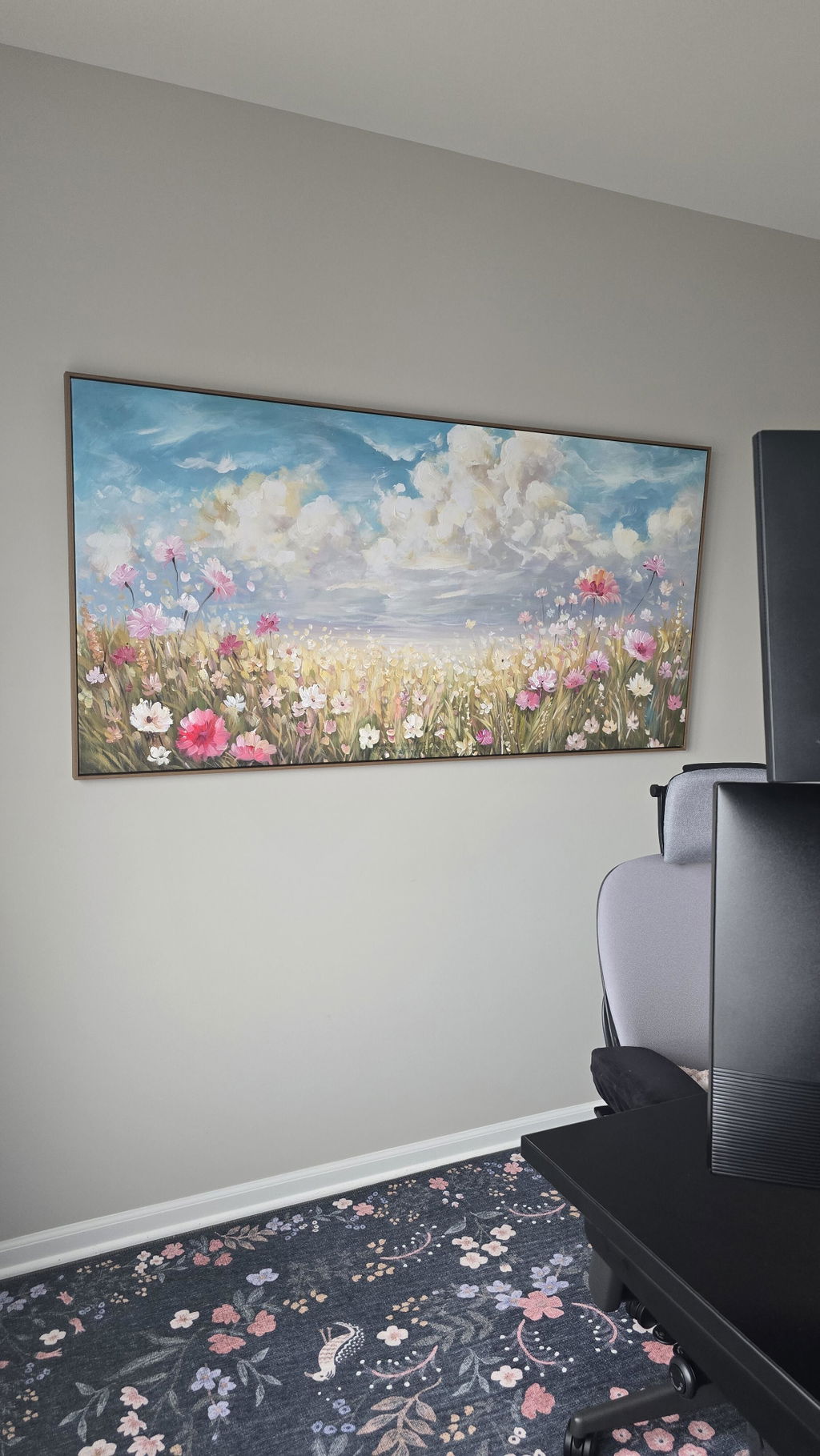
By implementing pigment fingerprinting, you are not just buying decor; you are investing in a cultural heritage asset. Whether it is a biophilic nature mural designed to reduce stress in a home office or a surrealist centerpiece for a living room, the physical record of the artist's hand is what secures its value in a digital world.
YMYL Disclaimer: This article is for informational purposes only and does not constitute professional legal, financial, or medical advice. Art materials can contain toxic substances; always handle pigments in well-ventilated areas and consult a certified industrial hygienist for studio safety protocols.
Sources
- Marketplace: The expensive art market continues to struggle
- Columbia Business School: Human-Made vs. AI Art Study
- WHO: Scoping Review on Arts and Health
- Royal Society: Quantifying the link between art and property prices
- Tate: Modern Paints Project Summary
- EPA: Indoor Air Quality and Low-VOC Paints
- C2PA: Digital Provenance Standards