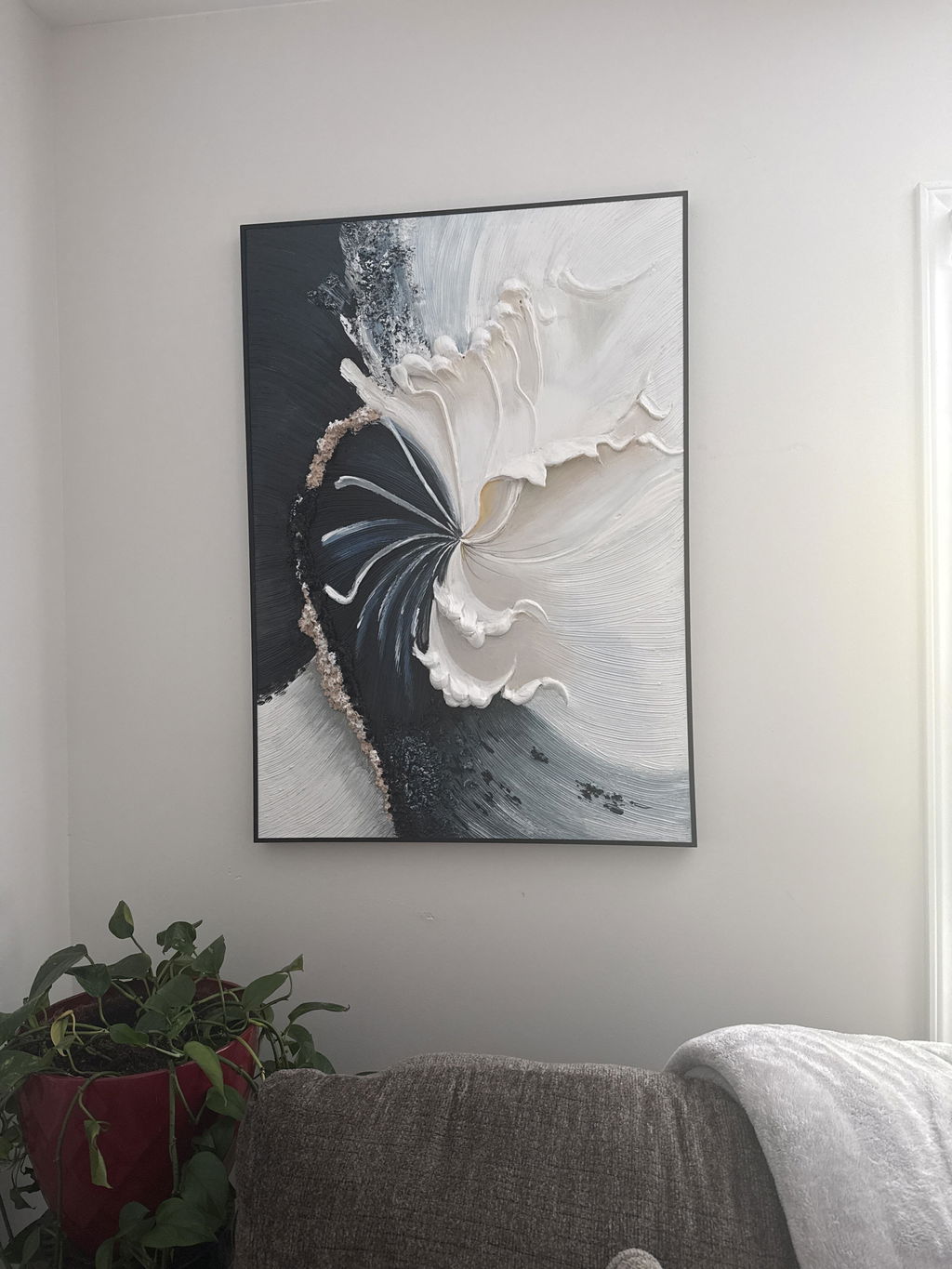
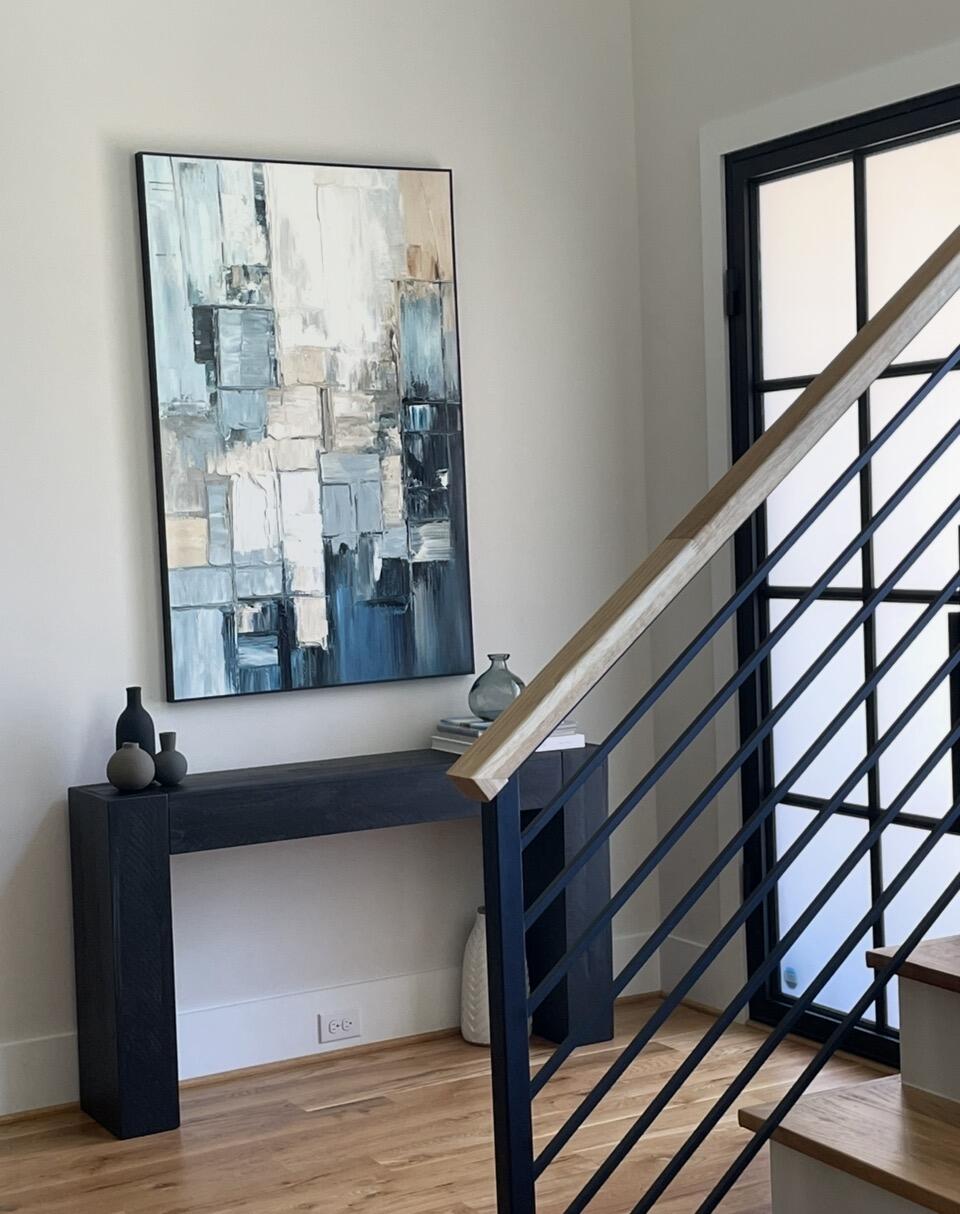
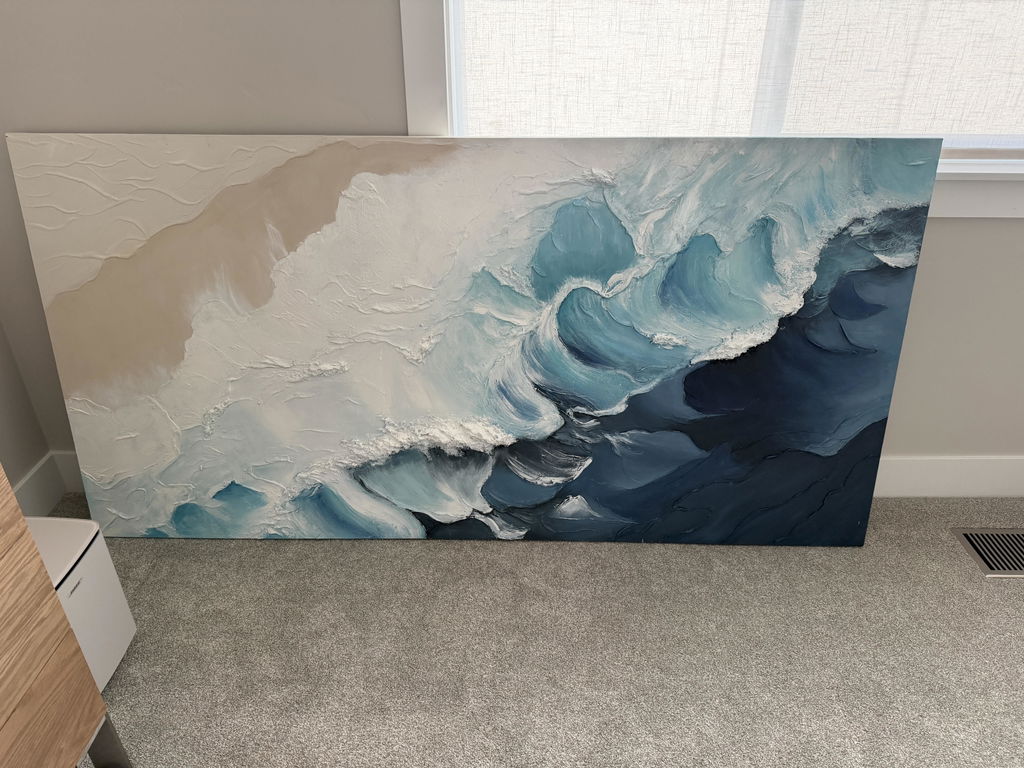
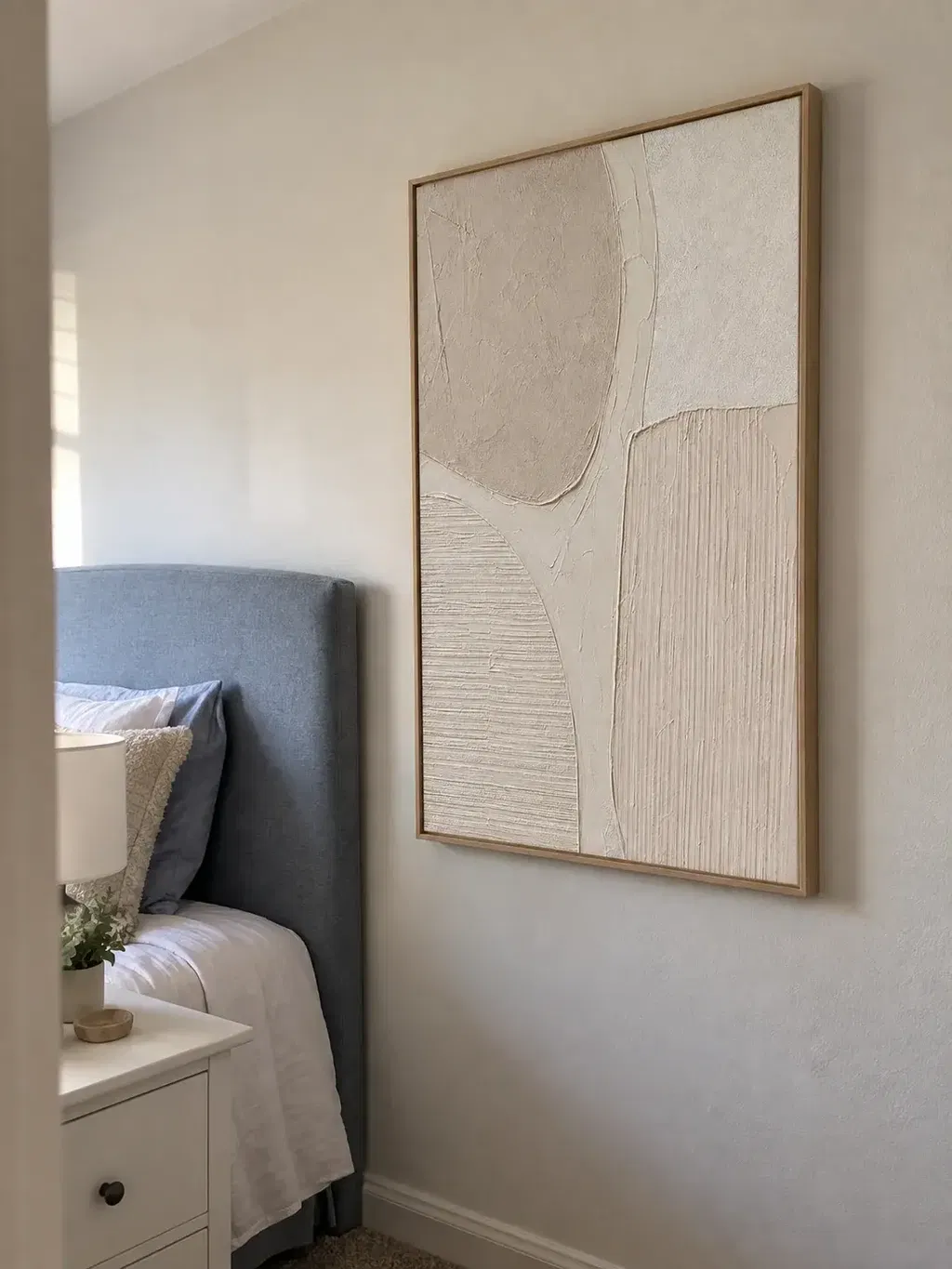
An artist signature on original textured art is a helpful trust signal, but it isn't proof on its own. It typically points to authorship or direct involvement, especially when the listing, photos, and records all align. With heavily textured work, a signature is most valuable as one part of a broader paper trail and a close visual inspection.
What a Signature Usually Signals
A signature generally indicates that the creator is claiming, approving, or identifying the work. On signed original textured artwork, this can increase your confidence that the named artist was involved, but it doesn't necessarily clarify how the piece was produced or the extent of the artist's hands-on work. A good rule of thumb: use the signature to support the story, but don't let it be the whole story.
Authorship vs. Participation
A signature can denote authorship, but it might also signify participation, approval, or a final sign-off. This distinction is especially important in studio settings, where one person may design the piece while others assist with the execution. If the listing doesn't clarify the workflow, don't assume the signature is proof of solo execution.
The safest approach is to ask whether the signature aligns with the stated making process. If the listing claims the work is fully artist-made, the signature should reflect that. If it describes a studio-made piece, the same mark may simply signal brand identity or approval rather than exclusive hand-execution.

Where the Signature Usually Appears
Signatures can appear on the front, back, stretcher, a label, or a certificate—and these placements carry different weights. A front-facing mark is easy to inspect, while a signature on the verso (back) or a label depends on the seller providing clear images of the back. In the art world, signing on the verso is a common way to keep the front of a piece visually clean.
For textured work, placement is critical. Thick paint can cause a front signature to blend into the surface, while a back mark might be easier to verify if the seller provides high-quality photos. A small monogram on the front can also coexist with detailed documentation on the back, so don't dismiss a minimal front mark as a weak signal.
What Buyers Can Safely Infer
The safest inference is modest: a signature may support accountability and stated authorship, especially when it matches the title, medium, and maker named in the listing. While useful, it isn't a guarantee of rarity, uniqueness, or investment value. If the listing details are thin, view the signature as a "supporting clue" rather than a final verdict.
When comparing listings, treat the signature as one piece of evidence. The clearer the listing language and documentation, the more weight that signature carries. If the page is vague, don't let the signature do the heavy lifting.
Why Signatures Are Limited Evidence
A signature is helpful, but it doesn't answer every buyer’s question. It can be copied, added later, or disconnected from the actual production. As Christie's notes, back-side records and labels often carry more weight in terms of provenance, especially when they include dates, inventory numbers, gallery stickers, or other details that tie the piece to a verifiable history.
Signature Marks Can Be Imitated
A signature is only as reliable as its context. If the style, placement, or medium looks inconsistent with the rest of the work, slow down and investigate further. A copied mark can look convincing in a photo, especially when you can't compare it against the rest of the surface or previously documented examples.
Texture Can Hide Important Details
Heavy impasto or layered texture can obscure a signature, edge treatments, or other surface clues. While this doesn't automatically make a piece suspicious, it makes inspection more difficult. The back of a painting can reveal condition, labels, and handling history that the front doesn't, which is why texture can hide inspection clues; always ask for extra photos if the surface is thick.
A blurred signature on a textured piece might be legitimate, but you can't judge it well from a single front-facing image. Request close-ups, a side angle, and a photo of the back before relying on the signature as proof.

Documentation Carries More Weight
Documentation is essential when a listing is vague or the surface is hard to inspect. A clear invoice, maker’s note, inventory sticker, title card, or certificate can connect the artist to the specific piece, its title, size, and production story. This type of evidence is often more valuable than a signature alone because it ties the object to a record.
However, documents only help if they match the exact work in your cart. Generic paperwork or vague artist statements shouldn't significantly increase your confidence. Look for details that match across the front, the back, and the listing.
Studio Pieces vs. Named-Artist Originals
Many buyers over-rely on the signature. A studio-produced textured piece and a fully artist-made original can both be signed, but the signature’s meaning differs. When comparing original art, the real question isn't "Is it signed?" but "What does the signature represent in this workflow?"
| Buyer Check | Studio-Produced Textured Piece | Named-Artist Original |
|---|---|---|
| Maker Identity | May name one artist while using a studio process | Usually points directly to the primary maker |
| Signature Meaning | Can reflect branding, approval, or sign-off | More likely to support direct artist involvement |
| Documentation | Should explain the workflow clearly | Should match the specific work and title |
| Buyer Confidence | Depends on listing transparency | Rises when paperwork and photos match |
| Best For | Buyers focused on style | Buyers seeking a clear maker connection |
A studio piece isn't necessarily a bad purchase, but it requires transparency. If a listing names an artist but avoids describing the process, the signature becomes less informative. If the process is clearly spelled out and the records align, your confidence should increase.
Buyer Checks Before You Trust the Signature
Verify the signature in the correct order: start with the listing, then the photos, then the records. For buyers examining brushwork clues, this sequence is more revealing than staring at the signature alone.
- Read the listing for the maker, medium, and process.
- Determine if the work is fully original, studio-produced, or part of a series.
- Look for close-up images of the signature, edges, and texture.
- Ask for a photo of the back if the signature is on the verso or obscured.
- Compare any certificate, invoice, or label to the artwork’s title and size.
- If the page is vague, ask the seller exactly what the signature signifies.
Consistency is key. If the front mark, back records, and listing tell the same story, the signature is a reliable confidence marker. If they don't, stop treating the signature as your primary proof.
Additionally, check the impasto texture. It should look intentional, not merely decorative, and the surface should still allow you to inspect key details. If the texture is so heavy it hides these details, ask for more angles before buying.
What to Ask Before Checkout
Before adding a signed textured piece to your cart, ask:
- Did the named artist apply the signature?
- What does the signature indicate in this specific workflow?
- What documentation is included with this exact piece?
- Can you provide a close-up of the signature, edges, and back label?
If the answers are clear and the records match, the signature supports the purchase. If they are vague, it’s safer to investigate further before paying. If you’re looking for large wall art, apply the same rule: compare the photos and records first, then let the signature confirm the piece rather than decide for you.
FAQs
What does an artist signature signal on textured originals?
It usually signals authorship, approval, or direct involvement, but not definitive authenticity or value. The more the listing, back records, and photos align, the more useful the signature becomes.
Can a signature prove a textured painting is original?
No, not by itself. A signature supports the claim, but originality is confirmed through matching photos, a clear description of the maker, and records identifying the specific work.
Why do studio-produced textured pieces get signed?
The signature often functions as branding, approval, or maker identification. Always ask the seller what the signature represents in their specific workflow.
How much should documentation change my confidence?
Significantly, provided it matches the exact artwork. Labels, invoices, and certificates connect the piece to a specific record. If the paperwork is generic or reused, maintain a healthy level of skepticism.
Can a signature increase value without proving authenticity?
Yes, it can increase perceived desirability, but that is not the same as proving authenticity. Value depends on clarity of authorship, condition, documentation, and market demand. A signature is most valuable when it fits into a consistent paper trail.