Executive Summary
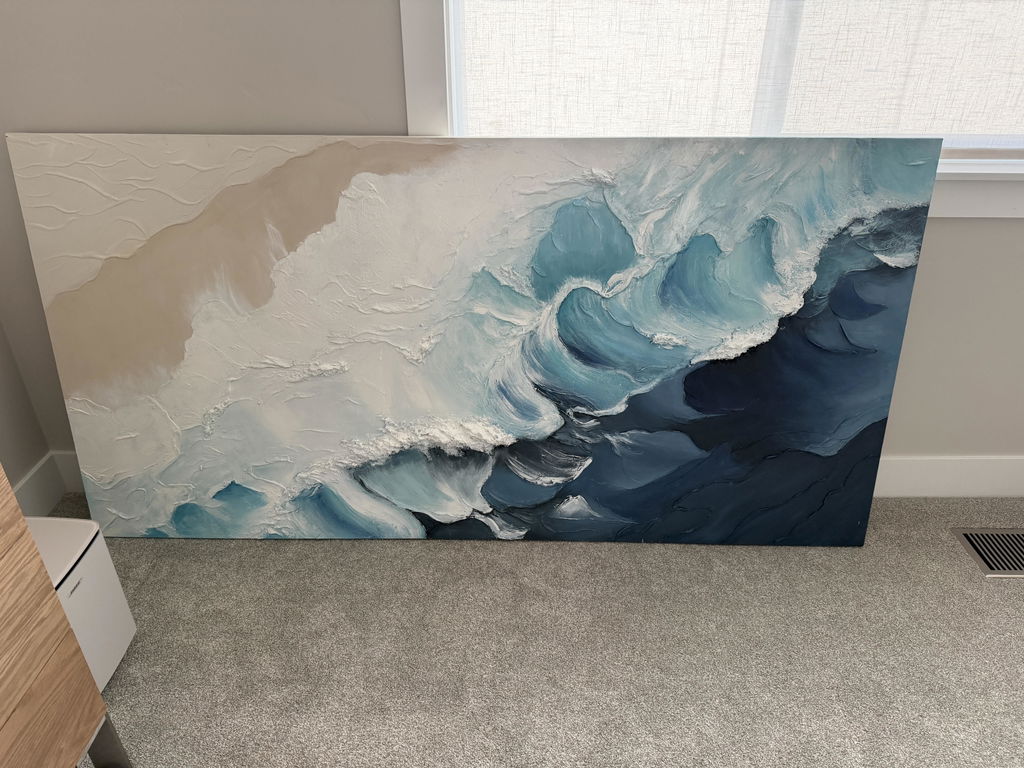
Impasto painting is a technique in which paint is applied thickly enough that brushstrokes or palette-knife marks remain visible as real surface relief. That height changes how a work reads in person, and it can flatten in a photo. The sections below cover the history, the main methods, how to verify texture, how it affects interiors, and the care it needs.
Historical Context and Evolution
Impasto is not tied to one school or one century. It appears across art history wherever painters wanted the paint surface to do more than carry color. Britannica’s impasto entry places its strongest early use in the 17th century, especially in Baroque painting, where artists such as Rembrandt, Frans Hals, and Diego Velázquez used thick paint to intensify texture and light.
That history is useful because it shows that impasto is not only a modern decorative effect. It has long been tied to emphasis and visibility. In earlier periods, artists used it selectively, often in the brightest or most tactile passages of a composition. In later art, thick paint became more expressive and more openly physical. Tate’s impasto glossary entry describes an early appearance in Venetian Renaissance painting and a later Modernist turn toward material presence, which helps explain why impasto can feel both classical and contemporary at the same time.
The modern shift matters for interpretation. As painting moved toward stronger emphasis on process, gesture, and material objecthood, the surface became part of the message. In that context, a thick ridge of paint was not just a way to catch light. It was also a visible record of touch, speed, and decision. The National Galleries of Scotland glossary captures that modernist extension by noting how some artists pushed impasto to sculptural extremes.
For readers comparing artwork today, this history helps avoid two common mistakes. First, it prevents the assumption that all thick paint belongs to one period or one style. Second, it reminds you that texture alone does not equal quality or authenticity. A surface can be expressive, decorative, damaged, or imitated. History gives context, but it does not replace inspection.
Early Uses of Thick Paint
Early thick-paint passages were often selective rather than dominant. Painters used them to lift highlights, sharpen contrast, or give weight to details that needed to read at a distance. In practical terms, the technique made certain passages stand out without changing the entire painting into a textured surface.
Nineteenth-Century Expressive Painting
By the 19th century, visible brushwork became more intentional in many traditions. Thick paint could carry energy, speed, and atmosphere, especially where artists wanted the viewer to notice the act of painting itself. The surface became less hidden and more expressive.
Modern and Contemporary Impasto
Modern and contemporary artists often use impasto as a material statement. The texture can be bold, uneven, or almost sculptural, which makes it especially legible under directional light. That is one reason impasto reads strongly in both museum settings and residential interiors.
Why History Matters for Identification
History helps you ask better questions. If a work claims a certain medium or period, the surface should fit that story. Thick paint on its own does not prove age, originality, or artistic value, but it does help you judge whether the surface behavior matches the work’s stated identity.
Core Techniques and Tools
Impasto is made by loading paint thickly enough that the surface keeps the mark of the tool. Brushes can leave ridges, directional strokes, and broken edges. Palette knives can create broader, sharper build-up with more visible planes. Mediums can change flow and drying behavior, but the central decision is always the same: how much height the artist wants the paint film to hold.
For comparison, glazing and scumbling do different jobs. Glazing uses transparent layers to build optical depth, not physical height. Scumbling applies a thinner, broken, often dry or semi-dry layer that skims the surface and lets darker paint show through. Thin layered painting keeps the surface relatively flat. Those methods can all appear in the same artwork, but they produce different visual and tactile results.
| Method | Surface Build | Light Behavior | Typical Visual Effect | Source(s) |
|---|---|---|---|---|
| Impasto | High physical relief; visible peaks and ridges | Casts real shadows on raised areas and changes with viewing angle | Textured, tactile, sculptural, often most visible in highlights | MoMA glossary; museum glossary; conservation/technical sources |
| Glazing | Low physical build; transparent layers | Light passes through and bounces back from lower layers, creating optical depth | Luminous, saturated, smooth, and layered | Conservation/technical sources; editorial background context |
| Scumbling | Low to moderate build; broken opaque or semi-opaque application | Catches only the high points and leaves lower layers visible | Lively, broken, misty, or softened surface effects | Editorial background context; conservation/technical sources |
| Thin layered painting | Minimal build | Mostly even reflection with little surface shadow | Smooth, controlled, flatter appearance | Museum glossary; conservation/technical sources |
In practical terms, impasto answers the question “how high is the paint?” Glazing answers “how deep does the color read?” Scumbling answers “how broken or airy does the upper layer feel?” That is why these methods are not interchangeable. A designer looking for surface presence should not rely on glazing alone, and a collector looking for authentic physical texture should not mistake a luminous glaze for impasto.
Brush and knife choice also changes the reading of the work. A knife often creates more abrupt edges and thicker relief. A brush can make the surface feel more directional, more varied, and sometimes more intimate. If you are comparing artwork online, palette knife and brush texture is a useful follow-up concept because those tools leave different surface signatures even when both are used in thick paint.
Brush Versus Knife
Brushes tend to create directional marks that show motion. Palette knives tend to create broader, flatter, and more faceted deposits of paint. Both can produce impasto, but they do not produce the same surface character.
Paint Thickness and Drying Behavior
Thicker paint dries more slowly and can behave differently as it hardens. That matters because the finish you see on day one is not always the final surface behavior. In thick applications, drying and shrinkage can influence texture over time.
How Impasto Differs From Other Oil Methods
The easiest way to tell impasto from related methods is by asking whether the technique changes the surface topography or mainly changes color and optical layering. If the answer is height and shadow, you are likely looking at impasto. If the answer is depth, translucency, or broken surface color, another method may be doing the main work.
Visual and Tactile Identification Markers
Authentic impasto is best judged by a cluster of cues, not by one dramatic detail. The most reliable signs are physical relief, changing highlights, cast shadows, irregular paint edges, and visible variation in how the surface catches light. A single photo can hide that. A side-angle view can reveal it.
Conservation and technical studies support that approach. A study in Heritage Science shows how thick oil layers develop measurable structure and may also shrink or stress over time, which is one reason the surface can be read physically rather than only visually. A technical paper from IOP Science supports the value of side-view or raking-light inspection for revealing actual topography.
For buyers, the practical takeaway is to look for relief that changes with angle. If the artwork appears uniformly textured from every direction, or if the texture looks printed, gel-like, or mechanically repeated, the surface deserves a closer check. Reproductions can imitate texture, but they often fail to produce the same irregular shadows and height variation that hand-applied paint creates.
Surface Relief and Shadow Behavior
Real impasto throws small shadows on itself. Those shadows shift when you move. If the texture seems to disappear or behave exactly like a flat pattern, that is a caution sign.
Brush, Knife, and Edge Evidence
Tool marks matter because they reveal process. Look for changes in direction, pressure, and thickness. Repeated sameness across a large area may suggest a manufactured surface effect rather than hand-built paint.
Prints, Embellishments, and Look-Alike Texture
Some reproductions add varnish, gel, or raised coating to imitate texture. Those surfaces may look convincing front-on, but they often feel and read differently at the edge. A real impasto surface tends to be less uniform and more materially varied.
Documentation and Purchase Checks
For online buying, ask for side-view photos, close-ups of the thickest passages, and a clear medium description. If the work is being sold as an original, the visual evidence, the listing language, and the surface detail should support one another. If they do not, treat the piece as likely textured rather than fully verified.
Role in Modern Interiors
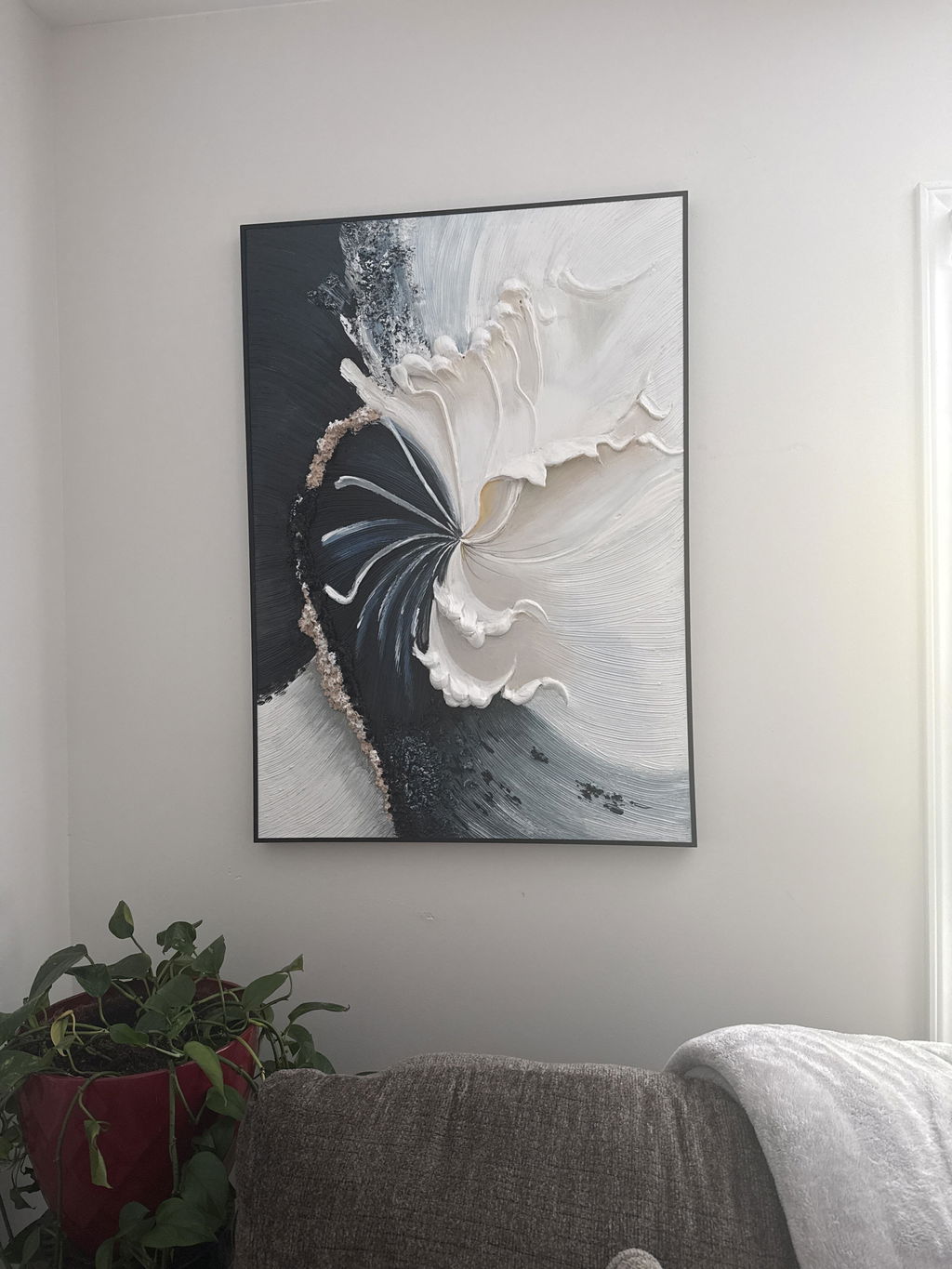
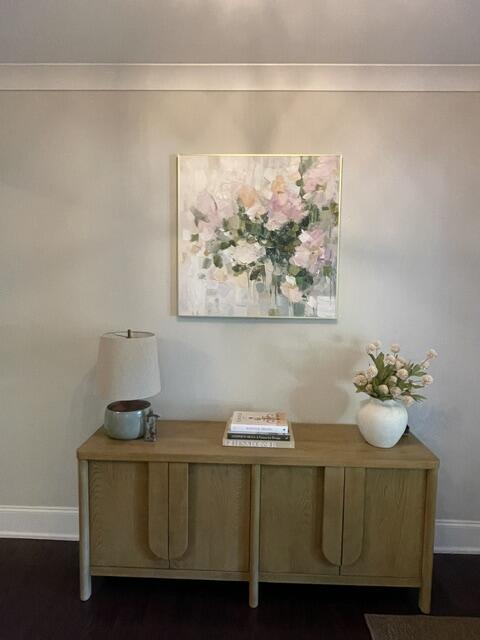
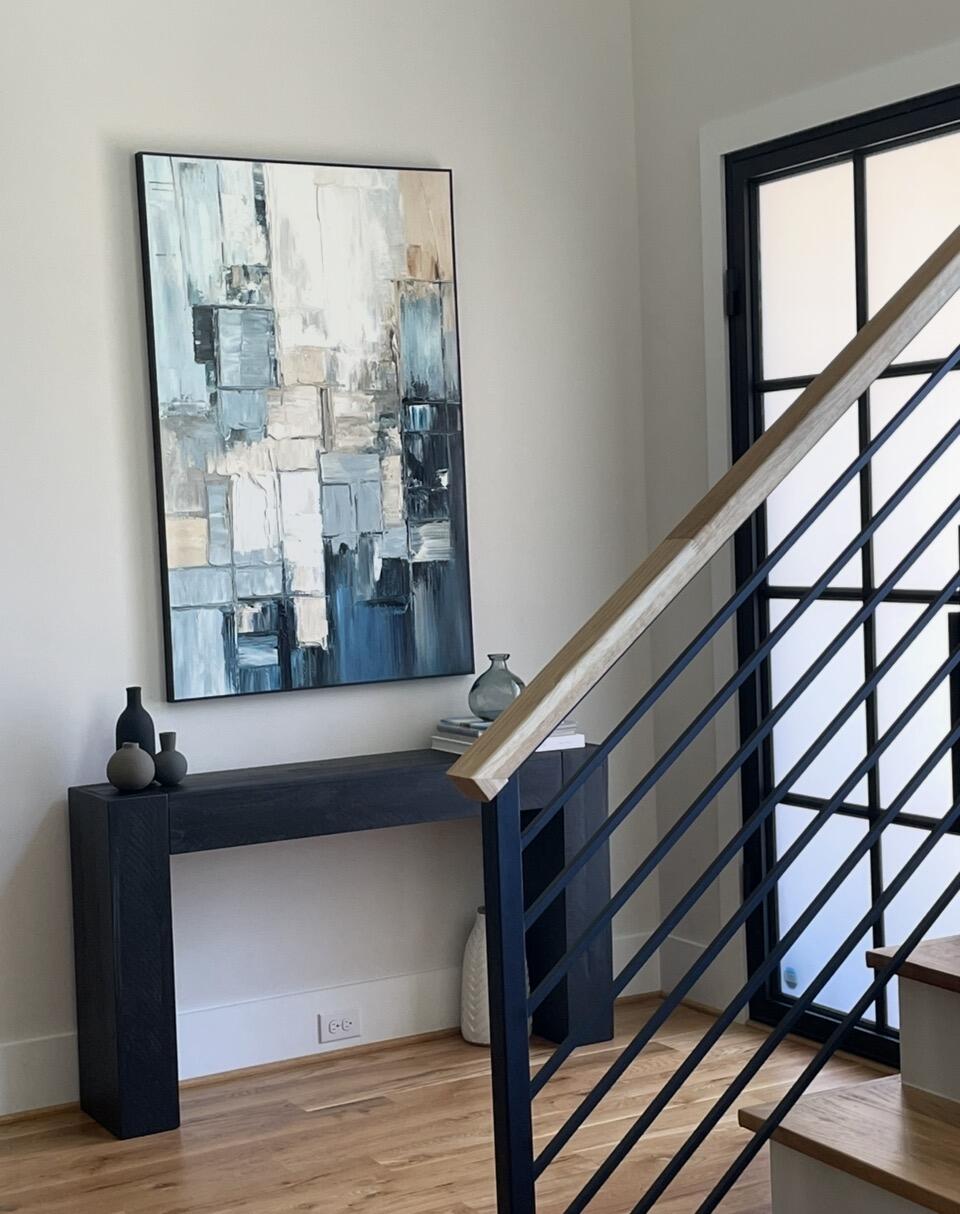
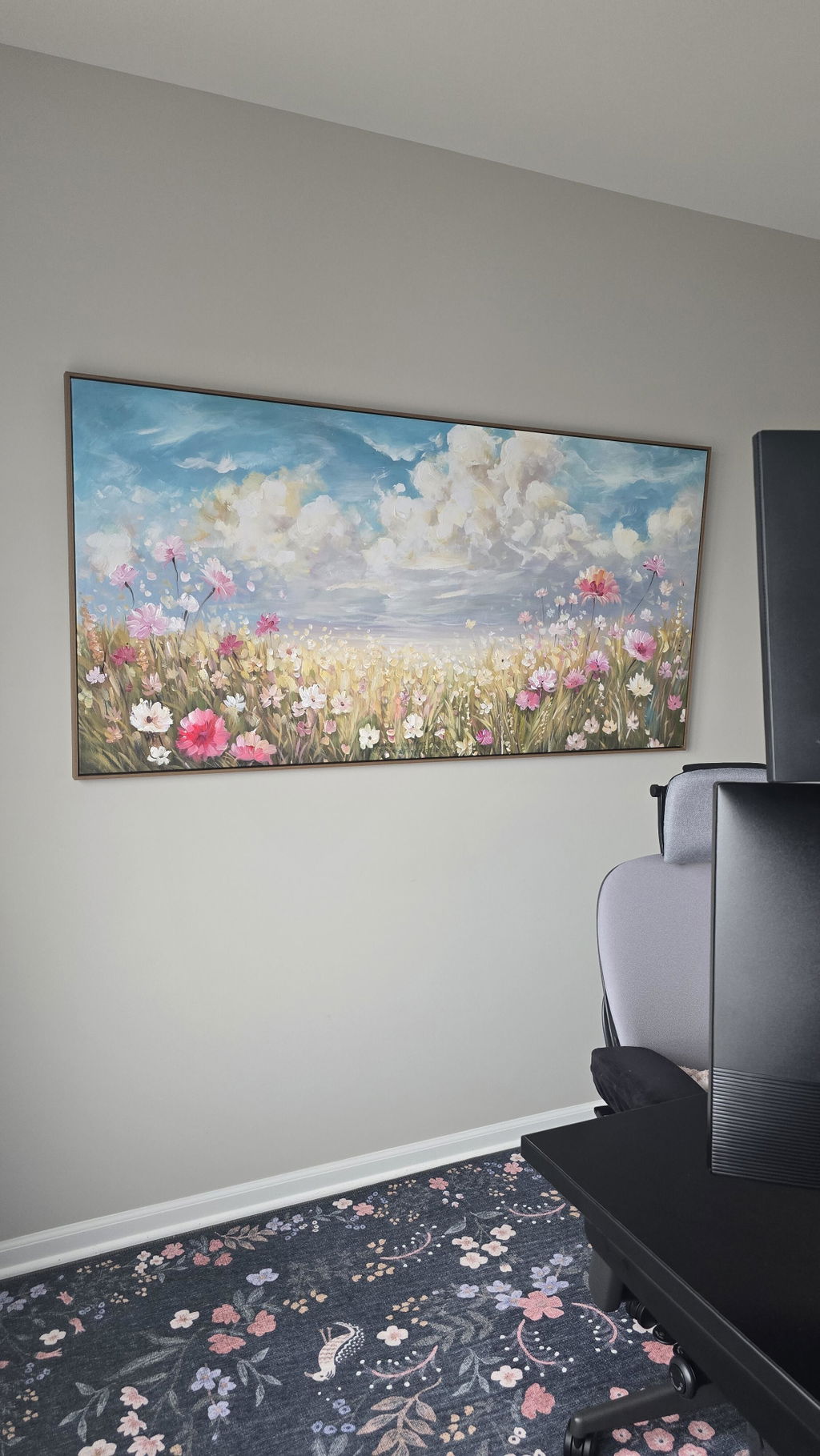
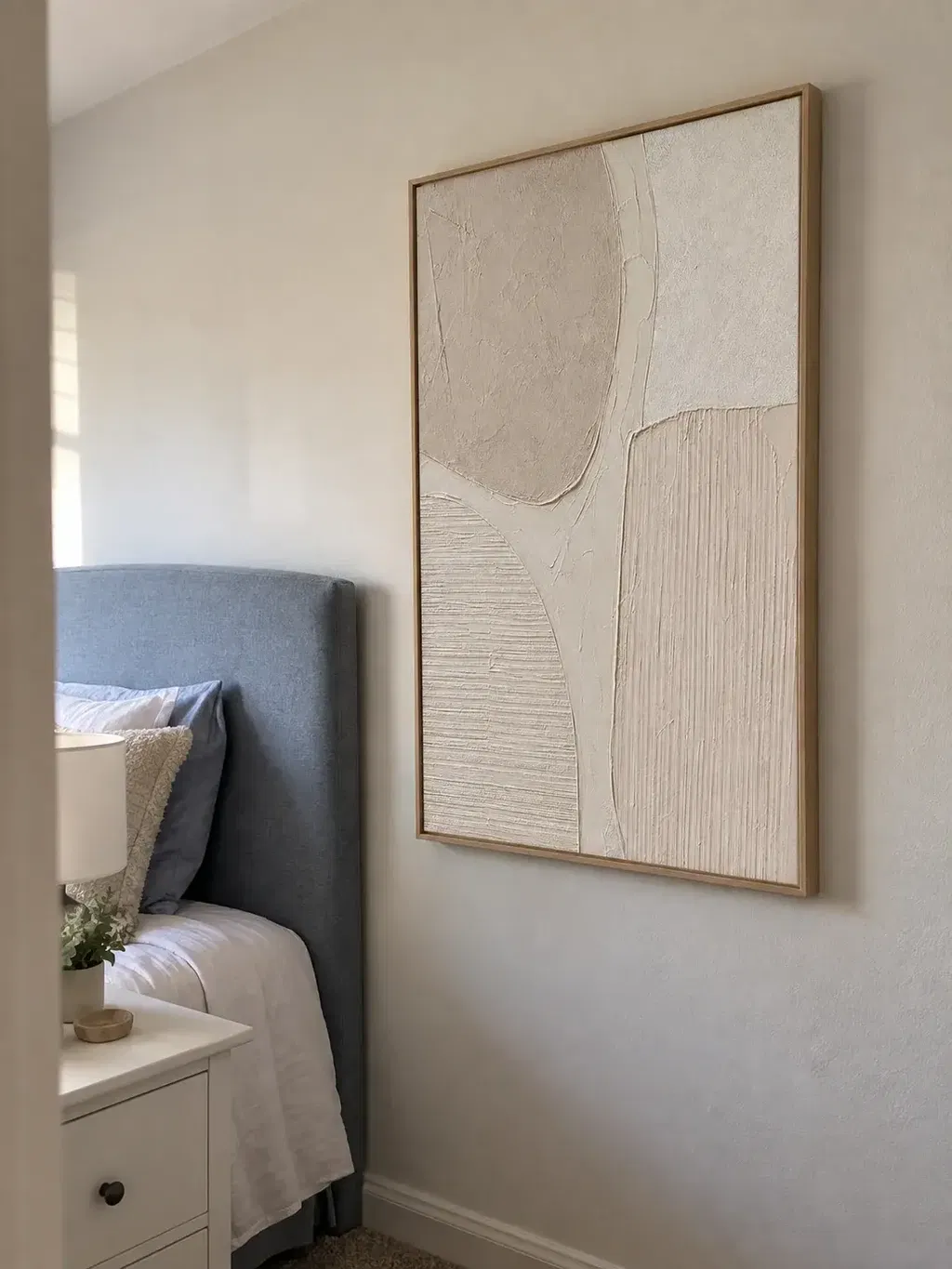
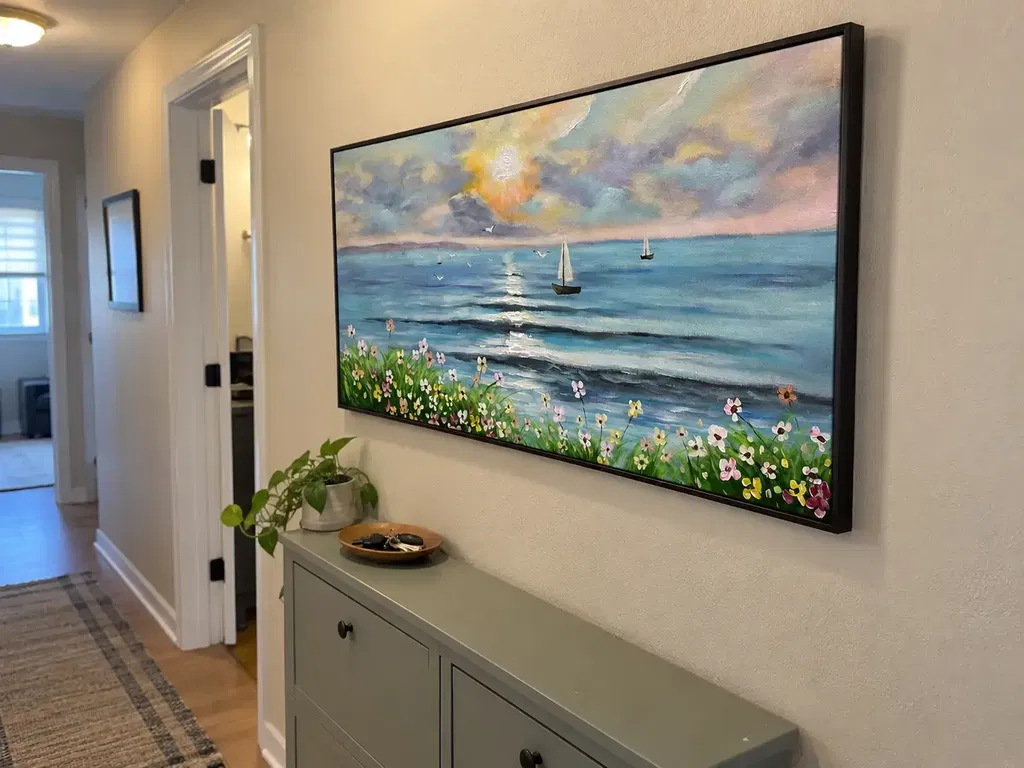
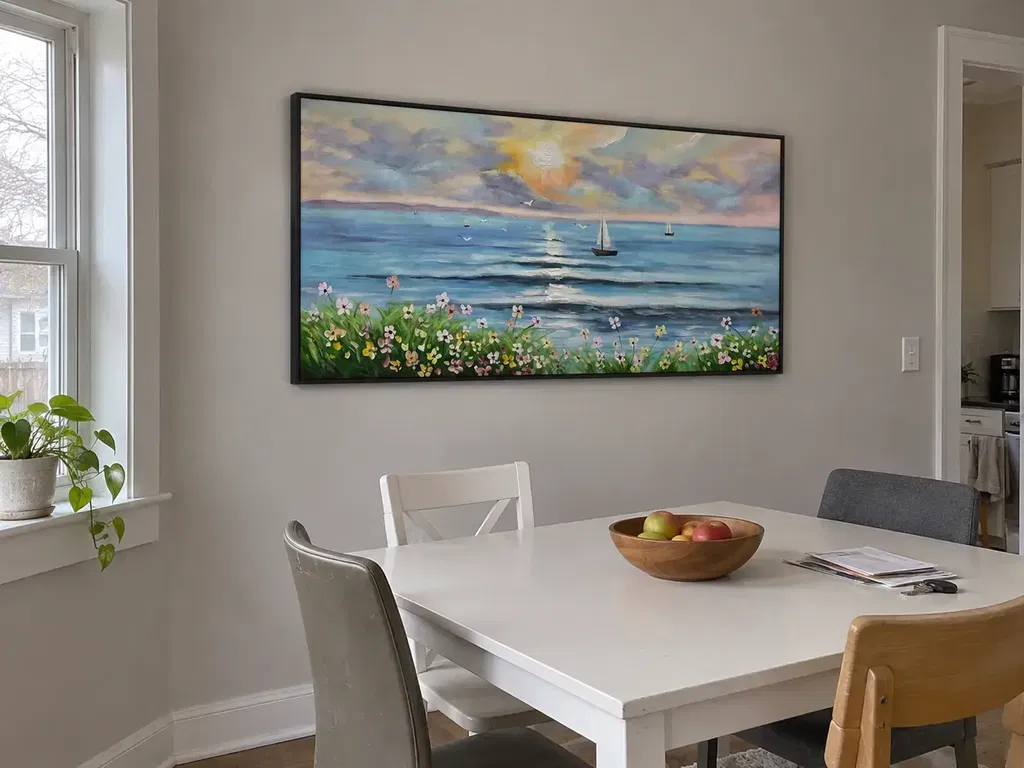
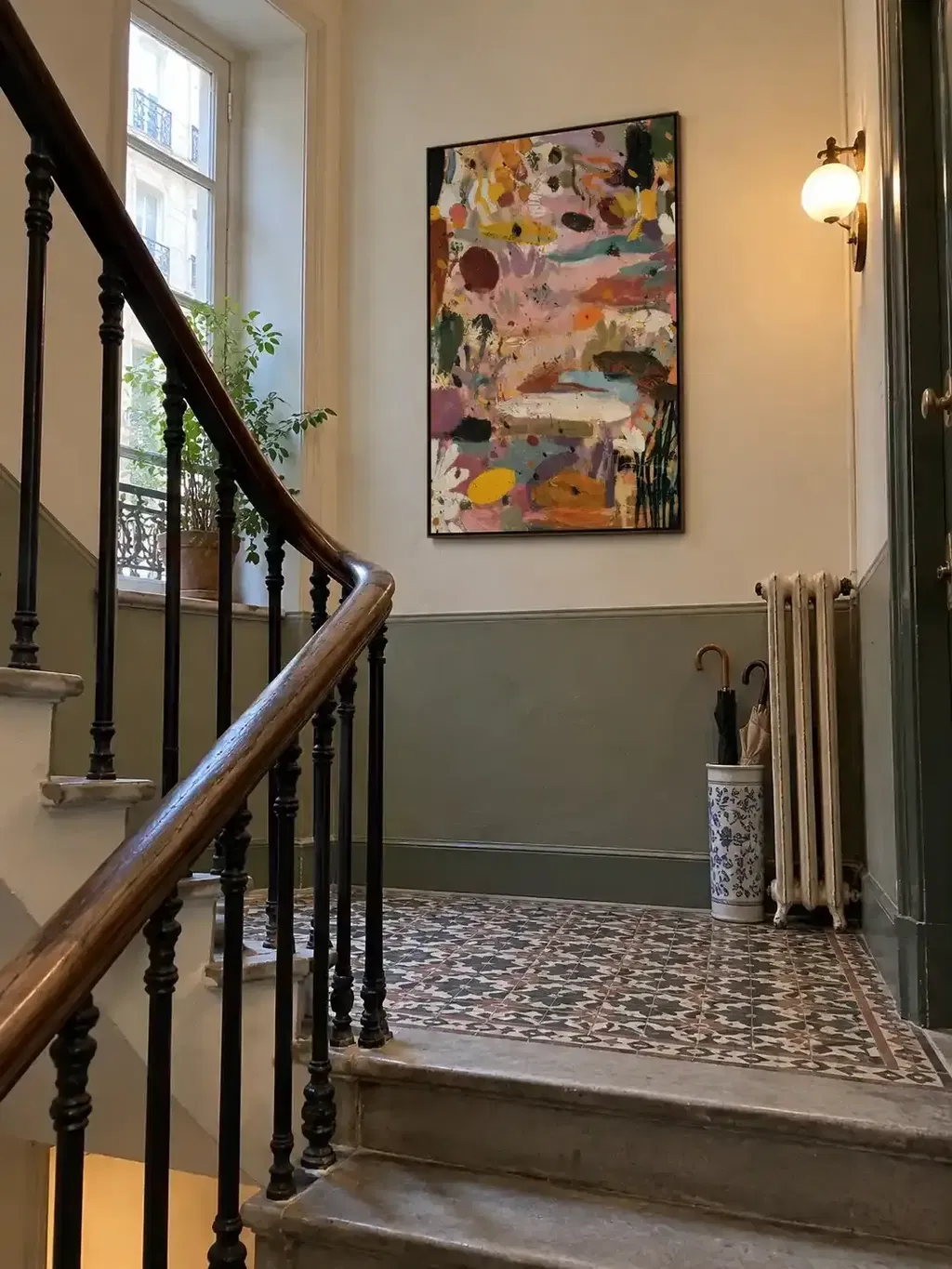
Impasto changes how a work reads in a room because it affects reflectance, shadow, and perceived depth. Texture makes light behave less evenly, so the work can feel more dimensional under directional lighting and more muted under flat ambient light. Research on roughness and gloss perception shows that surface structure can influence how viewers judge brightness, saturation, and reflectance, which helps explain why impasto often looks more dramatic in person than in a screen image.
That effect matters for designers. In a living room, lobby, or dining space, a textured original can hold attention even at moderate distance because the raised paint catches light differently as you move. In a bedroom, the same surface may feel calmer if the lighting is soft and indirect. The room does not just display the art; it changes how the art reads.
The practical question is placement. Impasto usually reads best when the wall has enough space for the texture to breathe, the viewing distance is not too close, and the light source creates useful shadow without producing harsh glare. If the piece will hang in a bright room, check how the surface behaves at different times of day. For a broader comparison of texture effects, palette knife and brush texture can help you compare surface character, and modern wall art options is a useful browse path when you want to see how texture functions across different compositions.
Directional Light Versus Ambient Light
Directional light usually makes impasto more legible because it casts the tiny shadows that reveal height. Ambient light can soften the effect and make the surface read more evenly.
Viewing Distance and Scale
From too close, the texture may feel busy or fragmented. From too far, the relief may flatten visually. The best distance is usually the one where you can read both the overall composition and the surface structure.
When Texture Becomes a Distraction
Texture is not automatically a benefit. In smaller rooms, or where the wall is already visually active, heavy relief can compete with furniture, pattern, or architecture. That is a design judgment, not a rule.
Maintenance and Longevity Considerations
Impasto does not require complicated daily care, but it does require gentler handling than a flat surface. The main rule is to avoid snagging the raised peaks. The Canadian Conservation Institute’s guidance on cleaning paintings warns against rough dry cleaning on painted surfaces because cloths and feather dusters can catch on texture and cause damage.
A low-risk routine is straightforward. Dust lightly only if needed, keep hands off the raised paint, and avoid pressing tools into the surface. If the painting is framed or displayed near traffic, make sure it is not where people can brush against the texture. If you see cracking, lifting, or flaking, the right next step is not aggressive cleaning. It is professional review.
Longevity also depends on what the paint film is doing beneath the surface. Thick oil layers can shrink over long drying cycles and develop stress. Heritage Science documents that thick oil paint can undergo cumulative shrinkage over time, which helps explain why impasto should be handled as a material surface with real aging behavior, not as a purely decorative finish. For acrylic works, the Smithsonian Museum Conservation Institute notes that surface softness and environmental stability matter as well.
Safe Everyday Handling
Keep contact minimal. Lift and move the work only by the frame or the support method recommended for the piece. Never press directly on the thickest ridges.
Dusting and Cleaning
If dust removal is necessary, use the gentlest approach available and avoid snagging tools. If the surface is irregular or fragile, less is safer than more.
When to Pause and Seek Review
Visible cracking, flaking, softening, or raised edges are not normal dusting issues. Those are signs to stop routine care and get expert advice.
Safe Dusting for Texture
If you want a dedicated how-to after buying a textured painting, safe dusting for texture is a practical follow-up because high-relief surfaces need more careful handling than flat works.
Limitations of the Medium
- Thick texture can collect dust and is easier to snag than a flat surface.
- Strong lighting can either reveal the relief or make it feel too busy, depending on angle and room setup.
- Texture alone is not proof of quality, originality, or condition.
- Some reproductions are designed to imitate relief, so surface appearance should not be treated as a guarantee.
- Long drying and shrinkage behavior can create stress over time, so visible cracks or lifts deserve attention.
Final Decision Guide
If you are deciding whether a work is truly impasto, start with the surface itself. Look for height, shadow, and tool marks, then compare those cues with the medium description and the listing photos. If you are choosing for a room, test the work under the lighting it will actually live with. If you are planning care, treat the raised paint as a fragile surface and use the least aggressive cleaning method possible.
FAQs
What Is Impasto Painting?
Impasto painting is oil or acrylic painting built up thick enough that the marks stay visible and the surface has real height. The quickest check is whether the paint creates physical ridges that catch light from the side, not just the illusion of texture from the front.
How Is Impasto Different From Glazing and Scumbling?
Impasto builds the surface up; glazing layers color transparently; scumbling lays broken, thinner paint across what is already there. If you can feel or clearly see the height of the paint, you are usually dealing with impasto rather than a purely optical layering method.
How Can You Tell If a Painting Has Authentic Impasto Texture?
Look for a cluster of cues: uneven peaks, changing shadows, irregular tool marks, and surface behavior that changes with angle. A single photo is not enough. Ask for side views and close-ups, because real relief usually reads differently from a printed or coated texture.
How Does Impasto Change the Way a Room Feels?
It usually adds depth and focal presence because the surface catches light unevenly. That effect is strongest with directional light and enough viewing distance. In a compact or very bright room, the same surface can feel more active or visually dense.
What Basic Care Does an Impasto Painting Need?
Keep care gentle: avoid rubbing the peaks, limit unnecessary handling, and use cautious dusting rather than aggressive cleaning. If you see cracking, lifting, or flaking, stop routine cleaning and have the work reviewed by a conservator or qualified professional.
References
Museum and Institutional Sources
- MoMA Glossary: Impasto
- Tate Art Terms: Impasto
- National Galleries of Scotland Glossary: Impasto
- National Gallery, London Glossary: Impasto
Peer-Reviewed and Technical Sources
- Shrinkage and mechanical properties of drying oil paints
- Using 3D scanning to support conservation
- Effects of Shape, Roughness and Gloss on Perceived Reflectance
Conservation Guidance
Background and Editorial Context
For readers who want a closer comparison of surface types, we also maintain palette knife and brush texture, safe dusting for texture, and verification assets for hand-painted artwork as follow-up resources.