The Evolution of the Collector’s Mandate
In the shifting landscape of the global art market, the definition of a "successful" collection is undergoing a profound transformation. While high-end auction sales for purely financial assets—those exceeding $10 million—plummeted by 44% year-over-year in 2024, a more resilient trend has emerged. According to Marketplace, affluent buyers are increasingly retreating from vanity auction pieces in favor of works with real application value and emotional resonance, such as custom hand-painted murals and bespoke canvases.
For the modern collector, art is no longer a "buy and forget" asset. It is a living, breathing component of the built environment that requires active stewardship. This stewardship begins with the Collector’s Log: a systematic, condition-based documentation process designed to safeguard the physical and financial integrity of an investment. Whether you are managing a private estate or a corporate gallery, understanding the molecular and environmental factors that govern art longevity is the hallmark of a sophisticated buyer.
The Psychology of the Authentic Mark
Why does a hand-painted oil canvas command a premium that digital prints or AI-generated works cannot replicate? The answer lies in what researchers call "essential identity." A study published by The University of Chicago demonstrates that consumers perceive a collapse in value when an artwork lacks the artist’s physical touch. Digital replicas, regardless of their visual fidelity, are viewed as lacking a "soul."
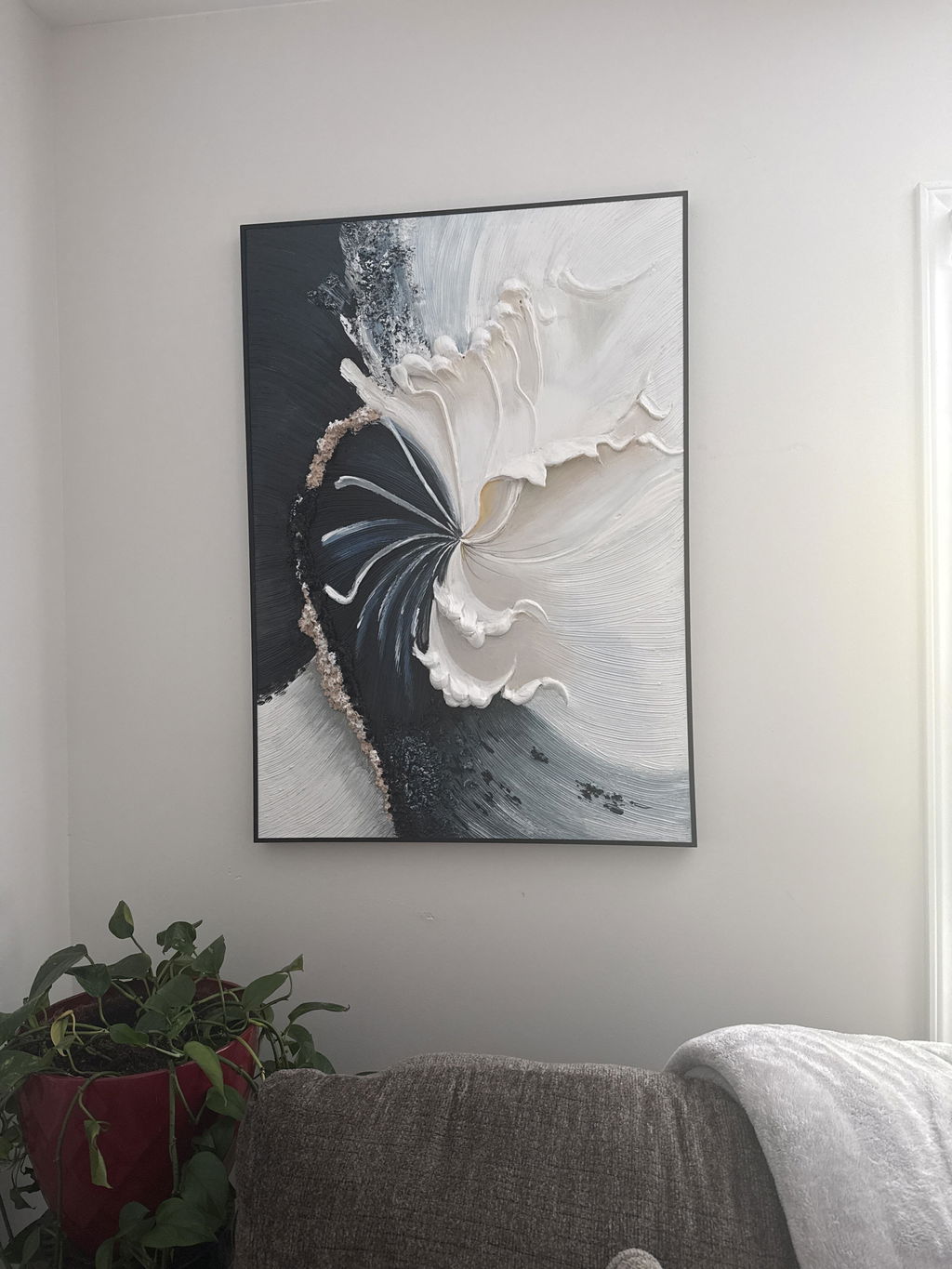
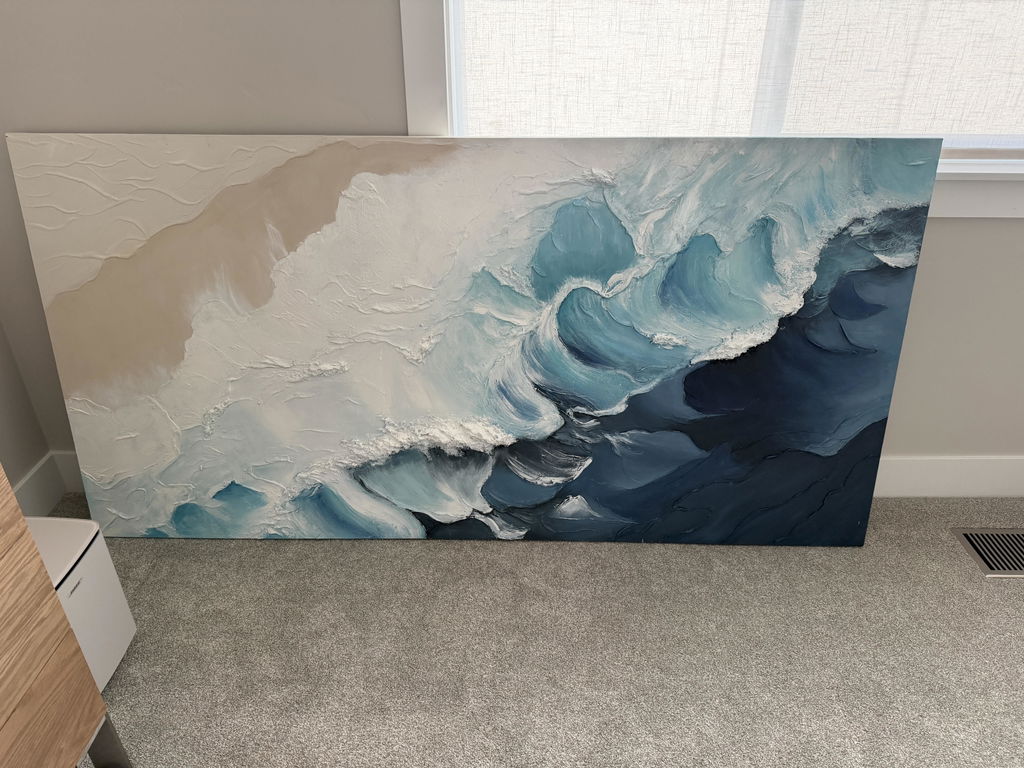
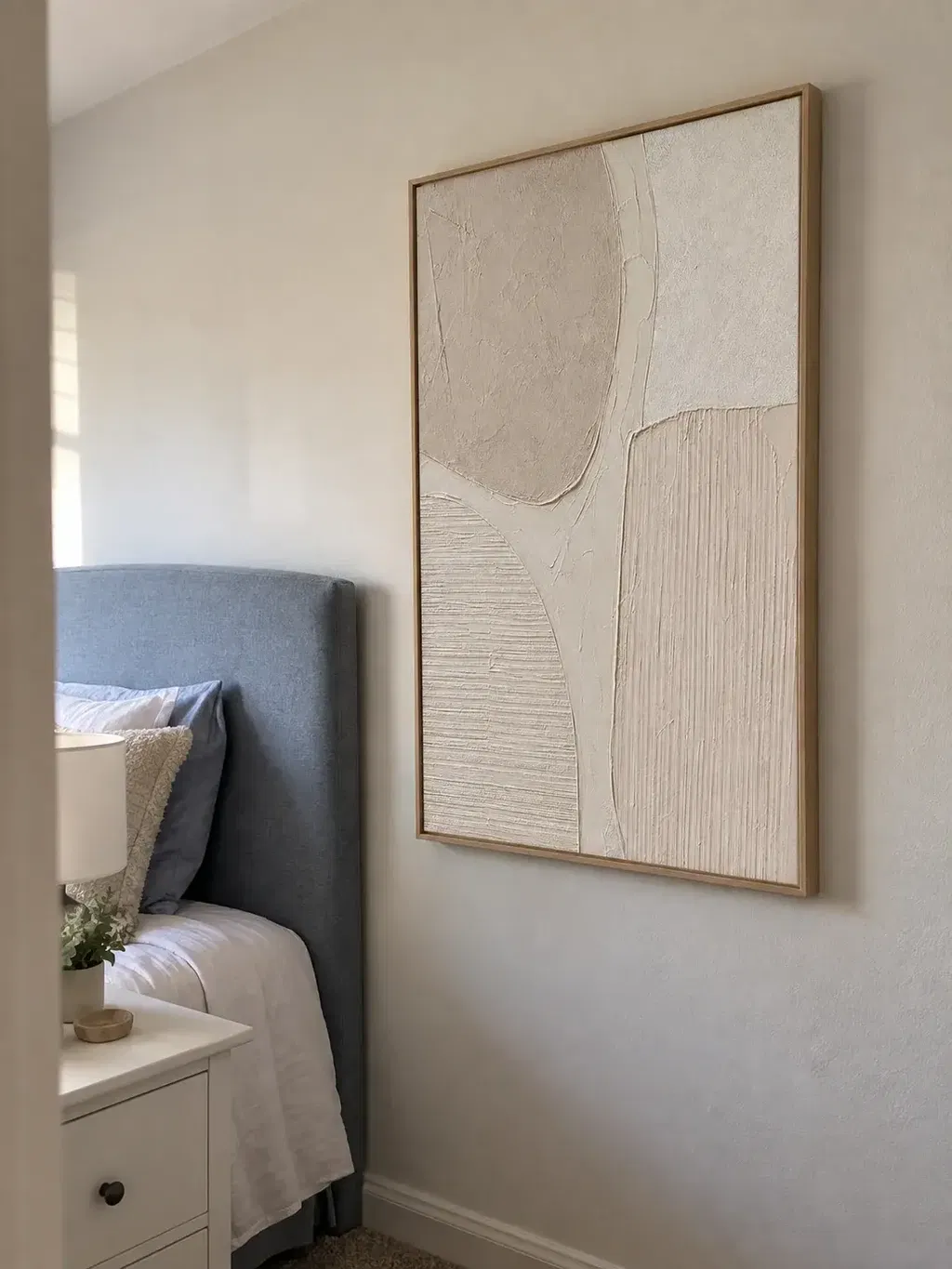
Furthermore, experiments at Columbia University confirm that consumers value art labeled as "AI-generated" 62% lower than authentic human-created art. This commercial premium is rooted in the tactile reality of the medium. The microtopography of an oil painting—the millimeter-scale peaks and valleys created by a palette knife—is crucial to its aesthetic and financial identity. Documentation, therefore, is not just about recording what the art looks like; it is about proving its "human-made" provenance through the tracking of these unique physical textures.

Logic Summary: Our emphasis on physical texture as a value driver is based on consumer perception studies from Columbia and UChicago, which suggest that the "human mark" creates an irreplicable psychological and commercial moat.
The Three-Point Reference System: Standardizing the Log
Professional conservators often observe that the most significant documentation error made by private collectors is inconsistent photography. Without a standardized baseline, it is impossible to determine if a subtle shift in hue is due to pigment degradation or simply different lighting conditions.
To build a professional-grade Collector’s Log, we recommend adopting the Three-Point Reference System. This heuristic ensures that every entry in your log provides actionable data for future conservation or valuation.
- Fixed Lighting Geometry: Always photograph the artwork using two light sources positioned at 45-degree angles to the surface. This minimizes glare and ensures that the Physical Texture is captured accurately without the flattening effect of a direct flash.
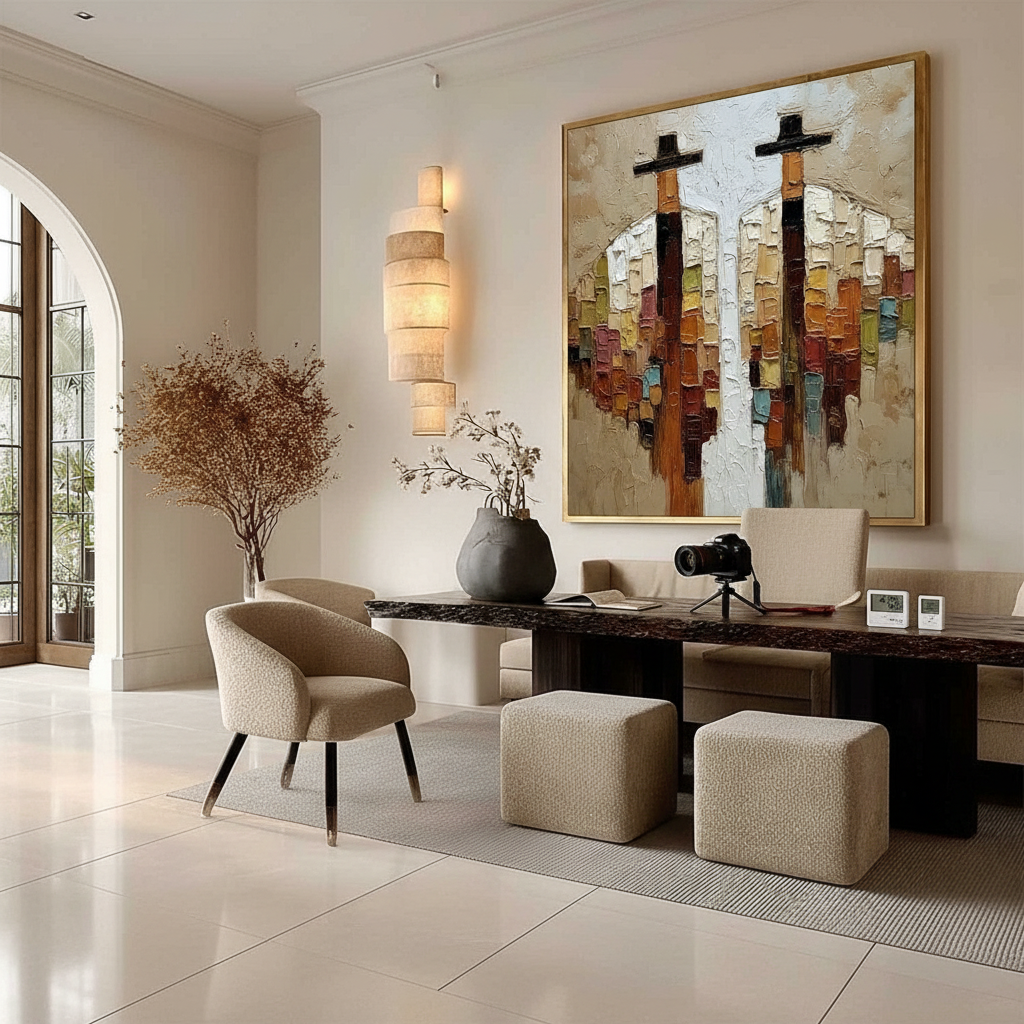
- The Objective Baseline: Every photograph must include a color calibration card and a physical ruler. This allows future appraisers to account for camera sensor bias and verify the exact scale of any developing cracks or "craquelure."
- The Verso Documentation: A common oversight is failing to document the back (verso) of the canvas. Tension changes in the stretcher bars or minor insect activity often manifest here first. As noted by the National Galleries of Scotland, technical assessments must include the support structure to be considered compliant with international standards.
| Documentation Element | Tool Required | Purpose |
|---|---|---|
| Color Fidelity | Calibration Card | Corrects for lighting shifts in digital records |
| Scale Tracking | Metric Ruler | Monitors "crazing" or paint film expansion |
| Environmental Context | Wireless Hygrometer | Links condition changes to humidity spikes |
| Structural Integrity | Verso Photography | Detects substrate decay or pest intrusion |
Material Science: Predicting Decay Before It Becomes Visible
A definitive Collector’s Log does more than record damage; it uses material science to predict it. Understanding the chemical composition of your paints is vital. For instance, the transition from toxic lead-based pigments to Titanium White (which now dominates 90% of the white pigment market) was a milestone for safety, but it also changed how paintings age.
The "Haziness" Phenomenon
Advanced collectors often notice a white, cloudy film developing on modern acrylic or oil-modified works. This is rarely "dirt." Research from the Tate Modern identifies this as the migration of PEG-type surfactants. When environmental humidity rises, these molecules move to the surface of the paint film, forming water-soluble microcrystals. A log that tracks "Relative Humidity Rate of Change" (rather than just averages) can help you intervene before this haziness occurs.
Support Induced Discoloration (SID)
If you notice a sudden yellowing of a white canvas, it may not be the paint at all. Golden Artist Colors has documented "Support Induced Discoloration," where water-soluble impurities in the cotton or linen substrate are drawn into the paint film as it dries. This is particularly common in Traditional Oil Artistry where the curing process can take months.
Environmental Logging: The Stable vs. The Seasonal
The Conservation Center for Art & Historic Artifacts (CCAHA) emphasizes that rapid fluctuations in humidity are far more damaging than a stable environment that is slightly too dry or too damp.
We suggest a Seasonal Transition Audit. During the shift from autumn to winter, when indoor heating systems strip moisture from the air, oil paint films—which undergo Oxidative Cross-linking—become brittle. By logging these transitions, you can determine the optimal time for maintenance. For example, knowing When it is Safe to Varnish depends heavily on the curing data logged during these unstable periods.
Methodology Note: These environmental recommendations are framed as heuristics based on CCAHA and NEDCC guidelines for private collections, which prioritize "rate of change" over absolute setpoints to minimize mechanical stress on organic substrates.
The ROI of Art Stewardship: From Wellness to Real Estate
Documentation serves a dual purpose: it preserves the art, and it validates the art’s impact on the surrounding property. The Royal Society found a direct correlation between "art-dense" environments and property value gains. For commercial developers, commissioning and documenting public murals can act as a "catalytic effect" for private investment, as seen in Philadelphia’s Avenue of the Arts.
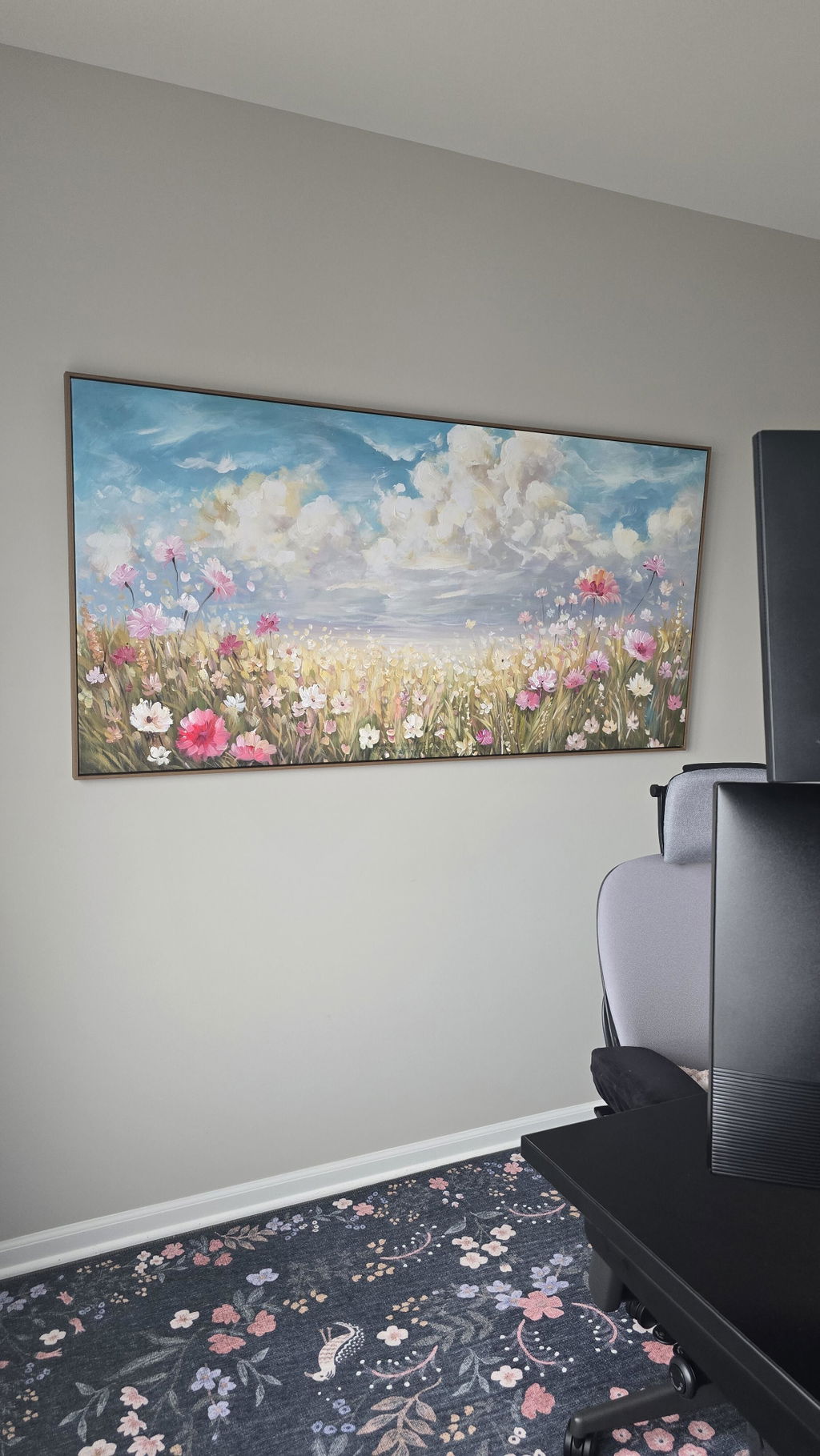
Furthermore, for collectors focused on wellness, the World Health Organization (WHO) has confirmed through over 3,000 studies that art interventions effectively alter clinical indicators for stress and mental health. A documented collection that incorporates Biophilic Design—nature-themed murals that mimic the outdoors—can reduce employee burnout by 30% and improve patient mood scores by 73%.

Safety and Ethics in the Modern Studio
As a collector, the ethics of production are increasingly relevant to an artwork's long-term value. A Wharton School survey found that 87% of consumers believe artists should receive fair compensation, particularly in the face of AI style-mimicry. Supporting "fair trade" art—where painters receive the majority share of profits—is not just a moral choice; it is a strategy to ensure the continued existence of the skilled freelance workforce that sustains the Creative Economy.
Moreover, safety documentation is critical for indoor installations. The EPA warns that indoor air pollution can be more hazardous than outdoor air. Ensuring that your custom murals use low-VOC (Volatile Organic Compound) paints is essential for Preserving Art in Bright Spaces without compromising air quality.
A Legacy of Stewardship
Maintaining a Collector’s Log is the bridge between owning a "decorative object" and curating a "heritage asset." By documenting the physical nuances of Pigment Saturation and environmental stability, you are doing more than protecting a financial investment. You are preserving the "essential identity" of a human creation for the next generation.
In an era of digital transience, the permanence of hand-painted art is its greatest luxury. Through rigorous documentation, you ensure that this luxury endures.
Disclaimer: This article is for informational purposes only and does not constitute professional legal, financial, or art conservation advice. Always consult with a certified conservator or appraiser for specific collection needs.
Sources
- The Art Basel and UBS Art Market Report 2024
- World Health Organization Scoping Review on Arts and Health
- Columbia University: Human-Made vs. AI Art Perception Study
- The Royal Society: Quantifying the Link Between Art and Property Prices
- Tate Modern: Conservation Concerns for Acrylic Emulsion Paints
- National Galleries of Scotland: Condition Checking Policy