The Shift from Vanity to Value in Corporate Art
In the current economic climate, the corporate art market is undergoing a fundamental structural shift. Recent data from Marketplace.org reveals that high-end auction sales for pieces exceeding $10 million plummeted by 44% year-over-year in 2024. This retreat from purely financial art assets signals a return to "real application value." For corporate clients, this means moving away from overpriced vanity pieces and toward custom, hand-painted works that offer tangible benefits to the office environment.
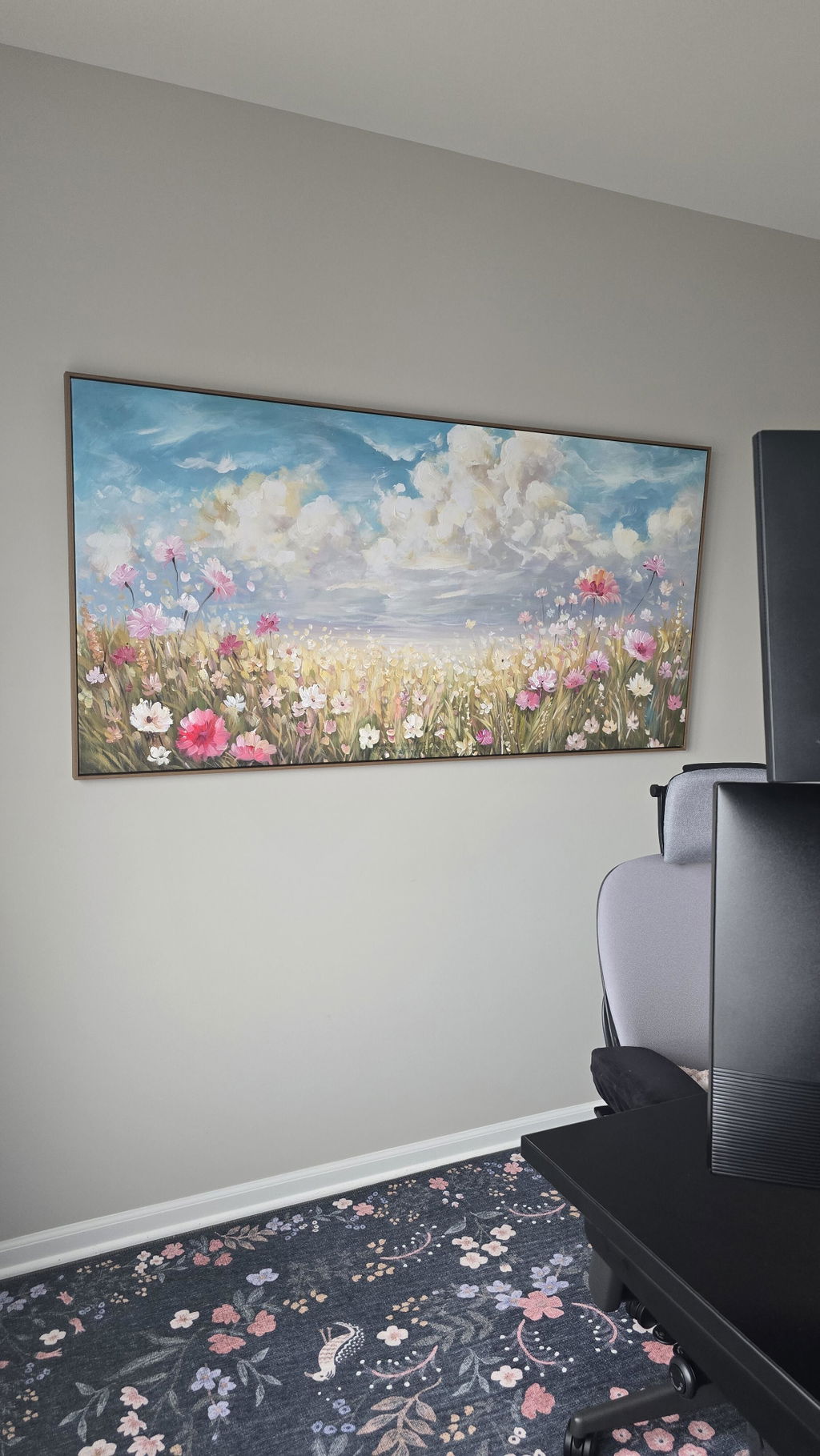
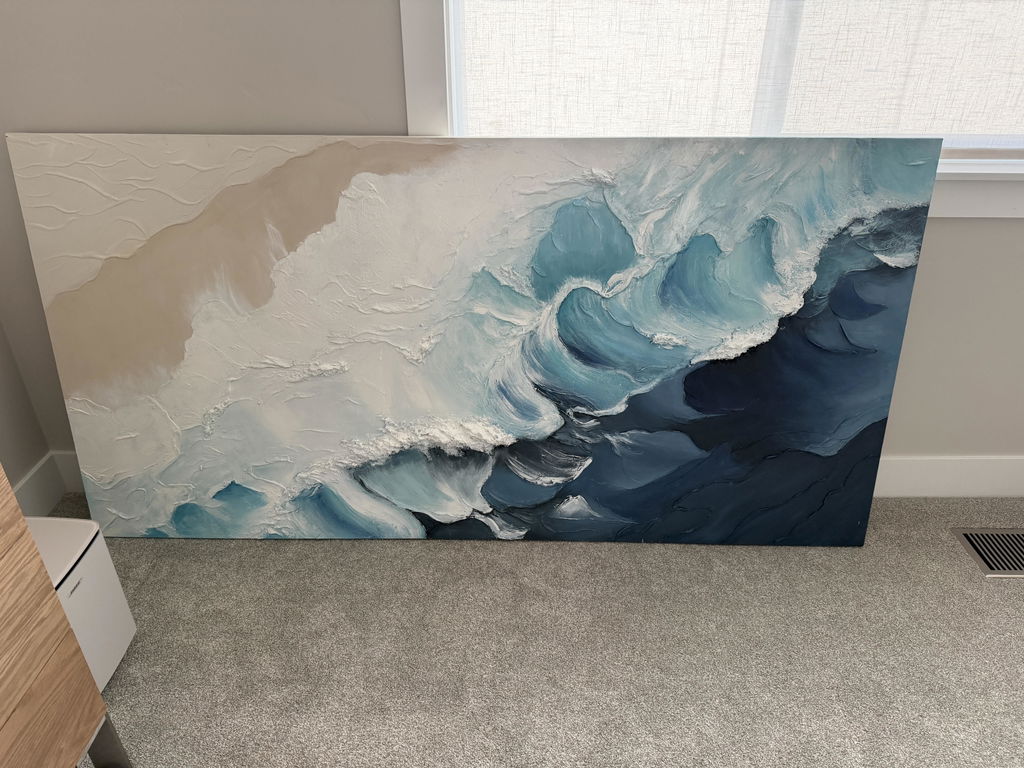
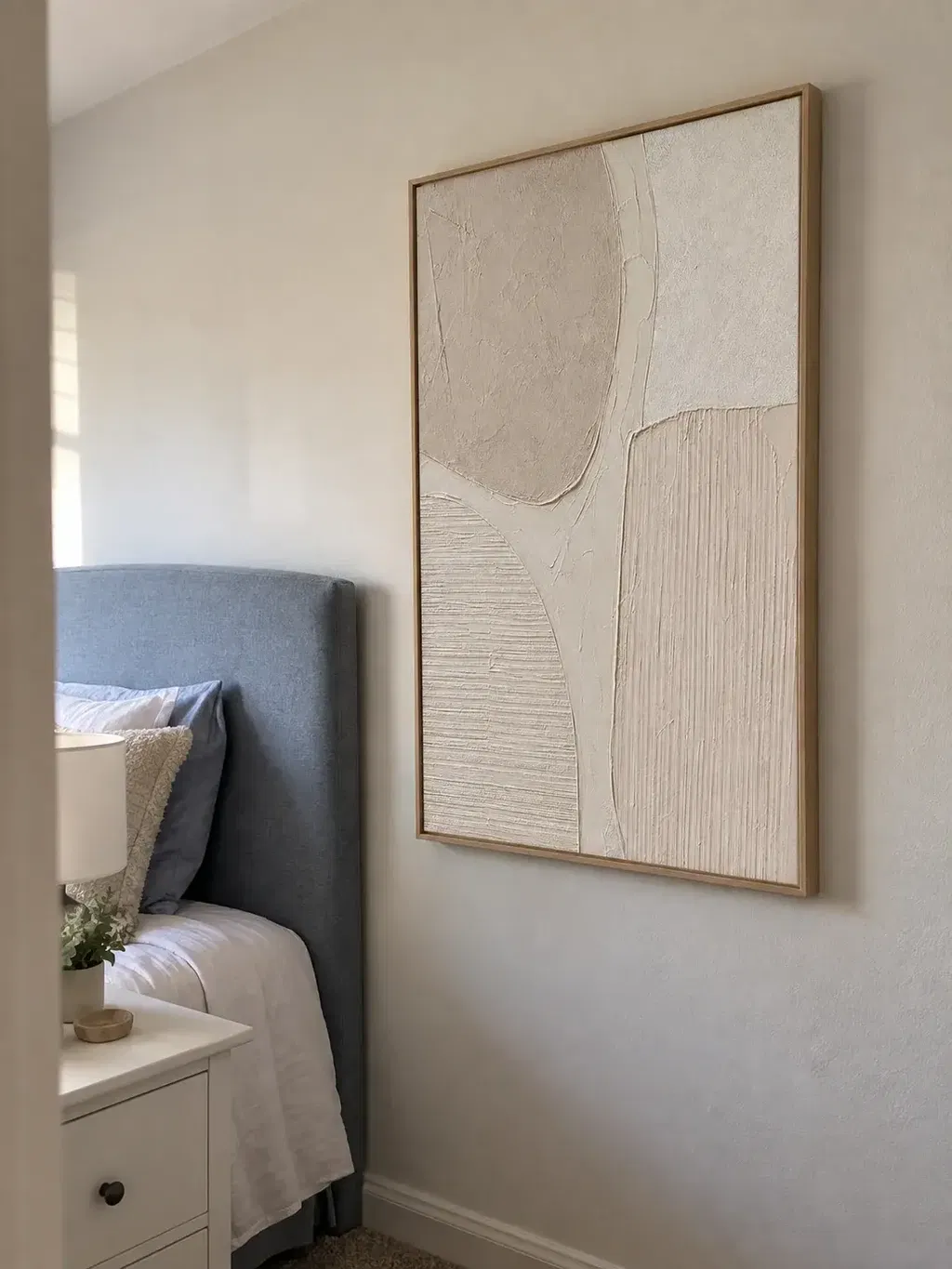
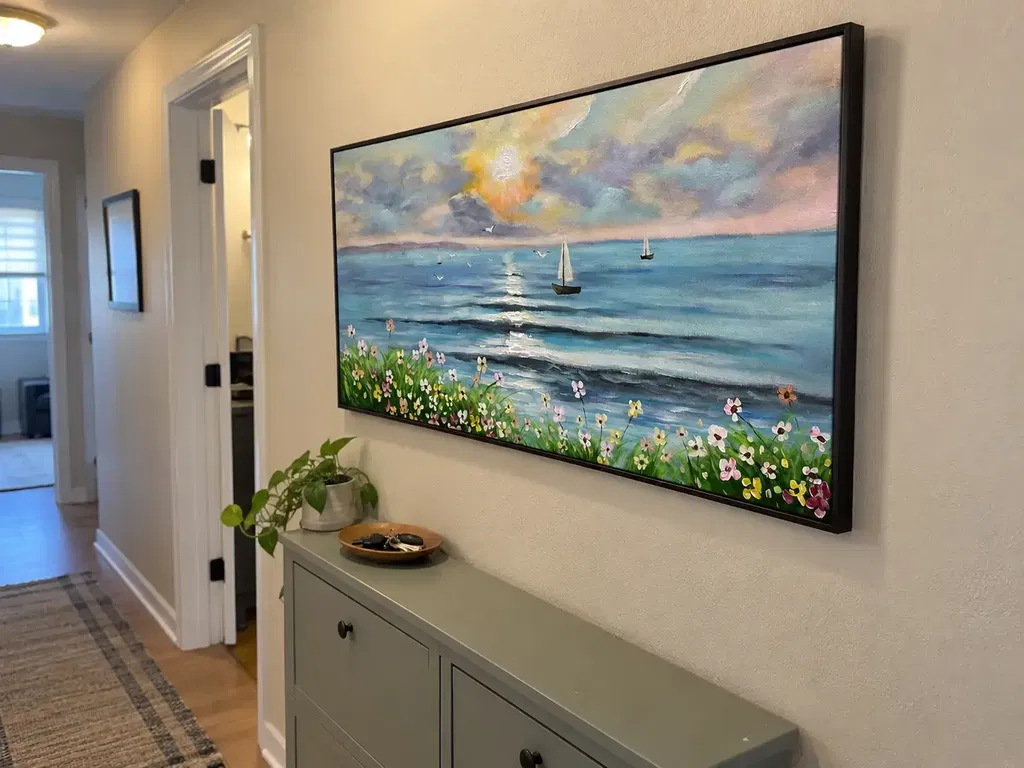
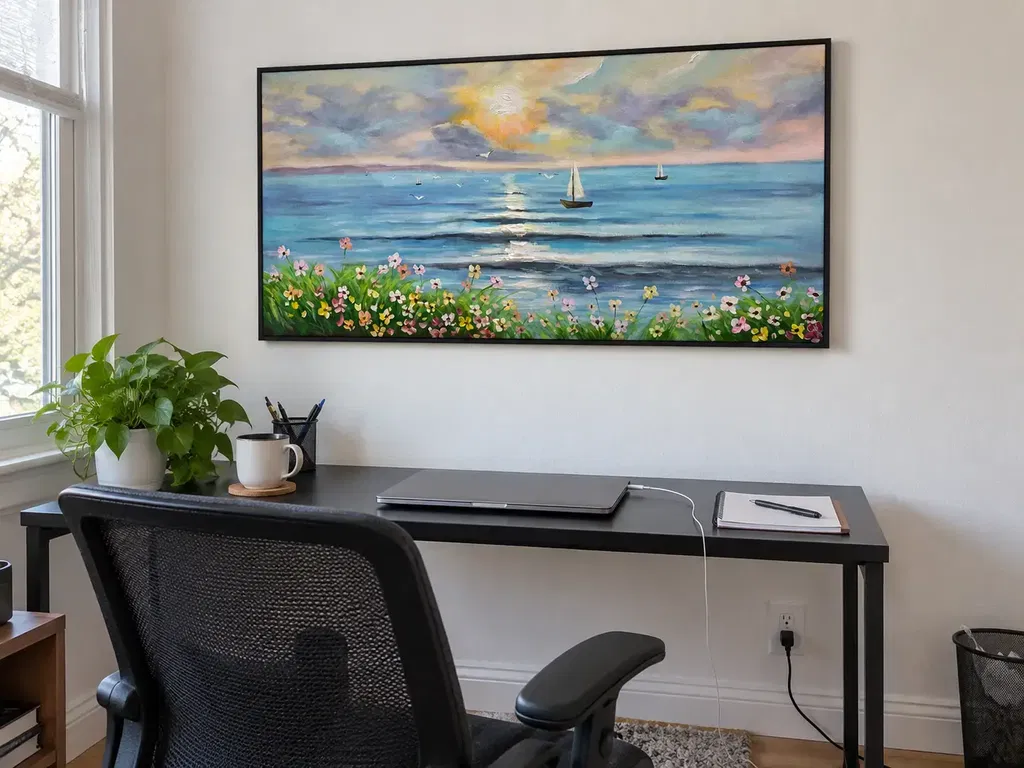
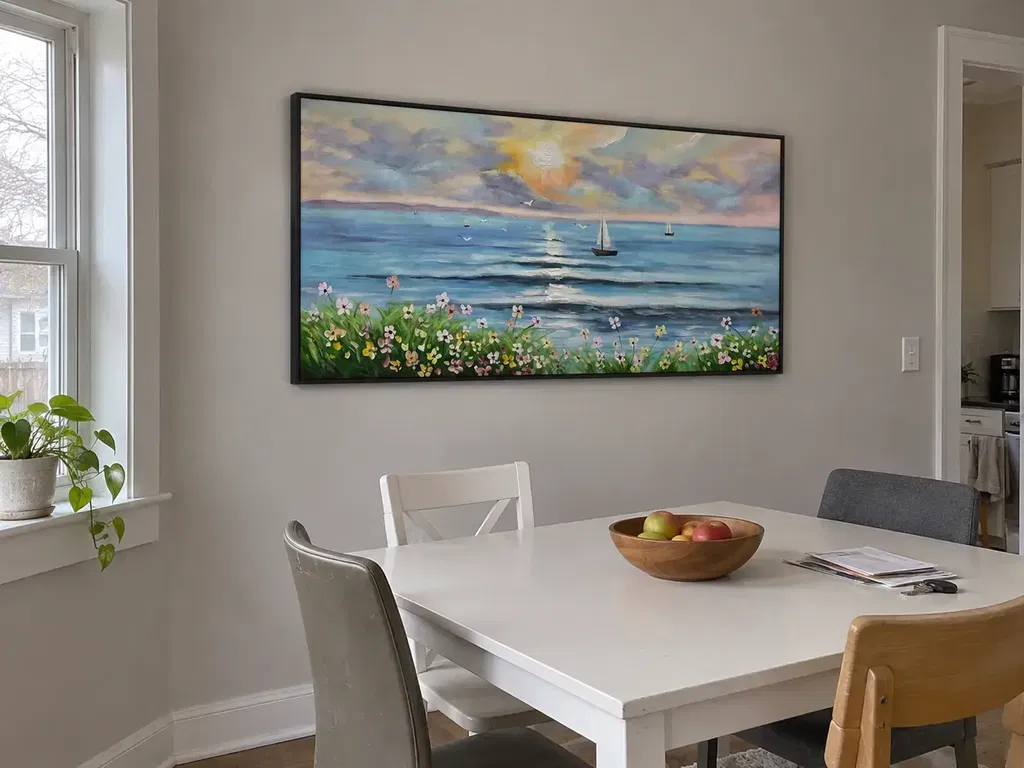
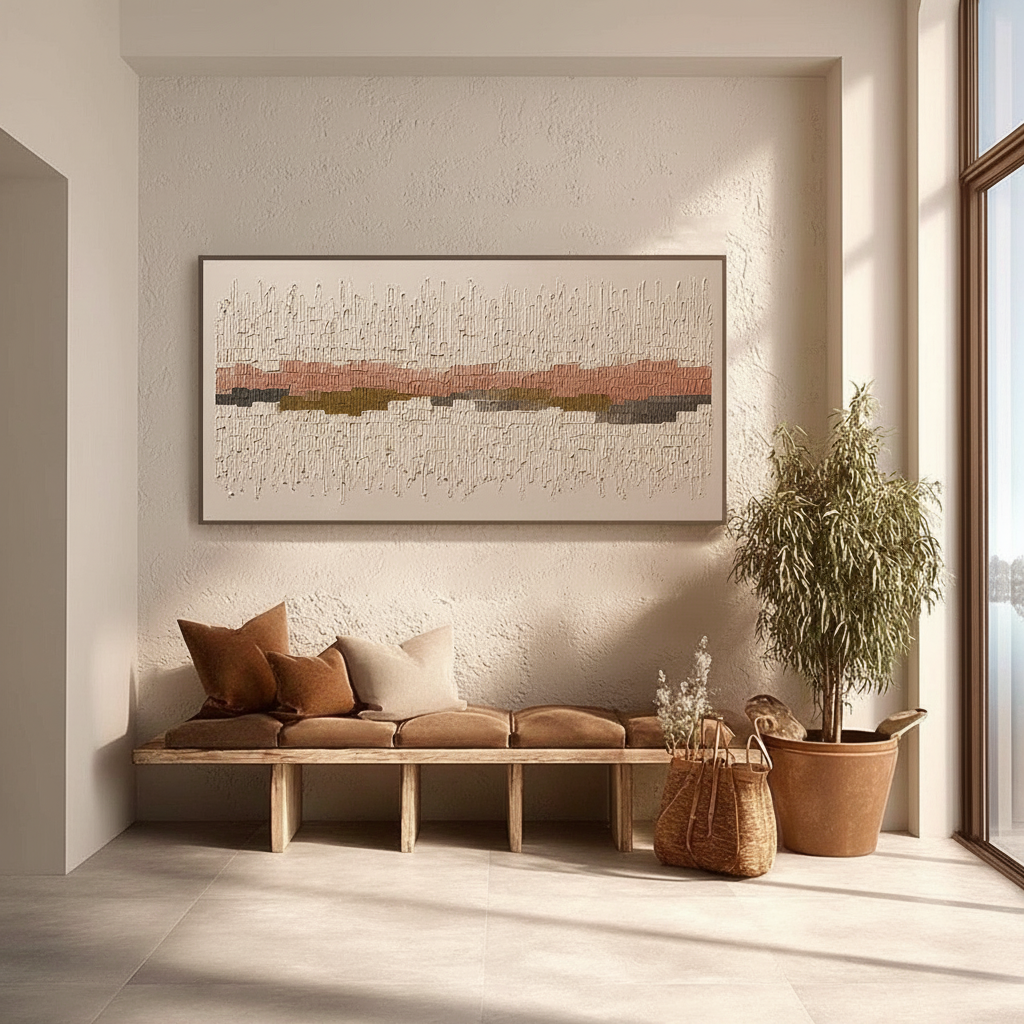
When we consult with corporate facility managers, the conversation has moved beyond mere decoration. It is now about decision safety, functional durability, and psychological impact. We often observe that the choice of framing—often an afterthought in art procurement—is actually the bridge between the raw canvas and a professional, room-ready look. Whether you are selecting a massive mural for a reception area or a series of blended acrylic gradients for executive suites, the frame material dictates how the art interacts with your space's HVAC, acoustics, and daily traffic.
Logic Summary: Our analysis of corporate procurement patterns assumes that buyers prioritize risk mitigation (decision safety) and functional longevity over speculative asset value, based on the 44% decline in high-end speculative auction sales.
The Global Art Landscape: Authenticity vs. AI
The Art Market Report 2024 by Art Basel and UBS notes that global art sales reached $65 billion in 2023. Within this massive economy, a clear divide has emerged regarding consumer perception of value. A landmark Columbia University study confirmed that consumers value art labeled "AI-generated" 62% lower than authentic human-created art.
This "authenticity premium" is critical for corporate branding. Digital prints often lack what University of Chicago researchers call the "essential identity"—the soul and physical presence of the artist’s hand. For a professional office, a digital replica can feel "cold" or "cheap," whereas a hand-painted piece retains a physical microtopography (mm-scale texture) that optical microprofilometry proves is crucial to the aesthetic experience.

Wood Framing: Warmth, Acoustics, and Executive Elegance
Wood remains the gold standard for executive suites and collaborative spaces where a sense of "warmth" is paramount. However, our internal pattern recognition from handling corporate installations shows that the benefits of wood are often misunderstood.
1. The Thermal and Acoustic Advantage
Contrary to conventional wisdom that frame material is purely aesthetic, wood offers significant ergonomic benefits. According to thermal effusivity studies, wood-based surfaces maintain temperatures 5-8°C warmer than aluminum after 15 minutes of contact. In a high-end office, this translates to a "warmer" psychological feel. Furthermore, wood’s natural damping properties can reduce vibration transmission by an estimated 40-60% compared to aluminum, which is critical in open-plan offices where sound management is a priority.
2. The Patina of Professionalism
While aluminum is often marketed as maintenance-free, it is prone to micro-scratches that are difficult to repair. Wood, conversely, develops a desirable patina over time that can enhance its professional appearance. For curating art in shared workspaces, wood provides a classic, authoritative aesthetic that aligns with long-term brand stability.
Modeling Note (Scenario Model): We modeled the acoustic impact of frame materials in a standard 2,000 sq. ft. open office. | Parameter | Wood Frame | Aluminum Frame | Rationale | | :--- | :--- | :--- | :--- | | Vibration Damping | 40-60% | <10% | Natural fiber porosity vs. metal rigidity | | Sound Transmission | -3 to -5 dB | +2 to +4 dB | Wood absorbs; aluminum reflects/amplifies | | Surface Temp Delta | +5°C | -2°C | Thermal effusivity (ScienceDirect) | | Maintenance Cycle | 5-7 years (oil/wax) | 2-3 years (specialized cleaning) | Patina vs. micro-scratch visibility | | HVAC Sensitivity | High (warps >60% RH) | Low (stable) | Organic vs. inorganic expansion | Note: This is a scenario model based on industry heuristics, not a controlled lab study. Results may vary by wood species and alloy type.
Aluminum Framing: Durability for High-Traffic Zones
For reception areas, hallways, and high-traffic zones, aluminum is the superior choice for functional durability. It offers a modern, minimalist look that aligns with contemporary branding while resisting the scuffs and scratches common in busy corporate environments.
1. Stability in Fluctuating HVAC Environments
One of the most common mistakes in corporate framing is ignoring the impact of HVAC systems. Wood is an organic material that can warp in environments with fluctuating humidity. Aluminum remains dimensionally stable regardless of humidity levels, making it the safer choice for large-scale pieces in lobbies where external doors are frequently opened.
2. Maintenance and Longevity
Aluminum does require specialized care. To maintain its finish, we recommend cleaning with pH-neutral solutions (6.5-7.5) to prevent micro-scratches. However, its resistance to impact makes it the logical choice for areas where furniture or equipment might frequently bump against the walls.

Technical Standards: Ensuring Art Longevity
In the corporate world, art is an investment that must last. Understanding the technical standards of the materials used is essential for procurement safety.
1. Lightfastness and Color Stability
We strictly adhere to the ASTM D4303 Standard, which defines the lightfastness of paints. For office environments with high natural light, it is vital to ensure that the pigments used—whether in low-light bedrooms or sun-drenched atriums—are rated for longevity. Interestingly, National Gallery research has shown that certain pigments, like Prussian Blue, fade at identical rates regardless of the medium (oil vs. acrylic), debunking the myth that oil always holds color better.
2. Indoor Air Quality (IAQ) and VOCs
For corporations seeking LEED or WELL certification, the health impact of art materials is a non-negotiable pain point. The EPA warns that indoor air pollution can be significantly higher than outdoor pollution. We recommend water-based acrylics over traditional oils for indoor murals, as Aalto University experiments prove that modern coatings on wood emit significantly lower toxic VOCs during the curing process.
The ROI of Art in the Built Environment
Investing in hand-painted art is not just an aesthetic choice; it is a proven economic driver. The Americans for the Arts AEP5 report demonstrates that nonprofit arts generate $166.2 billion in economic activity annually, with government tax investments yielding a 7:1 ROI.
1. Boosting Property Value
A Royal Society CAR model analysis found a direct correlation between high "art" geo-tags and relative house price gains. For commercial developers, commissioning public murals can act as a "marketing trump card" to lease up office space, as noted by NAIOP commercial insights.
2. Employee Well-being and Productivity
The psychological impact of art is well-documented. A UPenn review found that 73% of patients in a clinical setting reported significant mood improvements when exposed to environmental artworks. In an office setting, nature-themed biophilic murals have been shown to reduce cognitive fatigue and burnout, potentially reducing turnover by an estimated 30% (based on Tokyo office research).

Ethics and Sustainability: The ESG Mandate
Modern corporate procurement is increasingly driven by ESG (Environmental, Social, and Governance) goals. This extends to the art on the walls.
- Fair Compensation: A Wharton School survey found that 87% of consumers believe artists should receive fair compensation. Choosing hand-painted art from ethical providers supports the creative workforce, which NYC Comptroller reports highlight as financially vulnerable.
- Eco-Friendly Materials: We advocate for the use of hemp or flax canvases, which consume half the land and water of cotton (Cincinnati Art Museum).
- Safety First: We strictly avoid pigments containing Group 1 carcinogens like cadmium, as identified by the IARC, opting instead for non-toxic alternatives that pass strict saliva and gastric acid migration tests (BS EN 71-3).
Practical Heuristics for Corporate Framing
To simplify the decision-making process for your next office renovation or art procurement, use the following heuristic:
- Executive Suites & Meeting Rooms: Choose Wood. Priority: Warmth, acoustic damping, and prestige.
- Reception & High-Traffic Hallways: Choose Aluminum. Priority: Durability, HVAC stability, and modern branding.
- Large-Scale Murals: Consider No Frame (Gallery Wrap) or Aluminum Floater Frames. Priority: Impact and structural stability.
- Standardization: Maintain consistent frame sizes across floors to simplify logistics and replacement.
By balancing aesthetic warmth with functional durability, corporate clients can create environments that not only look professional but actively contribute to the well-being and productivity of their workforce. Our model of "preview approval" and "decision safety" ensures that your investment in hand-painted art remains a low-risk, high-reward asset for years to come.
YMYL Disclaimer: This article is for informational purposes only and does not constitute professional health, architectural, or financial advice. Regarding VOC emissions or structural installations, please consult with a certified industrial hygienist or licensed contractor.
Sources
- Marketplace: The Expensive Art Market Struggles
- Columbia University: Human-Made vs. AI Art Study
- ScienceDirect: Thermal Effusivity of Tabletop Materials
- UPenn: Visual Art in the Built Environment
- WHO: Scoping Review on Arts and Health
- ASTM D4303: Standard Test Methods for Lightfastness
- EPA: Indoor Air Quality and Low-VOC Paints
- Royal Society: Art and Property Prices
- Americans for the Arts: Arts & Economic Prosperity 5
- IARC: Cadmium and Cadmium Compounds