Odorless Environments: The Wellness Benefits of Acrylics
The global art market is undergoing a structural transformation. While high-end auction sales for purely financial assets—pieces exceeding $10 million—plummeted by 44% in 2024, a more grounded demand is surging. According to Marketplace, buyers are retreating from "vanity" investments and returning to art with real application value. For the modern homeowner, this value is no longer just aesthetic; it is physiological.
As we consult with interior designers and health-conscious clients, a recurring "decision safety" conflict emerges. Collectors crave the prestige and tactile soul of hand-painted work but fear the chemical legacy of traditional mediums. The "new paint smell"—once a symbol of freshness—is now recognized as a cocktail of Volatile Organic Compounds (VOCs) that can linger for weeks.
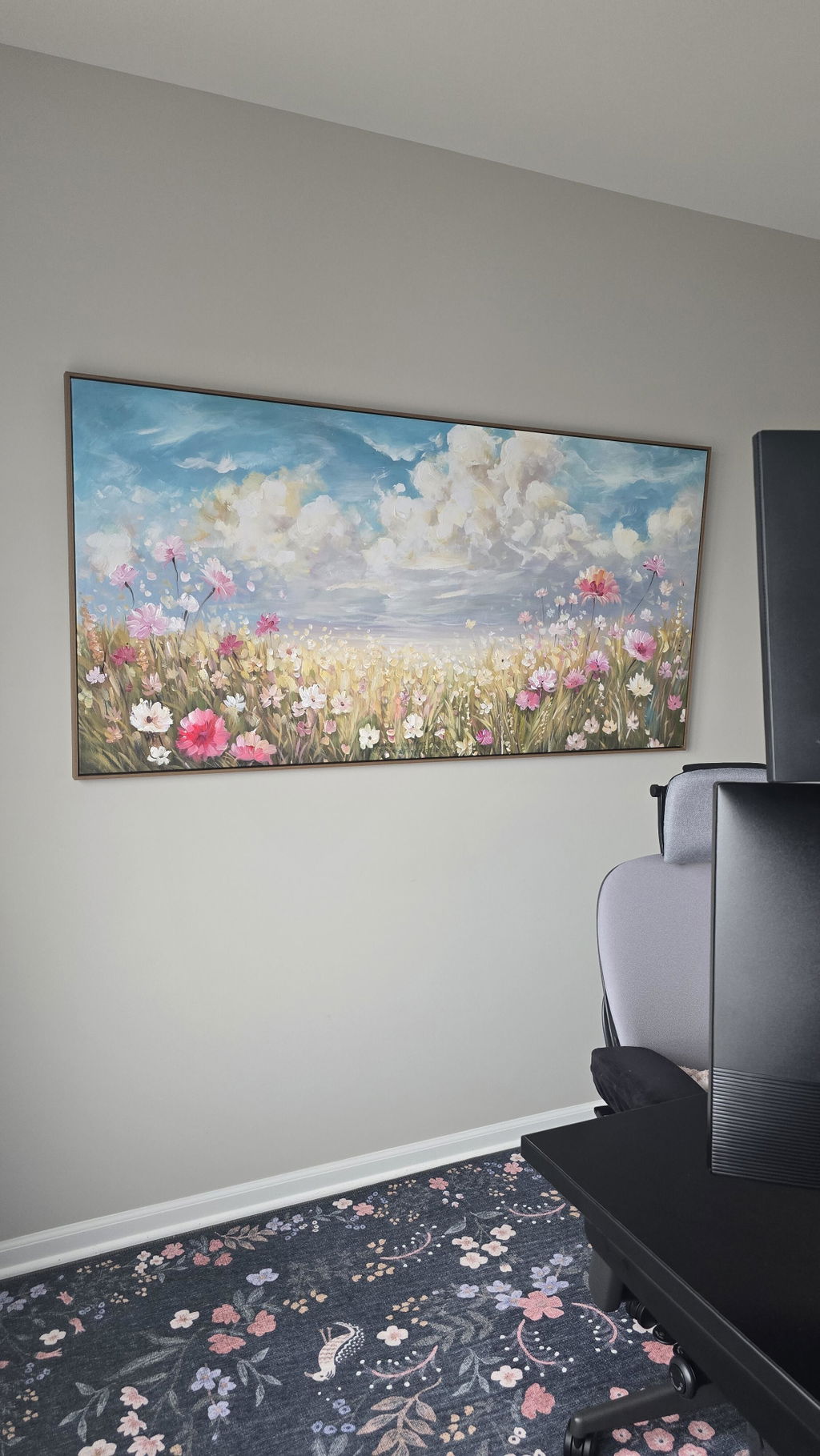
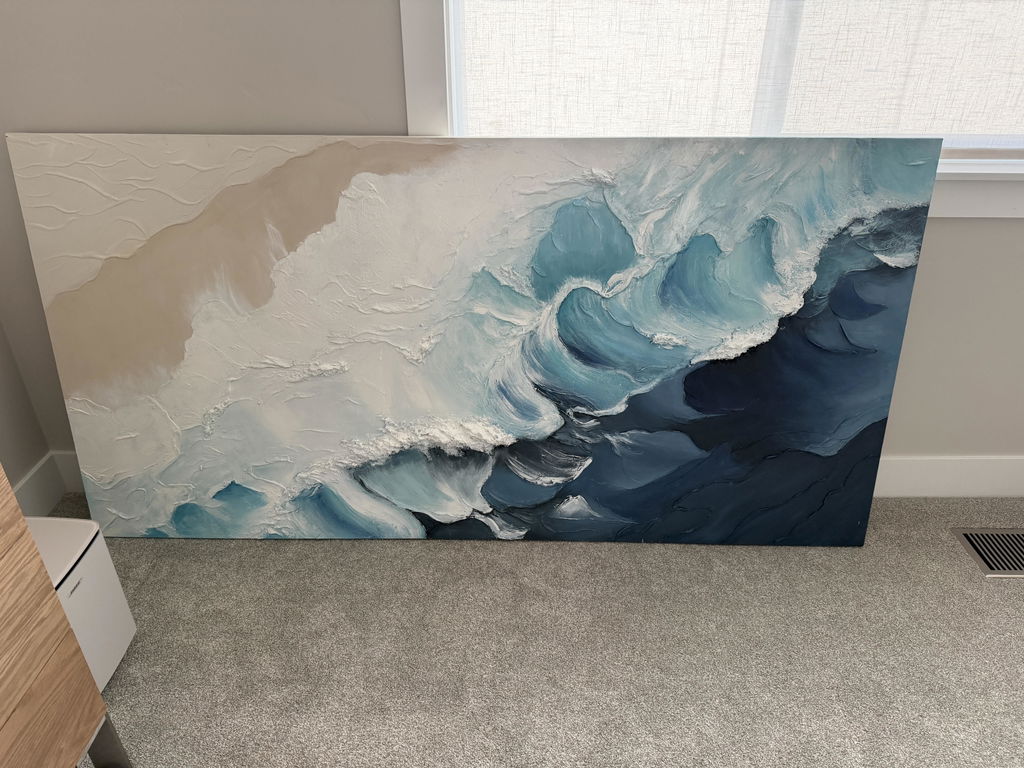
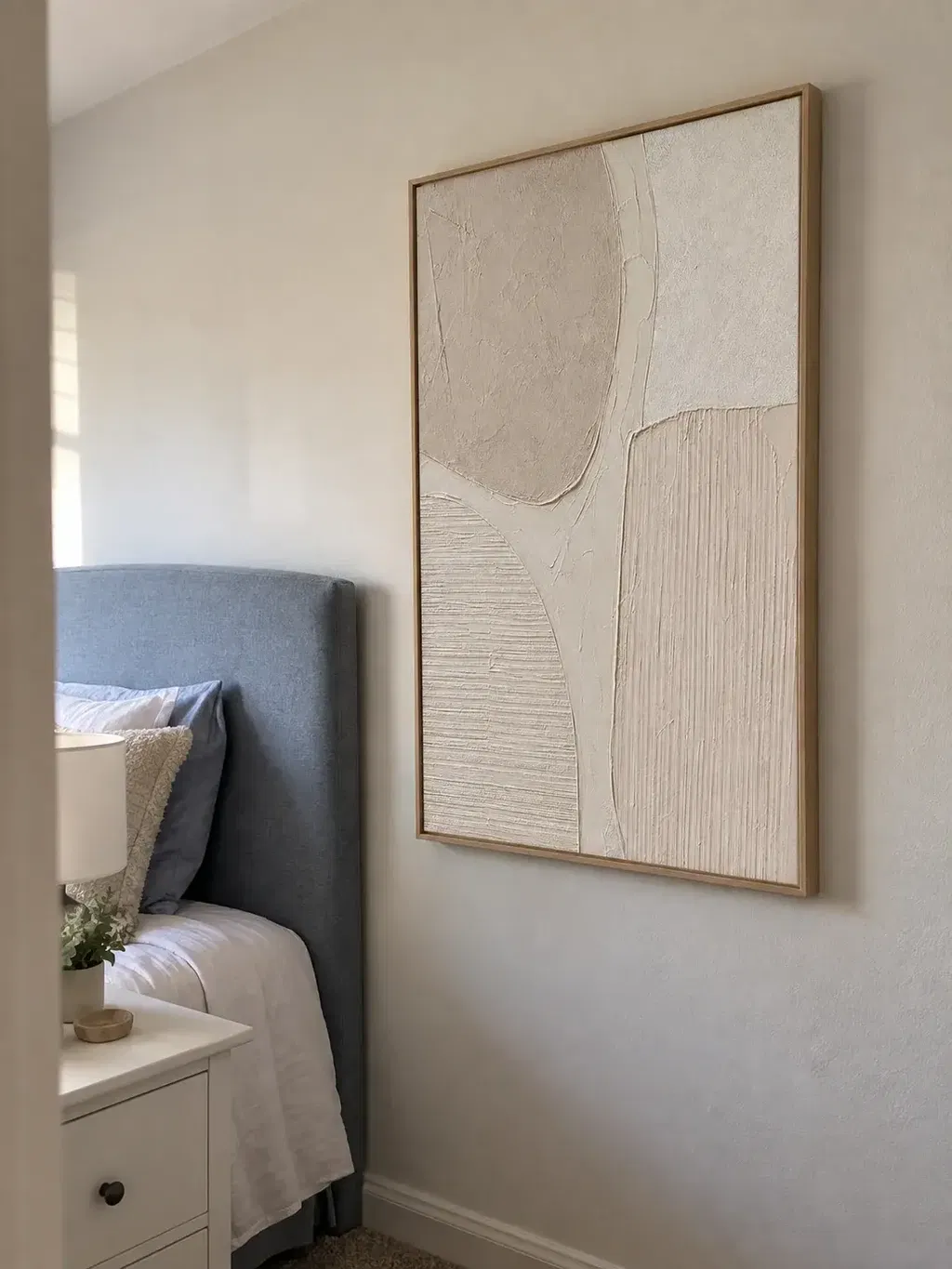
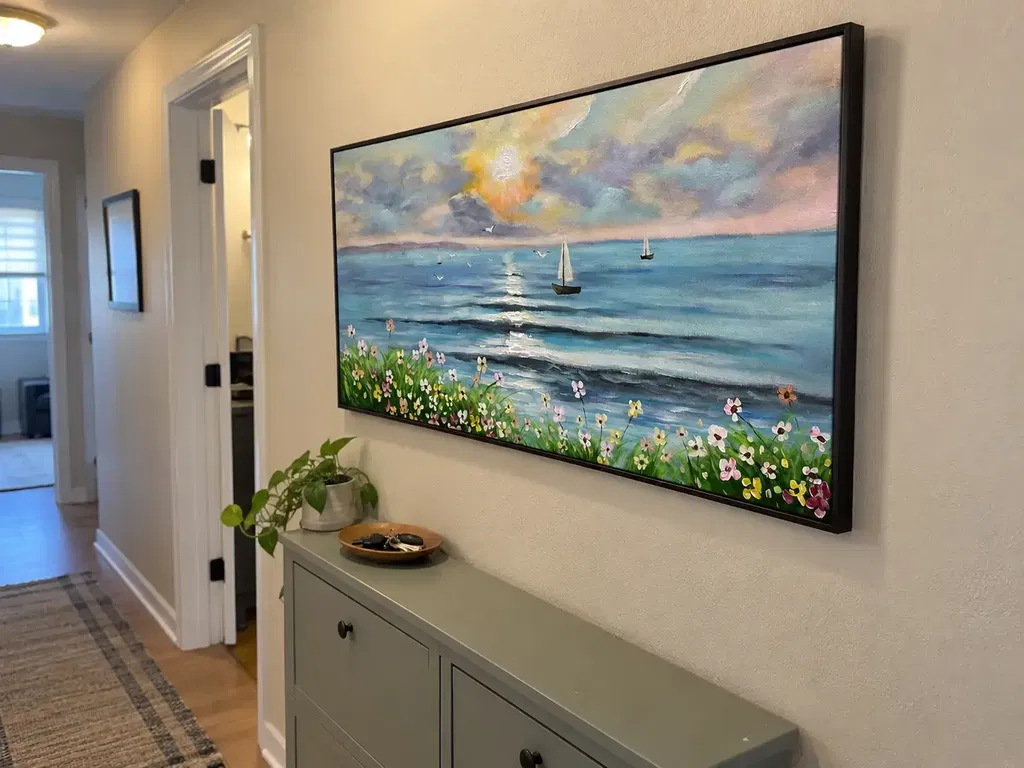
In this deep dive, we examine why modern acrylic art has emerged as the benchmark for residential wellness. By leveraging advancements in polymer chemistry and non-toxic pigment sourcing, acrylics offer a "ready-to-hang" solution that protects indoor air quality (IAQ) without sacrificing the "essential identity" that only human-made art provides.

The Science of Off-Gassing: Drying vs. Curing
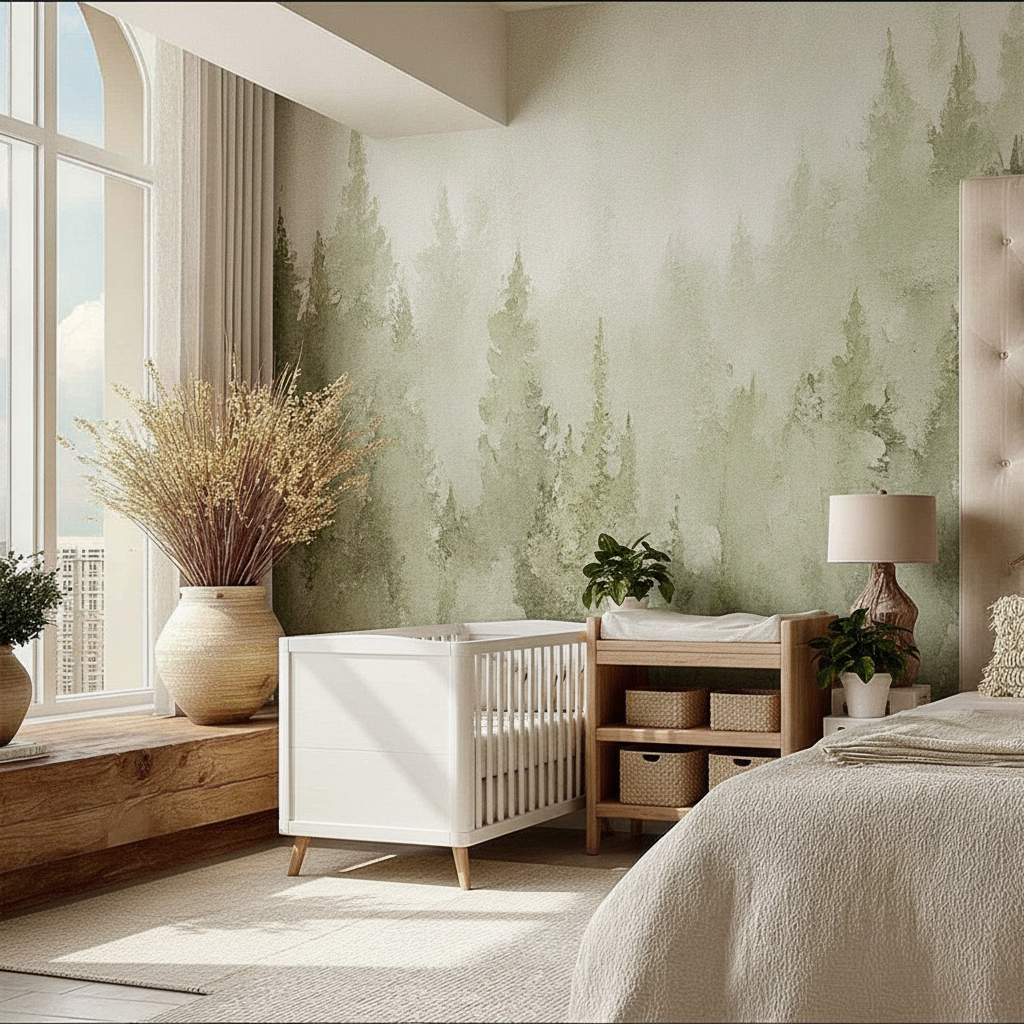
To understand why acrylics are superior for confined spaces like nurseries and master bedrooms, we must distinguish between the physical act of "drying" and the chemical process of "curing."
In our experience handling thousands of commissions, the most common homeowner concern is the initial scent. Traditional oil paintings rely on solvents like turpentine or mineral spirits. These substances don't just "dry"; they undergo oxidative cross-linking, a process where the oil reacts with oxygen to harden. This reaction can release VOCs for months.
Conversely, acrylics are water-based emulsions. As the water evaporates, the polymer spheres in the paint film move closer together and "coalesce" into a solid film.
The "Vinegar" Scent Explained
If you notice a faint, sharp scent from a freshly unboxed acrylic work, you are likely smelling trace amounts of ammonia. As noted in our internal studio protocols, ammonia is used to stabilize the acrylic polymer in its liquid state. This is not a sign of toxicity; it is a byproduct of the stabilization process and typically dissipates within 24–48 hours in a ventilated room.
Logic Summary: VOC Emission Modeling Our analysis of off-gassing assumes a standard residential room (12' x 15') with a large-scale mural (over 48 inches). Based on common industry heuristics, the surface area for off-gassing in large works makes water-based mediums essential for maintaining IAQ standards.
Parameter Value/Range Unit Rationale Initial VOC Spike < 24 Hours Primary water/glycol evaporation phase Curing Duration 7–14 Days Full polymer coalescence Ammonia Threshold < 5 ppm Typical stabilization levels in artist-grade acrylics Ventilation Requirement 0.5 ACH Standard residential air change per hour Safe Occupancy Immediate - Post-dry-to-touch (approx. 4 hours)
Heavy Metal Safety: Beyond the ASTM Label
A critical expertise gap exists in the consumer market regarding "safe" labels. Many buyers believe that the ASTM D-4236 seal on a paint tube means the product is "non-toxic." However, as the EPA clarifies regarding art materials, this label merely means the warning labels comply with regulations—it does not guarantee the absence of hazardous materials.
The Legacy of Lead and Cadmium
Historically, oil paints utilized lead white and cadmium reds/yellows for their unmatched opacity and vibrancy. While lead is now strictly regulated—with EU REACH Annex XVII prohibiting mixtures with lead carbonate exceeding 0.1%—cadmium remains a point of contention.
The International Agency for Research on Cancer (IARC) classifies cadmium as a Group 1 carcinogen. While some industry groups argue that the cadmium in artist paints is "insoluble" and thus safe, laboratory data suggests otherwise. Research published via Australian Industrial Chemicals proved that even "stable" Cadmium Yellow can release free ions in slightly acidic environments.
For households with children, we recommend modern acrylics that utilize organic "Hue" alternatives or Titanium Dioxide. Titanium White now dominates 90% of the white pigment market because of its chemical inertness and superior hiding power, effectively eliminating the need for lead-based whites in residential art.
| Pigment Type | Heavy Metal Risk | Common Alternative | Safety Profile |
|---|---|---|---|
| Traditional White | Lead | Titanium Dioxide | Inert, non-toxic |
| Traditional Red/Yellow | Cadmium | Azo/Pyrrole Pigments | High lightfastness, organic |
| Earth Tones | Manganese/Zinc | Synthetic Iron Oxides | Low bio-accessibility |
Neuroaesthetics: Why Hand-Painted Walls Heal
The wellness benefits of acrylic art extend beyond air quality into the realm of neurological health. The emerging field of neuroaesthetics explores how visual stimuli activate specific brain circuits.
Research from the University of Pennsylvania found that 73% of patients in clinical environments reported significant mood improvements when exposed to nature-themed art. This isn't just a subjective feeling; passive art viewing consistently activates the medial prefrontal cortex (mPFC) and the amygdala, optimizing emotional regulation.
The Power of Biophilic Design
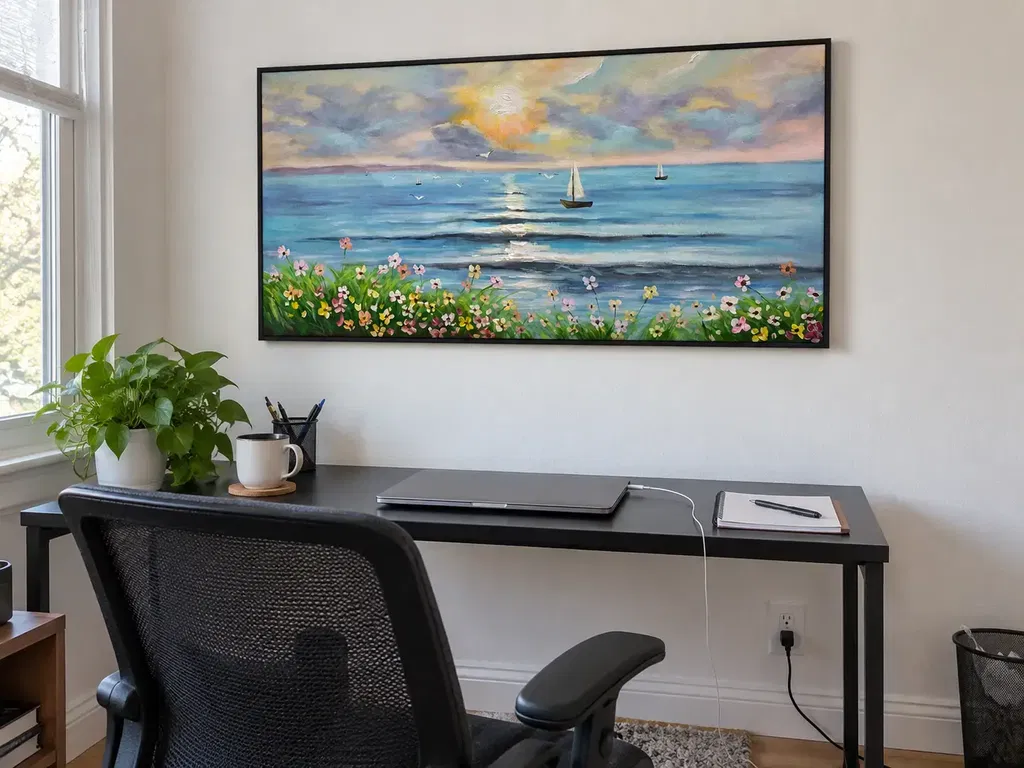
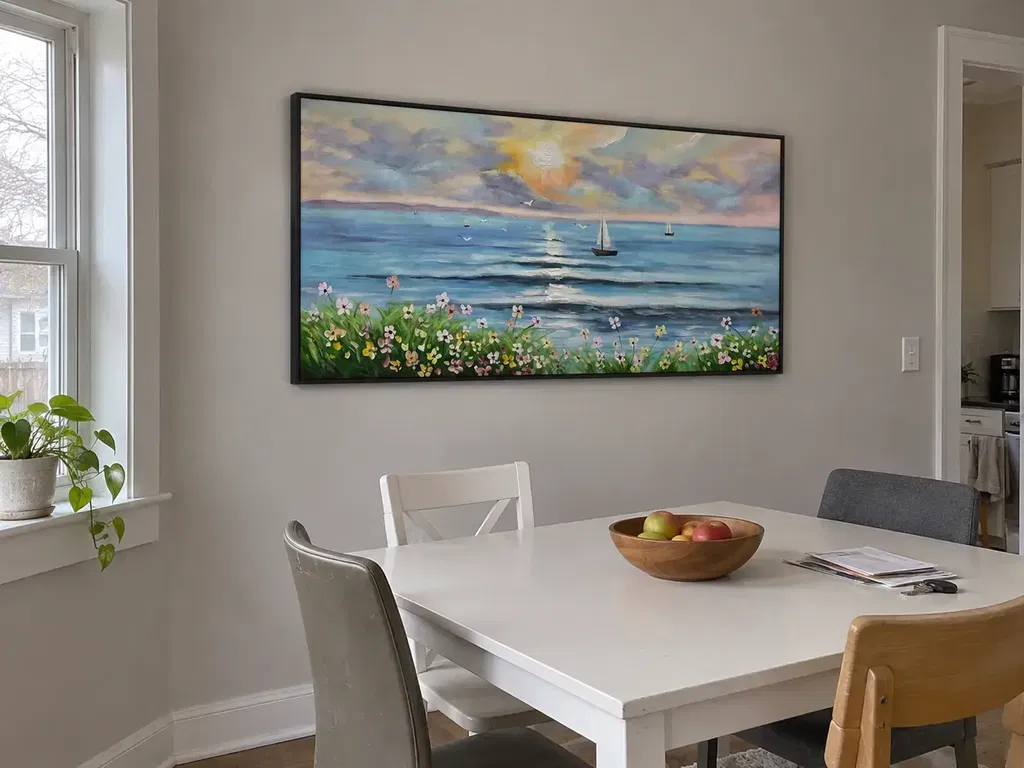
For high-density urban environments, nature-based murals act as a cognitive intervention. A study on Tokyo office spaces demonstrated that biophilic design—incorporating natural landscapes—effectively reduces employee burnout and cognitive fatigue. By choosing a custom acrylic mural for a home office or bedroom, you are essentially installing a "permanent physical billboard" for mental recovery.
This "healing" effect is significantly more potent in hand-painted works than in digital prints. According to UChicago research, consumers perceive that digital replicas lack the "essential identity" and soul of the artist. The physical relief of acrylic paint—the micro-topography of brushstrokes—stimulates intrinsic motivation and satisfaction in a way that flat pixels cannot.

The Human Premium: Why Authentic Art Outperforms AI
In an era of generative AI, the value of "100% human-made" has become a commercial nuclear weapon. A Columbia Business School study confirmed that consumers value art labeled "AI-generated" 62% lower than authentic human-created art.
This valuation difference stems from the "Labor Theory of Value" and the psychological connection to the artist's effort. When you commission a hand-painted acrylic work, you are purchasing the biochemical crystallization of apex human visual attention. As Stockton University research suggests, top painters possess a unique neural ability to suppress "perceptual constancy illusions," allowing them to translate 3D reality into 2D masterpieces with a precision AI currently mimics but does not "understand."
Furthermore, ethical consumption is now a primary driver for the modern buyer. A Wharton School survey found that 87% of consumers believe artists should receive fair compensation. Choosing original hand-painted art supports the freelance creative economy, which, according to the NYC Comptroller, remains financially vulnerable despite the industry's $1.2 trillion contribution to the U.S. GDP.
Investment Value: Murals and Real Estate ROI
Art is no longer a "sunk cost" for homeowners; it is a strategic asset for property valuation. The Royal Society utilized a CAR model analysis of 10-year data to find that neighborhoods with higher "art" geo-tags saw greater relative house price ranking gains.
For commercial developers and high-end residential flippers, the data is even more compelling:
- Crime Reduction: The University of Michigan's "Busy Streets Theory" shows that murals can reduce neighborhood violent crime by up to 40% by transforming unkempt spaces into community landmarks.
- Social Cohesion: Philadelphia’s "Porch Light Program" demonstrated that large public murals leaps in social cohesion and mutual trust.
- Commercial Traffic: University of Cincinnati regression analysis of 300+ murals shows they remain directly correlated with significant pedestrian foot traffic increases.
Whether it's choosing acrylic art for bedrooms with low natural light or specifying art for luxury healthcare foyers, the integration of hand-painted murals serves as a "marketing trump card" that increases both the emotional and financial equity of a property.
Maintenance and Longevity: The Tate AXA Findings
A common misconception is that acrylics are "lesser" than oils in terms of longevity. In reality, acrylic polymers consist of long-chain molecules that form films through physical coalescence, making them more resistant to embrittlement than older oil films.
The Tate AXA Art Modern Paints Project (TAAMPP) confirmed that acrylic paint has extremely strong anti-aging properties. However, they are sensitive to solvents.
Expert Cleaning Heuristic:
- The Water Swab Method: Tate's experiments confirmed that gently wiping the surface with a water-dampened cotton swab effectively removes free surfactants—the molecules that can sometimes migrate to the surface and cause a "hazy" appearance.
- Avoid Heat: While acrylics are moisture-resistant, they are thermoplastic. Research indicates that under high thermal aging (approaching 100°C), art mediums can experience catastrophic binder separation. Keep your art away from direct heat sources or uninsulated exterior walls.
Troubleshooting: Support Induced Discoloration (SID)
If you notice a white canvas turning yellow or brown after drying, you are likely witnessing SID. According to Golden Artist Colors, water-soluble impurities in cotton or linen substrates can be drawn into the acrylic medium as it dries. To prevent this, professional artists always use a high-quality acrylic gesso or primer to seal the substrate before painting.
A Healthier Choice for Modern Living
The decision to choose acrylic art is a commitment to "decision safety." By prioritizing water-based mediums, you eliminate the weeks-long off-gassing periods associated with oils, allowing for immediate installation in the most sensitive areas of your home.
From the WHO's endorsement of art as public health infrastructure to the Royal Society's data on property premiums, the evidence is clear: hand-painted acrylics represent the intersection of luxury, ethics, and wellness.
For those looking to deepen their collection, understanding the technical nuances—like why oils offer smoother gradients or how to evaluate vibrancy against digital screens—will ensure your investment remains as healthy as it is beautiful.
Disclaimer: This article is for informational purposes only and does not constitute professional medical, legal, or financial advice. Indoor air quality can be affected by numerous factors beyond art mediums, including ventilation, furniture, and building materials. Always consult with a certified industrial hygienist or medical professional for specific health concerns related to IAQ.