If you need to store original textured art, the safest default is upright, lightly protected, and kept in a stable environment, but only if the surface is fully dry, the texture is secure, and the piece can be handled without pressure on the relief. If the work is fresh, crumbly, oversized, or heavily impastoed, avoid DIY storage and get conservation guidance first. Before anything else, check the paint cure state, frame stability, backing, and expected storage climate.
Why Texture Changes Storage Needs
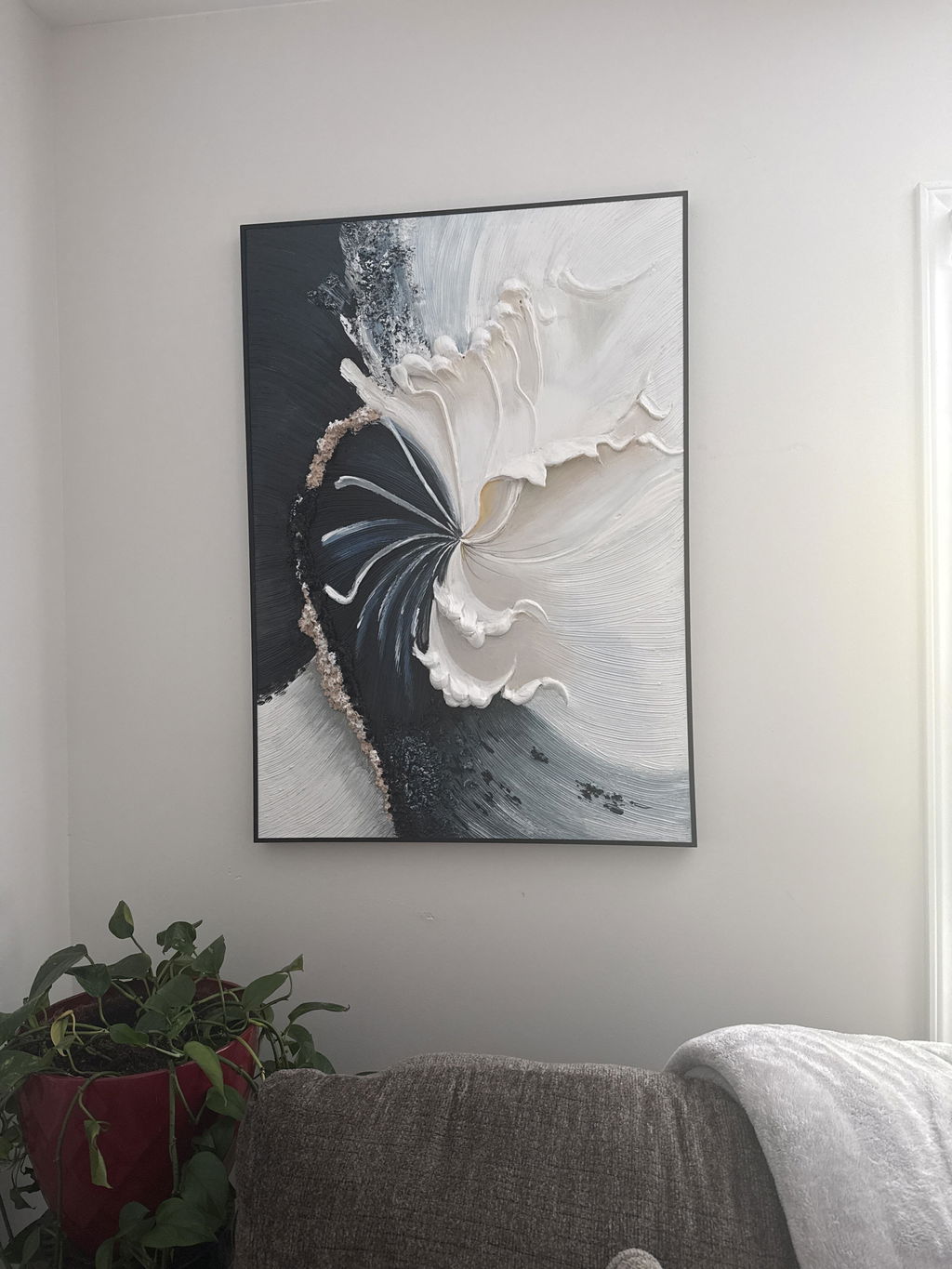
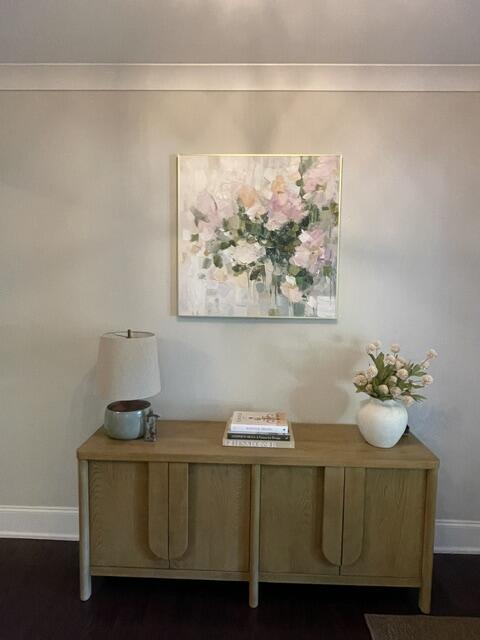
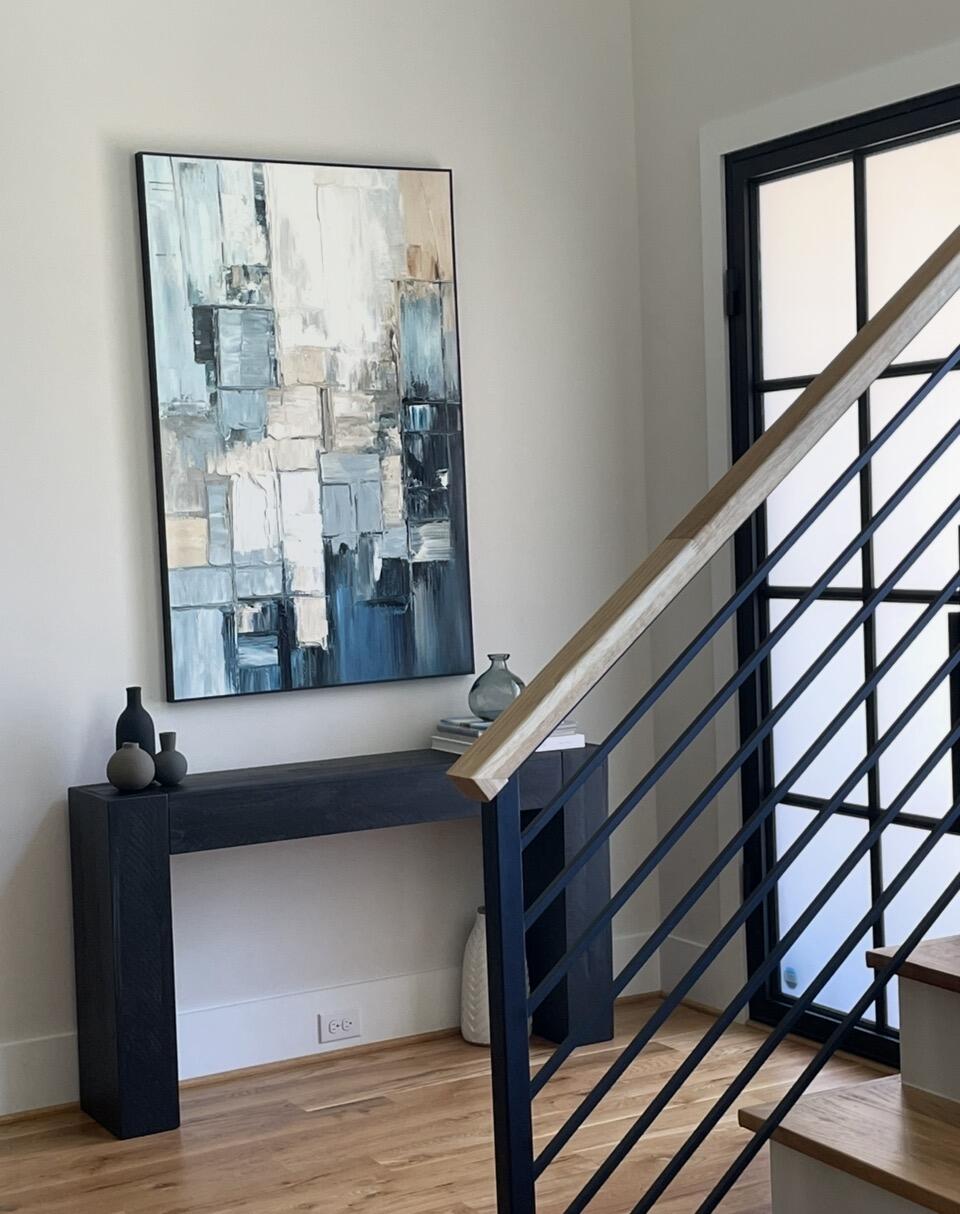
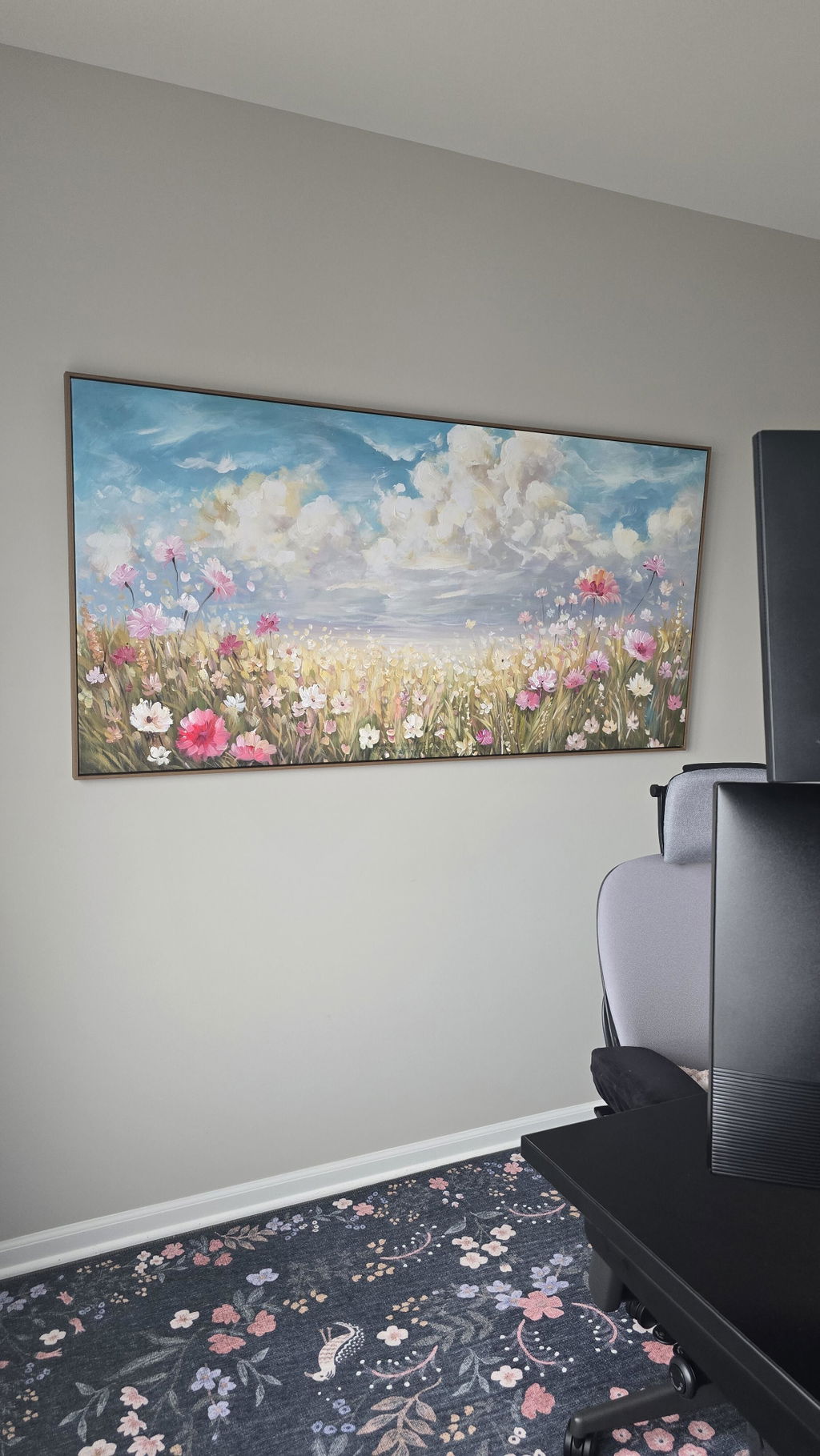
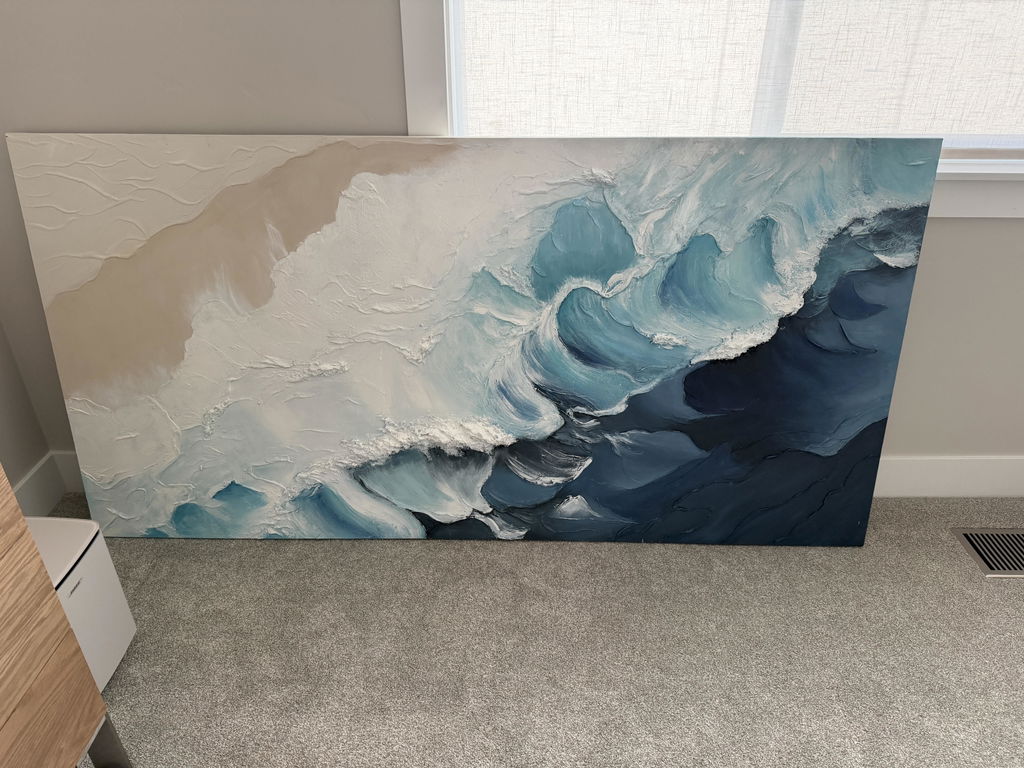
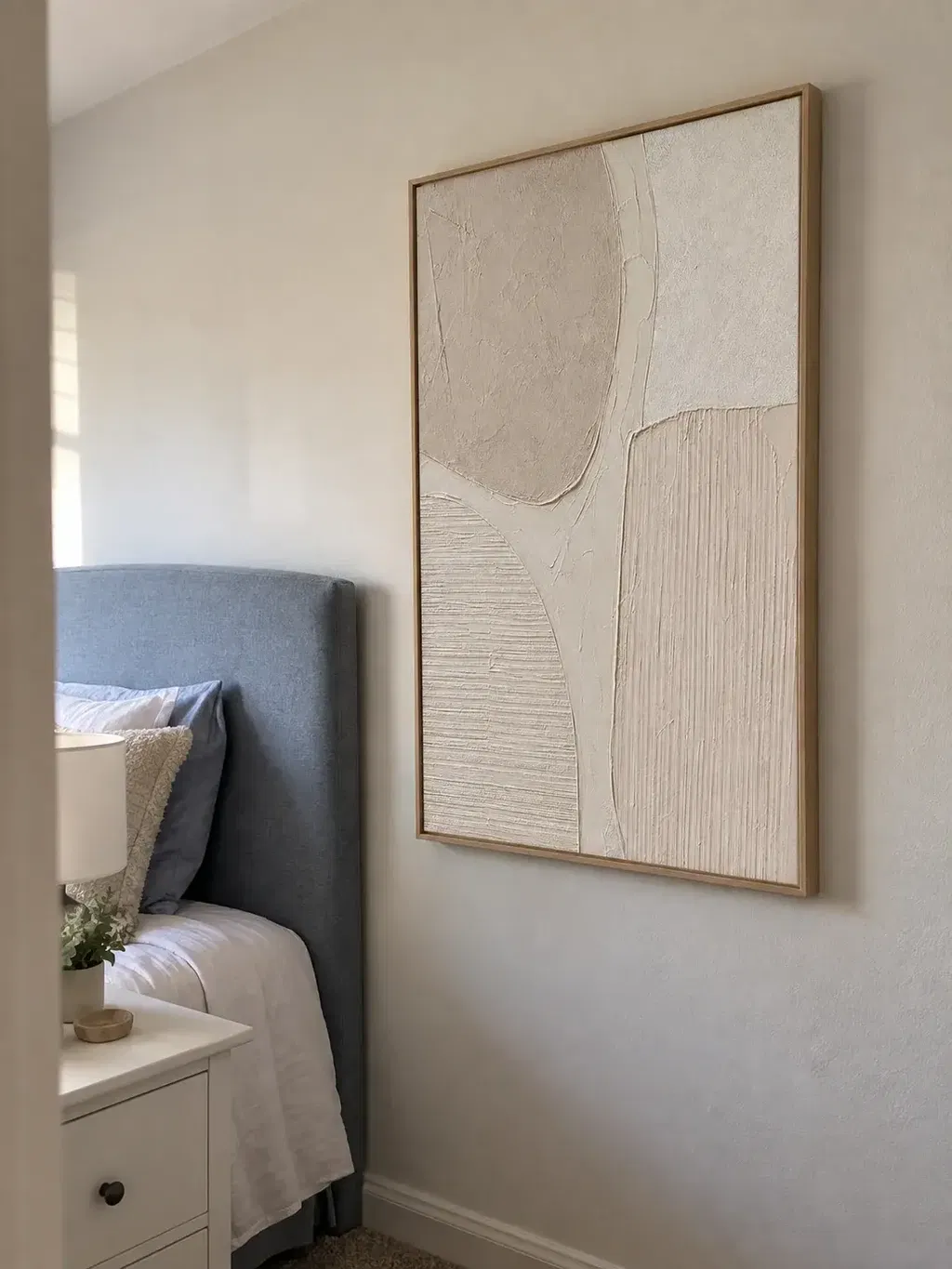
Raised paint changes the storage problem because the vulnerable part of the work is no longer just the canvas or panel. Peaks, ridges, edges, and built-up passages can be scuffed, flattened, or imprinted if they touch wrap, another artwork, or a hard shelf surface. That is why storing textured oil paintings safely usually means planning for clearance, not just containment.
Condition matters more than style. A fully cured textured surface is one thing; a fresh impasto piece is another. The Canadian Conservation Institute guidance on paintings notes that heavily applied oil paint may need extended drying time before wrapping or long-term storage, which makes newly finished work a clear stop-and-check scenario.

For seasonal rotation, the main question is simple: will the art be off the wall for a few days, a few months, or long enough that small contact problems can become permanent? The longer the storage window, the more conservative the setup should be.
Prep the Painting Before It Comes Down
Before you move anything, inspect the piece in good light and decide whether it is stable enough for DIY handling. A textured work should be checked for raised peaks, fragile edges, loose frame hardware, cracked paint, and any area that looks unstable enough to shed or shift.
Inspect the Surface and Edges
Look closely at the front, corners, and frame joinery. If the texture sits very close to the edge, or if you see flaking, soft spots, or lifting, treat the piece as delicate rather than routine wall decor. That is the point where storing textured oil paintings safely becomes more about avoiding one bad touch than about finding a clever wrap.
Choose a Clean Handling Area
Set up a dust-free space with enough room to stage the art, the padding, and the destination before lifting it. Keep food, drinks, and loose textiles away from the area. Every extra set-down increases the chance of surface contact, and protecting raised texture during moves usually starts with reducing how many times the work changes hands.
Decide Whether It Needs Professional Help
Call a conservator or professional art handler if the piece is unusually high in texture, freshly painted, already damaged, or valuable enough that a mistake would be costly. Very fragile peaks or loose media are not the right place for a trial-and-error storage plan. If the surface already looks unstable, the best decision may be to stop before wrapping begins.
Packing Materials That Protect Raised Texture
The safest packing sequence depends on one rule: the painted surface should not touch a material that can imprint it, stick to it, or trap moisture against it. The CCI wrapping guidance is clear that bubble wrap or plastic should not touch the paint surface directly, and that breathable separators are the safer first layer.
Here is the practical split:

| Layer | Best Use | What It Should Not Do |
|---|---|---|
| Surface separator | Sit closest to the paint when needed | Press into peaks or cling to texture |
| Outer cushioning | Protect against bumps during transport or storage | Replace a proper barrier layer |
| Rigid support or crate | Keep the piece from bending or shifting | Let the front face touch hard materials |
A safer barrier layer is typically acid-free tissue or silicone release paper, used as a separator before outer cushioning. That keeps the outer wrap from becoming the contact layer. When people ask which material is best for original textured art, the answer is less about the brand of wrap and more about whether the first layer can stay off the high points of the surface.
Avoid packing shortcuts that feel soft but still press into the relief. Foam, film, and tight wrap can all create slow pressure, especially on thick impasto. If the piece needs face protection, a fitted crate or spacer system is often better than hoping a padded layer will behave.
How to Store and Move the Piece
For most framed textured works, upright storage is the default. The CCI storage guidance for paintings recommends storing paintings upright rather than flat, because flat stacking increases pressure and abrasion risk. For raised texture, that difference matters even more.
A practical sequence looks like this:
- Make sure the surface is dry, stable, and already inspected.
- Add a breathable separator only if the piece needs one.
- Place outer cushioning outside the barrier layer, not on the paint.
- Keep the artwork upright in a secure slot, crate, or support system.
- Separate it from other works so no front face touches another front face.
- Recheck the piece after transport or after it settles into storage.
Flat storage is a higher-risk exception, not an equal alternative. It may work only when the piece is structurally stable, well supported, and specifically prepared for that orientation. Otherwise, the weight of the work itself can create slow damage across the highest texture points.
If the move is part of a redecorating project, the blog how to store paintings when moving gives a useful handling sequence for reducing unnecessary contact before the piece goes into temporary storage.
Storage Conditions That Reduce Damage
Packing alone does not solve the problem if the room itself is unstable. Stable conditions are preferable for stored paintings, and the Museum Conservation Institute guidance is the clearest reminder that consistency matters more than chasing a perfect number. For home storage, that means choosing the most even indoor location you have and avoiding places that swing with the weather.
Humidity and Temperature
Humidity spikes and temperature swings are the conditions most likely to make a stored painting behave badly over time. Very damp spaces can encourage mold and structural instability, while hot, fluctuating rooms can stress paint films and supports. If you have to choose between a convenient but damp space and a less convenient interior room, the interior room is usually the better fit.
Light, Dust, and Airflow
Stored art does not need bright light, but it does need a place that avoids grime and condensation. Keep it away from direct sun, heaters, radiators, and HVAC blasts. A closet or cabinet can work if it stays dry and does not trap moisture against the surface. Dust control matters too, but do not trade dust protection for airtight plastic contact.
Where to Keep It at Home
For seasonal rotation, choose an interior location over a basement, attic, garage, or exterior wall whenever possible. Those spaces tend to create more swings in temperature and humidity, which makes the storage risk harder to predict. The blog protecting textured oil paintings from humidity and temperature is a practical follow-up if you need to compare storage spots in the home.
The best location is the one that keeps the piece upright, dry, and away from bumps. If a space looks tidy but forces the artwork to lean, stack, or sit near moisture, it is not the right place for a textured original.
Re-Hanging and Rechecking After Storage
Unwrap slowly and inspect before you decide the piece is ready to display again. Check the peaks, edges, corners, and hardware for dents, transfer marks, loosened paint, or frame movement. If the surface shows fresh damage, keep it stored and get advice rather than hanging it back immediately.
A quick visual recheck is often enough to catch the problems that matter. If the painting looks unchanged and dry, you can usually move to display. If you see sticking, cracking, or any flattening on the raised areas, pause and reassess.
Final Takeaway
The safest way to store a textured original is to keep the painted surface from touching anything, store it upright unless a different orientation is truly justified, and choose a stable indoor space over a convenient but risky one. If the paint is fresh, fragile, or unusually high in relief, stop before wrapping and get professional help. For rotating pieces, that is the best final check: confirm the cure stage, use separated upright storage, and avoid DIY if the texture looks unstable.
FAQs
How Long Can a Textured Painting Stay in Storage?
It can stay stored for a short or long period if the surface is fully dry, the packing is conservative, and the room stays stable. The longer the storage period, the more important periodic checks become, especially for humidity, leaning, or hidden pressure points.
Can I Wrap an Impasto Painting in Plastic?
Not directly against the paint. Plastic can trap moisture or press into the texture, so it should not be the first layer touching the surface. If you need an outer protective layer, put a breathable separator between the paint and anything that could cling or imprint.
Should Textured Originals Be Stored Upright or Flat?
Upright is often the safer default because it reduces pressure on the front surface. Flat storage only makes sense when the work is structurally stable, well supported, and specifically prepared for that orientation. For most home rotations, upright separated storage is the better starting point.
What Temperature and Humidity Range Is Best for Stored Artwork?
Stable indoor conditions matter more than a single magic number. The safest clue is consistency: avoid rooms that swing with the weather, run damp, or sit beside heat sources. If the storage area feels musty or changes sharply from day to day, it is not a good long-term home.
When Should I Call a Conservator Before Storing a Painting?
Call one if the paint is fresh, flaking, cracked, unusually thick, or already damaged. That threshold matters most for protecting raised texture during moves, because fragile peaks and loose media can turn a simple storage step into a permanent surface problem.