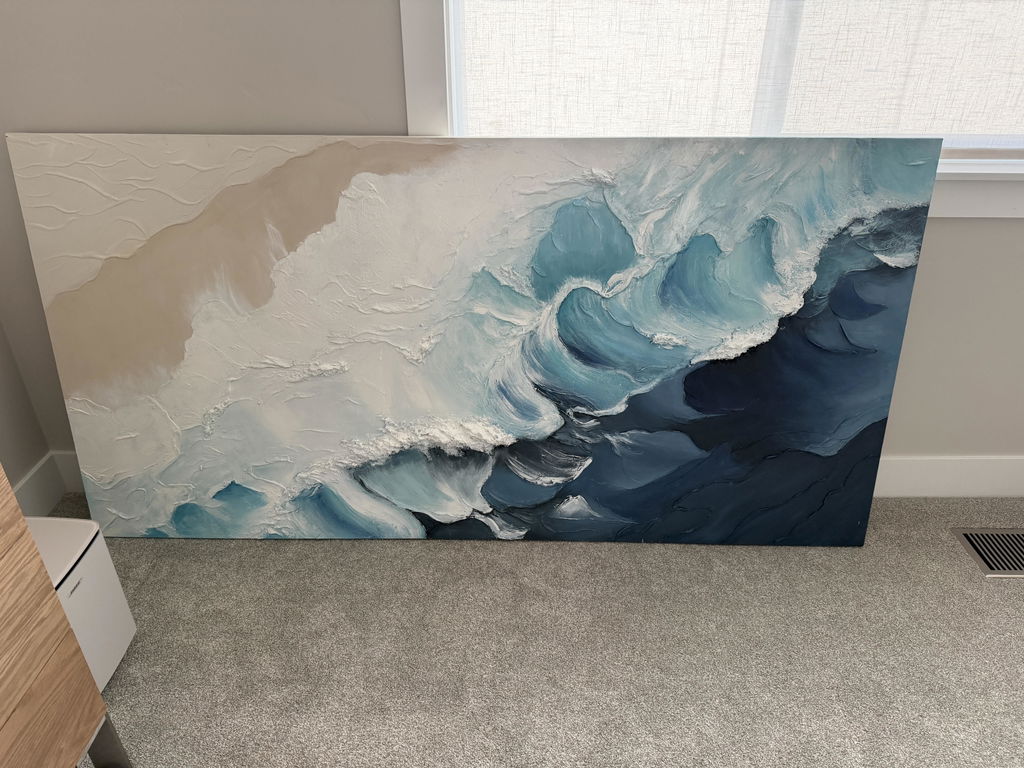
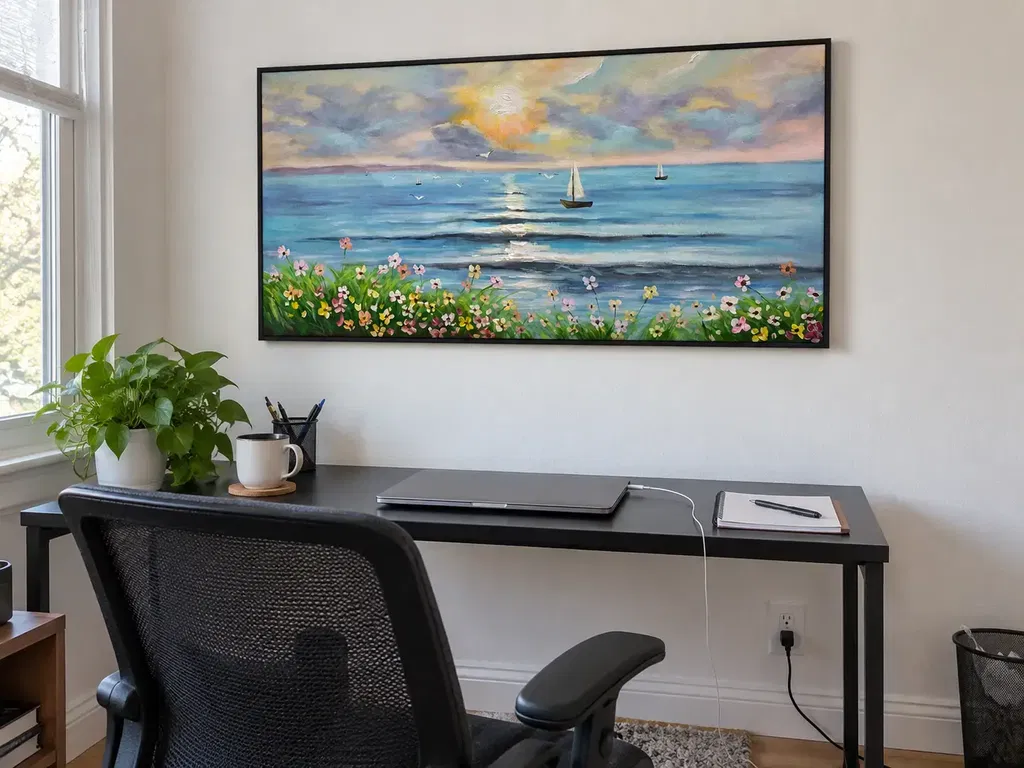
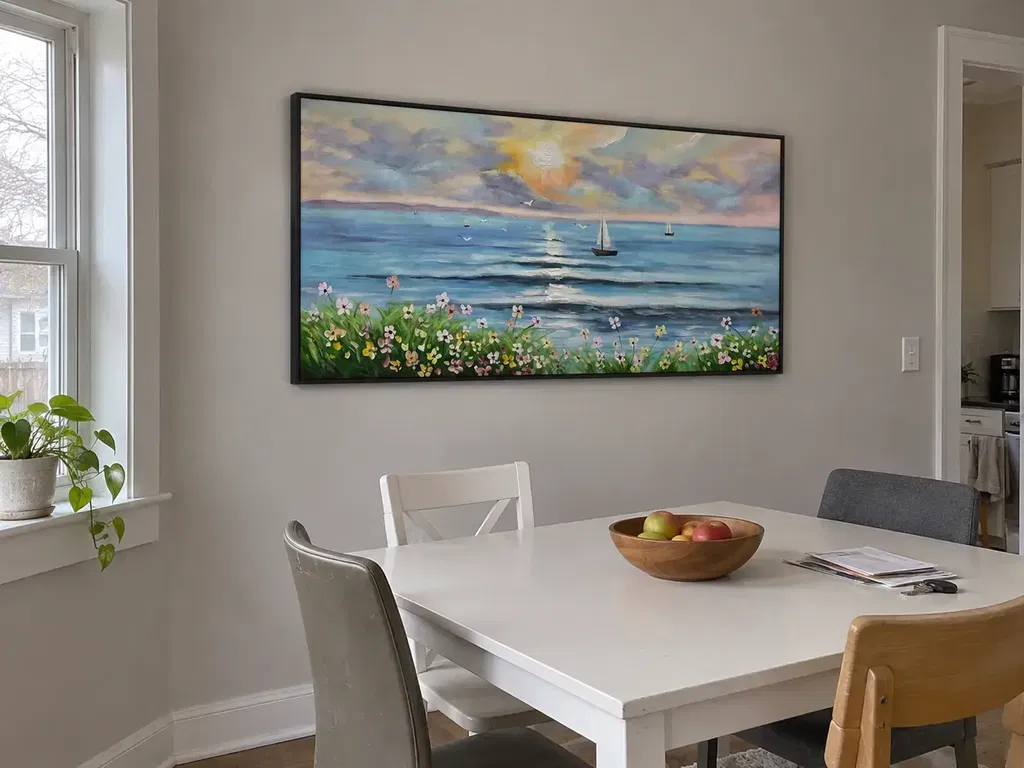
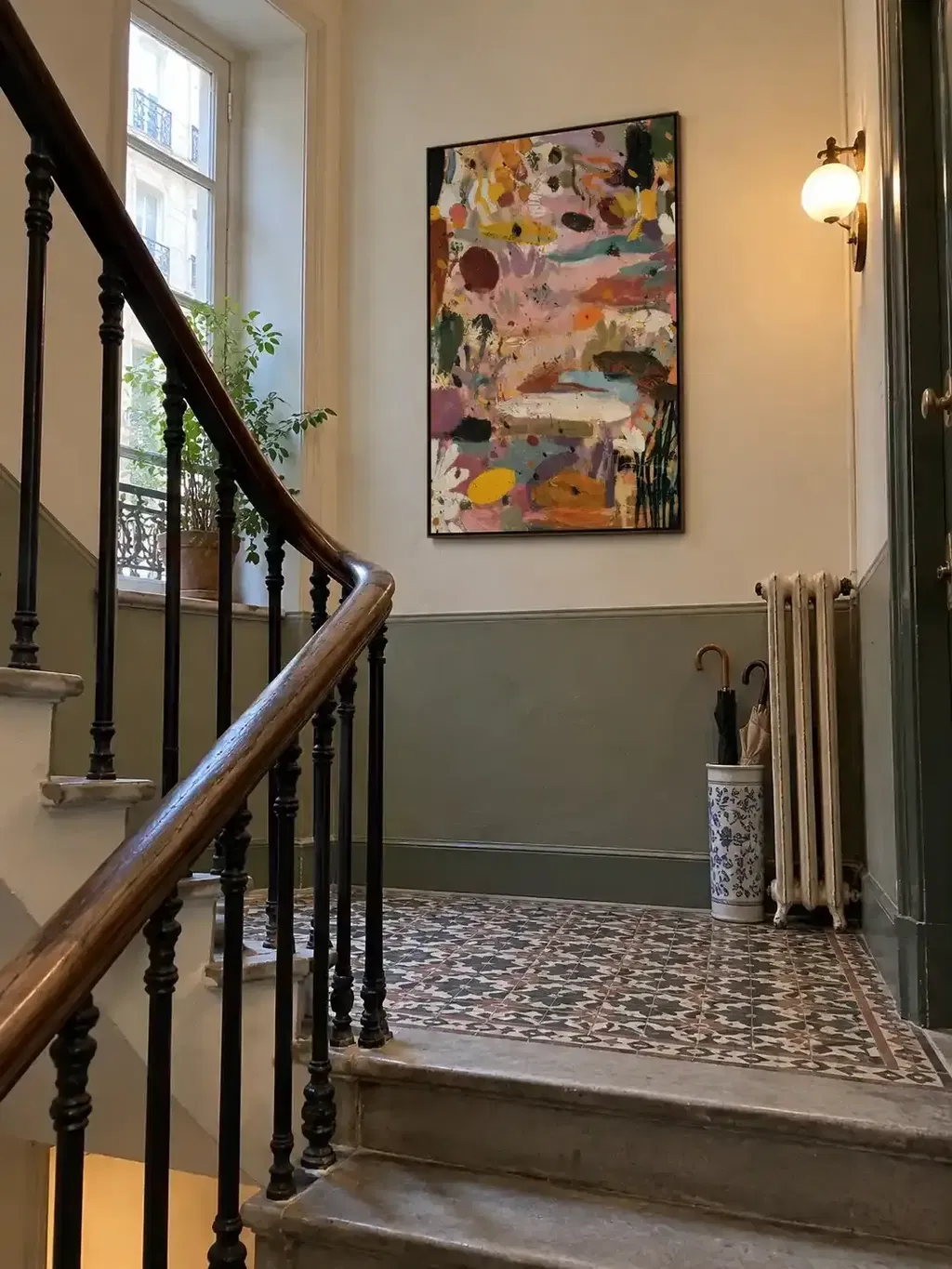
Protecting textured oil paintings from humidity and temperature starts with one practical idea: steady indoor conditions matter more than chasing perfection. If you are working on textured art humidity care, focus first on reducing swings, avoiding damp micro-climates, and spotting stress early. Thick impasto layers and canvas support can respond to moisture and heat changes in ways flat decor usually does not, so placement matters.
Why Humidity and Temperature Matter
For most homes, the safest working reference is a relative humidity of about 45% to 55% and a temperature around 65°F to 70°F, which is the conservation baseline used for oil paintings in the Museum of Western Australia's preventive guidance. That range is not a guarantee, but it gives you a real target instead of guessing. If your home regularly drifts above it, textured art humidity care becomes less about polish and more about reducing exposure.
The reason textured surfaces deserve extra attention is simple: raised paint holds more structure, so it can be more sensitive to moisture and movement than a flatter surface. In impasto work, higher humidity can create conditions that conservation guidance treats as a real risk zone, especially when the room stays damp rather than only spiking once in a while. EuACA's impasto recommendations note that humidity above roughly 70% to 75% can promote mold risk and hydrolysis in thick paint layers, which is why a humid basement or poorly ventilated bathroom is a poor long-term home for a textured canvas.

Temperature swings matter too, but the problem is usually the repeated change, not one mild seasonal shift. The British Association of Paintings Conservator-Restorers explains that rapid humidity fluctuations can be more damaging than slower seasonal drift because the canvas and support materials expand or contract faster than the paint layer can adjust. In plain terms, a room that feels fine most of the day but gets blasted by HVAC, sun, or a draft can be harder on the painting than a room that stays a little warm or a little cool in a steady way.
Low humidity also deserves a softer warning, especially in winter. Very dry air can make paint films more brittle and more crack-prone when the painting is handled or when the support moves, so oil painting humidity control at home is really about avoiding extremes on both ends. If you are deciding what matters most, start by checking whether the room is steady, then ask whether the average condition and the daily swings both stay reasonable.
One useful decision sentence is this: if a room stays near the middle of the range and changes slowly, it is usually a better fit than a room that swings hard between dry heat, cool night air, and afternoon sun. Another is this: if you cannot keep the space stable, reduce the painting's exposure to that room before you think about special equipment. That framing keeps climate care practical instead of turning it into a preservation promise.
Humidity and drying speed can matter during the first stages of curing too, but long-term ownership is mostly about the environment you leave the painting in every day.
Best Places to Display Your Painting
| Location | Climate Exposure | Why It Matters | Practical Preference |
|---|---|---|---|
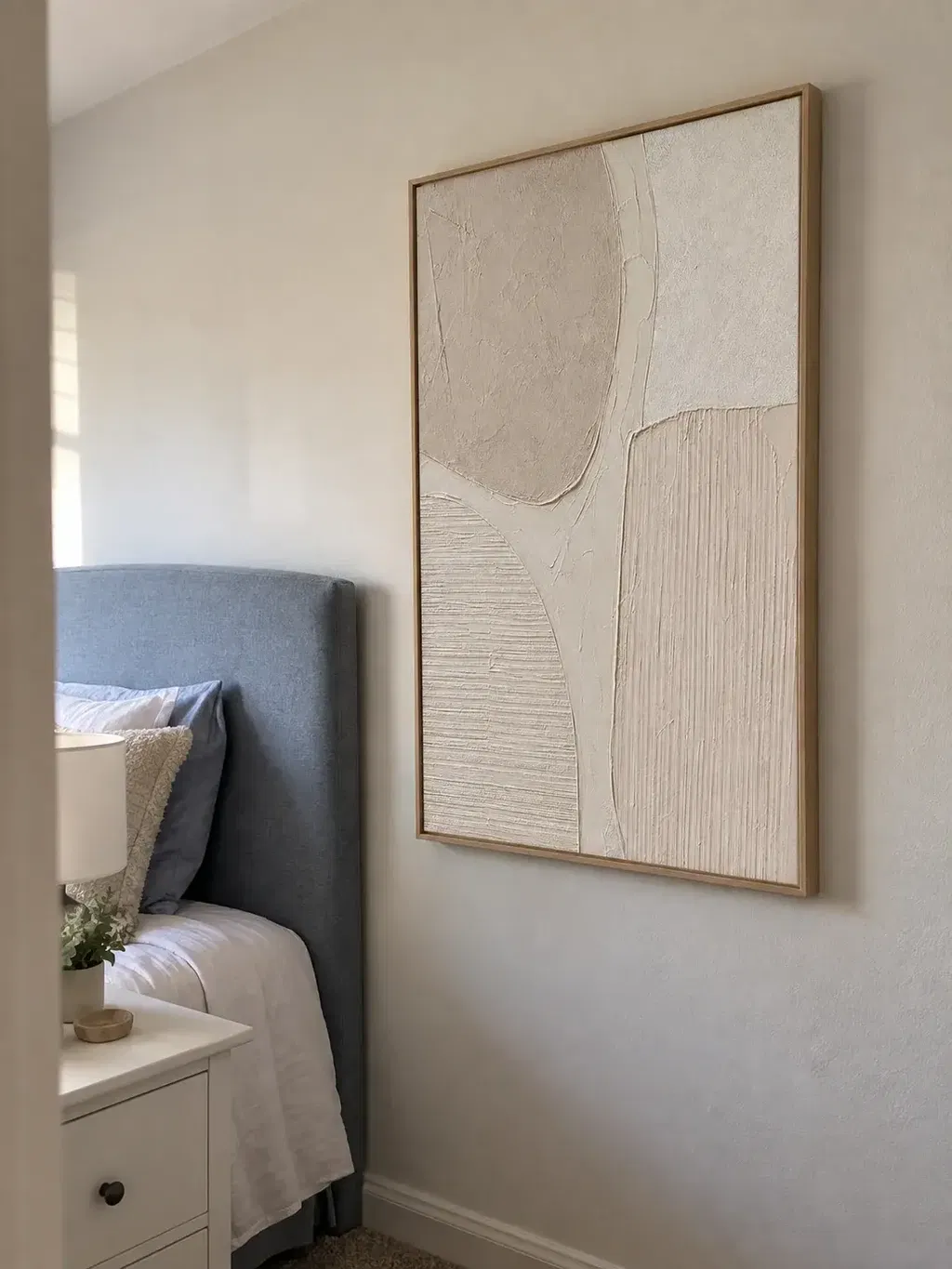
| Interior living room wall | Usually steadier | Fewer temperature gradients than outer walls | Best starting point |
| Bedroom interior wall | Usually moderate | Often less steam and cooking moisture | Good choice if the room is stable |
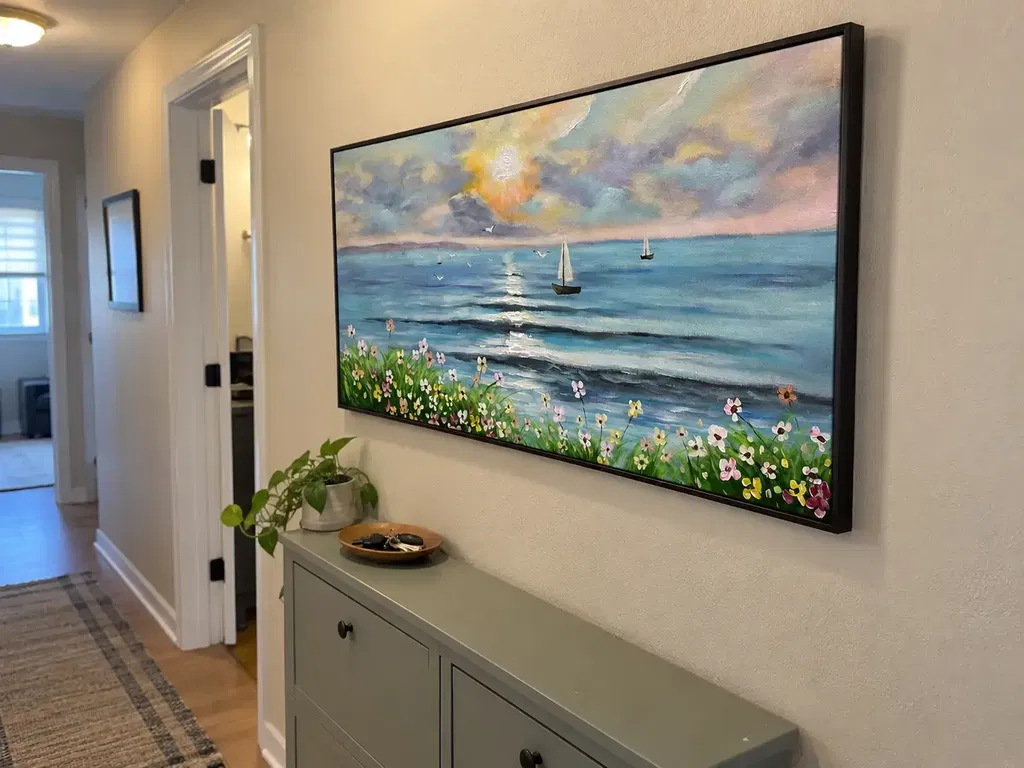
| Hallway | Usually low to moderate | Often away from direct moisture sources | Good if not near vents or windows |
| Kitchen | Variable | Heat, steam, and frequent air changes can create micro-climates | Use only if the room stays unusually steady |
| Bathroom | High | Steam and repeated moisture spikes create avoidable risk | Usually not ideal for textured oil paintings |
| Basement | Variable to high | Dampness and poor ventilation can raise concern | Avoid if the space feels humid or musty |
| Exterior wall | Variable | Can be colder, damper, or more exposed to temperature change | Better to choose an interior wall when possible |
| Near HVAC vent or window | High fluctuation | Air blasts, sun, and drafts create local swings | Avoid when you can |
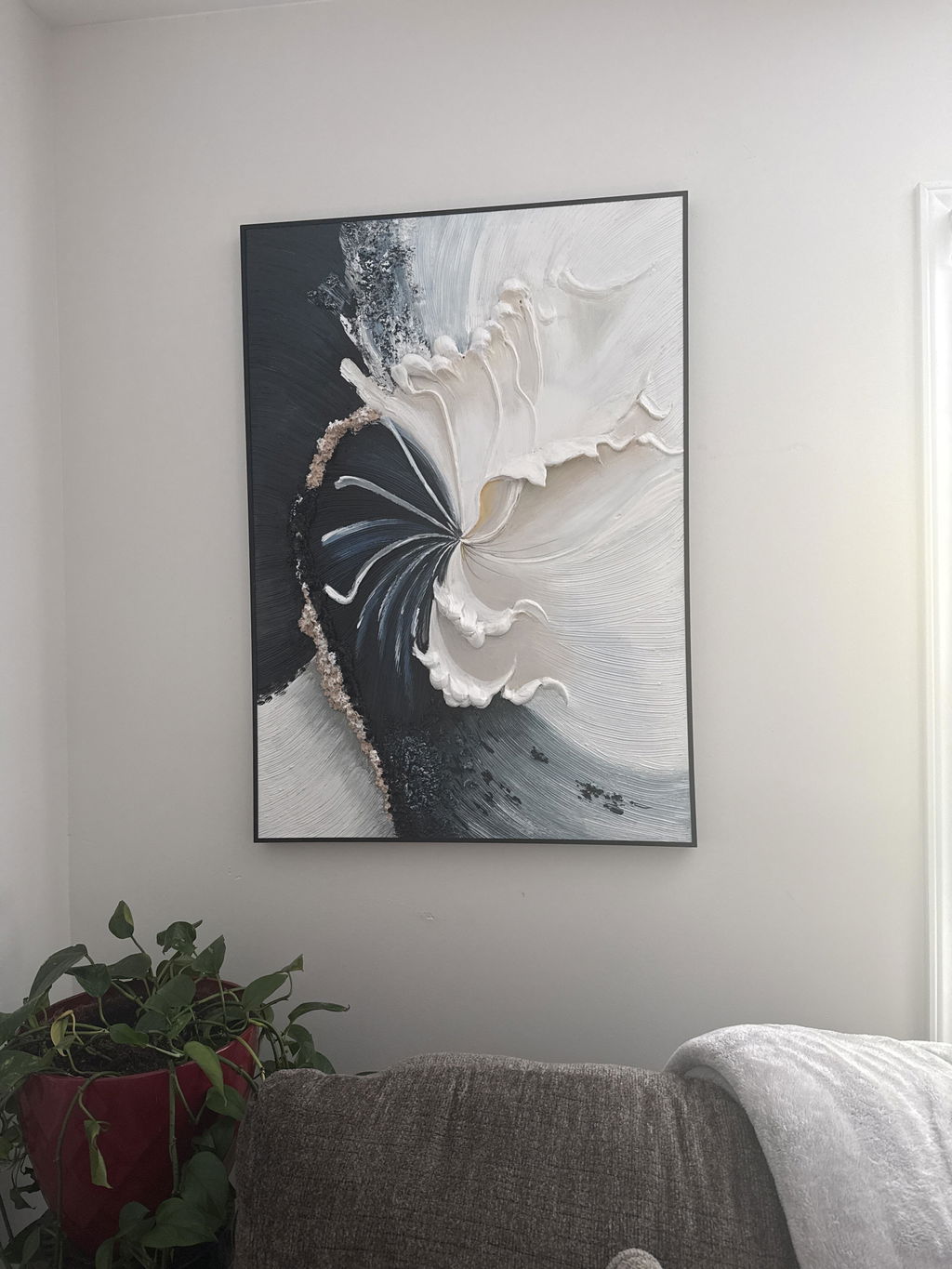
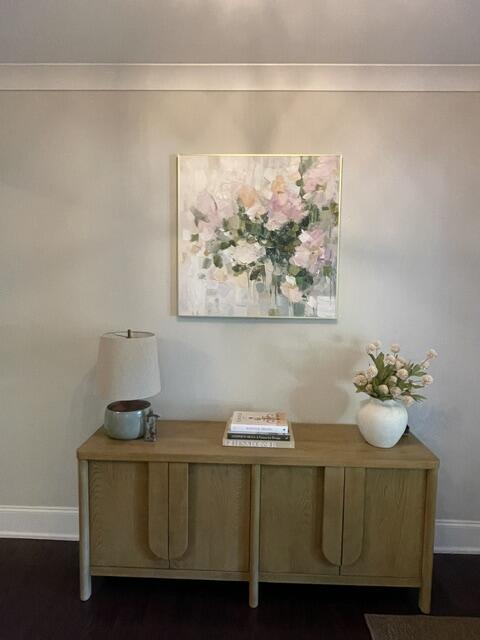
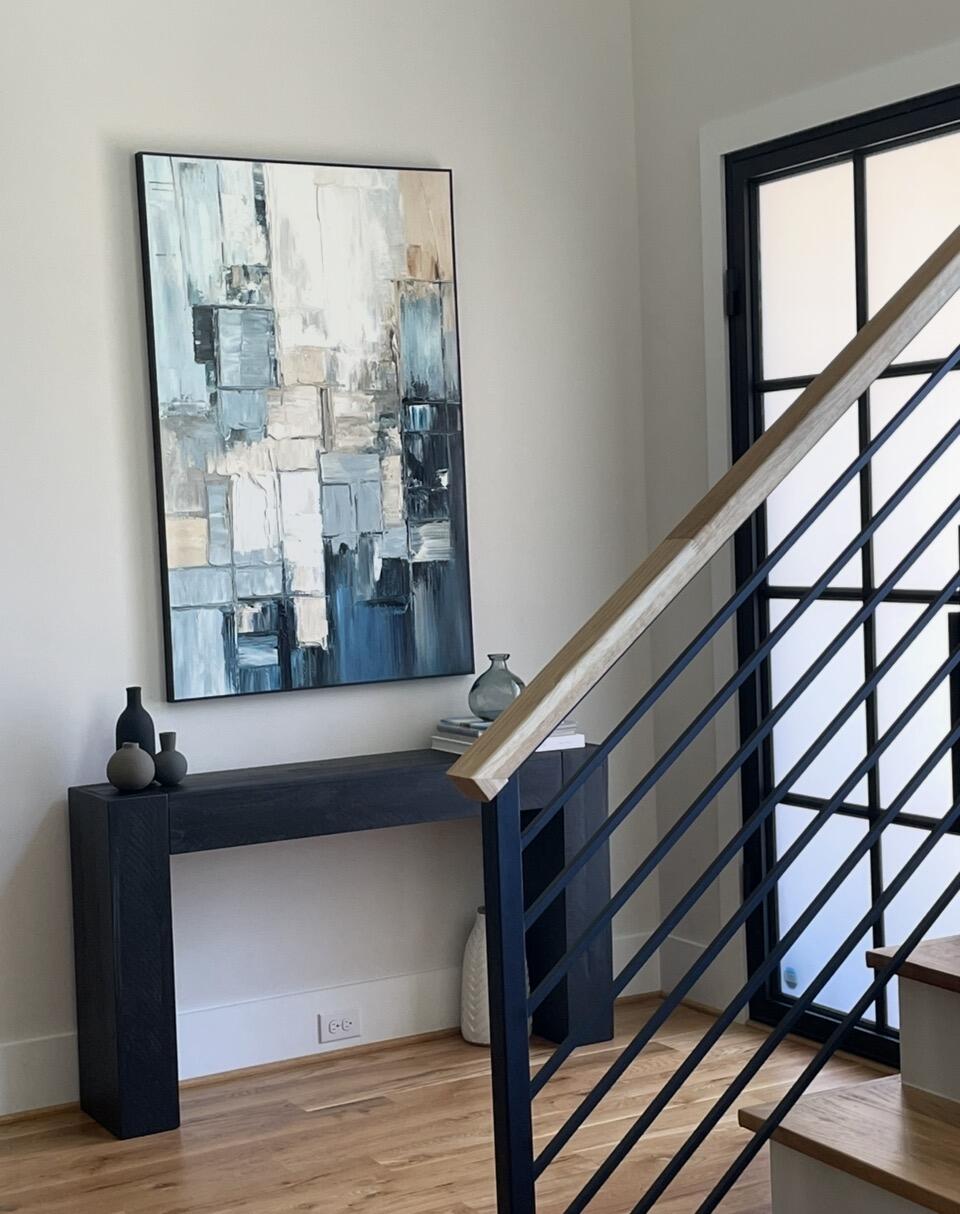
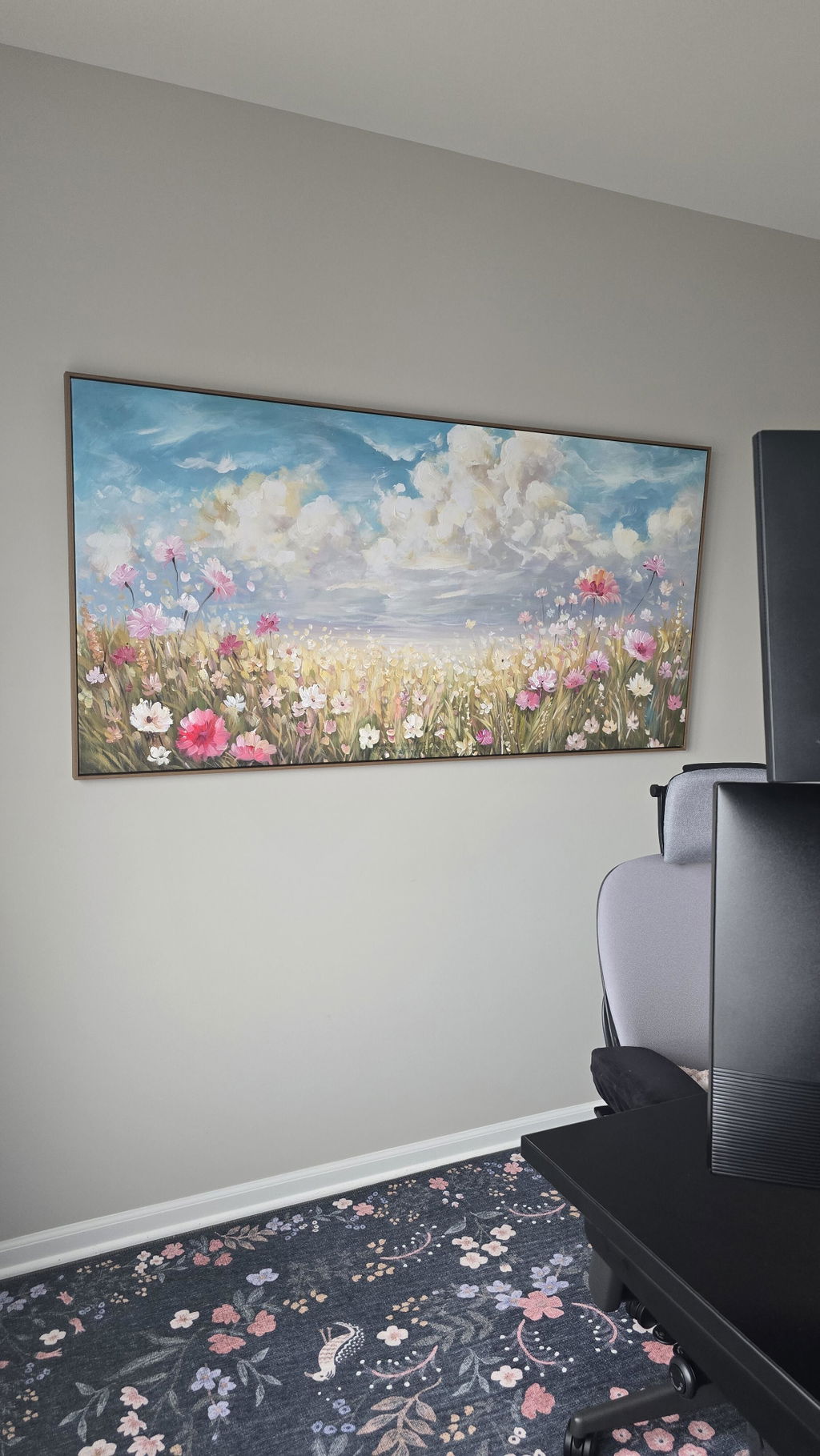
The room itself matters, but the exact wall matters almost as much. Gamblin's painting storage guidance notes that exterior walls, radiators, and direct sunlight can create localized micro-climates that are less favorable for paintings. That is why a perfectly acceptable living room can still have one bad wall and one safer wall.

If you are choosing between two spots, pick the one with the least direct air movement and the fewest moisture sources. An interior wall away from a vent is usually more forgiving than a spot over a radiator or across from a sunny window. In a house with humid summers or dry winters, that simple choice often does more for climate care than a more complicated setup.
For framed work or paintings with deeper texture, the safest placement is the one that lowers handling. Hang it once, leave it alone, and resist the urge to move it seasonally unless the room itself changes enough to make the current spot a clear problem. That is the practical side of protecting textured oil paintings: reduce exposure first, then monitor.
Practical Steps for Home Climate Care
-
Start with the room, not the tool. Put the painting in the most stable part of the home first, usually an interior wall away from vents, windows, radiators, kitchens, and bathrooms. If the room feels swingy to you, it is probably a worse fit than it looks.
-
Keep it away from obvious micro-climates. Direct sun, forced-air vents, exterior walls, and damp corners can all create local conditions that differ from the rest of the room. The painting does not respond to the thermostat alone; it responds to the air around it.
-
Watch seasonal shifts instead of chasing a perfect number. In many U.S. homes, summer cooling and winter heating create the biggest changes. That does not automatically mean damage, but it does mean you should notice whether the room keeps drifting into damp or very dry territory for long stretches.
-
Limit moisture exposure during daily life. Open bathroom doors, boiling water, unvented cooking, and wet cleaning nearby can raise humidity around the artwork. You do not need to baby the painting, but you should avoid making it live next to repeated steam.
-
Handle the artwork less often. Every move adds a chance for accidental stress, dust disturbance, or support movement. If the painting is already in a stable place, leaving it there is often better than relocating it for convenience.
-
Check the room after moves or thermostat changes. A new apartment, a remodel, or a big change in HVAC use can shift the indoor climate enough to matter. After a move, watch the painting more closely for a few weeks instead of assuming the old setup still applies.
-
Escalate when the room stays unstable. If the space remains humid, musty, very dry, or hard to control, move the painting to a steadier room if you can. If the painting already shows visible change, consult a conservator rather than trying to fix the structure yourself.
One decision rule helps here: if your best room choice still places the painting near repeated steam, strong air blasts, or direct sun, the location is the problem before the artwork is. That is why oil painting humidity control at home starts with placement and only then moves to equipment or special interventions.
Early Warning Signs to Watch For
Texture can hide small problems, so visible clues matter. The Canadian Conservation Institute's guidance for paintings points to tenting, flaking, and slackness or waviness in the canvas as signs that deserve closer attention. None of those signs proves humidity is the only cause, but each one means the painting needs a calmer environment and a closer look.
On the surface, watch for unusual cracking concern, lifting edges in thick paint, or a texture that seems to change after a move or seasonal shift. If the area looks altered, do not scrub it, press it, or test it with your finger. With impasto, overhandling can make a small concern worse.
Canvas and edge changes matter too. Waviness, slackness, or a section that seems to pull differently than the rest of the painting can suggest the support has been stressed. That may follow a humid spell, a dry winter, a room change, or a recent move. The cause is not always obvious, so the useful question is whether the change is new, growing, or paired with another sign.
Room clues help you judge whether the environment is part of the issue. Condensation on windows, musty odors, damp walls, or frequent blasts from HVAC can tell you more than the artwork alone. If the room feels off, treat that as part of the problem, not just background noise.
A calm escalation rule is better than a dramatic one: if the sign is small and not changing, monitor it and improve the room conditions. If the change is spreading, if you see tenting or flaking, or if the canvas starts to look loose, ask a conservator. That is the point where climate care moves from routine prevention to expert review.
Safe textured-painting cleaning is useful here too, because surface care should stay dry and gentle when you are already watching for stress.
Seasonal Checklist for Ongoing Care
- Check whether the painting is still on an interior wall and not drifting toward a vent, window, radiator, or damp corner.
- Look for new humidity clues in the room, such as condensation, musty smells, or frequent moisture after cooking or showers.
- Notice whether the home feels much drier in winter or much wetter in summer, especially if the change lasts for days.
- Compare the painting's surface to your last inspection, focusing on tenting, flaking, cracking concern, or a new wavy look in the canvas.
- Confirm that the piece has not been moved more than necessary, since repeated handling adds avoidable risk.
- After HVAC changes, moves, or weather swings, give the painting a quick visual check instead of waiting for the next season.
- If the room stays unstable or the artwork changes, move it to a steadier location and consult a conservator.
That routine is enough for most homeowners. The point is not to micromanage the painting; it is to keep the home climate steady enough that the texture can age without constant stress. If you are unsure where to start, check the room placement first, measure indoor conditions if you can, and get professional help if visible stress keeps appearing or the space never settles.
When you build textured art humidity care into a seasonal routine, the goal is simple: keep the room steady, watch for change, and step in early if the painting starts to look stressed.
FAQs
Does Humidity Ruin Oil Paintings?
Humidity can contribute to damage risk, but it does not automatically ruin a painting. The bigger concern is prolonged dampness or repeated swings, especially for textured surfaces. If your room regularly climbs into the high-humidity zone or stays there, treat it as a placement problem and move the painting to a steadier space.
Where Should I Hang a Textured Oil Painting at Home?
An interior wall in a living room, bedroom, or hallway is usually the better choice. Avoid spots near bathrooms, basements, exterior walls, vents, or sunny windows. If two rooms look equally nice, choose the one with the fewest moisture sources and the least direct airflow.
Can I Use a Humidifier Near Oil Paintings?
Yes, but only if it helps the room stay steady rather than creating a damp pocket around the artwork. Keep the painting out of the direct output path and watch whether the room trends toward condensation, musty odors, or persistent dampness. A humidifier should support stability, not sit beside the canvas as a point source.
What Signs Suggest My Painting Is Reacting to Climate Changes?
Look for tenting, flaking, slackness, waviness, or a new change in texture after a move or season shift. These signs do not prove one cause, but they do tell you the painting needs closer attention. If the change spreads or the canvas looks looser, it is time to get expert input.
When Should I Ask a Conservator for Help?
Ask sooner if the painting shows active flaking, tenting, or growing waviness, or if the room conditions stay unstable and you cannot improve them. A conservator is also the better next step when you are unsure whether the problem is humidity, temperature, or another form of support stress.