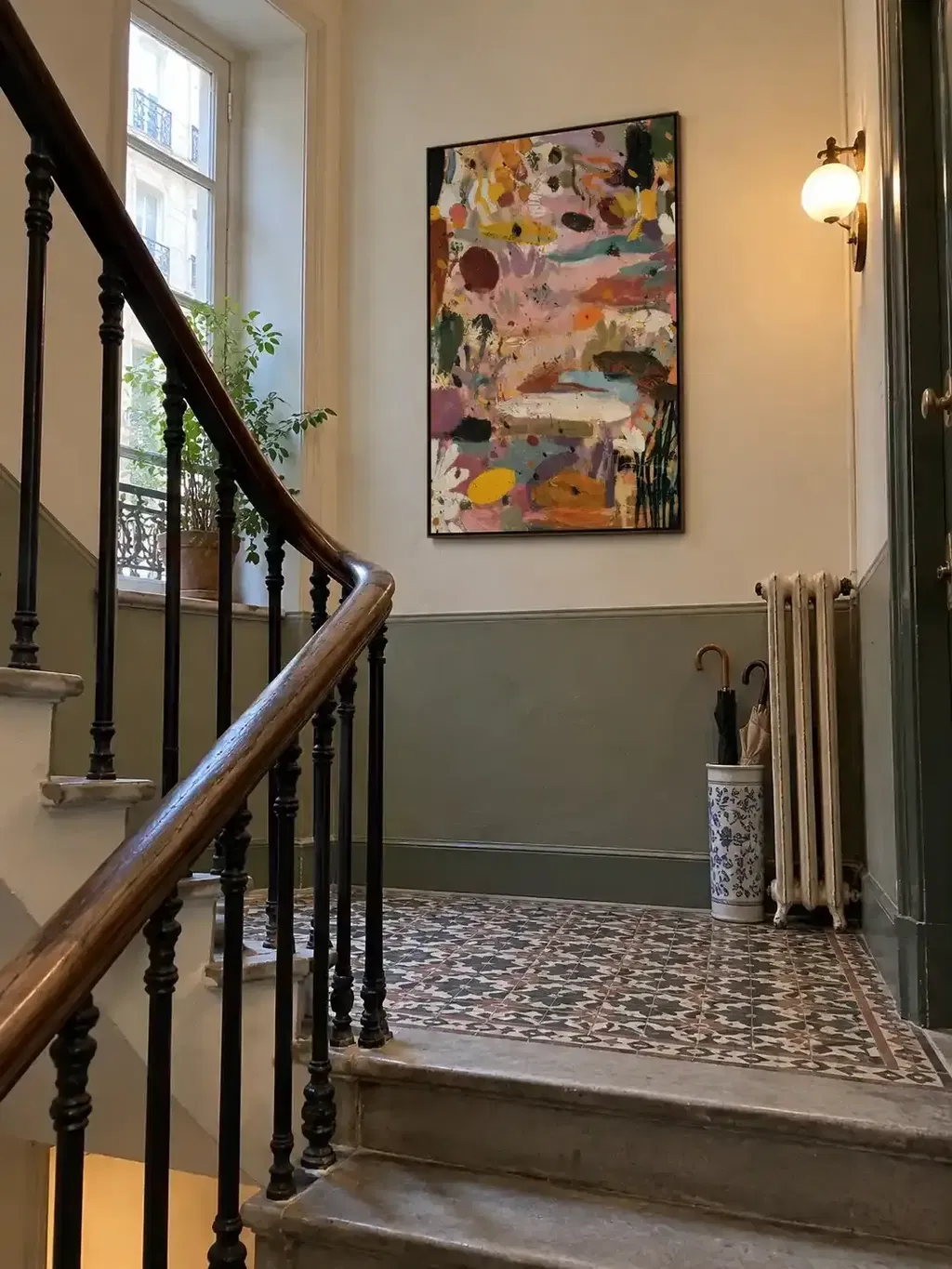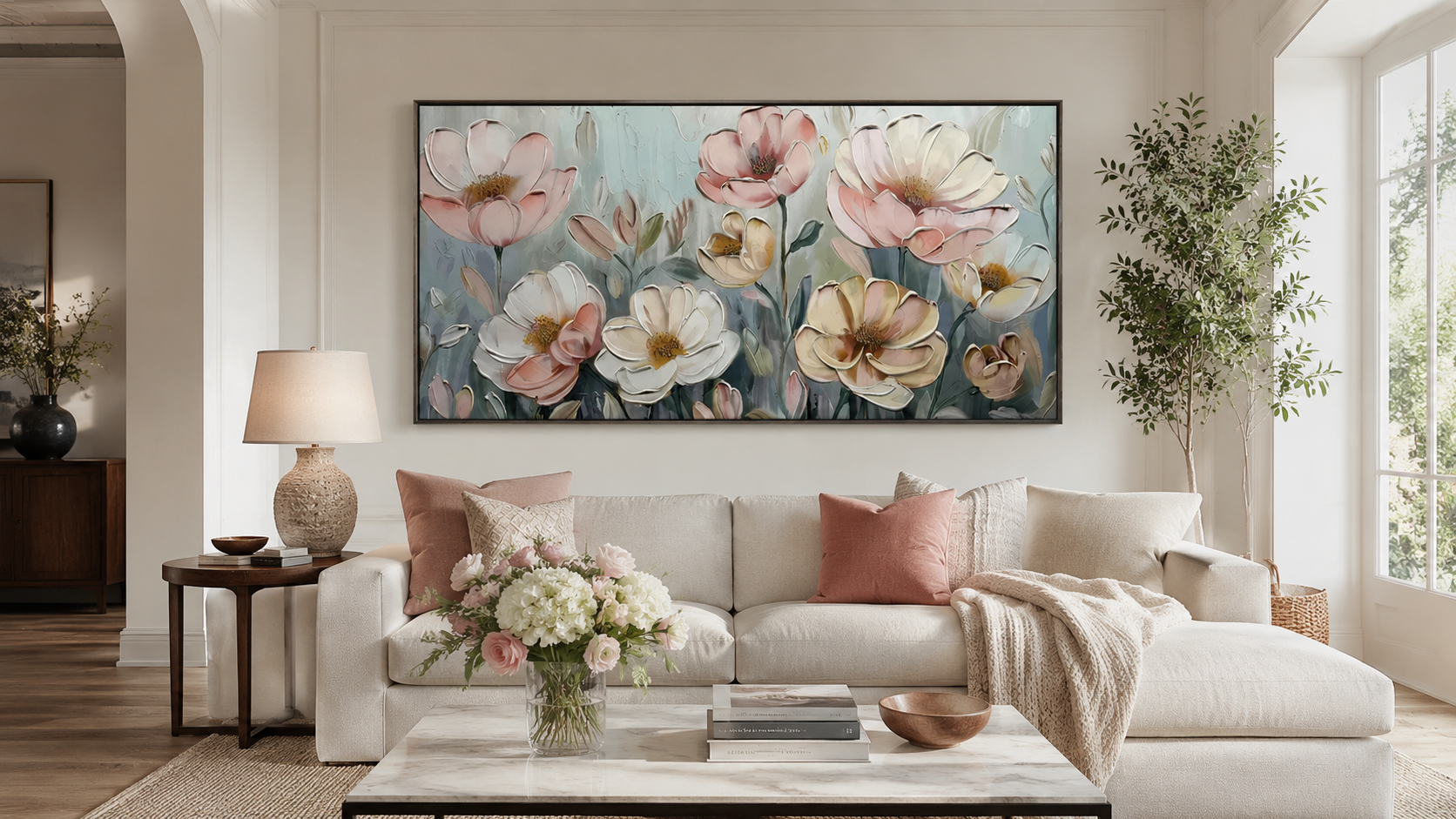
The choice between palette knife texture and impressionist brushwork defines the energy of an entire room. While both techniques are common in professional oil paint on canvas, they produce vastly different visual and emotional results for the viewer. A palette knife creates a sculptural, high-energy environment. Conversely, impressionist brushwork offers a soft, atmospheric quality that focuses on light and movement. Understanding how these tools interact with your space is essential for selecting art that complements your existing decor.
The Main Differences Between Palette Knife and Brushwork
At the core of the comparison is the physical tool and the way it moves paint across the surface. Artists choose their instruments based on the desired level of realism, texture, and light interaction. The National Gallery of Art describes the palette knife as a flexible, dull-edged tool that can produce surfaces ranging from completely smooth to incredibly rough. When a knife is used to apply thick layers, it creates a 3D effect known as impasto. Brushwork, on the other hand, relies on the flexibility of bristles to blend colors and suggest movement without significant physical height.
Sculptural Volume (The Knife)
The palette knife is used to apply paint in thick, unblended patches. This creates a bold, geometric look where the "ridges" of the paint are clearly visible. Because the knife doesn't absorb paint like a brush, the colors remain pure and vibrant. This technique is often associated with modern and contemporary works that prioritize texture and raw expression over fine, realistic details. It essentially transforms a flat canvas into a low-relief sculpture that changes appearance depending on the viewer's angle.
Atmospheric Blending (The Brush)
Impressionist brushwork uses visible but softer strokes to capture the fleeting effects of light and color. Instead of the sharp, hard edges produced by a knife, brushes allow for delicate transitions and "broken" color application. This style is designed to be seen from a distance, where the individual strokes merge to form a cohesive image. It is particularly effective for subjects where movement and softness are key, such as flowing water, drifting clouds, or the play of dappled sunlight through trees.
Tactile Depth vs. Optical Blending
The technical divergence between these two styles affects how the human eye processes the artwork. Palette knife art relies on tactile layers. These physical protrusions catch the light in your room, casting tiny shadows that change throughout the day. This creates a dynamic surface that feels heavy and grounded. It is a powerful way to add textured wall art to a space that might otherwise feel flat or overly sterile.
In contrast, impressionist brushwork utilizes optical blending. Instead of physically mixing colors on a palette until they are a single hue, the artist places different colors side-by-side on the canvas. When you stand back, your eye blends these colors together. This creates a sense of vibration and life that a flat, perfectly blended surface cannot replicate. The trade-off is often a loss of fine detail; neither style is intended for high-definition realism, but they achieve their "impression" through very different mechanical means.
| Feature | Palette Knife (Impasto) | Impressionist Brushwork |
|---|---|---|
| Primary Tool | Metal or plastic blade | Bristle or synthetic brushes |
| Visual Depth | High-relief, 3D texture | Relatively flat, 2D surface |
| Color Blending | Sharp, unblended patches | Optical blending, soft edges |
| Light Interaction | Creates physical shadows | Relies on pigment values |
| Ideal Room Vibe | Modern, Bold, Industrial | Airy, Classic, Transitional |
How to Choose the Right Style for Your Room

Selecting the right art style requires looking at your furniture, wall colors, and lighting conditions. Art is rarely a standalone element; it acts as an anchor for the surrounding design language. Use the following checklist to determine which approach fits your home best.
- Evaluate Your Furniture Style: If your room features clean lines, metal accents, or industrial materials like concrete and steel, the bold energy of a palette knife piece will feel right at home. If you have traditional wooden furniture, soft textiles, or antiques, the atmospheric nature of brushwork will likely harmonize better.
- Consider the Natural Light: Palette knife pieces thrive in rooms with strong, directional light. Because the paint has height, it will cast shadows that make the art feel alive. However, be cautious with light exposure; the Canadian Conservation Institute notes that light damage is cumulative and irreversible, so even textured pieces should be kept out of direct, unfiltered sunlight.
- Determine the Room's Function: For high-energy spaces like a modern living room or a creative home office, a vibrant palette knife landscape can provide a necessary focal point. For bedrooms or reading nooks where tranquility is the goal, the soft edges of impressionist brushwork are generally more soothing.
- Wall Size and Impact: modern wall art that uses heavy texture tends to dominate a wall more than a smoother painting of the same size. If you want the art to be the undisputed center of attention, go for the knife texture. If you want it to blend into a gallery wall, brushwork is often the safer choice.
Best Subject Matter for Each Technique
While an artist can technically use any tool for any subject, certain themes naturally lend themselves to specific techniques. The physical properties of the paint application can either enhance or detract from the believability of the subject matter.
Palette Knife Specialties
- Rugged Landscapes: The knife is perfect for depicting the sharp edges of mountain peaks, rocky shorelines, or the rough bark of a tree.
- Architecture: Cityscapes and buildings benefit from the clean, straight edges a metal blade can produce. It allows for a sense of structural solidity.
- Thick Florals: For those looking to buy textured wall art, palette knife flowers often feature petals that physically lift off the canvas, mimicking the organic thickness of real blooms.
Impressionist Brushwork Specialties
- Water and Shimmer: The fluid movement of a brush is superior for capturing the transparency of water and the shimmering reflections of sunlight on a lake.
- Sky and Atmosphere: Clouds, mist, and sunset gradients require the soft transitions and blending that only a brush can provide.
- Delicate Portraits: While palette knives can be used for abstract portraits, brushes are necessary for capturing the subtle contours of a face or the softness of hair.
The Hybrid Approach: Combining Brushwork and Palette Knives
You do not always have to choose one over the other. Many of the most compelling pieces of art use a hybrid approach to create a sense of hierarchy on the canvas. By using different tools, the artist can guide your eye to specific areas of the work. This method was famously employed by artists like John Constable, who used a combination of both brush and palette knife to transition from thick, rough application to thin, semi-transparent passages.
- Background Foundation: The artist typically starts with thin layers of brushwork to establish the background, such as the sky or distant hills. This keeps the background visually "recessed."
- Mid-ground Details: Brushes are used to add softer details, like distant trees or the flow of a river, maintaining a sense of atmospheric perspective.
- Foreground Highlights: The palette knife is introduced in the final stages. The artist applies thick, unblended paint to the closest objects, such as rocks, foreground flowers, or crashing waves. This physical height pulls these elements forward, creating a dramatic sense of depth.
- Final Accents: Small, crisp highlights—like the glint of sun on a petal—are often added with a knife to provide a sharp contrast against the softer, brushed base tones.
Conclusion: Finding Your Perfect Abstract Oil Painting
Ultimately, deciding between the sculptural intensity of a palette knife and the fluid grace of impressionist brushwork comes down to the "mood" of your interior. A palette knife piece provides a tactile, modern energy that commands attention through physical depth and shadow. Impressionist brushwork offers a timeless, atmospheric quality that excels at capturing the ethereal nature of light and movement. Whether you are looking for a bold statement piece or a tranquil window into a landscape, understanding these techniques ensures that your next abstract oil painting will perfectly suit both your walls and your lifestyle. By matching the texture of the art to the functional needs and lighting of your room, you create a space that feels curated, professional, and deeply personal.
Safety Notice
This article provides general guidance on art styles and interior placement. When hanging large or heavy canvases, always follow the manufacturer's instructions for mounting hardware. As noted by the Canadian Conservation Institute, falling damage often results from aged hanging hardware or wall-attachment failure. For oversized pieces or installations in high-traffic areas, consider consulting a professional installer to ensure the structural integrity of your wall and the safety of your household.
FAQs
Can I use a palette knife with acrylic paint for the same effect?
Yes, palette knives work effectively with acrylic paint, especially when mixed with thickening mediums or gels. However, acrylics dry much faster than oils, which requires the artist to work more quickly to achieve the desired texture before the paint cures.
Is impressionist brushwork always flat?
No. While impressionist brushwork is generally flatter than heavy palette knife impasto, many artists use visible, layered strokes that still provide a degree of surface texture. It is simply less sculptural than the high-relief ridges created by a knife.
How do I prevent thick palette knife paint from cracking?
Cracking usually occurs if the paint dries too quickly or if the underlying layers are not fully set. Using flexible mediums and ensuring the room environment is stable regarding temperature and humidity can help maintain the integrity of thick impasto layers.