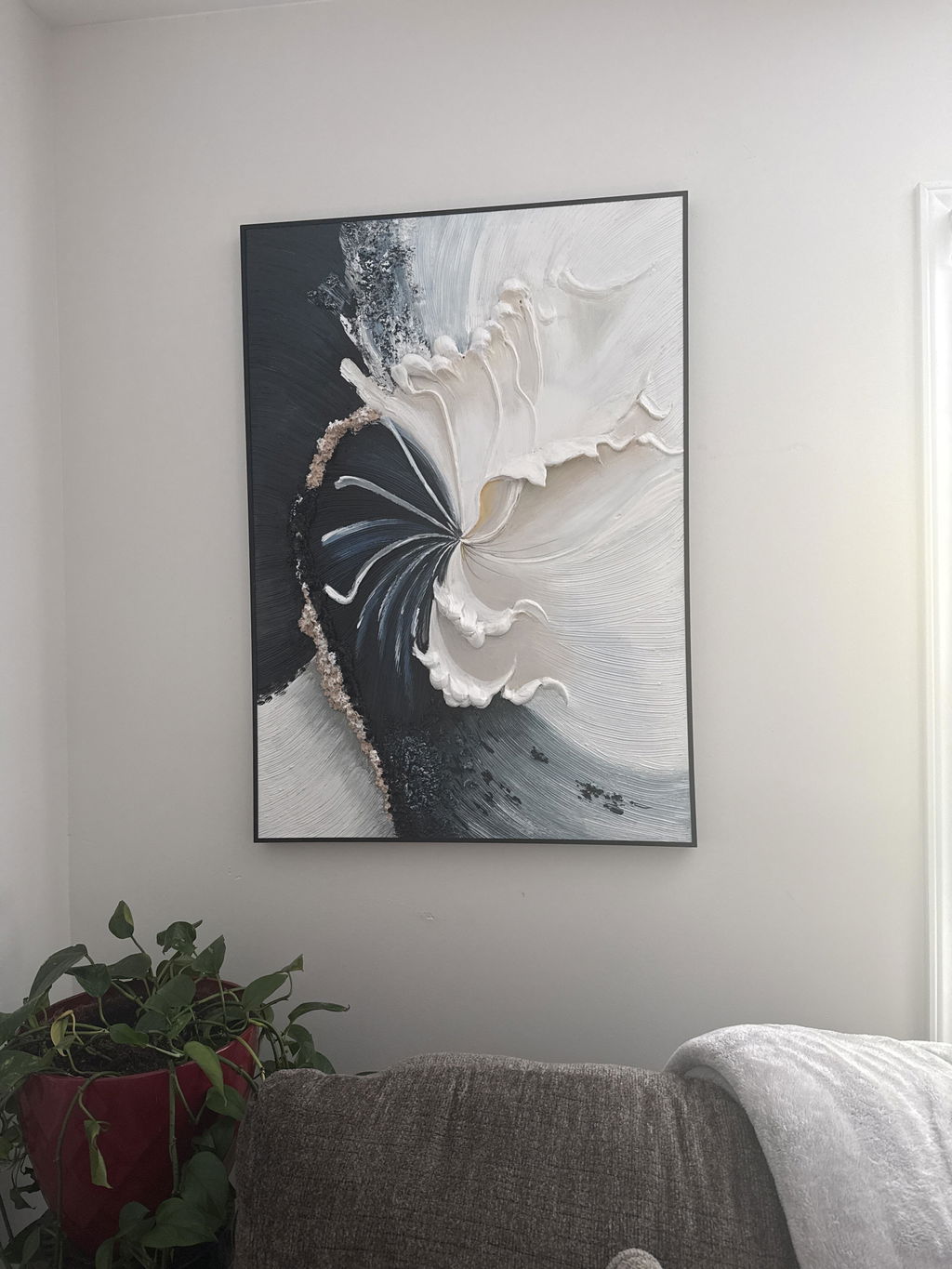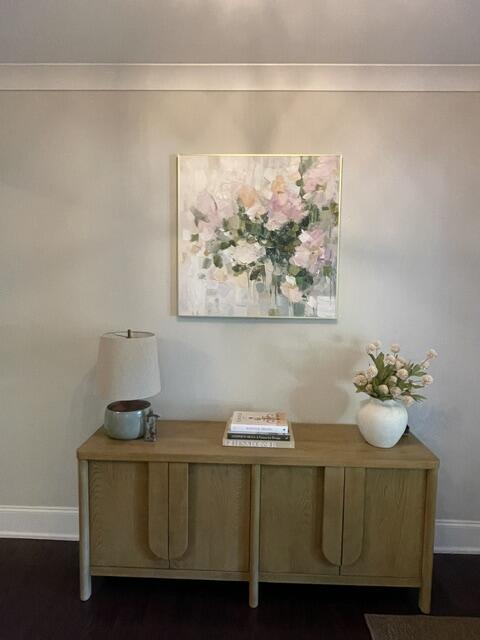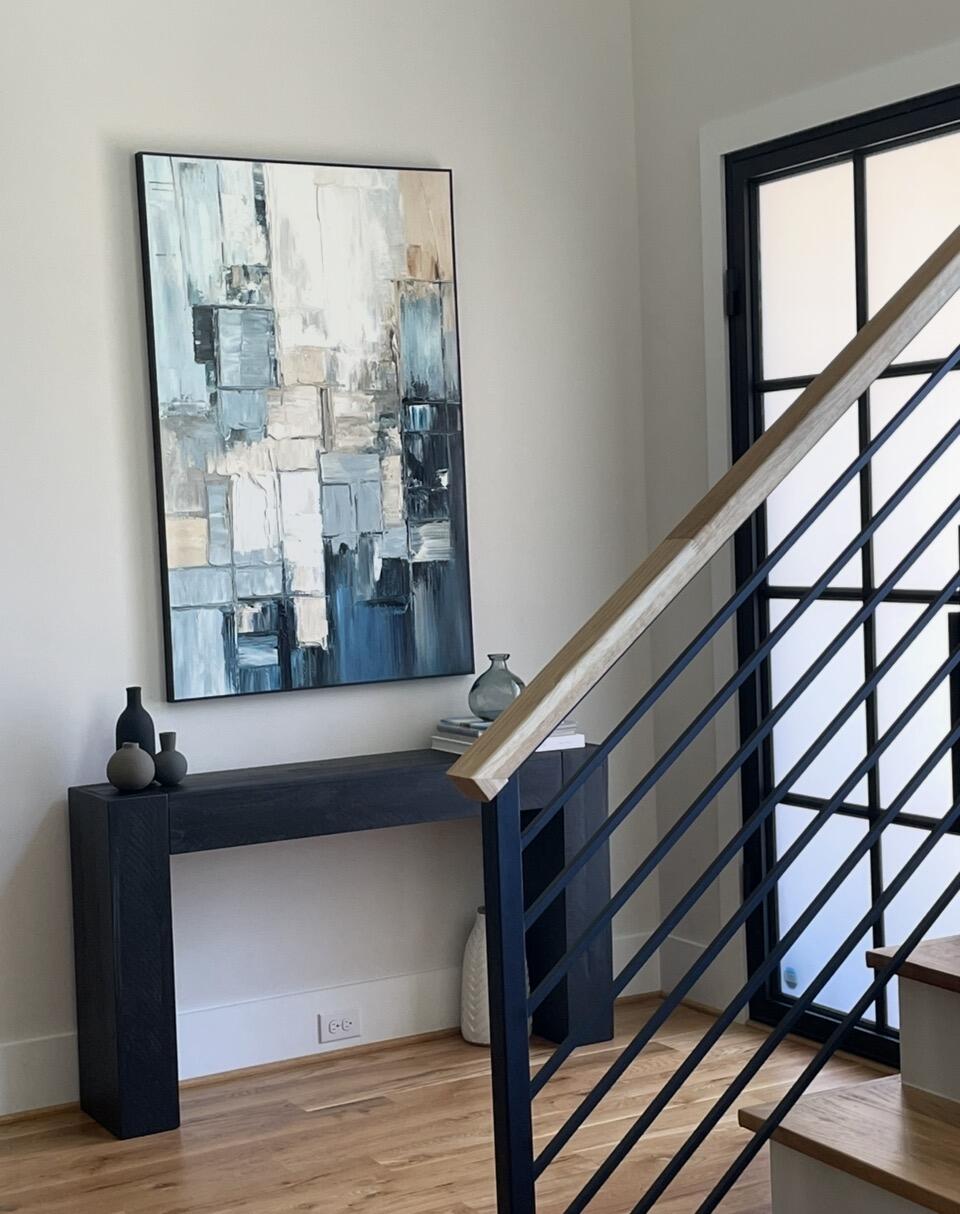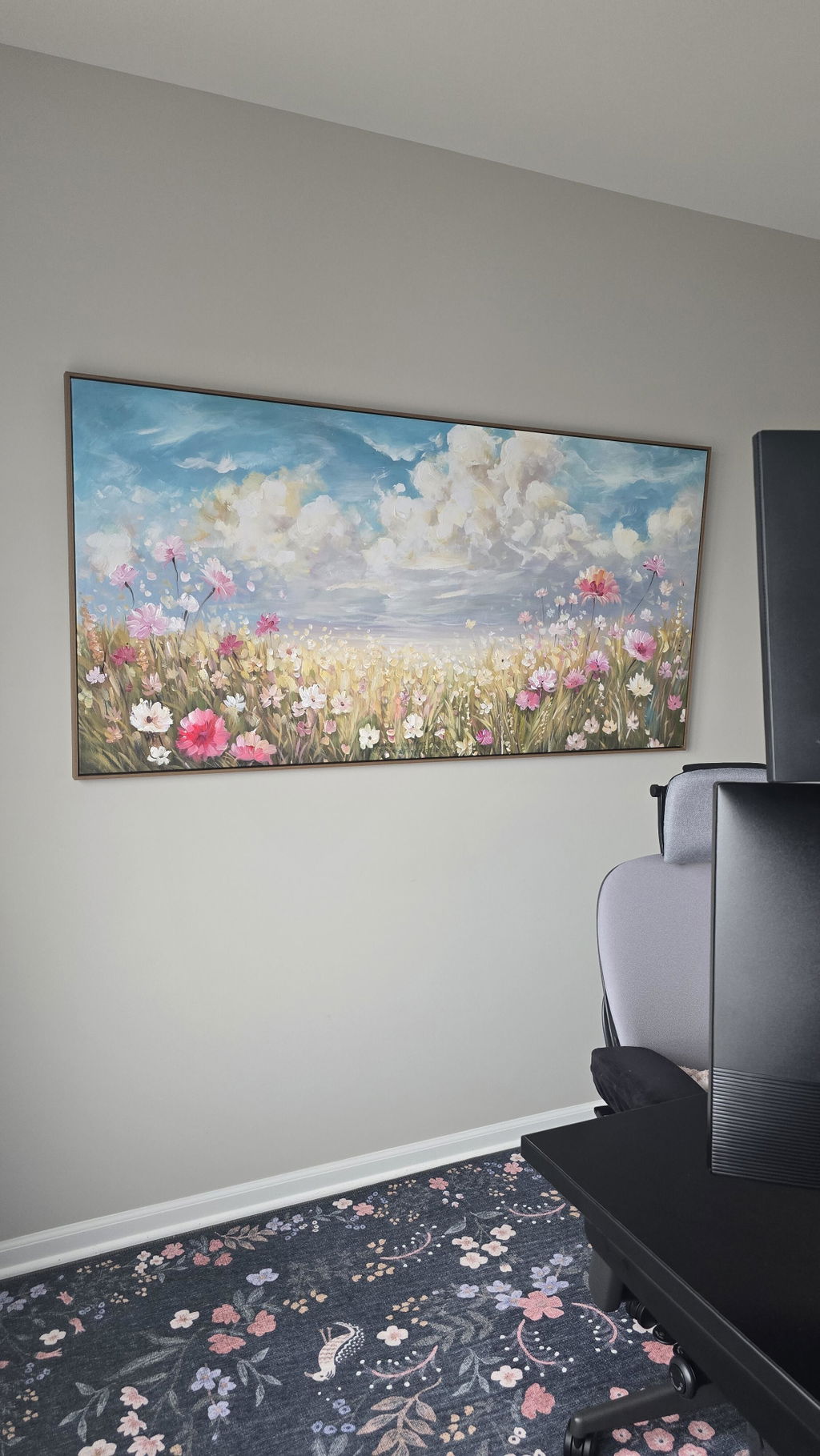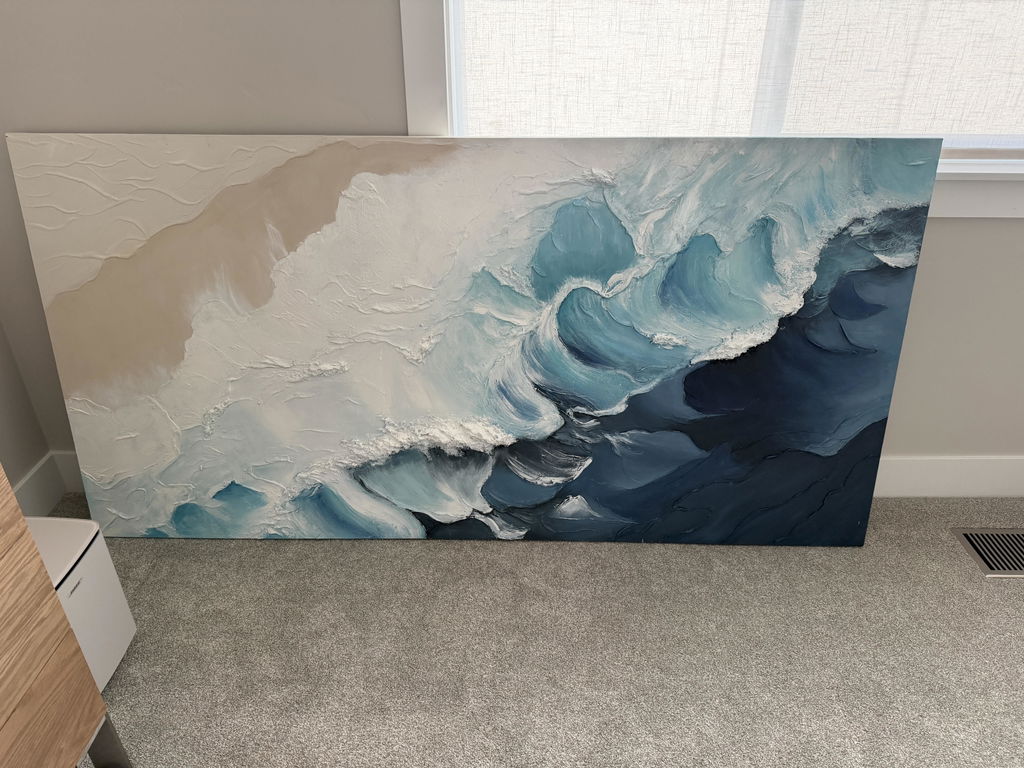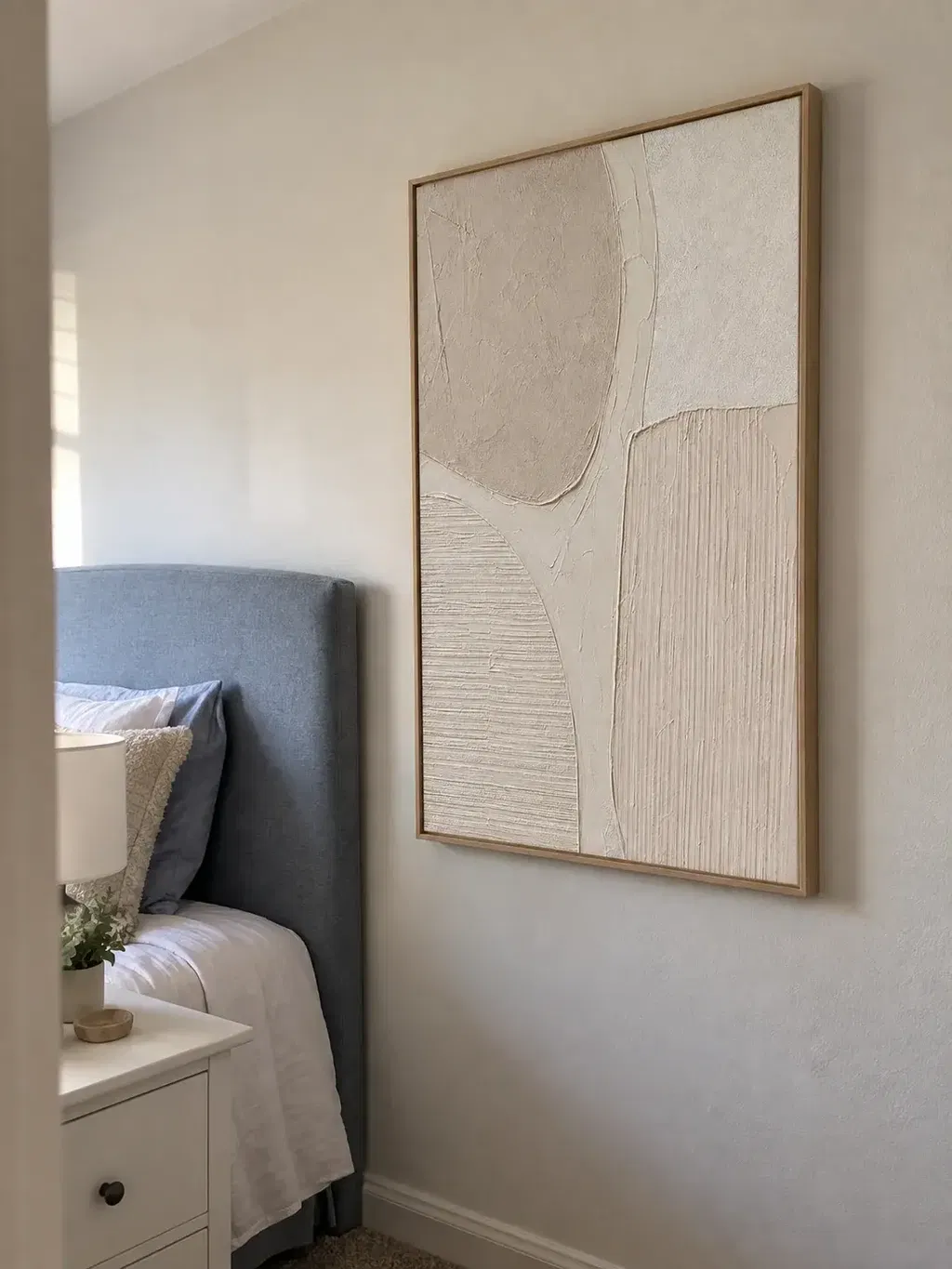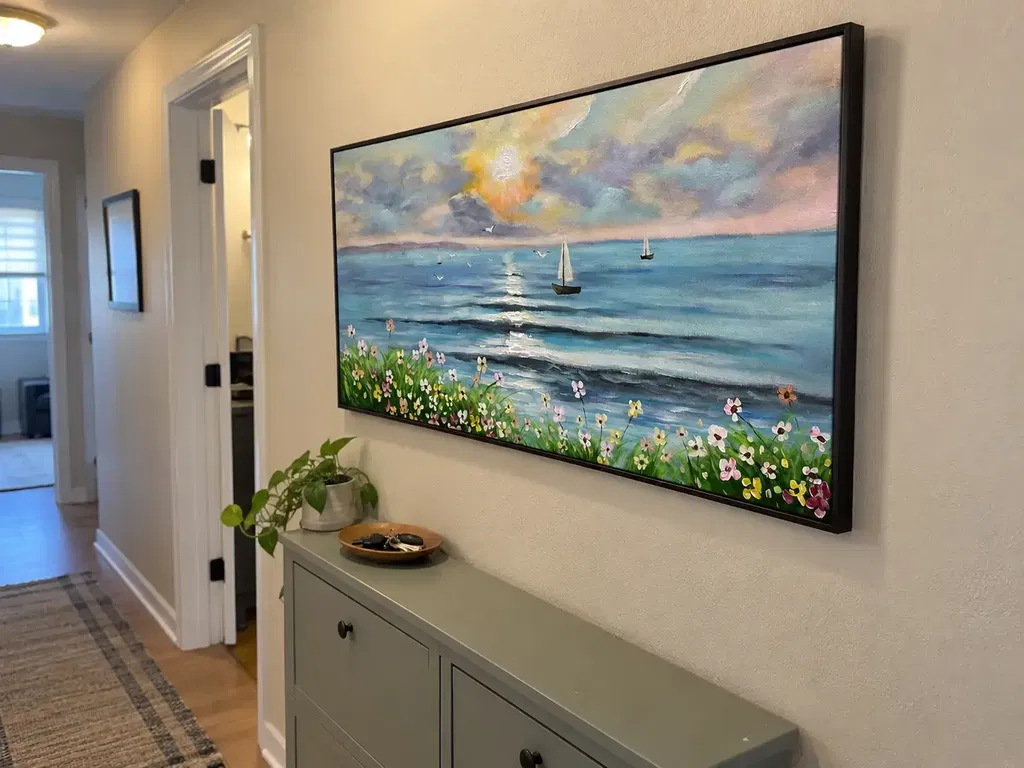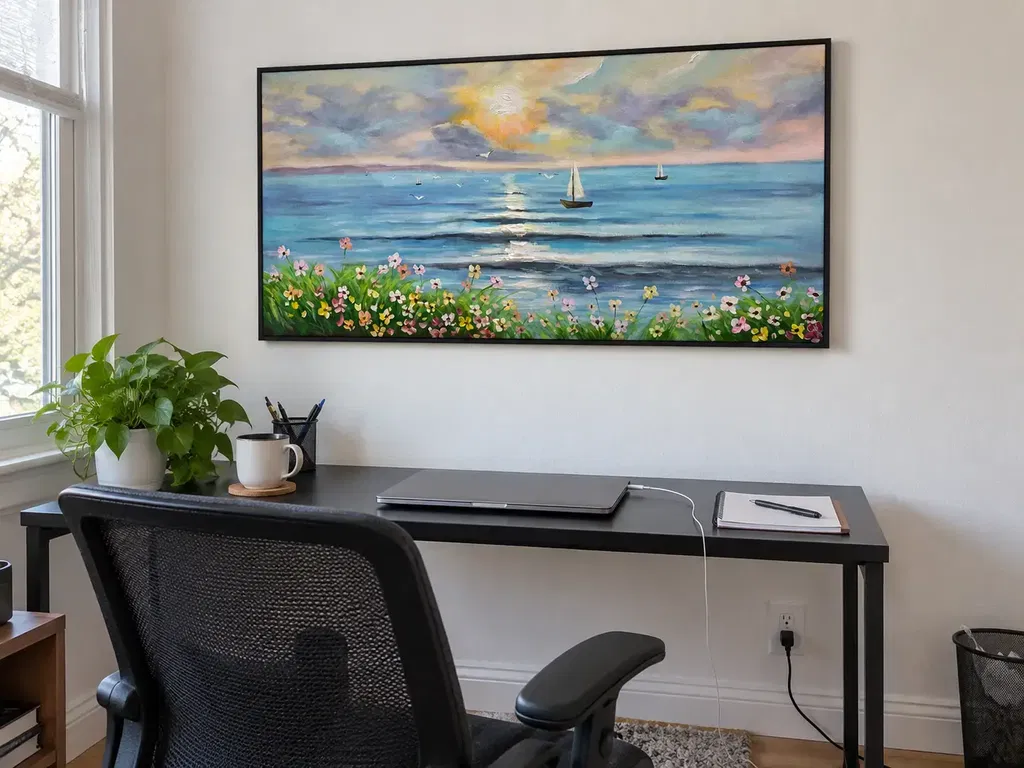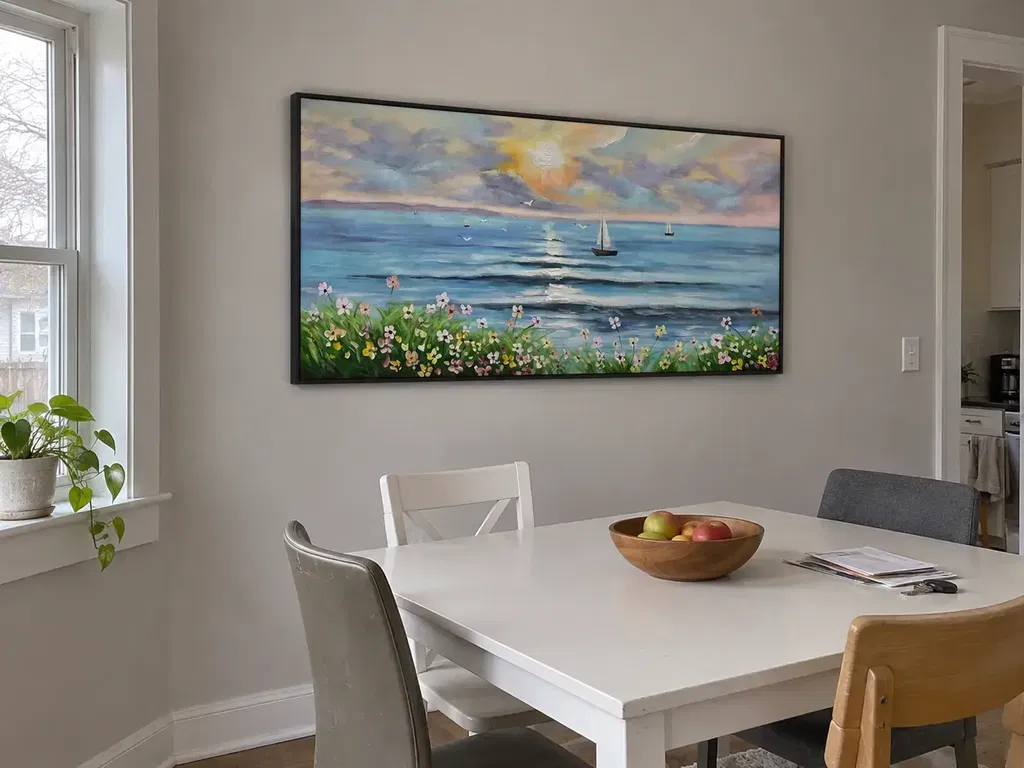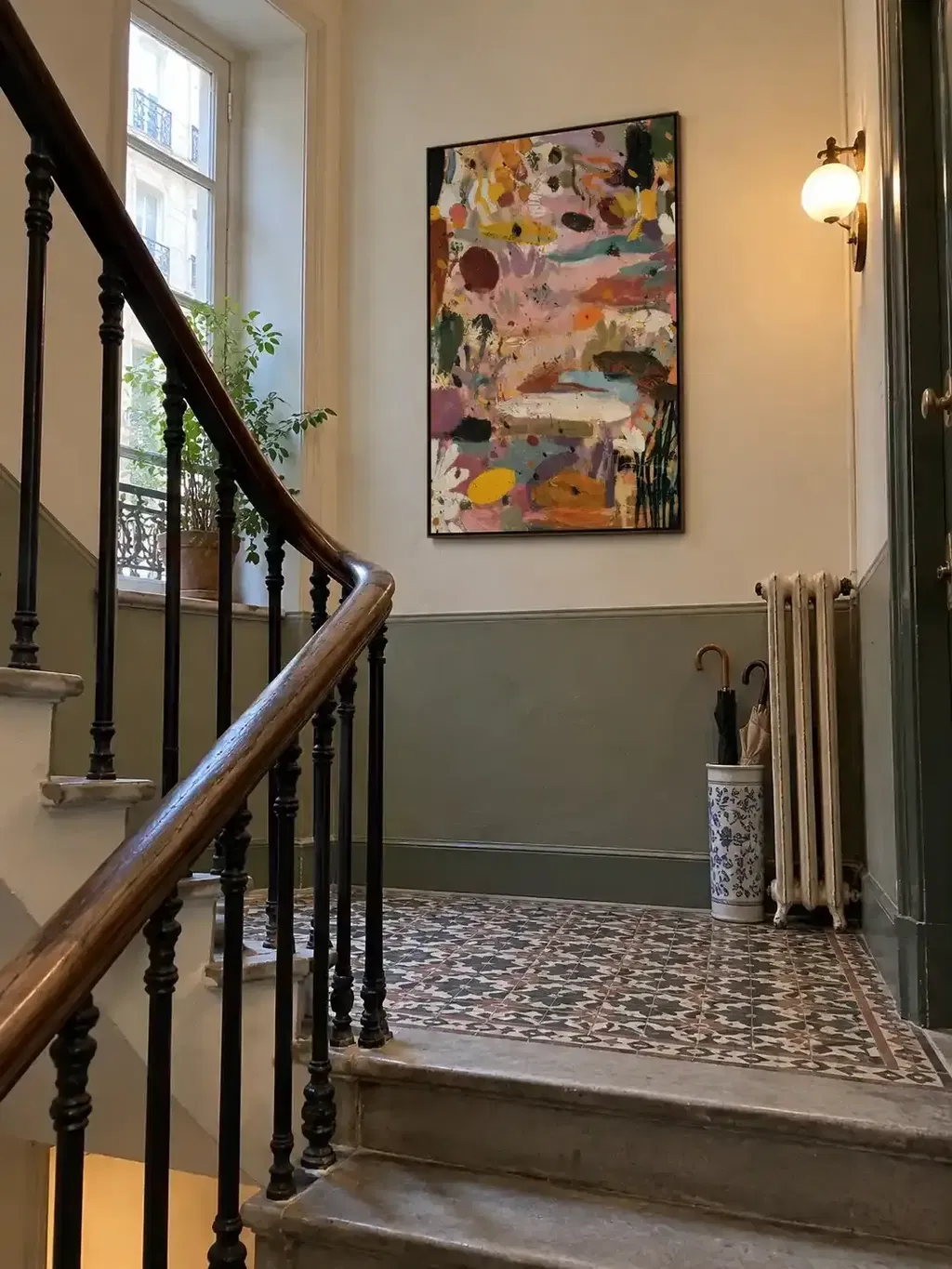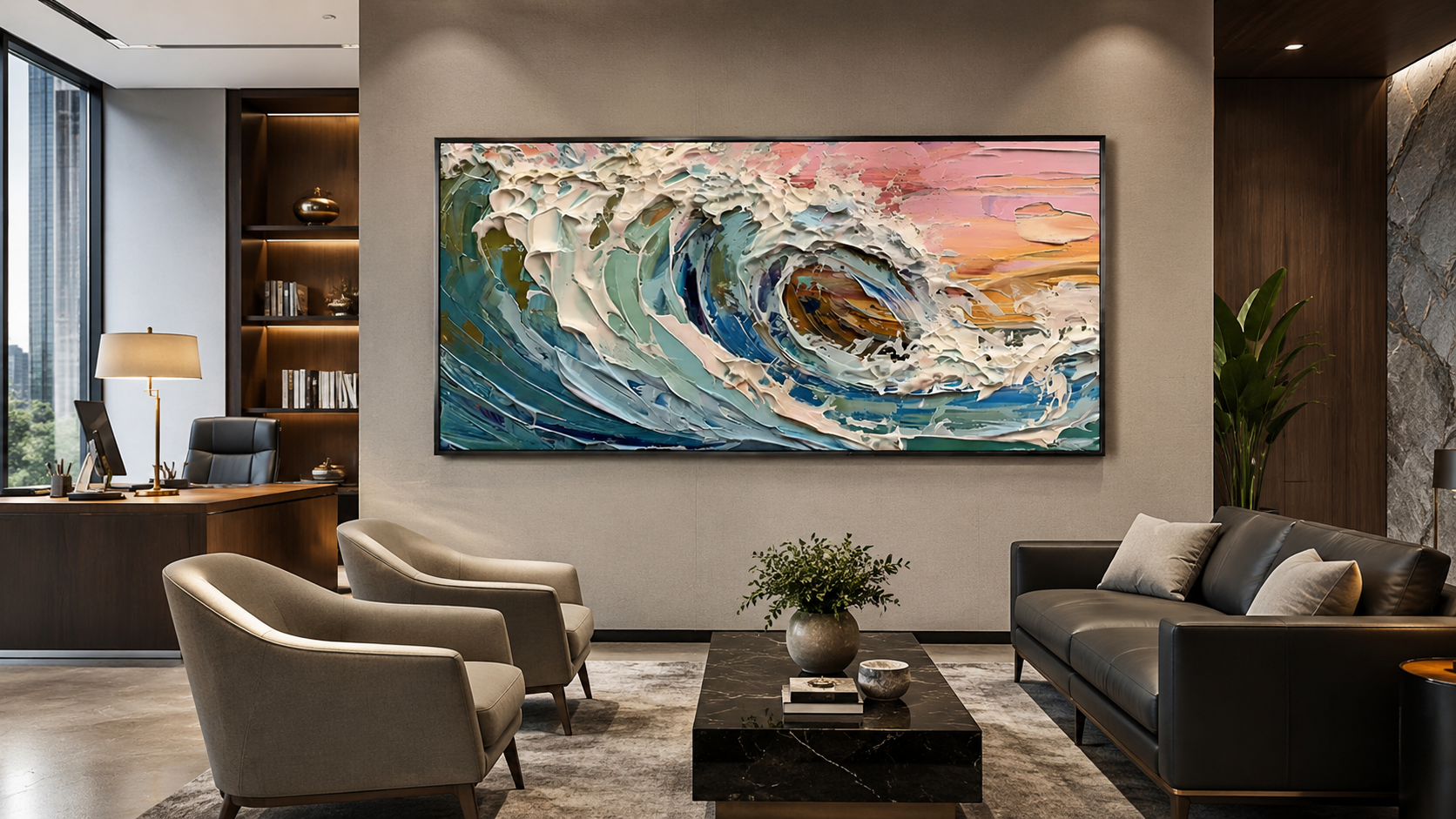
The fundamental difference between impasto and palette knife painting is that impasto is a technique, while a palette knife is a tool. Impasto refers to the process of applying paint thickly so that it stands out from the canvas, creating a three-dimensional effect. While artists can achieve impasto using brushes, the palette knife is the specialized instrument most often used to create the sharp, sculptural ridges associated with this style.
Understanding this distinction is essential for any collector or creator interested in modern textured art. Whether you are looking at an expressive abstract oil painting or a delicate landscape, the interplay between the method and the tool determines the final physical presence of the work.
Technique vs Tool: The Fundamental Difference
To grasp the relationship between these two concepts, it helps to view them as the "what" and the "how" of the creative process.
What is Impasto?
Impasto is a textural painting technique where the paint is applied in very thick layers—often directly from the tube—to ensure that brushstrokes or knife marks remain visible. When dry, impasto provides a tactile quality that interacts with ambient light. This technique has been used for centuries; historical analysis from the National Gallery of Art notes that Rembrandt used palette knives to create sharp lead-white ridges as early as the mid-1660s. Today, it is a hallmark of 3d art paintings that leap off the wall.
What is a Palette Knife?
A palette knife is a flexible, blunt-edged tool made of metal or plastic. While originally designed for mixing colors on a palette, artists quickly realized its potential for direct application. Unlike a brush, which holds paint within its bristles, a palette knife carries paint on its flat surface. The National Gallery of Art defines the palette knife as a tool for producing surfaces ranging from perfectly smooth to incredibly rough and structured.
Visual Results: Comparing Brushes and Palette Knives
The choice of tool significantly alters the aesthetic and structural character of the paint. While a brush offers versatility in blending, a palette knife provides a level of precision and "cleanliness" in color that bristles cannot replicate.
| Feature | Brush Impasto | Palette Knife Impasto |
|---|---|---|
| Edge Quality | Soft, feathered, or blended edges. | Sharp, crisp, and sculptural ridges. |
| Texture Type | Visible bristle marks and rhythmic flow. | Flat planes, jagged peaks, and broken color. |
| Color Purity | Colors tend to blend slightly on the canvas. | Allows for "unblended" application of pure color. |
| Thickness | Limited by the capacity of the bristles. | Capable of extremely deep, heavy applications. |
| Light Interaction | Diffused light across soft textures. | Dramatic shadows created by high-relief edges. |
Choosing the Right Paint for Thick Textures

Success in creating textured wall art depends largely on the viscosity and quality of your medium. Not all paints are capable of supporting their own weight when applied in thick layers.
Heavy-Body Acrylics
Standard student-grade acrylics are often too fluid for deep impasto. Instead, artists use "heavy-body" acrylics, which have a buttery consistency similar to soft butter. These paints are designed to hold the shape of the stroke as they dry. However, collectors should note that acrylic surfaces can be difficult to clean because they remain slightly porous and can soften at high temperatures.
Oil Painting Considerations
Oil paint on canvas is the traditional choice for impasto. Oils have a naturally long drying time, which allows for extensive manipulation. However, the chemical complexity of oil means that reactions between pigments and binders can affect stability over decades.
- Viscosity: Choose paints labeled "Heavy Body" or "Professional Grade."
- Pigment Load: High pigment concentration prevents the paint from looking "thin" or transparent when spread.
- Substrate: Use rigid panels or high-tension canvases to support the weight of the paint.
- Safety: Ensure your workspace is ventilated, as paints can emit VOCs during the drying process.
Using Mediums and Additives for Extra Volume
To achieve extreme depth without wasting expensive pigment, artists often turn to mediums. These additives increase the "body" of the paint while maintaining its adhesive properties.
- Modeling Paste (Acrylics): A thick, marble-dust-based paste that dries to a hard, stone-like finish. It is ideal for creating structural foundations before painting over them.
- Heavy Gels (Acrylics): These are transparent additives that increase the volume of the paint without changing the color. They are essential for maintaining the "wet look" of a stroke.
- Cold Wax Medium (Oils): This is a paste made from beeswax and resin. When mixed with oil paint, it makes the paint thicker and matte, allowing for very high peaks that won't sag.
- Impasto Mediums (Oils): Synthetic resins or alkyd-based mediums that speed up the drying time of thick oil layers, reducing the risk of the "wrinkling" that occurs when the surface dries faster than the interior.
Practical Application: Loading and Using the Knife
Executing the impasto technique with a palette knife requires a different physical approach than traditional brushwork. It is more akin to spreading icing on a cake than drawing.
- Step 1: Loading the Knife: Use the flat underside of the knife to scoop a generous amount of paint from your palette. For a clean stroke, ensure the paint is gathered primarily on one side of the blade.
- Step 2: The Decisive Stroke: Press the knife onto the canvas and pull in a single, decisive motion. Avoid over-working the area; the beauty of palette knife work lies in the freshness of the stroke.
- Step 3: Creating Edges: To create sharp ridges, use the edge of the blade to "draw" through the wet paint or lift the knife straight up to create peaks.
- Step 4: Scumbling and Scraping: You can also use a nearly dry knife to scrape across the surface, depositing paint only on the high points of the canvas grain, a technique often seen in abstract oil painting.
Troubleshooting Common Impasto Challenges
Thick paint layers introduce structural risks that thin glazes do not. Managing these requires an understanding of paint chemistry and environmental control.
- Cracking and Delamination: This often occurs when a fast-drying layer is applied over a slow-drying one. In oils, always follow the "fat over lean" rule. Research shows that relative humidity fluctuations can also stress paint layers, leading to cracks.
- Excessive Drying Times: A deep oil impasto can take months to fully cure. To protect the work during this time, the Canadian Conservation Institute recommends backing boards to reduce exposure to dust and pollutants.
- Support Sagging: The weight of heavy impasto can cause a canvas to lose tension. Ensure you are using high-quality stretchers, or consider mounting the canvas to a rigid board.
- Light Sensitivity: Even thick layers are susceptible to light. Light damage is cumulative and irreversible, so avoid displaying textured works in direct sunlight.
Understanding Impasto vs Palette Knife Painting: A Summary
In conclusion, while the terms are often used interchangeably in casual conversation, the distinction remains clear: impasto is the desired textural effect, and the palette knife is the most effective tool to achieve it. By choosing the right heavy-body paints, utilizing structural mediums, and mastering the physical mechanics of the knife, artists can create works with a profound sense of presence. Whether you are creating your own masterpiece or investing in new art, recognizing the difference between impasto vs palette knife painting allows for a deeper appreciation of the tactile, three-dimensional world of contemporary art.
Safety Notice
This article provides general guidance on art techniques and materials. Always follow the manufacturer's safety instructions for all paints, mediums, and solvents. Some traditional pigments may contain hazardous materials like lead, which are regulated under consumer product laws. Ensure your workspace has adequate ventilation, especially when using oil-based products or solvents that emit volatile organic compounds (VOCs). Consult with a professional conservator for the repair or cleaning of valuable artworks.
FAQs
Can I create impasto with regular student-grade acrylic paint?
Student-grade paint is often too thin and will flatten upon drying. To achieve a thick impasto effect, it is recommended to use heavy-body paints or mix your current paint with a gel or modeling paste additive.
What is the difference between a palette knife and a painting knife?
Palette knives are typically flat and used for mixing colors. Painting knives feature an offset handle (a 'crank') that keeps the artist's knuckles from touching the wet canvas, making them better suited for direct application.
How long does a thick oil impasto take to dry?
A deep oil impasto can take anywhere from a few weeks to several months to dry fully (cure). The exact time depends on the thickness of the paint, the specific pigments used, and the ambient humidity.