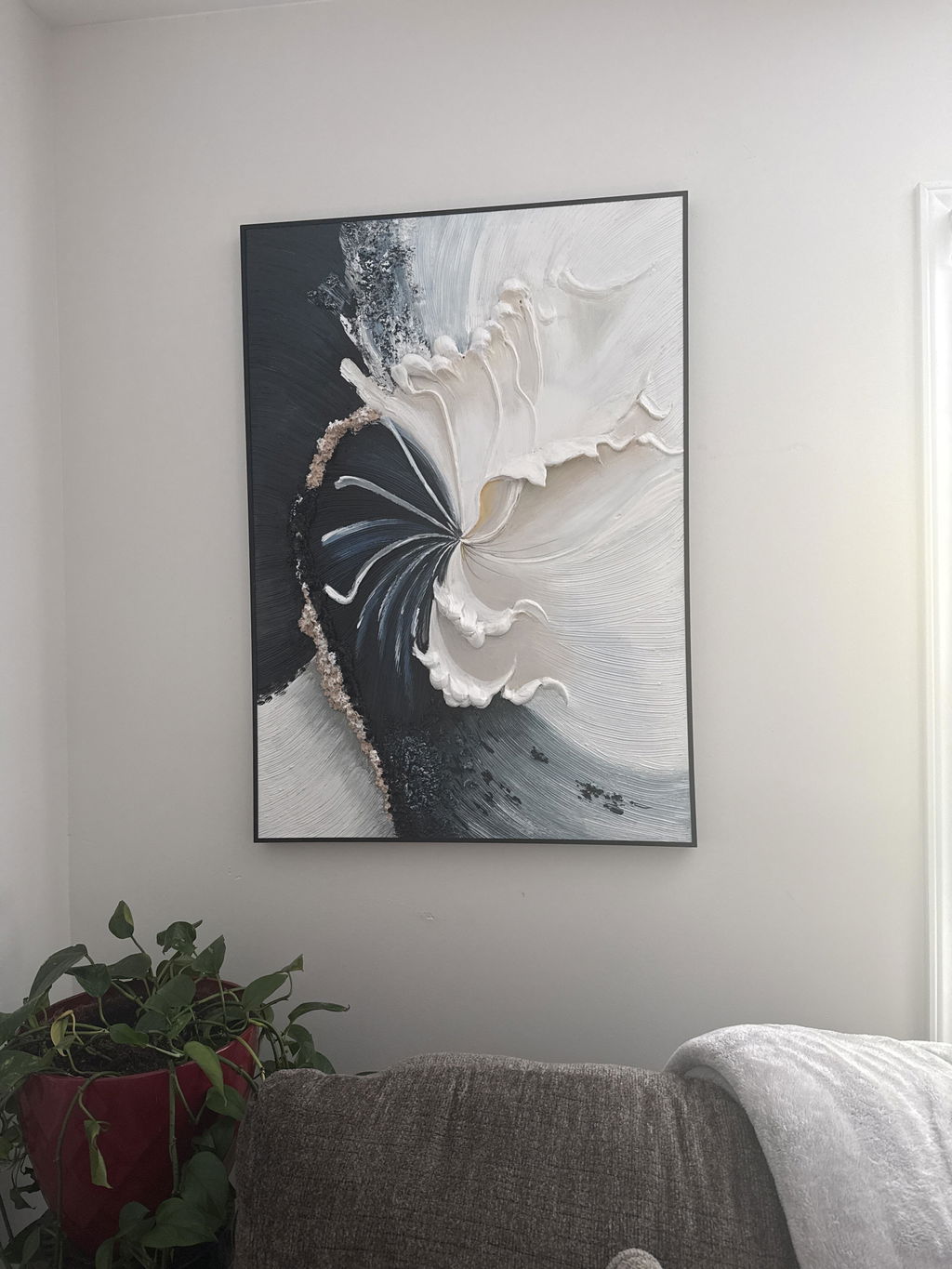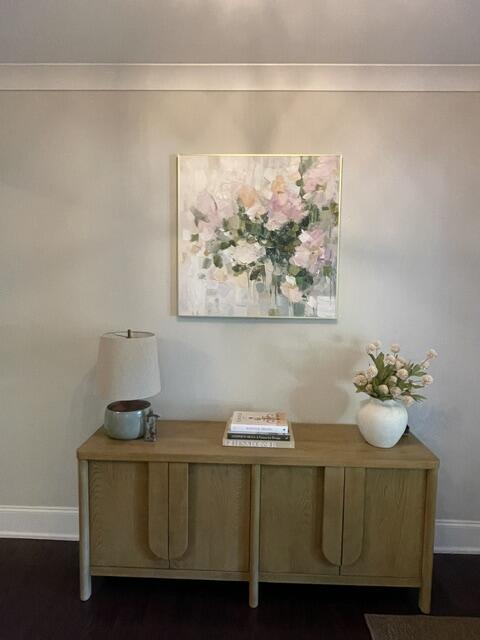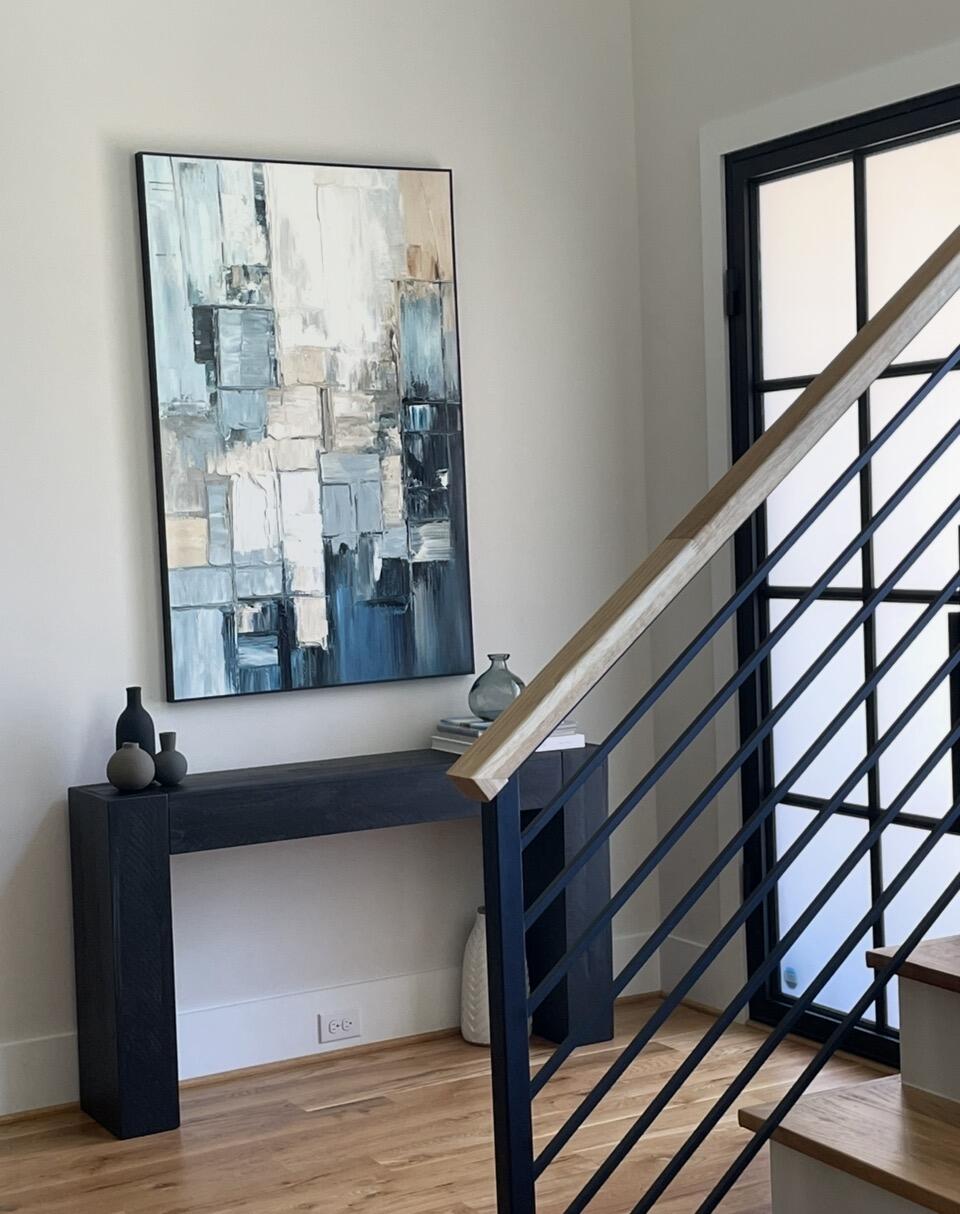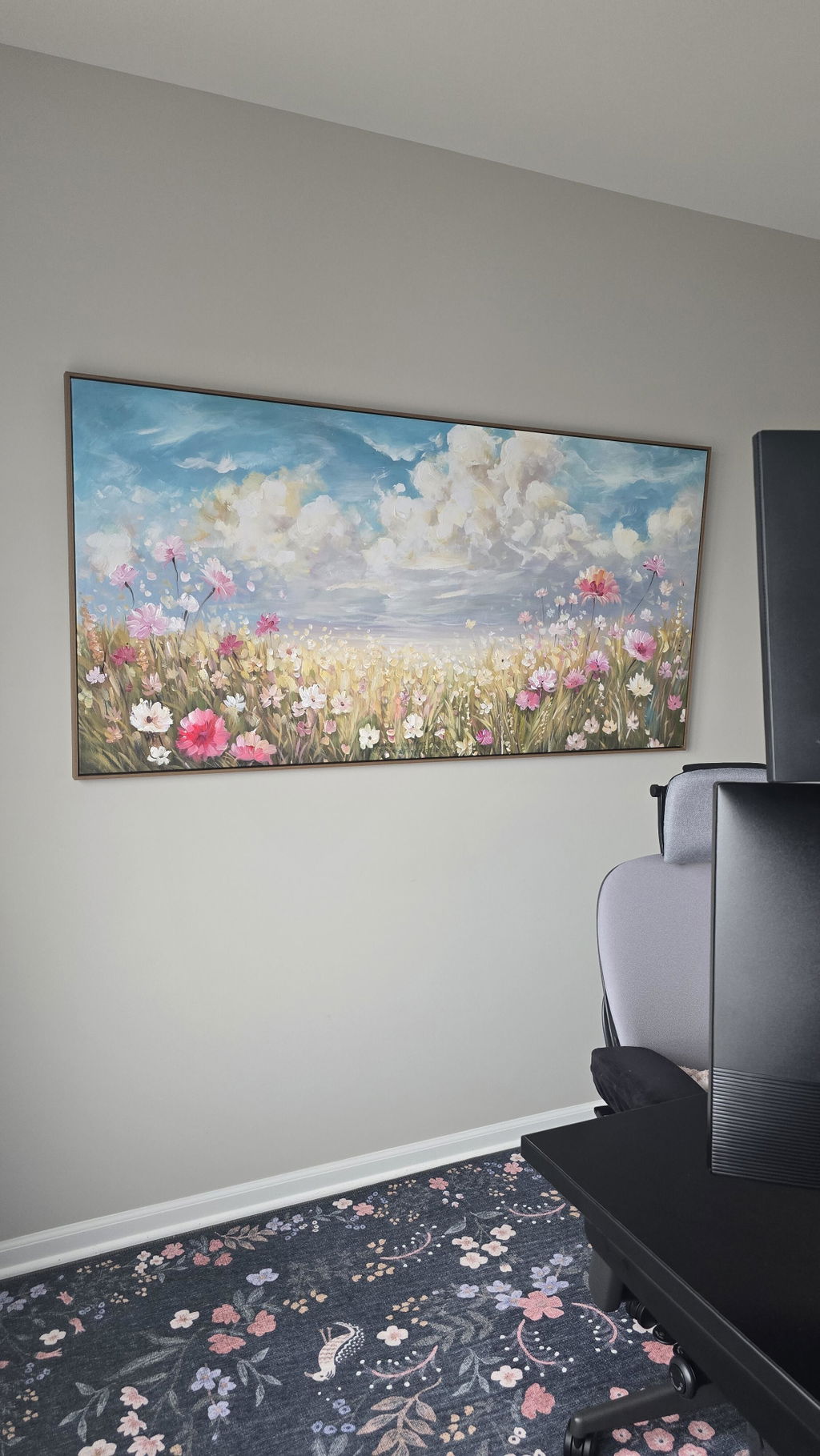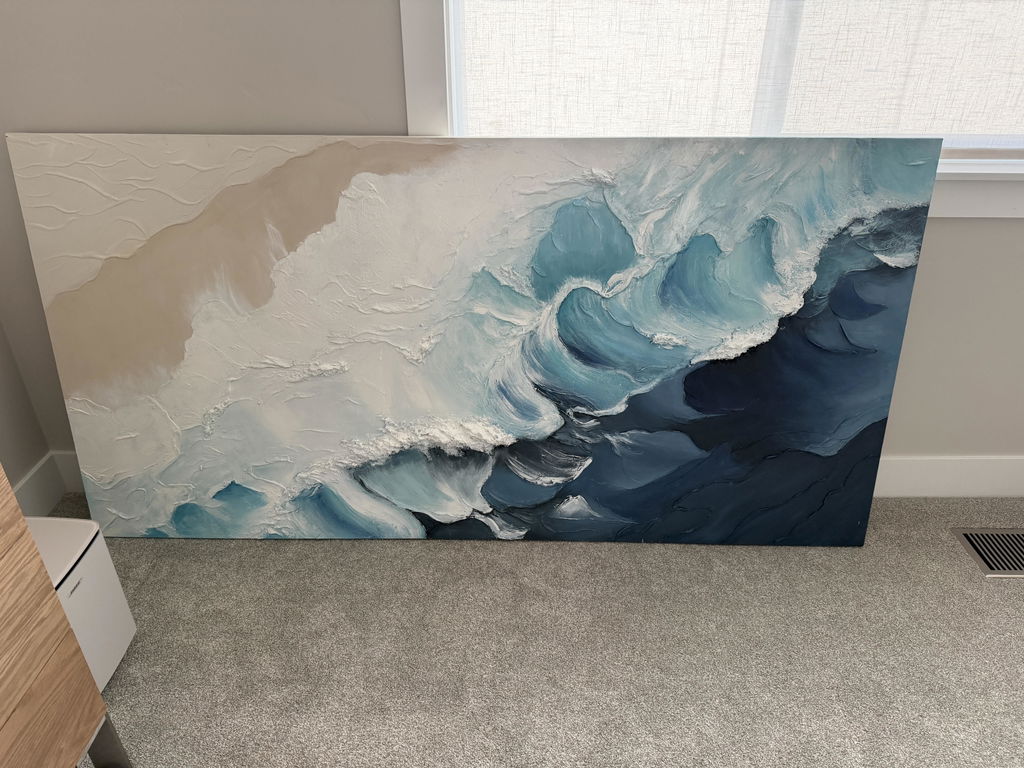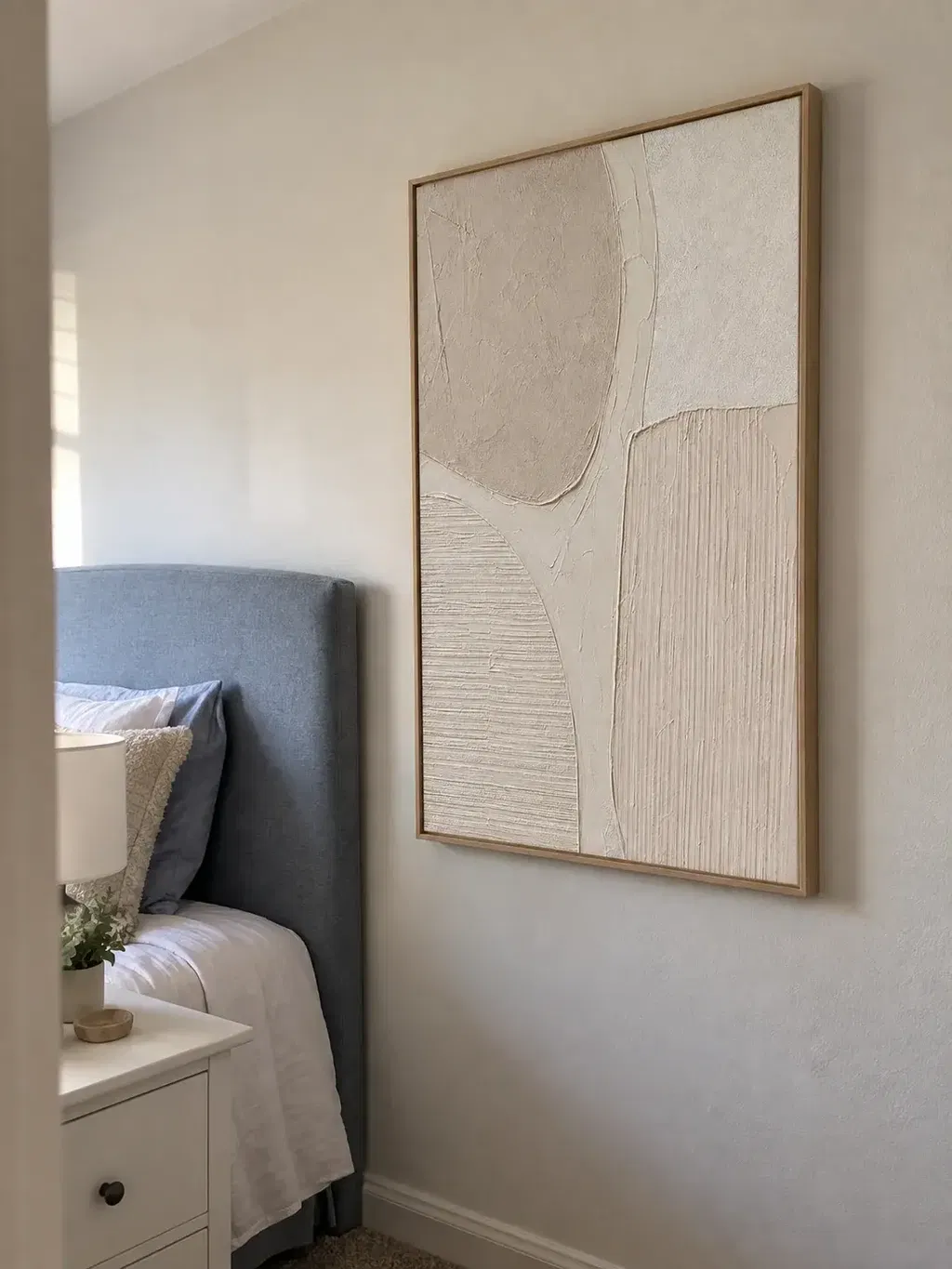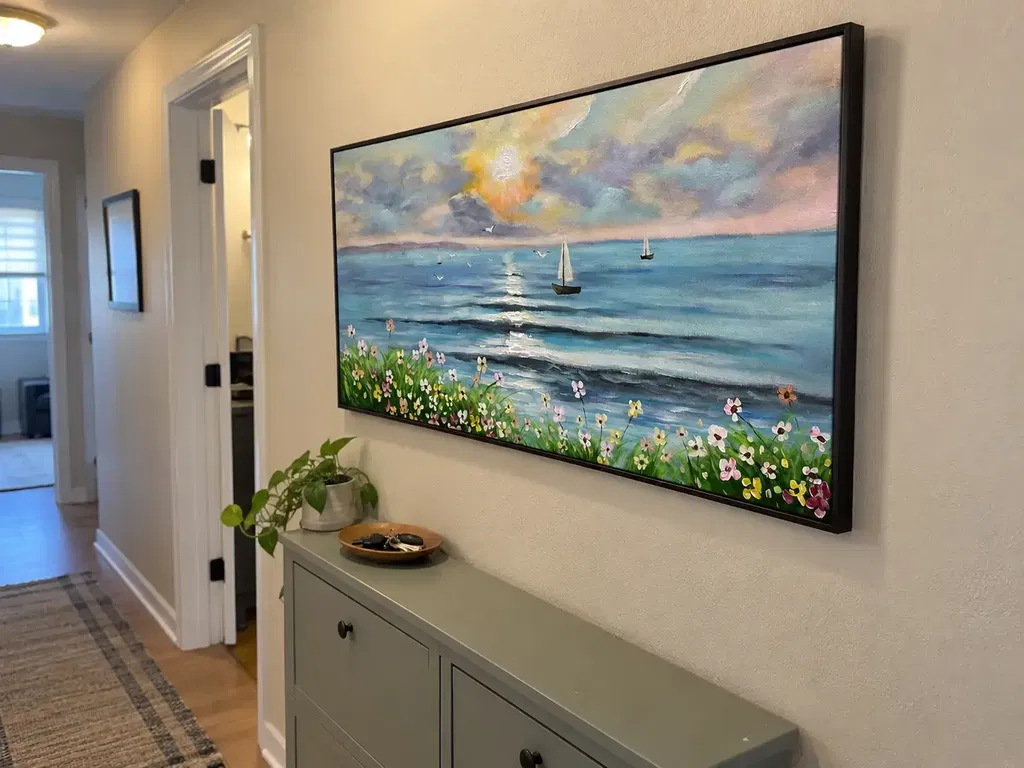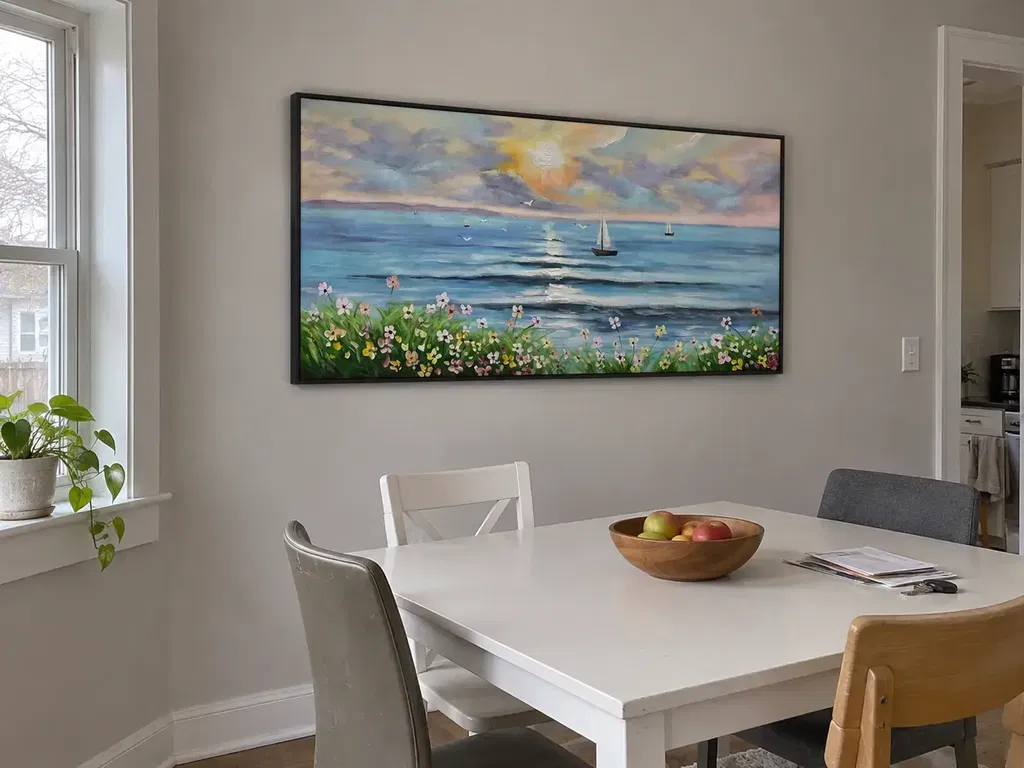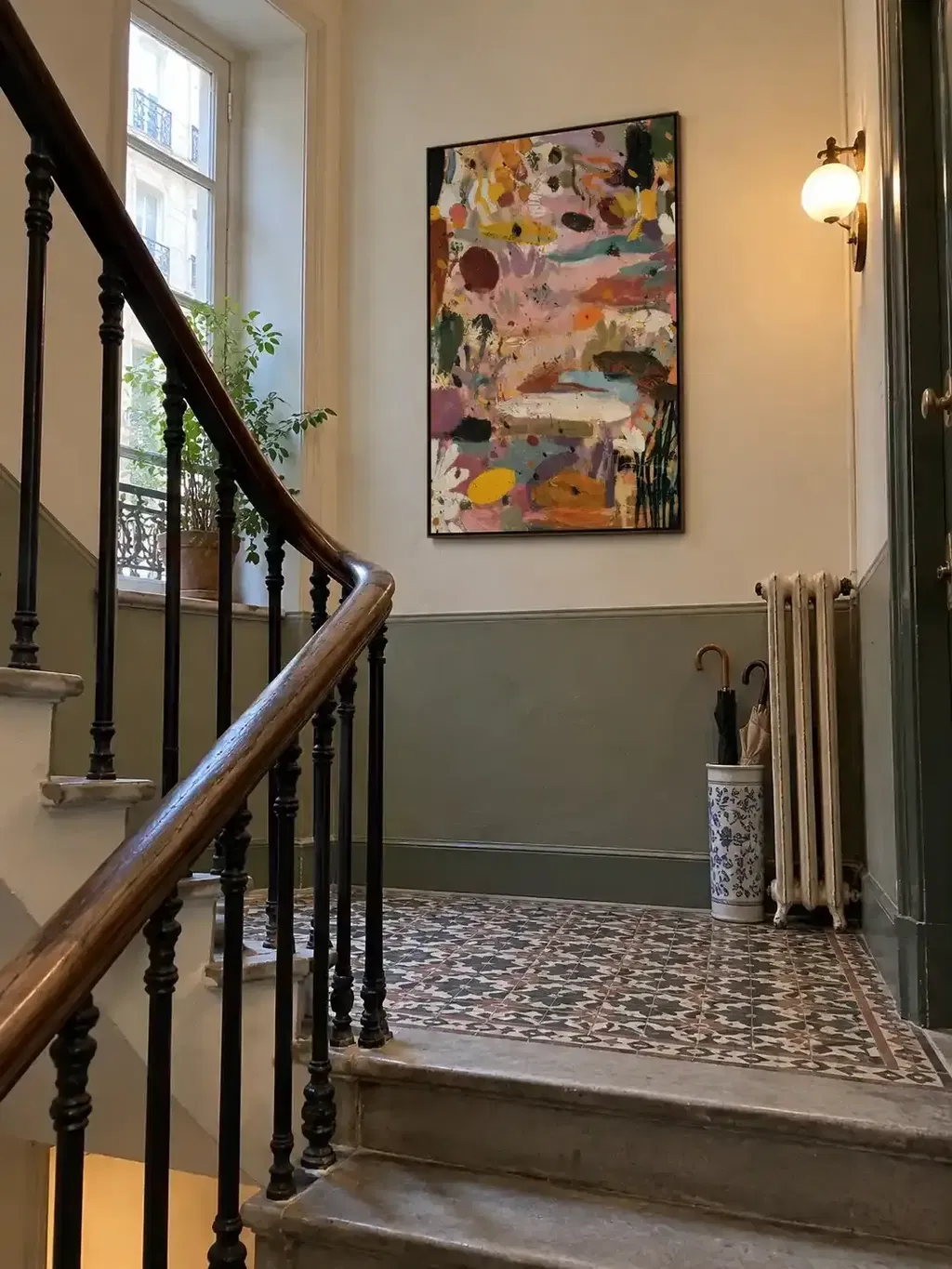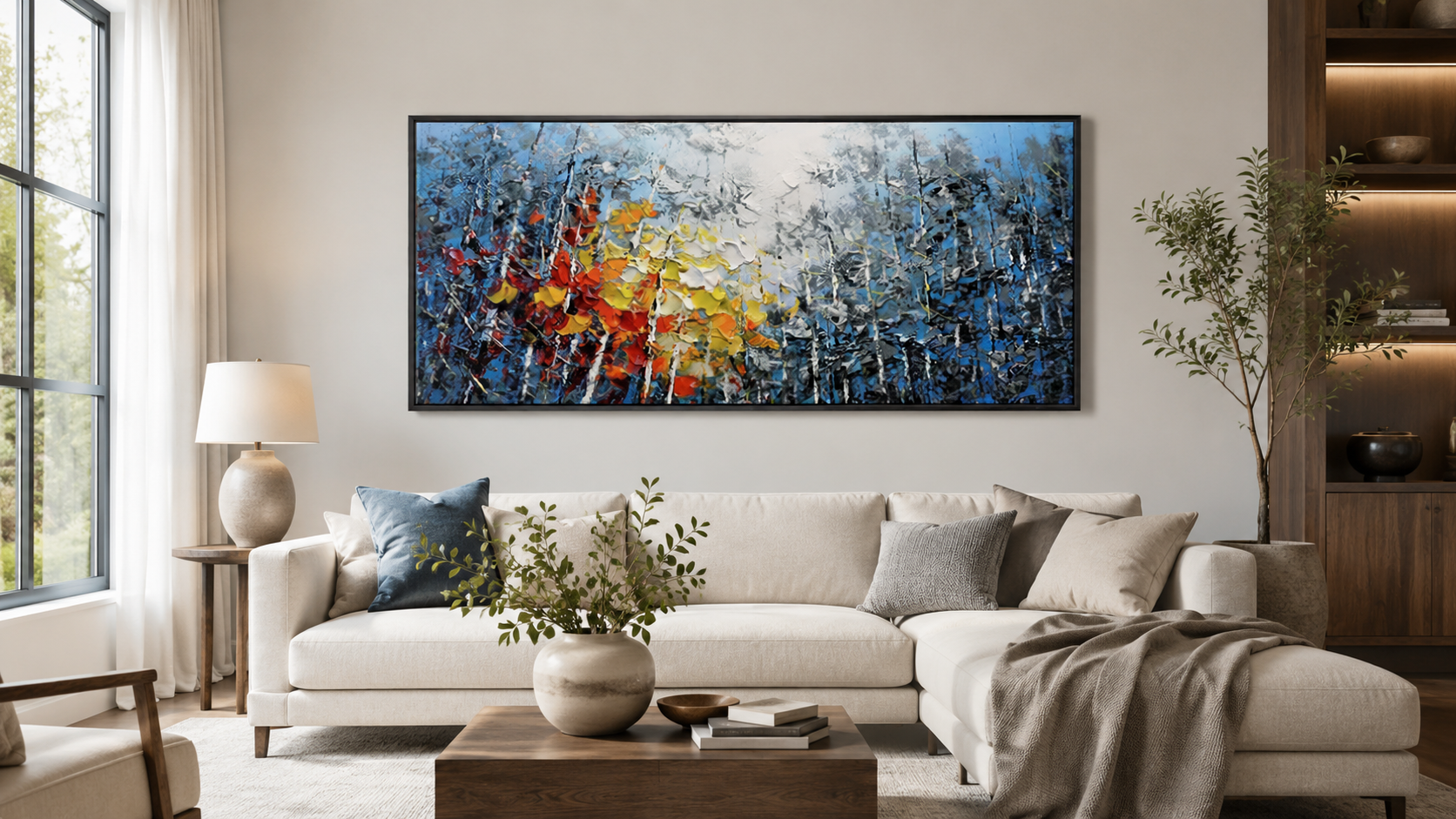
Impasto is an art technique where paint is applied in very thick layers, often directly from the tube or with minimal thinning, so that it stands out from the canvas. This method transforms a flat surface into a three-dimensional landscape of ridges, peaks, and furrows, often retaining the distinct marks of the brushes or palette knives used by the artist. By literally adding volume to the paint, impasto creates a sculptural effect that catches the light and adds a sense of raw energy and physical presence to the work.
The Core Definition of Impasto in Art
In the simplest terms, impasto is the process of applying paint thickly enough that it retains a permanent, three-dimensional shape upon drying. Derived from the Italian word for "dough" or "mixture," the technique relies on the viscosity—the thickness and stickiness—of the paint. Unlike traditional glazing or blending, which seeks to create a smooth, invisible surface, impasto celebrates the materiality of the medium itself.
Primary characteristics of impasto include:
- Visible Texture: The paint creates a physical relief on the canvas surface.
- Light Interaction: Ridges and peaks create actual shadows and highlights based on the room's lighting.
- Artist's Hand: It preserves the specific movement and pressure of the artist’s tools.
- Structural Depth: The thickness of the paint adds a "sculptural" dimension to otherwise two-dimensional 3d art paintings.
How Impasto Creates Visual Movement and Depth

Artists choose impasto not just for the sake of texture, but for the way it manipulates the viewer's eye. Because the paint is raised, it interacts with ambient light. As a viewer moves around the room, the highlights on the peaks of the paint change, giving the artwork a dynamic quality that flat paintings lack.
Directional Brushwork and Eye Guidance
When an artist applies thick, unblended strokes in a specific direction, they create a visual path. In abstract oil painting, these directional ridges can suggest speed or chaos. In more representational work, the orientation of the impasto can follow the contours of an object, reinforcing its form through physical volume rather than just color shading.
Replicating Natural Textures
Impasto is the premier choice for artists looking to mimic the ruggedness of the natural world. Because nature is rarely smooth, thick paint provides a literal translation of environmental surfaces:
- Ocean Waves: Thick white peaks can represent the churning foam of a cresting wave.
- Tree Bark: Overlapping layers of heavy paint can replicate the rough, desiccated feel of an old oak.
- Fabric and Lace: Heavy dollops can stand in for the intricate, raised embroidery of historical garments.
- Mountain Landscapes: Large, sweeping knife strokes create the craggy faces of granite peaks.
Choosing Your Tools: Brushes vs. Palette Knives for Texture
To achieve the impasto look, an artist must move beyond standard soft-bristle brushes. The choice between a stiff brush and a palette knife significantly alters the final visual effect of the modern textured art.
| Feature | Stiff-Bristled Brushes | Metal Palette Knives |
|---|---|---|
| Resulting Texture | Feathered, ridged, and fibrous | Sharp, clean, and dramatic peaks |
| Precision | High; allows for detailed blending within texture | Low to Medium; best for bold applications |
| Cleaning | Difficult; paint can get trapped in the ferrule | Very Easy; wipes clean with a cloth |
| Paint Usage | Holds a moderate amount of paint | Can lay down massive "dollops" of color |
Stiff brushes, such as those made from hog hair, are excellent for creating a "scumbled" or streaky texture where the individual bristles leave tracks in the paint. In contrast, the palette knife acts like a miniature trowel, allowing the artist to spread paint like butter, creating smooth planes of color with sharp, defined edges.
Selecting the Right Paint Mediums for Volume and Viscosity
Not all paints are created equal when it comes to holding a ridge. The success of an impasto piece depends entirely on the medium's ability to stay exactly where it is placed without leveling out.
Oil Paint vs. Acrylic for Impasto
Oil paint on canvas is the traditional choice for impasto. Its naturally high viscosity and slow drying time allow artists to work and rework thick layers over days. However, as Smithsonian MCI notes, paint creates internal stresses as it contracts during the drying process, which can be an issue for very thick oil applications. Oils continue to evolve chemically for decades, making the structure of the layers critical for longevity.
Acrylics are a popular modern alternative, but standard "fluid" or "soft body" acrylics will flatten as they dry. To achieve impasto with acrylics, artists must use "heavy body" versions or specialized gels. A significant concern with acrylics is their surface sensitivity; according to Tate research, acrylic emulsion films can remain sensitive to water for a week or more after application, and cleaning them later requires extreme care to avoid softening the ridges.
Note: Watercolors and gouache are generally unsuitable for impasto because they lack the binder strength to hold thick layers without cracking and flaking off the support.
Building Cost-Effective Volume with Modeling Paste

Applying thick layers of professional-grade pigment can become incredibly expensive. To create textured wall art without exhausting a budget, many artists use "extenders" or modeling pastes. These are thick, white or translucent mediums that add bulk without significantly changing the color of the paint.
Checklist for Using Modeling Paste:
- Mix thoroughly: Ensure the paste and paint are fully integrated to avoid white streaks, unless a marbleized effect is desired.
- Consider the Weight: Large amounts of modeling paste can make a canvas very heavy; ensure your stretchers are sturdy.
- Flexibility Check: Some pastes dry very rigid, while others remain flexible. Match the flexibility to your support.
- Drying Time: Thicker layers of paste will take longer to dry; avoid applying varnish until the core is set.
The 'Fat Over Lean' Rule: Ensuring Structural Integrity
When working with thick layers, particularly in oils, the structural integrity of the painting is at risk. If a top layer dries faster than the layer beneath it, the surface will pull apart, resulting in deep, unsightly cracks.
In oil painting, this is managed by the "fat over lean" rule. "Fat" paint has a higher oil content and dries more slowly but remains more flexible. "Lean" paint is thinned with solvent, contains less oil, and dries faster. By ensuring that each successive layer is "fatter" (more flexible) than the one below it, the artist allows the painting to settle without shearing.
Safety Warning: When using large quantities of heavy-bodied oil paints and solvents, work in a well-ventilated space. Concentrated vapors from solvents and the oxidation of drying oils can impact indoor air quality.
Environmental factors are also critical. CCI states that fluctuating relative humidity causes supports and paint layers to expand and contract at different rates, which is a primary cause of cracking and delamination in heavily textured works. To protect these pieces, CCI recommends using backing boards to buffer against environmental shifts and physical impact.
Famous Historical Examples of the Impasto Technique
Throughout art history, impasto has been used to signify emotion, light, and modernism.
- Rembrandt van Rijn: In his later years, Rembrandt moved away from smooth finishes toward a more expressive style. The National Gallery of Art notes his use of sharp lead-white ridges, likely applied with a palette knife, to catch the light on a subject's collar or forehead.
- Vincent van Gogh: Perhaps the most famous practitioner, Van Gogh used impasto to convey intense psychological energy. In his Bedroom series, the Art Institute of Chicago observes that his prominent impasto contributes to a highly expressive and tactile visual language.
- Jackson Pollock: While known for his "drip" paintings, Pollock often incorporated thick mounds of paint and even sand or glass to create a dense, textured surface. Conservators at MoMA have even tested acrylic impasto gels as filling materials when restoring his heavily textured oil works.
- John Constable: Constable was a pioneer in using the palette knife for landscapes. Tate describes his technique as moving between thick, rough applications and thin passages, giving his landscapes atmospheric movement.
Conclusion: Mastering the Art of Impasto Painting
Understanding what is impasto painting requires looking beyond the color on the canvas to the physical structure of the paint itself. Whether achieved through the bold swipe of a palette knife or the rhythmic tracks of a hog-hair brush, impasto remains the most powerful way for an artist to bridge the gap between painting and sculpture. By mastering the viscosity of mediums like heavy-body acrylics or traditional oils, and respecting technical requirements like the "fat over lean" rule, you can create works that possess a life and energy of their own. Ultimately, the technique allows for a deeper exploration of light, shadow, and the tactile reality of the world, ensuring that your artwork remains a compelling, three-dimensional experience for years to come.
Safety Notice
This article provides general guidance for educational purposes only. Always follow the manufacturer's safety data sheets (SDS) for all paints, mediums, and solvents. Ensure proper ventilation when working with large volumes of art materials. For the preservation of high-value or historical artwork, consult a professional conservator rather than attempting structural repairs yourself.
FAQs
How long does it take for impasto oil paint to dry?
Because of the extreme thickness, impasto oil layers can take several weeks to become touch-dry and many months, or even years, to cure completely through the center.
Can you do impasto with watercolors?
No, watercolors are too thin and lack the structural binder to hold thick shapes. Attempting impasto with watercolor usually results in the paint cracking and falling off the paper.
Is impasto the same as texture paste?
Impasto is the name of the painting technique, while texture paste (or modeling paste) is a specific medium used to achieve that thick, 3D effect without using pure paint.