The Alchemy of Patience: Understanding Drying Disparities in Premium Art
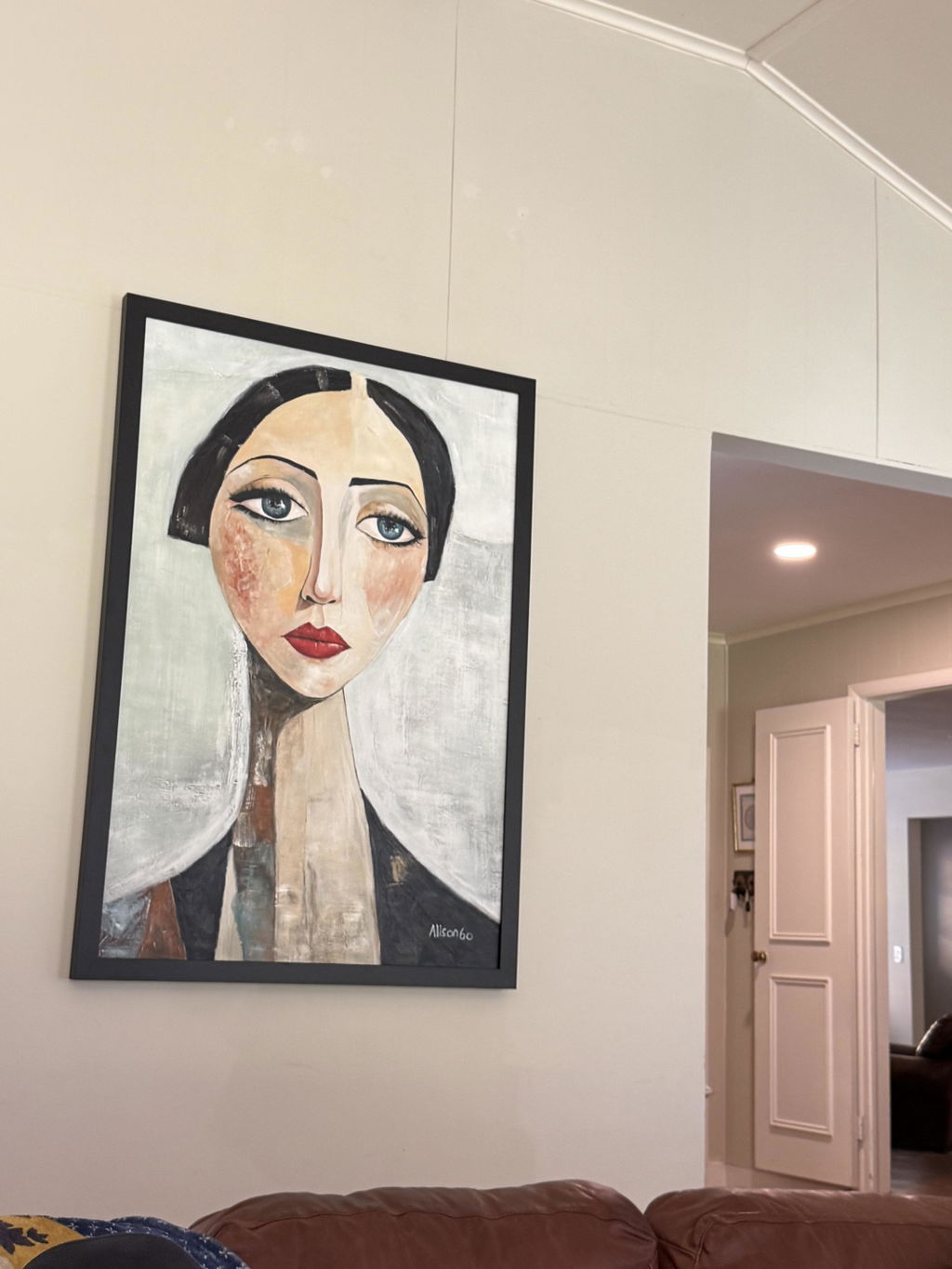
For the discerning collector, the arrival of a hand-painted oil mural is a moment of aesthetic culmination. However, upon unboxing a fresh commission, many are surprised—and occasionally concerned—to find that certain areas of the canvas feel "tacky" or soft, while others are bone-dry. This phenomenon is not a defect; rather, it is a hallmark of authentic, layered oil glazing. In an era where the expensive art market shows a retreat from purely financial assets, collectors are returning to the "real application value" of hand-painted works. Understanding the science behind these drying disparities is the first step in appreciating the technical complexity of a masterpiece.
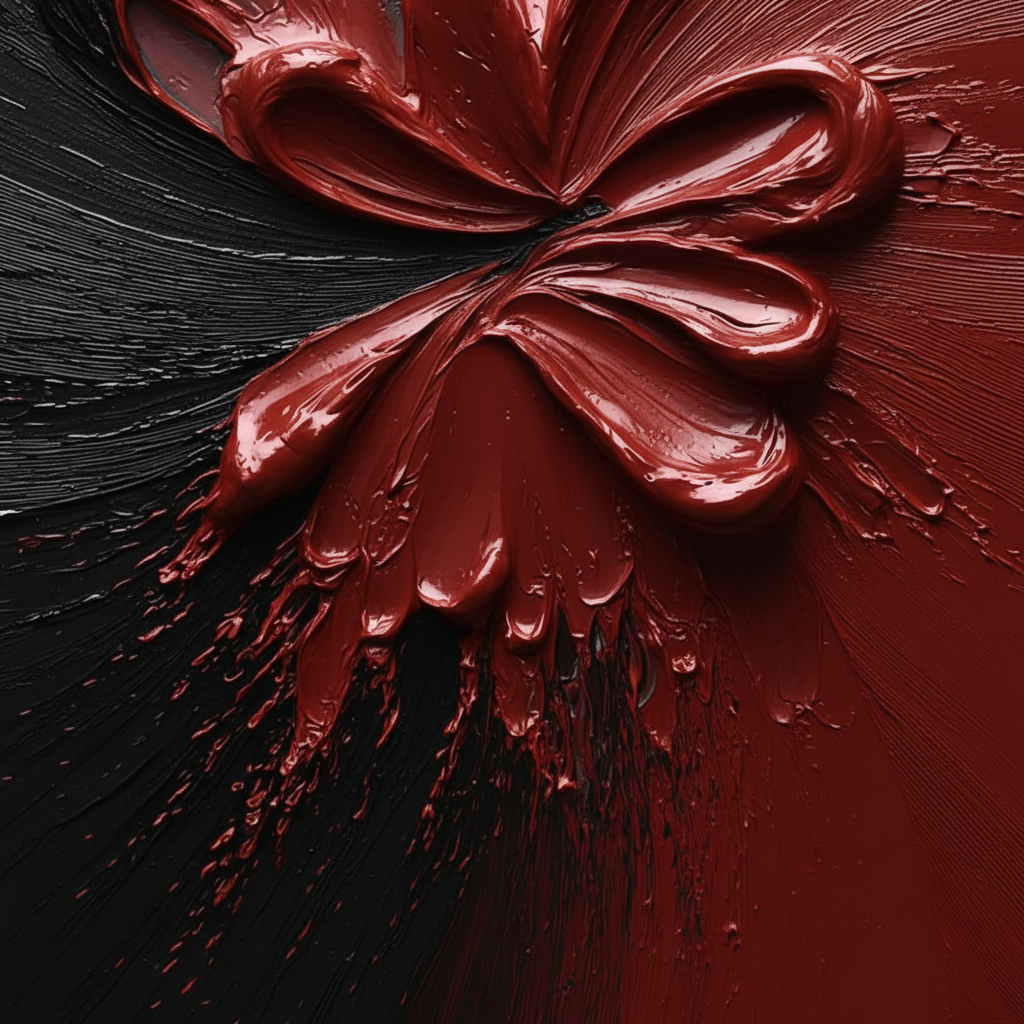
Unlike industrial prints or acrylics, which dry through simple evaporation, oil paint "cures" through a sophisticated chemical process known as oxidative polymerization. This transition from liquid to solid is not uniform. It is a biological and chemical "crystallization" of the artist’s attention, where different minerals and binders react with the atmosphere at vastly different rates.
The Chemistry of Curing: Oxidation vs. Evaporation
To understand why a glaze layer cures at a specific rate, we must look at the molecular level. Traditional oil paint consists of pigments suspended in a drying oil, typically linseed or walnut oil. These oils are rich in unsaturated fatty acids (making up roughly 80% of the composition).
According to research published in Nature Scientific Reports, oil glaze curing operates through complex oxidation chemistry where these fatty acids undergo radical chain reactions. This is a "living" process. Oxygen from the air diffuses into the paint film, triggering cross-linking between molecules.
Logic Summary: Our analysis of drying rates assumes a standard indoor environment (21°C, 50% RH). We categorize drying disparities as a function of pigment-to-binder ratios and the catalytic properties of the minerals involved, based on common industry heuristics and chemical modeling.
Modeling Drying Disparities by Pigment Family
In our studio practice, we observe that the "drying clock" starts at different times for different colors. This is largely due to the metallic content of the pigments themselves, which can either accelerate or inhibit the oxidation of the oil.
| Pigment Family | Primary Minerals | Typical Drying Time (Touch-Dry) | Chemical Role |
|---|---|---|---|
| Earth Tones | Iron, Manganese | 24–48 Hours | Natural Siccative (Catalyst) |
| Lead/Cobalt | Lead Carbonate, Cobalt | 2–3 Days | Strong Oxidant |
| Cadmiums | Cadmium Sulfide | 7–10 Days | Inert / Slow |
| Titanium White | Titanium Dioxide | 5–7 Days | High Oil Absorption |
| Lakes/Organics | Carbon-based | 10–14+ Days | Antioxidant Properties |

The Pigment Factor: Natural Siccatives and Inhibitors
Experienced painters anticipate these disparities by pigment family. Earth pigments, such as Raw Umber and Burnt Sienna, are the "sprinters" of the oil world. They contain natural manganese, which acts as a powerful siccative (drying agent), pulling oxygen into the oil matrix and speeding up the radical chain reaction by as much as 300% compared to other colors.
Conversely, pigments like Cadmium Yellow or Alizarin Crimson are "marathon runners." Cadmium compounds are chemically inert and do not assist the oil in cross-linking. In some cases, organic pigments even act as antioxidants, effectively "fighting" the drying process to remain tacky for weeks. This is why a landscape mural might be perfectly dry in the "earthy" foreground but remain soft in the "vibrant" sunset glazes of the sky.
The Lightfastness Trade-off
While slower-drying pigments can be frustrating for the impatient, they often offer superior longevity. Titanium Dioxide dominates 90% of the white pigment market due to its extreme chemical inertness and hiding power. However, its high oil absorption means it creates a "thirsty" layer that cures more slowly than the lead-based whites of the Old Masters. This trade-off is essential for creating color stability in high-end art.
The "Fat Over Lean" Rule: Molecular Density Gradients
A critical technical pillar of oil painting is the "Fat Over Lean" rule. This is not merely a suggestion; it is a structural necessity to prevent the artwork from cracking over time.
- Lean Layers: These are the initial layers, often thinned with mineral spirits. They have a high pigment-to-binder ratio, creating a dense molecular network that cures quickly (typically 2–3 days).
- Fat Layers: These are the upper glazes, containing more oil or specialized mediums. They are flexible but cure much more slowly (7–10 days).
By placing "slow-drying" flexible layers over "fast-drying" rigid layers, the artist ensures that the painting can expand and contract without the top layer shattering. As noted by the School of Realist Art, this principle manages the "stress gradients" within the multilayer system. If a fast-drying layer were applied over a slow-drying "tacky" layer, the top would dry first and then tear apart as the layer beneath it eventually shifted—a phenomenon known as "alligatoring."

Environmental Influences: Humidity and Oxygen Diffusion
The environment plays a silent but dominant role in how a glaze cures. While many assume heat is the primary driver of drying, oxygen is the true fuel.
The Humidity Paradox
Conventional wisdom suggests that humidity affects drying through evaporation. However, research indicates that humidity directly influences oxidation chemistry. According to Nature, high relative humidity (above 80%) can reduce oxygen diffusion into the paint film by 40–60%, significantly slowing the curing process. Conversely, extremely low humidity (below 20%) can accelerate cross-linking so rapidly that it creates a brittle film, increasing the probability of cracking by an estimated 30%.
Methodology Note: These estimations are derived from scenario modeling of polymer oxidation and are not intended to represent every specific studio environment. Individual results may vary based on local airflow and the specific brand of oil used.
Practical Implications for the Collector
When you receive a hand-painted work, the presence of "tacky" spots is evidence of the pigment vibrancy and lightfastness that defines premium art. It proves the work was built with traditional glazes rather than being a flat, industrial print.
Managing Support Induced Discoloration (SID)
A non-obvious technical hurdle in large-scale works is Support Induced Discoloration. As explained by Golden Artist Colors, water-soluble impurities in cotton or linen canvases can be drawn into the paint layer if a medium is applied too thickly, leading to yellowing. Experienced artists use specific sealants to prevent this, ensuring that the slow-drying glazes remain pure in tone.
Health, Safety, and Sustainability in the Studio
The materials used in high-end murals are subject to rigorous safety standards. While the industry has moved away from highly toxic substances, awareness of material safety is paramount for both the artist and the end-user.
- VOC Emissions: Aalto University research confirms that coatings on wood with roughly 16% moisture emit significantly lower toxic VOCs than dry wood, and these levels plummet during the curing process.
- Pigment Toxicity: The International Agency for Research on Cancer (IARC) classifies cadmium compounds as Group 1 carcinogens if inhaled as dust. However, in professional oil paint, these pigments are "locked" in an oil matrix, making them safe for display in home environments.
- Eco-Friendly Alternatives: Many modern studios are adopting eco-friendly art-making practices, such as using hemp or flax canvases which consume half the water of cotton, and walnut oil to replace toxic turpentine solvents.
The ROI of Hand-Painted Art: Beyond Aesthetics
Investing in a hand-painted mural is not just a decorative choice; it is an economic one. Data from the Royal Society suggests that neighborhoods with higher "art" geo-tags see greater relative gains in property value. Furthermore, public art projects, like those in Chicago’s Millennium Park, have driven billions in real estate-related growth.
For the home or office, "Biophilic Design"—which utilizes natural landscapes in art—has been shown to reduce stress and improve mood in 73% of patients in clinical settings. By choosing a hand-painted work over a digital print, you are securing a piece that retains an "essential identity" and "soul" that digital replicas cannot match.

Navigating the "Tacky" Phase: A Checklist for Owners
If your new artwork has areas that feel slightly soft to the touch, follow these professional guidelines:
- Do Not Clean with Solvents: Avoid the urge to wipe the surface with industrial cleaners. The Tate Modern suggests that while acrylics can be gently wiped with water-based swabs, oil films are sensitive to solvents during the first six months of curing.
- Ensure Airflow: Do not store the painting in a dark, stagnant closet. Oxygen and ambient light are the engines of the curing process.
- Avoid Extreme Heat: While heat can speed up drying, it can also cause "binder separation" or melting in certain yellow pigments. Maintain a stable room temperature.
- The Fingerprint Test: If you must check for dryness, touch only the very edge of the canvas that will be covered by the frame.
The Future of the Mural Industry
As we look toward 2026, trends in high-end interior design are moving toward "understated elegance" where texture is the soul of the space. The demand for artisan craftsmanship is rising, with Zillow data showing a 21% increase in mentions of "artisan" in luxury listings.
By understanding the drying disparities of your artwork, you aren't just managing a product; you are participating in a centuries-old tradition of material science. The wait for a glaze to fully cure is a testament to the authenticity of the pigments and the blending mastery of the artist.
Disclaimer: This article is for informational purposes only. The chemical and toxicological data provided is based on general industry research and should not be used as a substitute for professional safety advice. Always handle art materials according to the manufacturer's specific labeling and local safety regulations.
References
- Nature: Effect of humidity on oil paint curing
- WHO: Cadmium Environmental Health Criteria
- Golden Artist Colors: Support Induced Discoloration
- Royal Society: Quantifying the link between art and property prices
- Tate: Conservation Concerns for Acrylic Emulsion Paints
- EPA: Indoor Air Quality and Low-VOC Paints
- Marketplace: The expensive art market continues to struggle