The Shift Toward Emotional Authenticity in Modern Decor
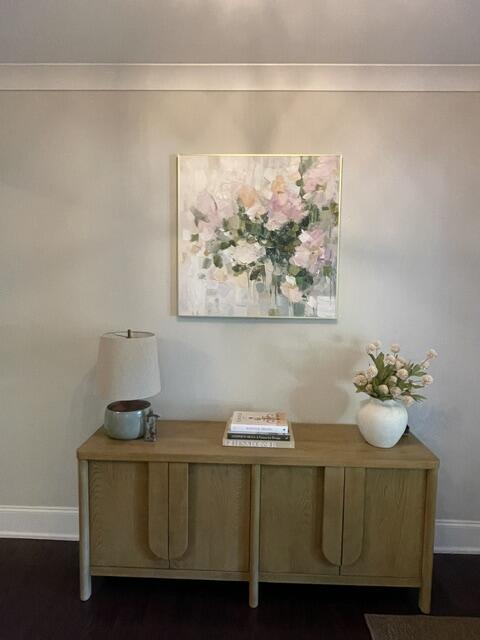
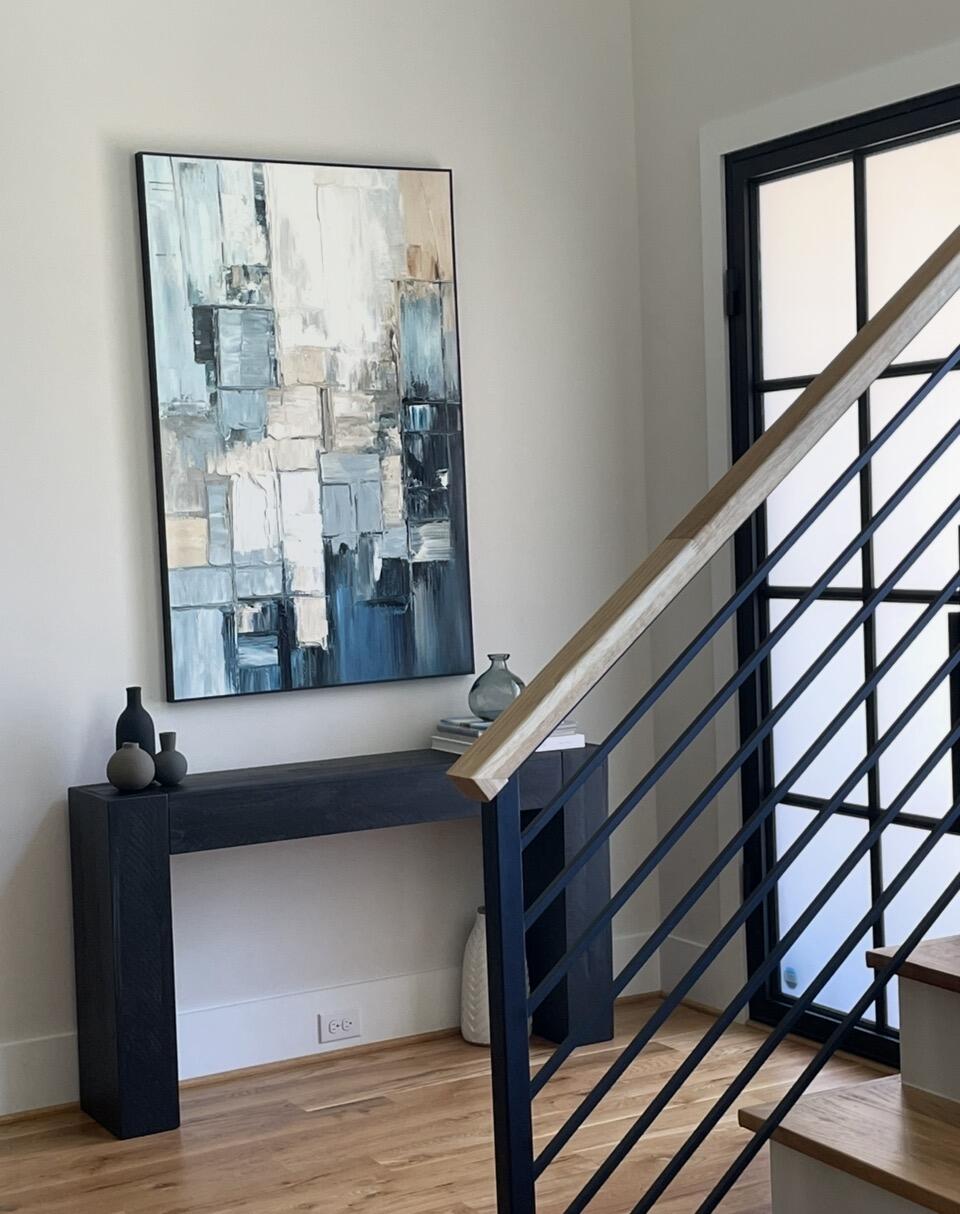
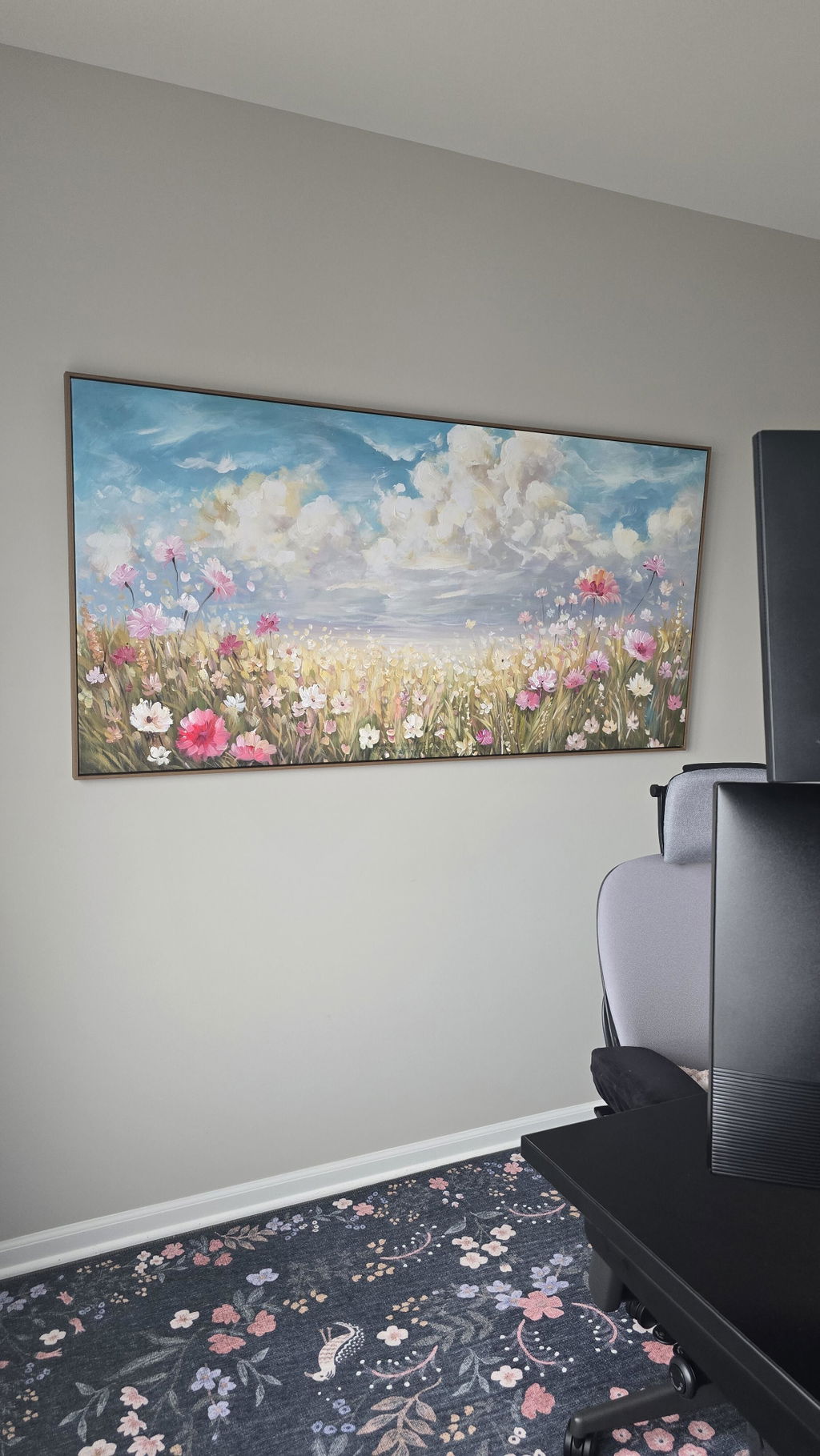
The landscape of high-end art acquisition is undergoing a structural transformation. Recent data from Marketplace reveals that high-end auction sales for pieces over $10 million plummeted 44% year-over-year in 2024. This retreat from purely financial "vanity assets" signals a return to real application value. Homeowners are increasingly prioritizing emotional resonance and tangible craftsmanship over speculative investment.
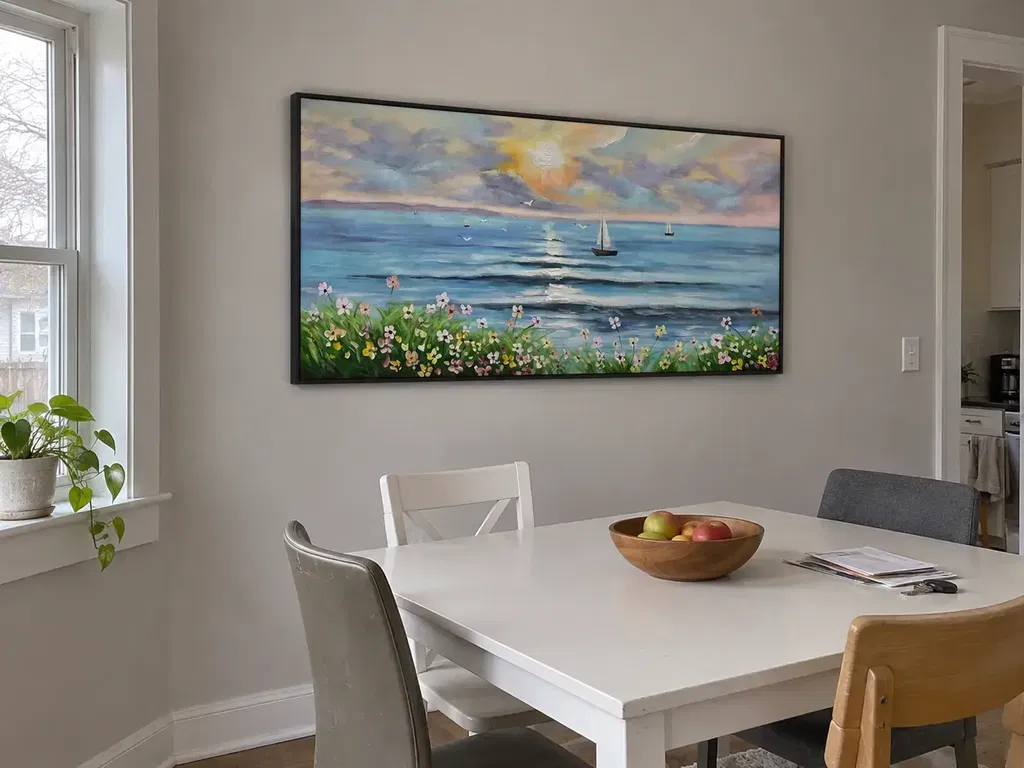
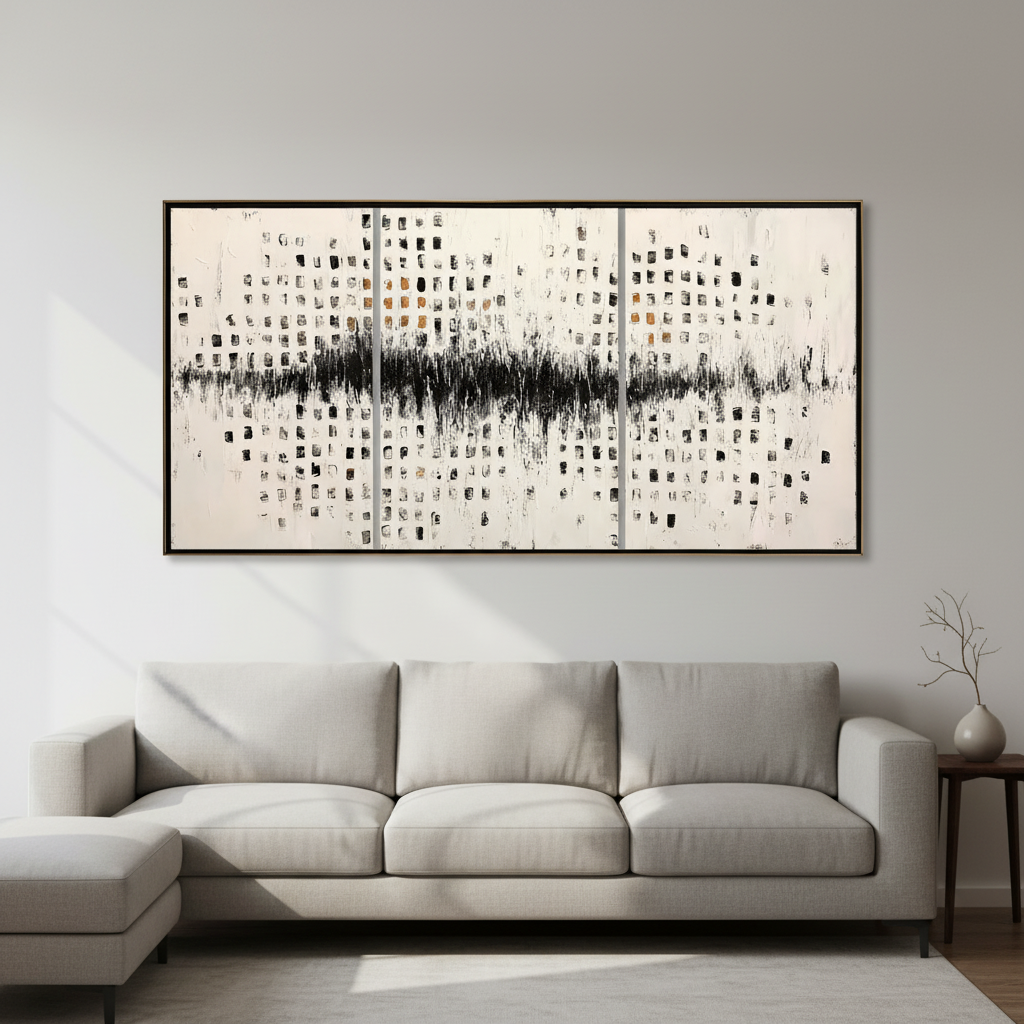
In this climate, multi-canvas sets—diptychs, triptychs, and larger polyptychs—have emerged as a dominant strategy for creating immersive environments. However, the move away from mass-produced prints toward authentic hand-painted work introduces a technical challenge: ensuring "narrative flow." When a single composition is segmented across multiple canvases, the visual continuity must be absolute. Without expert execution, a set can easily devolve into a collection of unrelated fragments rather than a cohesive story.
The Psychological Moat of the Human Hand
Before addressing the technicalities of continuity, we must understand why the "hand-painted" aspect is non-negotiable for the modern collector. Research from Columbia University confirms that consumers value art labeled as "AI-generated" 62% lower than authentic human-created work. This isn't just sentiment; it is rooted in what University of Chicago researchers describe as "essential identity." Digital replicas and NFTs often lack the artist’s soul, collapsing their perceived value in the eyes of the viewer.
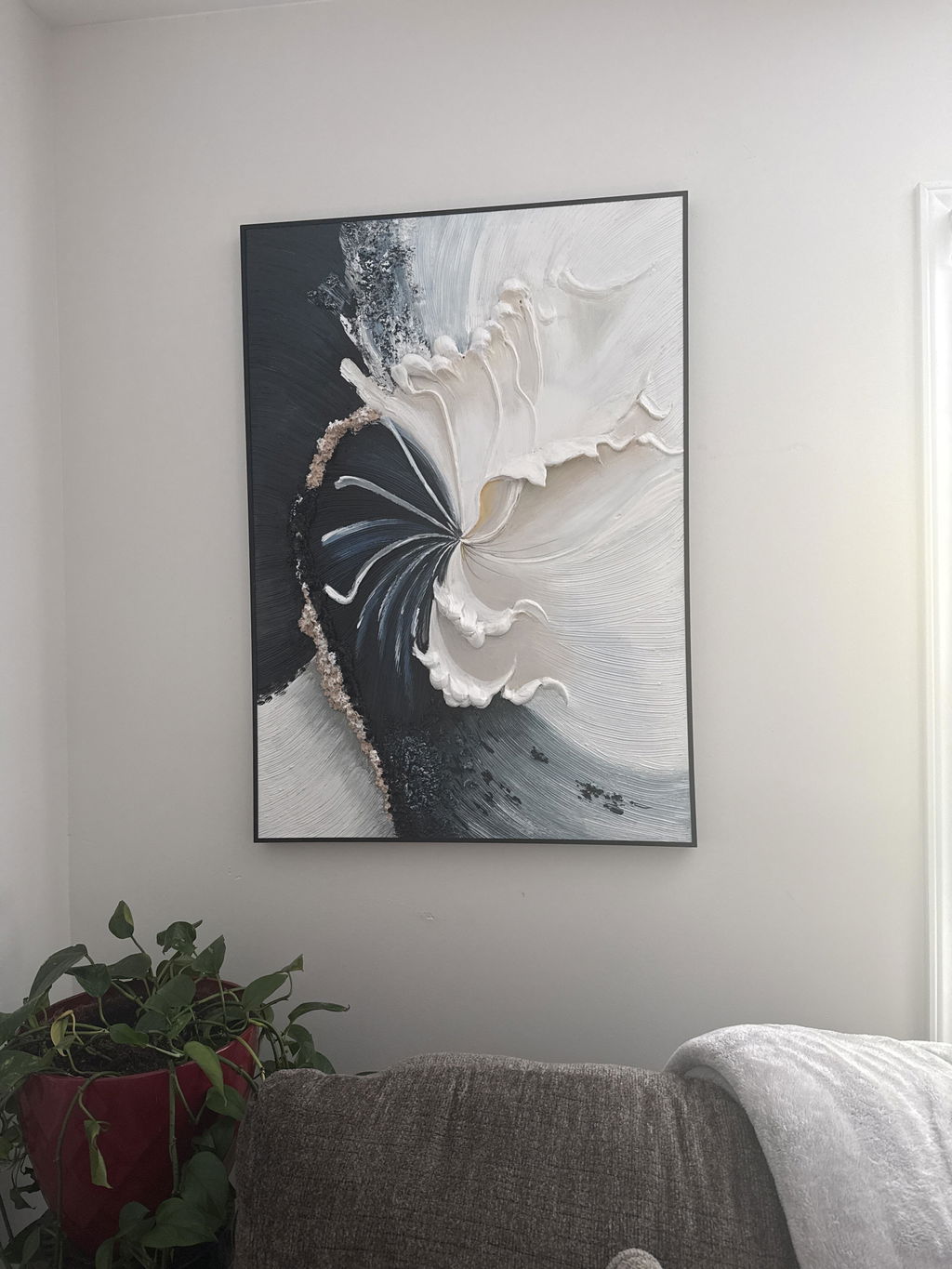
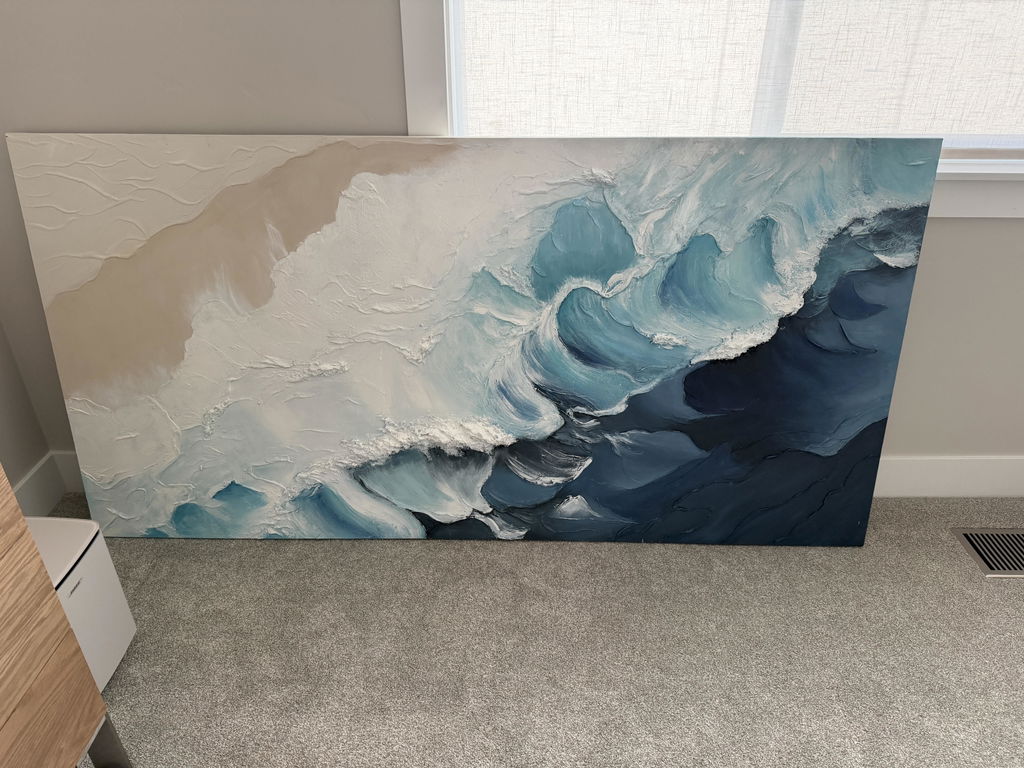
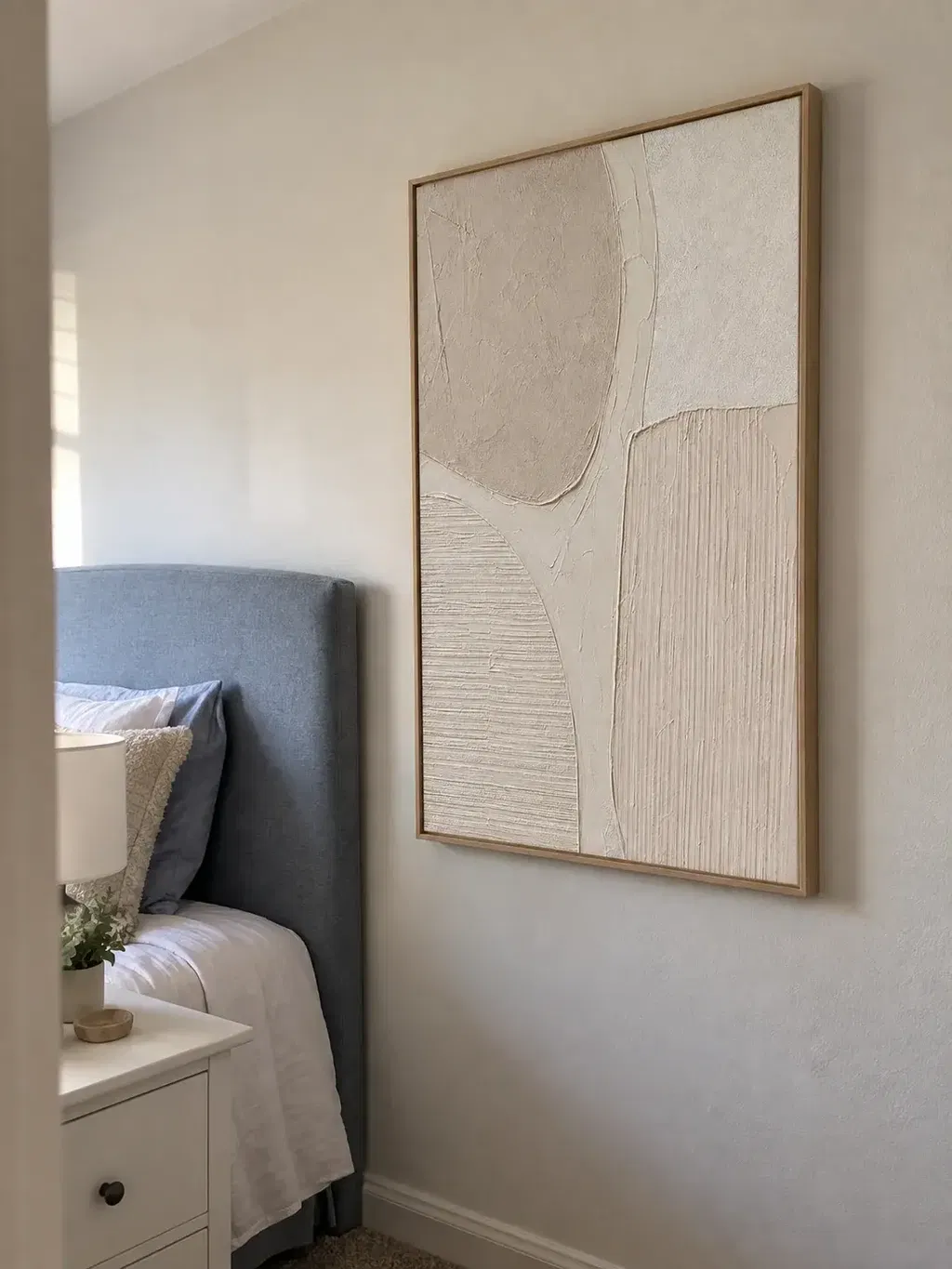
Hand-painted art possesses a "microtopography"—a three-dimensional relief of pigments that digital prints cannot replicate. According to optical microprofilometry studies, this mm-scale texture is crucial to the aesthetic experience. At our studio, we observe that the way light catches the edge of a brushstroke as it "leaps" across the physical gap between two canvases creates a sense of motion that a flat print simply cannot achieve.
Logic Summary: Our emphasis on hand-painted continuity is based on the "essential identity" theory. We assume that the physical texture of the paint acts as a bridge for the viewer's eye, mitigating the disruptive effect of the gaps between canvases.

Technical Pillars of Multi-Canvas Continuity
Achieving a seamless narrative across a segmented set requires a departure from standard painting workflows. In our experience, the most common mistake in production is painting canvases sequentially. This inevitably leads to subtle variations in brushstroke pressure, drying times, and "metamerism" (how colors change under different light).
1. The Master Palette Strategy
To maintain color integrity, professional artists establish a "master color palette" before the first stroke is applied. Pigments are mixed in bulk quantities to ensure batch consistency across all panels. This prevents the "segmentation drift" where the blues in canvas one don't quite match the blues in canvas three.
2. Grid Mapping and Simultaneous Execution
Instead of treating canvases as individual units, we utilize a "cross-reference painting" technique. The entire set is laid out together, and the composition is sketched across the gaps using a unified grid system.
- Simultaneous Layering: Every layer of paint is applied to all canvases in the same session.
- Rotation: Artists work on all panels in rotation to maintain consistent wetness and stroke speed.
3. Managing the "Support Induced Discoloration" (SID)
Technical longevity is as important as visual flow. According to Golden Artist Colors, water-soluble impurities in cotton or linen substrates can be drawn into transparent acrylic mediums, causing a yellow or brown tint known as Support Induced Discoloration (SID). In a multi-canvas set, if one panel develops SID and the others don't, the narrative flow is permanently broken. We mitigate this through rigorous priming protocols that seal the substrate across the entire set.
The 2-3 Inch Rule: Spacing and Perceptual Continuity
The physical gap between canvases is a design element in itself. While it provides a modern, "breathable" aesthetic, it also acts as a hurdle for the brain's visual processing.
Modeling the Optimal Gap
Based on our practical observations and interior design heuristics, the ideal spacing is determined by the viewing distance.
| Viewing Distance | Recommended Gap | Rationale |
|---|---|---|
| 4–6 Feet (Hallway) | 1–1.5 Inches | Prevents the composition from feeling fragmented in tight quarters. |
| 8–12 Feet (Living Room) | 2–3 Inches | Optimal visual separation while maintaining narrative flow. |
| 15+ Feet (Grand Foyer) | 4+ Inches | Allows the scale of the architecture to match the art's footprint. |
Method & Assumptions:
- Modeling Type: Deterministic scenario modeling based on common residential viewing angles.
- Boundary Conditions: This model assumes standard ceiling heights (8–10ft) and does not account for extreme peripheral viewing angles or high-contrast wall colors that might "bleed" into the gaps.
If the gap is too small, the panels look crowded and the "segmented" intent is lost. If the gap is too wide, the brain stops connecting the brushstrokes, and the narrative flow is severed.

The Science of Viewing: Why Flow Matters to Your Brain
Why do we feel "uncomfortable" when a multi-canvas set doesn't align? The answer lies in our neurobiology. A systematic review of 85 records published in NCBI shows that passive art viewing consistently activates the medial prefrontal cortex (mPFC) and the amygdala. These areas are responsible for emotional regulation and reward.
When the eye encounters a visual discontinuity—like a horizon line that drops half an inch between panels—it triggers a "perceptual constancy" conflict. The brain has to work harder to resolve the image, which can lead to cognitive fatigue rather than the intended stress reduction. Conversely, a well-executed flow allows the brain to "fill in the blanks" effortlessly. This is particularly effective in biophilic design, where nature-themed murals have been shown to reduce somatic stress and even accelerate healing in clinical environments.
Health and Safety: The Hidden Cost of "Cheap" Pigments
In the pursuit of continuity, one must not sacrifice safety. High-quality hand-painted art relies on professional-grade pigments, but these must be handled with expertise. The CDC NIOSH warns that chronic inhalation of volatile compounds in certain paints can lead to central nervous system issues.
Furthermore, the IARC classifies cadmium compounds—common in vibrant reds and yellows—as Group 1 carcinogens. While ECHA data suggests that artists' paints contribute minimally to environmental cadmium levels compared to industrial fertilizers, the risk to the individual in a poorly ventilated studio is real.
At MontCarta, we prioritize low-VOC and non-toxic alternatives to ensure that the "emotional authenticity" of our work doesn't come with a hidden health cost. This is especially critical for private clinics or nurseries, where air quality is a primary concern.
The Economic and Social ROI of Custom Art
Investing in a hand-painted multi-canvas set is more than a decor choice; it is a value-add for the property. A Royal Society CAR model analysis found that neighborhoods with higher "art" geo-tags saw greater relative house price gains.
For commercial developers, the impact is even more pronounced. In Chicago, public art projects associated with Millennium Park drove an estimated $1.4 billion in real estate-related growth. Whether it's a boutique hotel lobby or a modern office space, custom hand-painted murals act as "permanent physical billboards," driving foot traffic and increasing tenant retention by reducing cognitive fatigue.
Ethical Craftsmanship
Beyond the numbers, there is a moral imperative. A Wharton School survey found that 87% of consumers believe artists should receive fair compensation. By choosing hand-painted work over AI prints, collectors are supporting a creative economy that, according to the NEA, adds $1.2 trillion to the U.S. GDP annually.
Final Inspection: A Checklist for Buyers
When reviewing a multi-canvas set, look for these markers of expert continuity:
- The Horizon Test: Do horizontal elements align perfectly across the gaps?
- Color Saturation: Is the intensity of the "master palette" consistent from the first panel to the last?
- Brushstroke Momentum: Do the strokes appear to "flow" through the physical space between canvases?
- Lighting Stability: View the piece under both natural and artificial light. Do the highlights and shadows maintain their relationship? (Refer to our guide on spotting embellished prints for more on texture quality).
By prioritizing these technical details, you ensure that your investment provides the "emotional authenticity" that defines a truly curated home.
Disclaimer: This article is for informational purposes only and does not constitute professional medical, legal, or financial advice. Pigment safety information is based on general industry standards; always consult a qualified professional regarding specific health concerns or environmental certifications like LEED/WELL.
Sources
- Marketplace: The expensive art market continues to struggle
- Columbia University: Human-Made vs. AI Art Study
- NCBI: Neurological mechanisms of creative arts
- Royal Society: Quantifying the link between art and property prices
- Golden Artist Colors: Technical Support Center
- CDC NIOSH: Paint and Coating Hazards