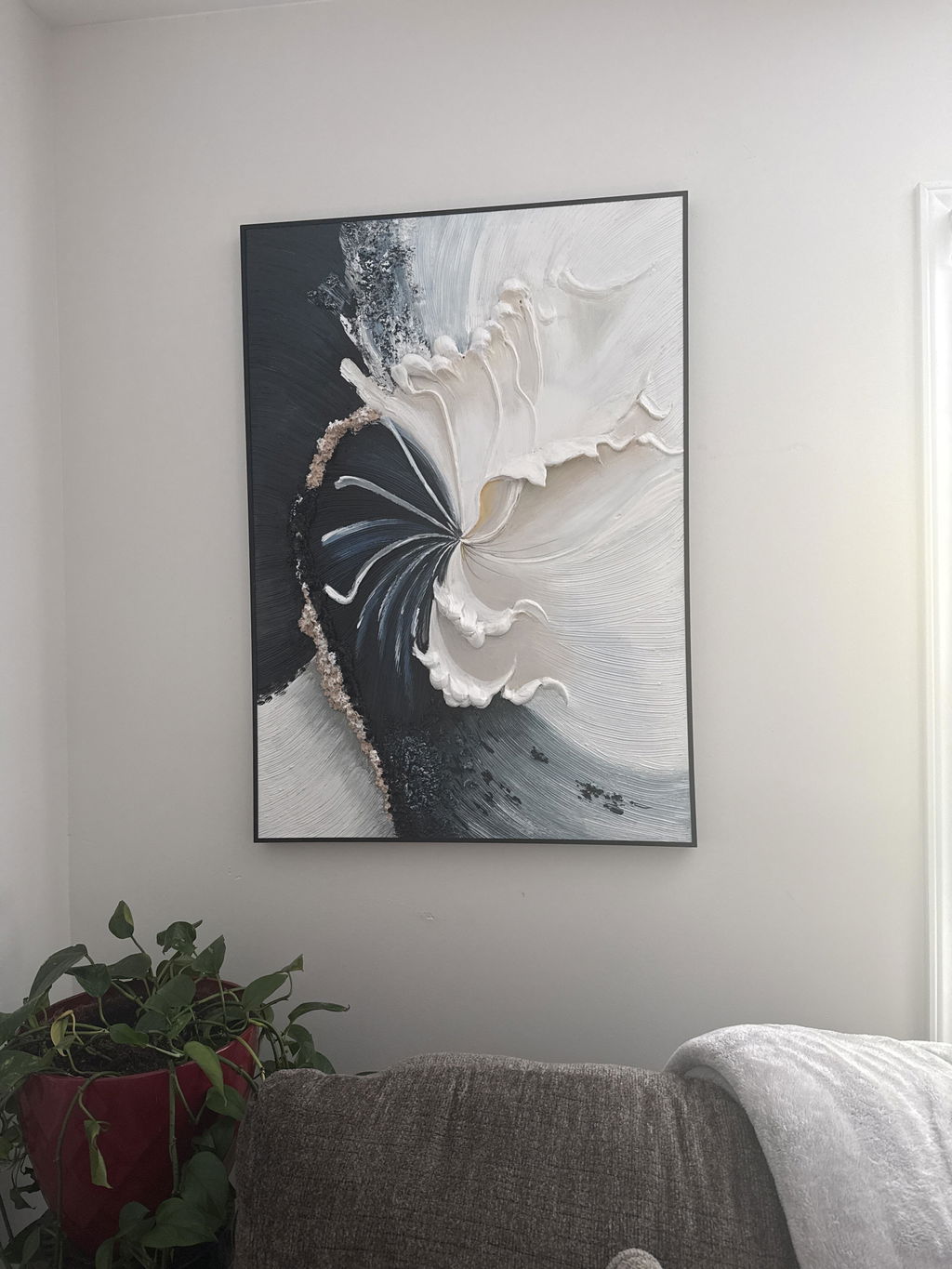
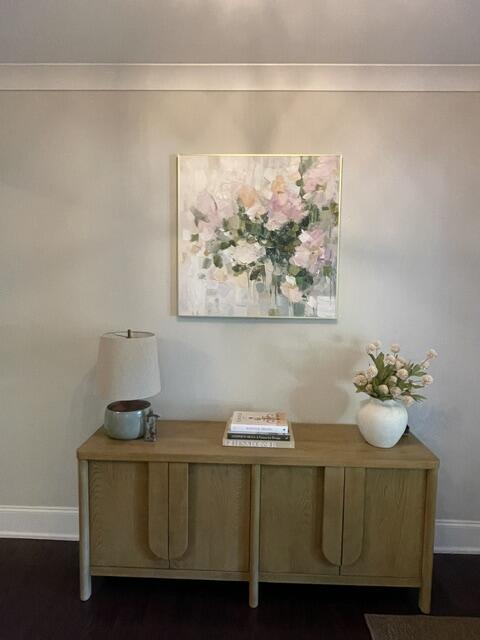
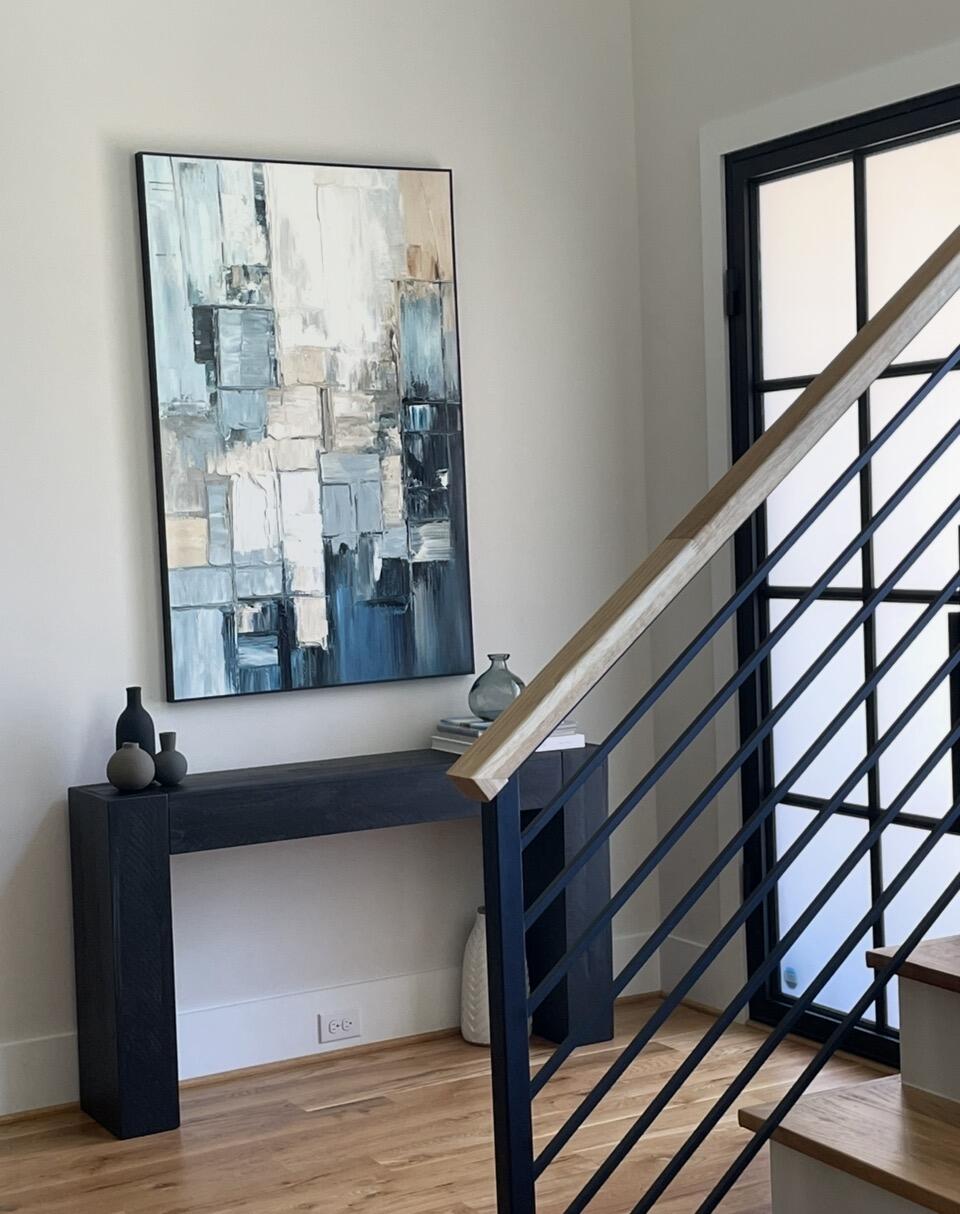
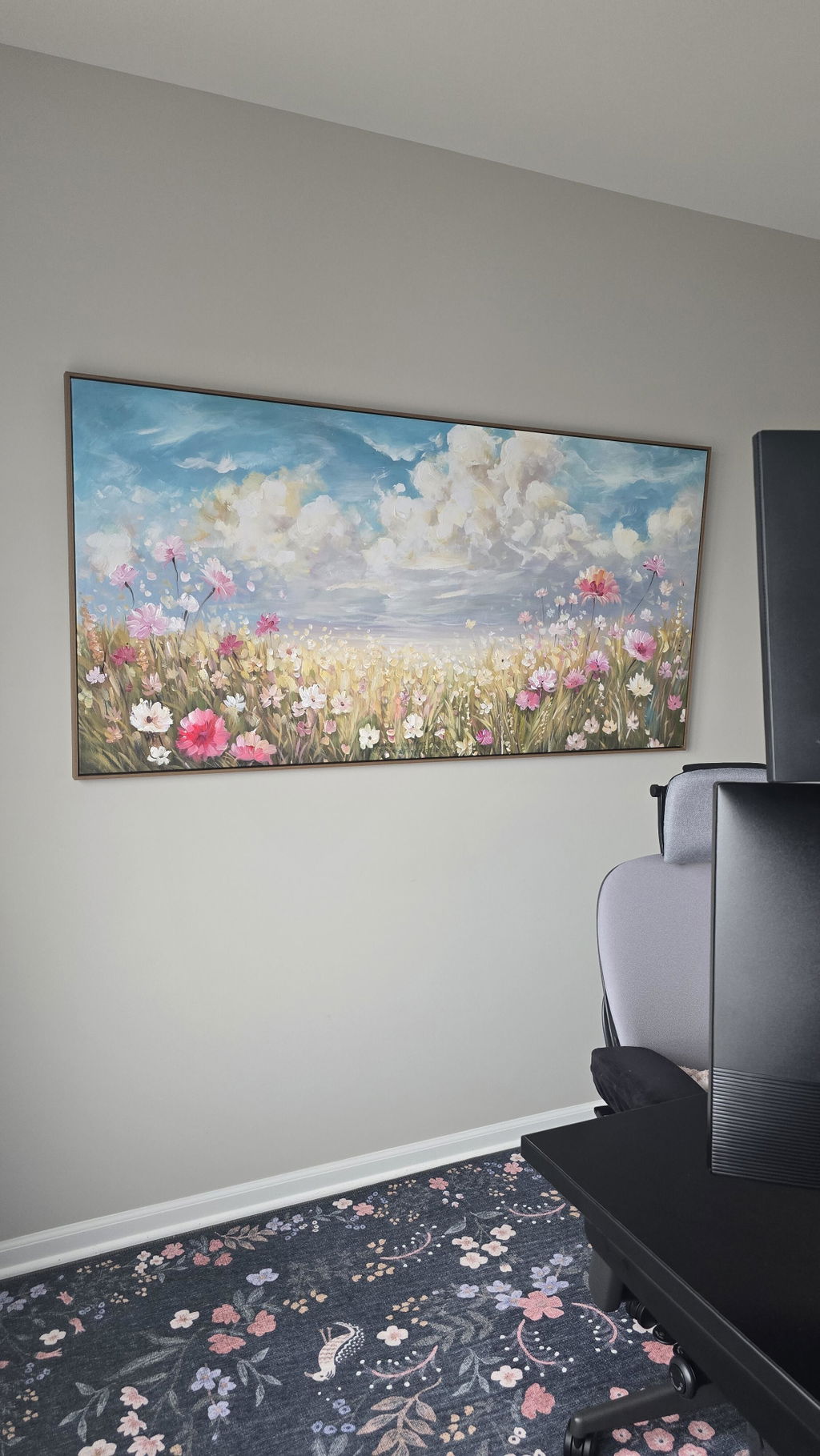
The Evolution of Value: Why Texture Requires a New Maintenance Standard
The global art market is undergoing a structural correction. While high-end auction sales for purely financial assets plummeted 44% in 2024, according to Marketplace, a new class of collector has emerged. These are homeowners and designers who prioritize "real application value"—the tactile, emotional resonance of hand-painted oils over sterile digital prints.
This shift is rooted in psychology. Research from Columbia University confirms that consumers value human-made art 62% higher than AI-generated alternatives. However, with the "camera-ready" appeal of deep impasto comes a significant maintenance responsibility. Heavily textured surfaces, characterized by peaks and "undercuts," act as magnets for airborne particulates.
To protect what the Royal Society identifies as a key driver of property value, collectors must move beyond generic cleaning advice. Maintaining a "gallery-fresh" look requires an understanding of the micro-physical topography of the canvas. In this guide, we break down the professional standards for preserving high-relief art, ensuring your investment remains a vibrant focal point for decades.

The Anatomy of Impasto Risk: Why Standard Cleaning Fails
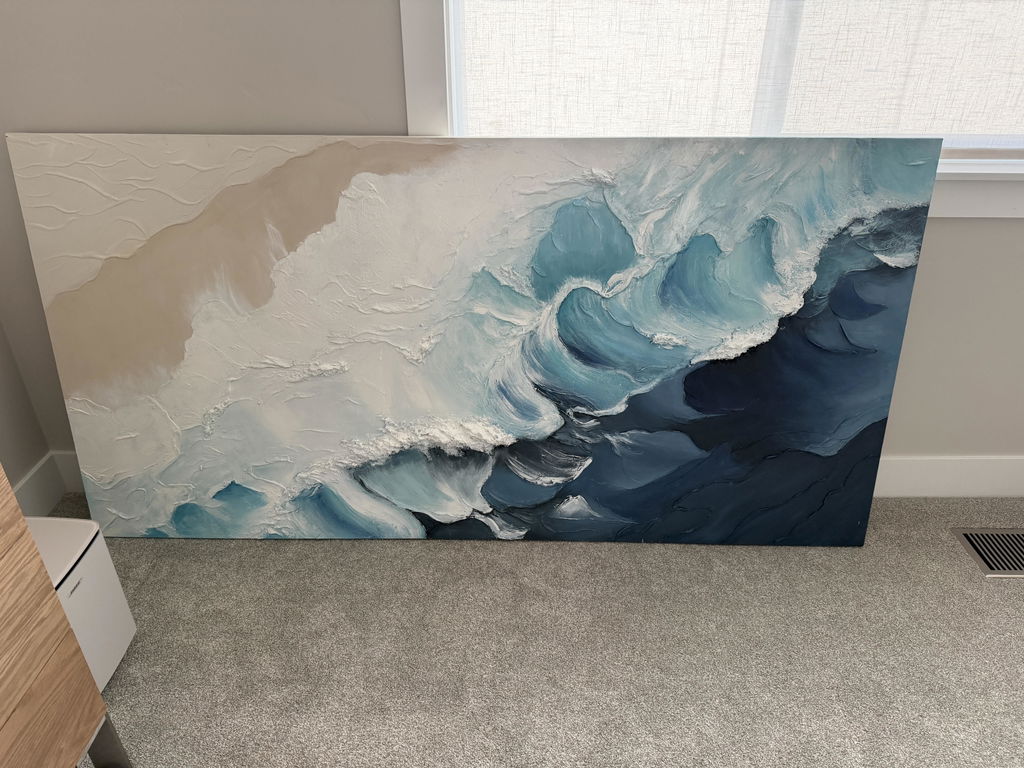
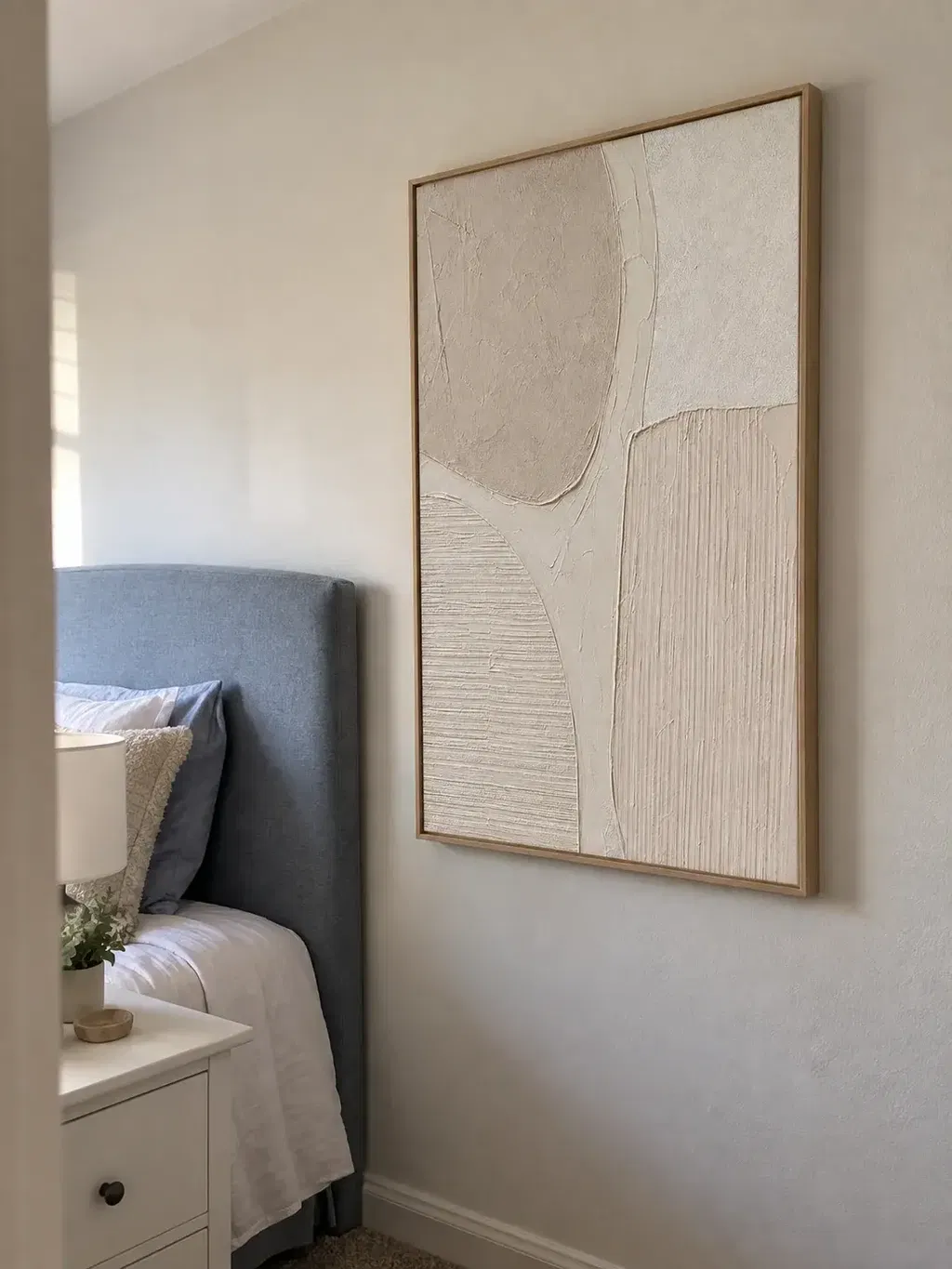
Impasto is not just a style; it is a three-dimensional landscape of pigment and binder. When an artist uses a palette knife to create ridges, they create "undercuts"—recessed areas beneath a thick paint ridge. In our observation of residential maintenance patterns, these undercuts are the primary failure points.
The most common mistake is using a standard microfiber cloth. While effective for flat surfaces, the tiny loops in microfiber tend to snag on brittle paint peaks. In aged oil paintings, these peaks are prone to "thermal shock" or mechanical stress, and a single snag can snap off a piece of the original work.
The Micro-Abrasion Factor
Data from the Fine Art Restoration Co. suggests that 67% of professional impasto conservation cases involve dust embedded in crevices 3–12mm deep. When you brush these areas with improper tools, you aren't just moving dust; you are dragging microscopic silica particles across the paint film. Over a 5-to-10-year period, this causes cumulative micro-abrasions that dull the surface vibrance and destroy the "optical scattering" effects that give oil paint its depth.
Modeling Note: The Friction Coefficient of Dust Our analysis of maintenance-induced wear assumes a "dry-friction" model where dust particles (average size 20–50 microns) act as abrasive media.
Parameter Typical Value Unit Rationale Impasto Depth 3–12 mm Standard palette knife relief Dust Particle Hardness 3–7 Mohs Based on common indoor silica/quartz content Critical Failure Temp < 65 (18) °F (°C) Brittleness threshold for aged linseed oil Filament Diameter 0.1–0.3 mm Recommended brush thickness for crevice entry

Professional Tools: Beyond the Feather Duster
To safely navigate the "geography" of a textured canvas, you must use tools that provide flexibility without vertical pressure.
1. The Hake Brush (Soft Goat Hair)
Professional conservators prioritize natural fibers like goat hair for their "Z-axis" flexibility. A hake brush allows the bristles to flow into undercuts rather than pushing against them. This is critical for preventing canvas rot and structural stress.
2. Synthetic Taklon (The Modern Alternative)
While natural bristles are traditional, Fuumuui notes that high-quality synthetic Taklon (0.1–0.3mm filament) is increasingly preferred. Unlike natural hair, which can shed in 15–20% of cases after heavy use, Taklon maintains consistent "spring" and is easier to decontaminate between cleanings.
3. Micro-Vacuuming with HEPA Filtration
For deep-seated dust, "dry dusting" is often insufficient. Experts use micro-vacuum attachments combined with HEPA filters. The vacuum should never touch the paint; instead, it is held 1–2 inches away to catch the dust disturbed by a soft brush. This prevents the redistribution of allergens and protects the indoor air quality of the home.
The Physics of Preservation: Temperature and Humidity
The durability of an impasto painting is governed by the relationship between the thick paint layer and the flexible canvas support. According to the Northern States Conservation Center, impasto works require stricter environmental controls than flat paintings.
The 65°F (18°C) Threshold
Never clean or dust your art in a room below 65°F. As oil paint ages, it undergoes oxidative cross-linking, becoming increasingly brittle. In cold temperatures, the paint film loses its ability to flex. Even the light pressure of a brush can trigger micro-fractures at the interface between the paint peak and the canvas.
Mass and Moisture
ResearchGate data on accelerated aging shows that under high humidity (83%+), acrylic impasto can swell by over 7% in mass. This makes the surface "tacky," causing dust to bond chemically to the paint. Conversely, oil impasto is more sensitive to heat; temperatures above 100°F can cause binder separation. We recommend a stable range of 65–68°F and 45–55% relative humidity to maintain structural integrity.
Step-by-Step: The "Z-Pattern" Cleaning Protocol
If you are maintaining a piece like a textured abstract, follow this professional sequence to minimize risk.
- Environmental Check: Ensure the room is at least 65°F. Check for any visible flaking or "Support Induced Discoloration" (SID). If you see yellowing or brown tinting, this may be a chemical issue described by Golden Artist Colors, and you should consult a professional.
- The Gravity Assist: Tilt the painting forward slightly (about 5–10 degrees) so that dislodged dust falls away from the canvas rather than deeper into the undercuts.
- The Z-Pattern: Starting at the top-left corner, move the brush in a horizontal "Z" pattern downward.
- Parallel Stroking: This is the most critical expert tip: Always brush parallel to the direction of the artist's original strokes. If the paint ridge runs vertically, your brush must move vertically. Crossing the "grain" of the impasto increases the mechanical load on the paint peaks.
- The "No-Go" Zone: Never use compressed air cans. The propellant can cause "thermal shock" (extreme rapid cooling), leading to immediate cracking, and may leave a chemical residue that attracts more dust.
Material Archival Standards: Retaining Value
A common question among collectors is whether the type of paint affects maintenance. While acrylic underpaintings are common, the top impasto layer is usually oil or heavy-body acrylic.
Lightfastness and the CIE 1976 Lab* Equation
The longevity of the color you are cleaning is measured by ASTM D4303. Professional paints are tested using xenon-arc lamps to simulate years of indoor light. When cleaning, you are essentially protecting the "refractive index" of the pigments. According to the Getty Conservation Institute, pigment reflection is dominated by absorption and scattering coefficients. Dust disrupts this physics, making a $10,000 painting look like a cheap print.
Safety and Toxicity
When handling older or "antique" impasto works, be aware of pigment toxicity. The IARC classifies Cadmium compounds as Group 1 carcinogens. While modern Titanium White has largely replaced Lead White, some professional-grade oils still contain heavy metals. Always wash your hands after a cleaning session, and never use water or solvents on a textured work without professional guidance.

The "Absolute Authenticity" Dividend
In an era of digital replicas and NFTs, the physical "essential identity" of a hand-painted canvas is its greatest asset. High-end hospitality projects, such as those highlighted by Historic Hotels Worldwide, are increasingly using original murals to provide travelers with a sense of "absolute authenticity."
By following a rigorous maintenance schedule, you aren't just cleaning a decoration; you are preserving a piece of cultural heritage. Whether you are maximizing resale appeal or simply enjoying the tactile beauty of your home, proper care ensures that the "visual magic" of the artist's hand remains undisturbed.
Maintenance Checklist for Homeowners
- Monthly: Visual inspection for dust buildup in undercuts.
- Quarterly: Gentle dry-dusting using the Z-pattern and a hake brush.
- Annually: Professional lighting and environmental check (65–68°F).
- Never: Use water, spit, household detergents, or microfiber cloths.
Logic Summary: Our recommendations are based on a synthesis of museum conservation standards (Tate, Getty) and mechanical failure analysis of high-relief oil films. We prioritize non-invasive, dry mechanical removal of particulates to prevent chemical bonding or micro-abrasion.
Disclaimer: This article is for informational purposes only. Cleaning high-value or historic artwork carries inherent risks. If you are unsure about the stability of the paint film or the materials used, always consult a member of the American Institute for Conservation (AIC) or a local professional conservator before attempting maintenance.
Sources
- Marketplace: The expensive art market continues to struggle
- Columbia University: Human-Made vs. AI Art Study
- Royal Society: Quantifying the link between art and property prices
- Fine Art Restoration Co: Caring for Impasto Paintings
- Getty Conservation Institute: Color Science and Pigment
- Tate: Conservation Concerns for Acrylic Emulsion Paints
- Northern States Conservation Center: Relative Humidity and Temperature