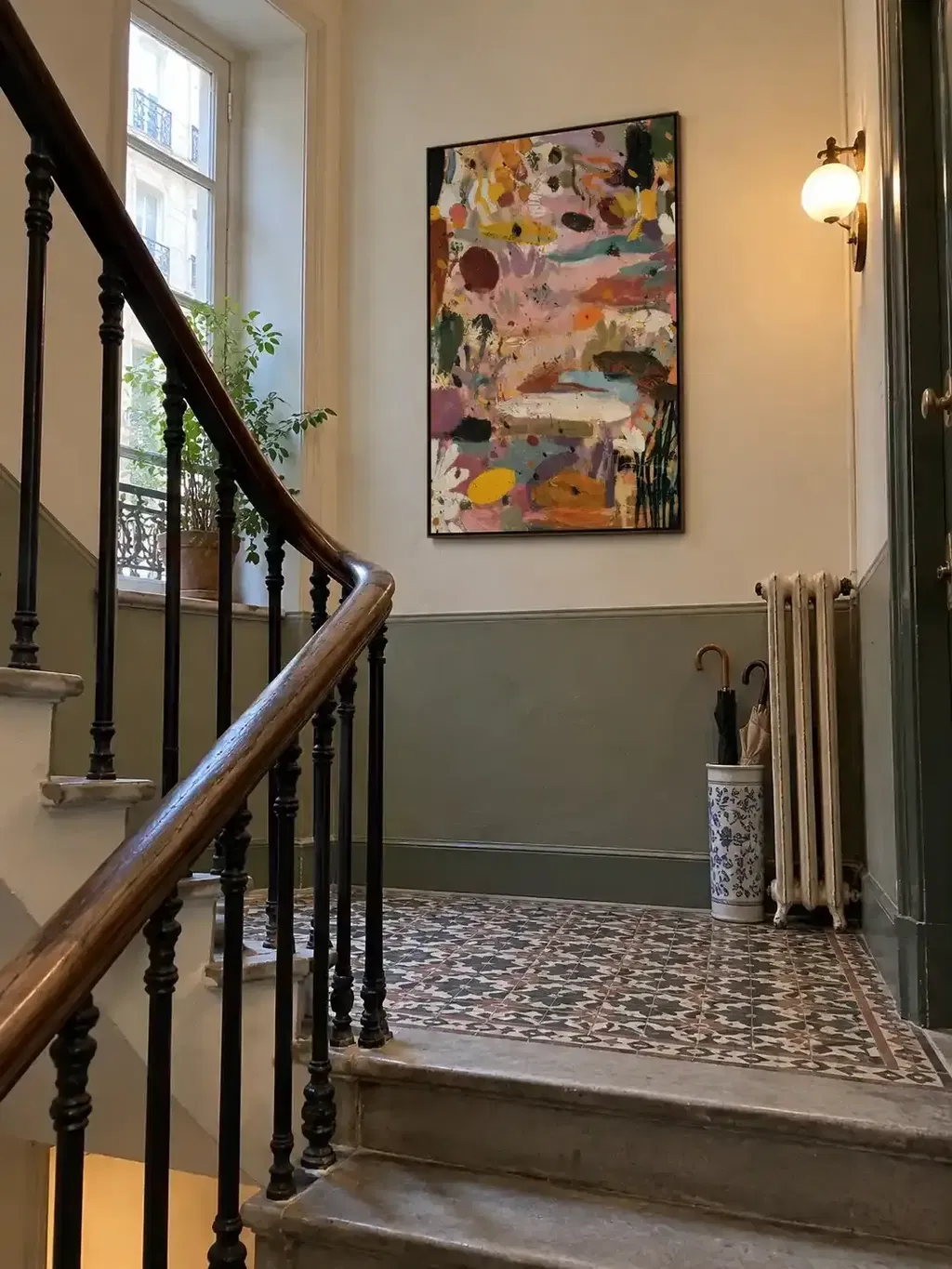
Impasto painting care starts with one simple rule: treat the raised texture like a surface you do not want to scrape, press, or soak. The safest routine is gentle dusting, stable room conditions, and careful handling of the frame or stretcher, not the painted face. That approach will not guarantee perfect preservation, but it does lower the everyday risks that worry most owners.
Why Impasto Needs Different Care
Heavily textured impasto is more vulnerable than a flat painting because the peaks, ridges, and thick paint catch dust and contact more easily. It also reacts differently to room changes. Smithsonian research notes that thick paint and canvas can expand and contract at different rates when humidity swings, which can contribute to cracking, delamination, or cupping. In plain terms, the surface is doing more than one thing at once, so the wrong cleaning move or a shaky room can cause more stress than it would on a smooth canvas.
That is why impasto canvas maintenance tips should start with restraint. If you are deciding between a quick wipe and a gentler pause, choose the gentler option. The goal is not to scrub the artwork clean every time you notice dust. The goal is to keep texture intact while avoiding pressure, snagging, and moisture stress.

Safe Dusting Without Touching Raised Paint
For how to clean an impasto painting, start with the least abrasive dry method you can control well. The Canadian Conservation Institute warns against dry or moist dust cloths, stiff brushes, and feather dusters because they can snag and break the peaks of raised paint. A broad, soft-bristled brush held at a gentle angle is the safer first pass for safe dry dusting for textured paint, especially when you are only removing loose surface dust.
Prepare a Low-Risk Dusting Setup
Before you touch the painting, set it so the canvas does not flex. Make sure it is secure on the wall or laid flat in a protected area if it has to come down. Keep sprays, cleaners, damp cloths, and paper towels away from the first-pass routine. Those shortcuts create more risk than they solve on raised texture.
Use a clean, dry, soft brush with a light grip. The brush should glide dust away, not push into the paint. Short passes are better than long scrubbing motions because they reduce the chance of catching on a ridge or dragging grit across the surface. A gentle setup matters more than a fast one.

Use the Lightest Touch on the Surface
Work from the top down so loosened dust falls onto areas you have not cleaned yet. Keep the brush angle shallow and avoid pressing into the paint. If the surface starts to grab, move, or feel fragile, stop. That is the moment the cleaning method is telling you to back off.
A good decision sentence here is simple: if the dust comes off with a light dry brush, that is enough; if the brush has to push, scrub, or repeat a spot several times, the surface is not a good candidate for DIY cleaning. The more texture you see, the more you want to avoid a heavy hand.
Know When Not to Clean It Yourself
If the painting is flaking, actively cracking, sticky, or tacky, stop DIY cleaning and consult a conservator. That is the clean boundary, and it matters more than any general dusting habit. Heavy grime, smoke film, or residue that will not lift with a dry brush is also a professional-care problem, not a weekend fix. When the paint film is already compromised, the safest move is to document the issue and avoid experimenting.
If you want a deeper method walk-through later, our safe dusting guide compares low-risk tools and setup choices. For this article, the main rule is enough: dry, gentle, and stop at the first sign of surface weakness.
Humidity, Temperature, and Wall Placement
Stable room conditions matter more than trying to perfect every variable in the home. The National Park Service recommends a stable relative humidity of 45% to 55% and a temperature range of 64°F to 75°F for oil paintings on canvas.stable humidity and temperature range That is a useful baseline for display, not a promise that every painting will behave the same way inside it.
Compare Safer and Riskier Room Conditions
| Room factor | What it can do to impasto | Safer home setup |
|---|---|---|
| Humidity swings | Stress thick paint and canvas at different rates | Keep the room as steady as practical |
| HVAC vents or radiators | Create hot, dry, or drafty zones | Hang away from direct airflow |
| Bathrooms and kitchens | Raise moisture and residue risk | Choose a drier room for long-term display |
| Exterior walls | Can run colder and fluctuate more | Use an interior wall when possible |
| Direct sunlight | Raises heat and adds fading risk | Place the piece out of direct sun |
| Crowded, bump-prone areas | Increase accidental contact | Leave enough clearance around the art |
This is where impasto canvas maintenance tips become a placement decision, not just a cleaning decision. If the best-looking wall is also near a vent, sink, or sunlit window, it may be the wrong wall for long-term display. A slightly less convenient spot with steadier conditions is usually the better choice.
For a fuller placement discussion, our long-term stability guide covers the same room-condition logic from the collector side. The key takeaway is the same: avoid extremes and frequent swings.
Handling, Hanging, and Moving the Canvas
Can you touch textured art? Only with a lot of care, and not on the painted face. The Smithsonian recommends using two hands and gripping the sturdy outer frame or stretcher bars when moving or hanging a painting, rather than touching the face of the canvas.grip the frame, not the face That matters because the real risk is pressure and snagging, not just whether your hands are clean.
Before You Lift or Rehang It
Clear the path first. Move rugs, cords, sharp décor, and anything else that could catch the edge or force you to twist while carrying the piece. Set a protected landing spot before you lift, so you are not improvising at the end of the move. If the piece is large or awkward, use two people.
Check the hanging hardware and wall support before you lift the artwork into place. A strong hang is part of safe handling, because a piece that shifts later can bump nearby objects or twist under its own weight. Remove rings, bracelets, belts, or watches that could scratch or snag texture.
What to Grip and What to Avoid
Grip the frame, stretcher bars, or outer edges, not the face of the painting. Gloves may reduce skin oils, but they do not make rough contact safe. Pressure can still dent soft peaks, and fabric can still catch on texture. For that reason, bare hands versus gloves is not the main decision. Gentle support is.
A useful rule of thumb is this: if you would not want that surface touched by a sleeve seam, zipper, or watch edge, do not press it against the artwork. When you have to adjust the position, lift and reset rather than sliding the face across a shelf, wall, or floor.
Move and Rehang Without Pressing Texture
Carry the artwork upright and keep the painted face away from rough or dirty surfaces. Do not lean it face-first against a wall, door, or table unless the contact surface is fully protected. Even a short move across a hallway can go wrong if the canvas flexes or the raised paint brushes against something gritty.
If you are rehanging in a new room, check spacing around doors, furniture, and traffic paths. The texture should not be close enough to get bumped during daily use. That is the hidden handling risk many owners miss: the painting can be safe on the wall and still be too exposed to everyday contact.
A Simple Long-Term Care Routine
A good impasto painting care routine is short, repeatable, and easy to pause when something looks wrong.
- Check for loose dust once a month and use only the gentlest dry brush method that keeps you off the paint peaks.
- Review room conditions seasonally, especially if the space feels damp, dry, or drafty.
- Recheck the wall after any move, repaint, HVAC change, or furniture shift that changes airflow or bump risk.
- Look for cracking, flaking, tackiness, or residue before each deeper clean.
- If the surface feels fragile, stop and switch from cleaning mode to conservation mode.
- Keep the painting away from vents, direct sun, bathrooms, and crowded pinch points.
- When in doubt, document the issue and ask a conservator before trying a stronger method.
That routine keeps the work low-risk without turning care into a chore. If you are still choosing new work after learning the basics, browse impasto art or textured paint styles with the same placement and handling standards in mind. For pieces like this textured impasto piece, the safest next step is to verify where it will hang, how often it will need dusting, and whether the room stays steady.
Final Takeaway
The safest impasto painting care routine is conservative: dry dust gently, keep the room stable, and handle the frame or stretcher instead of the painted face. If the surface is cracking, sticky, or flaking, stop before you make it worse. Check your room, use the gentlest method first, and contact a conservator when the texture stops behaving like a normal surface.
FAQs
How Do You Clean an Impasto Painting?
Start with a dry, soft-bristled brush and the lightest touch that removes loose dust. Do not use cloths, feather dusters, or wet cleaners as a normal first step. If the surface feels sticky, flakes, or resists light dusting, stop and get professional advice.
Do Textured Paintings Collect Dust?
Yes. Peaks and crevices catch dust more easily than a flat canvas, so light routine care matters. The practical check is simple: if dust is visible in the texture, use a dry brush rather than a wipe, and avoid anything that has to press into the surface.
Can You Touch Textured Art?
Touching the painted face is risky because pressure and snagging can damage raised areas. If you must move it, hold the frame or stretcher with two hands and keep jewelry, rough sleeves, and sharp objects away from the surface. Gloves may help with oils, but they do not replace careful handling.
What Humidity Is Too High for an Impasto Painting?
Exact limits depend on the artwork and the room, but unstable or extreme indoor humidity is the main concern. A steady display environment is the better target than chasing a perfect number. If your room feels damp, dries out sharply with HVAC, or swings across seasons, that is a signal to reconsider placement.
When Should I Call a Conservator for Textured Oil Art?
Call a conservator if you see flaking, active cracking, tackiness, heavy grime, or any surface damage that makes cleaning feel risky. A simple rule helps: if the piece would need more than a gentle dry brush, it may already be beyond safe DIY care.