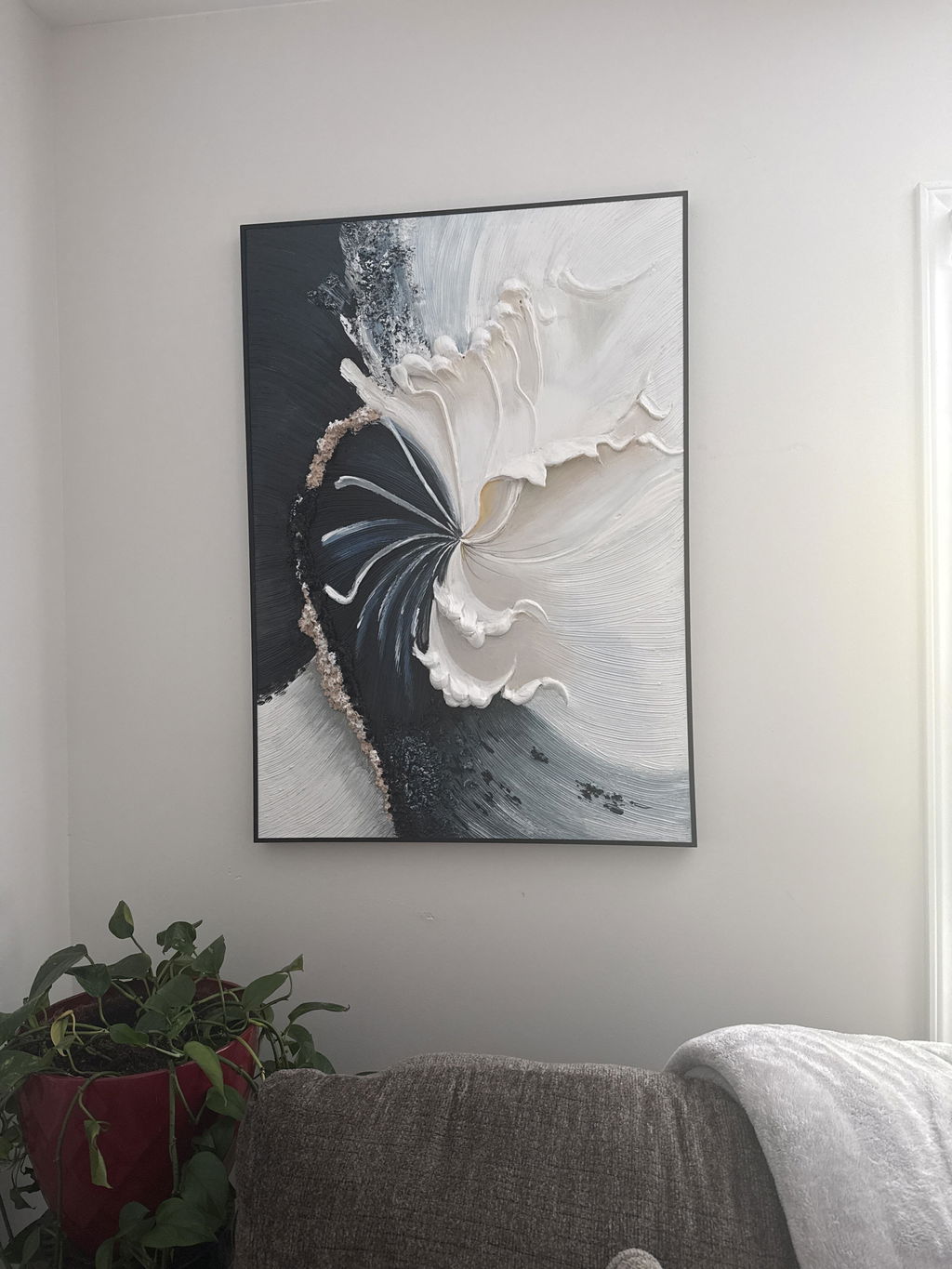
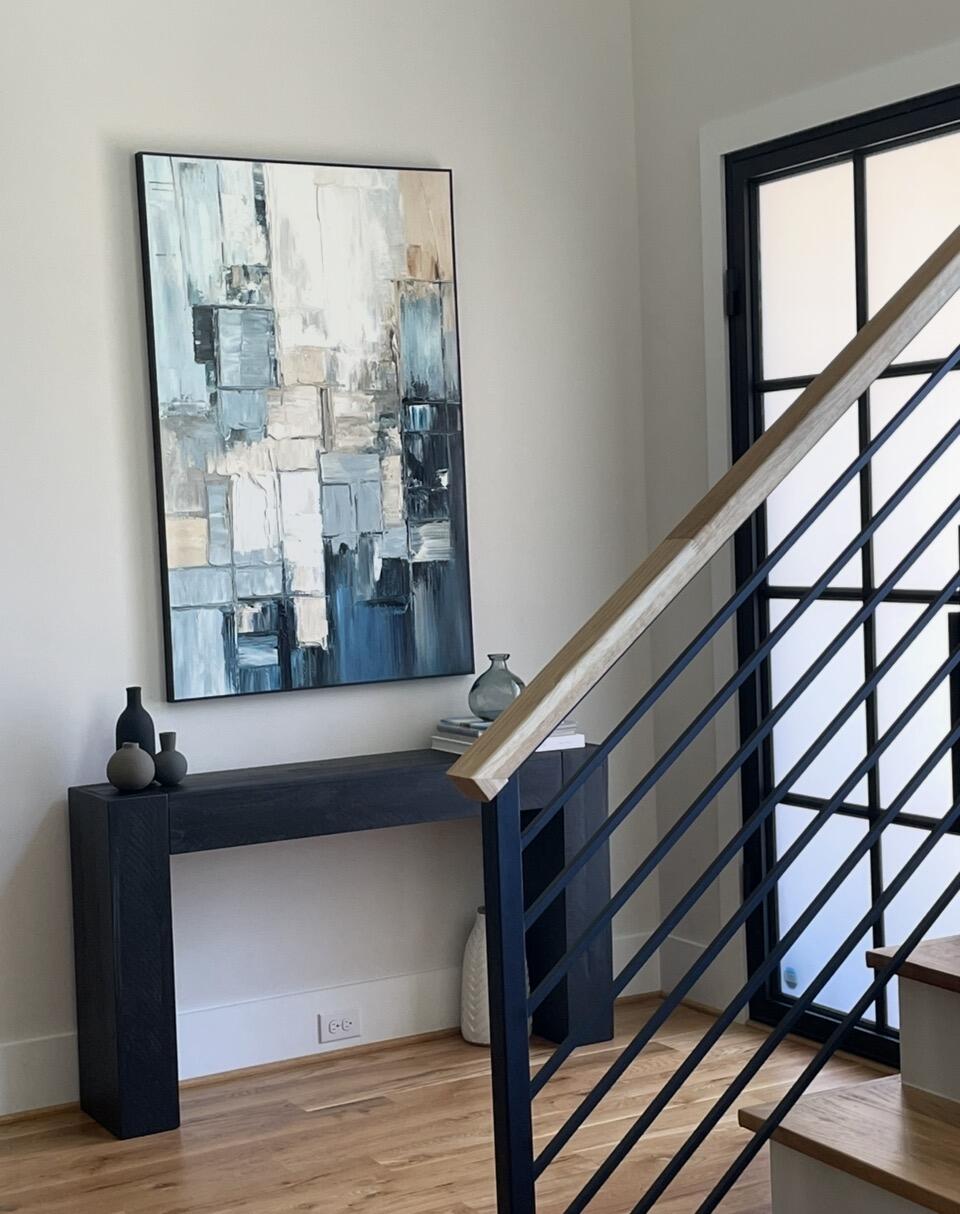
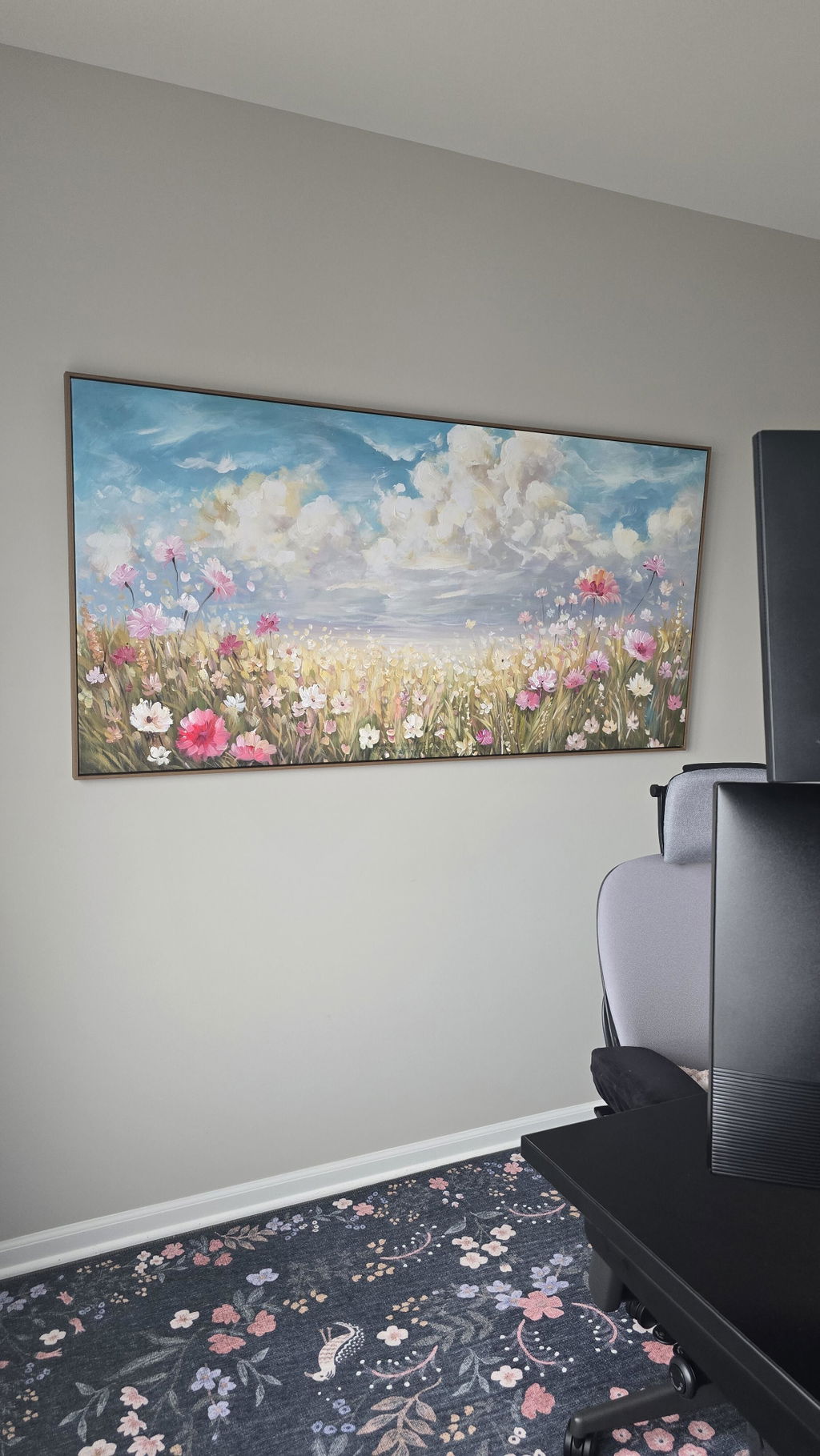
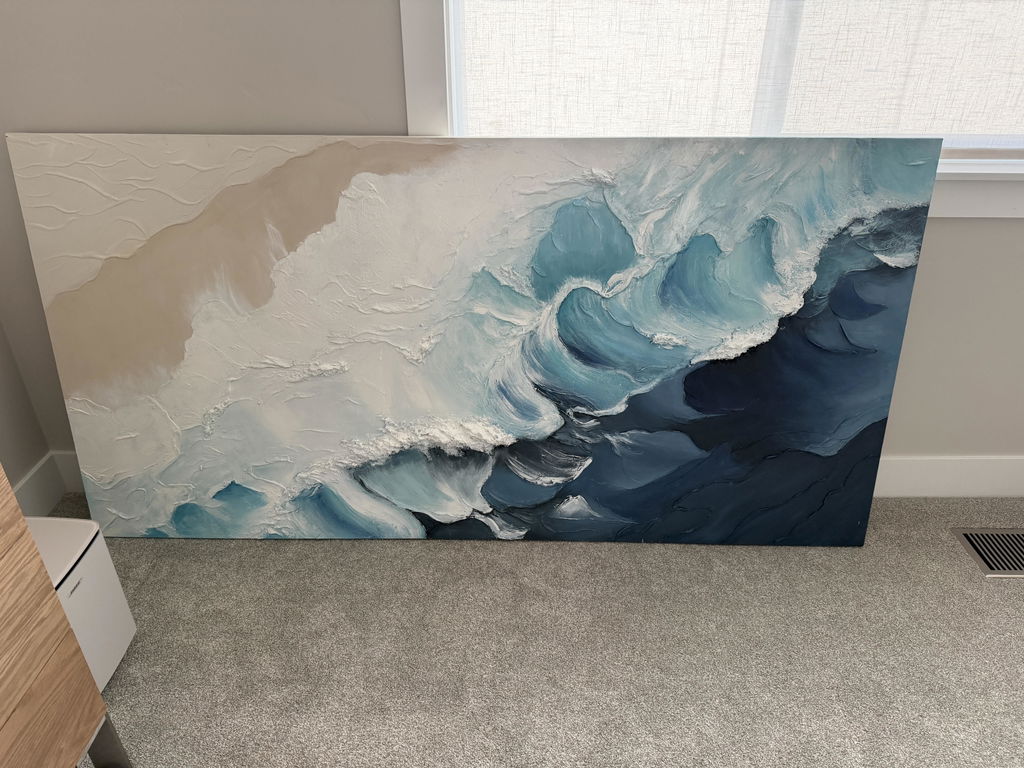
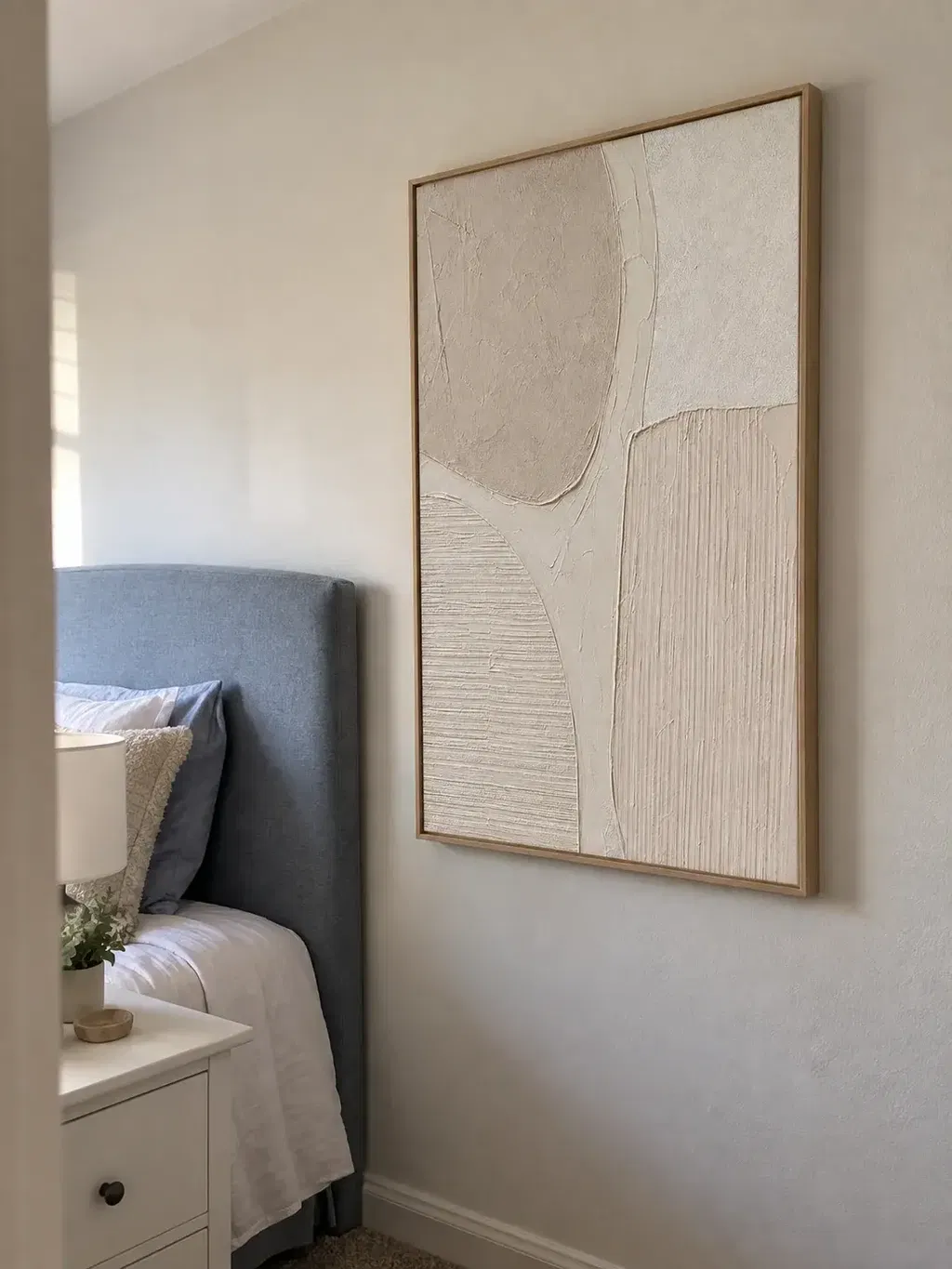
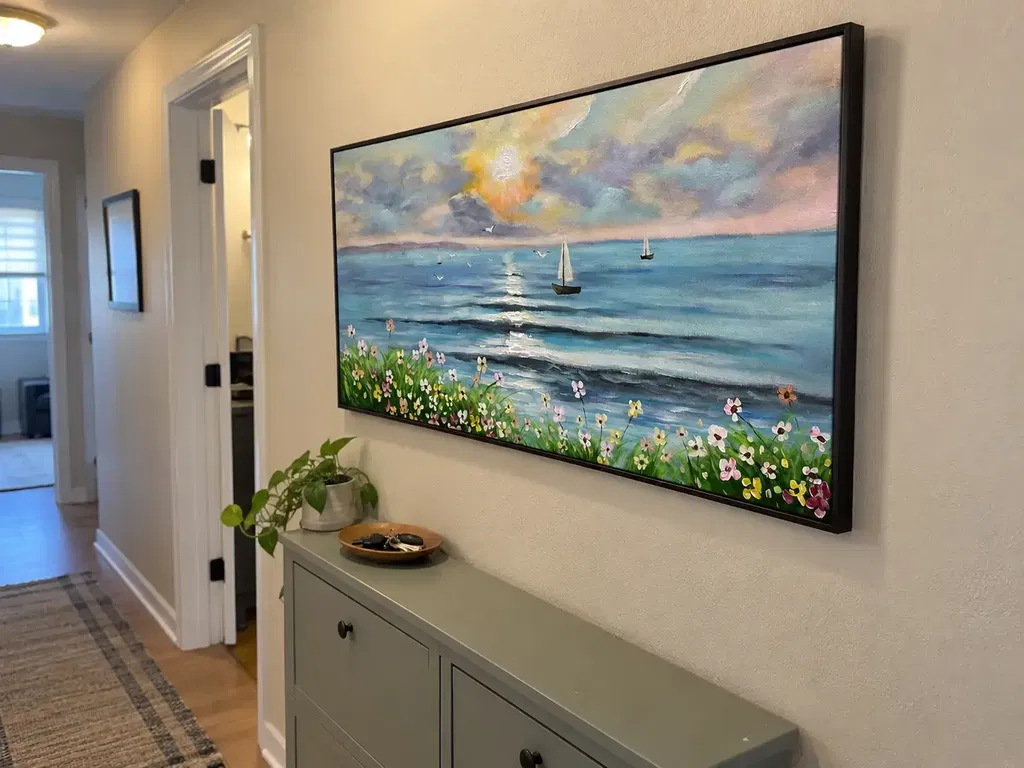
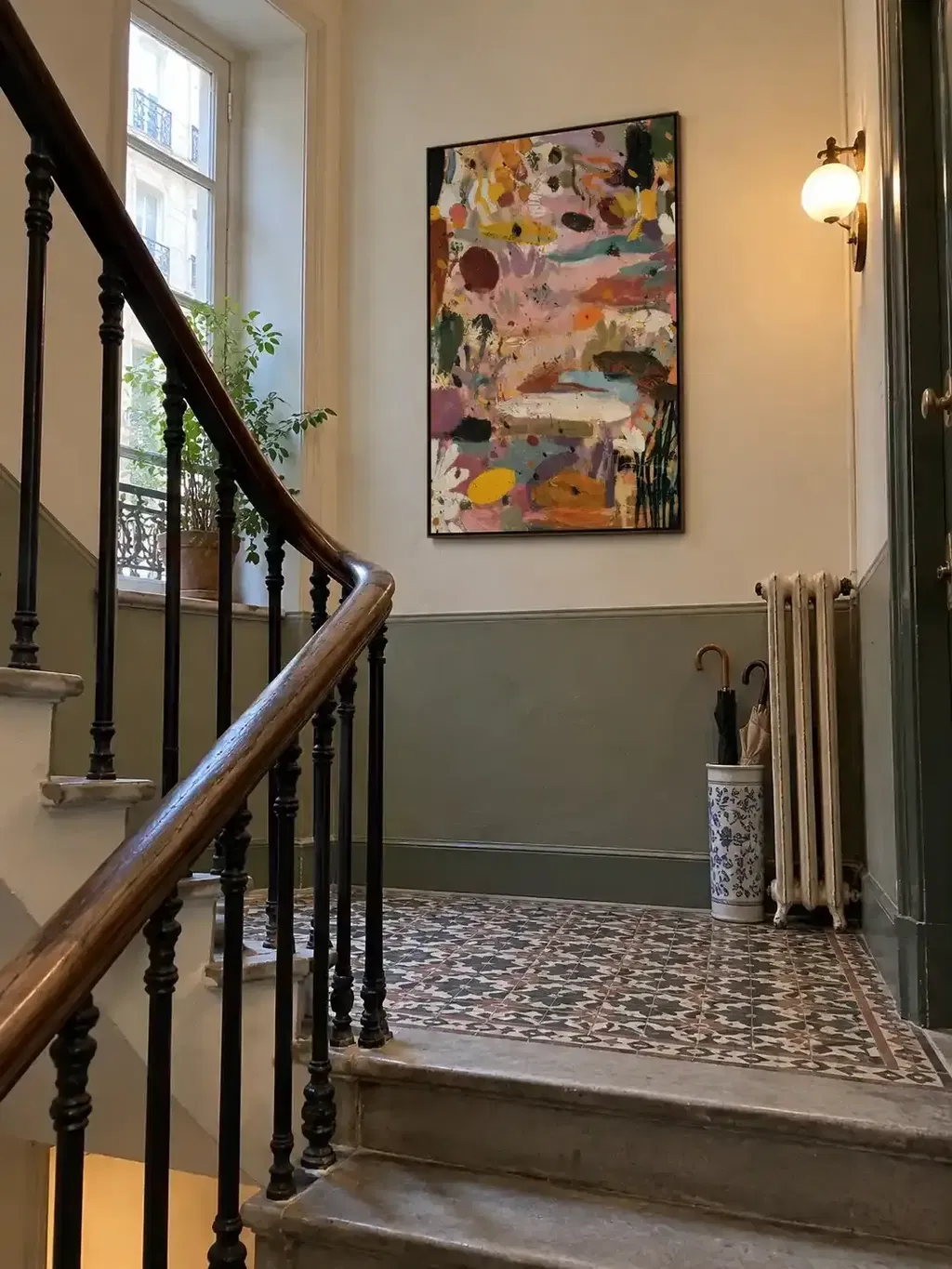
If you are trying to figure out how to tell if a painting is hand-painted, start with the surface, not the story. For anyone shopping for original textured art, the first pass is a confidence check: real impasto usually shows uneven relief, irregular edges, and a different response to light. Those clues can raise trust, but they do not prove authenticity on their own.
Start With the Surface, Not the Story
When a listing claims original textured art, the first thing to inspect is whether the surface looks physically built up rather than only visually textured. Look for ridges, valleys, and places where the paint catches light at different heights. A flat or uniform image can still be attractive, but it is not strong proof that the work is hand-painted.
For most buyers, the quickest filter is simple: if the listing only shows a polished front view, keep your confidence low until you see closer proof. A useful impasto texture basics article can help you understand what real built-up paint looks like, but the buying decision still depends on the specific listing in front of you.

If you can see clear surface depth and irregular buildup, the piece is more likely to be hand-finished. If the image looks smooth at every angle, or the texture seems to exist only as a visual effect, treat it as unverified until the seller shows more.
How to Read the Visual Proof
The best visual proof comes from three kinds of images: close-ups, side-angle shots, and natural-light photos. Together, they help you judge whether the texture is real or only implied. One image can be decorative; a set of images can reveal whether the surface actually rises above the canvas plane.
Close-Ups That Reveal Surface Depth
Close-ups should show paint ridges, overlaps, and uneven peaks. In real impasto, the surface usually does not repeat the exact same pattern from corner to corner. You want to see variation in pressure, direction, and thickness, because that is what separates hand-applied paint from a repeated printed effect.
A raking light reveals relief when the light hits the surface at a low angle and throws small shadows across the raised areas. That matters because prints can suggest texture in a flat image, but they do not create the same physical topography. If the seller will not provide a close-up that shows height, shadows, and irregular buildup, confidence should stay low.

Side-Angle Photos That Show Relief
Side views are one of the most useful checks because they show how much the surface actually lifts off the canvas. On genuine textured work, highlights and shadows should move across the raised areas instead of sitting in a single flat layer. A side shot also helps you see whether the paint wraps over the edge or disappears into a mechanically clean border.
That edge behavior matters. On original paintings, paint often continues onto the side or ends unevenly where the artist worked at the frame line. On mechanical reproductions, the sides are more likely to look clean, mirrored, or overly uniform. The edge behavior signals hand-painting cue is not absolute proof, but it is a strong practical check when you cannot handle the piece in person.
Brushstroke Irregularity and Edge Behavior
Real hand-painting usually shows variation in stroke direction, pressure, and stopping points. That means one area may have thicker buildup while another area thins out or breaks naturally. When the strokes feel too even, too repeated, or too neatly copied, the texture may be decorative rather than original.
If you can zoom in, look for small inconsistencies rather than perfect rhythm. The magnification shows print patterns cue is especially useful when a listing claims a fine textured surface but the close-up looks too regular. Real paint should look organic at close range, while many prints resolve into predictable dot or spray patterns.
Red Flags That Suggest a Print or Coating
The biggest warning sign is a listing that relies on beauty shots and avoids the exact angles you need to judge the surface. Repeated patterns, glossy top layers, and texture that seems to sit on top of a printed image are all reasons to pause. The problem is not that these pieces always fail the test; it is that they can look convincing enough to create regret later.
Be especially careful with hand-embellished prints can mimic originals listings. A printed base with added strokes can still feel dimensional in photos, but it is not the same as a fully hand-painted work. If the seller uses language like "textured," "embellished," or "gel coat" without showing a true in-progress surface, the safer interpretation is that the piece needs more proof.
Check for Process Evidence
Process evidence is strongest when it shows the work being made, not just the finished result. That is why progress photos, studio shots, work-in-progress images, signatures, and artist statements can help, but only as supporting context. They should make the listing feel more consistent, not settle the question by themselves.
Work-In-Progress Images and Studio Shots
A good progress image does more than look artistic. It shows continuity between the colors, scale, and texture you see in the final piece. If the seller can show the same artwork halfway through, you get a better sense that the listed item was actually built by hand instead of copied from a template.
Studio shots can be useful when they clearly connect to the exact piece you are evaluating. If they are generic branding images with no view of the artwork in progress, treat them as decoration. The practical question is whether the images make the specific work more believable, not whether the seller has a polished brand presence.
Signatures, Labels, and Artist Statements
A signature can support authorship, but it does not prove hand-painted texture by itself. The stronger sign is when the signature looks physically integrated into the paint layer instead of sitting flat like part of a print. If a label, note, or handwritten statement is included, it should line up with the artwork's title, medium, and appearance.
The back-of-canvas clues can also help when a seller shows the verso. Inventory marks, gallery labels, stretcher details, and other physical markers add context that front-facing photos cannot provide. They still do not prove originality alone, but they can make a listing more credible when they match the rest of the evidence.
What Counts as Weak or Decorative Proof
Treat lifestyle images, generic studio photos, and polished marketing copy as weak proof unless they are tied to the exact piece. A beautifully styled room photo can help you imagine the artwork on your wall, but it does not answer the authenticity question. The same goes for vague claims like "museum quality" or "artist made" without a visible process trail.
If you are asking how to tell if a painting is hand-painted, the rule is consistent: process evidence should support the surface, not replace it. When the photos, the listing language, and the visible texture all point in the same direction, your confidence goes up. When they do not, the safe move is to ask for more.
What a Certificate Can and Cannot Prove
A certificate of authenticity is useful only when it matches the exact artwork and contains enough identifying detail to matter. It can support your decision, but it cannot make up for missing surface proof. If the document is vague, generic, or disconnected from the piece in the listing, it should lower confidence rather than raise it.
| Certificate Detail | Why It Matters |
|---|---|
| Artwork title | Helps match the document to the exact listing |
| Artist or studio name | Connects the paper trail to the claimed maker |
| Medium | Confirms whether the document describes the same type of work |
| Dimensions | Reduces the chance of a swapped or reused certificate |
| Issue date | Helps show when the document was created |
| Unique identifier, if present | Makes it harder to reuse the same certificate on another piece |
| Signer or issuer | Shows who is standing behind the document |
| Match with the listing and image | Confirms the paperwork belongs to the exact artwork you are considering |
| What the certificate cannot prove on its own | It cannot confirm hand-painted texture or originality without supporting visual evidence |
A helpful COA fields to verify checklist starts with identity, not branding. Look for the title, maker, medium, dimensions, date, and issuer details if they are provided. Then compare the document against the artwork itself. If the names, size, or medium do not line up, the certificate is not doing much work for you.
That is the key boundary: a COA can support a claim, but it cannot replace inspection. If you can inspect the piece in person, the document becomes one part of the picture. If you cannot, it should still be treated as support, not proof.
Make the Final Buy or Pass Decision
Use a simple five-step check before you buy. First, inspect close-ups for uneven peaks, valleys, and stroke variation. Second, look for side-angle photos that show real relief. Third, compare any process evidence with the visible surface. Fourth, review the certificate and make sure it matches the exact piece. Fifth, decide whether you have enough independent proof to proceed.
Pass if the listing has only front-facing marketing photos, no side-angle texture, and vague authenticity language. Ask for more proof if the piece looks promising but the evidence bundle is incomplete. For original textured art, that is usually the safest line: ask for one or two missing items, or pass if the seller cannot provide them.
If you want a safer next step, compare textured wall art options only after you have the proof you need, or browse canvas art options when you are still deciding which style and surface level fit your space. The right buy is the one that can survive the evidence test, not just the first glance.
FAQs
How Can I Tell If a Painting Is Hand-Painted From Product Photos?
Start with the photos that show depth, not decoration. Close-ups, side angles, and natural-light shots are the most useful because they reveal whether the surface actually rises and changes with light. If a listing only shows front-facing beauty shots, treat it as a soft signal, not a reliable answer.
What Is the Difference Between Real Impasto Texture and a Printed Texture Effect?
Real impasto has physical height, so the ridges cast shadows and change as the viewing angle changes. A printed texture effect can look convincing head-on, but it usually lacks the same surface relief. If the seller will not show side angles or macro detail, assume the texture still needs verification.
What Should a Certificate of Authenticity Include for Original Art?
At minimum, it should identify the exact work. Look for the artwork title, artist or studio name, medium, dimensions, issue date, and issuer details if available. The more specific the certificate is, the easier it is to compare against the listing and spot reuse or mismatch.
Is a Certificate of Authenticity Enough by Itself?
No. A COA can support a claim, but it does not prove that the surface is hand-painted. Use it as one layer alongside close-ups, side-angle photos, and process evidence. If the certificate is the only thing the seller offers, the safer move is to request more proof before paying original-art prices.
Can I Ask the Seller for More Proof Before Buying?
Yes, and it is usually the right move when the listing looks promising but incomplete. Ask for one or two focused items, such as a side-angle texture shot, a macro close-up, a work-in-progress image, or a clearer COA match. If the seller cannot supply anything beyond generic marketing images, that is a strong sign to pass.