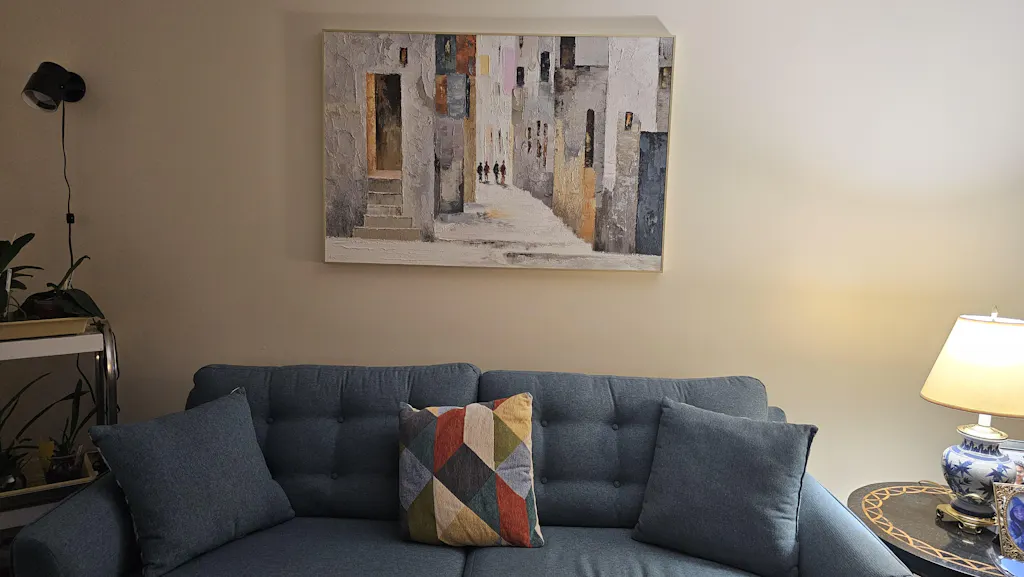
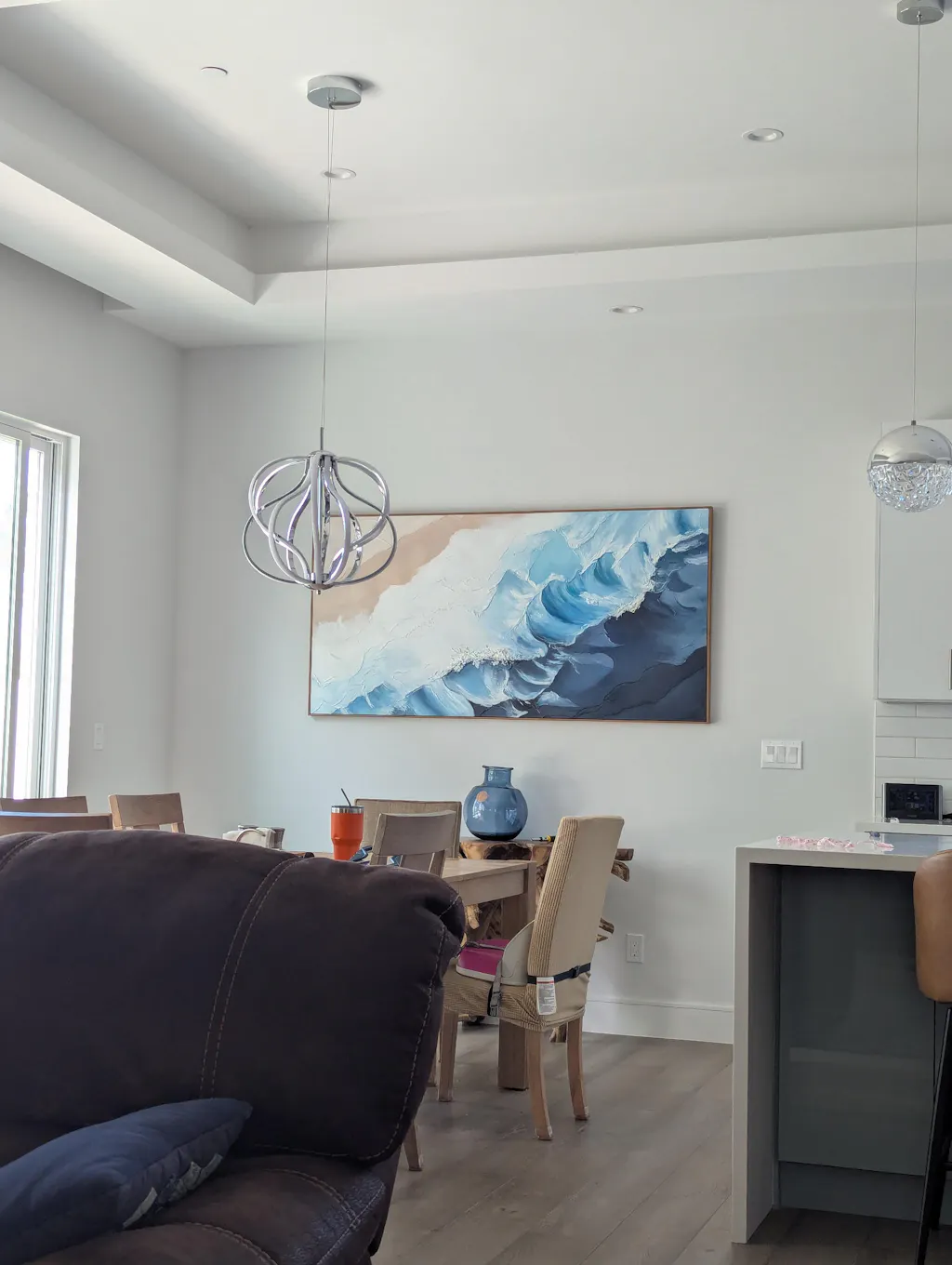
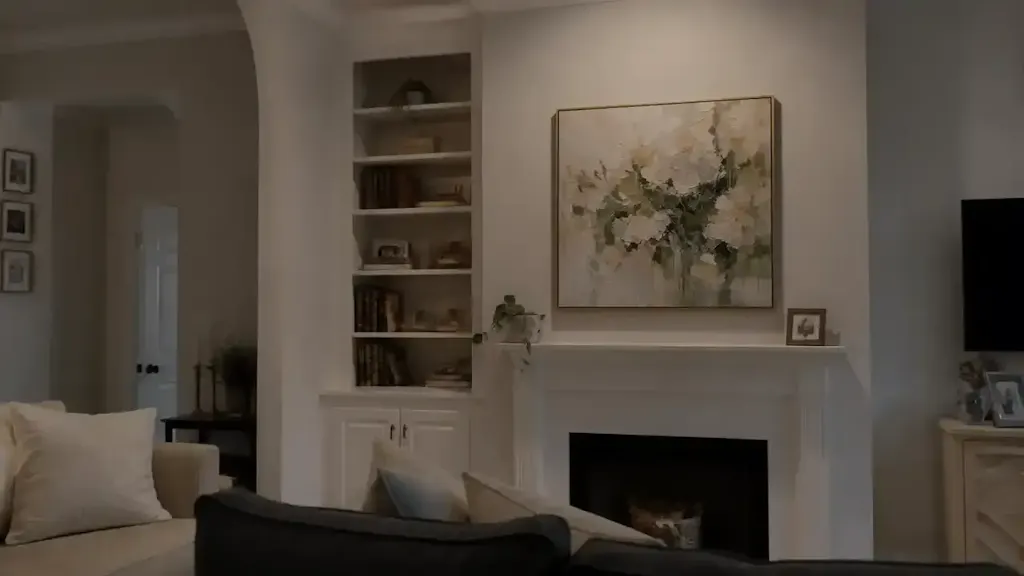
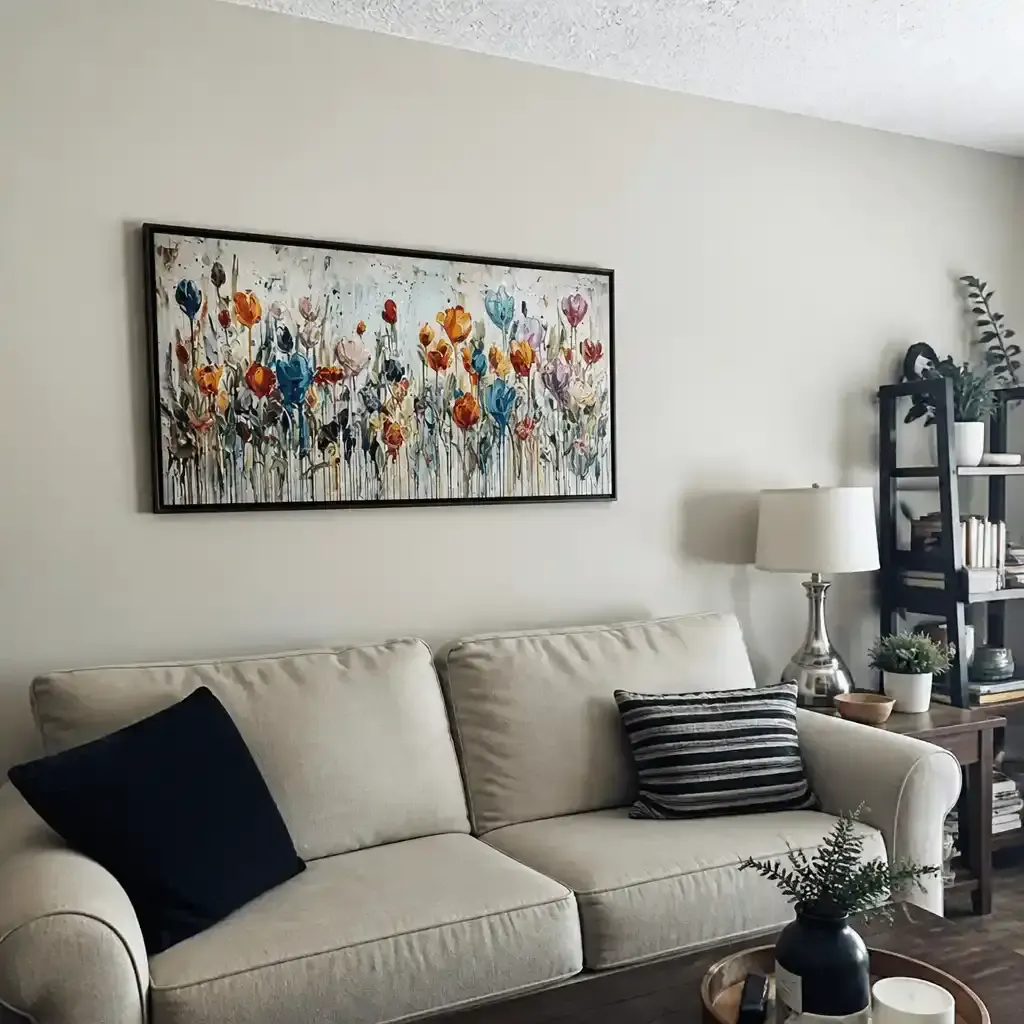
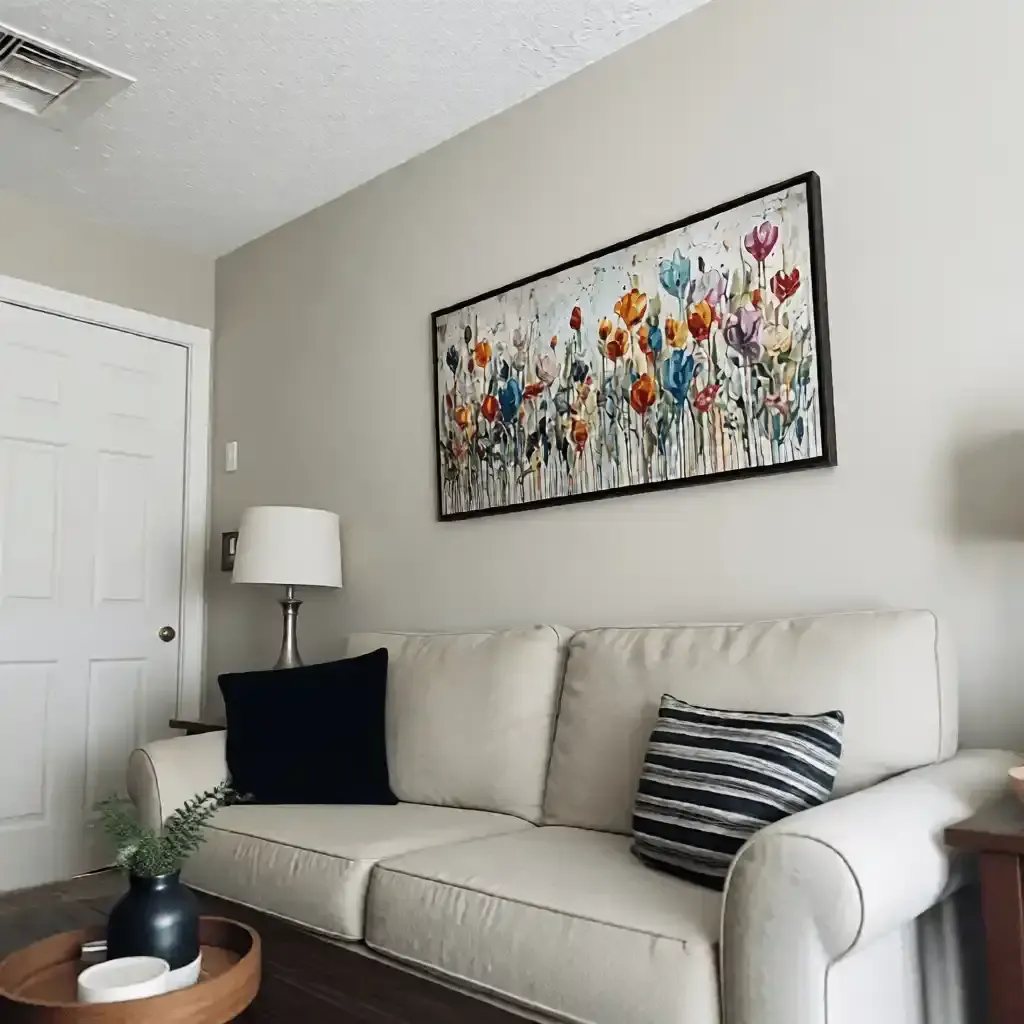
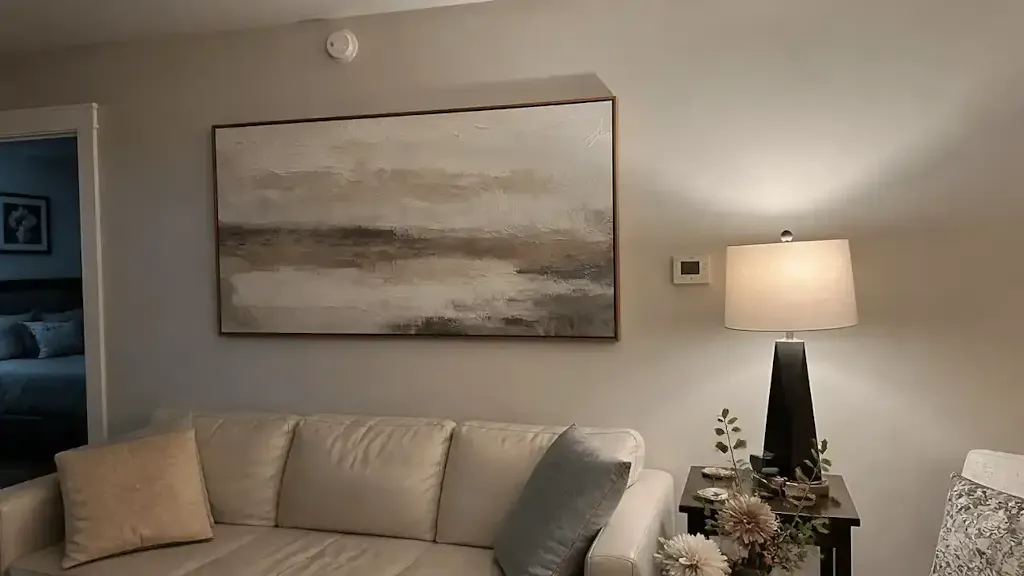
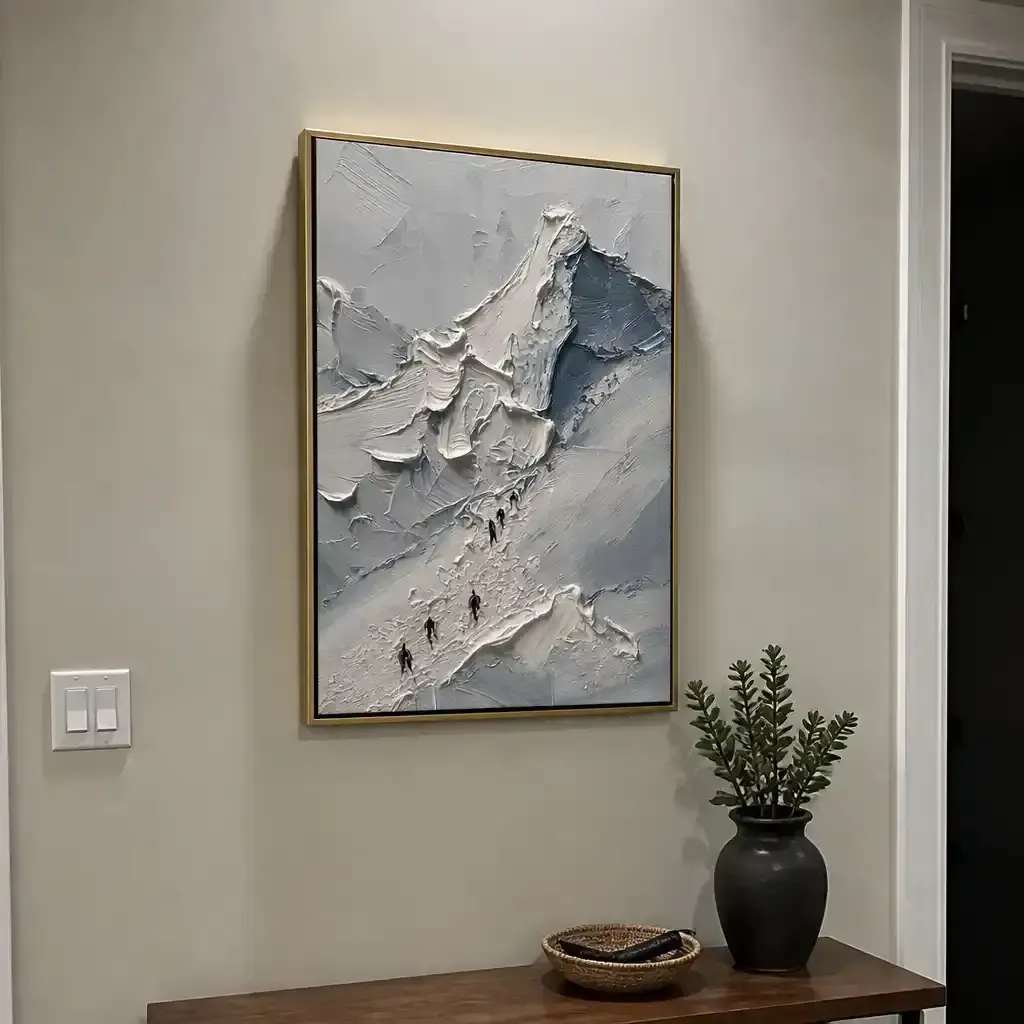
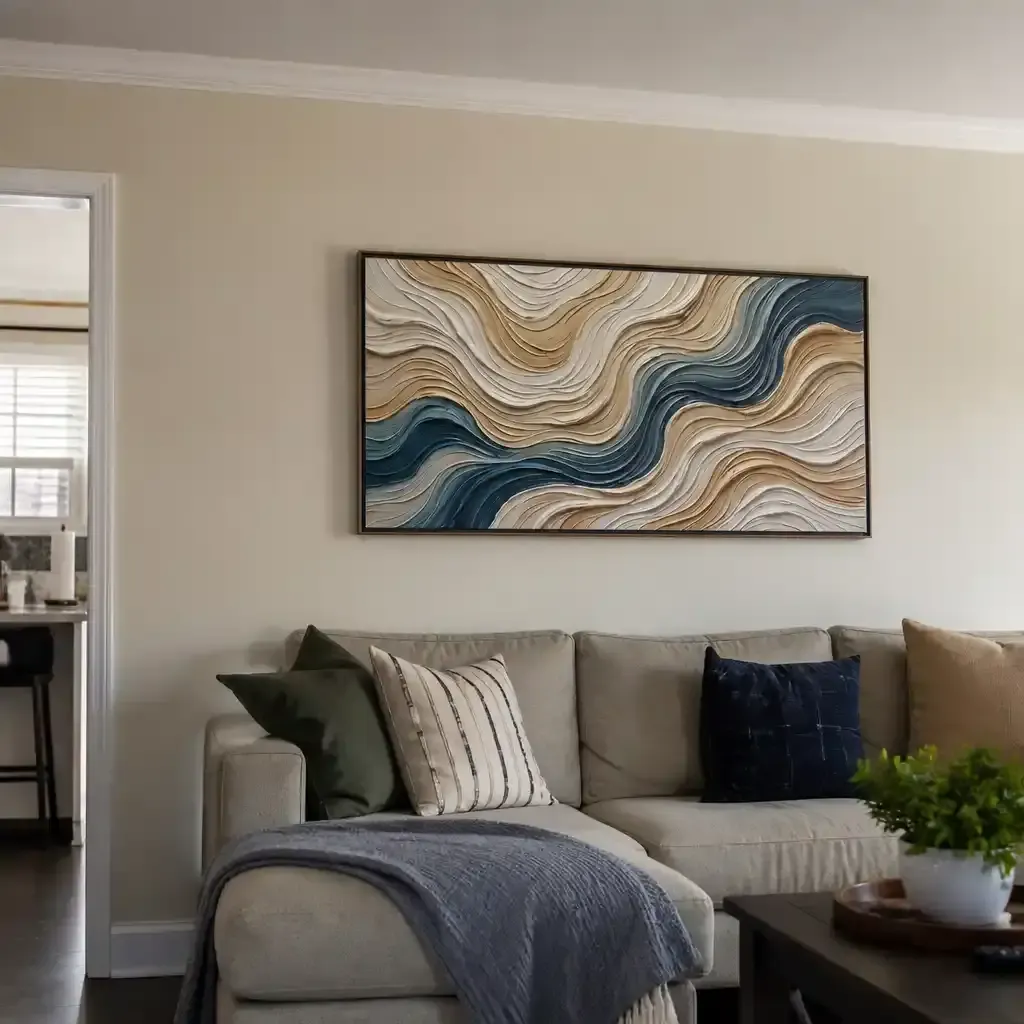
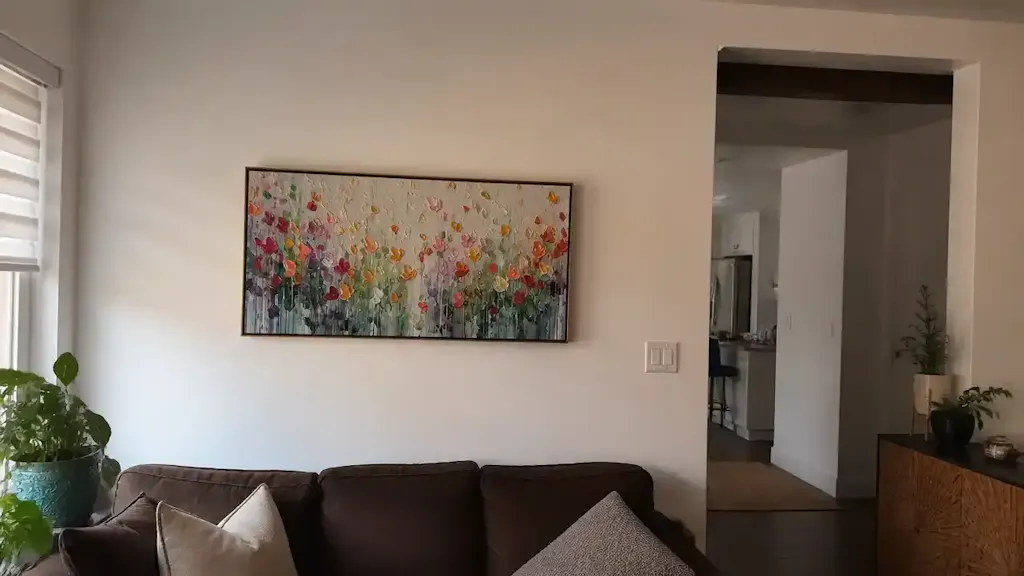
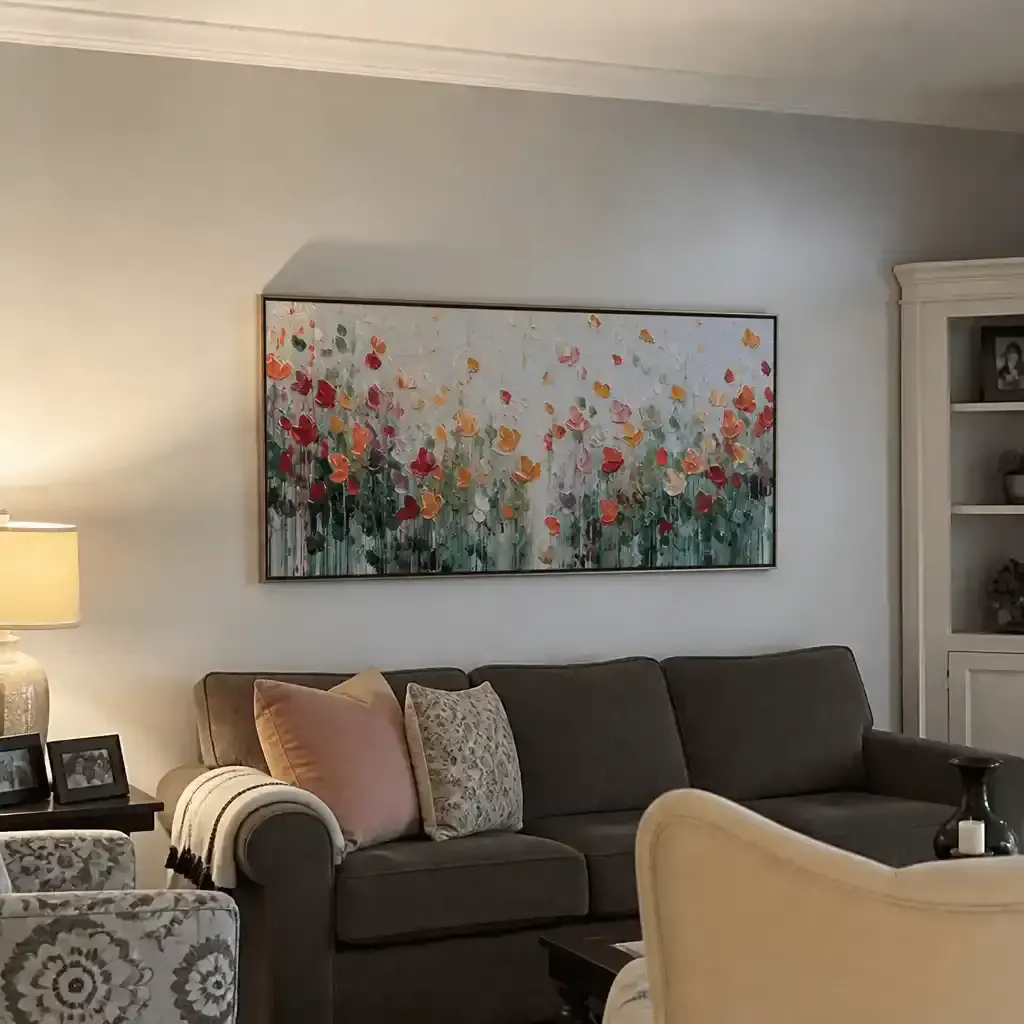
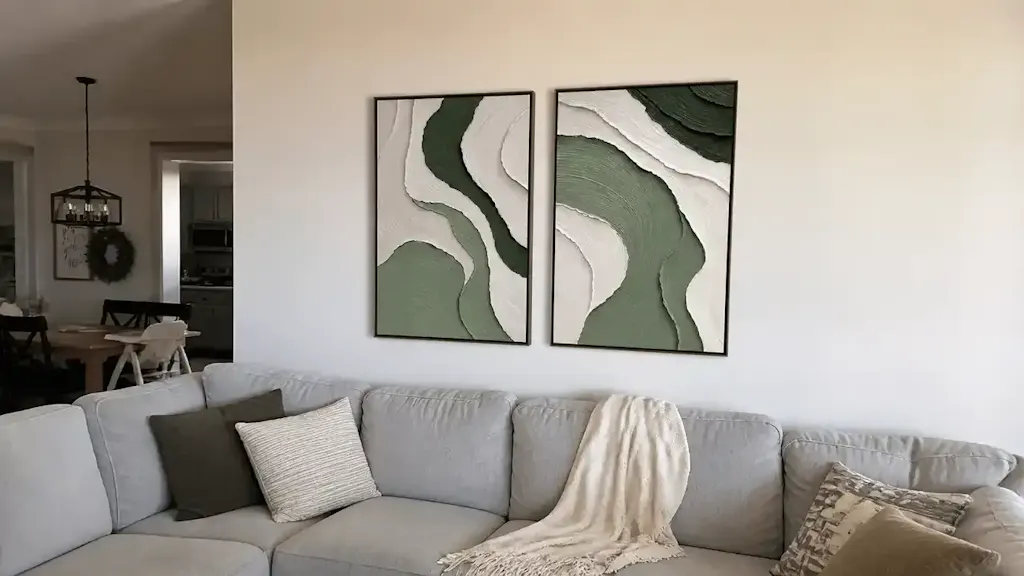
Thematic Flow: Curating Subject Matter Across Your Entire Home
The high-end art market is undergoing a structural transformation. According to data from Marketplace.org, auction sales for pieces exceeding $10 million plummeted by 44% in 2024. This retreat from "vanity assets" signals a return to real application value. Modern homeowners are no longer seeking isolated trophies; they are seeking narrative continuity. They want a home that feels like a curated environment, not a disjointed showroom.
The challenge lies in "Thematic Flow"—the ability to connect diverse spaces through a logical thread of subject matter. When done correctly, this approach transforms a house into a gallery. When ignored, it creates "Thematic Fatigue," a phenomenon where 68% of homeowners report aesthetic boredom within five years of rigid narrative adherence, as noted in 2024 well-being research.
To achieve professional-grade curation, one must move beyond "matching colors" and begin curating the essential identity of the art itself.
The Psychology of Visual Narrative
Why does a hand-painted mural feel more "right" than a high-definition print? The answer lies in human perception. A Columbia University study confirmed that consumers value art labeled "AI-generated" 62% lower than authentic human-created pieces. Furthermore, University of Chicago research suggests that digital replicas lack an "essential identity," collapsing their perceived value.
When you curate a theme—be it "Coastal Serenity" or "Urban Industrial"—you are managing the cognitive load of the viewer. In high-density environments, such as those studied in Tokyo office spaces, biophilic design (nature-themed art) has been proven to intervene in cognitive fatigue and burnout. In a domestic setting, this translates to emotional regulation. UPenn research found that 73% of patients reported significant mood improvements when exposed to environmental artworks.

The Strategic Framework: Anchors, Echoes, and Scale
Professional curators often employ "Thematic Anchoring." This involves placing a high-contrast "hero" piece in the primary sightline of the home. This piece dictates the "subjective temperature" of the entire collection.
The 60-30-10 Heuristic for Thematic Balance
To prevent a collection from looking like a repetitive showroom, we recommend a practical baseline ratio for residential curation:
- 60% Primary Theme: The core narrative (e.g., expansive landscapes).
- 30% Related Sub-theme: Complementary subjects (e.g., botanical details or organic abstracts).
- 10% Wildcard Pieces: High-contrast works that provide visual "friction" and prevent narrative stagnation.
Logic Summary: This heuristic is based on common patterns observed in high-end residential staging. It assumes a standard three-bedroom home layout where visual variety is required to maintain long-term interest (not a controlled lab study).
The Rhythm of Scale
A common mistake is maintaining the same canvas size throughout the home. Experts suggest a "rhythm of scale." In large communal areas, the subject matter should expand—think wide-angle landscapes or life-sized figures. As you move into intimate spaces like hallways or powder rooms, the subject should contract into detail-oriented studies. This is particularly effective in powder room design, where "wrapping" a mural entirely around the walls creates an immersive escapism that is currently a dominant trend for 2026.

Open-Concept Harmony and Subjective Temperature
In modern homes, the Open-Plan Flow presents a unique challenge: art visible from a single vantage point must share a "subjective temperature." If you have a coastal landscape in the dining area and an abstract in the living room, the abstract should evoke fluid, organic movements rather than rigid geometric forms.
This logic is supported by Stockton University research on visual perception. Our brains use "top-down" selection to suppress perceptual illusions. When the "subjective temperature" is consistent, the brain processes the space as a single, harmonious unit. Conversely, disjointed themes can increase cortisol levels. 2024 research shows that without clear visual boundaries or thematic flow, multi-functional spaces can decrease perceived personal space by 40%.
For more on managing these transitions, see our guide on Curating Oil Art for Open-Plan Living.
The Materiality of Authenticity: Why Hand-Painted Matters
The "authenticity" of a hand-painted mural isn't just a marketing buzzword; it is a physical reality measurable at the micron level. Optical microprofilometry proves that the microtopography (texture) of oil and acrylic paintings is crucial to their aesthetic impact. MUNCH Museum tests confirm that physical relief textures exponentially stimulate intrinsic motivation and satisfaction in viewers.
The Chemistry of the Paint Film
Understanding the difference between mediums is essential for long-term collection building. Golden Artist Colors notes that acrylic polymers consist of long-chain molecules that form films through physical "coalescence." This makes them more resistant to embrittlement than traditional oils, which undergo oxidative cross-linking.
However, acrylics have their own vulnerabilities. Tate research identifies that PEG-type surfactants can migrate to the surface in high humidity, causing a "hazy" appearance. This is why professional installation and environmental control are paramount for a "home gallery."
| Parameter | Acrylic Paint | Oil Paint | Rationale |
|---|---|---|---|
| Drying Mechanism | Physical Coalescence | Oxidative Cross-linking | JustPaint.org |
| Flexibility | High (Less brittle) | Low (Prone to cracking) | [Golden Artist Colors] |
| Solvent Resistance | Low (Sensitive to water) | High (Requires mineral spirits) | [Tate Modern Paints Project] |
| Lightfastness | Variable (ASTM D4303) | Variable (ASTM D4303) | [ASTM International] |
| VOC Emission | Low (Water-based) | Moderate to High | [EPA IAQ Guidelines] |
Safety and the "IAQ Promise"
For homeowners, especially those with children, the safety of the pigments is as important as their beauty. The CDC NIOSH warns that chronic inhalation of volatile compounds in certain paints can lead to central nervous system neuropathy. Furthermore, IARC classifies cadmium compounds—common in bright yellows and reds—as Group 1 carcinogens.
To ensure a healthy home environment, we recommend:
- Low-VOC Sealants: Essential for achieving LEED certification in commercial spaces, but equally vital for residential indoor air quality (EPA).
- Water-Based Acrylics: The EPA recommends water-based mediums over dry pastels or solvent-heavy oils to reduce respiratory risks.
- Support Induced Discoloration (SID) Prevention: Golden Artist Colors warns that impurities in cotton canvases can turn white paint yellow if not properly primed.

Economic Value: Art as a Real Estate Catalyst
Investing in a cohesive, hand-painted collection isn't just an aesthetic choice; it’s a financial one. A Royal Society analysis found that neighborhoods with higher "art" geo-tags saw greater relative house price gains. In Chicago, public art projects drove $1.4 billion in real estate-related growth (NCREALTORS).
For the individual homeowner, a custom mural can act as a "permanent physical billboard" that increases property allure. Case studies from Community Progress show that "creative placemaking" (like painting murals) instantly reverses feelings of blight, making properties more attractive to long-term buyers.
Modeling Note (Economic ROI):
- Model Type: Deterministic ROI estimate based on municipal art project data.
- Assumptions: Property is in an urban/suburban area; mural is professionally executed; themes align with local aesthetic trends.
- Boundary Condition: This model may not apply to ultra-rural areas or temporary "street art" that lacks professional conservation.
Implementation: Building Your Narrative
To begin your curation journey, start by identifying your "Thematic Anchor." Is it a Large Art piece that makes your living room feel grand? Or perhaps a series of Sophisticated Festive pieces that you rotate seasonally?
Step 1: Define the Subjective Temperature. Decide if your home is "Warm/Organic" or "Cool/Geometric." This choice should be reflected in 60% of your collection.
Step 2: Map the Sightlines. Stand in your main living area. What art is visible simultaneously? Ensure these pieces "echo" each other’s motifs or brushwork. For more on this, see Transitioning Acrylic Art Themes Between Living and Dining.
Step 3: Audit for Material Integrity. Reject cheap posters. As Artsy's 2024 report shows, the habit of purchasing original art online is now fully mature. There is no longer a need to compromise on the "essential identity" of your walls.
Step 4: Consider the Social Impact. By choosing original hand-painted works, you are supporting a creative economy that adds $1.2 trillion to the U.S. GDP (NEA). Furthermore, you are likely supporting female artists, who currently face a severe pay gap despite galleries with female representation performing better commercially (NMWA).
The Final Brushstroke
Curating thematic flow is about more than just decoration; it is about creating a "community relational glue" within your own four walls. Philadelphia’s Porch Light Program proved that large murals leapfrog social cohesion and trust. In your home, this cohesion manifests as a sense of belonging and narrative peace.
When you move from buying isolated objects to building a curated "home gallery," you are not just painting a wall. You are investing in a cultural heritage asset that will evolve with you, providing both the "authenticity" of the artist's hand and the "certainty" of a professionally curated environment.
Appendix: Modeling Methodology & Assumptions Our "Rhythm of Scale" and "60-30-10" recommendations are derived from an analysis of residential interior design patterns and visitor behavior models.
| Parameter | Value/Range | Unit | Rationale |
|---|---|---|---|
| Primary Theme Coverage | 60 | % | Prevents visual overwhelm while maintaining focus. |
| Echo Piece Distance | 3–5 | Meters | Optimal distance for subconscious "visual mapping." |
| Mural Thickness (Acrylic) | < 1/16 | Inch | Prevents Support Induced Discoloration (SID). |
| Light Exposure Limit | 6.7 | Mlux.h | Threshold for Prussian Blue fading ([National Gallery]). |
| Cognitive Fatigue Reduction | ~30 | % | Estimated impact of biophilic murals in high-stress zones. |
Disclaimer: This article is for informational purposes only. The discussion regarding paint chemicals and VOCs does not constitute professional health or environmental safety advice. Always consult with a certified industrial hygienist or a professional conservator when handling specialized art materials or planning large-scale indoor installations. For medical concerns related to pigment exposure, seek advice from a qualified healthcare professional.
Sources:
- Marketplace.org: The Expensive Art Market Struggles
- Columbia University: Human vs. AI Art Perception
- UPenn: Visual Art in the Built Environment
- Royal Society: Art and Property Prices
- EPA: Indoor Air Quality and Low-VOC Paints
- Tate: Conservation of Acrylic Emulsion Paints
- Golden Artist Colors: Support Induced Discoloration