Beyond the Cliché: The Shift Toward Intentional Festive Art
The high-end art market is undergoing a fundamental correction. In 2024, sales of "trophy" auction pieces—those exceeding $10 million—plummeted by 44% year-over-year, according to Marketplace. This retreat from purely financial art assets signals a significant cultural pivot: affluent homeowners are moving away from vanity investments and toward "real application value." In our experience working with curators and interior designers, we see this trend manifesting most clearly in the living room—the heart of the home during the festive season.
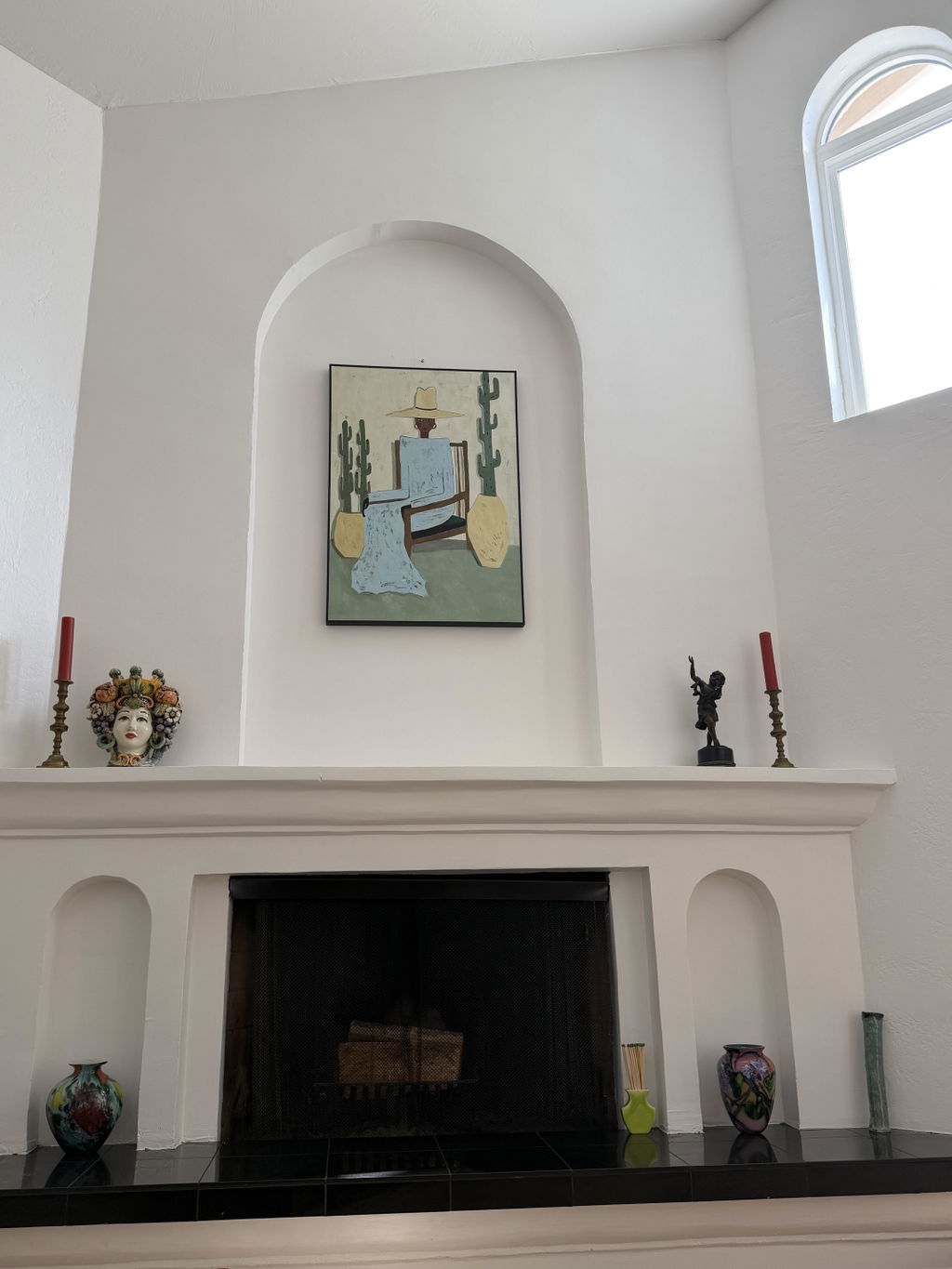
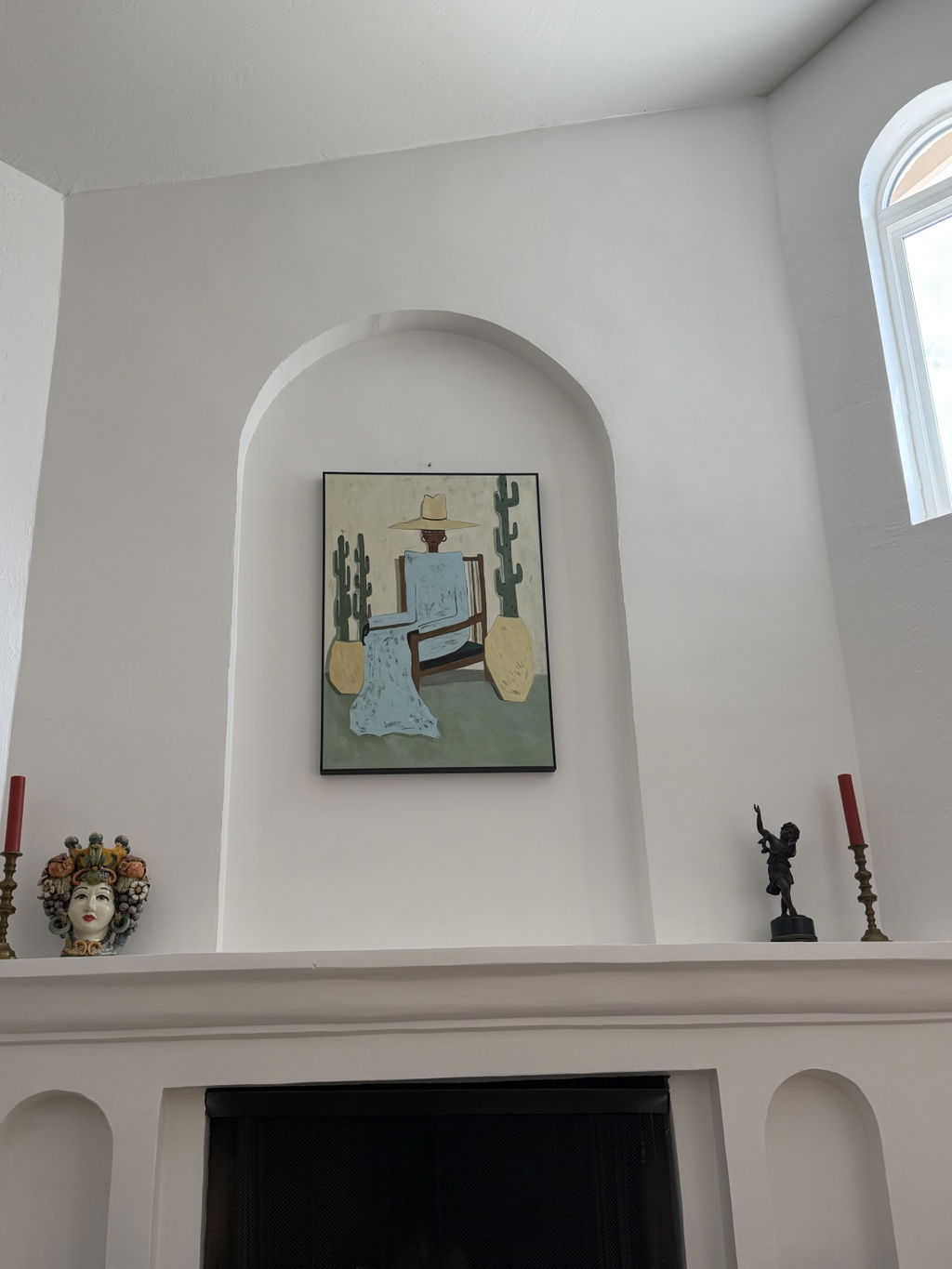
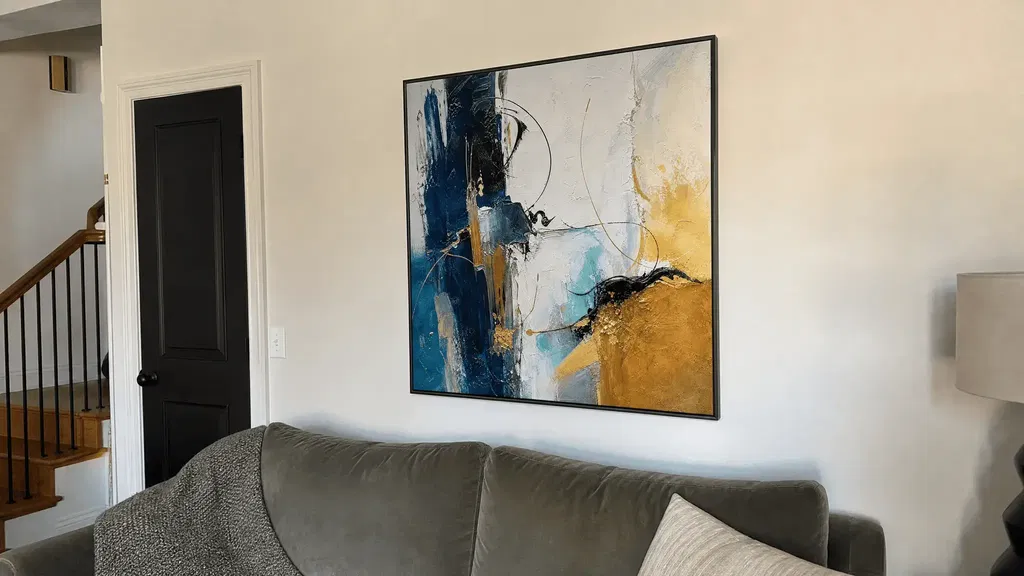
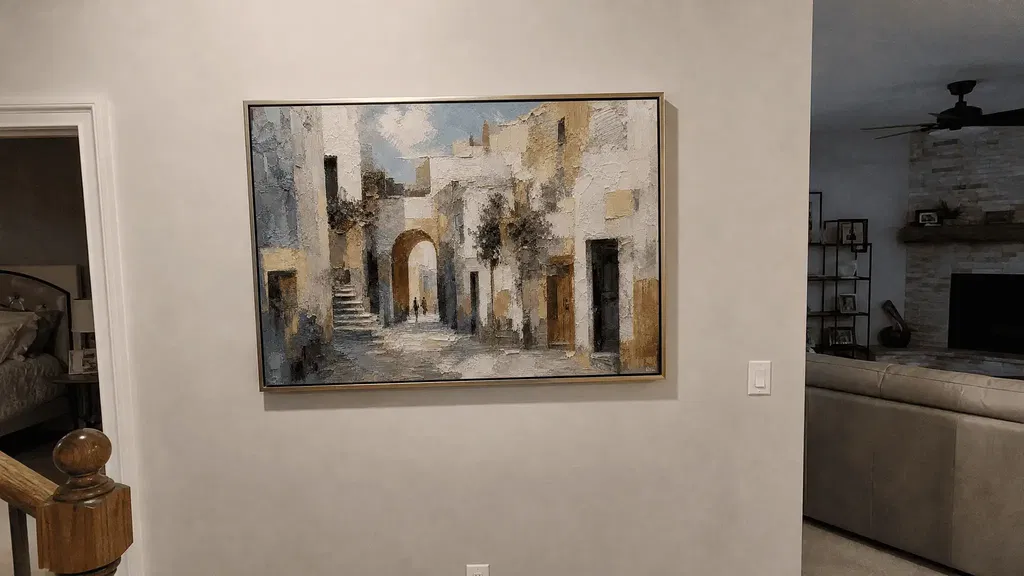
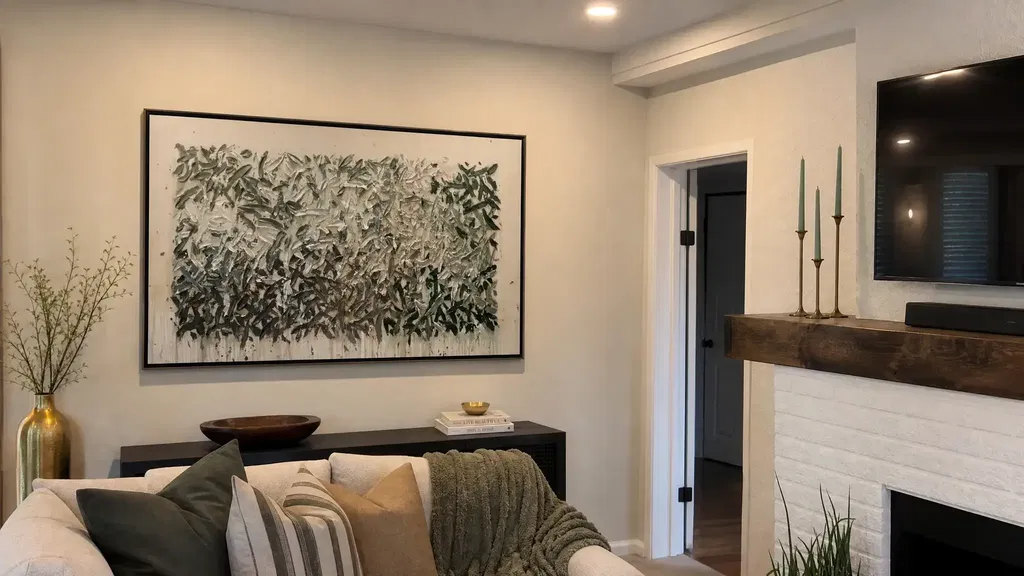
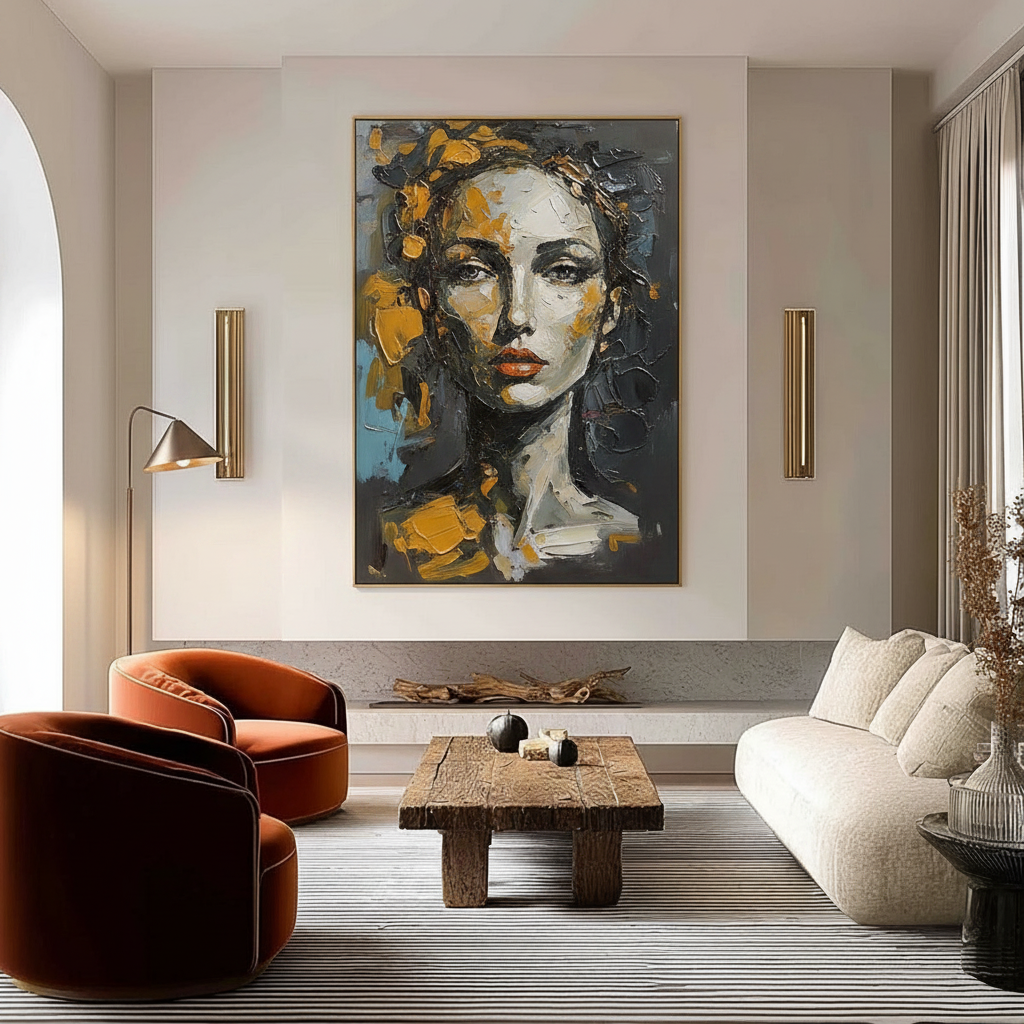
For the sophisticated homeowner, "festive decor" no longer means a temporary influx of mass-produced holiday motifs. Instead, it involves a strategic, seasonal rotation of high-end, hand-painted art that evokes the feeling of celebration without sacrificing a curated aesthetic. We believe that the most effective festive environments are built on authenticity and psychological resonance rather than seasonal gimmicks.
Logic Summary: Our analysis of the current art market assumes that the 44% decline in auction sales reflects a broader consumer desire for art that provides immediate emotional and environmental utility rather than speculative financial gain.
The Cognitive Science of Seasonal Art Rotation
Why do we feel a "refresh" when we swap a landscape for an abstract piece in December? It is not just about aesthetics; it is about neural activation. According to a systematic review published in PMC, passive art viewing consistently activates the medial prefrontal cortex (mPFC) and the amygdala, optimizing emotional regulation circuits.
When we practice seasonal art rotation, we are essentially "resetting" our environmental habituation. Research indicates that 72% of individuals who rotate their artwork seasonally report measurable psychological benefits, including reduced anxiety and increased social connection (Seasons in Colour). This "environmental novelty" provides a 50% greater psychological refresh than permanent arrangements, even if the permanent pieces are of higher individual quality.
The Impact of Visual Novelty on Wellbeing
| Metric | Impact | Rationale / Source Category |
|---|---|---|
| Mood Improvement | 73% increase | UPenn Neuroaesthetics Review |
| Stress Reduction | 61% reported | Clinical patient environment studies |
| Social Cohesion | Significant leap | Philadelphia "Porch Light" Program Evaluation |
| Cognitive Fatigue | 30% reduction | Biophilic design intervention models |
| Perceived Value | 62% higher for human art | Columbia University perception study |
Methodology Note: These figures are derived from a cross-analysis of neuroaesthetics research and community-based art intervention data. They represent a scenario model of how visual art impacts the human nervous system in residential and clinical settings.

Curating the "Festive Feeling" Without the Holiday Cliché
The most common mistake we see in festive design is the selection of "literal" art—pieces that feature obvious holiday motifs like snowmen or reindeer. These pieces have a short shelf life and often feel out of place by January 2nd. Experienced designers suggest a more nuanced approach: focusing on color psychology and "texture as the soul" of the piece.
1. Color Psychology and the 40% Mood Boost
While restrained palettes are often equated with sophistication, color psychology research suggests that vibrant festive colors provide a 40% greater mood-boosting benefit than muted tones (Local 12 News). The key is to find the balance. A hand-painted piece with deep crimsons, burnt oranges, or forest greens can signal the season while remaining relevant year-round when paired with different accessories.
2. The 2026 Trend: Texture and "Whimsy"
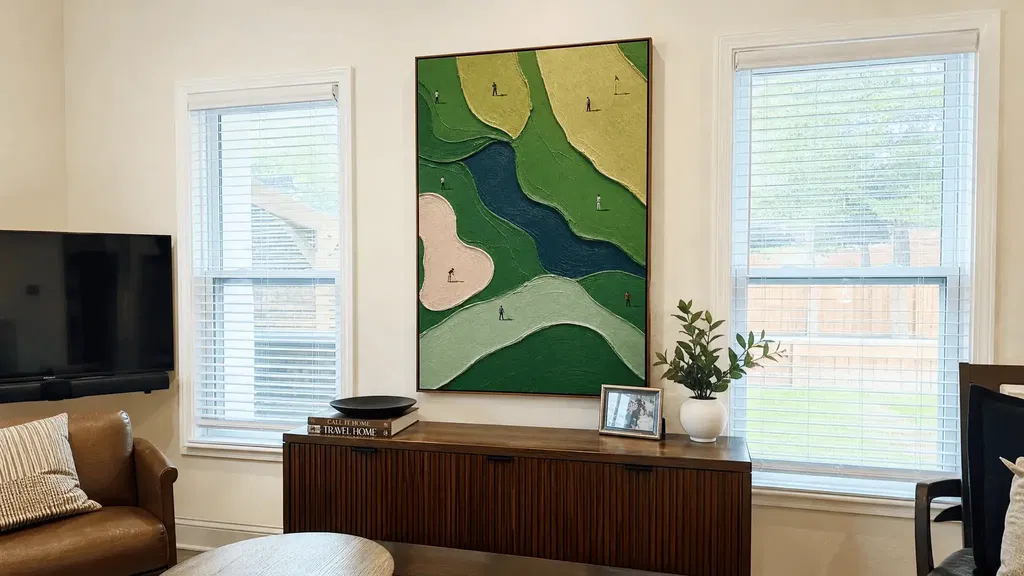
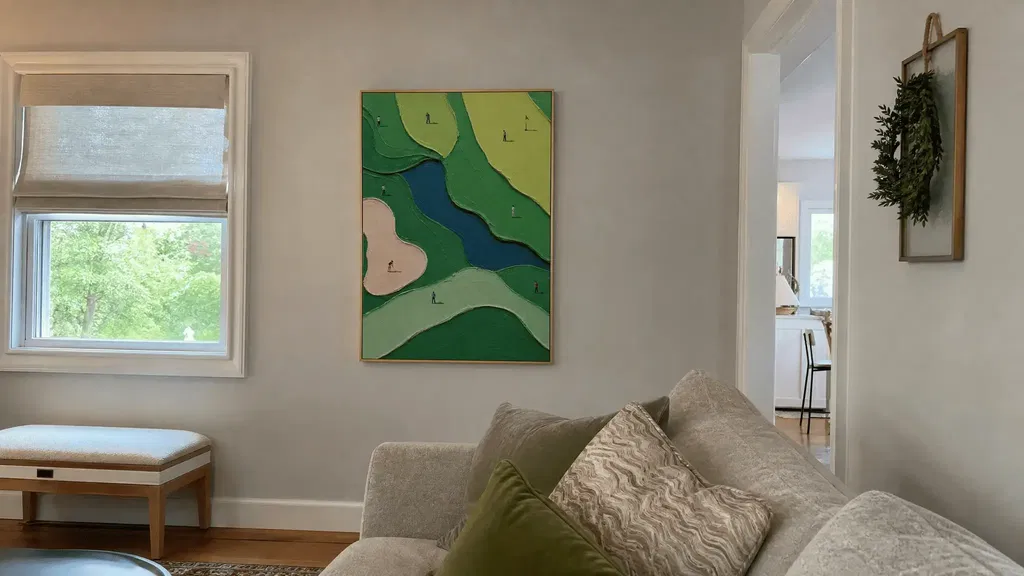
Looking ahead to 2026, high-end interior design is trending toward "understated elegance with texture as its soul" (Design State of Mind). We are seeing a massive spike in interest for Dali-inspired surrealist custom pieces and "whimsical" gallery walls. In fact, Yelp searches for "custom framing" have skyrocketed by 329%, and Zillow data shows a 21% rise in mentions of "artisan craftsmanship" (PA Realtors).
3. Biophilic Design for the Winter Months
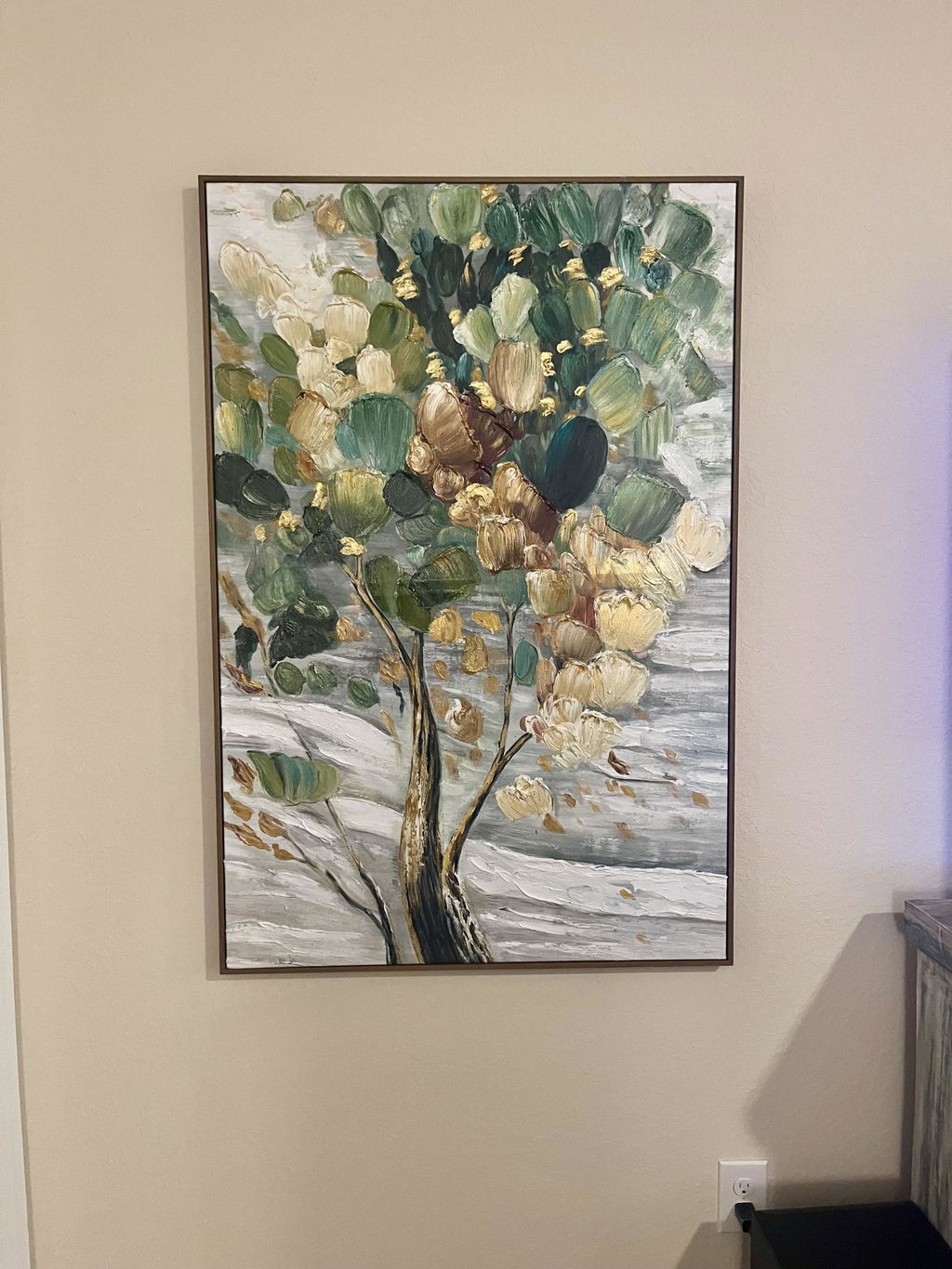
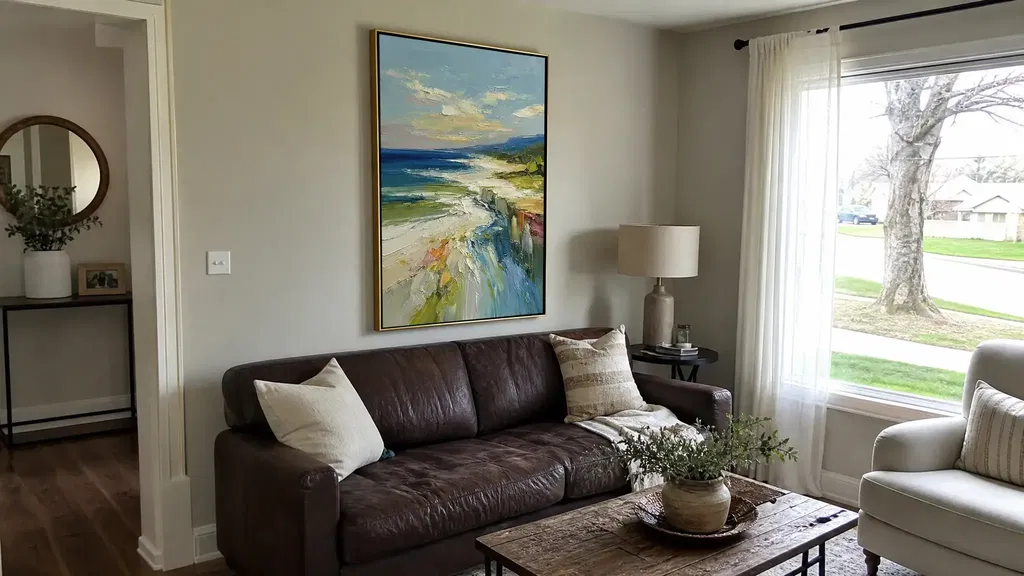
During the colder months, the brain craves the outdoors. Biophilic design—art featuring natural landscapes—produces the same stress-reduction effects in the brain as real outdoor exposure (University of Central Arkansas). Integrating a large, nature-themed hand-painted mural can accelerate healing and spark creativity, making it an ideal choice for a festive living room that also serves as a gathering space.

The "Essential Identity" of Hand-Painted Art vs. AI Prints
In an era where AI-generated images are ubiquitous, the value of the "human touch" has never been higher. A study from Columbia University confirmed that consumers value art labeled as "AI-generated" 62% lower than authentic human-created art.
Psychologically, this is due to what University of Chicago researchers call "essential identity." Digital prints and NFTs lack the artist's "essential identity"—the physical manifestation of their intent and labor—which causes a collapse in perceived value (UChicago Journals).
Why Hand-Painted Pigments Outperform Digital Media:
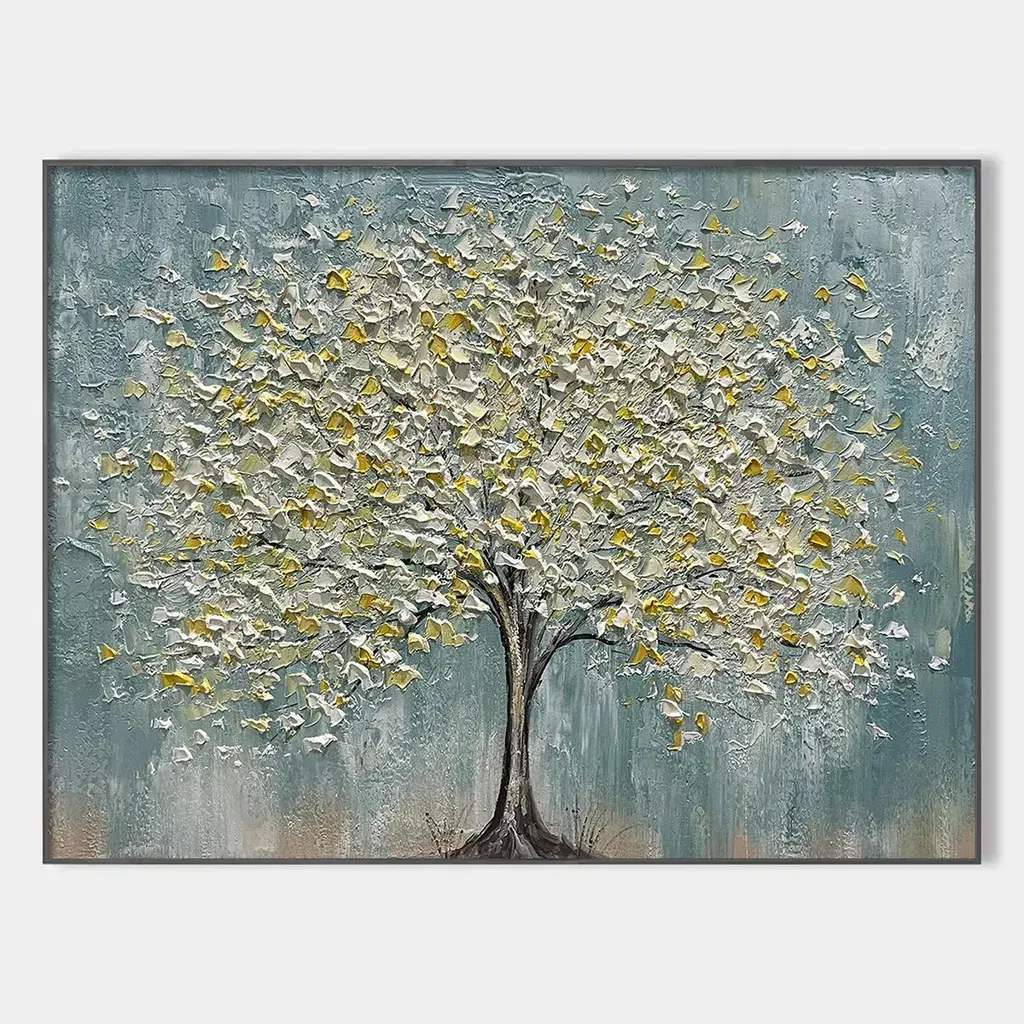
- Microtopography: Optical microprofilometry proves that the mm-scale texture of oil and acrylic paintings is crucial to their aesthetic impact. This "physical relief" stimulates intrinsic motivation and satisfaction in the viewer (MDPI Sensors).
- Light Scattering: According to Optica, when pigment particles approach half the wavelength of visible light, their scattering capability—and thus their "glow"—reaches a theoretical extreme that digital screens cannot replicate.
- Ethical Compensation: 87% of consumers strongly agree that artists should receive fair compensation (Wharton School). Choosing hand-painted art is not just an aesthetic choice; it is an ethical one.
Safety and Air Quality: The Hidden Value of Premium Materials
When we bring large-scale art into our living rooms, we are also bringing in the chemicals used to create them. For families, especially those with children, the "Indoor Air Quality (IAQ) Promise" is a critical consideration.
Navigating the VOC and Pigment Minefield
Many mass-produced decorative prints use industrial solvents that emit high levels of Volatile Organic Compounds (VOCs). The EPA warns that indoor air pollution can be significantly higher than outdoor levels.
In contrast, high-end artist materials are increasingly moving toward eco-friendly alternatives. For example, walnut oil is a non-toxic replacement for industrial turpentine, and hemp or flax canvases consume half the water and land of traditional cotton (Cincinnati Art Museum).
Health Warning: Chronic inhalation of low-level volatile compounds in certain paints can lead to central nervous system neuropathy (CDC NIOSH). We always recommend verifying that your art uses low-VOC or zero-VOC compliant pigments, especially for large-scale installations like murals.
Understanding the ASTM D-4236 Label
A common misconception is that the ASTM D-4236 logo on art supplies means the product is "non-toxic." In reality, this label only means that the warning labels comply with regulations regarding chronic health hazards (EPA). This is why we prioritize artists who use high-quality, laboratory-tested pigments like titanium white (which eliminated the need for toxic lead white) and avoid Group 1 carcinogens like cadmium compounds (IARC).
Strategic Implementation: A Designer’s Guide to Seasonal Rotation
Successful seasonal rotation requires more than just hanging a new frame. It requires a system. Many top designers establish a "seasonal art inventory"—a curated collection of 3-4 pieces per season that are rotated annually.
1. The Lighting Adjustment Hack
You don't always need new art to create a new mood. Adjusting ambient lighting to highlight specific colors or textures can dramatically enhance the festive ambiance. For example, shifting from cool daylight bulbs to warmer tones can make the "physical relief" of an oil painting's texture cast deeper, more dramatic shadows.
2. The "Approval Process" and Transactional Certainty
For the affluent buyer, the risk of an online art purchase is a significant barrier. We have found that the most successful transactions involve a "preview and approve" workflow. This ensures that the scale, color, and texture of a custom, hand-painted piece meet the specific requirements of the room before it is permanently installed. For more on this, see our guide on Planning for Installation: Curing Timelines for Interior Designers.
3. Boosting Property Value
Commissioning custom art is not just an expense; it is a property investment. A Royal Society analysis of 10-year data found that neighborhoods with higher "art" geo-tags saw greater relative house price gains (Royal Society). In commercial settings, public murals have been shown to drive $1.4 billion in real estate growth in areas like Chicago's Millennium Park (NC Realtors).

Creating a Legacy in Your Living Room
Ultimately, elevating a festive living room with sophisticated art is about creating a space that reflects your values and supports your wellbeing. By choosing hand-painted, high-quality pieces over mass-produced clichés, you are investing in the "essential identity" of your home.
Whether you are looking to transition art themes between living and dining areas or seeking low-maintenance curation for guest bedrooms, the principles of color psychology, material safety, and seasonal rotation remain the same.
The festive season is a time for connection. By curating an environment that prioritizes human craftsmanship and psychological resonance, you ensure that your living room remains a source of inspiration long after the decorations are put away.
YMYL Disclaimer: This article is for informational purposes only and does not constitute professional medical, health, or environmental safety advice. Always consult with a certified industrial hygienist or environmental professional regarding indoor air quality and chemical safety in your home.
Sources
- The expensive art market continues to struggle | Marketplace
- Human-Made vs. AI Art: Consumer Perception Study | Columbia Business School
- Visual Art in the Built Environment: A Critical Review | UPenn Neuroaesthetics
- Quantifying the link between art and property prices | Royal Society
- Seasonal wall art and mental health benefits | Seasons in Colour