Humanity in Detail: Distinguishing Manual Skill from Prints
The luxury art market is undergoing a fundamental correction. According to Marketplace, high-end auction sales for vanity assets plummeted 44% in 2024, signaling a decisive retreat from purely financial art instruments. In their place, we are seeing a return to "real application value"—art that serves the environment it inhabits. For interior designers and aesthetic-driven homeowners, this shift places a premium on authenticity.
However, as giclée technology and AI-generated imagery become increasingly sophisticated, the line between a "hand-painted original" and a "sterile reproduction" has blurred. For the professional, the risk is not just aesthetic; it is a matter of project integrity and client trust. We have developed this guide to help you move beyond marketing claims and identify the markers of human-led detail that signal true luxury.
The Psychology of the Human Hand: Why "Soul" Matters
The preference for hand-painted work is not merely romantic; it is psychological. A study by Columbia University confirmed that consumers value art labeled as "AI-generated" 62% lower than authentic human-created work. This "human premium" stems from what researchers at the University of Chicago call "essential identity." Their empirical research suggests that digital replicas lack the artist's essence, causing a collapse in perceived value.
When we view a hand-painted mural or canvas, our brains aren't just processing color; they are decoding a sequence of physical decisions. Stockton University research reveals that top painters possess a unique neural ability to suppress "perceptual constancy illusions," allowing them to translate 3D reality into 2D brushstrokes with a precision that machines can only mimic through mathematical averages.
Logic Summary: Our analysis of the "Human Premium" assumes that the perceived value of art is inextricably linked to the labor and "essential identity" of the creator. This is grounded in consumer perception studies (Columbia/UChicago) rather than subjective gallery critiques.

The Professional’s Examination Protocol
To protect your investment, you must adopt a forensic approach to art selection. We recommend a three-step protocol used by seasoned auditors to bypass the "embellished print" trap.
1. The Dynamic Light Test
Prints are static. Because they rely on a flat layer of ink, they respond to light uniformly. In contrast, hand-painted pieces exhibit what we call "dynamic response."
- The Method: View the artwork under three distinct conditions: natural daylight, warm incandescent light, and directional gallery lighting.
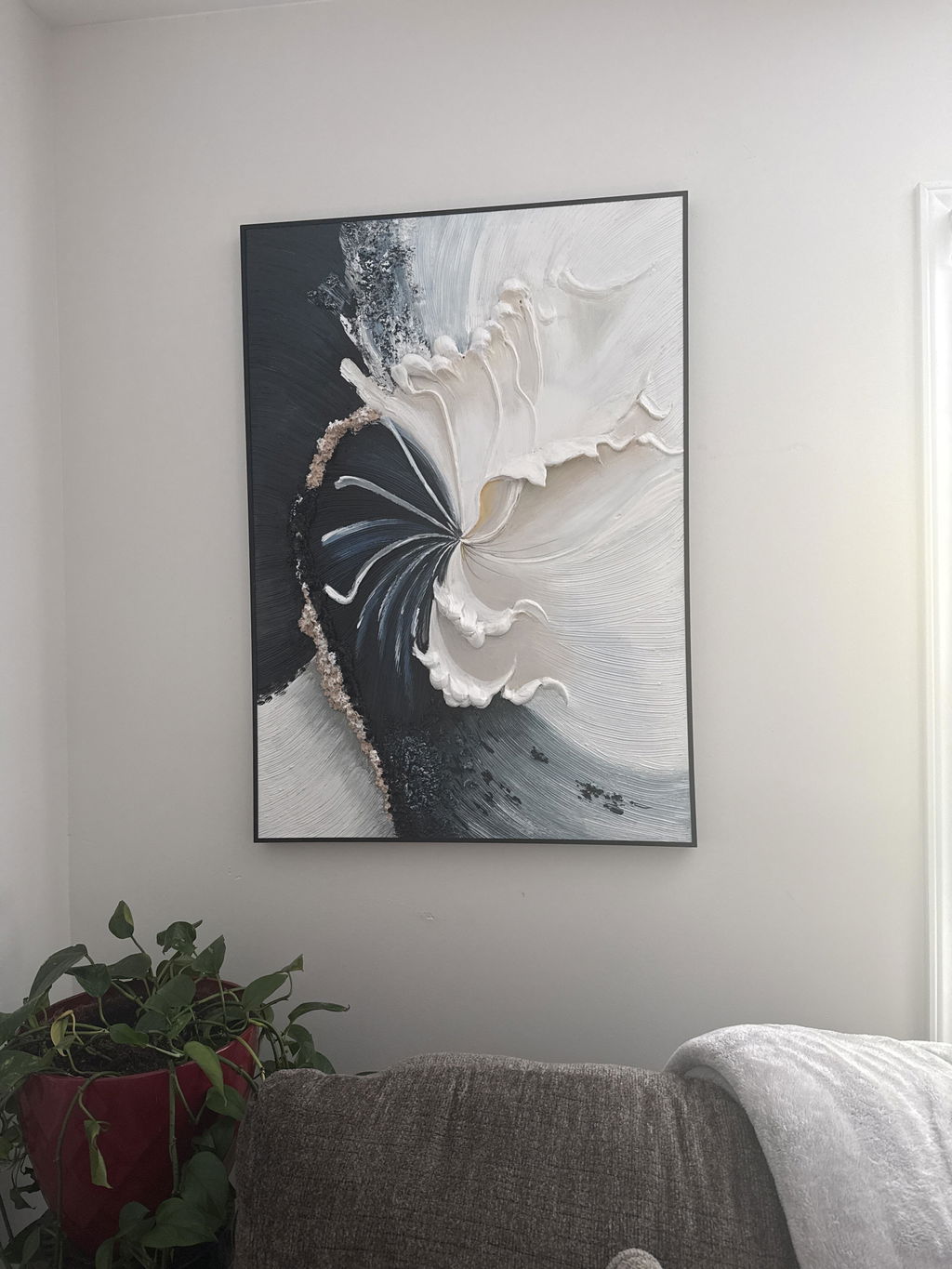
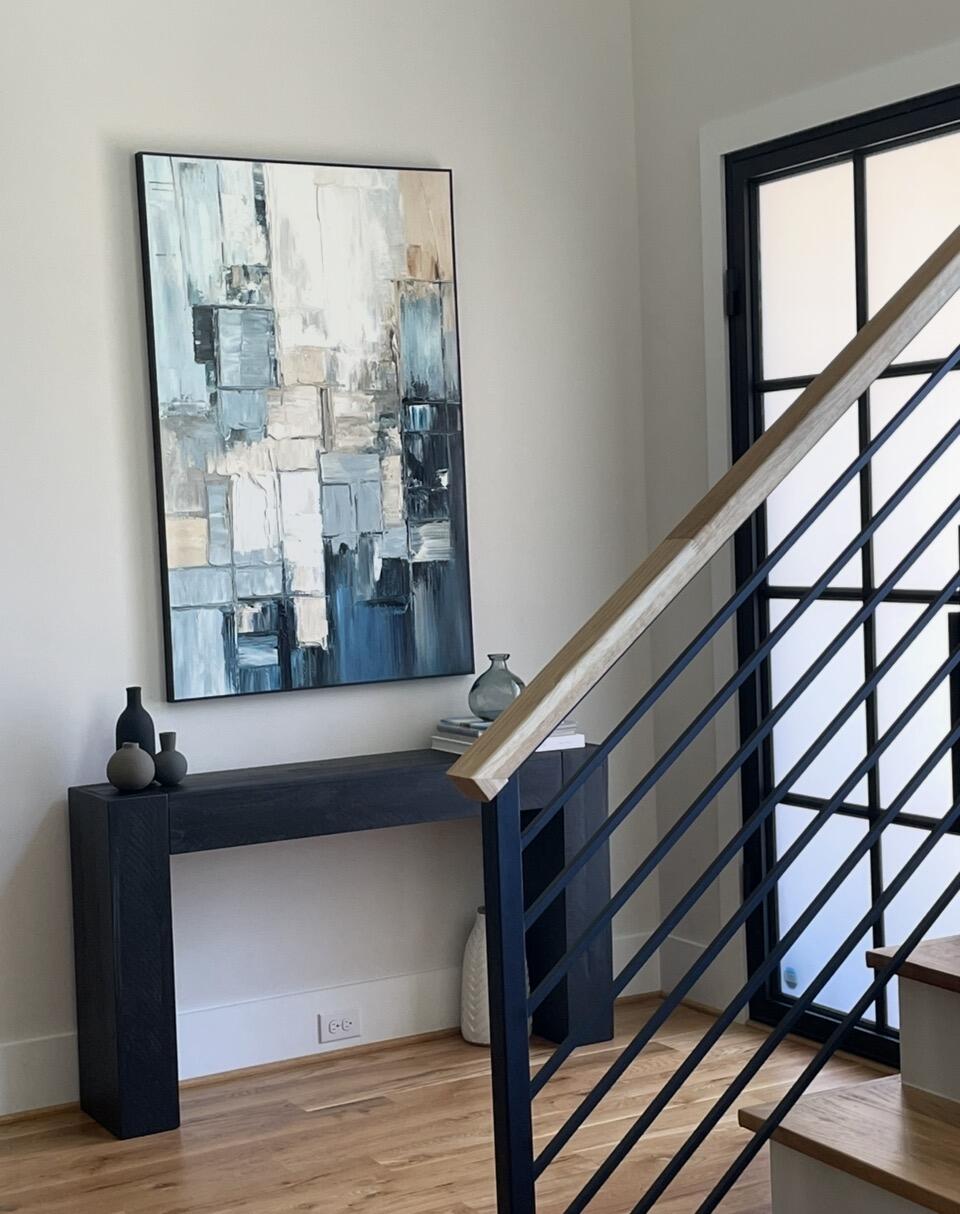
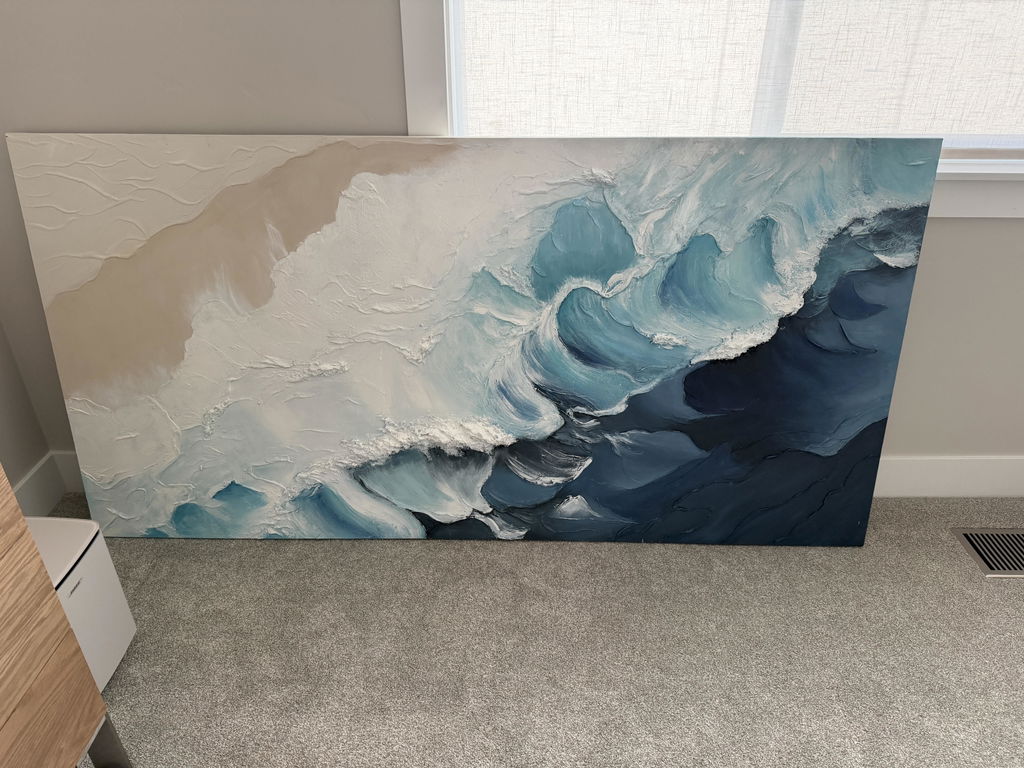
- What to Look For: In a genuine painting, the Brushstroke Texture and Light interact to create "micro-shadows." As the light angle changes, these shadows shift, altering the mood of the piece. A print, even one with a "gel coat," will remain visually flat because the "texture" does not correspond to the underlying color boundaries.
2. The Fingertip Heuristic (The "Tactile Test")
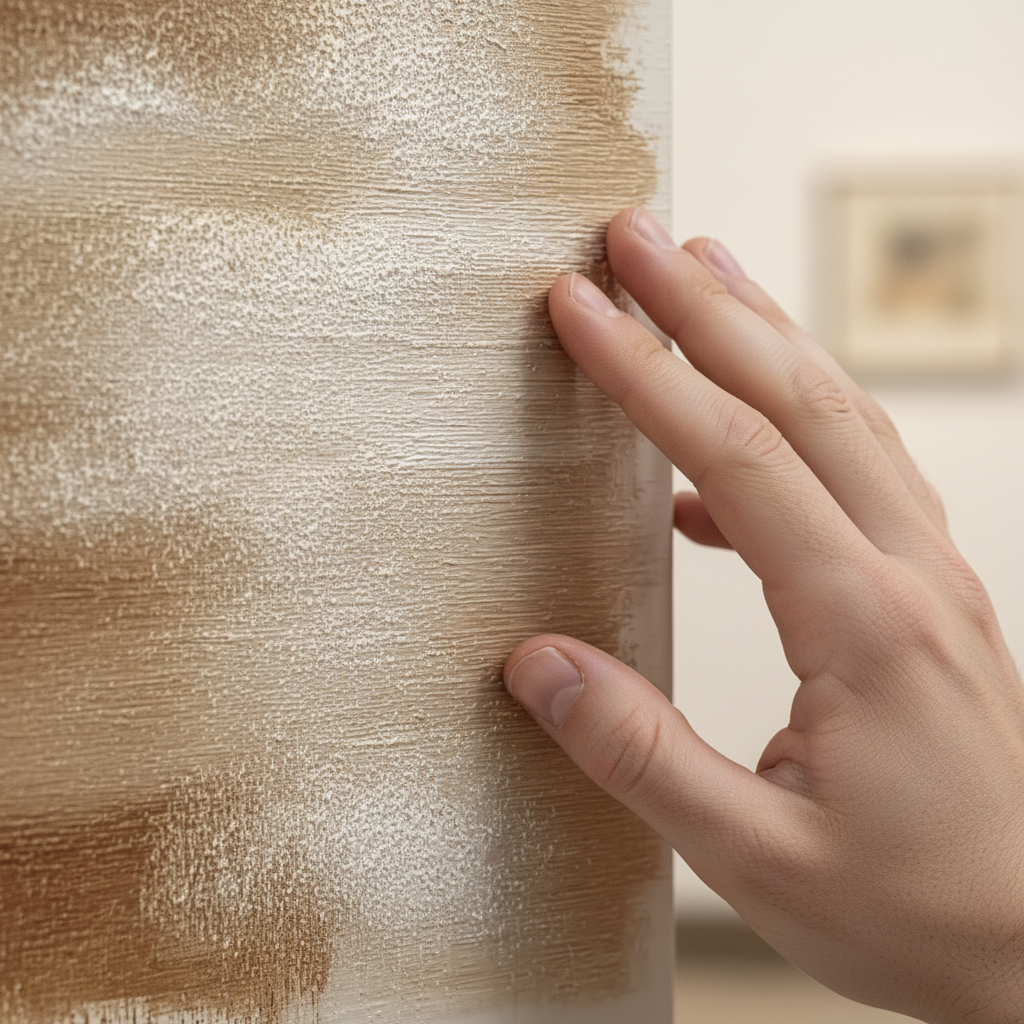
While often forbidden in galleries, a gentle "fingertip test" (performed with permission on a corner) is the most reliable low-tech validator.
- The Heuristic: Run your finger across a transition between two colors. In a hand-painted work, you will feel the "ridges and valleys" of dried pigment.
- The Science: Optical microprofilometry proves that the mm-scale texture of oil or acrylic is crucial to its aesthetic. MUNCH Museum tests confirm that physical relief textures exponentially stimulate viewer satisfaction compared to flat replicas.
3. Intentional Inconsistency vs. Mechanical Uniformity
Machines prioritize efficiency and smoothing. Humans prioritize expression. Look for areas where the artist deliberately varied brush pressure or angle.
- Optical Mixing: Genuine paintings show pigment particles settling differently across strokes. This creates a "vibrancy" that digital CMYK printing cannot replicate.
- The "Discovery" Factor: Quality hand-painted pieces reveal new details upon repeated viewing. Prints, due to their limited resolution and lack of physical depth, offer diminishing returns after the initial inspection.
| Feature | Hand-Painted (Manual) | Premium Giclée / Print |
|---|---|---|
| Surface Depth | Variable (Impasto to Glaze) | Uniform (Flat or Gel-Topped) |
| Light Response | Dynamic (Micro-shadows) | Static (Uniform Reflection) |
| Color Transition | Optical Mixing (Pigment Grains) | Dithered Pixels (Ink Droplets) |
| Longevity | High (Solid Pigment Film) | Moderate (Surface Inks) |
| Value Retention | Appreciates (Essential Identity) | Depreciates (Mass-Produced) |
The Physics of Pigment: Why Prints Fade
A common misconception is that modern inks are as durable as traditional paints. However, the chemistry of a "print" is fundamentally different from a "painting."
According to ASTM D4303 standards, the lightfastness of art materials is measured using xenon-arc tests that simulate years of window-filtered sunlight. While high-end pigments like Titanium White dominate 90% of the market due to their chemical inertness, the dyes used in many commercial prints are far more susceptible to photochemical aging.
Furthermore, Tate Modern research highlights a phenomenon called "surfactant migration." In acrylic works, PEG-type surfactants can migrate to the surface, creating a hazy appearance. While this can be managed in a hand-painted work through proper Cleaning and Conservation, a print that begins to "cloud" or "chalk" is often beyond repair because the ink layer is too thin to withstand restoration.
Health, Safety, and the "Invisible" Cost of Décor
For residential and healthcare projects, the "quality" of art extends to the air quality of the room. This is where premium hand-painted offerings, like those from MontCarta, justify their price through material safety.
VOCs and Indoor Air Quality (IAQ)
The EPA warns that indoor air pollution is often deadlier than outdoor. Low-VOC paints are strict prerequisites for LEED certification in commercial developments. Aalto University experiments prove that coatings on moisture-controlled substrates emit significantly lower toxic VOCs during curing than industrial printing solvents.
The Toxic Pigment Audit
Many "budget" art supplies and mass-produced prints contain heavy metals. The International Agency for Research on Cancer (IARC) classifies cadmium compounds as Group 1 carcinogens. While the industry often claims these are "insoluble," Australian Industrial Chemicals data shows that even "stable" pigments can release free ions in slightly acidic environments.
Methodology Note: Our safety recommendations are based on a review of CDC NIOSH and EPA hazardous material guidelines. We prioritize water-based acrylics and walnut-oil-based mediums, which replace toxic solvents like turpentine, as suggested by the Cincinnati Art Museum's eco-friendly initiatives.
The Economic Lever: Art as Infrastructure
For the 36-42 demographic and professional designers, art is not just a purchase; it is an investment in property value. The data backing this is startling.
- Residential Appreciation: A Royal Society CAR model analysis found that neighborhoods with higher "art" geo-tags had significantly greater relative house price gains.
- Commercial Revenue: In Chicago, public art projects drove $1.4 billion in real estate-related growth. Murals effectively turn physical walls into commercial landmarks, generating foot traffic that offsets the rise of e-commerce (UCincinnati).
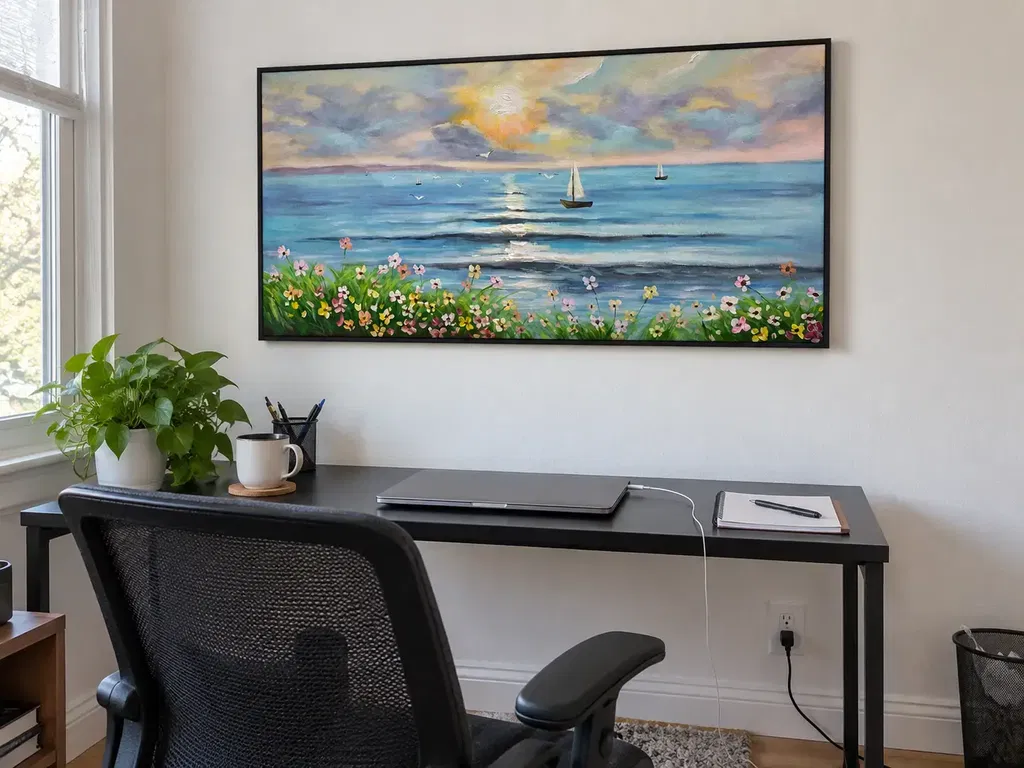
- Wellness ROI: For corporate clients, the "biophilic" effect of nature-themed murals is a financial tool. UPenn reviews show that 73% of patients reported significant mood improvements in art-rich environments. In office spaces, this translates to reduced cognitive fatigue and lower turnover rates.

Choosing Your Detail Level
Understanding the "Detail Spectrum" is key to matching art to the room's mood. Hand-painted work allows for a range of precision that prints simply cannot navigate without looking "blurry."
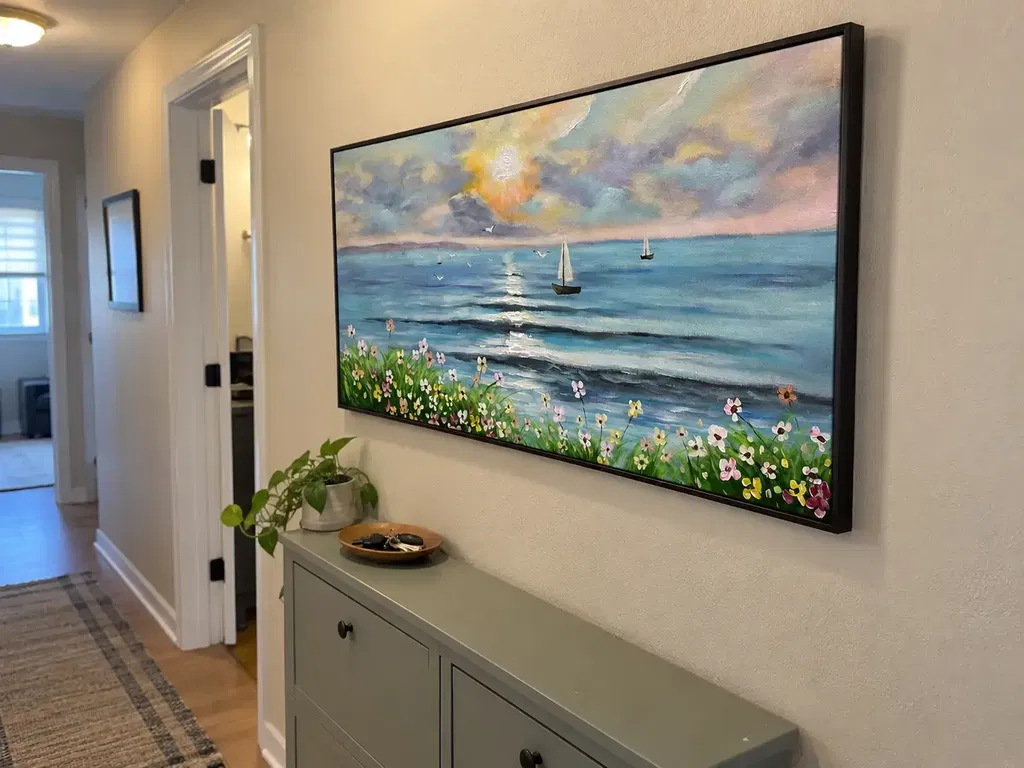
- Loose Impressionism: High texture (impasto) that creates a sense of movement. Ideal for large focal walls where the viewer stands at a distance.
- Fine-Line Realism: Requires Mastery of Blending and layered underpainting. This level of detail is best for intimate spaces like powder rooms, a trend highlighted by the NKBA 2025 Awards.
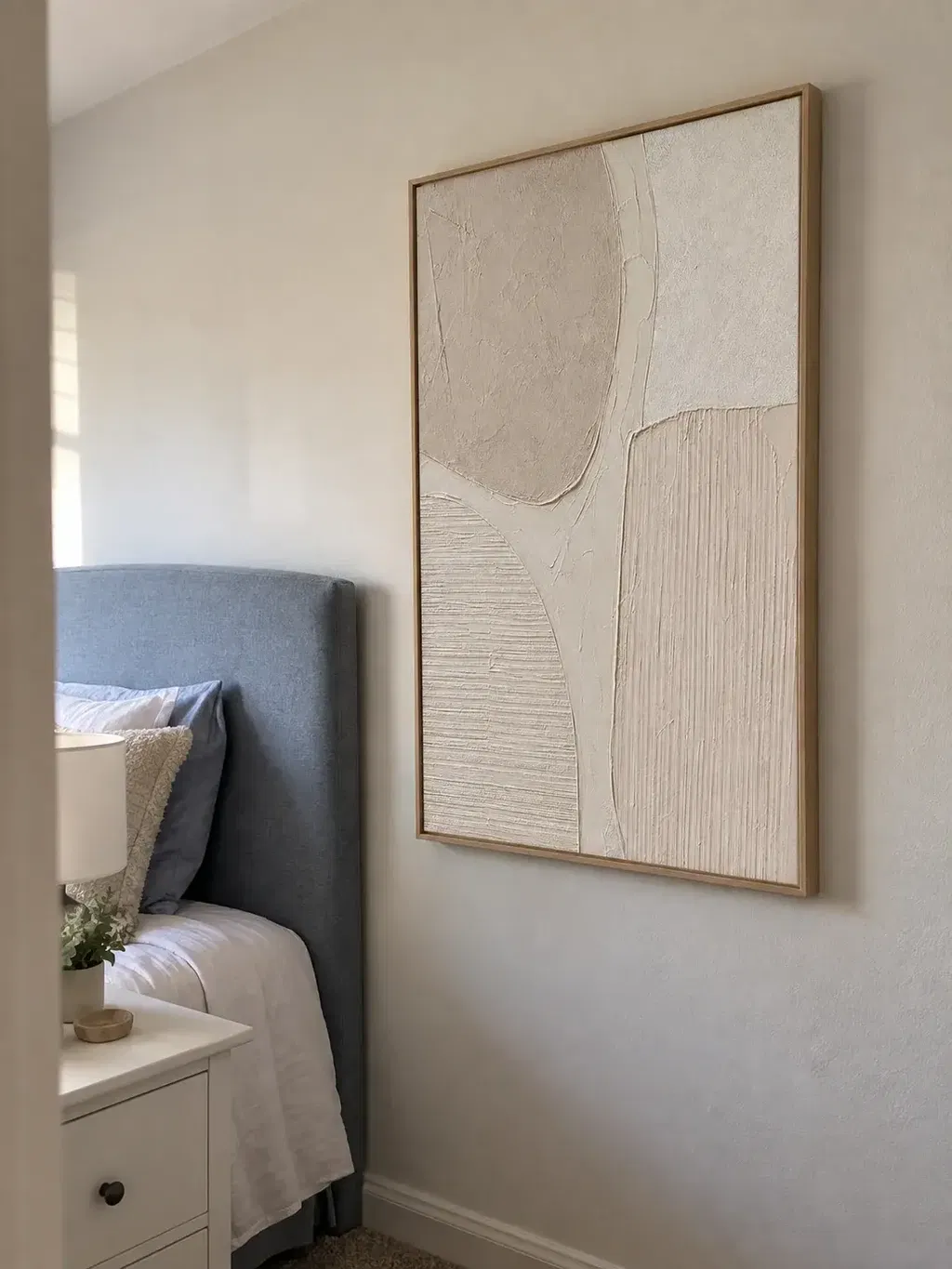
- Wabi-Sabi Minimalism: Focuses on the "honesty" of the material. This style relies on the Pigment Saturation of the paint itself rather than complex imagery.
A Legacy on the Wall
Investing in hand-painted art is a move towards "cultural heritage." Unlike disposable décor, a well-executed mural or canvas is a non-renewable asset. By choosing manual skill over mechanical reproduction, you are supporting a creative economy that, according to the NEA, adds $1.2 trillion to the U.S. economy annually.
More importantly, you are choosing a healthier, safer, and more emotionally resonant environment. In a world of digital noise, the "humanity in detail" is the ultimate luxury.
Disclaimer: This article is for informational purposes only and does not constitute professional health, legal, or financial advice. Regarding indoor air quality and pigment safety, always consult with a certified industrial hygienist or environmental specialist. For property investment decisions, consult with a licensed real estate professional.
Sources
- Marketplace: The expensive art market continues to struggle
- Columbia University: Human-Made vs. AI Art Perception
- EPA: Indoor Air Quality and Low-VOC Paints
- Royal Society: Quantifying the link between art and property prices
- Tate: Conservation Concerns for Acrylic Emulsion Paints
- IARC: Cadmium and Cadmium Compounds Toxicology