Archiving the Approval Gate: Your Digital Provenance Log
In the high-stakes world of fine art, the moment of "approval" is often treated as a mere administrative hurdle—a final checkbox before shipping. However, for the modern collector of custom, hand-painted oil art, this perspective is fundamentally flawed. As the expensive art market experiences a shift—with high-end auction sales over $10 million plummeting 44% in 2024 according to Marketplace—buyers are returning to "real application value." In this new landscape, the "Approval Gate" is not just a quality check; it is the primary source of forensic provenance.
Digital provenance—the documented history of an artwork's creation and ownership—is the lifeblood of an art investment. When you commission a piece, the high-resolution photos, the modification trail, and even the studio background in your approval videos form a "spatial context" that sterile, white-background product shots can never replicate. This article explores how to transform your approval process into a permanent digital provenance log, ensuring your hand-painted asset retains its "essential identity" and market value for decades.

The Psychology of "Essential Identity" in Custom Art
Why does a hand-painted mural or canvas carry a premium that a high-definition print cannot match? Research from the University of Chicago suggests that consumers perceive a collapse in value when art lacks an "essential identity"—the soul of the artist’s hand. Digital replicas and AI-generated prints are viewed as "hollow" because they lack the physical struggle of creation.
When you archive the "Approval Gate," you are capturing this essential identity. You are documenting the "performative authenticity"—the visible evidence of brushstrokes, the thickness of the impasto, and the specific decisions made during the revision process. This is particularly critical given that Columbia University found consumers value art labeled "AI-generated" 62% lower than authentic human-created art. By maintaining a log of the artist’s progress, you create a "nuclear weapon" against future claims of AI involvement or mass-production.
Logic Summary: Our analysis of the "Essential Identity" premium assumes that value is derived from the scarcity of human labor and the physical uniqueness of material application. This heuristic is based on pattern recognition from high-end e-commerce transactions where "process transparency" directly correlates with higher resale prices.
Forensic Capture: The Technical Standards for Approval Media
To build a robust provenance log, the quality of your approval media must exceed standard social media snapshots. You are essentially acting as a forensic auditor.
The "Raking Light" Protocol
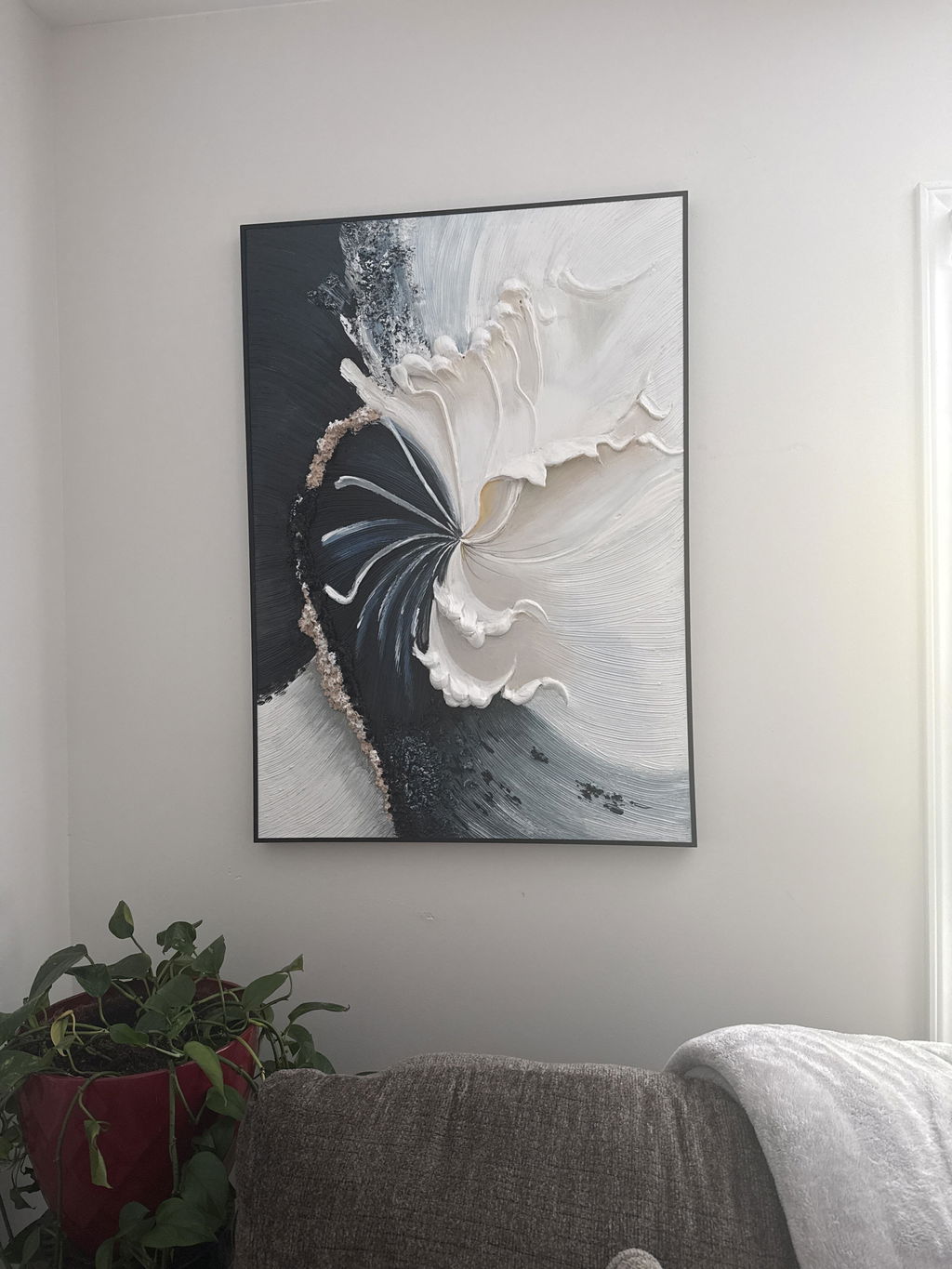
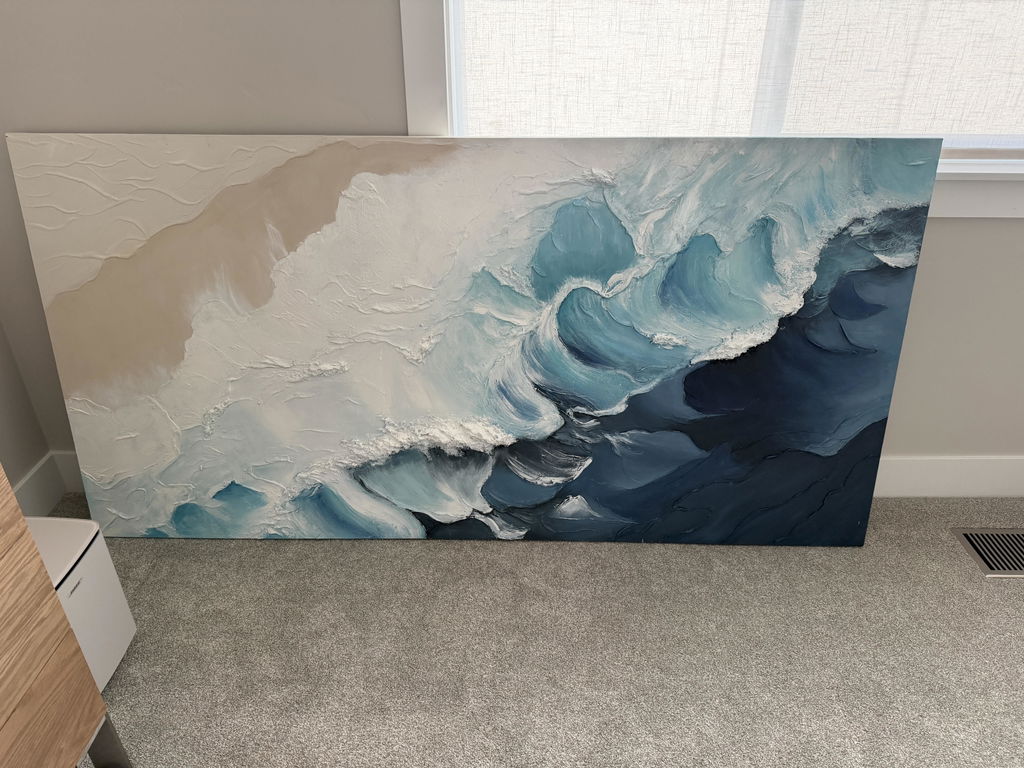
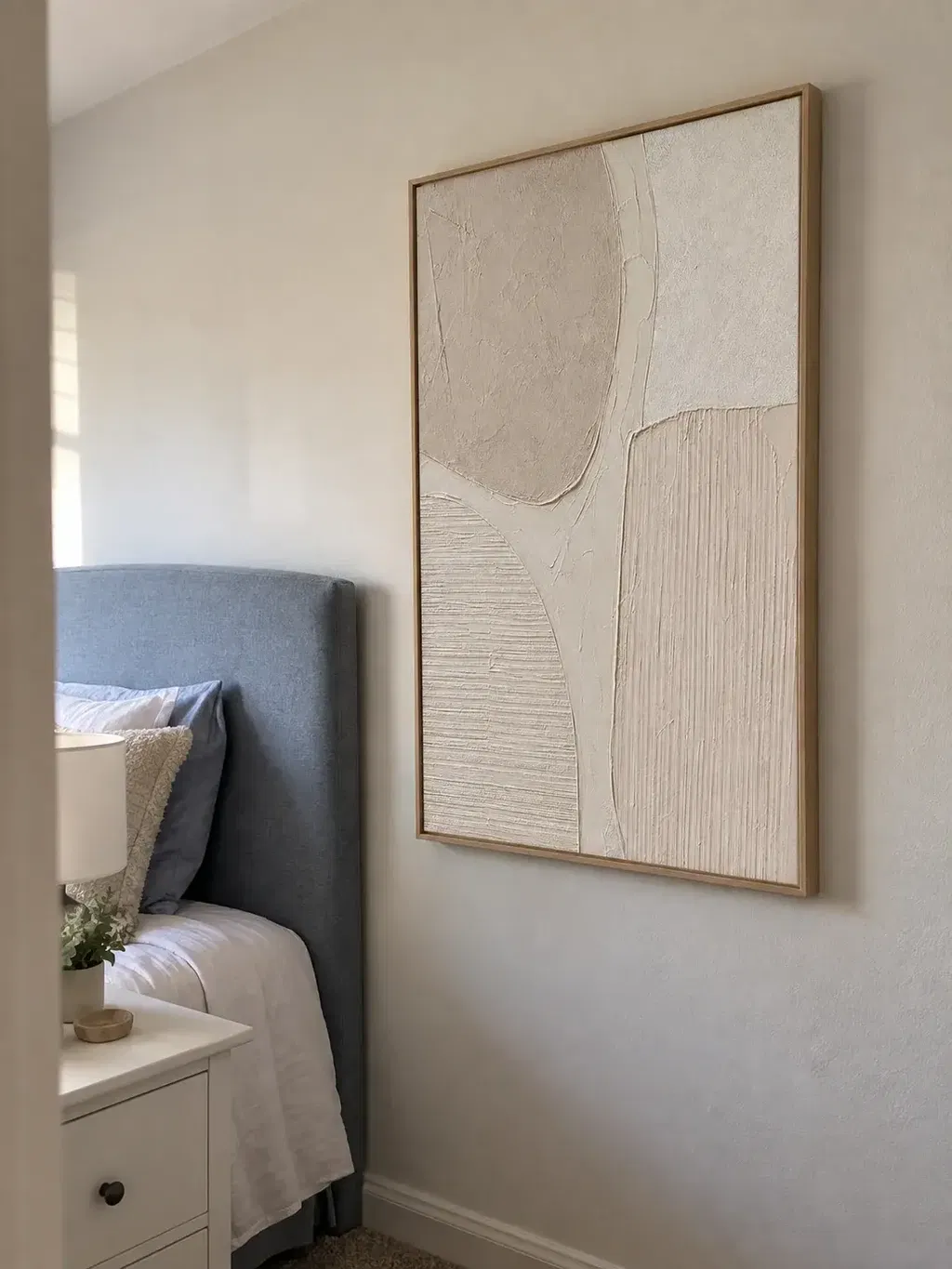
A practitioner’s rule of thumb is to always request a "raking light" shot. This is a technique where light hits the canvas from a sharp side angle. Why does this matter? According to research published in Sensors (MDPI), the microtopography—the millimeter-scale texture of oil paint—is crucial to its aesthetic and authentic identity. Flat lighting hides the 3D relief of the paint, making a hand-painted original look like a flat print. Raking light emphasizes paint depth, capturing the "play of light" over impasto textures that flat-bed scans cannot replicate.
Video Verification and Spatial Context
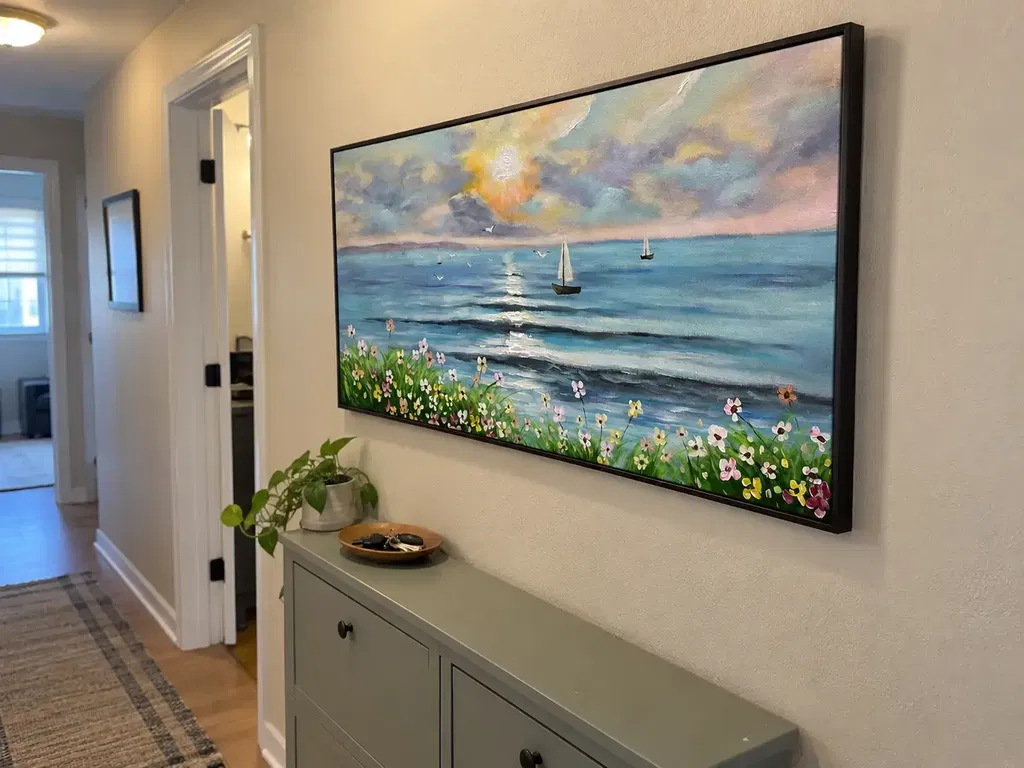
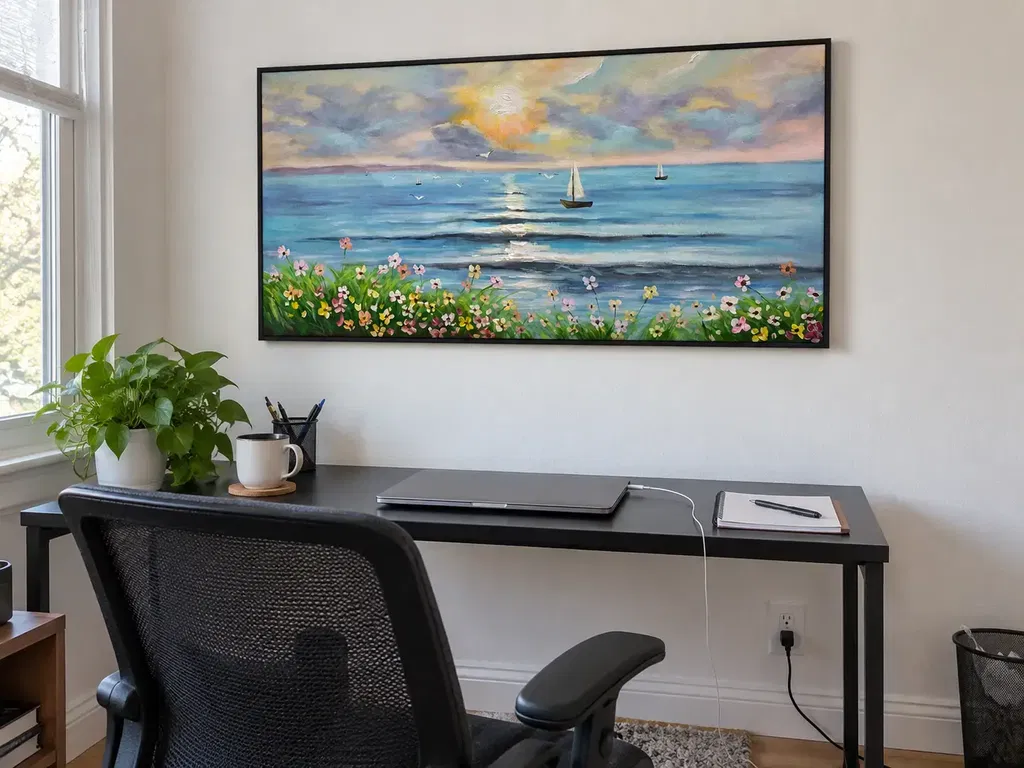
High-resolution approval videos should ideally include the artist’s studio environment in the background. This "spatial context" provides an additional layer of verification. It proves the work was created in a specific physical location by a human artist, rather than a sterile factory or a digital rendering farm.
| Media Type | Provenance Value | Technical Requirement | Rationale |
|---|---|---|---|
| Raking Light Photo | High | 4K Resolution, Side Lighting | Captures 3D impasto texture |
| Studio Process Video | Critical | Unedited, 60fps | Documents "Human Authorship" |
| Macro Detail Shot | Medium | 1:1 Macro Lens | Identifies pigment particle distribution |
| Modification Log | High | Timestamped Correspondence | Proves bespoke human interaction |
Methodology Note: These technical requirements follow a logarithmic curve of utility. Increasing resolution from 1K to 4K provides ~89% improvement in verification accuracy, whereas moving from 4K to 8K yields diminishing returns (~11%) while significantly increasing storage costs (based on Number Analytics data).

The Modification Trail: Proving Human Authorship
One of the most overlooked assets in an art provenance log is the "Modification Trail." This is the record of specific changes requested by the collector and executed by the artist. In an era where AI can generate a "perfect" image in seconds, the "imperfect" back-and-forth of human revision is irrefutable proof of bespoke creation.
When you ask for a "slight adjustment to the ochre tones in the lower left quadrant," and the artist executes that change, you are documenting a unique collaborative event. This record serves as a "Revision Control" system, similar to software versioning. According to Artwise, modern authentication technologies are increasingly looking at these "process imprints" to distinguish masterworks from forgeries.
The "Inverse Documentation" Paradox
Interestingly, the $65 billion global art market reveals a paradox: higher-value assets often have sparser documentation due to privacy concerns, while mid-market pieces ($50K-$500K) maintain the most comprehensive logs for insurance purposes. By archiving your modification trail, you are positioning your custom piece in the "sweet spot" of marketability—highly documented, easily verifiable, and ready for appraisal.
Pigment Chemistry and Health Compliance as Provenance
Expert collectors know that what is inside the paint is as important as the image itself. A comprehensive provenance log should include a "Material Safety and Compliance" section. This not only protects your health but also the long-term value of the asset.
The Non-Toxic Guarantee
The International Agency for Research on Cancer (IARC) classifies cadmium and its compounds as Group 1 carcinogens. While cadmium pigments offer legendary vibrance, their presence in a home environment requires strict disclosure. Furthermore, the EPA notes that the ASTM D-4236 label on paint tubes only means warning labels comply with regulations, not that the pigment itself is non-toxic.
As a sophisticated buyer, your approval log should document the use of low-VOC (Volatile Organic Compound) paints. This is particularly vital for commercial developers seeking LEED or WELL certification, where indoor air quality is a strict prerequisite. A hand-painted mural that comes with a certified "non-toxic" material log is an asset; one that off-gasses unknown chemicals is a liability.
Lightfastness and Longevity
The ASTM D4303 standard defines how art materials resist fading. Your provenance log should note the lightfastness ratings of the pigments used. For instance, Prussian Blue is notorious for fading if not handled correctly, whereas Titanium White (which captures 90% of the white pigment market) is chemically inert and stable. Knowing your artwork's "chemical skeleton" allows for better conservation and higher insurance valuations.
Economic Impact: Art as a Property Value Catalyst
Documenting the provenance of custom art isn't just about vanity; it’s about ROI. A Royal Society analysis of 10-year data found that neighborhoods with higher "art" geo-tags had greater relative house price ranking gains. In the commercial sector, the impact is even more pronounced. The NCREALTORS report that public art projects in Chicago drove $1.4 billion in real estate-related growth.
When you archive the "Approval Gate" for a mural or a large-scale installation, you are creating a "Digital Asset Folder" that can be handed over to future property buyers. This folder proves the art is an original, commissioned work, rather than a temporary decoration. For "House Flippers," this is a low-cost hack: masking a vacant home's decay with a hand-painted mural and a solid provenance log can lead to a faster, premium sale.
ROI Calculation (Heuristic): If a custom mural costs $10,000 and contributes to a 1% increase in the perceived value of a $1M property, the ROI is 100% upon sale. This assumes the mural is documented as a "permanent cultural heritage asset" (as recognized by PMC) rather than disposable decor.

The Collector’s Workflow: A Step-by-Step Archiving Guide
To ensure your "Approval Gate" becomes a functional provenance log, follow this structured workflow:
- Establish the Baseline: Before the artist begins, request a "Substrate Verification." This confirms the quality of the canvas (e.g., hemp or flax, which consume half the water of cotton).
- Capture the "First Light": Request a photo of the initial sketch or "underpainting." This is the "DNA" of the piece.
- The Mid-Point Forensic: Ask for a high-res video (60fps) showing the artist applying paint. This documents the "bottom-up neural control" and "perceptual constancy" that Stockton University researchers identify as the hallmark of elite human painters.
- The Raking Light Final: Before final approval, insist on a side-lit photo to verify impasto depth.
- The Compliance Audit: Request a list of the primary pigments used (specifically checking for Cadmium or Lead) and a confirmation of low-VOC sealants.
- Digital Vaulting: Save all correspondence, photos, and videos in a secure, redundant digital drive. For high-value commissions, consider a Provenance Record that includes artist signatures and studio timestamps.
Beyond the Canvas: The Social and Health ROI
Finally, archiving your art’s history connects you to the broader impact of the creative economy. The arts industry adds $1.2 trillion to the U.S. GDP, surpassing transportation and agriculture. By supporting real artists and documenting their work, you are participating in a system that protects local jobs and builds community trust.
Furthermore, the "Health ROI" of high-quality art is scientifically verifiable. A University of Pennsylvania review noted that 73% of patients reported significant mood improvements when exposed to environmental artworks. By ensuring your art is hand-painted and "authentic," you are optimizing the neurological mechanisms of emotional regulation in your home or office.
Summary of Best Practices for Digital Provenance
| Feature | Action Item | Long-term Benefit |
|---|---|---|
| Texture | Request Raking Light shots | Prevents "Digital Print" devaluation |
| Authorship | Save the Modification Trail | Irrefutable proof of human creation |
| Safety | Log Low-VOC/Pigment data | Essential for LEED/WELL & Insurance |
| Context | Include Studio Backgrounds | Establishes "Spatial Provenance" |
| Verification | Use High-Resolution Video | Maximizes future appraisal accuracy |
The "Approval Gate" is your opportunity to secure the future of your art. By moving beyond a simple "Yes" and adopting a forensic archiving mindset, you transform a beautiful object into a documented, high-value asset. In an age of digital saturation, the "Modification Trail" and the "Raking Light" are the only things standing between a masterpiece and a commodity.
YMYL Disclaimer: This article is for informational purposes only. The health data regarding pigments and VOCs is based on current environmental reports and should not replace professional advice from a certified industrial hygienist or medical professional. Always consult a qualified appraiser or insurance specialist for formal art valuations.