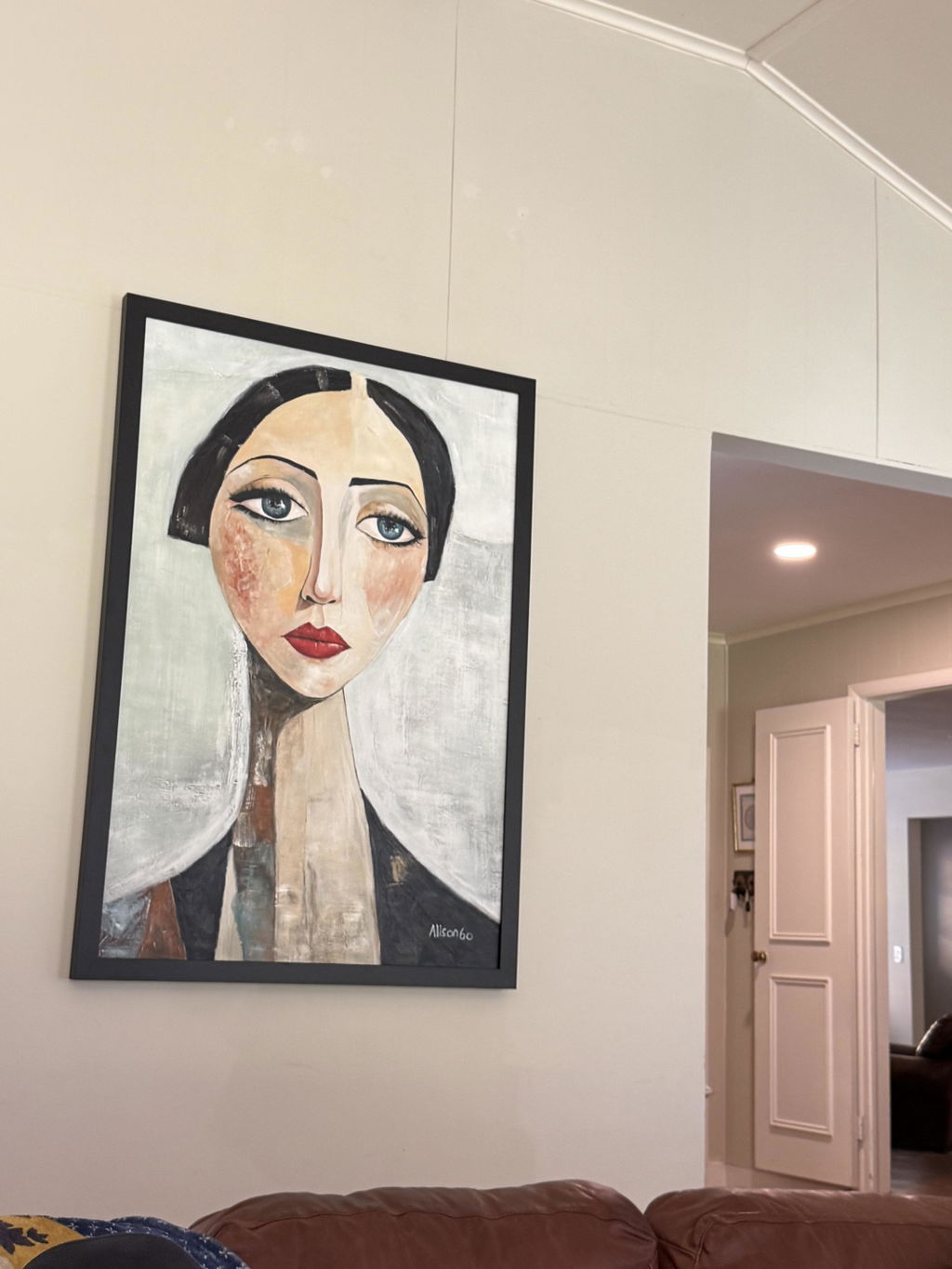
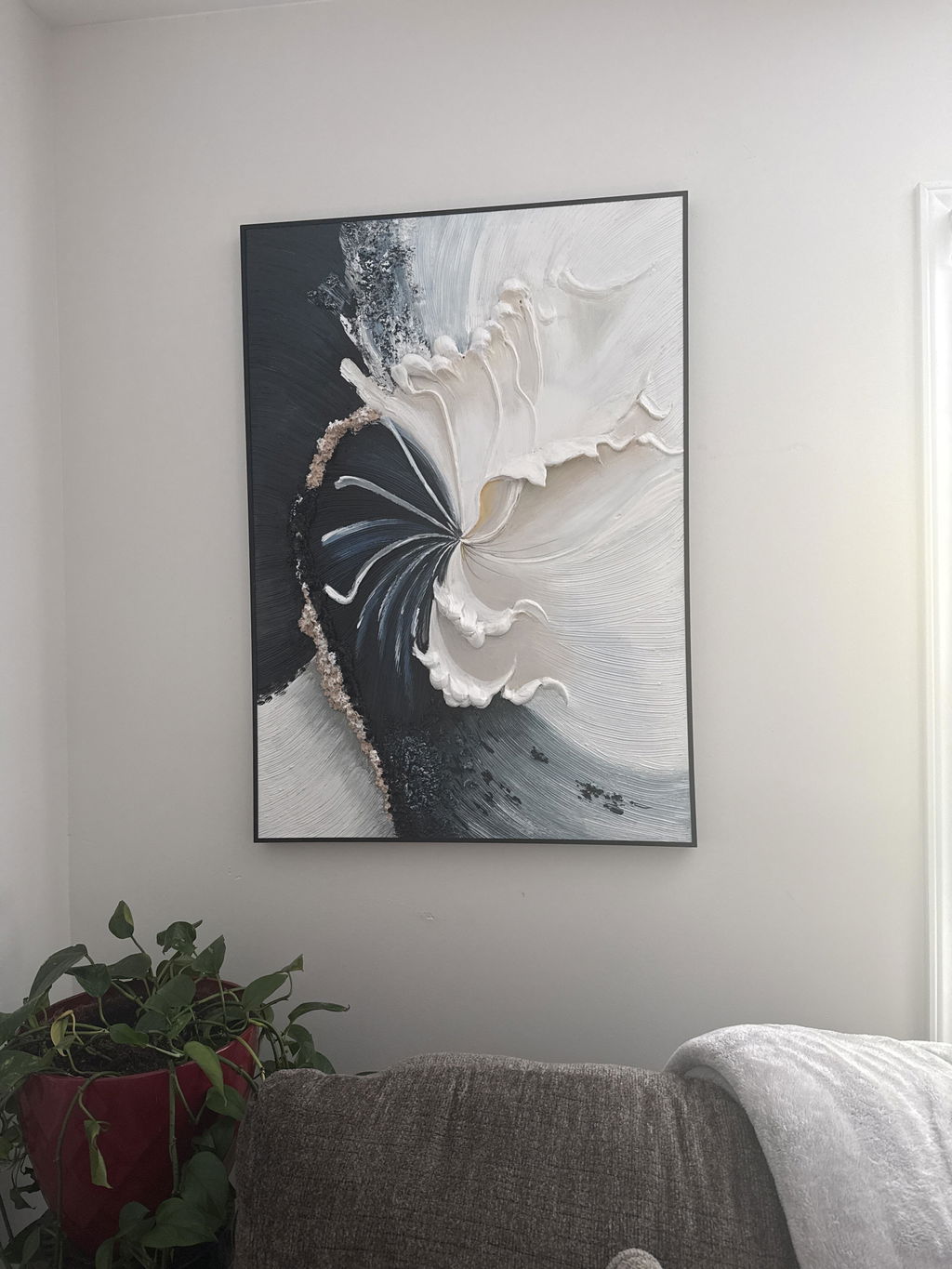
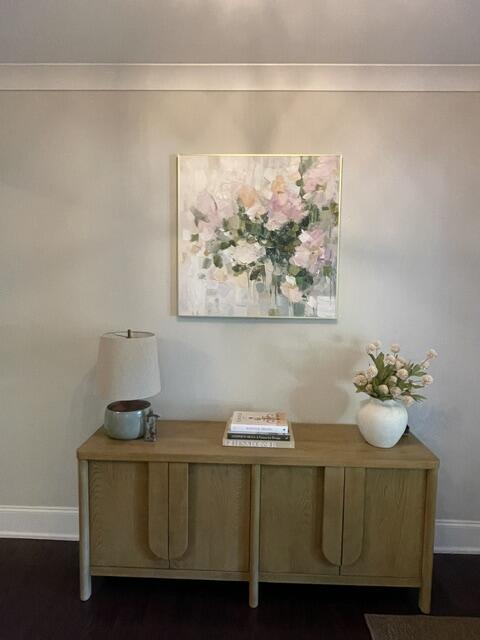
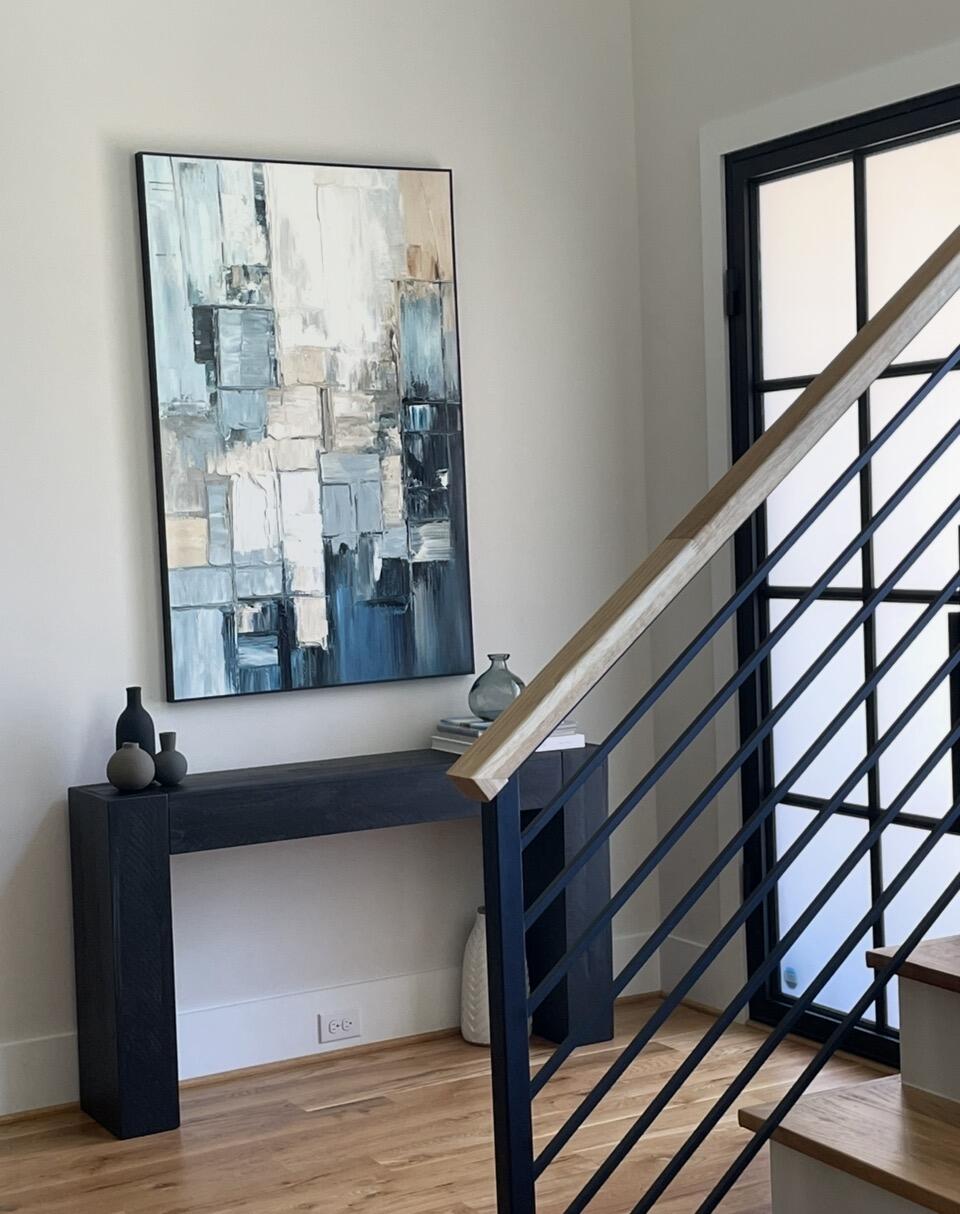
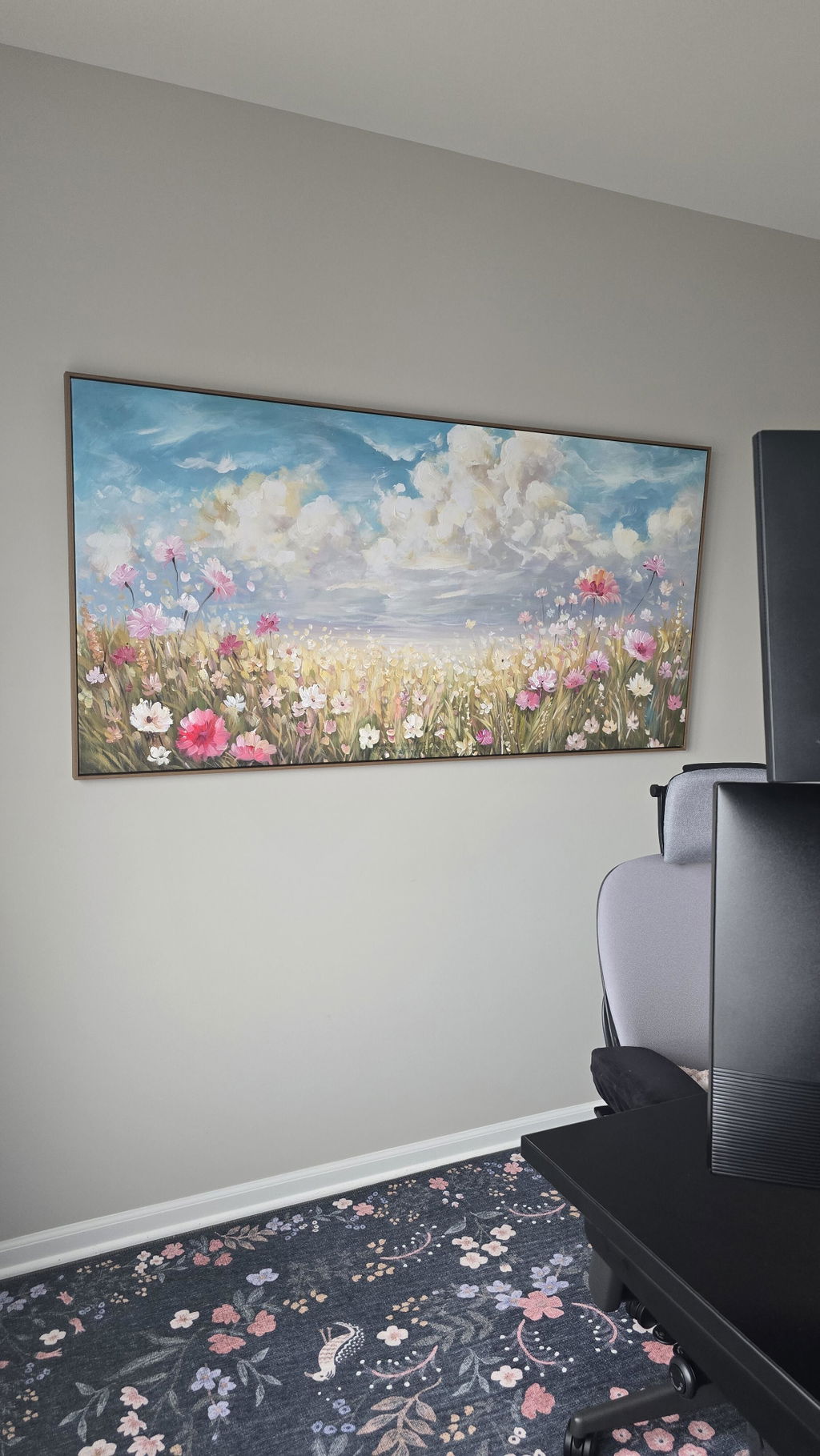
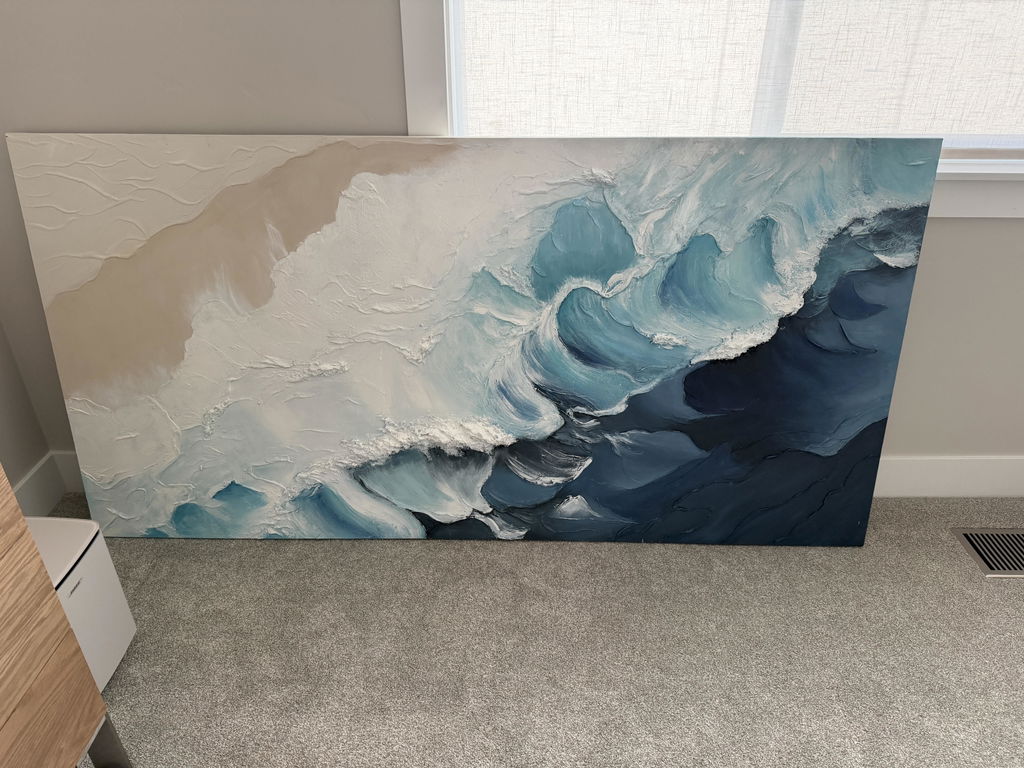
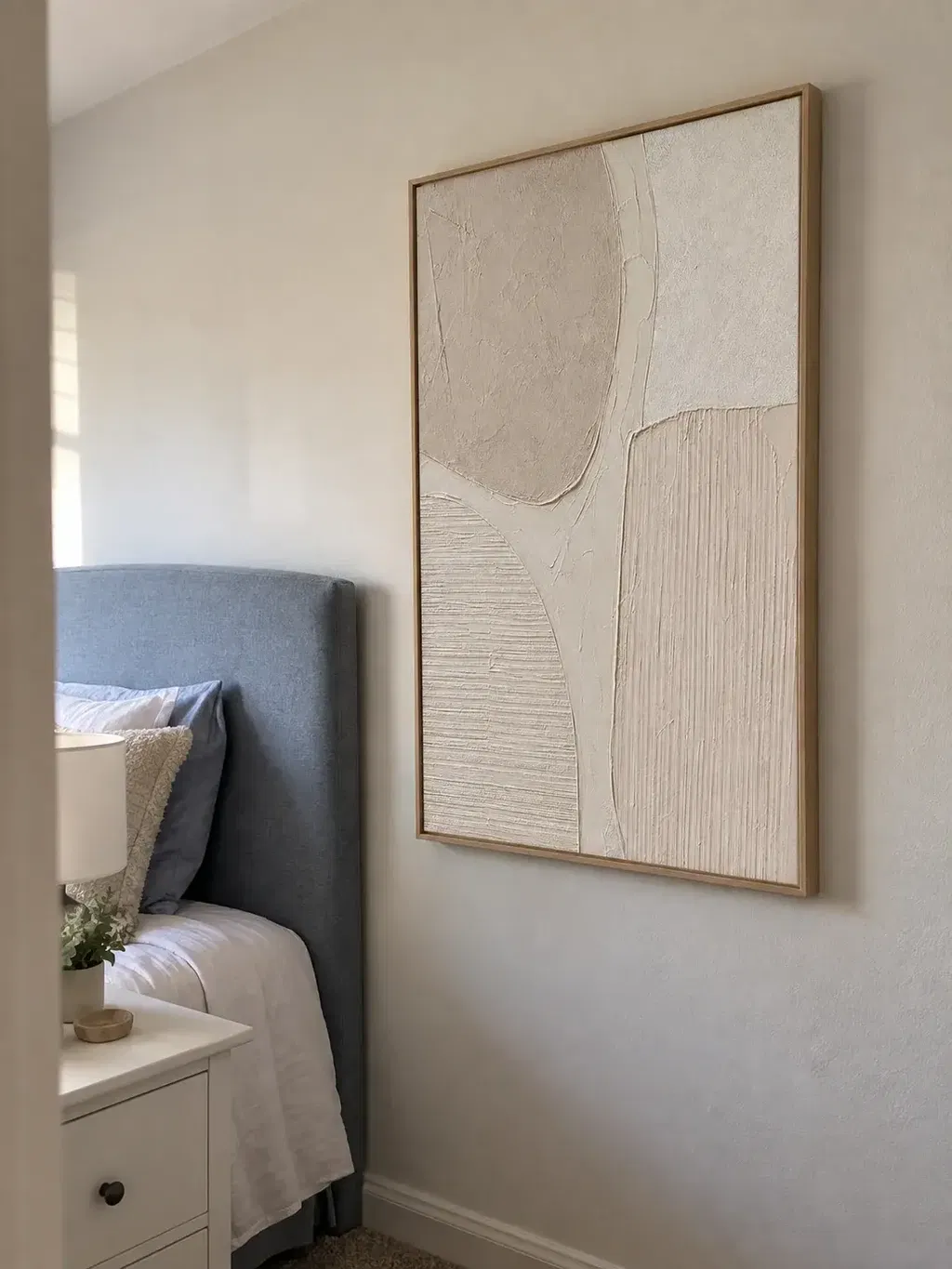
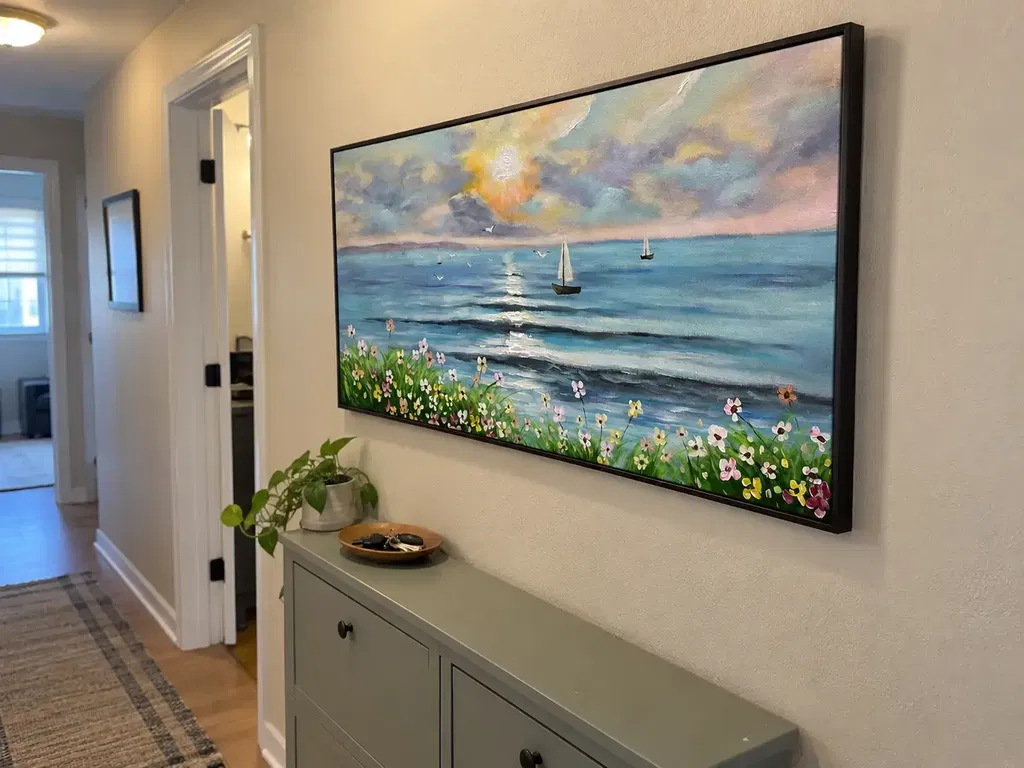
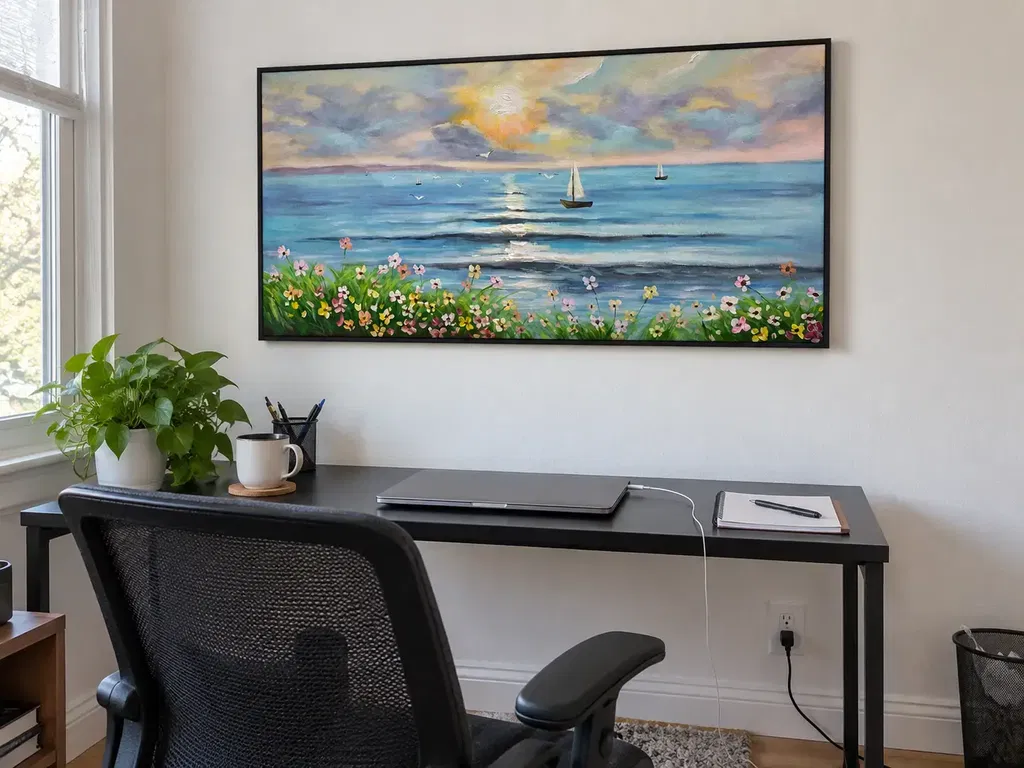
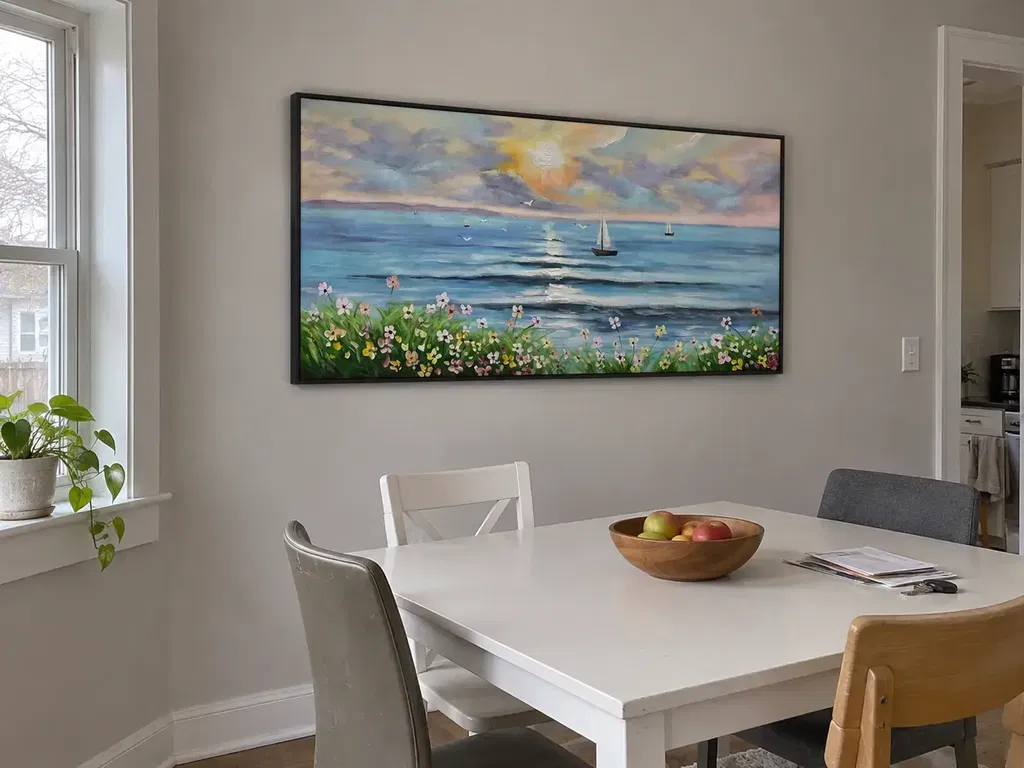
Choose confirmed-unglazed textured canvas when a glass or acrylic front layer is the main reason your art looks reflective. Choose glazing, ideally a specified anti-reflective type, when the piece needs a protective barrier more than it needs a glare-free surface. Either way, the fix depends on your room's light path and the artwork's protection needs, not on canvas alone being magic.
Unglazed Canvas Can Reduce One Major Source of Glare
A standard glass or acrylic sheet in front of a print is a smooth, added surface, and smooth surfaces reflect nearby windows and lamps. A confirmed-unglazed canvas skips that extra layer entirely, which removes one common cause of distracting reflections in bright rooms. That is a real, useful difference, but it is not the same as eliminating every possible reflection, since ordinary glazing can reflect surrounding light while non-glare treatment and UV filtering remain separate, optional properties.
| Presentation | Glare implication | Deciding condition |
|---|---|---|
| Confirmed-unglazed textured canvas | No added front glazing surface to reflect light | Best when reflected glazing is the dominant problem and protection needs are manageable |
| Ordinary glass-covered print | Smooth surface can reflect windows and lamps | Keep only if protection matters more than reflection |
| Specified anti-reflective glazing | Coated surface designed to cut reflection | Choose when you need both protection and lower glare |
The table shows the trade-off in three lines: drop the glazing, keep ordinary glazing, or pay for a coated glazing upgrade. None of these options is automatically correct. It depends on where the light in your room actually comes from, which is the next question to answer.
How Room Light Changes the Glare Problem
Glare depends on the path light takes from its source to the art and then to your eyes, not just on the art's surface. The three most common room setups create different first moves.

Sunlit Rooms
Direct or strong daylight deserves a check at more than one time of day, since the sun's angle shifts and can hit the wall differently at noon versus late afternoon. An unglazed canvas removes the glazing-reflection source, but it will not stop every visibility change caused by shifting daylight. Check the wall again in early morning and late afternoon before deciding the room is done.
Art Below a High Window
Light entering from above can catch a glossy glazing surface from angles you would not expect at eye level. Before assuming a different art format will fix this, test whether simply moving the piece a few inches left or right changes what you see. Placement and angle checks often solve this faster than swapping formats.
Artwork Opposite a Window or Bright Lamp
This is the clearest test case for reflected glazing, because a window or lamp directly across from the art can reflect straight back at the viewer. A confirmed-unglazed canvas sidesteps that specific bounce, while a glazed print in this spot may need anti-reflective glazing or a new spot on the wall. If neither fixes it, the light source itself may need a shade or curtain.
Lighting choices also affect how texture reads on an unglazed canvas, which our oil painting lighting guide covers in more depth for anyone fine-tuning a display wall.
Test the Wall Before You Buy or Hang the Art
A short, four-step check on the actual wall beats guessing from a product photo. Do this before you order or before you drive a nail.
- Locate the brightest window or lamp in the room and note where it sits relative to the wall you plan to use.
- Stand and sit in your normal viewing spots and look for a window or lamp reflected in that space on the wall.
- Test a small shift, moving the intended spot a foot in either direction or adjusting the piece's tilt slightly.
- Record whether the remaining problem comes from a front glazing surface or from the room's light itself.
If a small placement change clears the reflection, the art format was never the real issue. If it does not, compare confirmed-unglazed canvas against specified anti-reflective glazing for that exact spot.
Choose Glare Reduction or Front-Surface Protection
Glazing exists mainly to protect the art, and that protection can matter more than reflection in some cases. For paper-based prints, a glass or acrylic front sheet offers effective glazing protection against airborne dirt, pollutants, and handling, though glass and acrylic differ in weight, breakage risk, scratching, static, and UV blocking.
| Format | Protection and reflection notes |
|---|---|
| Confirmed-unglazed canvas | No added front barrier; texture remains exposed to the room air and dust |
| Ordinary glazed paper print | Barrier against dust and touching; not automatically UV-filtering or anti-reflective |
| Specified anti-reflective glazing | Coated for lower reflection; manufacturer-reported figures like Tru Vue's under 1% reflection apply only to that named product |
Ordinary glass is not automatically UV-filtering or non-glare; those are separate specifications you have to ask for by name. For a valuable, vulnerable, or hard-to-clean piece, pause before choosing an unglazed format and confirm the required protection, finish, and care method with the maker, a qualified framer, or a conservator.
What to Verify When Buying Paintings Online
An online listing should let you verify exactly what you are getting before you click buy, not just call it canvas and move on. This matters most when you are researching the best places to buy paintings online for a sunlit or high-window room.
Verify the exact presentation
- Confirm the medium (oil, acrylic, print) and the actual surface texture shown in photos.
- Confirm the selected frame or mounting option, including whether it is frameless, stretched, or rolled.
- Confirm whether the listing includes any glass or acrylic cover, since the word canvas alone does not guarantee an unglazed surface.
Photos help you judge texture and fit, but they are not proof of measured glare or preservation performance. Look for side-angle shots, close-ups, and room-view images, and use them to judge how the piece is likely to look on your wall rather than as a guarantee of anything technical.

As one conditional example from our own catalog, our STRATA textured oil painting is listed as an original oil painting on canvas with a textured surface, and it is available in a frameless stretched configuration among several framed options. That listing verifies medium, texture, and the frameless choice; it does not by itself confirm that every configuration you might select is unglazed, so check the specific option before you order if avoiding glazing is your goal.
The Bottom Line: Check the Light Path and the Artwork's Protection Needs
If a reflective glazing surface is your main problem and the piece is approved for unglazed display, a confirmed-unglazed textured canvas is the lower-glare path. If the artwork needs a protective barrier, keep glazing and look for one specified as anti-reflective rather than assuming ordinary glass will behave the same way. Before you buy or hang anything, confirm the exact configuration and any care boundary with the seller or framer rather than assuming all canvas listings are equivalent.
FAQs
Does unglazed canvas eliminate all glare?
No. Removing glazing takes away one added reflective surface, but the room's own light and the artwork's surface can still affect how easy it is to view. Run the wall test from your normal viewing positions before you finalize placement, since a small shift in spot or angle sometimes matters more than the format itself.
When should you keep glass or acrylic glazing instead of choosing unglazed canvas?
Keep glazing when the artwork is on paper, highly sensitive to environmental dust, or displayed where people might touch the surface. If you need both front protection and reduced reflection in a sunlit room, request specialized anti-reflective glazing rather than relying on standard picture glass.
How can you verify that a canvas ordered online is truly unglazed?
Review the product specifications and frame options carefully before ordering to confirm whether the artwork arrives as an open stretched canvas or includes a glass or acrylic sheet. When the listing does not state whether a protective face is included, contact the seller or framer directly to verify the front finish.