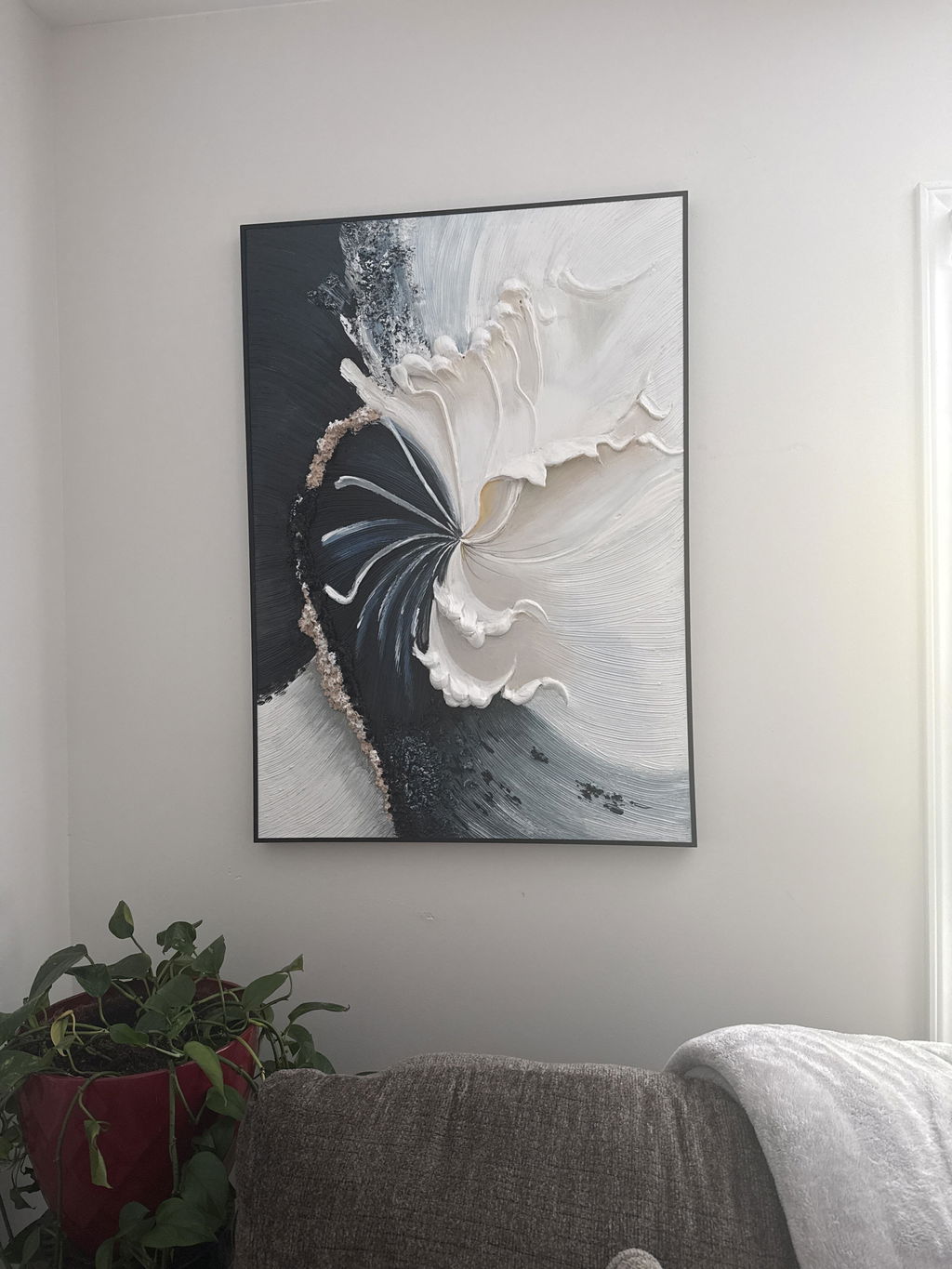
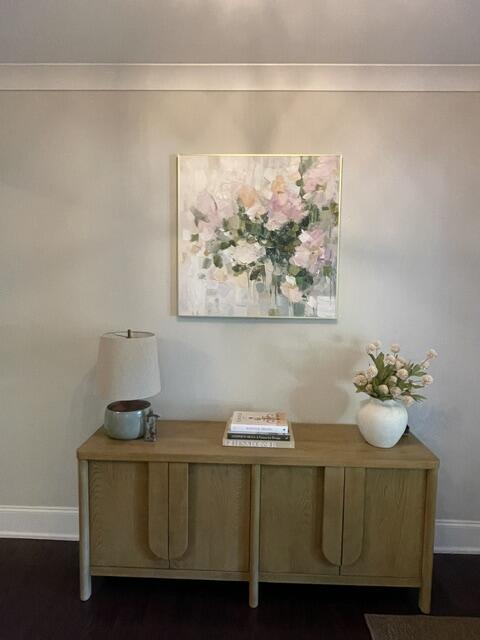
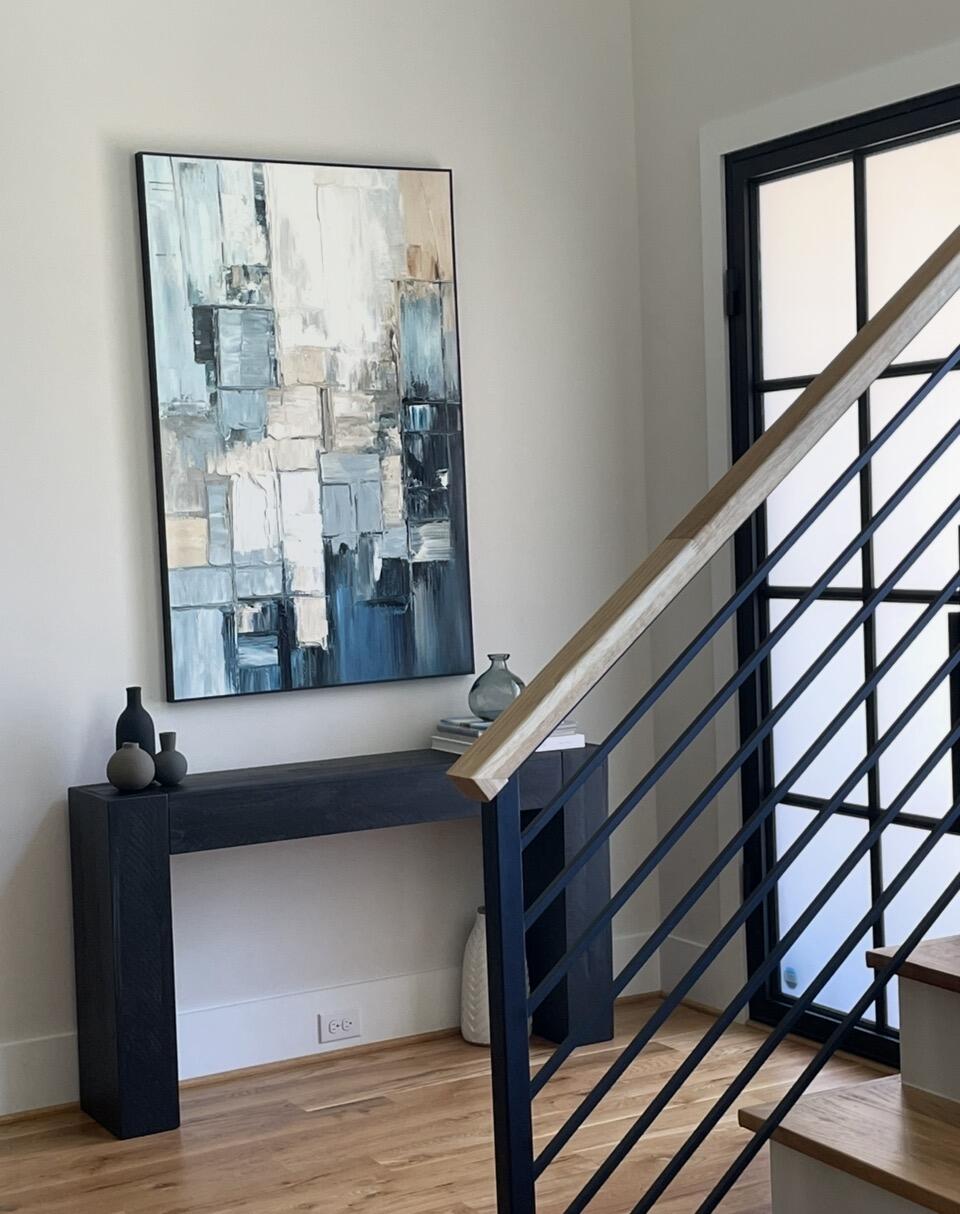
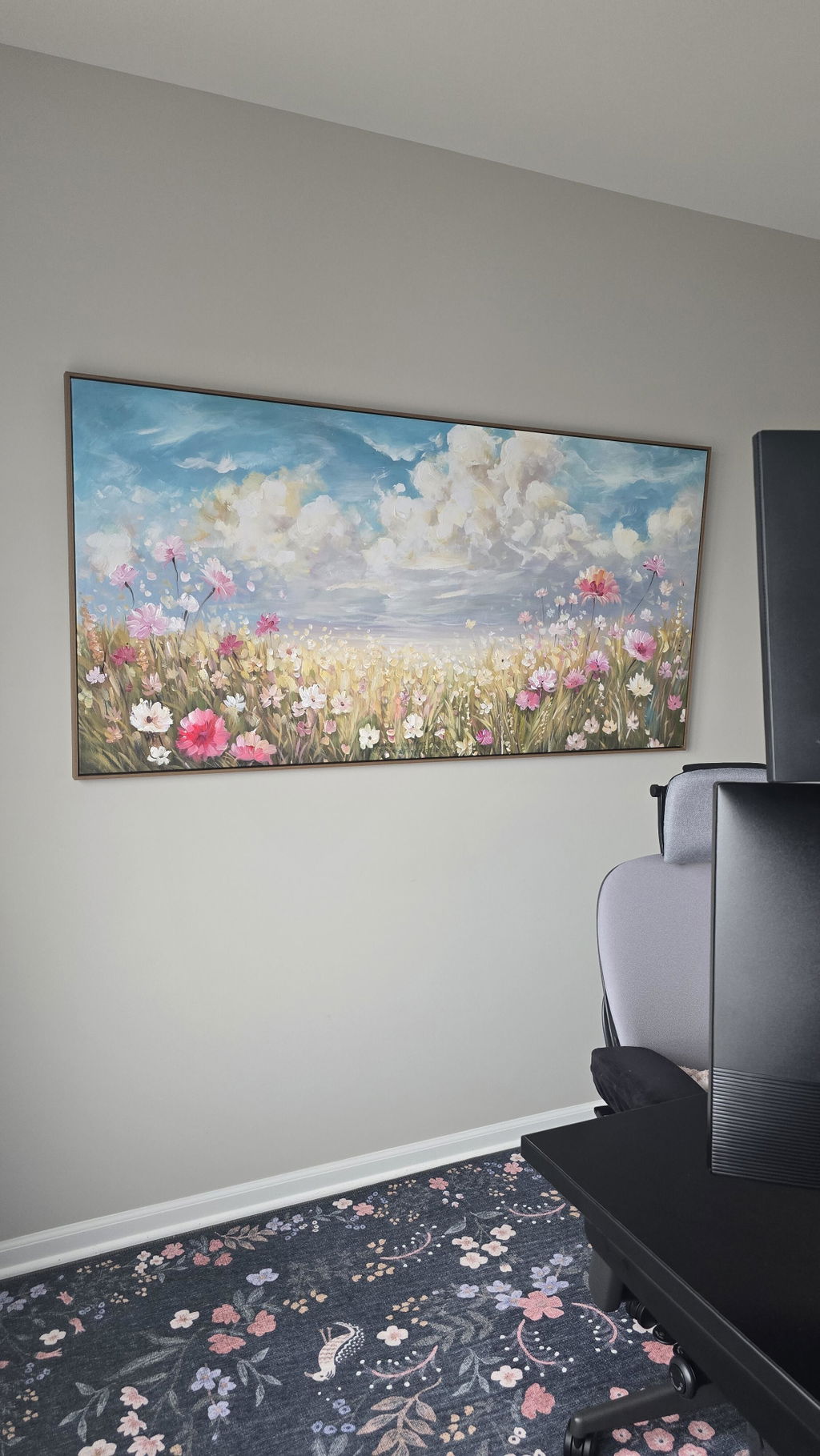
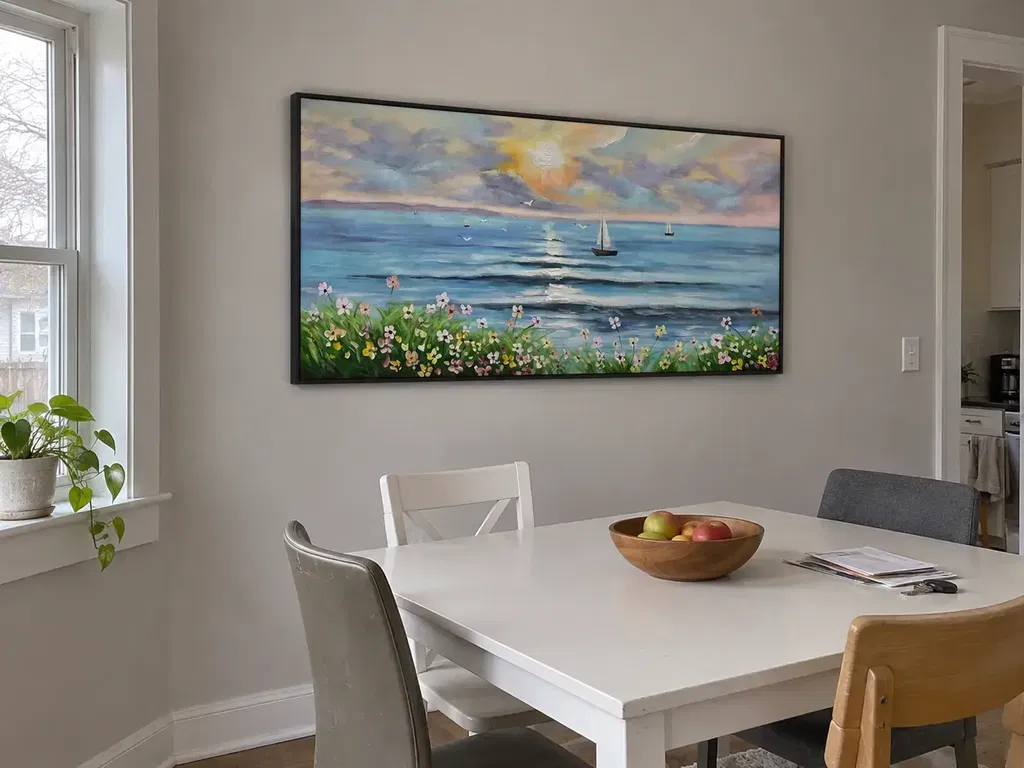
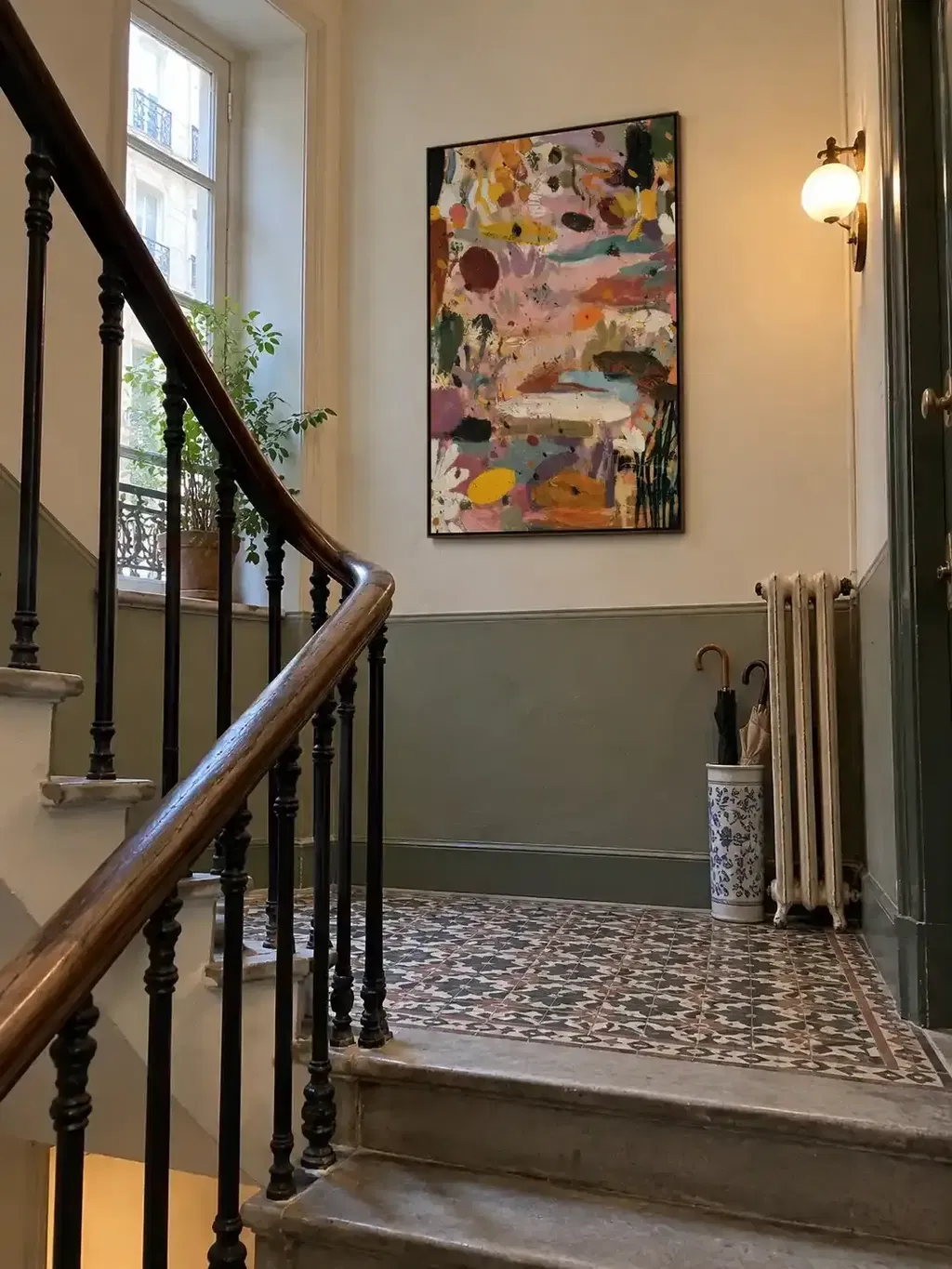
A blank wall offers a canvas for your personal style, but standard framed pictures often fall flat. When you choose artwork with a raised, physical surface, it stops being a simple image and becomes a true feature in the room. This three-dimensional quality is exactly why textured wall art has become a top choice for modern living spaces. It provides a rich, tactile experience and a sense of depth that standard flat prints simply cannot replicate.
What Makes Textured Wall Art Different From a Flat Print
Textured wall art, unlike standard posters, uses physical materials to build a raised surface. Artists use thick layers of paint, plaster, or modeling paste to create ridges, lines, and shapes that you can actually feel.
When you compare textured wall art vs flat prints, the main difference comes down to light. A flat print looks the same at noon as it does at midnight because it has no depth. A piece with physical texture catches light from different angles throughout the day. As the sun moves across your living room, the artwork casts tiny shadows and creates soft reflections. This constant change gives the room a dynamic, living energy that a flat surface simply cannot match.

7 Textured Wall Art Styles That Transform a Living Room
Finding the right look for your home depends on your current decor and personal taste. These seven textured wall art ideas show how different materials can change the entire feel of your space.
1. Heavy Impasto Oil Painting
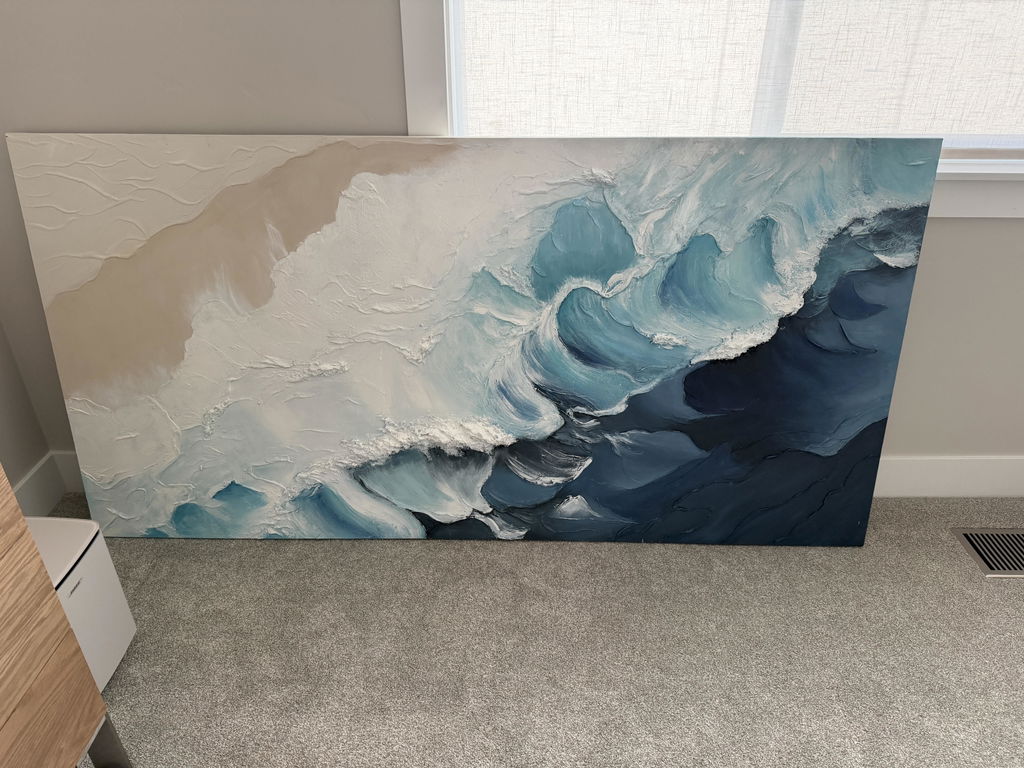
This style relies on a classic technique where paint is applied thickly to the canvas. Artists use palette knives instead of standard brushes to scoop up large amounts of oil or acrylic paint, leaving bold, raised marks.
The visual result is full of energy and movement. You can see the exact path the artist's hand took, which gives the piece a raw, powerful presence. If you love bold design, impasto wall art is an excellent choice for a modern or contemporary living room. Hang a large piece above a clean-lined, simple sofa to let the thick brushwork become the main focal point of the space.
2. Plaster and Modeling Paste Art
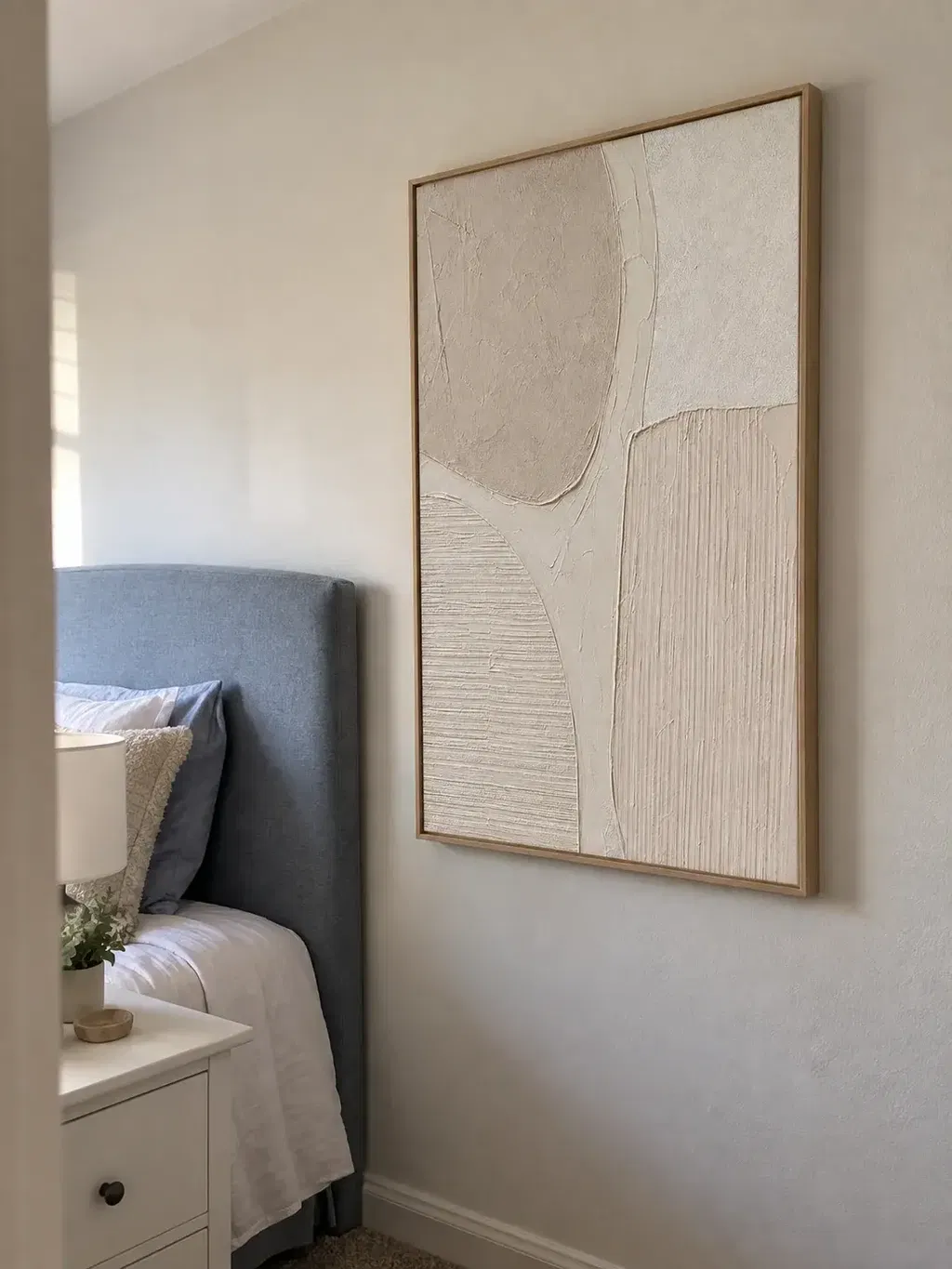
This style uses dense compounds to sculpt smooth, flowing shapes directly onto a wooden panel or canvas. The surface is often left unpainted or coated in a single matte color like white, cream, or soft beige.
The final look is calm, quiet, and deeply sculptural. Plaster wall art brings a sense of peace to a room because it relies on soft shadows rather than bright colors for its beauty. It fits perfectly into Scandinavian, Japandi, or minimalist living rooms. Try pairing this type of art with other organic textures in your room, such as a linen armchair or a light wood coffee table, to create a cohesive look.
3. Neutral-Toned Abstract Texture
This approach uses a restrained color palette of warm whites, soft greys, and taupes. The texture itself is often subtle, featuring fine lines, sanded surfaces, or gentle stippling across the canvas.
As a piece of minimalist textured art, it works by blending into the background while still adding quiet depth. It does not demand immediate attention, making it perfect for smaller living rooms or spaces designed with a "quiet luxury" theme. An abstract textured wall art piece in neutral tones keeps your room looking sophisticated, polished, and free of visual clutter.
4. Black and Dark-Toned Textured Art
This style uses deep shades like charcoal, midnight blue, dark forest green, or solid black. The texture is critical here because, without it, a dark canvas can look flat and empty.
The heavy texture catches faint highlights, creating a mysterious and dramatic mood. A dark textured abstract painting adds immediate weight and serious style to industrial lofts or moody, modern spaces. To make it pop, place it against a lighter wall or position it near a metallic floor lamp to highlight the dark ridges.

5. Colorful Textured Abstract Art
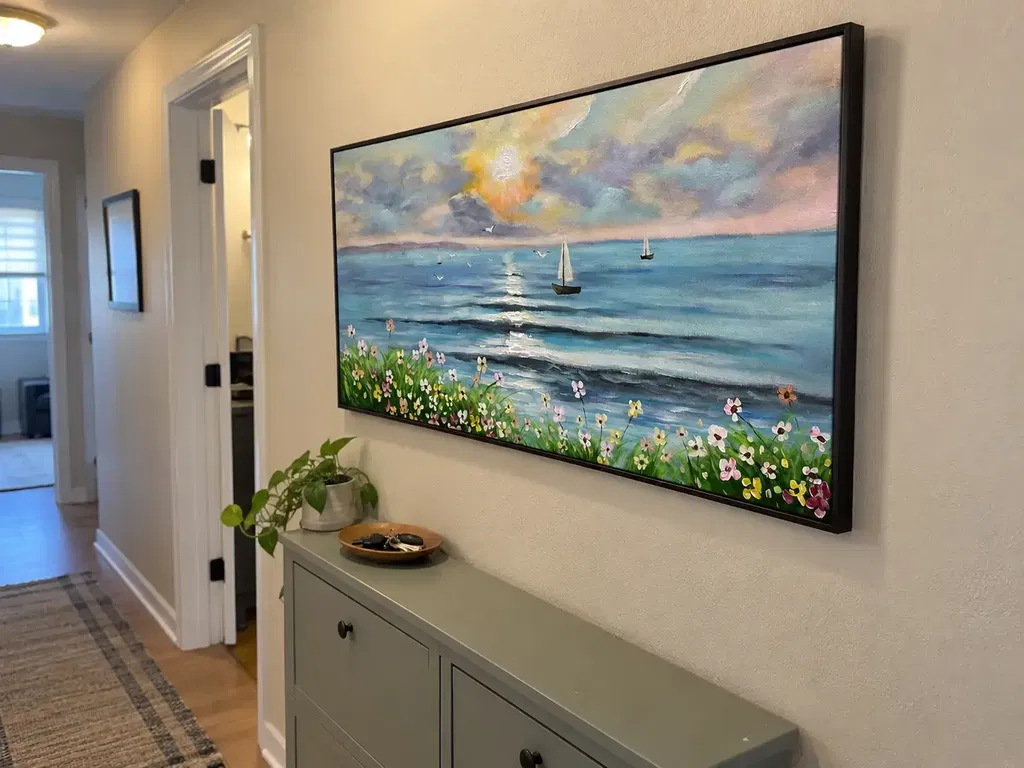
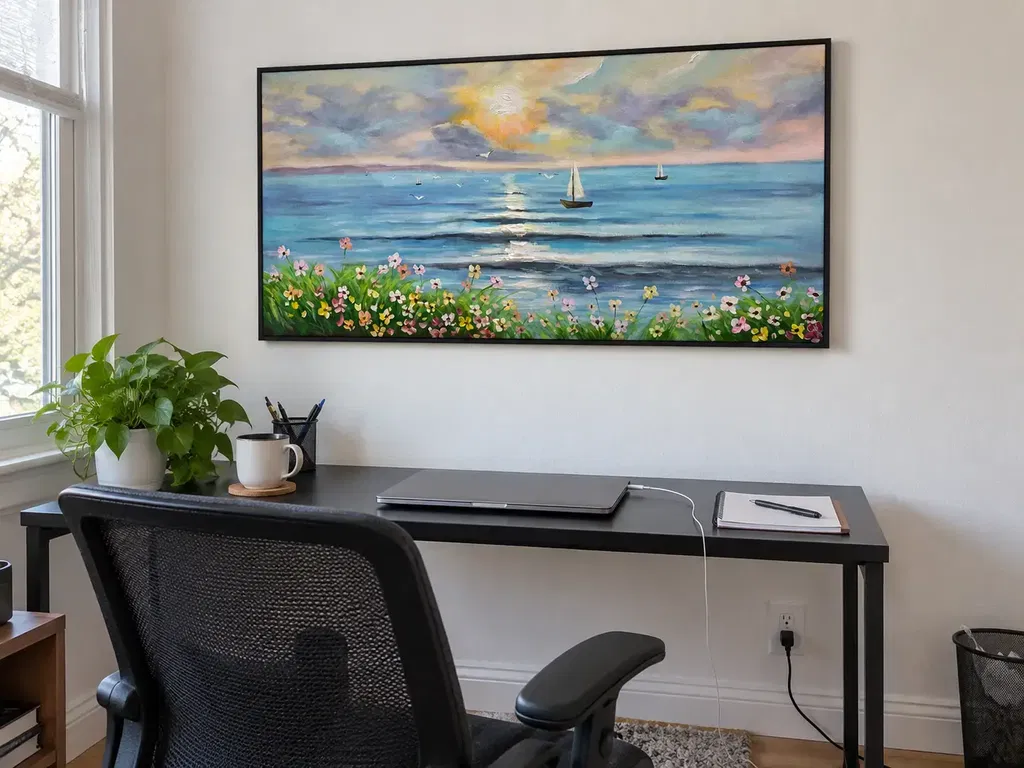
This style combines bright, rich pigments with thick, heavy physical layers. Think of deep emerald greens, rich cobalt blues, or warm terracotta oranges mixed with high-relief textures.
This 3D textured wall art delivers a strong visual impact and fills the room with cheerful energy. It is an ideal match for eclectic, bohemian, or maximalist living rooms where color play is encouraged. Because the piece is so vibrant, a single canvas can easily set the color palette for your pillows, rugs, and other decor items.
6. Textured Landscape and Nature Art
This style uses thick textures to recreate elements of the natural world. Instead of a precise photograph, the artist uses paste and paint to mimic the rough bark of trees, the tumble of ocean waves, or the rugged peaks of mountains.
This type of textured canvas art strikes a beautiful balance between abstract design and recognizable reality. It serves as a great middle ground if you prefer traditional art themes but want a more contemporary presentation. It brings a grounded, organic feel to coastal, rustic, or transitional living spaces.
7. Multi-Panel Textured Sets (Diptych and Triptych)
This style breaks a single artistic concept across two panels (a diptych) or three panels (a triptych). The texture flows continuously from one canvas to the next, creating a unified story.
Using a set of large textured wall art panels creates a sense of rhythm and flow along your wall. It mimics the look of a professional art gallery and fills wide spaces beautifully. This option works best on long accent walls or in open-concept living rooms that need a strong element to define the seating area.

How to Choose the Right Textured Art for Your Living Room
Matching the artwork to your current furniture ensures a balanced environment. Choosing the right piece requires looking at both your overall room design and the physical layout of your wall.
| Living Room Style | Best Texture Types | Color Direction |
|---|---|---|
| Minimalist / Scandinavian | Plaster art, neutral abstract | White, cream, soft grey |
| Modern / Contemporary | Heavy impasto, multi-panel sets | Neutral or monochrome |
| Industrial / Moody | Dark-toned textured, impasto | Black, charcoal, metallic |
| Boho / Eclectic | Colorful textured abstract | Earth tones, jewel tones |
| Coastal / Transitional | Textured landscape, neutral abstract | Blue, sand, warm white |
Beyond matching your style, size matters. A common mistake is hanging a canvas that is too small for the wall. For the best visual balance, ensure the total width of your artwork covers roughly two-thirds to three-quarters of the width of the sofa sitting beneath it.
Finally, consider your lighting. Regular overhead lights can flatten the appearance of the canvas. To truly bring your textured wall art for living room to life, install directional lighting. A dedicated picture light attached to the frame or an adjustable track light angled directly at the canvas will cast the necessary shadows to show off the physical details.
Pick the Texture That Matches Your Space
Refreshing your home style is as simple as adding depth to your walls. A flat print can feel distant, but a physical surface brings warmth, shadow, and personality into your daily environment. Finding high-quality, hand-painted textured art online allows you to discover unique designs that fit your specific aesthetic. If you have a precise color palette or wall size in mind, ordering a MontCarta custom textured painting ensures the final piece coordinates perfectly with your furniture and accents. Select a style that speaks to you and enjoy watching the light change your room throughout the day.

FAQs
Q1: Is textured wall art still in style?
Yes, it remains highly popular. Home design has moved away from flat, glossy surfaces toward materials that feel natural and tactile. Homeowners prefer these pieces because they look artisanal and custom-made, fitting perfectly with the popular minimalist and quiet luxury trends.
Q2: How do I hang textured wall art without damaging the surface?
To hang textured wall art safely, use heavy-duty picture hooks or D-rings that match the weight of the piece. Do not press on the front of the canvas while hanging it. Never lean heavily textured paintings face-first against hard surfaces, as this can crack or flatten the raised details.
Q3: Can textured wall art work in a small living room?
Yes, it works beautifully if you keep it simple. A single, medium-sized canvas acts as a clean focal point without crowding the room. Stick to light colors like cream or soft white to keep the room feeling open and bright, and avoid hanging multiple textured items close together.
Q4: What is the difference between impasto and plaster wall art?
Impasto uses heavy coats of traditional paint applied with knives to create sharp, energetic ridges with a slight sheen. Plaster art uses thick molding pastes to create smooth, matte, sculptural shapes. Impasto feels energetic and expressive, while plaster feels calm and architectural.
Q5: Does textured wall art need special lighting?
While it is not strictly required, directional lighting makes a massive difference. Standard ceiling lights shine straight down and can hide the texture. Using an angled wall sconce, a track light, or a picture light creates beautiful highlights and deep shadows across the surface.