Why Are We So Drawn to Ocean Imagery?
Think about the last time you stood beside the ocean.
The rhythmic sound of waves, the endless horizon, and the expansive shades of blue often create an immediate sense of calm. For many people, simply looking at the ocean can feel like a mental reset.
Interestingly, this reaction is not just personal preference.
Have you ever noticed how your mood lifts the moment you see the ocean, a lake, or even a quiet river? It's not just in your head — environmental psychologists have studied this for years. They call it the "Blue Space Theory." Simply put, being around water helps calm your mind, wash away stress, and leave you feeling clearer and more at ease. Whether it's the rhythmic sound of waves or the stillness of a glassy lake, water has a unique way of soothing our busy brains.
While most of us can't live on the coast, we often try to recreate that feeling inside our homes.
This is one reason why ocean wall art has become one of the most popular categories in modern interior design.
Rather than serving only as decoration, ocean-inspired artwork can influence how a room feels and how the people inside it experience the space.

What the Color Blue Does to the Human Brain
Color psychology plays a significant role in interior design.
Among all colors, blue consistently ranks as one of the most calming.
Designers frequently use blue because it is associated with:
| Psychological Association | Emotional Effect |
|---|---|
| Ocean | Relaxation |
| Sky | Openness |
| Water | Serenity |
| Nature | Balance |
| Distance | Spaciousness |
Unlike highly stimulating colors such as red or orange, blue tends to encourage slower thinking and a calmer emotional state.
This explains why blue is frequently used in:
- Bedrooms
- Wellness centers
- Luxury spas
- Meditation spaces
- High-end hospitality environments
Ocean artwork combines both color psychology and nature-inspired imagery, making it particularly effective at creating a peaceful atmosphere.
Why Ocean Wall Art Feels Different From Other Artwork
Not all artwork creates the same emotional response.
Some styles are designed to energize a room. Others are meant to inspire creativity or create visual excitement.
Ocean-inspired artwork serves a different purpose.
It often encourages stillness.
| Artwork Style | Emotional Response |
|---|---|
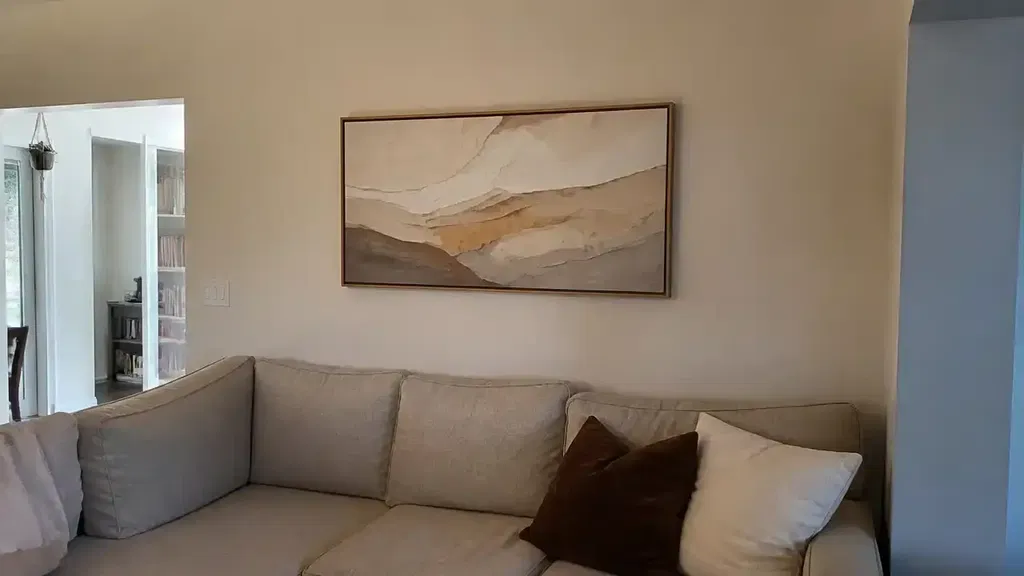
| Abstract Expressionism | Energy and movement |
| Pop Art | Excitement |
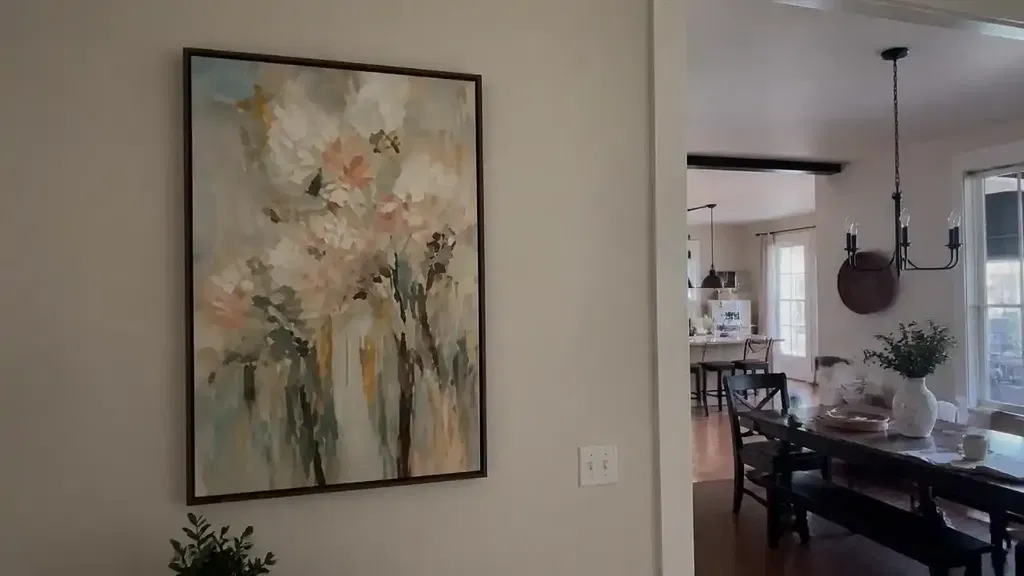
| Floral Artwork | Warmth |
| Urban Photography | Stimulation |
| Ocean Wall Art | Calmness and balance |
This distinction explains why homeowners increasingly choose coastal wall art for spaces where relaxation matters most.
Why Designers Use Ocean Artwork in Luxury Interiors
Many luxury interior designers intentionally use ocean-inspired artwork because it creates an immediate emotional connection.
Unlike trend-driven decorative pieces, ocean imagery tends to remain timeless.
It works across multiple design styles:
| Interior Style | How Ocean Artwork Fits |
|---|---|
| Coastal Modern | Reinforces natural surroundings |
| Organic Modern | Adds softness and movement |
| Minimalist | Creates a calming focal point |
| Contemporary Luxury | Introduces sophistication |
| Japandi | Supports balance and tranquility |
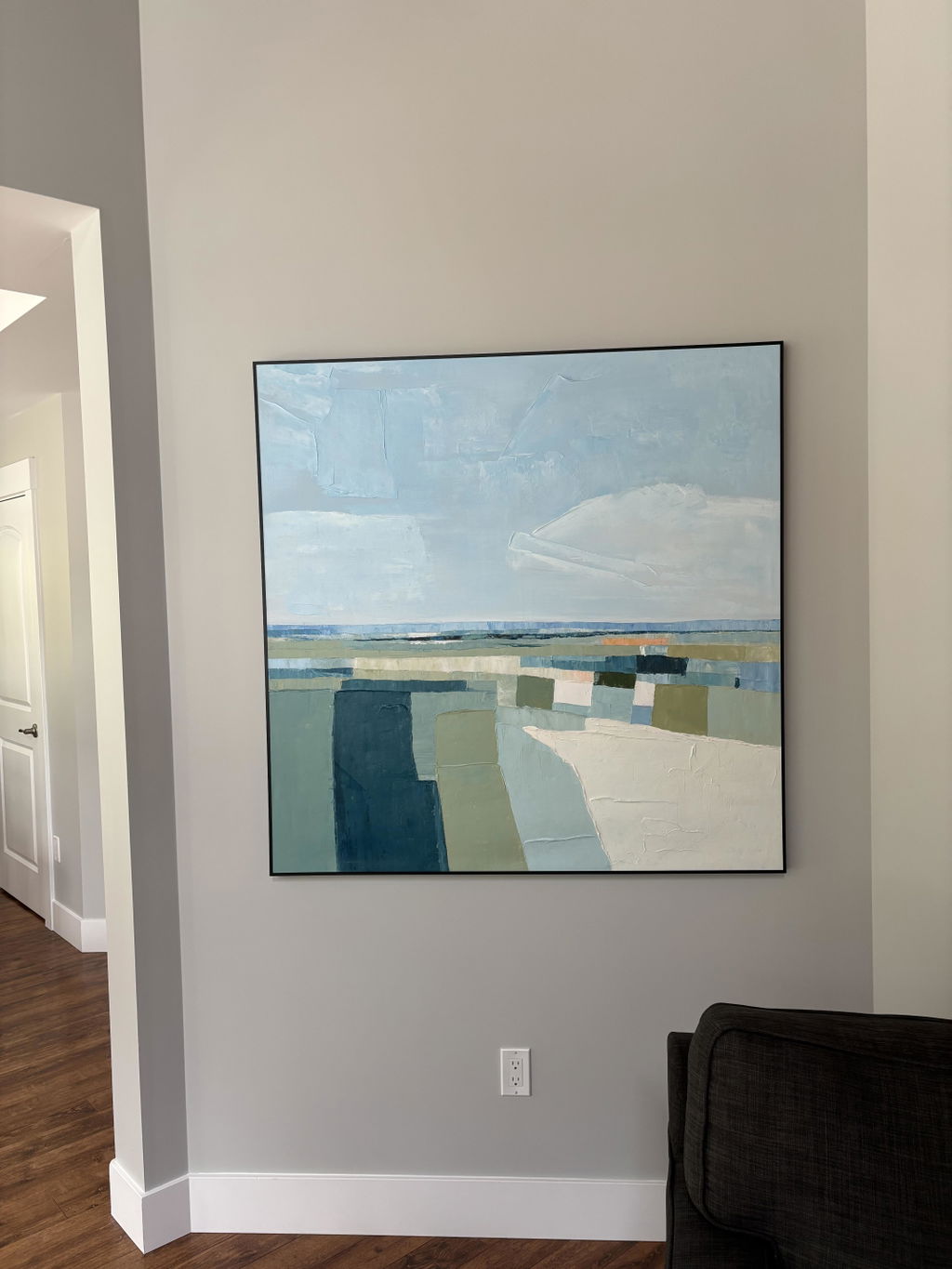
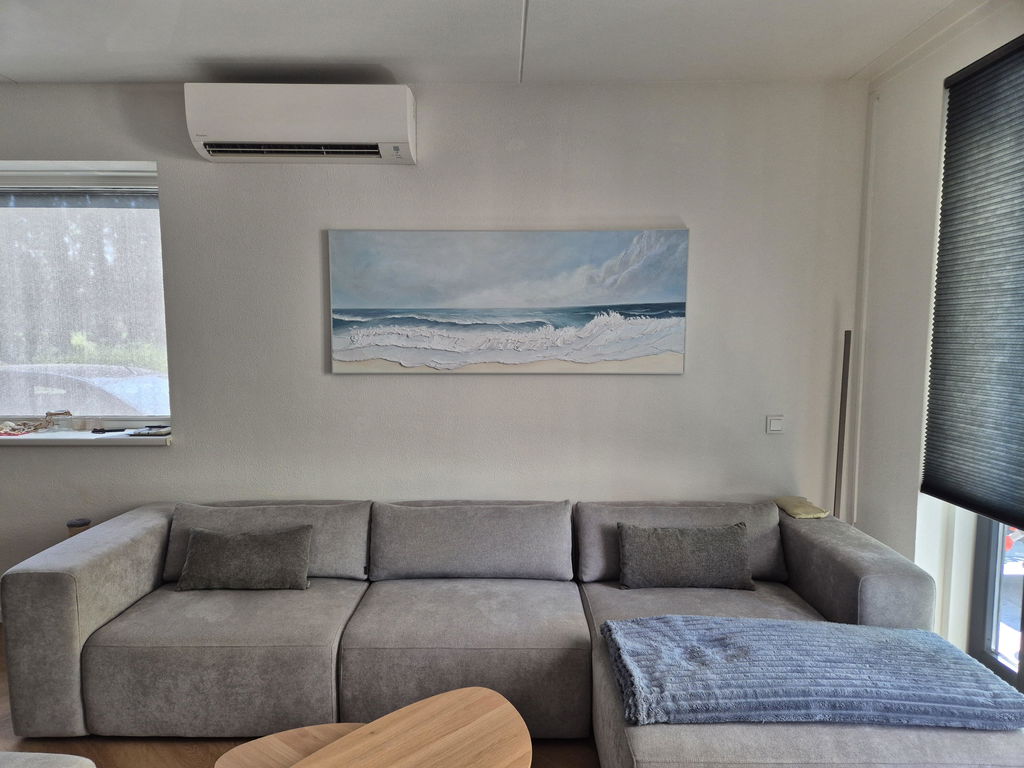
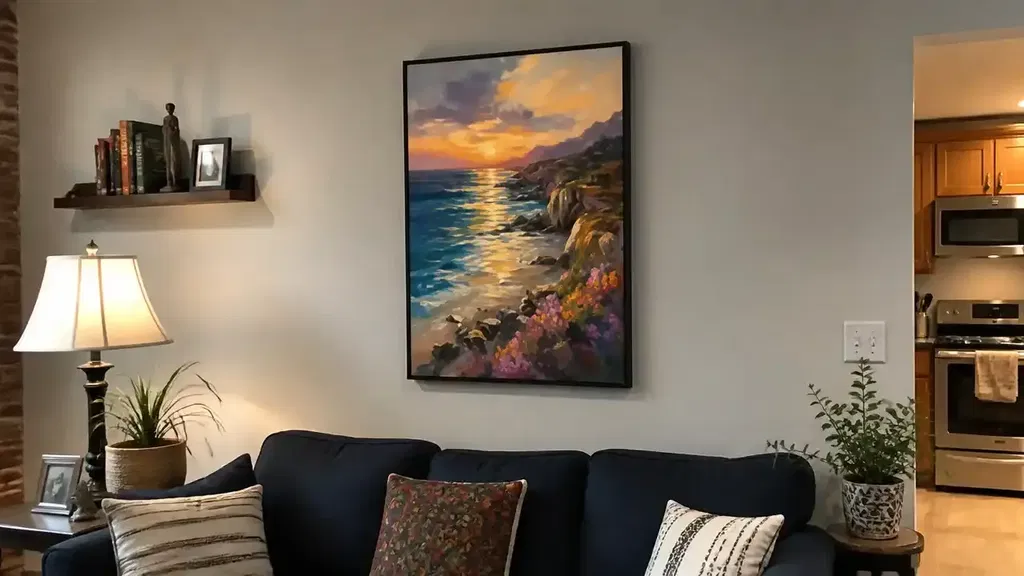
Large-scale ocean paintings are especially effective because they create the feeling of a window opening toward nature.
This illusion can make a room feel larger, brighter, and more connected to the outdoors.

The Growing Popularity of Textured Ocean Wall Art
One of the biggest trends in contemporary wall décor is texture.
Traditional prints reproduce an image.
Textured artwork creates an experience.
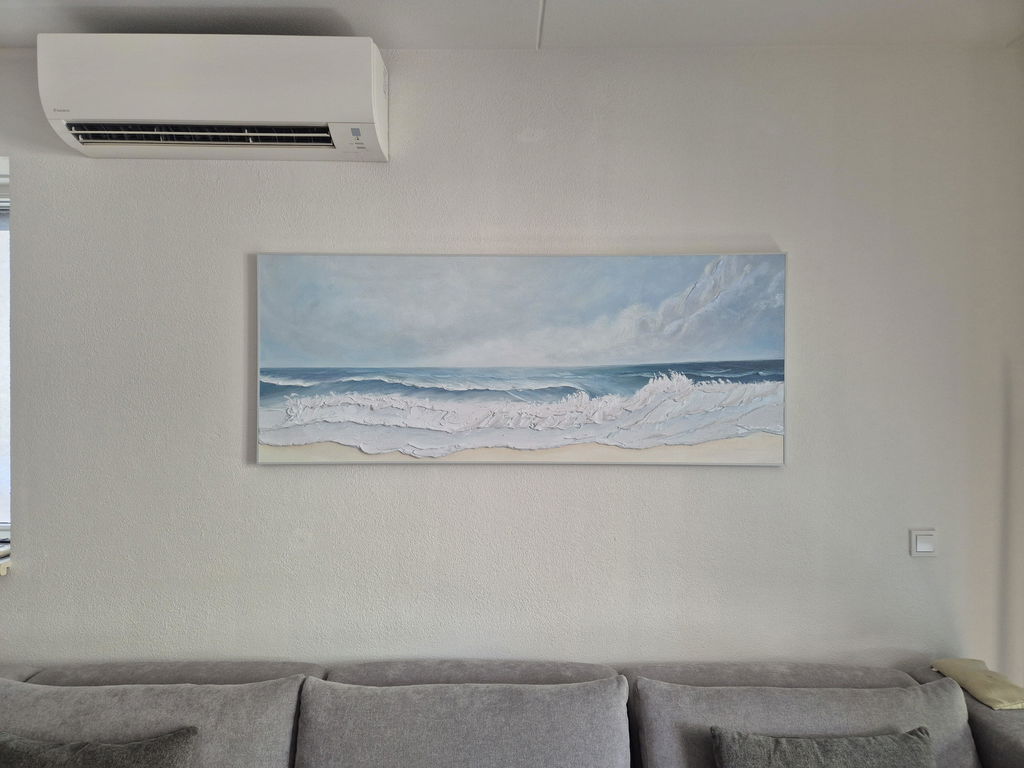
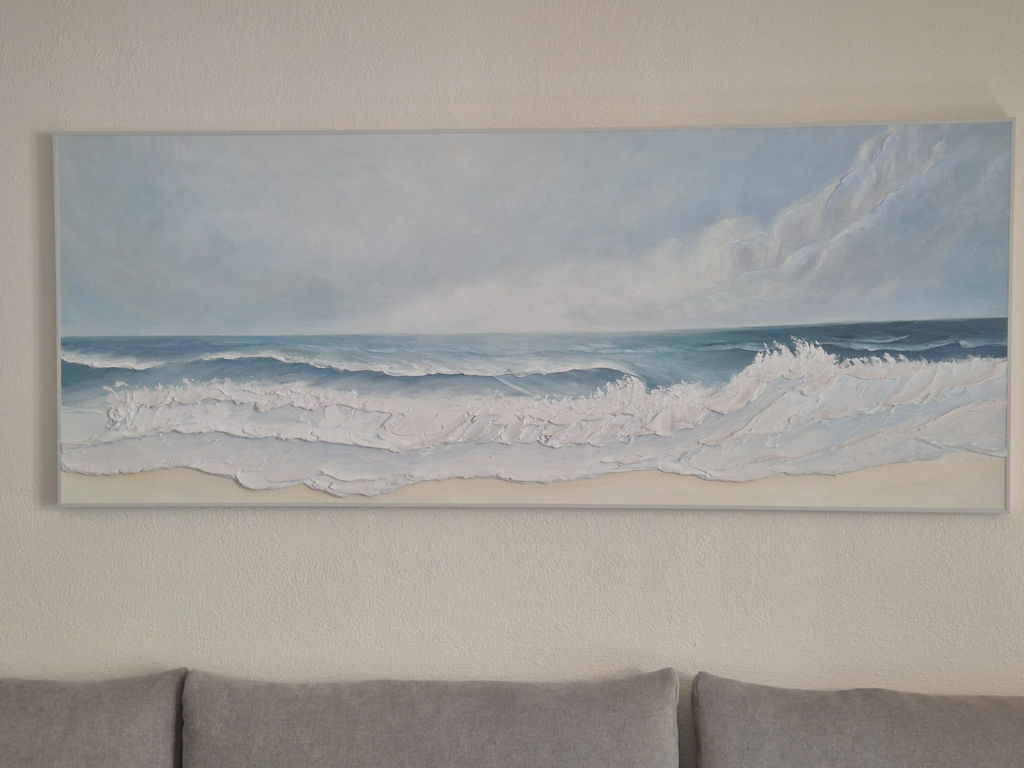
When light hits a hand-painted textured ocean painting, subtle shadows appear across the brushstrokes and layered surfaces.
This creates movement throughout the day.
The artwork changes depending on:
- Natural light
- Viewing angle
- Time of day
- Interior lighting conditions
This dynamic quality is one reason why hand-painted oil paintings often feel more luxurious than standard canvas prints.
| Feature | Textured Ocean Painting | Canvas Print |
|---|---|---|
| Surface Depth | High | None |
| Interaction with Light | Dynamic | Minimal |
| Handmade Character | Yes | No |
| Visual Interest | Strong | Moderate |
| Luxury Appeal | High | Medium |
For homeowners seeking affordable luxury wall décor, textured ocean artwork often delivers the strongest visual impact.
Where Ocean Wall Art Works Best
Although ocean-inspired artwork is often associated with beach houses, designers now use it in many different environments.
Living Rooms
Large wall art for living room spaces often benefits from calming focal points.
Ocean paintings can help anchor the room while maintaining an open, airy feeling.
Bedrooms
Bedrooms are perhaps the most natural setting for ocean artwork.
The calming colors support rest and relaxation while reducing visual clutter.
Home Offices
Remote workers increasingly seek environments that reduce stress.
Blue wall art can help create a more balanced workspace without becoming distracting.
Hospitality Spaces
Hotels, wellness retreats, and spas frequently use ocean imagery because it helps guests feel more relaxed upon arrival.

Choosing the Right Ocean Painting for Your Space
Selecting the right artwork involves more than simply choosing an image you like.
Consider these factors:
| Consideration | Recommendation |
|---|---|
| Large wall | Oversized ocean artwork |
| Small room | Soft minimalist seascapes |
| Modern interior | Abstract ocean paintings |
| Luxury space | Textured oil paintings |
| Neutral décor | Blue and beige compositions |
One common mistake homeowners make is choosing artwork that is too small.
In most cases, larger artwork creates a more immersive experience and a stronger emotional impact.
Why Coastal Wall Art Continues to Grow in Popularity
Interior design trends change constantly.
However, some themes remain relevant because they connect with deeper human needs.
Ocean imagery appeals to something fundamental.
People naturally seek environments that feel:
- Safe
- Open
- Restorative
- Peaceful
- Connected to nature
As modern life becomes increasingly fast-paced and digitally focused, homeowners continue looking for ways to bring those feelings back into their living spaces.
This may explain why ocean wall art remains one of the most enduring categories in contemporary home décor.
Final Thoughts: Bringing the Calm of the Coast Into Your Home
Most people don't choose ocean wall art simply because they like the color blue.
They choose it because of how it makes them feel.
Ocean-inspired artwork brings together color psychology, natural imagery, and timeless design in a way that few other decorative elements can achieve.
Whether you're designing a peaceful bedroom, upgrading a living room, or creating a more balanced workspace, the right ocean painting can transform not only how a room looks—but how it feels.
Ready to Bring Coastal Calm Into Your Space?
Explore our collection of hand-painted ocean wall art, textured wave paintings, and large coastal artwork designed to create a sense of depth, tranquility, and timeless sophistication.
Looking for something unique? Request a custom ocean-inspired oil painting tailored to your space, color palette, and design vision.

FAQs about Ocean Wall Art Calm
Q1. Does Ocean Wall Art Really Make a Room Feel Calmer?
While artwork cannot change a room physically, color psychology and nature-inspired imagery have been shown to influence emotional perception and overall mood.
Q2. What Colors Work Best With Ocean Artwork?
Neutral tones such as beige, cream, sand, white, and light gray pair particularly well with ocean-inspired paintings.
Q3. Are Textured Ocean Paintings Worth It?
Many homeowners prefer textured paintings because they add depth, movement, and a more premium appearance than flat prints.
Q4. Where Should Ocean Wall Art Be Placed?
Living rooms, bedrooms, offices, and hospitality spaces are among the most popular locations.
Q5. Is Ocean Wall Art Only for Coastal Homes?
Not at all. Ocean-inspired artwork works equally well in urban apartments, contemporary homes, and modern minimalist interiors.