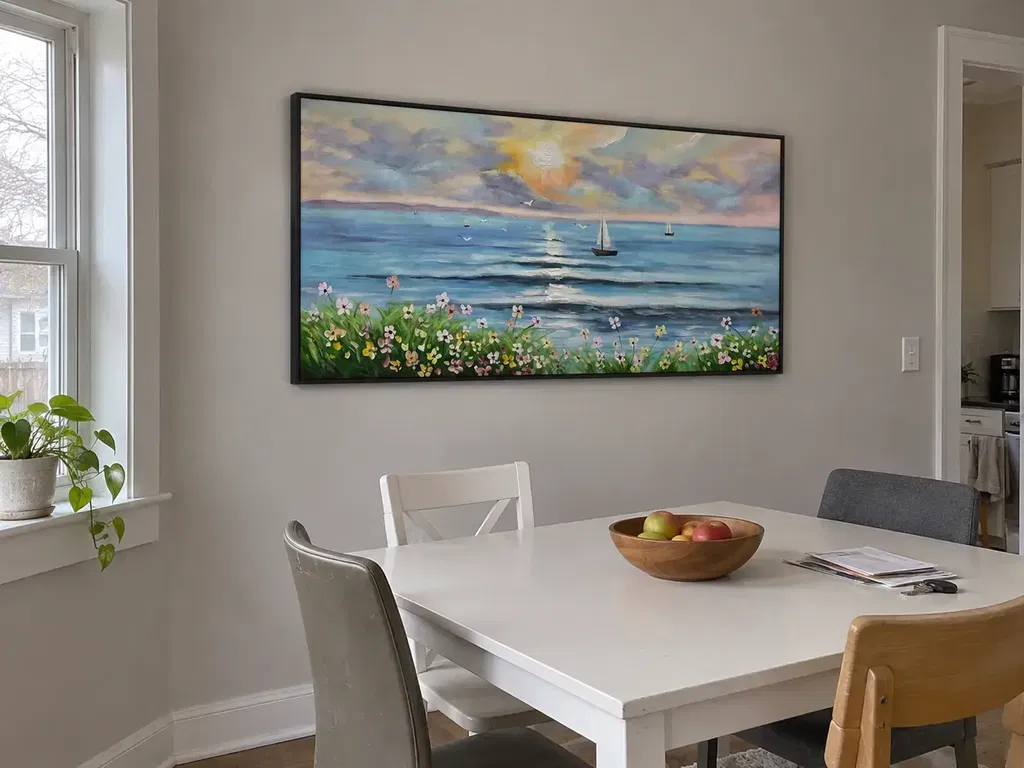
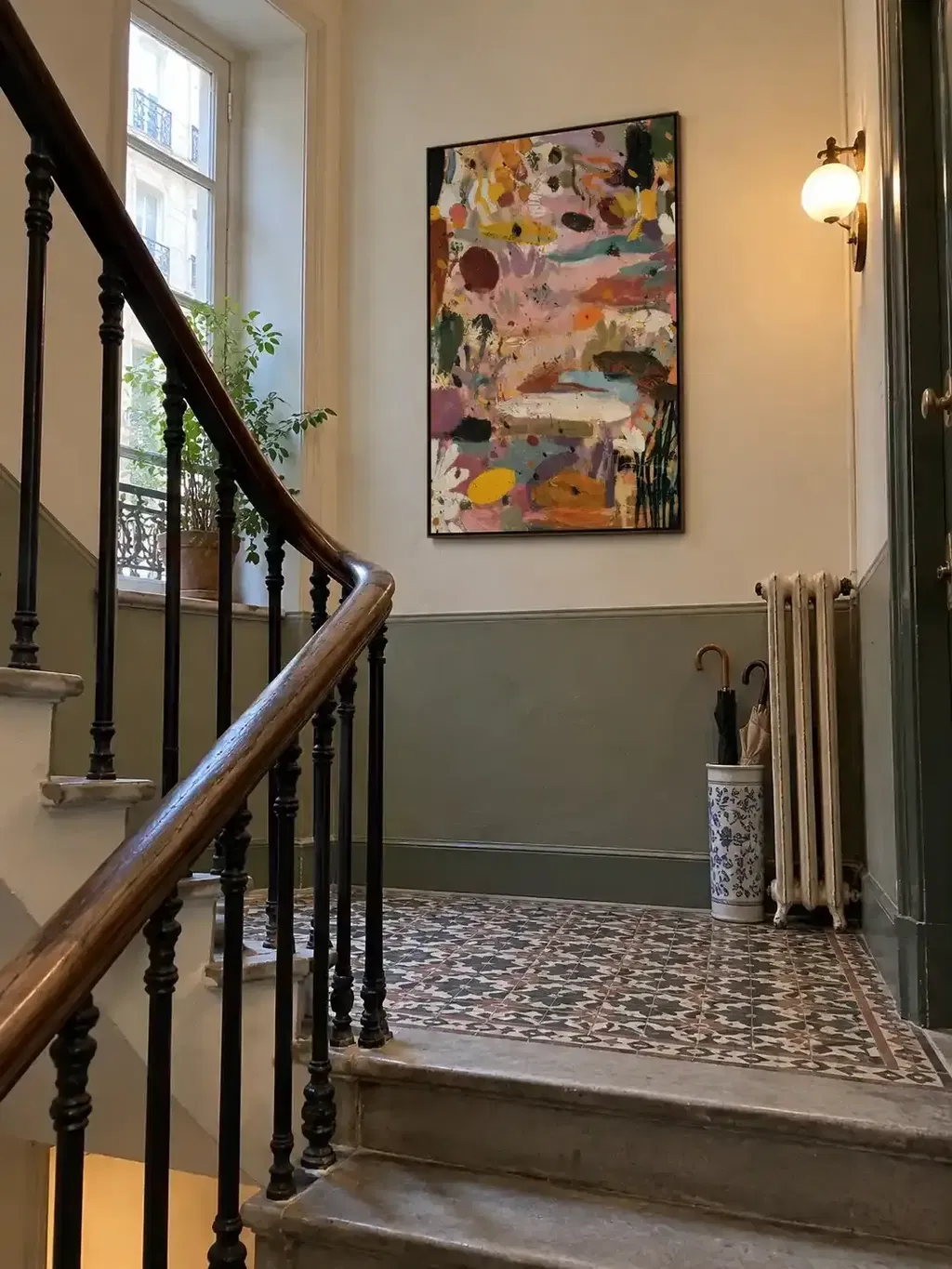
Have you ever noticed that some artwork seems to look different every time you see it?
A painting that feels soft in the morning can look deeper in the afternoon. The same piece can feel warmer and more dramatic under evening light. It happens because the surface of the artwork interacts with the light around it.
This is the unique quality of textured wall art.
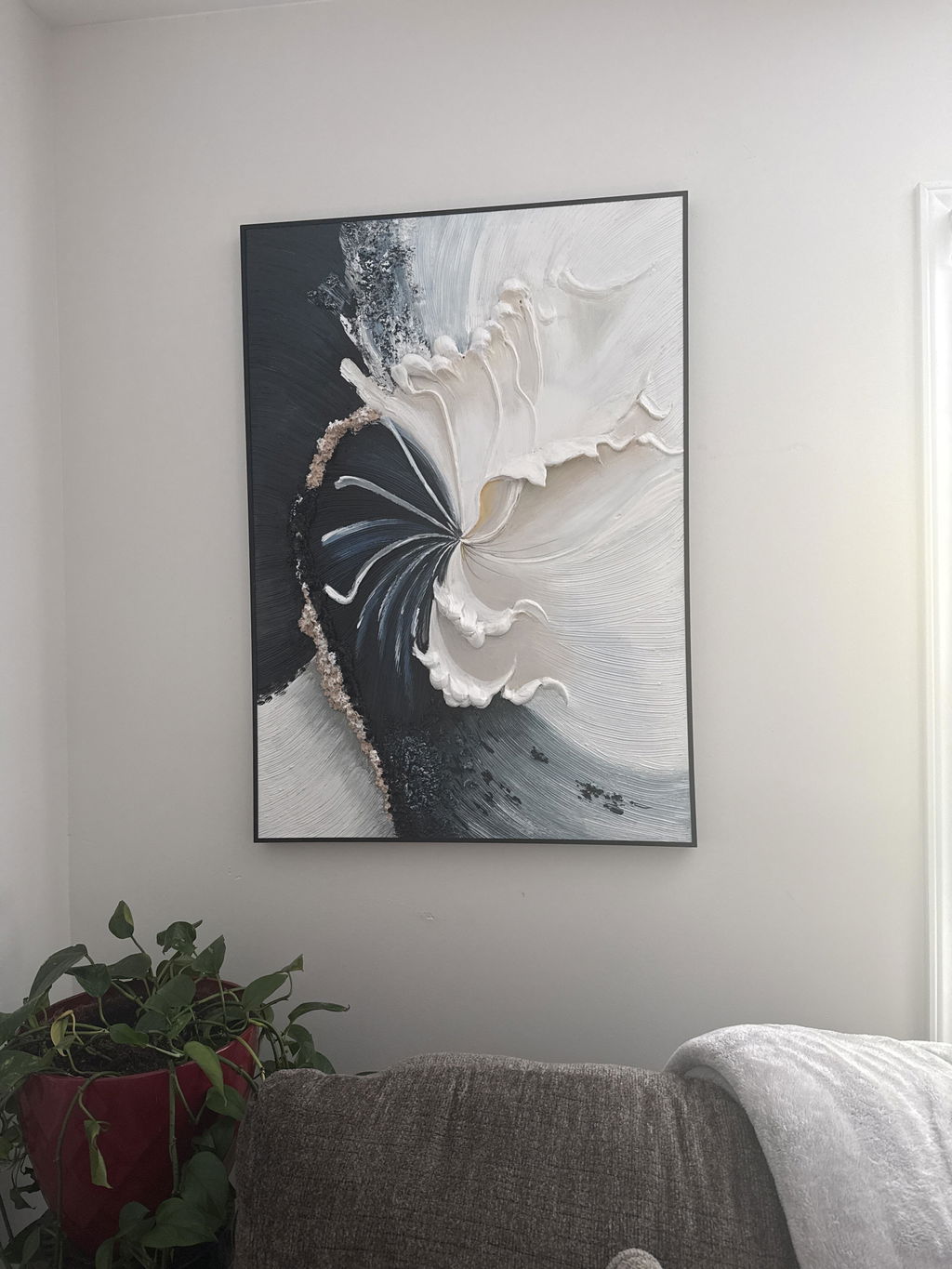
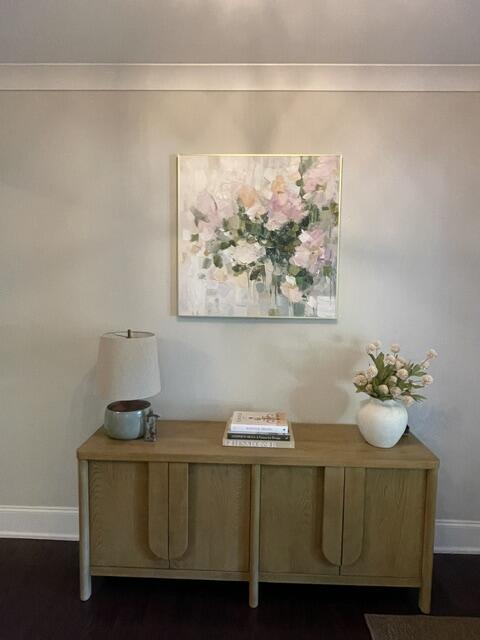
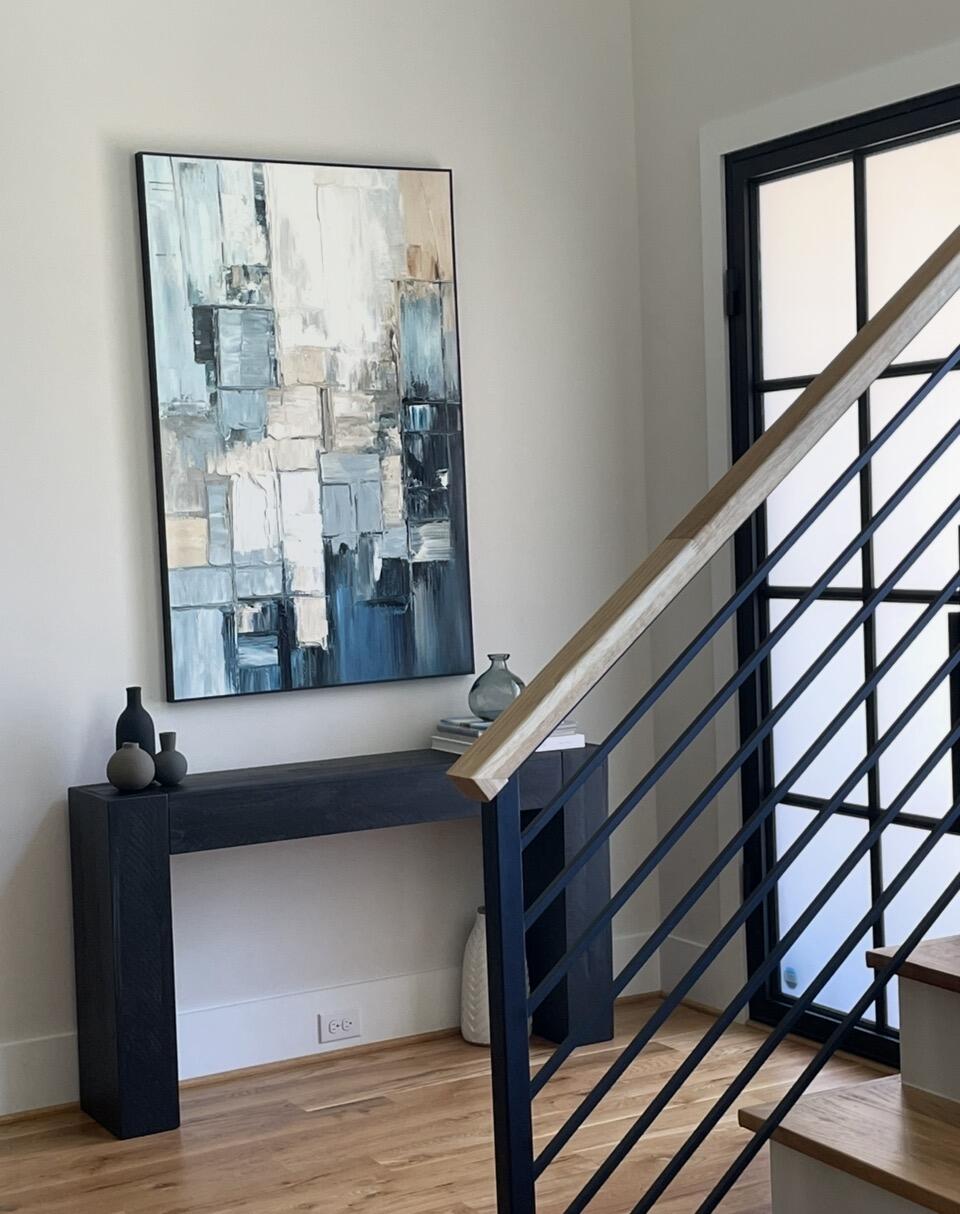
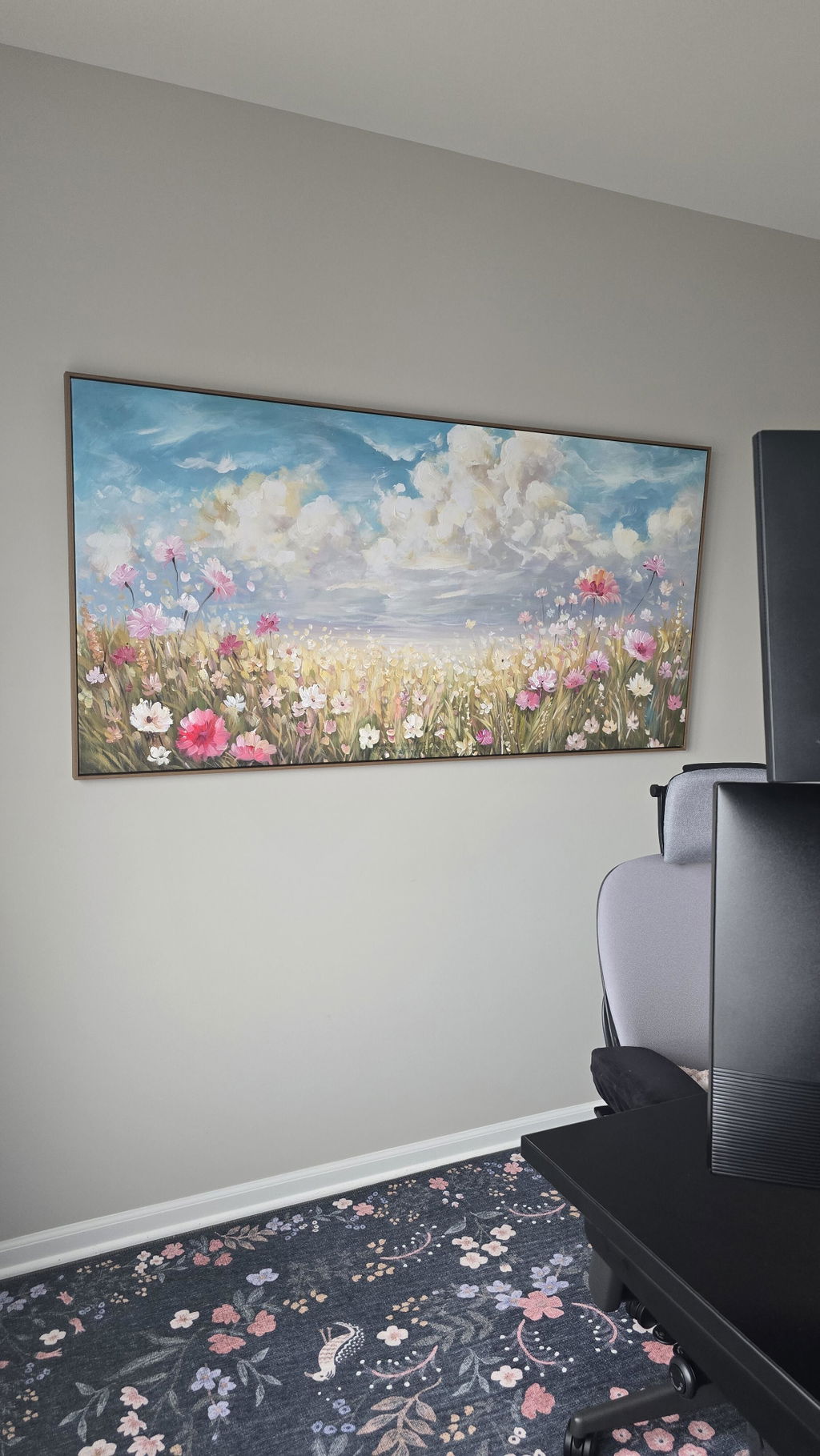
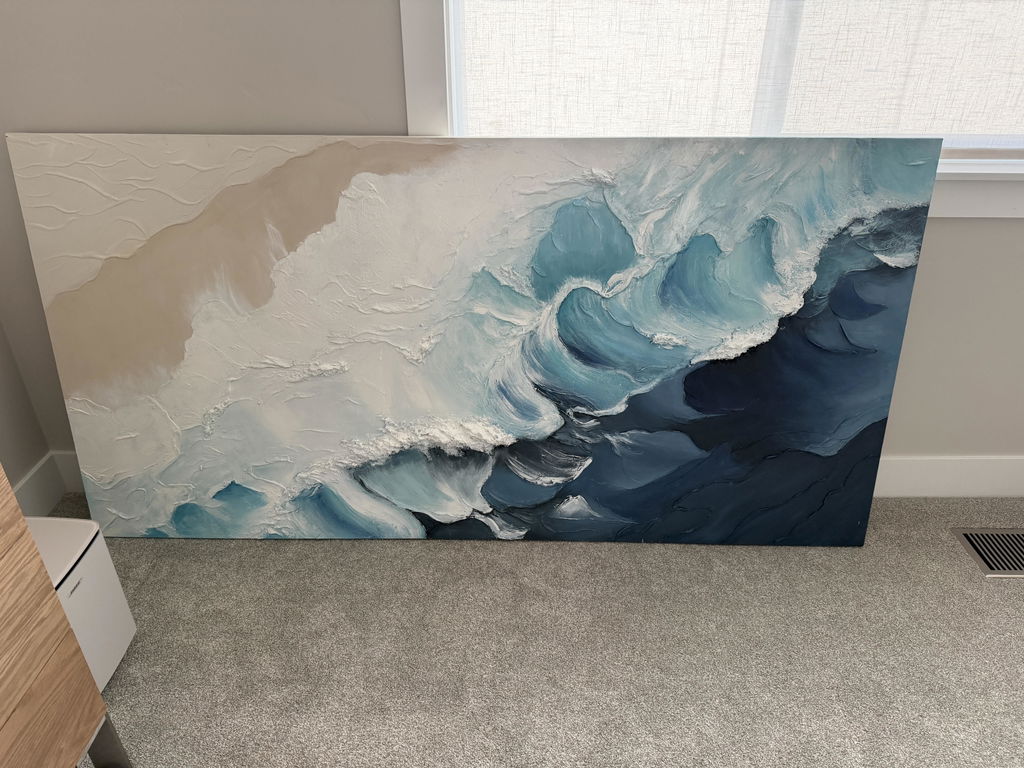
Unlike a traditional print, a hand-painted textured artwork has a physical surface. The paint creates height, shadows, and small variations that respond to natural and artificial light throughout the day. The artwork becomes part of the room rather than simply something placed on the wall.
That is why many designers choose textured paintings for spaces where they want depth, warmth, and a stronger emotional connection.

The Difference Between a Flat Image and a Physical Surface
A printed canvas can reproduce an image with impressive accuracy. Colors can be vibrant, details can be sharp, and the artwork can still create a beautiful visual statement.
However, the surface remains unchanged.
The light hits the print in almost the same way every time because there is no physical variation for shadows or highlights to interact with. The visual appearance changes far more subtly throughout the day because the surface remains relatively flat.
A textured painting works differently because the surface itself becomes part of the composition.
Raised brushstrokes catch light from different angles. Thicker areas of paint create subtle shadows. Palette knife marks reveal details that may not be visible when viewed from across the room.
Instead of only looking at an image, you begin to notice the material, movement, and craftsmanship behind the artwork.
Morning Light Reveals Subtle Layers
Morning light is usually softer and more gentle, which allows the quieter details of a textured painting to appear.
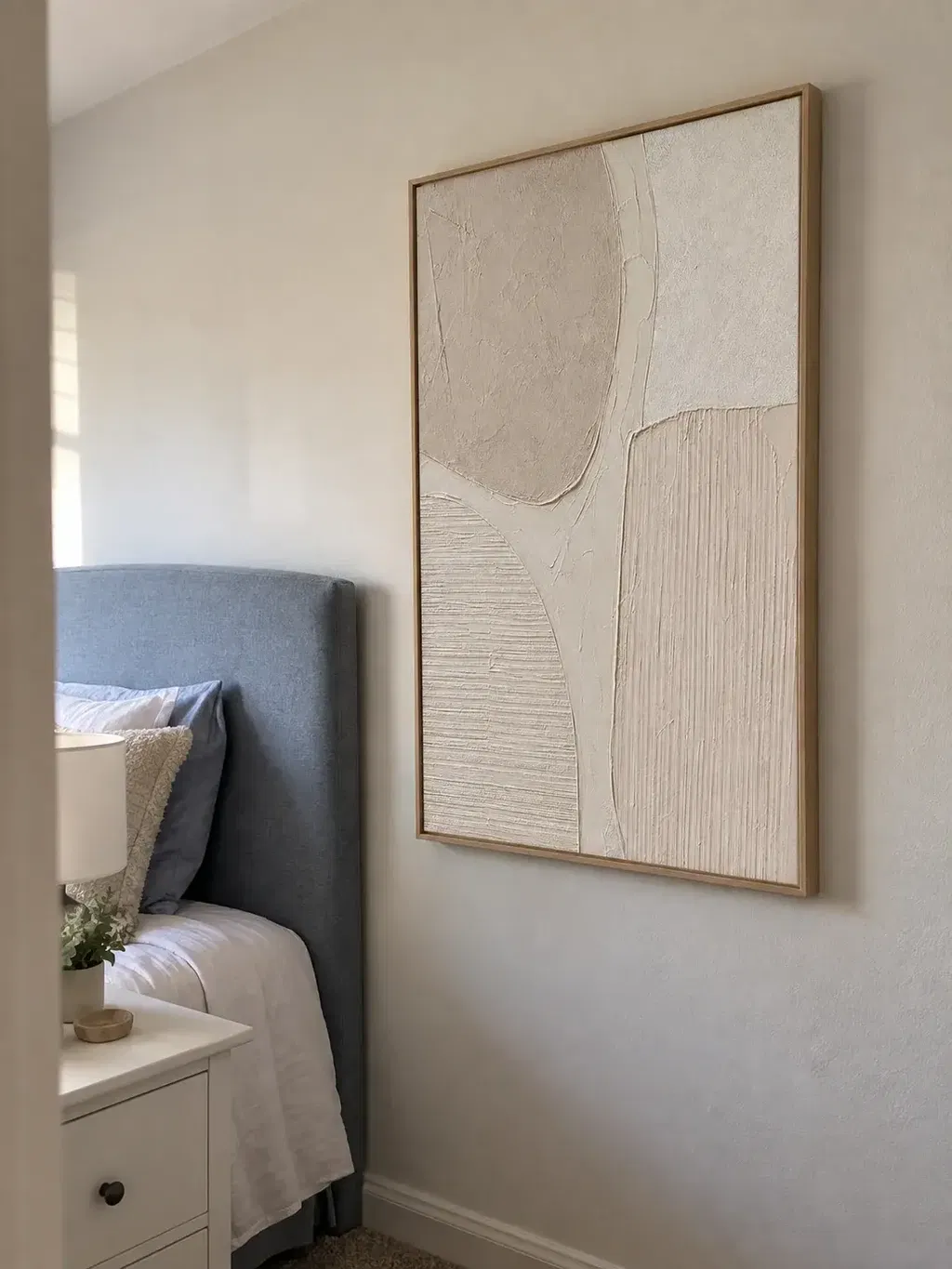
Neutral abstract artwork, especially pieces using beige, white, grey, or earth tones, often changes the most during this time. From a distance, the painting may appear simple, but closer viewing reveals layers of paint, overlapping strokes, and variations in texture.
This is one reason minimalist interiors often use textured wall art. When a room has clean lines and a calm color palette, texture prevents the space from feeling empty or one-dimensional.
The artwork adds depth without introducing unnecessary visual noise.
Afternoon Light Creates Shadows and Movement
As the sun moves across the room, the relationship between light and the artwork begins to change.
This is when heavily textured paintings often become more expressive. The raised surface starts creating small shadows, and areas of thicker paint begin to stand out. A painting that looked quiet earlier in the day can suddenly feel more dynamic.
The interesting part is that the artwork itself has not changed.
The environment has changed.
This creates a different experience every time you pass by the piece, which is something a flat reproduction rarely provides.
For large living rooms, this quality is especially valuable because oversized artwork occupies a significant visual area. A textured surface gives the wall more life and prevents a large painting from feeling static.
Evening Lighting Changes the Mood Completely
The atmosphere of a room changes after sunset.
Natural daylight disappears, warmer interior lighting takes over, and textured artwork begins to create a different impression. A picture light above a painting can highlight the raised areas, emphasizing brushwork and adding depth to the surface.
This is why textured paintings are often used in living rooms, bedrooms, and dining areas where atmosphere matters.
The artwork becomes connected to the experience of the space.
During the day, it may feel bright and natural.
In the evening, it may feel richer and more intimate.
The same piece can support different moods without needing to be replaced.
Why Texture Has Become More Important in Modern Interiors
Many modern homes use neutral colors, simple furniture, and minimal decoration. These styles create a clean and peaceful environment, but they can sometimes lack warmth if every surface is flat.
Texture solves this problem.
A linen sofa, a wooden table, a stone surface, and a textured painting all create layers that make a room feel more complete.
This is why hand-painted wall art has become increasingly popular in contemporary, minimalist, Japandi, and luxury interiors. It adds character without making the space feel crowded.
The goal is not to add more decoration.
The goal is to introduce materials that create a richer experience.
The Craft Behind Hand-Painted Textured Artwork
Another reason textured artwork feels different is the presence of the artist's process.
With a printed canvas, every copy looks exactly the same.
With a hand-painted piece, the surface carries evidence of how it was created. Brush movements, paint thickness, and small variations become part of the final artwork.
These details give the painting a sense of individuality.
A viewer may not consciously analyze these differences, but they often contribute to why handmade artwork feels more authentic and personal.
The value is not only in what the painting shows.
It is also in how it was made.
How to Choose Textured Wall Art for Your Space
The right textured artwork should work with the room rather than compete with it.
Consider the relationship between the painting and the surrounding elements:
| Element | What to Consider |
|---|---|
| Wall Color | Light walls highlight contrast, while dark walls emphasize depth |
| Lighting | Side lighting reveals more texture and brushwork |
| Furniture Size | Larger furniture usually needs artwork with stronger visual presence |
| Room Style | Abstract textures suit modern, minimalist, and transitional interiors |
A successful piece feels like it belongs in the space from the beginning.
It should complement the room's atmosphere while still bringing something unique.
Art That Lives With Your Home
The most interesting artwork is not always the artwork that looks the same every time.
Sometimes the pieces we connect with most are the ones that continue revealing something new.
Textured wall art creates that experience because it changes with its surroundings. Morning light, afternoon shadows, and evening warmth all become part of the way the painting is viewed.
A print decorates a wall.
A textured painting becomes part of the room.
That difference is what makes handmade artwork feel timeless.

FAQs about Textured Wall Art Design
Q1. Does Textured Wall Art Look Different From Every Viewing Angle?
Yes. Because textured paintings have raised brushstrokes and uneven surfaces, they can reveal different highlights and shadows as you move around the room. This subtle variation gives the artwork a more dynamic appearance than a flat image.
Q2. Can Textured Wall Art Work in Rooms With Limited Natural Light?
Absolutely. While daylight brings out natural texture, carefully positioned wall sconces, picture lights, or adjustable spotlights can highlight the surface just as effectively. The key is directing light across the painting rather than straight at it.
Q3. What Interior Styles Pair Best With Textured Wall Art?
Textured artwork is surprisingly versatile. It complements contemporary, minimalist, Japandi, Scandinavian, modern farmhouse, and even transitional interiors because texture adds visual interest without relying on bold colors or busy patterns.
Q4. How Much Texture Should I Choose?
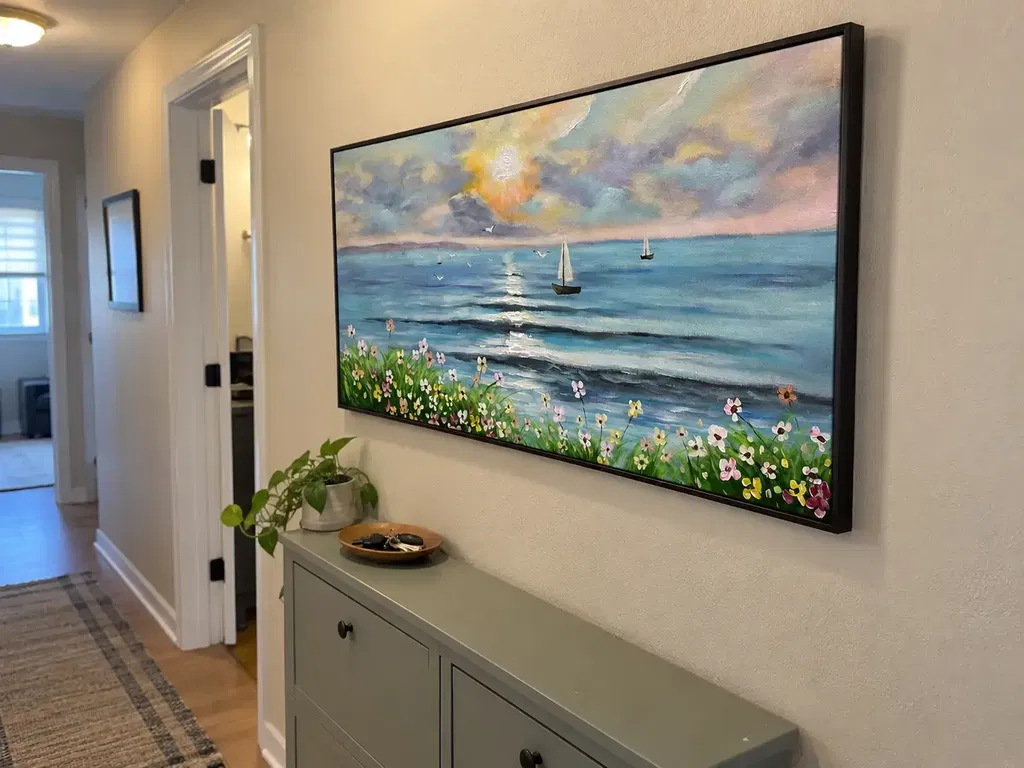
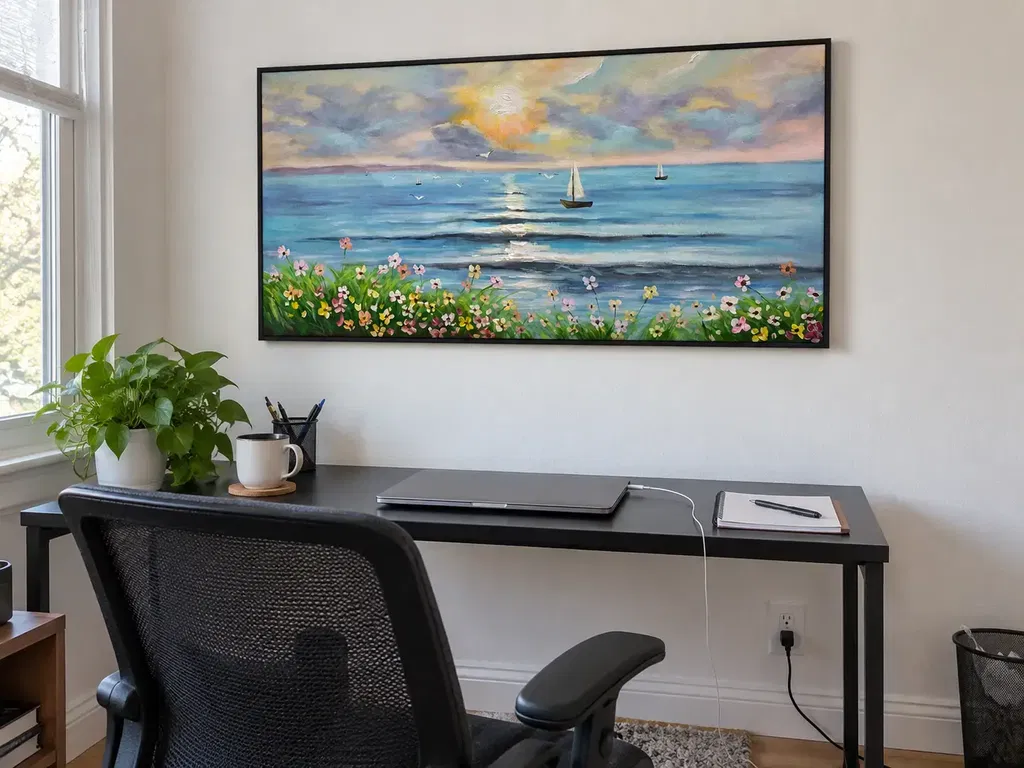
That depends on the room. Subtle texture often works well in bedrooms and home offices where a calmer atmosphere is preferred, while heavier impasto or palette knife paintings can create a stronger statement in living rooms, entryways, or dining spaces.
Q5. Can Textured Wall Art Be the Only Decorative Feature on a Wall?
Yes. A large textured painting often has enough visual presence to stand on its own. In many modern interiors, one oversized artwork creates a cleaner and more sophisticated result than combining multiple smaller decorative pieces.
Q6. Does Textured Wall Art Suit Both Large and Small Rooms?
Yes. The scale of the painting should match the size of the wall, but texture itself works in almost any room. A smaller textured piece can add depth to a compact space, while an oversized painting can become the focal point of a larger room without making it feel cluttered.