A Shift Is Happening in Home Décor
For years, canvas prints dominated the wall art market.
They were affordable, easy to order online, and available in virtually every style imaginable. Whether decorating a first apartment or furnishing an entire home, canvas prints became the default solution for filling empty walls.
But in recent years, something has started to change.
Interior designers, homeowners, and even hospitality brands are increasingly moving away from mass-produced prints and investing in hand-painted oil paintings instead.
This shift isn't simply about spending more money.
It's about creating spaces that feel more personal, more sophisticated, and more authentic.
As homeowners become more intentional about the way their homes look and feel, artwork is no longer viewed as an afterthought. It has become a defining element of interior design.
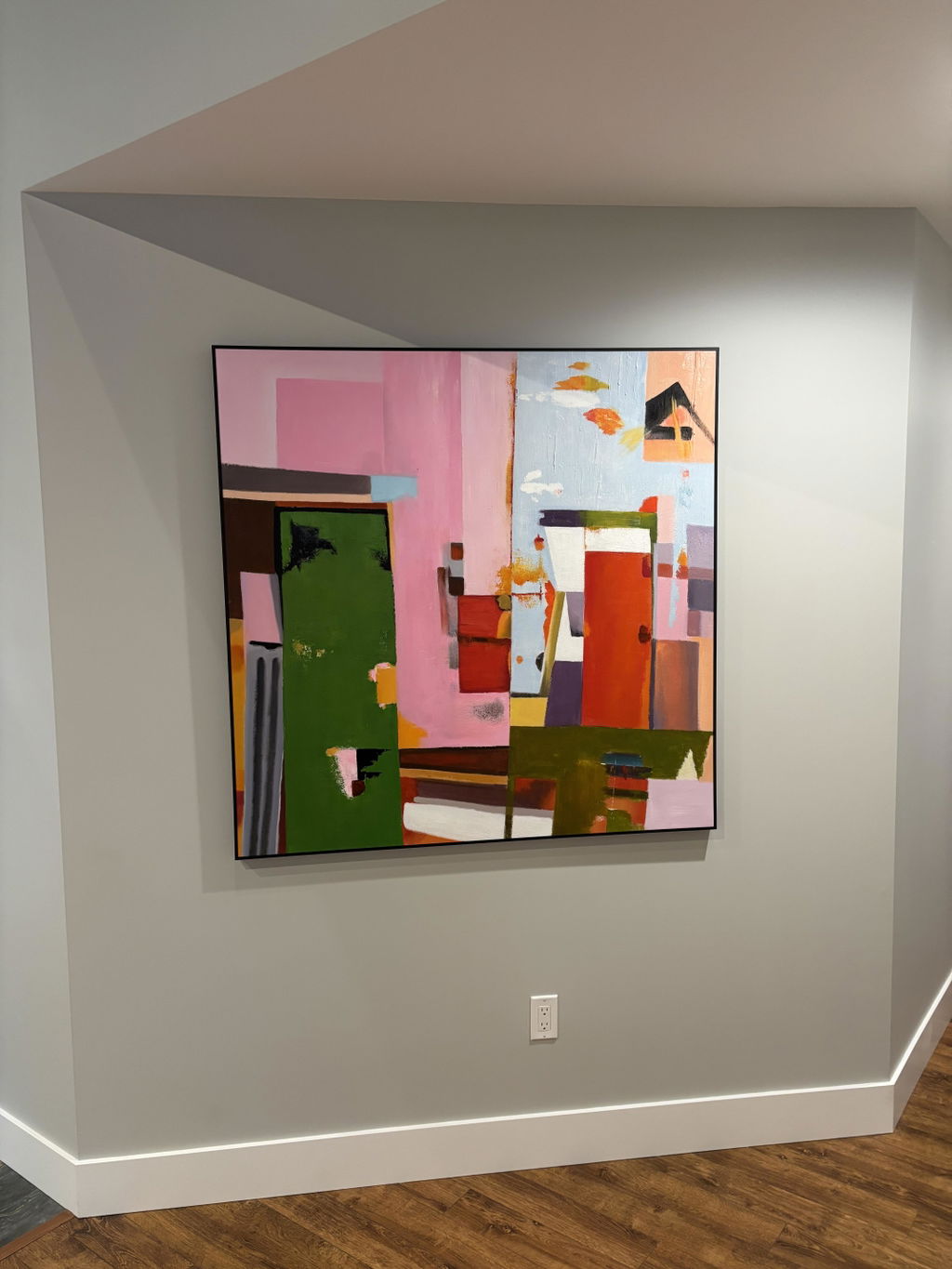
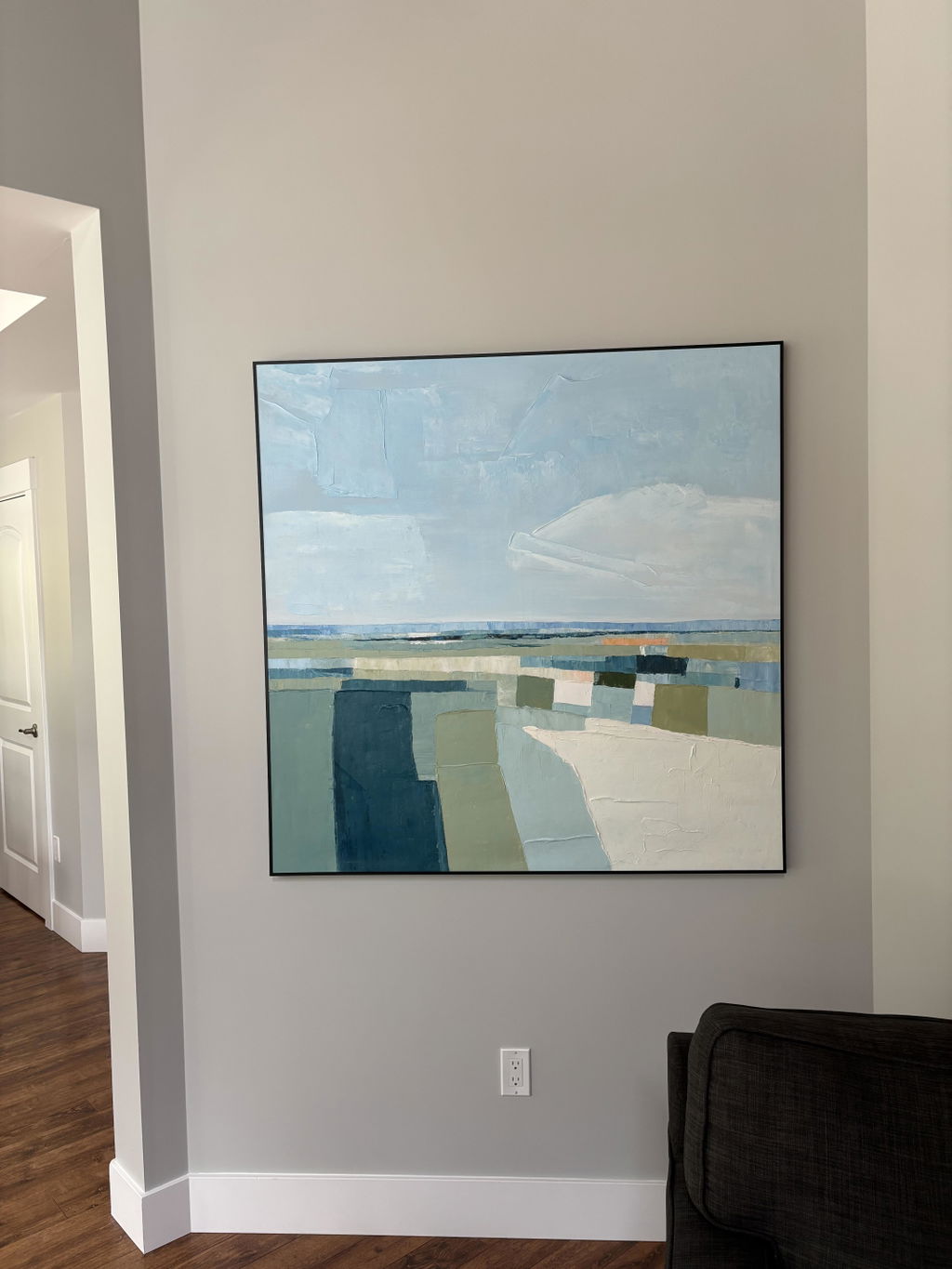
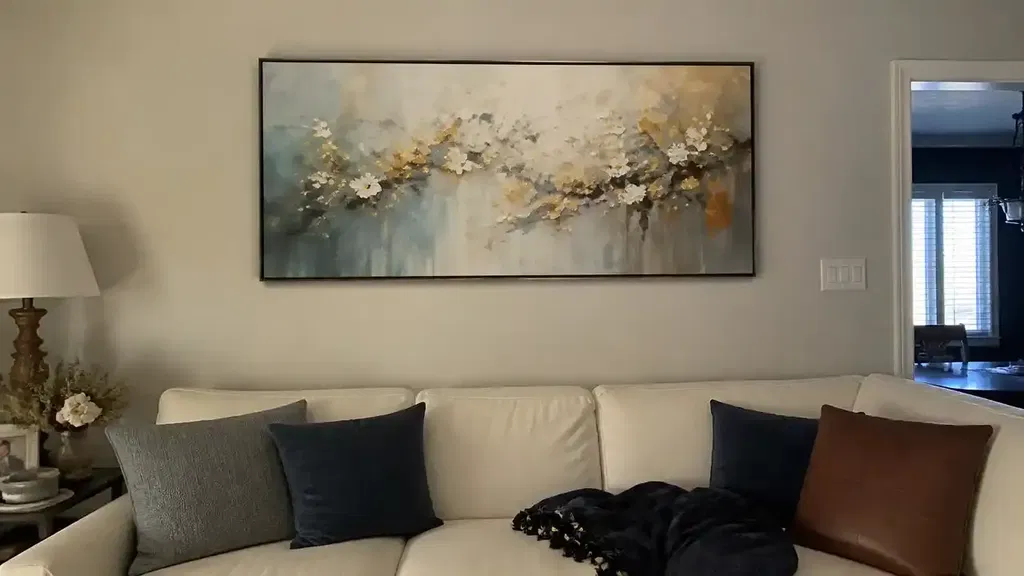
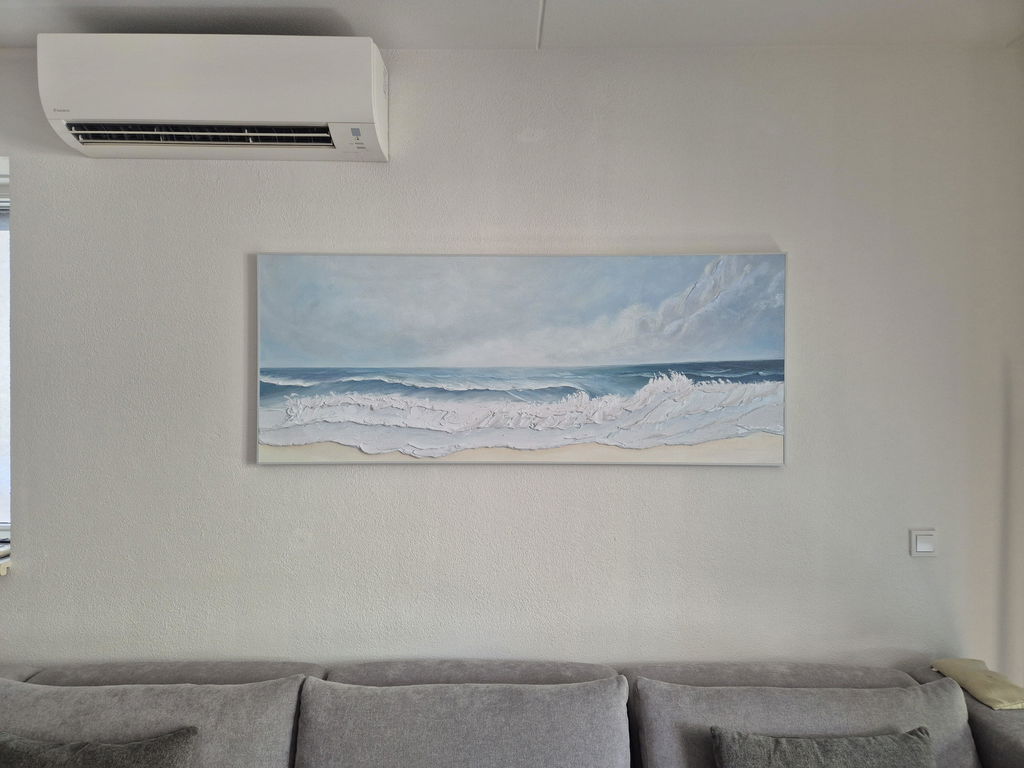
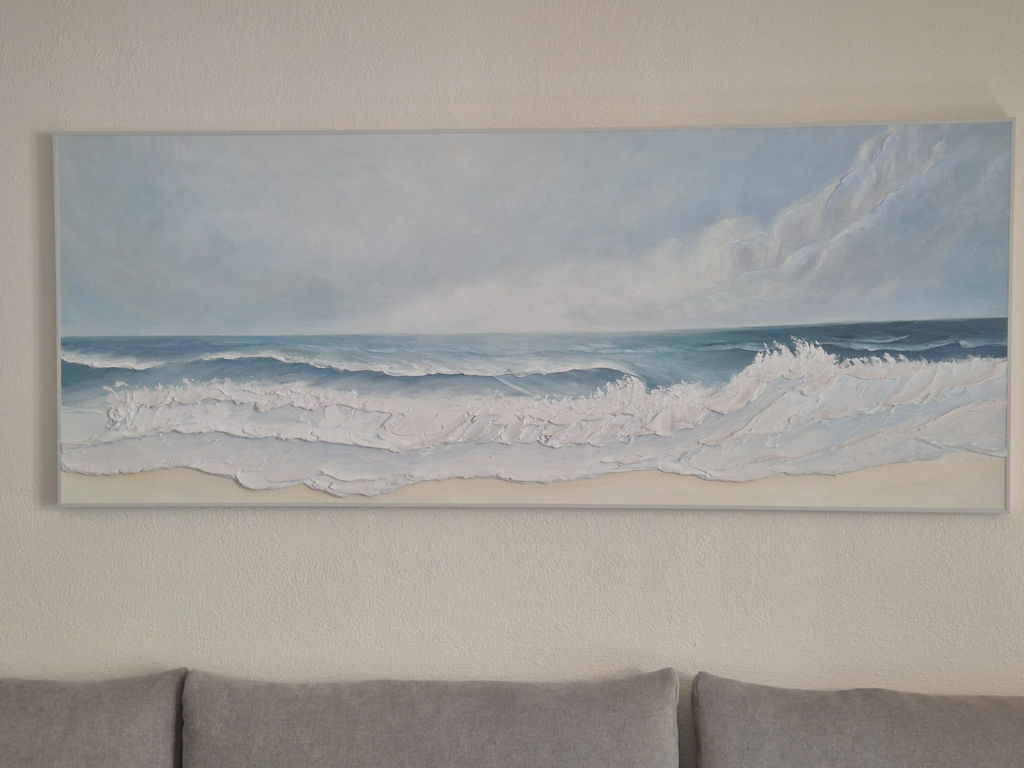
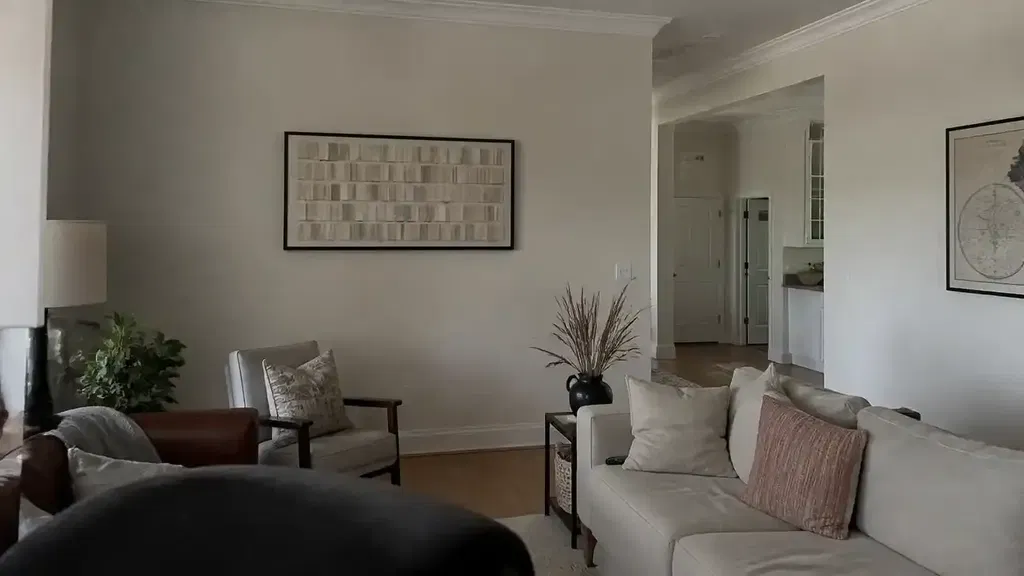
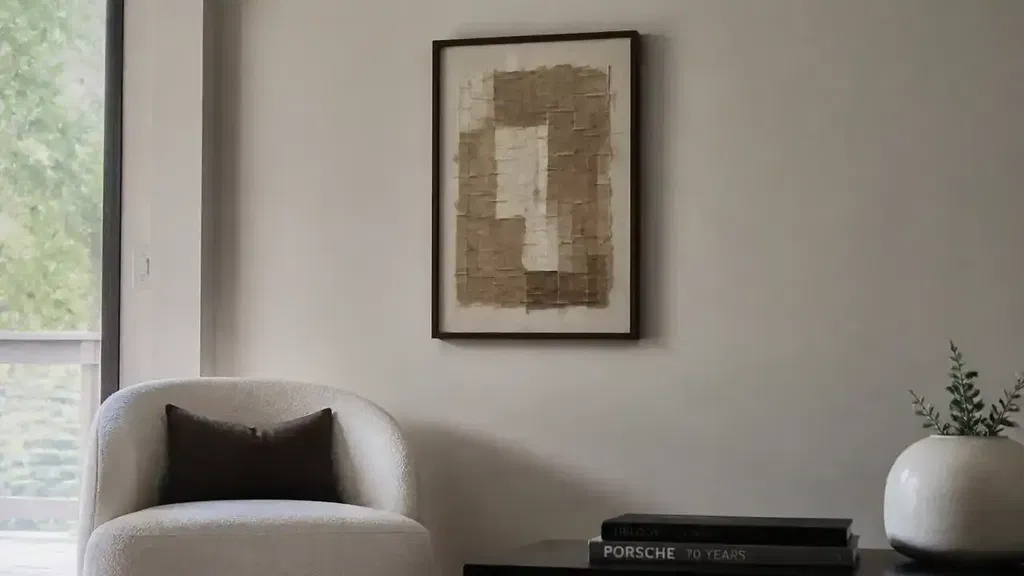
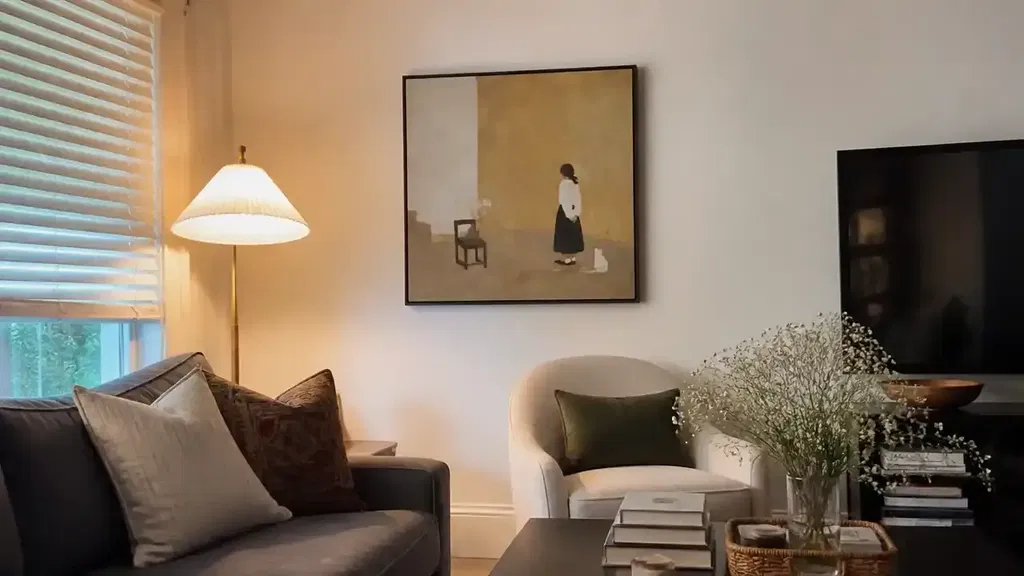
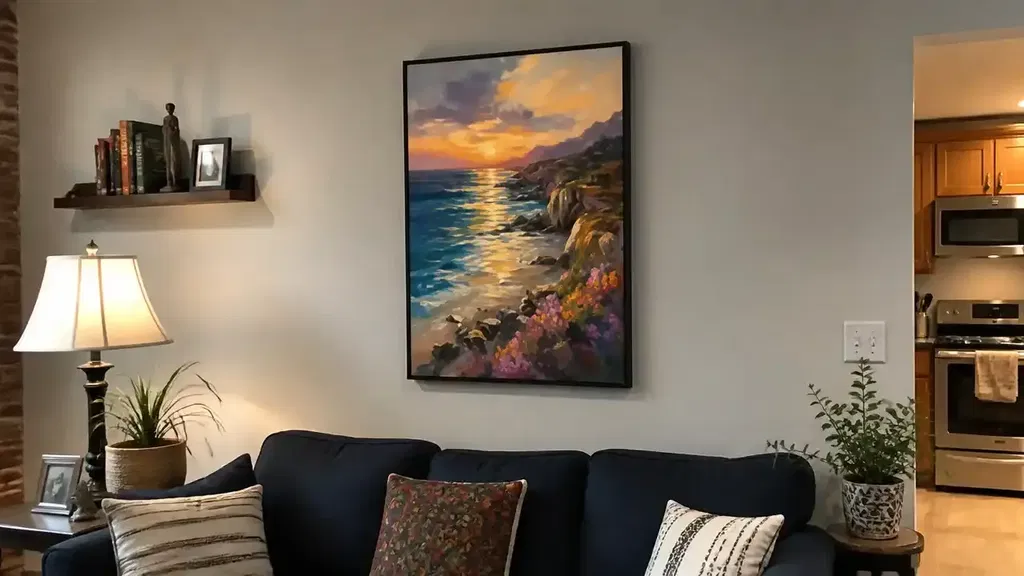
The growing popularity of textured wall art and hand-painted oil paintings reflects this change.

The Problem With Mass-Produced Canvas Prints
Canvas prints serve a purpose.
They offer an accessible way to decorate a space and can be an excellent option for temporary interiors, rental properties, or budget-conscious projects.
However, as homeowners spend more time in their homes, many begin to notice their limitations.
Unlike original artwork, canvas prints are reproductions.
Thousands—or even tens of thousands—of people may own the exact same image.
Over time, this can make a space feel generic rather than personal.
Designers often describe this issue as the difference between decorating a room and curating a room.
One focuses on filling space.
The other focuses on creating character.
Why Hand-Painted Oil Paintings Feel Different
The appeal of hand-painted artwork goes beyond appearance.
It involves texture, craftsmanship, uniqueness, and emotional connection.
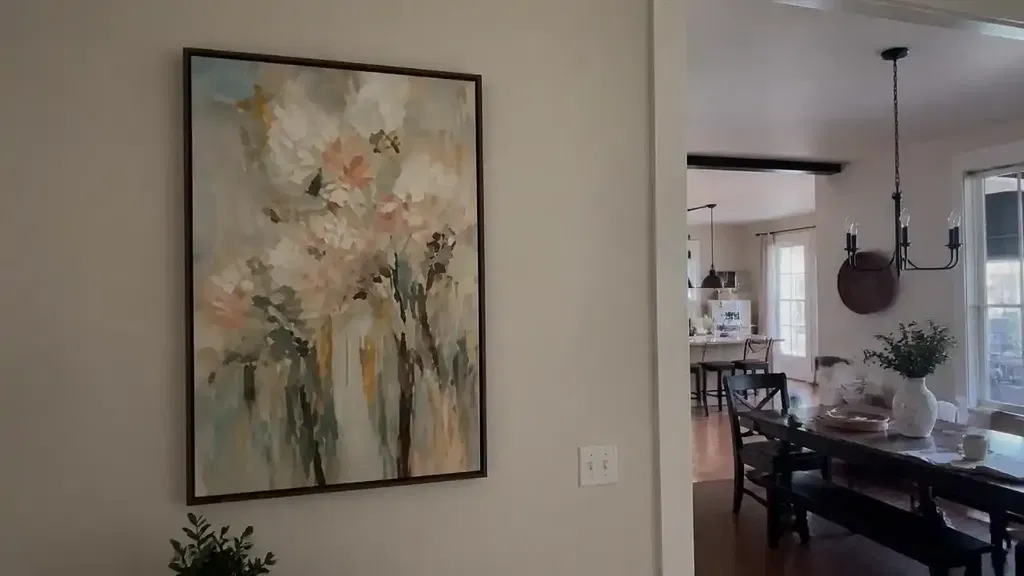
A hand-painted oil painting contains evidence of the artist's process:
- Visible brushstrokes
- Layered paint application
- Subtle imperfections
- Texture variations
- Individual artistic decisions
These qualities cannot be fully replicated through printing technology.
As a result, the artwork feels alive.
Rather than simply displaying an image, it introduces depth and physical presence into a room.
Many homeowners describe the difference as similar to comparing handcrafted furniture with factory-made furniture.
Both serve a purpose, but one carries a stronger sense of artistry.

Canvas Prints vs Hand-Painted Oil Paintings
While both options can enhance a space, their characteristics are very different.
| Feature | Canvas Prints | Hand-Painted Oil Paintings |
|---|---|---|
| Texture | Flat Surface | Real Dimensional Texture |
| Originality | Reproduced Design | Unique Artistic Work |
| Visual Depth | Limited | Rich and Dynamic |
| Light Interaction | Minimal | Changes Throughout the Day |
| Craftsmanship | Machine Produced | Handmade |
| Emotional Value | Moderate | High |
| Luxury Appeal | Moderate | High |
| Long-Term Ownership | Decorative | Collectible |
The difference becomes especially noticeable in larger spaces where artwork plays a major role in the overall design.
The Rise of Texture in Modern Interior Design
One of the strongest interior design trends over the last few years has been the return of texture.
Minimalist spaces remain popular, but homeowners increasingly seek ways to add warmth and visual interest without creating clutter.
Textured artwork solves this challenge beautifully.
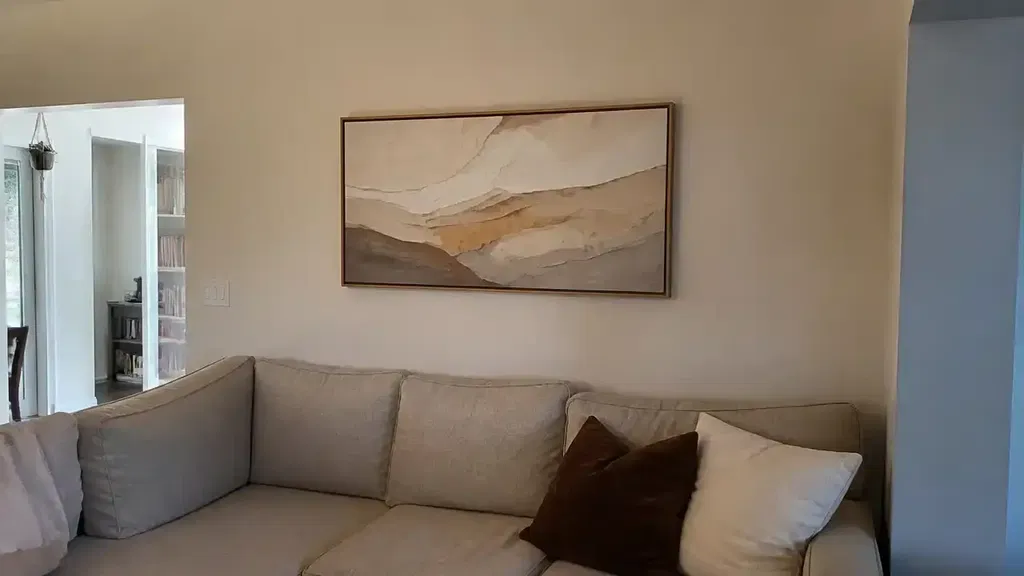
Large textured wall art introduces:
- Depth
- Movement
- Shadow
- Character
- Craftsmanship
Unlike decorative accessories that occupy physical space, artwork creates visual richness without adding clutter.
This is one reason textured oil paintings have become a favorite among interior designers working on luxury homes, boutique hotels, and contemporary apartments.
Why Designers Rarely Use Prints in Luxury Projects
Luxury interiors are built around uniqueness.
Whether selecting furniture, lighting, or artwork, designers typically look for pieces that feel curated rather than mass-produced.
This is especially true when choosing wall art.
In high-end residential projects, artwork often serves as the focal point of an entire room.
Because of this, designers frequently prioritize:
| Designer Priority | Why It Matters |
|---|---|
| Originality | Creates individuality |
| Texture | Adds sophistication |
| Scale | Establishes presence |
| Craftsmanship | Enhances perceived value |
| Timelessness | Prevents trend fatigue |
Hand-painted artwork naturally aligns with these goals.

Homeowners Are Looking for More Meaningful Spaces
The way people think about their homes has evolved.
A decade ago, many consumers focused primarily on aesthetics.
Today, there is a growing emphasis on creating environments that feel personal and emotionally meaningful.
This shift has influenced purchasing decisions across multiple industries, including wall décor.
People increasingly ask:
- Does this piece reflect my personality?
- Will I still love it in five years?
- Does it make my home feel unique?
- Does it tell a story?
Hand-painted oil paintings often provide stronger answers to these questions than mass-produced prints.
Longevity Matters More Than Ever
Another factor driving this trend is durability.
While canvas prints can look attractive initially, they are generally produced as decorative products.
Oil paintings have historically been created with longevity in mind.
Many traditional oil paintings survive for decades—or even centuries—when properly cared for.
While not every homeowner is buying artwork as an investment, people increasingly appreciate the idea of owning pieces that can remain part of their home for many years.
This long-term perspective has become particularly important as consumers move away from disposable décor.
Are Hand-Painted Oil Paintings Worth the Higher Price?
For some homeowners, a canvas print may be the right solution.
For others, investing in original artwork provides benefits that extend far beyond decoration.
The value often comes from:
| Benefit | Why Homeowners Value It |
|---|---|
| Uniqueness | No two paintings are exactly alike |
| Texture | Creates depth and visual interest |
| Craftsmanship | Reflects artistic skill |
| Longevity | Designed to last |
| Emotional Connection | Feels more personal |
| Luxury Appearance | Elevates the entire room |
Rather than comparing only the initial purchase price, many homeowners evaluate the long-term experience of living with the artwork.

The Future of Wall Art Is More Personal
As consumers move away from mass-produced home décor, the demand for handcrafted artwork continues to grow.
People are increasingly seeking pieces that feel authentic, meaningful, and unique.
This shift is unlikely to slow down.
The popularity of textured wall art, custom paintings, and hand-painted oil artwork suggests that homeowners are looking for more than decoration.
They are looking for connection.
The Lasting Value of Original Artwork
Canvas prints will always have a place in home décor.
They are accessible, versatile, and easy to incorporate into almost any space.
But for homeowners seeking depth, craftsmanship, and a more elevated design experience, hand-painted oil paintings offer something fundamentally different.
They bring texture where there is flatness.
Character where there was repetition.
And individuality where there was mass production.
That is why more homeowners are making the switch.
Ready to Upgrade From Prints to Original Artwork?
Explore our collection of hand-painted oil paintings, textured wall art, and oversized statement pieces designed to bring depth, authenticity, and timeless beauty into your home.
Looking for something truly unique? Contact us to discuss a custom painting created specifically for your space.
FAQs about Hand-Painted Oil Painting Art
Q1. How Do I Know if a Hand-Painted Artwork Is Truly Original?
An original hand-painted painting should show natural variations in brushwork, paint thickness, and surface texture. Because each piece is created by hand, no two paintings are exactly alike, even if they share a similar composition.
Q2. What’s the Best Room to Display a Hand-Painted Oil Painting?
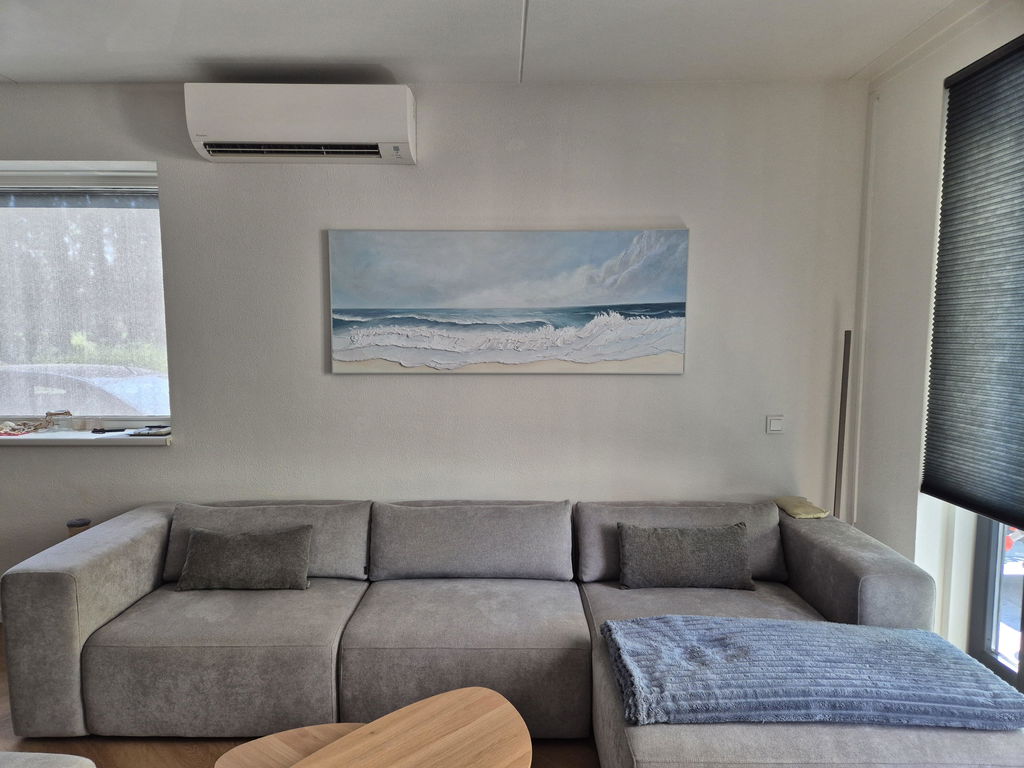
Living rooms are the most popular choice because larger walls allow the artwork to become a focal point. However, bedrooms, dining rooms, home offices, and entryways can also benefit from original paintings, especially when the size and color palette are chosen to suit the space.
Q3. Do Oil Paintings Require Special Maintenance?
Oil paintings are surprisingly easy to care for. Dust them gently with a soft, dry cloth, avoid prolonged exposure to direct sunlight or excessive humidity, and keep them away from strong heat sources. With proper care, a quality oil painting can remain beautiful for decades.
Q4. Can Textured Paintings Work With Different Interior Styles?
Yes. While textured wall art is often associated with modern and minimalist interiors, it also complements Scandinavian, Japandi, contemporary, transitional, and even classic spaces. The key is choosing a texture, color palette, and scale that suit the overall design of the room.
Q5. Should I Buy One Large Painting or Several Smaller Pieces?
That depends on the wall and the effect you want to create. A single oversized painting usually produces a cleaner, more cohesive look and works especially well above sofas, beds, or dining tables. Smaller pieces can be effective in gallery-style arrangements, but they require more careful planning to achieve visual balance.