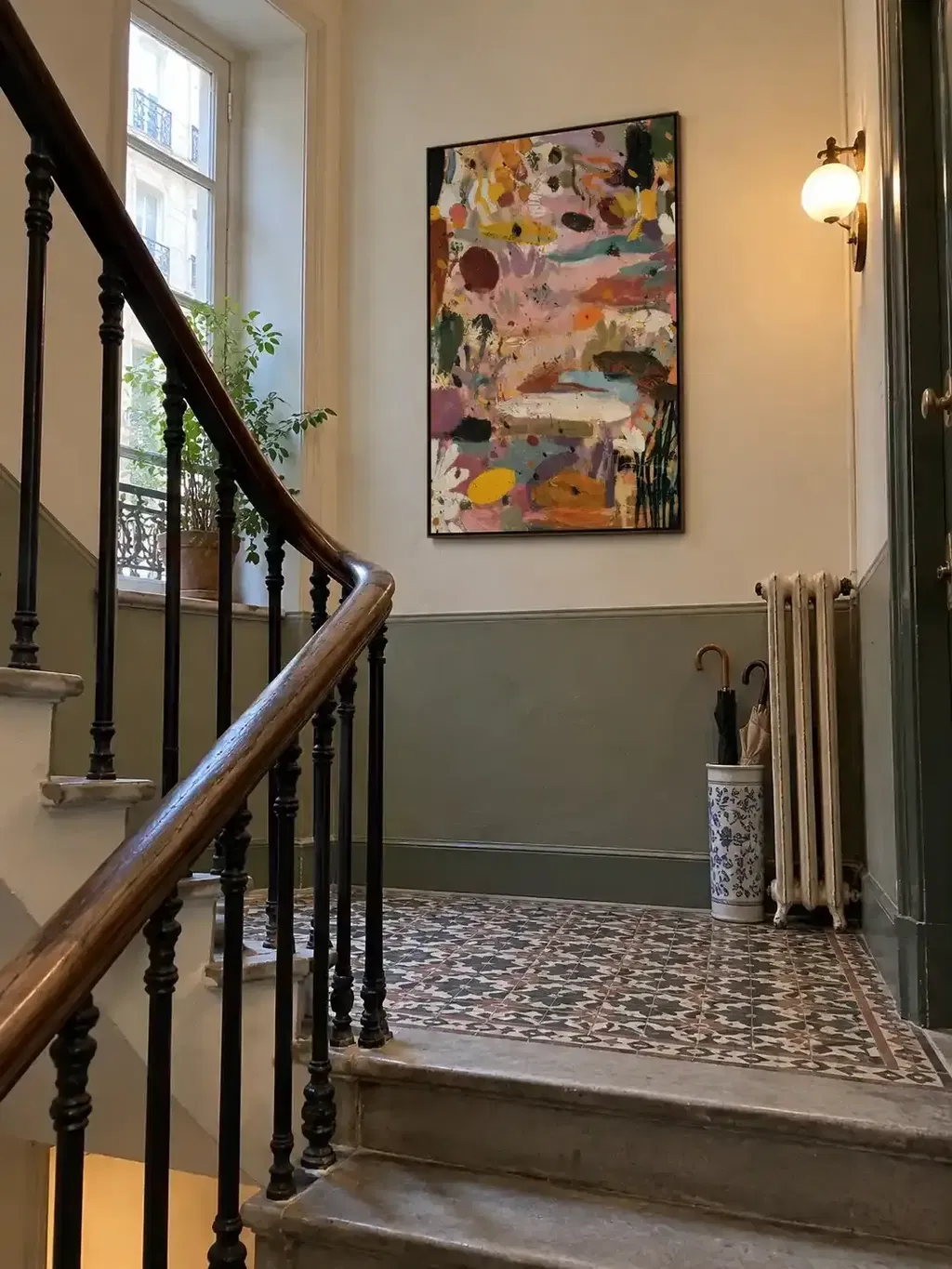
When someone enters your home for the first time, they usually do not begin by examining individual furniture pieces. They are not immediately thinking about the brand of your sofa, the price of your coffee table, or where you found your decorative accessories.
Instead, they experience the room as a complete environment.
Within a few seconds, they begin forming an impression of the space. Does the living room feel balanced? Does it feel comfortable and intentional? Does every element appear to belong together?
This first impression is created by the relationship between different design elements: furniture placement, lighting, color, texture, and most importantly, the focal point of the room.
For many modern homes, that focal point is the wall art.
A carefully chosen piece of living room wall art completely change how a space feels. It creates a visual destination for the eye and helps connect the furniture, architecture, and overall style of the room.
This is why some living rooms feel professionally designed from the moment you walk in, while others feel like a collection of beautiful objects without a clear direction.

The First Thing Guests Notice Is the Room's Focal Point
Every successful living room has something that naturally attracts attention.
In some homes, it may be a fireplace or a large window. In others, it is a statement piece of artwork that defines the entire space.
The purpose of wall art is not simply to decorate an empty wall. The right piece creates structure. It gives the room a sense of balance and helps everything around it feel more connected.
This is especially true with large wall art for living room spaces. A properly scaled artwork above a sofa can create a stronger visual impact than several smaller decorations placed around the room.
Instead of adding more objects, large artwork gives the existing design a clear center.
Why Large Wall Art Creates a More Complete Room
One of the most common mistakes homeowners make is choosing artwork based only on the image they like.
The artwork may be beautiful, but if the size is wrong, the entire room can feel unbalanced.
A large sectional sofa with a small canvas above it creates a disconnect. The furniture carries most of the visual weight, while the wall feels empty.
Interior designers often treat the sofa wall as one complete composition. The sofa, artwork, lighting, and surrounding space should work together rather than compete with each other.
A general guideline is that artwork should cover around two-thirds to three-quarters of the furniture width below it.
| Sofa Width | Recommended Artwork Width |
|---|---|
| 72 inches | About 48–54 inches |
| 84 inches | About 56–63 inches |
| 96 inches | About 64–72 inches |
The goal is not to fill every part of the wall.
The goal is to create a balanced relationship between the furniture and the artwork.
Why Modern Wall Art Changes the Feeling of a Space
Modern interiors often use neutral colors, simple furniture, and clean architectural lines. While this creates a calm atmosphere, it can sometimes make a room feel visually flat.
This is where modern wall art becomes important.
A carefully selected abstract wall art piece can introduce personality without overwhelming the room. Instead of relying on bright colors or excessive decoration, abstract artwork creates interest through composition, movement, and texture.
For example, a neutral abstract painting can add depth to a minimalist living room, while a bold contemporary piece can become the defining feature of a more expressive interior.
The artwork does not have to match every element in the room.
It needs to create a connection.
Texture Is What Makes Artwork Feel More Personal
One reason textured wall art has become popular in contemporary homes is that it adds something beyond color.
A printed canvas reproduces an image, but a hand-painted oil painting creates a physical surface that interacts with the environment.
Raised brushstrokes, palette knife details, and layered paint create small variations that change throughout the day. Natural light reveals different details in the morning, while evening lighting can create deeper shadows and a warmer atmosphere.
This is why textured artwork often feels more alive than traditional prints.
The painting becomes part of the room's atmosphere instead of simply hanging on the wall.

How Lighting Affects Your Wall Art
Lighting plays a major role in how guests experience a living room.
A room with beautiful furniture and artwork can still feel ordinary if the lighting does not support the design.
Natural light helps reveal colors and textures. Directional lighting can highlight the surface of a painting and create more depth.
This is especially important for statement wall art because large pieces naturally attract attention. When properly lit, the artwork becomes a stronger focal point and adds more dimension to the entire room.
Many luxury interior designs use this approach because lighting allows the same artwork to create different moods throughout the day.
Why Luxury Interiors Often Choose One Strong Artwork
A common misconception is that an expensive-looking room needs many decorative elements.
In reality, many luxury interiors rely on fewer but stronger pieces.
A large abstract painting, a carefully selected sculpture, or a textured artwork can often create more impact than multiple small decorations competing for attention.
This approach works because the eye needs space to appreciate important elements.
A statement piece surrounded by breathing room often feels more sophisticated than a wall filled with unrelated items.
How to Choose Wall Art That Creates a Strong First Impression
If your living room does not feel complete, the solution may not be adding more decoration.
Start by looking at the largest visual areas in the room.
Consider:
| What to Check | Why It Matters |
|---|---|
| Artwork Size | Creates balance with furniture |
| Color Relationship | Connects the painting with the room |
| Texture | Adds depth and visual interest |
| Lighting | Reveals details and atmosphere |
The best living room designs are not created by filling every empty space.
They are created by choosing elements that work together.
A thoughtfully selected piece of hand-painted artwork can transform a room because it does more than decorate a wall. It creates a focal point, adds personality, and gives the entire space a stronger identity.
The Five-Second Impression Starts With the Right Artwork
Guests may not remember every detail in your living room, but they will remember how the space felt.
A balanced room feels comfortable.
A well-designed room feels intentional.
And a room with the right artwork feels complete.
This is why choosing the right living room wall art is not only about finding something beautiful. It is about finding a piece that works with your space, your lighting, and the atmosphere you want to create.
The best artwork does not simply fill a blank wall.
It becomes the reason the room feels finished.

FAQs about Living Room Wall Art
Q1. What Wall Art Works Best for a Living Room?
Large wall art, abstract wall art, and textured artwork are popular choices because they can create a strong focal point without making the space feel crowded.
Q2. How Large Should Living Room Wall Art Be Above a Sofa?
A common guideline is choosing artwork that is approximately two-thirds to three-quarters the width of the sofa beneath it.
Q3. Does Abstract Wall Art Work With Modern Interiors?
Yes. Modern abstract wall art works especially well in contemporary, minimalist, and luxury interiors because it adds personality while maintaining a clean visual style.
Q4. Why Is Textured Wall Art Better Than Printed Artwork?
Textured wall art has physical depth. Hand-painted oil paintings and impasto artwork interact with light differently, creating shadows and details that flat prints cannot reproduce.
Q5. Can One Large Painting Replace Multiple Decorations?
Yes, in many living rooms, a single oversized statement artwork can create a stronger visual impact than several smaller decorative pieces.