The Illusion of Visual Mass: Why Color Perception Dictates Room Harmony
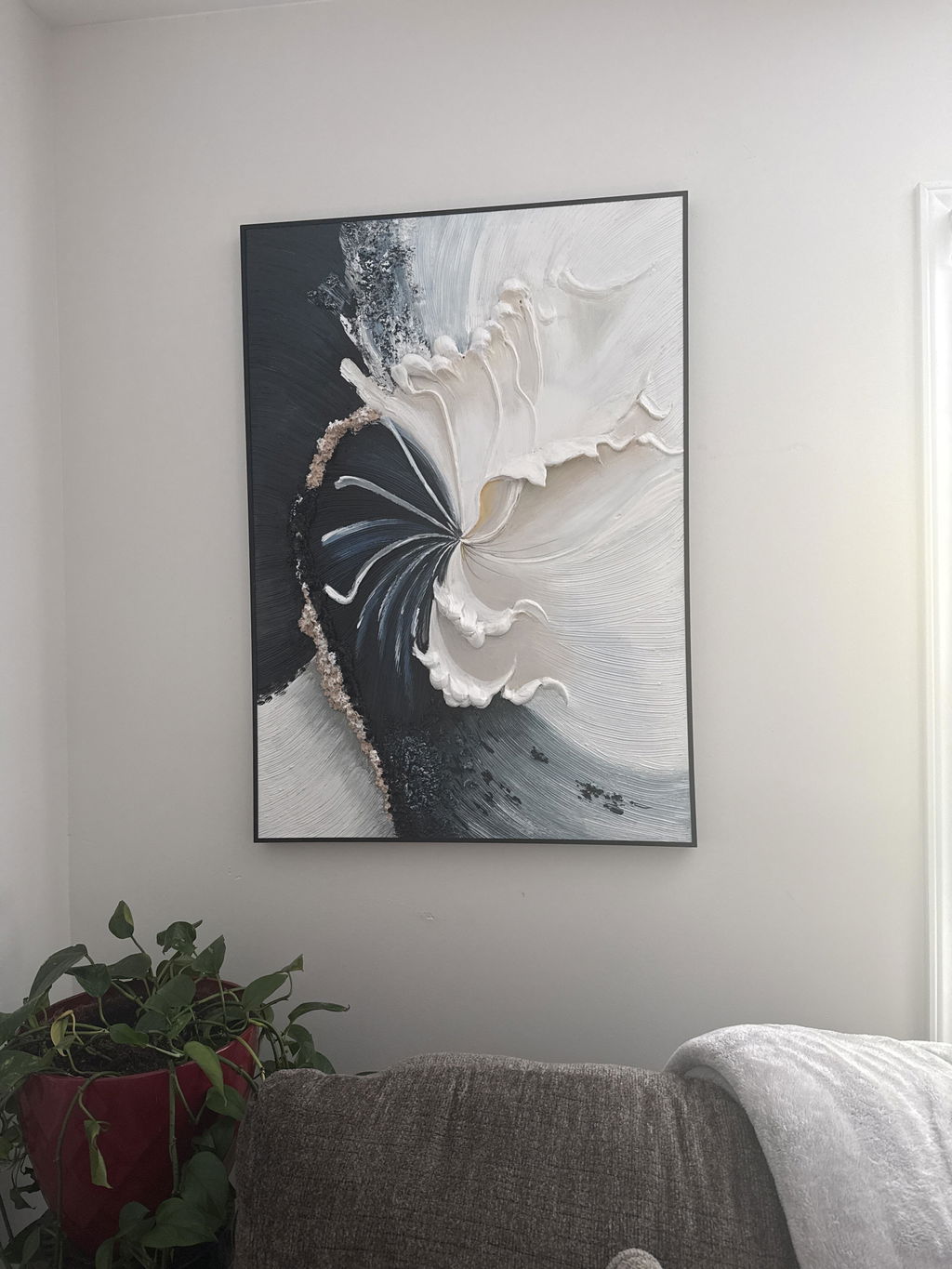
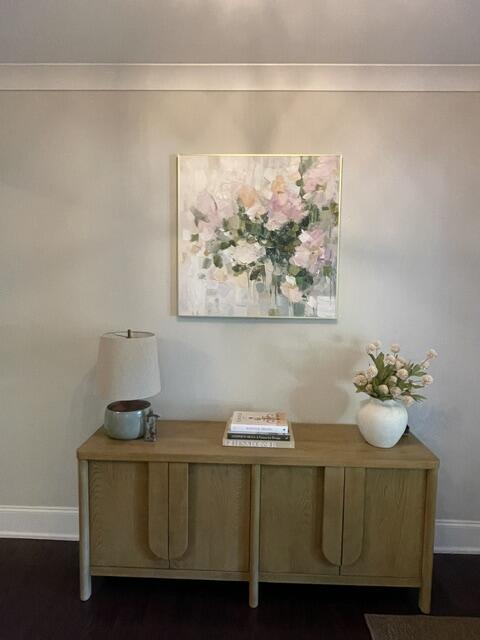
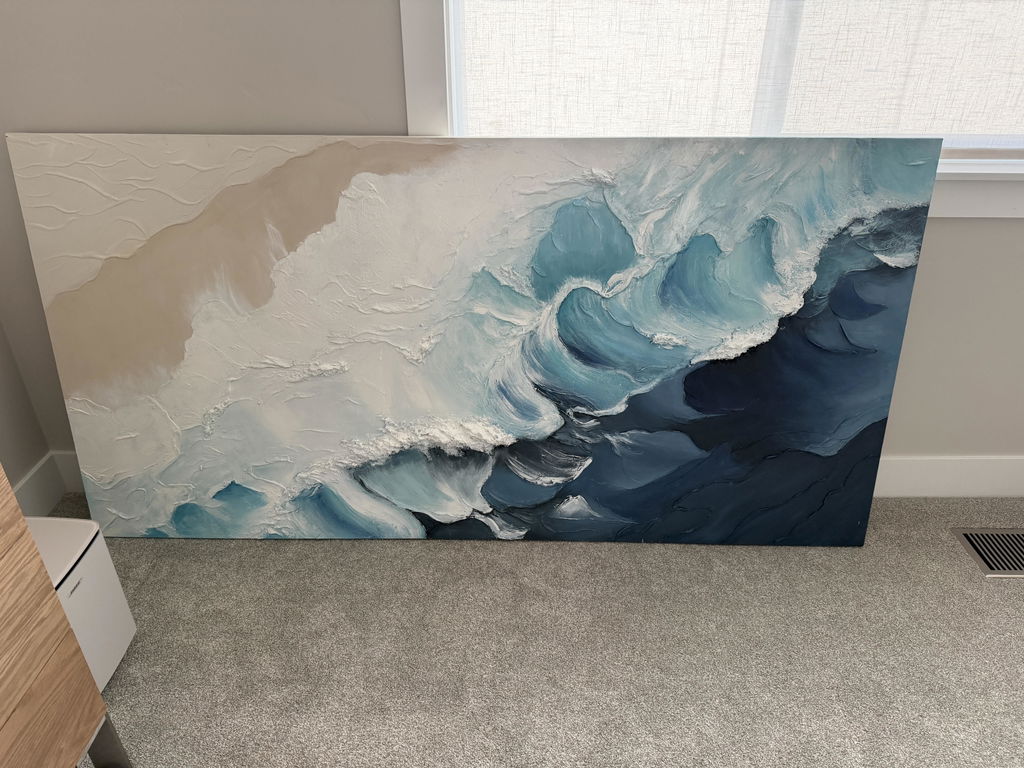
When you stand before a large, charcoal-hued abstract painting, it often feels like it’s leaning toward you, claiming more of the room’s volume than its physical dimensions suggest. Conversely, a pale, ethereal watercolor of the same size might seem to recede, almost vanishing into the drywall. This isn't just an artistic "vibe"—it is a documented neurological phenomenon known as Visual Mass.
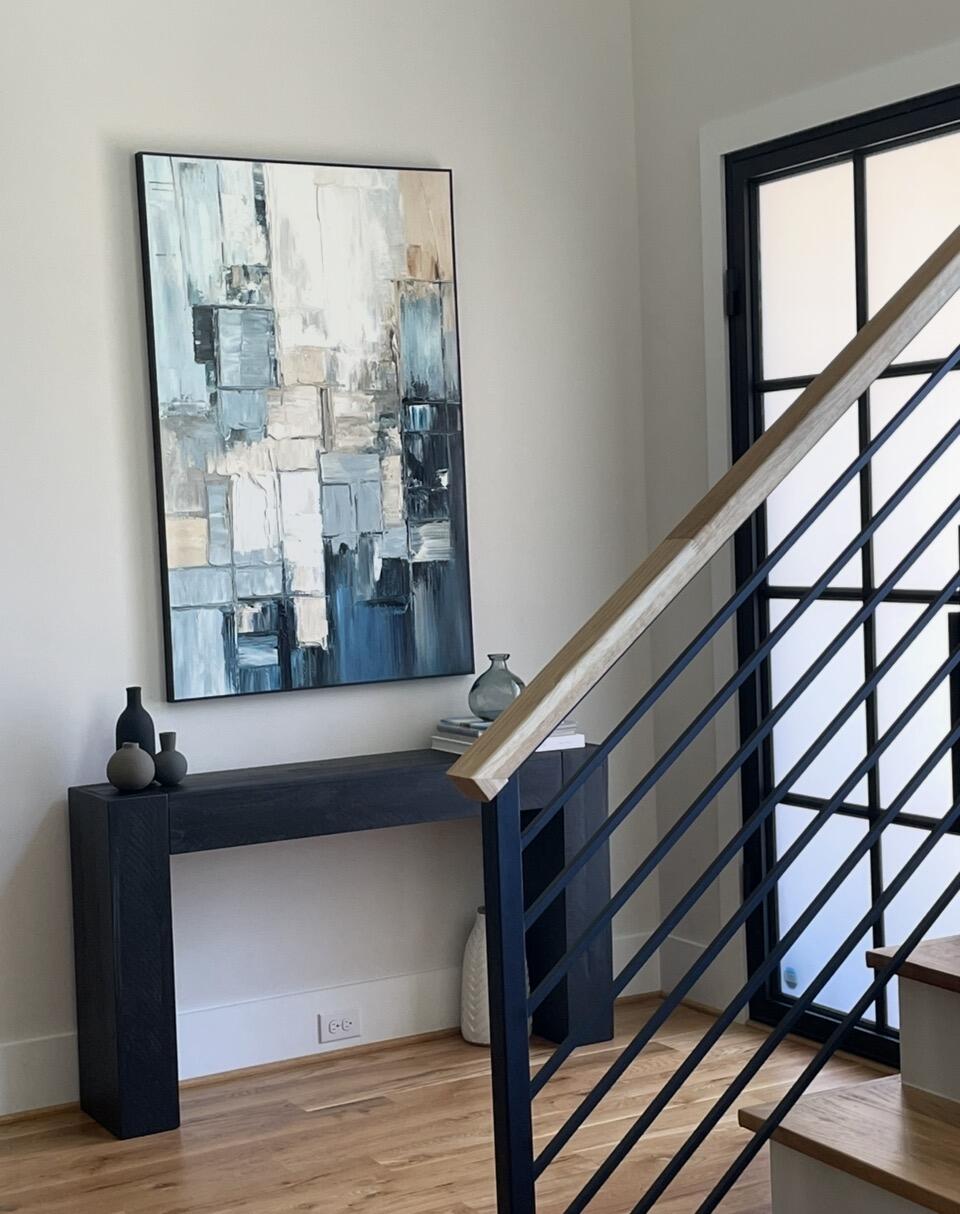
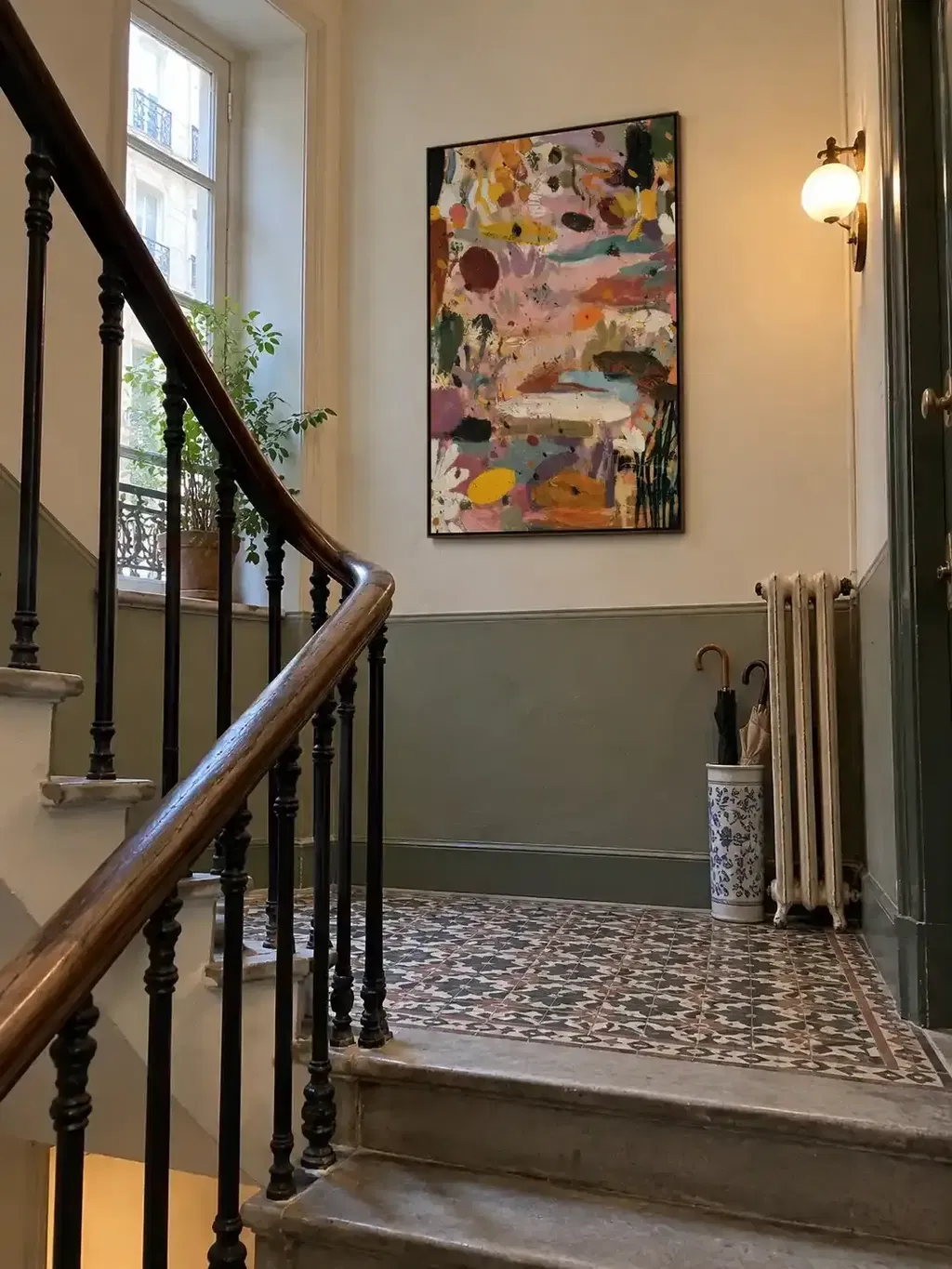
For home decorators, understanding how color saturation and value (lightness vs. darkness) affect size perception is the difference between a room that feels curated and one that feels claustrophobic. In our experience working with interior designers, the most common mistake is neglecting the "visual expansion" of dark, saturated art. A dark canvas with high saturation can appear approximately 15% to 20% larger than its actual physical frame when viewed in standard residential lighting.
This guide breaks down the science of visual weight, the impact of lighting environments, and how to use these optical illusions to balance your space.

The Science of Perceived Volume: Saturation vs. Darkness
Traditional design wisdom suggests that dark colors "shrink" a space while light colors "expand" it. While generally true for wall paint, the physics of art perception is more nuanced. The Helmholtz-Kohlrausch effect describes a phenomenon where the human eye perceives highly saturated colors as being brighter—and consequently more "present"—than desaturated colors of the same luminance.
The 20% Saturation Rule
Research indicates that color saturation (intensity) is actually a more potent driver of size perception than hue darkness. In various modeling scenarios, highly saturated colors—even if they are relatively light—can appear up to 20% larger than their desaturated counterparts.
Logic Summary: This estimation is based on psychological studies regarding product size perception, which suggest that intense, vivid colors demand more "neural real estate" in the brain's visual cortex, leading to an overestimation of physical area.
| Color Profile | Perceived Size Shift | Unit | Rationale |
|---|---|---|---|
| High Saturation (Deep Navy, Crimson) | +15% to +20% | Estimated % | Neural over-activation in the mPFC |
| Low Saturation (Pastels, Grays) | -5% to -10% | Estimated % | Recessive visual processing |
| High Contrast Edges | +10% | Estimated % | Edge detection illusions |
| Cool Dark Tones (Blue/Green) | Expansive | Qualitative | Atmospheric perspective mimicry |
| Warm Dark Tones (Red/Orange) | Advancing | Qualitative | "Heavier" visual weight |
Why Texture Matters
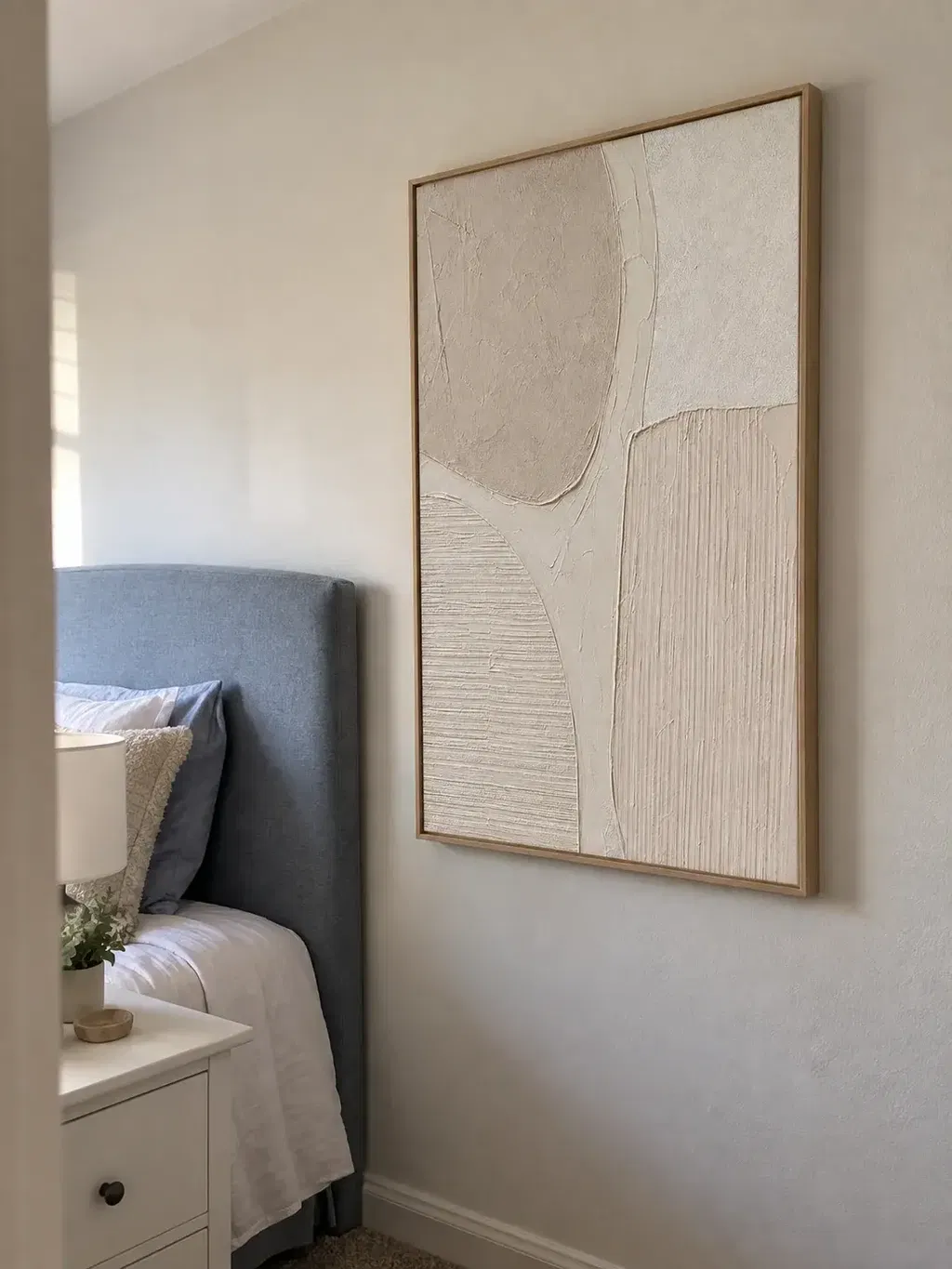
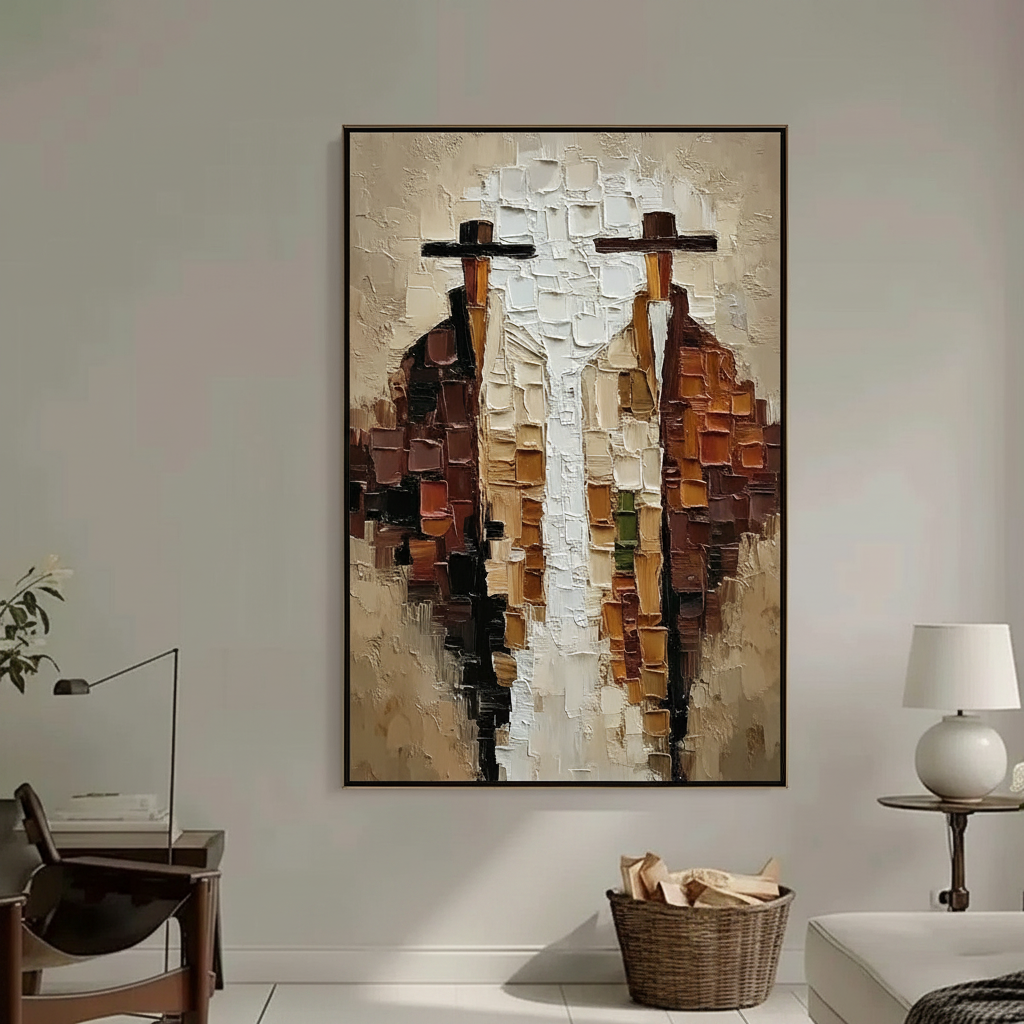
The physical "relief" of a hand-painted canvas adds a third dimension to this mass. Unlike flat digital prints, the microtopography of oil or acrylic pigments creates shadows. According to research published by MDPI on 3D textures, mm-scale textures are crucial to how we perceive "objecthood." This is why Evaluating Pigment Saturation is essential; the physical depth of paint increases the perceived mass of the artwork, making it feel more "real" and anchored than a flat replica.
The Lighting Variable: Lux Levels and Size Perception
The environment in which you hang your art dictates how its visual mass behaves. The "darker equals larger" effect is not a universal constant; it is highly dependent on ambient light.
The Dim Light Paradox
In dim residential environments (typically 50–100 lux), dark art can appear up to 30% larger. This happens because the rods in our eyes, which handle low-light vision, are more sensitive to contrast than to specific color data. In a low-light room, a dark painting on a light wall creates a high-contrast boundary that the brain interprets as a massive, solid object.
Conversely, in bright environments (over 300 lux, such as rooms with floor-to-ceiling windows), the effect flips. Light-colored art can actually appear larger because it reflects more photons, causing a "glare expansion" that blurs the perceived edges of the canvas.
Methodology Note: These observations are framed as scenario models based on the Helmholtz-Kohlrausch effect and general optical principles. They are not derived from a single controlled lab study but represent common patterns observed in interior design and lighting engineering.

Designing for Small Spaces: The 30% Wall Area Rule
For rooms under 200 square feet, placing an oversized dark canvas can create "visual compression." This is a sensation where the artwork feels like it is physically pushing the walls inward, making the space feel cramped rather than cozy.
To avoid this, experienced designers often use a heuristic ratio: In small rooms, dark art should not occupy more than 30% of the wall area it sits on.
How to Apply the 30% Rule:
- Measure the Wall: Calculate the total square footage of the primary wall where the art will hang.
- Calculate the Limit: Multiply that number by 0.30.
- Select the Palette: If your desired piece exceeds this size, opt for a palette with "soft edges" or cool dark colors (blues and greens). These shades leverage the illusion of atmospheric perspective, making the "mass" feel further away.
For those struggling to balance intensity with minimalist aesthetics, our guide on Balancing Heavily Textured Art with Minimalist Decor provides specific layout strategies.
The Materiality of Mass: Why "100% Human-Made" Changes the Feel
There is a psychological weight to art that goes beyond color. A study by Columbia University found that consumers value art labeled "AI-generated" 62% lower than authentic human-created art. This perception of value is tied to what University of Chicago researchers call the "essential identity" of the artist.
When you purchase a hand-painted mural or canvas, you aren't just buying a color pattern; you are buying the biochemical crystallization of human attention. This "soul" is physically manifested through:
- Pigment Refractive Index: Natural pigments like titanium dioxide (which dominates 90% of the white pigment market) have superior hiding power and scattering properties compared to the dyes used in inkjet printers.
- Binder Stability: Modern acrylic polymers form films through "coalescence," making them more resistant to the embrittlement seen in cheap prints.
- Authenticity: The knowledge that a piece is hand-painted triggers the mPFC (medial prefrontal cortex), a brain region associated with emotional regulation and pleasure.
Health, Safety, and the "Hidden" Mass of Pigments
While the visual impact is the primary concern for decorators, the physical safety of the art's materials is a critical "YMYL" (Your Money Your Life) topic. The "mass" of a painting includes the chemical compounds used to create those deep, saturated colors.
The VOC and Heavy Metal Guardrail
Chronic inhalation of volatile organic compounds (VOCs) in low-quality paints can lead to central nervous system neuropathy. Furthermore, certain historical pigments, like Cadmium, are classified as Group 1 carcinogens by the IARC.
When selecting art for high-traffic areas or children's rooms, prioritize:
- Low-VOC Acrylics: These are often required for LEED certification in healthcare facilities.
- ASTM D-4236 Compliance: This ensures the materials have been reviewed by a toxicologist, though it is important to note that this label refers to the presence of warning labels, not a guarantee of "non-toxicity."
- Water-based Binders: As noted by the EPA, water-based acrylics are generally safer than dry drawing materials (like pastels) which can produce toxic dust.
For a deeper dive into the physical differences between mediums, see our analysis on Comparing Surface Depth: Oil vs. Acrylic Paint.

Commercial Impact: Art as a Property Value Catalyst
The "visual mass" of art doesn't just affect your mood; it affects your equity. A Royal Society study using the CAR model found that neighborhoods with higher "art" geo-tags saw greater relative house price gains.
In commercial real estate, developers use large-scale murals as "marketing trump cards" to lease up office spaces. This is because art interventions effectively alter clinical indicators for stress and mood. According to a UPenn review, 73% of patients in a clinic reported significant mood improvements when nature-themed biophilic art was present.
Biophilic Design and Performance
Nature-based "Biophilic" murals are particularly effective in high-density office spaces (like those in Tokyo or New York). These pieces use the visual mass of greenery and landscapes to reduce "cognitive fatigue" and burnout, potentially reducing team turnover by significant margins.
Finalizing Your Selection: A Checklist for Visual Balance
Before committing to a large, dark piece of art, use this checklist to ensure the visual mass enhances rather than overwhelms your space:
- Check the Light: Does the room receive less than 150 lux of natural light? (If yes, the art will feel 20% larger).
- Verify the Ratio: Does the canvas occupy more than 30% of the wall? (If yes, ensure the edges are soft or the colors are cool).
- Assess the Saturation: Is the color "electric" or "vibrant"? Highly saturated pieces need more "breathing room" (empty wall space) around them.
- Confirm the Ethics: Ensure the artists are fairly compensated. Wharton research shows that 87% of consumers believe artists should receive fair pay when their styles are used.
- Safety First: Does the piece use low-VOC, non-toxic pigments suitable for indoor air quality?
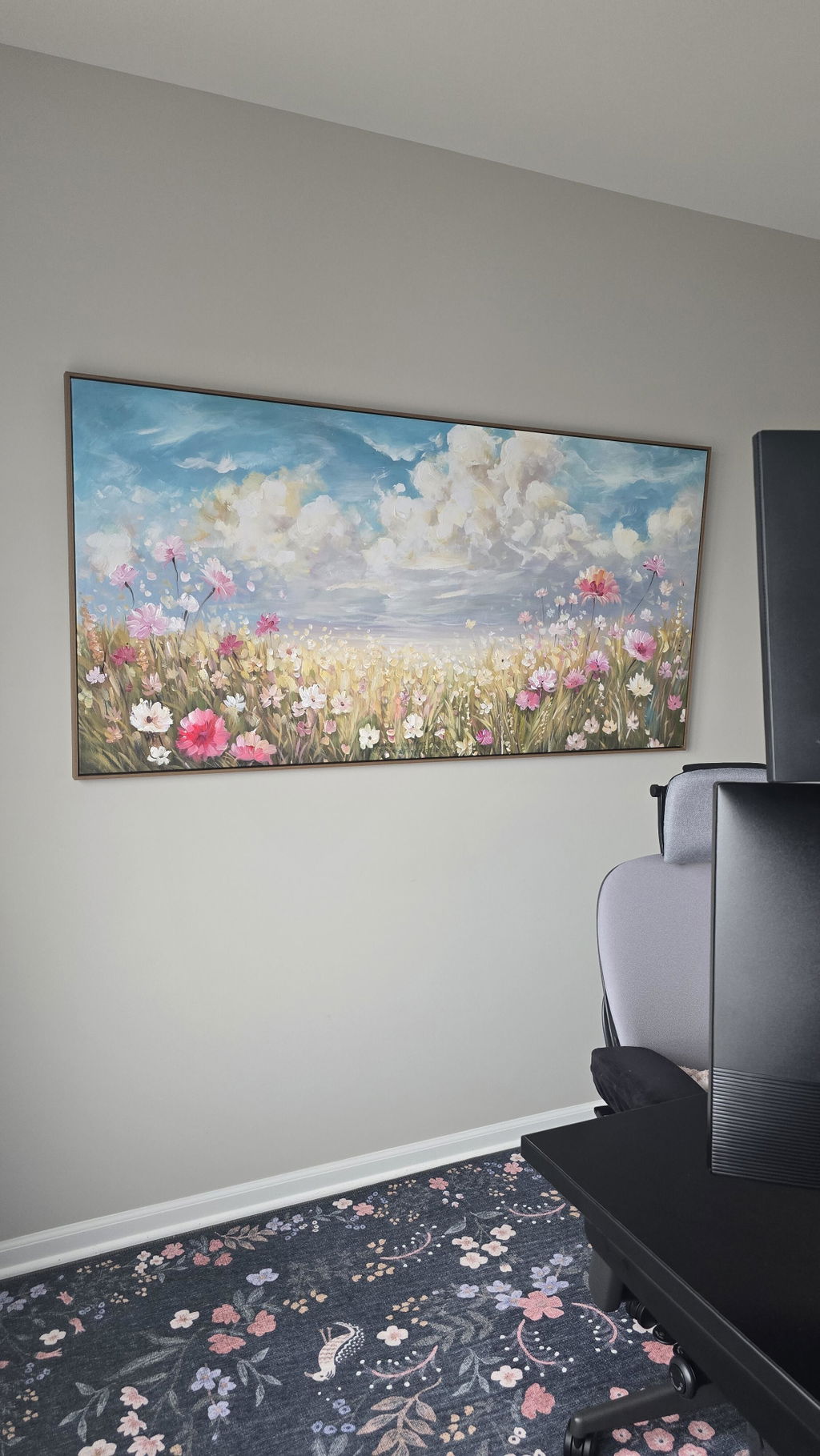
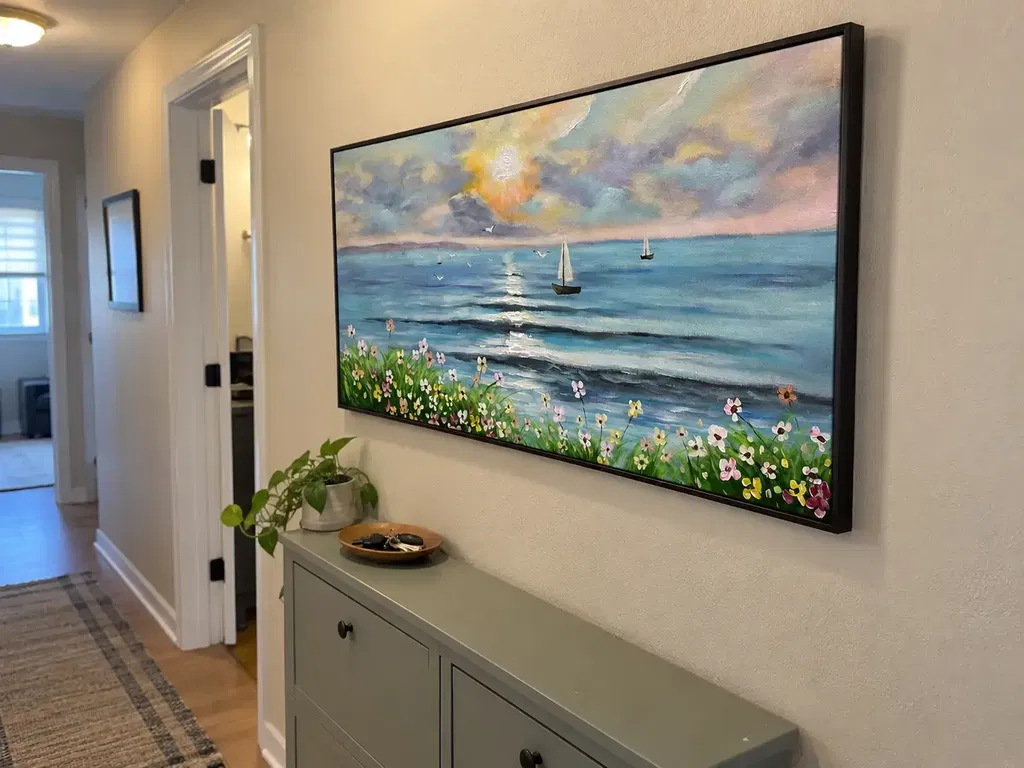
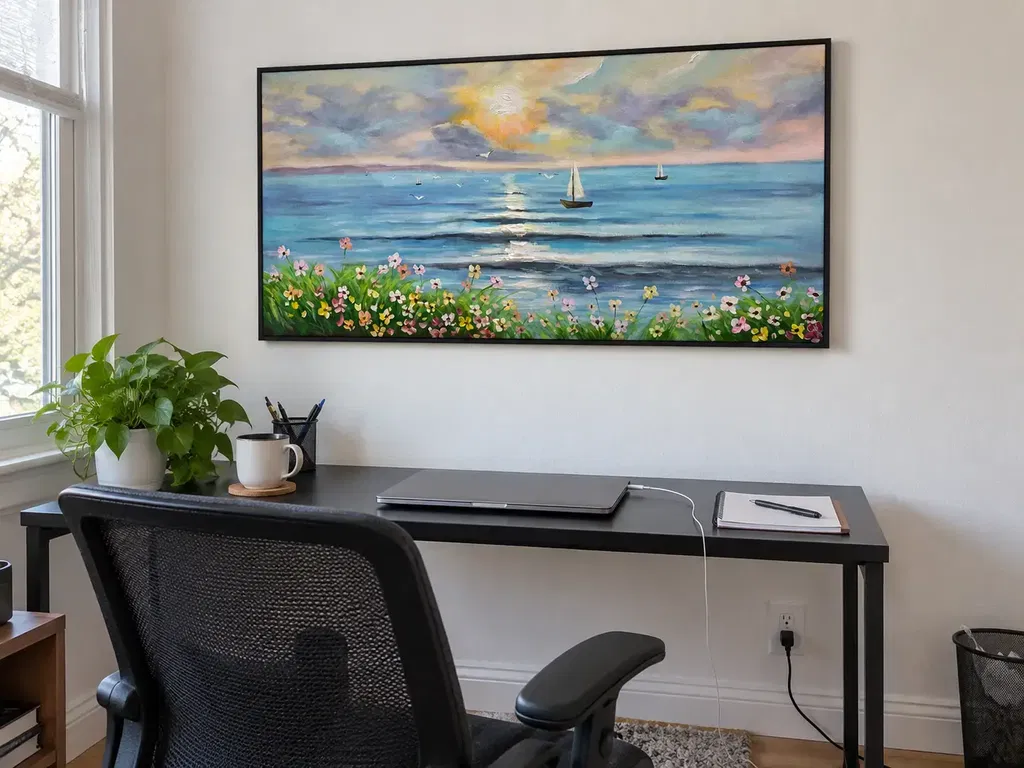
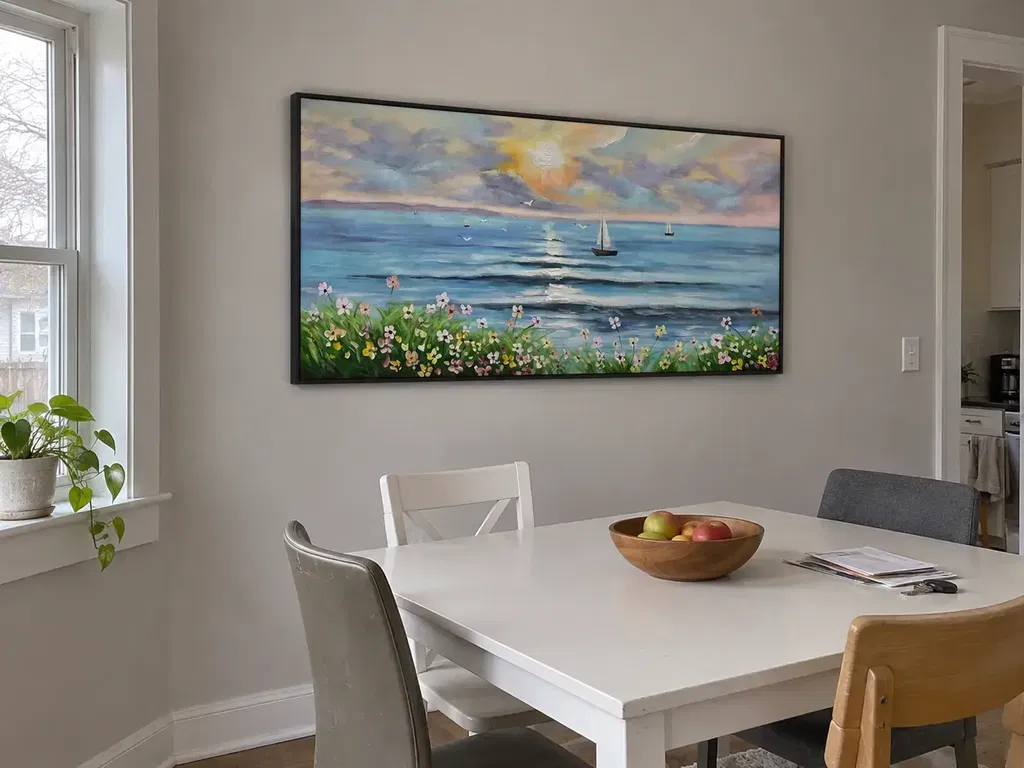
By mastering the science of visual mass, you transform your home from a collection of objects into a balanced, psychologically supportive environment. Whether you are choosing a Panoramic Hand-Painted Mural for a powder room or a textured abstract for the living room, let the physics of perception be your guide.
Disclaimer: This article is for informational purposes only and does not constitute professional health, safety, or interior design advice. Always consult with a certified professional when handling industrial solvents or installing large-scale permanent fixtures. If you have pre-existing respiratory conditions, ensure your art environment meets local indoor air quality standards.