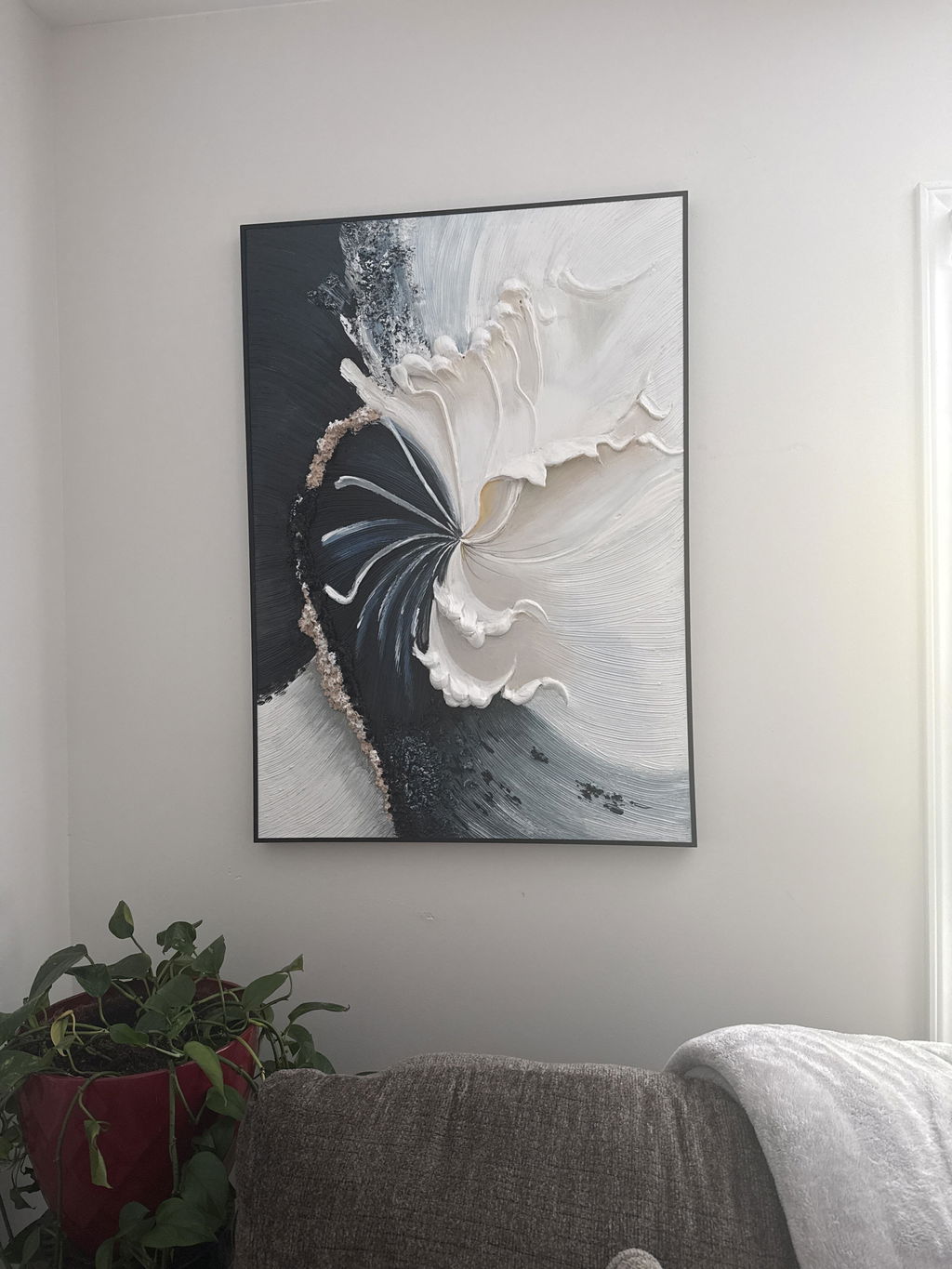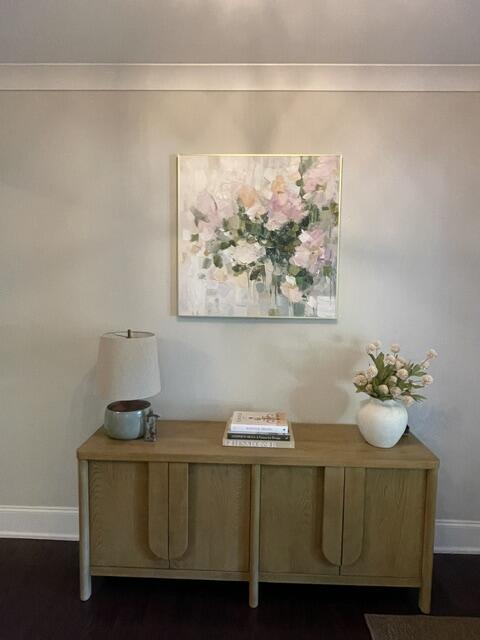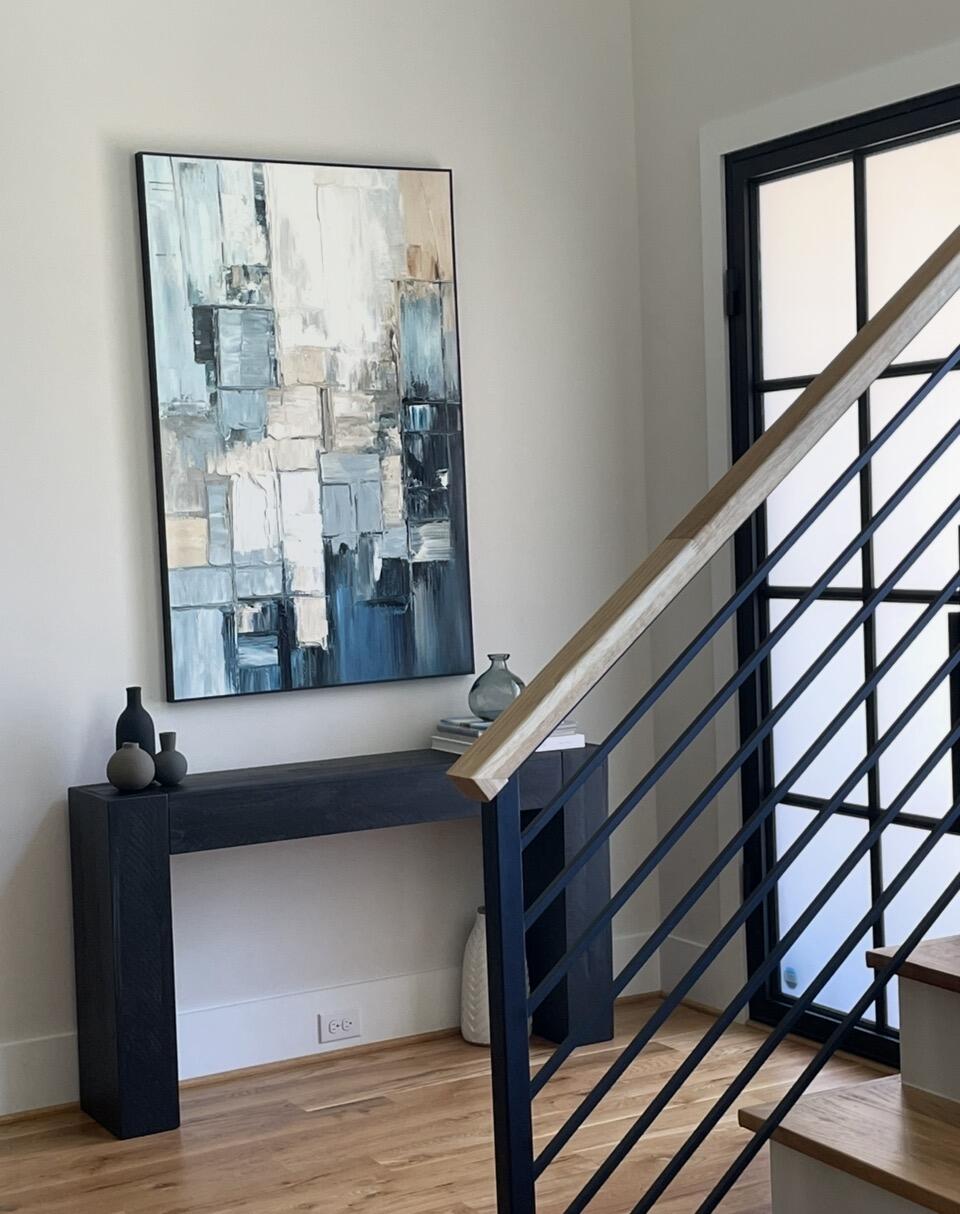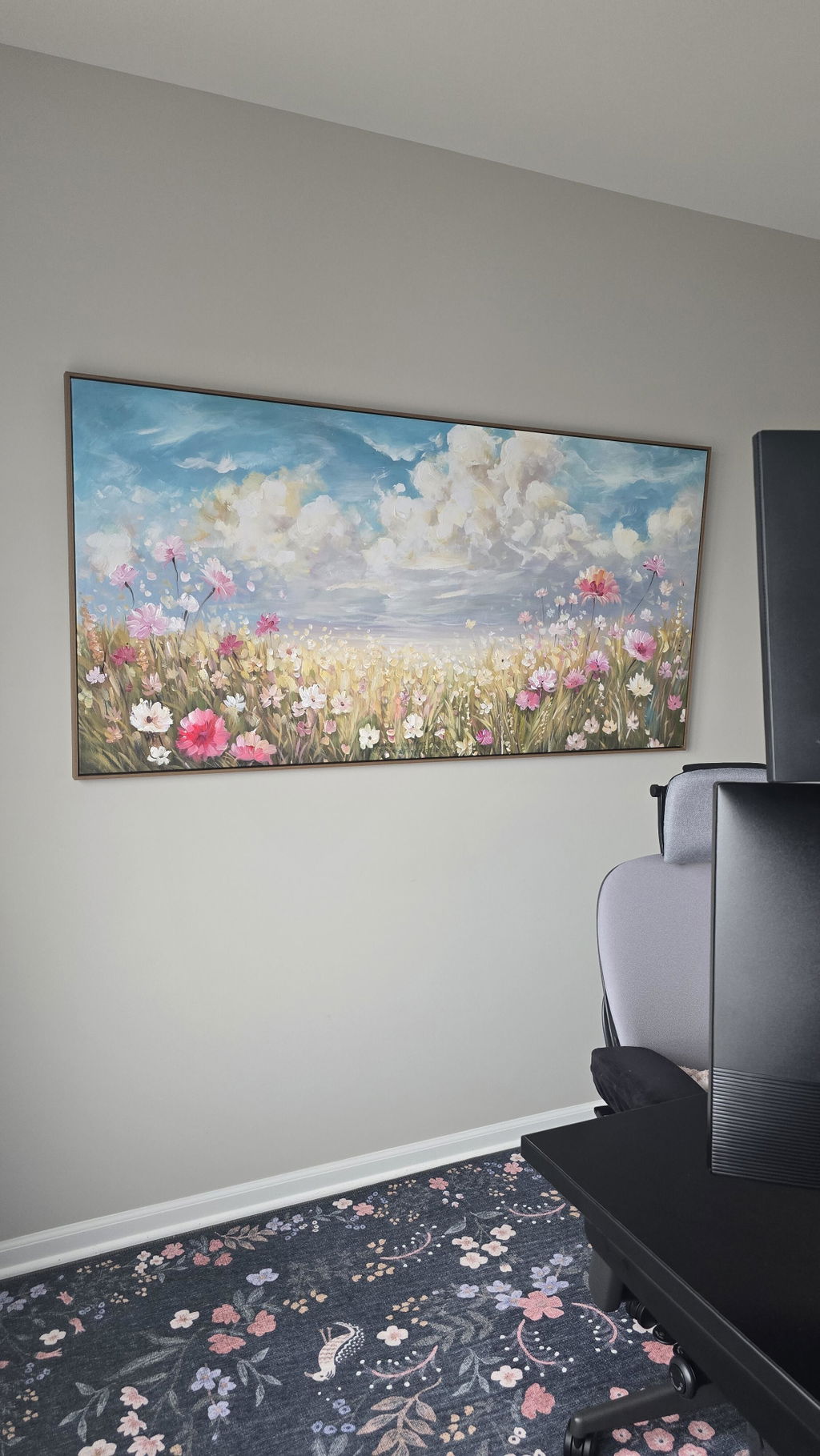
How to Decide Whether to Refresh, Reframe, or Replace Your Art
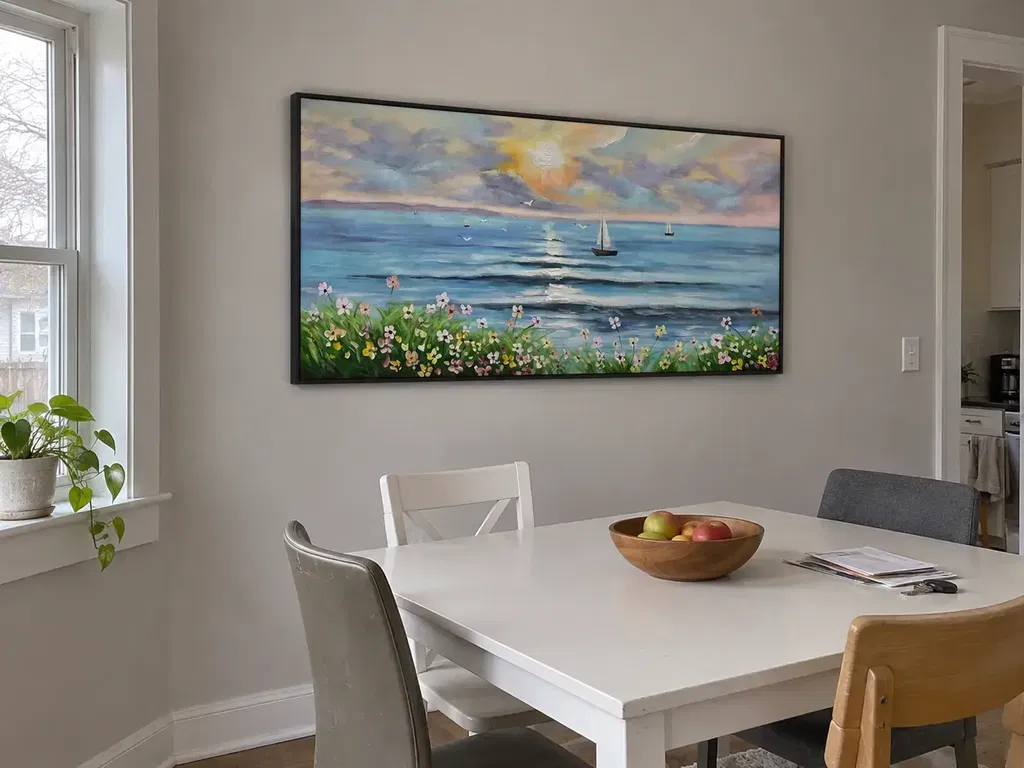
Updating the art in your home is one of the most effective ways to revitalize your living environment. Whether you are dealing with a collection of landscape canvas wall art that no longer matches your furniture or a piece that has physically degraded over time, knowing whether to refresh, reframe, or replace a piece depends on three factors: the physical condition of the artwork, your current interior design goals, and your budget.
Refreshing involves zero-cost movement and rotation; reframing is a mid-tier update to the presentation; and replacing is the choice for pieces that are either permanently damaged or fundamentally misaligned with your evolving style. Most experts recommend a "visual checkup" of your walls every six to twelve months to ensure your space remains inspiring and your investments are protected from environmental damage.
Deciding on the Level of Update Needed
Deciding how to handle a tired-looking wall requires a tiered approach. Before you spend money on new acquisitions, assess the piece under the following framework to identify your specific needs:
- Refreshing (The Zero-Cost Tier): This is best when you still love the art but have become "blind" to it. By moving a piece from the living room to a hallway or rearranging an abstract gallery wall, you create new visual interest without any financial outlay.
- Reframing (The Preservation Tier): This is the correct choice when the art itself is in good condition, but the frame looks dated, is falling apart, or clashes with new furniture.
- Replacing (The Transformation Tier): Replacement is necessary when art shows signs of irreversible physical damage—such as extreme fading, mold, or brittle paper.
Refreshing Your Space with Simple Art Rotations and Swaps

Refreshing your art is about changing the context rather than the object. Over time, the human brain undergoes a process called habituation, where we stop noticing familiar objects in our environment. Rotating your art breaks this cycle, providing a psychological lift. In fact, engaging with visual art has been linked to significant reductions in cortisol levels, indicating that a fresh visual environment can materially lower stress.
The Living Room to Bedroom Swap
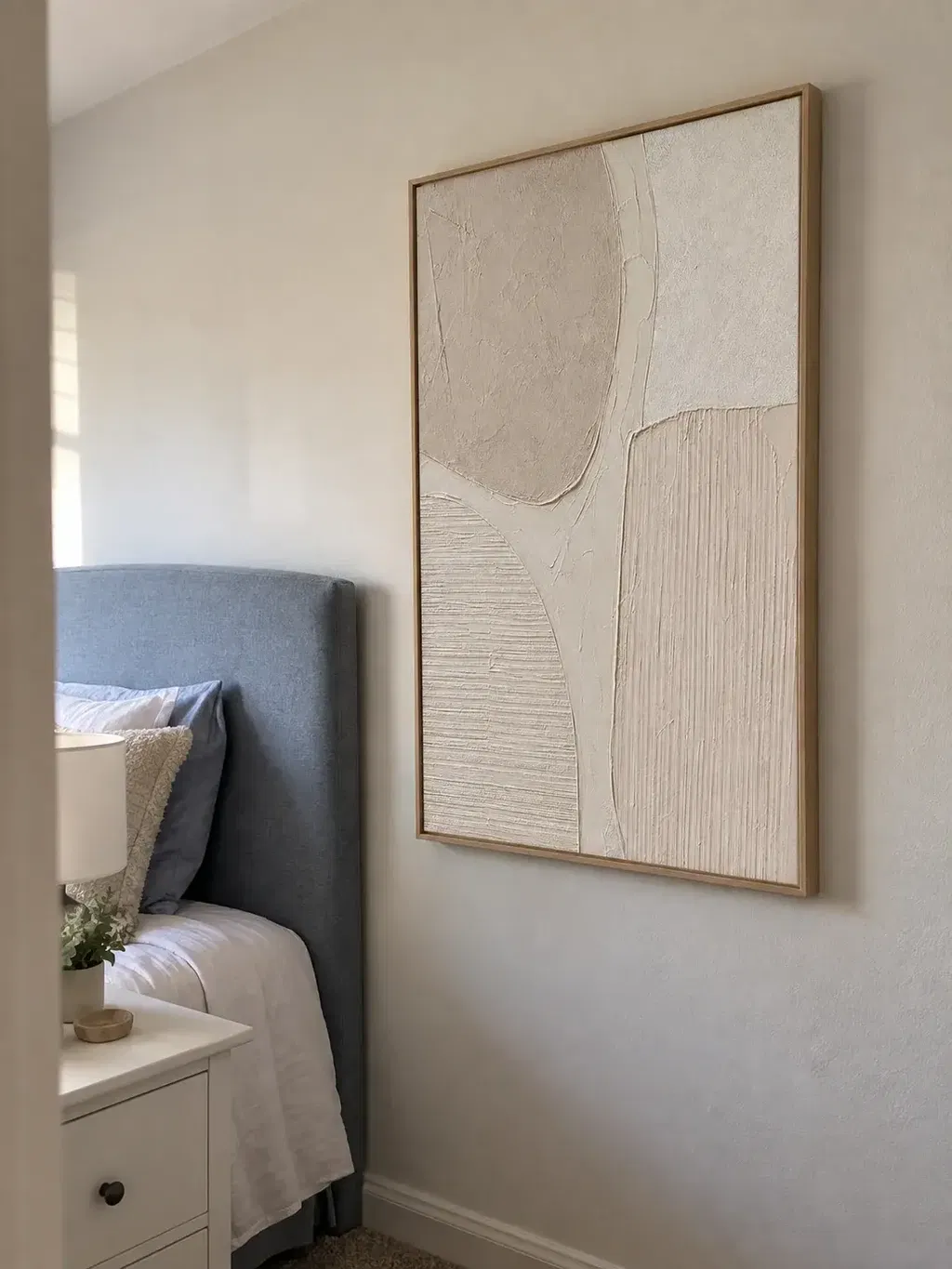
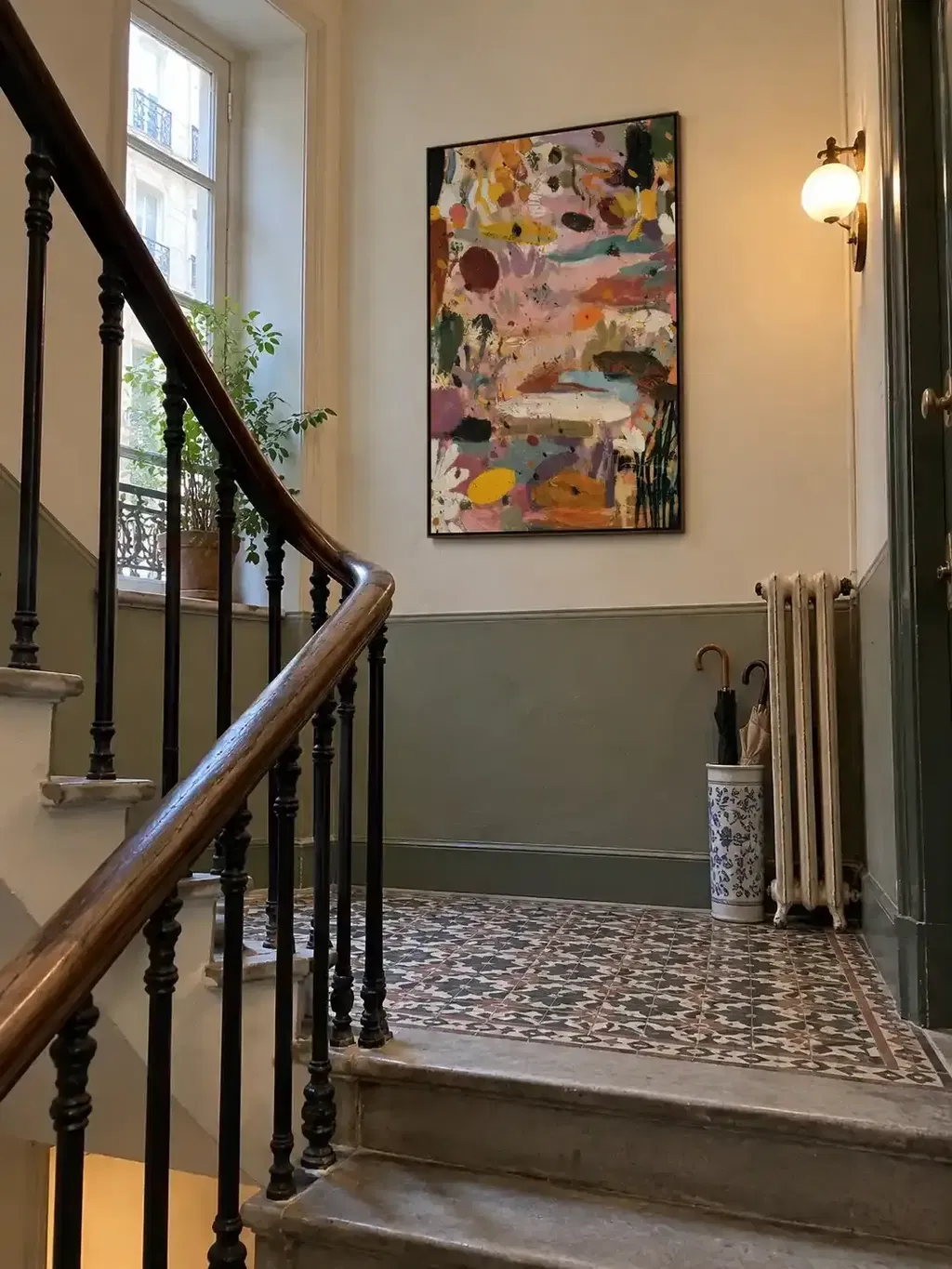
One of the easiest ways to refresh a home is to swap high-impact pieces between public and private spaces. A large abstract wall art piece that feels too "loud" for a relaxing living room might find a perfect second life as a focal point above a headboard.
Restructuring Gallery Wall Layouts
If you have an abstract gallery wall, you don't need new art to change the vibe. Try these restructuring techniques:
- Change the Anchor: Move the largest piece from the center to a corner.
- Adjust the Spacing: Narrowing the gap between frames can make a collection feel like a single unit.
- Seasonal Rotation: Consider rotating pieces based on the light levels of the season.
Reframing to Match Your Updated Interior Style
Sometimes the art is perfect, but the "packaging" is dated. A heavy, ornate gold frame can make even a contemporary print feel out of place in a minimalist room. Reframing allows you to keep the sentimental value of the art while modernizing its aesthetic impact.
Checklist for Reframing Needs
- Style Clash: Does your frame feature "shabby chic" distressing while your new furniture is sleek?
- Structural Failure: Aged hanging hardware and worn wires increase the risk of the piece falling.
- Material Degradation: If the matting has turned yellow or brown, it is likely acidic and damaging the art.
Physical Signs Your Wall Art Needs Replacement
While many homeowners want to keep art forever, physical deterioration often makes replacement the only viable option. Unlike a dated frame, damage to the paint or paper itself is often irreversible.
- UV Fading and "Ghosting": Light damage is cumulative and irreversible. The Library of Congress notes that long exposure to even low light can cause fading, yellowing, and brittleness.
- Surface Cracking: In oil and acrylic works, fluctuating humidity causes the support to expand and contract, which can lead to the paint layer cracking.
- Brittle Paper: If you notice small reddish-brown spots (foxing) or if the paper appears wavy, the integrity of the art is compromised.
Cost Comparisons for Reframing vs. Purchasing New Art

Budget is a primary driver in the decision to update. Professional custom reframing can often cost more than purchasing a brand-new, high-quality print.
| Option | Typical Cost | Effort Level | Impact Level |
|---|---|---|---|
| Refresh (Rotate) | $0 | Low | Moderate |
| DIY Reframe | $30 – $100 | Moderate | High |
| Professional Reframe | $150 – $600+ | High | Very High |
| Replace (New Art) | $50 – $500+ | Low | Transformation |
Choosing Art and Frames That Complement New Furniture
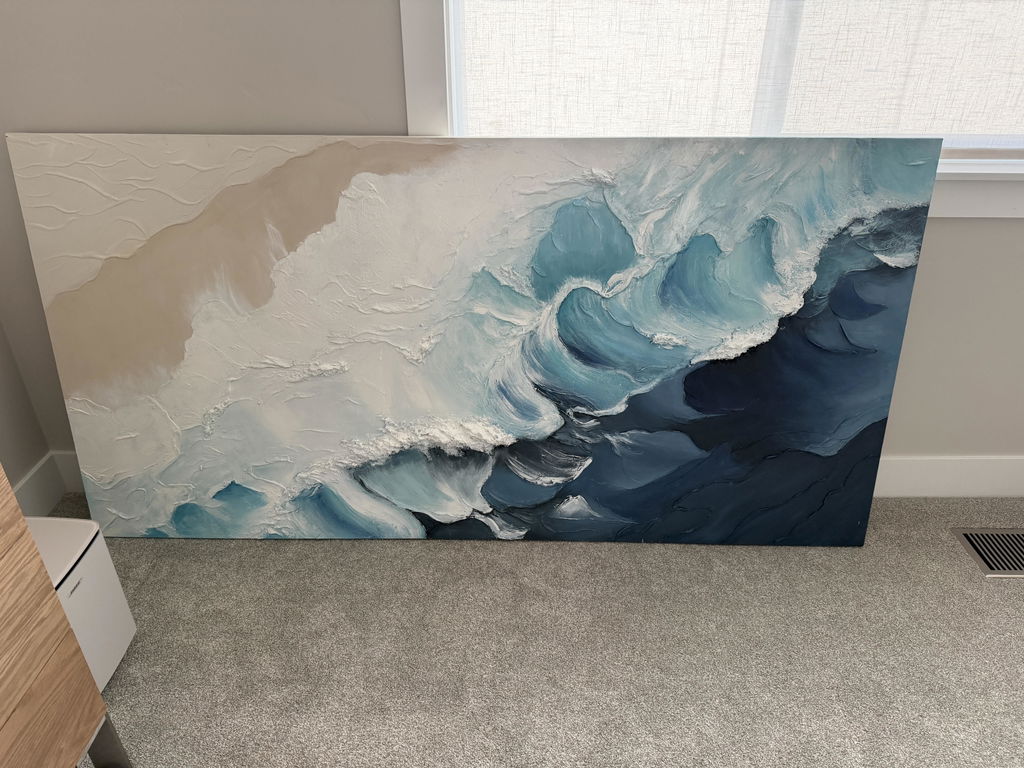
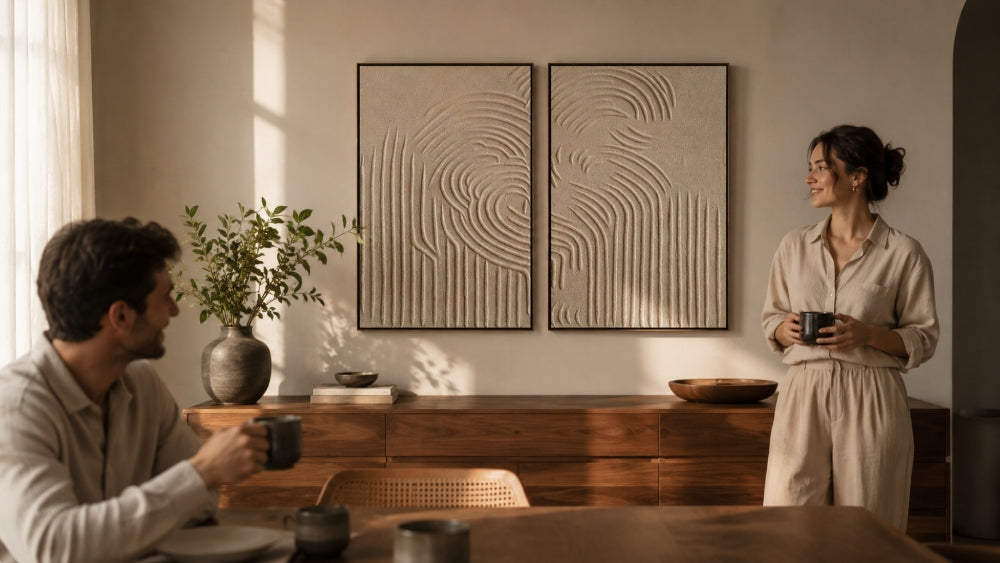
When you invest in new furniture, your art must adapt to maintain the visual balance of the room. If you have recently moved toward a modern textured art aesthetic, your art should mirror those textures. Consider pieces with impasto to create a tactile connection.
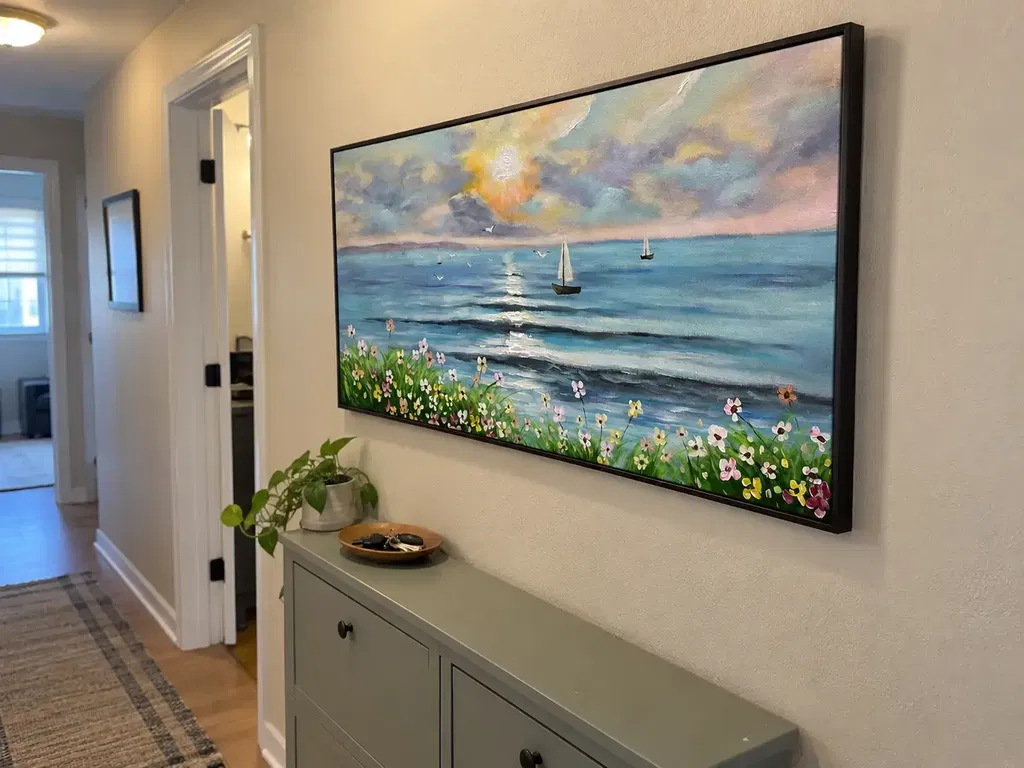
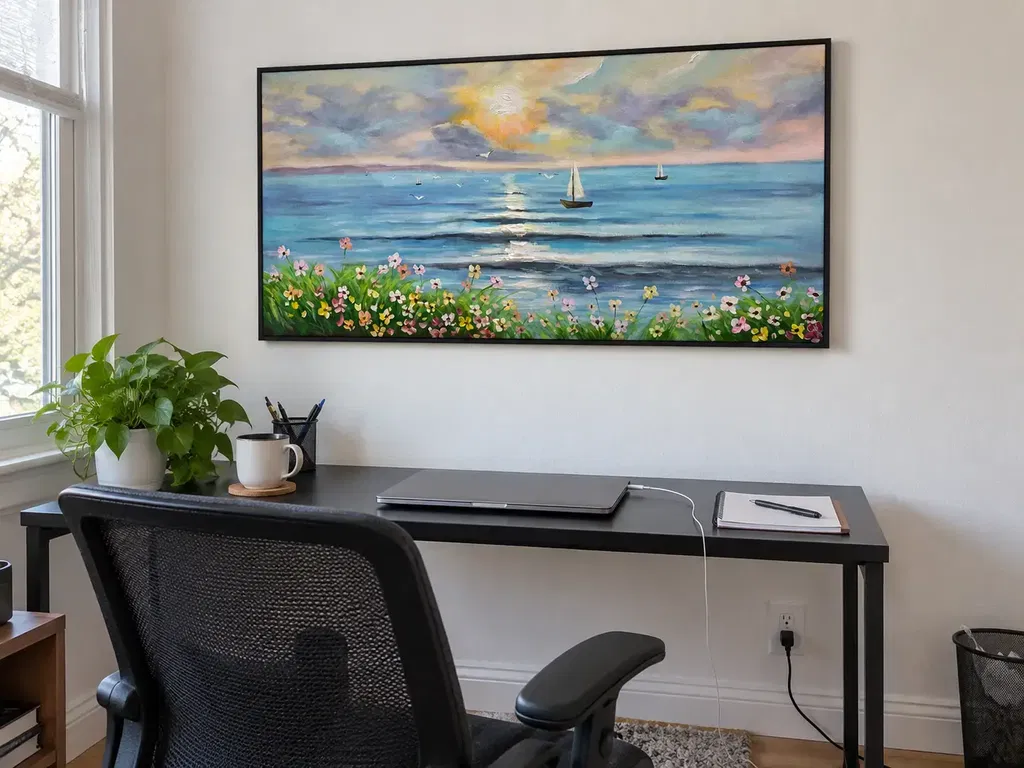
When matching frames to furniture, a slight contrast is often better. If you have walnut furniture, a black frame provides a sophisticated counterpoint. For rooms with new paint, use the 60-30-10 color rule to ensure your art integrates seamlessly into the new palette.
Conclusion: When to Refresh, Reframe or Replace Wall Art
Knowing when to refresh, reframe or replace wall art is essential for maintaining a home that feels both current and cared for. A simple rotation or refresh is the best starting point for a bored eye, while reframing is the ideal solution for preserving valuable pieces that have outgrown their original presentation. However, when physical signs of aging like UV fading or canvas cracking appear, replacement becomes the most practical path to a beautiful interior. By evaluating your collection through this 3-tier framework, you can ensure your walls remain a source of inspiration for years to come.
Safety Notice
This article provides general guidance only. Always follow the manufacturer's instructions, applicable local requirements, and appropriate safety practices. For installations involving structural loads, fire safety, or other significant risks, consult a qualified professional.
FAQs
Is it cheaper to reframe art or buy something new?
Professional custom framing is often more expensive than mass-market new art, sometimes costing between $150 and $600. However, DIY reframing using pre-made frames is a more budget-friendly middle ground.
How do I know if my art is faded beyond repair?
Check for 'ghosting' by looking under the lip of the frame. If the colors protected by the frame are much more vibrant than the exposed area, the art has permanent UV damage.
How often should I rotate my wall art?
It is recommended to rotate or refresh your art every 6 to 12 months. This prevents visual boredom and can help protect pieces from prolonged sun exposure in a single spot.