
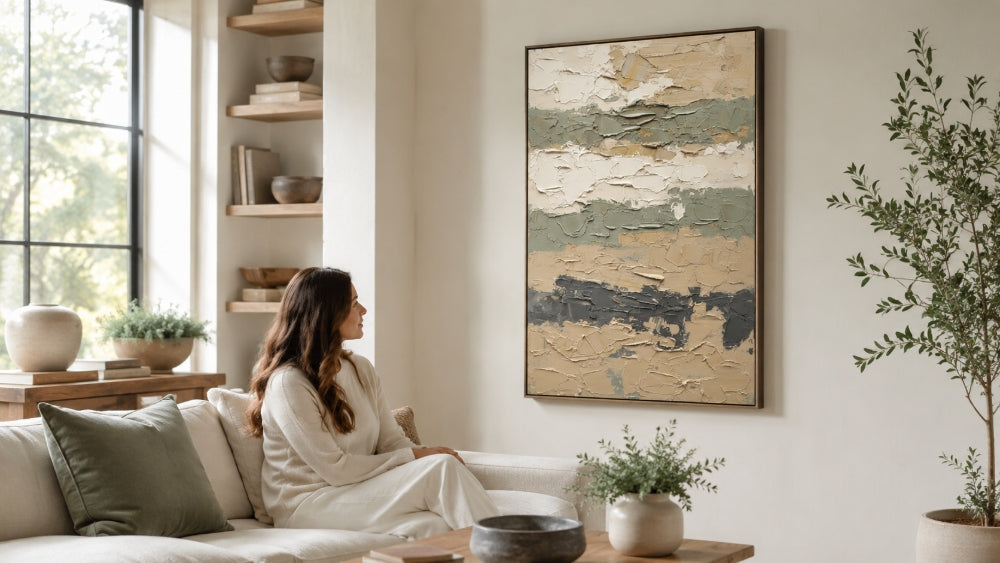
Canvas art is more than a simple decorative choice; it is a layered construction of organic and synthetic materials that react continuously to their environment. Whether you own an expensive oil paint on canvas or a collection of modern wall art prints, understanding the vulnerabilities of these pieces is the first step toward long-term preservation. Over decades, a variety of invisible forces—from photons to water vapor—can degrade the fibers and pigments of your favorite work.
The Primary Environmental Threats to Canvas Longevity
Direct Answer: Canvas wall art is primarily damaged by the cumulative effects of ultraviolet (UV) radiation, fluctuating humidity levels, and extreme temperature shifts. These factors cause irreversible color fading, fungal growth (mold and mildew), and structural warping of the wooden stretcher bars. While damage often begins at a microscopic level and remains invisible for years, the degradation of pigments and the weakening of textile fibers eventually lead to visible cracking, sagging, and brittleness.
Environmental damage is rarely the result of a single event. Instead, it is an ongoing chemical and mechanical process. For example, UV light triggers photo-oxidation, which breaks the chemical bonds in paint binders. Similarly, moisture doesn’t just sit on the surface; it is absorbed by the porous canvas fibers, causing the material to expand and contract. This constant movement places immense stress on the paint layer, eventually leading to delamination or flaking. By identifying these threats early, collectors can implement preventative measures to ensure their landscape canvas wall art remains as vibrant as the day it was acquired.
How Sunlight and UV Rays Cause Color Fading
Light is perhaps the most persistent enemy of any gallery collection. Most collectors understand that direct sunlight is harmful, but the science behind this damage reveals that even indirect or artificial light sources can be destructive over long periods.
Natural vs. Artificial Light
Natural sunlight contains high levels of UV radiation, which possesses enough energy to rupture the molecular bonds of many common pigments. However, indoor lighting is not exempt from blame. According to the Library of Congress, light damage is cumulative and irreversible; even long exposure to low-intensity light can equal the damage caused by a short burst of intense sunlight. Traditional fluorescent bulbs, often found in offices or older homes, emit significant UV rays. Even modern LEDs, while safer, can cause fading if placed too close to the art surface.
The Chemical Breakdown of Pigments
When UV photons strike a canvas, they initiate a process called photo-reduction or oxidation. This chemical reaction alters the way pigments reflect light, causing bright reds to turn pink or deep blues to wash out into grey. Some colors are more "fugitive" than others, meaning they have lower lightfastness and will disappear faster. Historically, certain yellow and red pigments used by masters like Van Gogh or Seurat began to change color within the artist's own lifetime. In modern wall art, high-quality acrylics and giclée inks are designed for better stability, but they still require protection from high-energy light to prevent the "yellowing" of the protective varnish or the embrittlement of the underlying canvas fibers.
Humidity Risks and the Problem with Bathroom Displays

Humidity is a measure of water vapor in the air, and for a textile-based medium like canvas, it is a critical variable. Because canvas is a natural fabric (typically cotton or linen), it is hygroscopic, meaning it actively absorbs and releases moisture to stay in equilibrium with its surroundings.
Mold, Mildew, and Fungal Growth
When relative humidity (RH) rises above 65%, the risk of biological growth increases exponentially. Mold and mildew do not just sit on the surface of the art; they feed on the organic components of the canvas, the size (primer), and even certain oil binders. Once mold takes hold, it can leave permanent staining and digest the fibers, making the canvas structurally unsound. This is the primary reason why hanging abstract art or any canvas piece in a bathroom is highly discouraged. The rapid spikes in steam and moisture from showers provide the perfect incubation chamber for fungi.
The Mechanics of 'Cockling' and Stretching
High humidity causes canvas fibers to swell and lengthen. When the air dries out, the fibers shrink. If this cycle repeats frequently, the canvas may lose its tension, leading to "cockling"—a term used by conservators to describe ripples or waves in the fabric. According to the Australian Institute for the Conservation of Cultural Material (AICCM), these humidity changes make supports expand and contract, which can eventually lead to the cracking of the less-flexible paint layers on top.
Warning: Never hang canvas art on an exterior wall that feels cold or damp to the touch. The temperature difference between the wall and the room can cause condensation to form on the back of the canvas, leading to hidden mold growth and rot.
Temperature Fluctuations and Canvas Warping
Temperature affects the mechanical stability of both the artwork and its frame. While the canvas fabric reacts mostly to humidity, the wooden stretcher bars that hold the canvas taut react strongly to temperature shifts.
Wood is a living material that expands in heat and contracts in cold. Because the wood of the frame and the fabric of the canvas respond to these changes at different rates, the tension between them is never constant. This differential movement can lead to warping, where one corner of the frame lifts away from the wall. In extremely arid climates, a lack of moisture combined with high heat can lead to "dry rot," making the wooden frame brittle and prone to snapping.
| Environment Condition | Risk Level | Primary Damage Factor |
|---|---|---|
| Attic / Uninsulated Space | Extreme | Rapid temperature cycling and dry rot |
| Bathroom | High | Mold, mildew, and canvas sagging |
| Above a Fireplace | High | Soot accumulation and heat-driven cracking |
| Climate-Controlled Gallery | Low | Ideal (40-55% RH, stable 68-72°F) |
Original Oil Paintings vs. Giclee Prints Longevity
The medium used to create the art significantly influences how it ages. While both are susceptible to the environment, the chemical nature of the binders dictates the specific types of deterioration you might see over thirty or forty years.
Structural Differences and Aging Patterns
An oil paint on canvas piece undergoes a slow chemical change known as oxidation. Even after the paint feels dry to the touch, the oil film continues to evolve chemically for decades, eventually becoming more brittle. This brittleness makes it prone to "craquelure," the fine network of cracks seen on old museum pieces.
In contrast, giclée prints use aqueous (water-based) or solvent-based inks sprayed onto a coated canvas. While these prints are often more flexible than aged oil, the inks are thinner and more sensitive to moisture. Without a UV-protective coating, giclée prints can fade significantly faster than heavy oil applications.
| Feature | Original Oil Painting | Giclée / Digital Print |
|---|---|---|
| Primary Risk | Cracking and yellowing varnish | Fading and moisture sensitivity |
| Flexibility | Decreases over time (becomes brittle) | High (polymer-based inks) |
| Chemical Stability | Continues to oxidize for years | Stable once cured, but sensitive to light |
| Maintenance | May require professional varnish removal | Often requires a protective UV spray |
Common Storage Mistakes That Ruin Canvas Art

Many collectors damage their canvas wall art framed pieces not while they are on display, but while they are in transition or storage. Improper storage can lead to physical punctures, pest infestations, and chemical staining.
- Avoid Flat Stacking: Never lay canvases flat on top of one another. The weight of the top pieces can cause the stretcher bars of the bottom pieces to leave permanent indentations in the fabric.
- Say No to Plastic Wrap: Standard bubble wrap or plastic sheeting can trap moisture against the canvas. If the temperature shifts, this trapped moisture condenses and causes mold. Use acid-free glassine paper or breathable moving blankets instead.
- Keep Off the Floor: Concrete floors can wick moisture into the wood and fabric. Always store art on a raised pallet or a shelf.
- Store Vertically: Like books on a shelf, canvases should be stored upright. Use acid-free foam board between pieces to prevent scratching.
- Climate Control is Mandatory: Never store art in a garage or basement.
Safe Cleaning and Maintenance Strategies
Cleaning a canvas is a delicate task. According to the Smithsonian Museum Conservation Institute, water-based cleaning can remove sensitive additives from acrylic paint, and solvents can soften the surface of both oil and acrylic works.
Step-by-Step Dusting Guide
- Inspect for Flaking: Ensure no paint is loose before proceeding.
- Use a Dry Brush: Use a soft-bristle brush, such as high-quality goat hair.
- Avoid Microfiber and Cloths: These can snag on the texture of the canvas.
- Vacuum Carefully: Use a soft brush attachment for the back of the canvas only.
- Address Stains Professionally: Do not attempt DIY cleaning for soot or nicotine stains, as conservators use compatibility-tested systems.
Protecting Your Investment: What Can Damage Canvas Wall Art Over Time?
In summary, the longevity of your landscape canvas wall art depends on your ability to control its environment and handle it with care. By managing light exposure, maintaining stable humidity between 40% and 55%, and avoiding high-traffic or moisture-prone areas like kitchens and bathrooms, you can prevent the most common forms of deterioration. Whether you are dealing with an oil paint on canvas or a modern wall art print, the principles of preservation remain the same: stability is the key to endurance. Protecting your art from what can damage canvas wall art over time ensures that these pieces continue to provide aesthetic value and emotional connection for generations to come.
Safety Notice
This article provides general guidance for the care and preservation of decorative canvas art. It is not a substitute for professional conservation advice. For high-value investments, historical artifacts, or works showing significant structural damage, always consult a qualified art conservator. When using cleaning agents or protective sprays, follow all manufacturer safety instructions and work in a well-ventilated area. For installations involving oversized frames or heavy structural loads, consult a professional installer to ensure wall safety and prevent accidental falling hazards.
FAQs
Can I hang canvas art in a kitchen?
Hanging canvas art in a kitchen is generally discouraged due to exposure to cooking grease, steam, and heat. These elements can leave a sticky residue on the surface that attracts dust and is difficult to clean without damaging the paint layers.
How do I fix a sagging canvas?
You can often fix a sagging canvas by lightly misting the back of the fabric with distilled water and allowing it to dry in a stable environment. However, use caution, as over-wetting can lead to shrinkage or mold. If the frame has corner keys, you can also try tapping them in gently to increase tension.
Does UV protective spray actually work?
Yes, specialized UV-protective varnishes and sprays can significantly extend the life of giclee prints and original works by absorbing harmful radiation before it reaches the pigments. Always ensure the spray is compatible with your specific paint type.











