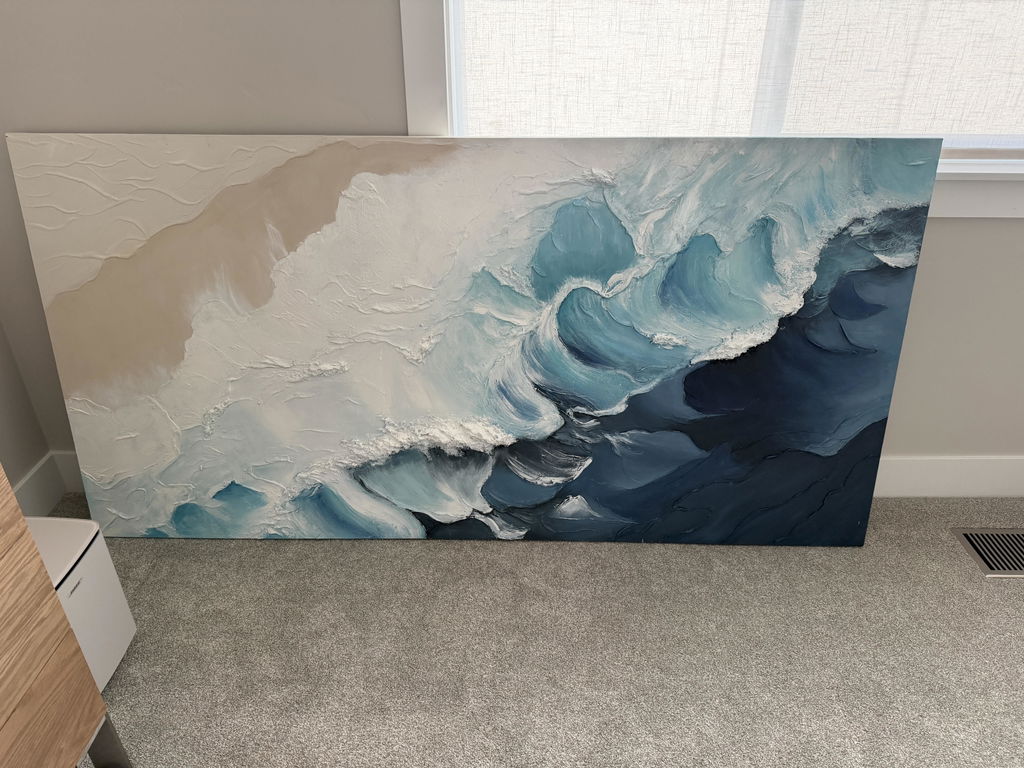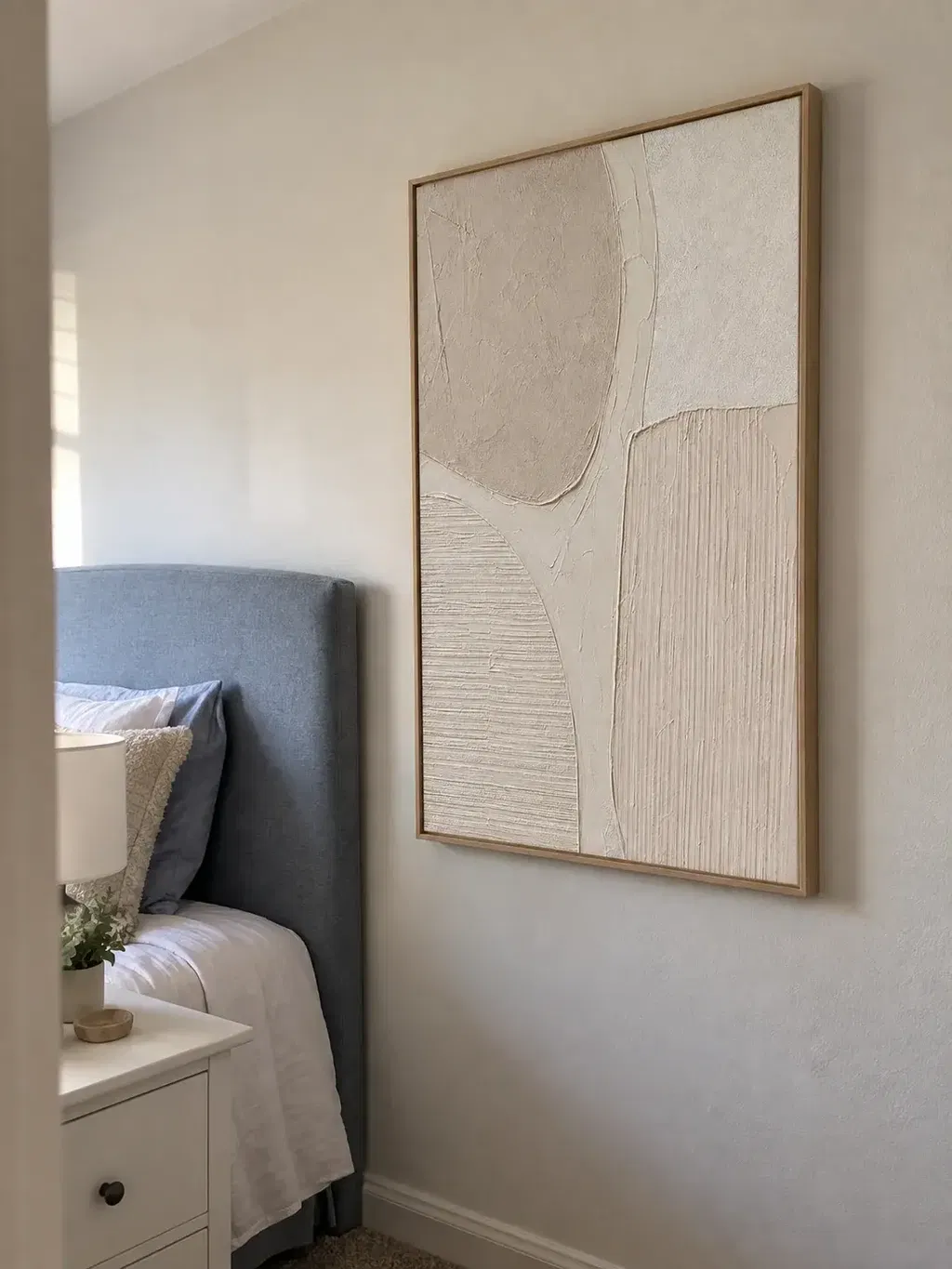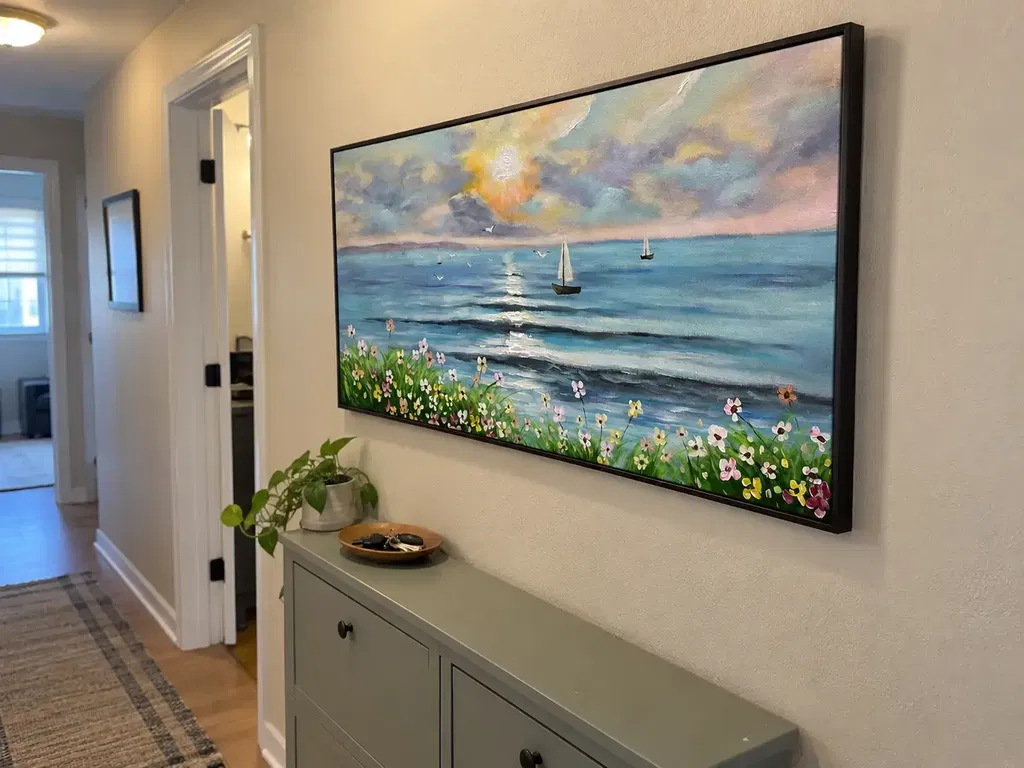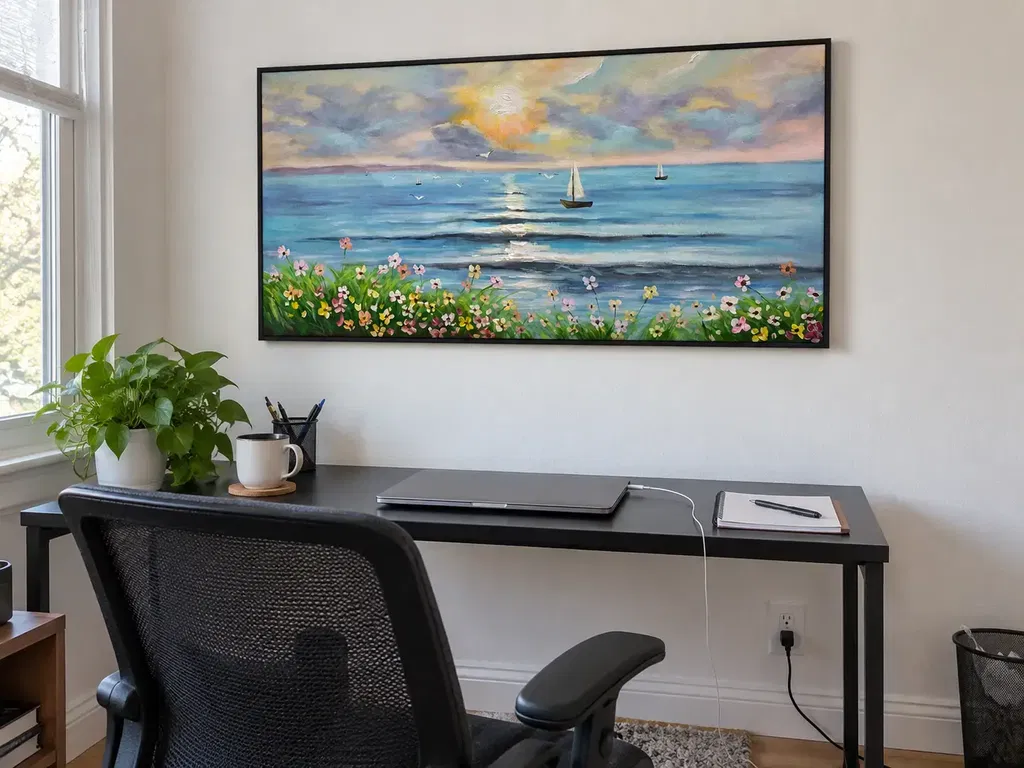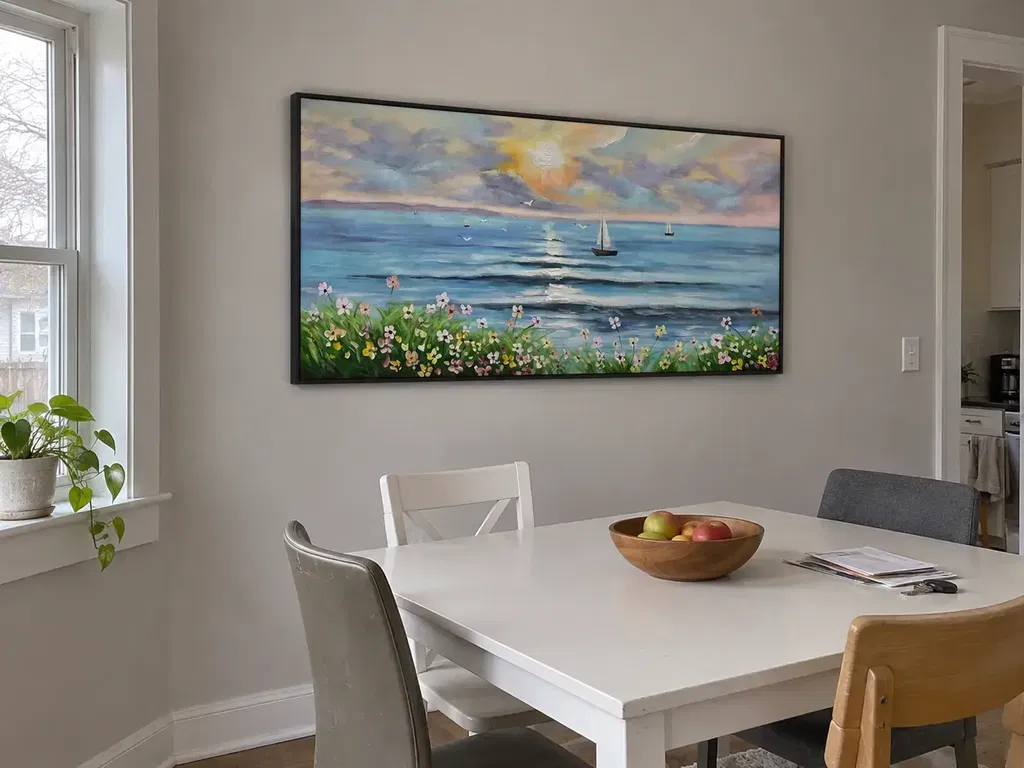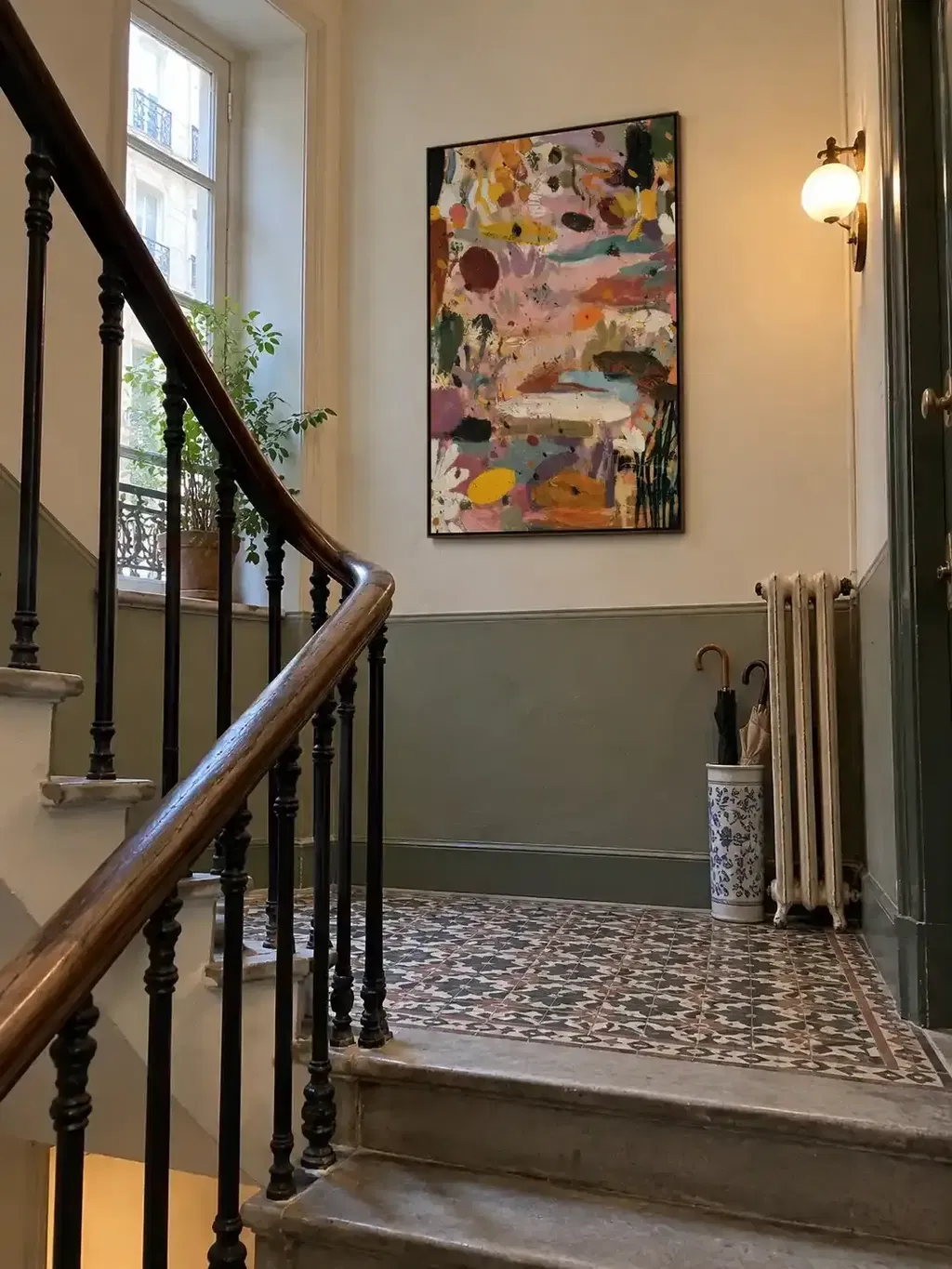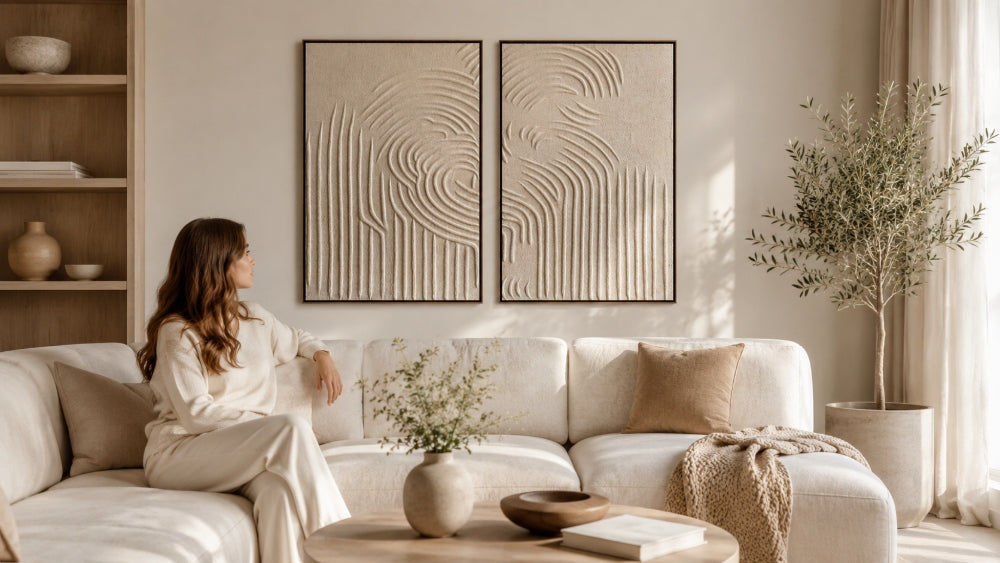
Preserving the beauty and structural integrity of your art collection requires a proactive approach to environmental control and physical maintenance. To keep your canvas paintings in pristine condition, you must maintain a stable environment with temperatures between 65-75°F and relative humidity between 40-50%. Beyond climate, proper care involves regular dusting with soft brushes, avoiding direct UV exposure, and following professional hanging standards to prevent mechanical stress.
Whether you own a delicate oil paint on canvas or a contemporary piece of textured wall art, understanding the science of preservation ensures your investment remains vibrant for generations. This guide details the essential techniques used by conservators to protect and maintain high-value artwork in a home setting.
The Essentials of Canvas Art Preservation
The primary goal of art preservation is to minimize the natural aging process by controlling the environment. Canvas is a hygroscopic material, meaning it absorbs and releases moisture based on the surrounding air. When humidity fluctuates rapidly, the canvas fibers and the paint layers expand and contract at different rates, leading to tension and eventual damage.
Climate Control Metrics
For home galleries, consistency is more important than absolute perfection. Aim for the following metrics:
- Temperature: 65-75°F (18-24°C).
- Relative Humidity (RH): 40-50%.
According to the Australian Institute for the Conservation of Cultural Material, humidity changes cause supports to expand and contract, which can lead to visible cracking in the paint layers. High humidity (above 65%) also increases the risk of mold growth and "foxing" (brown spots), while extremely low humidity (below 30%) can make the paint film brittle and prone to flaking.
Basic Handling Rules
When moving or adjusting your pieces, always handle the frame rather than the canvas itself. For a large landscape artwork, it is recommended that two people carry the piece to avoid twisting the frame or accidentally puncturing the canvas from the rear. Wearing lint-free cotton gloves is also a best practice, as oils and salts from your skin can leave permanent residues on unvarnished surfaces.
How to Clean Canvas and Framed Art Safely
Cleaning is an irreversible process. Using the wrong tool or chemical can strip away varnish, lift delicate pigments, or soften the binder of the paint. The safest method for home maintenance is dry dusting.
Tools and Methods
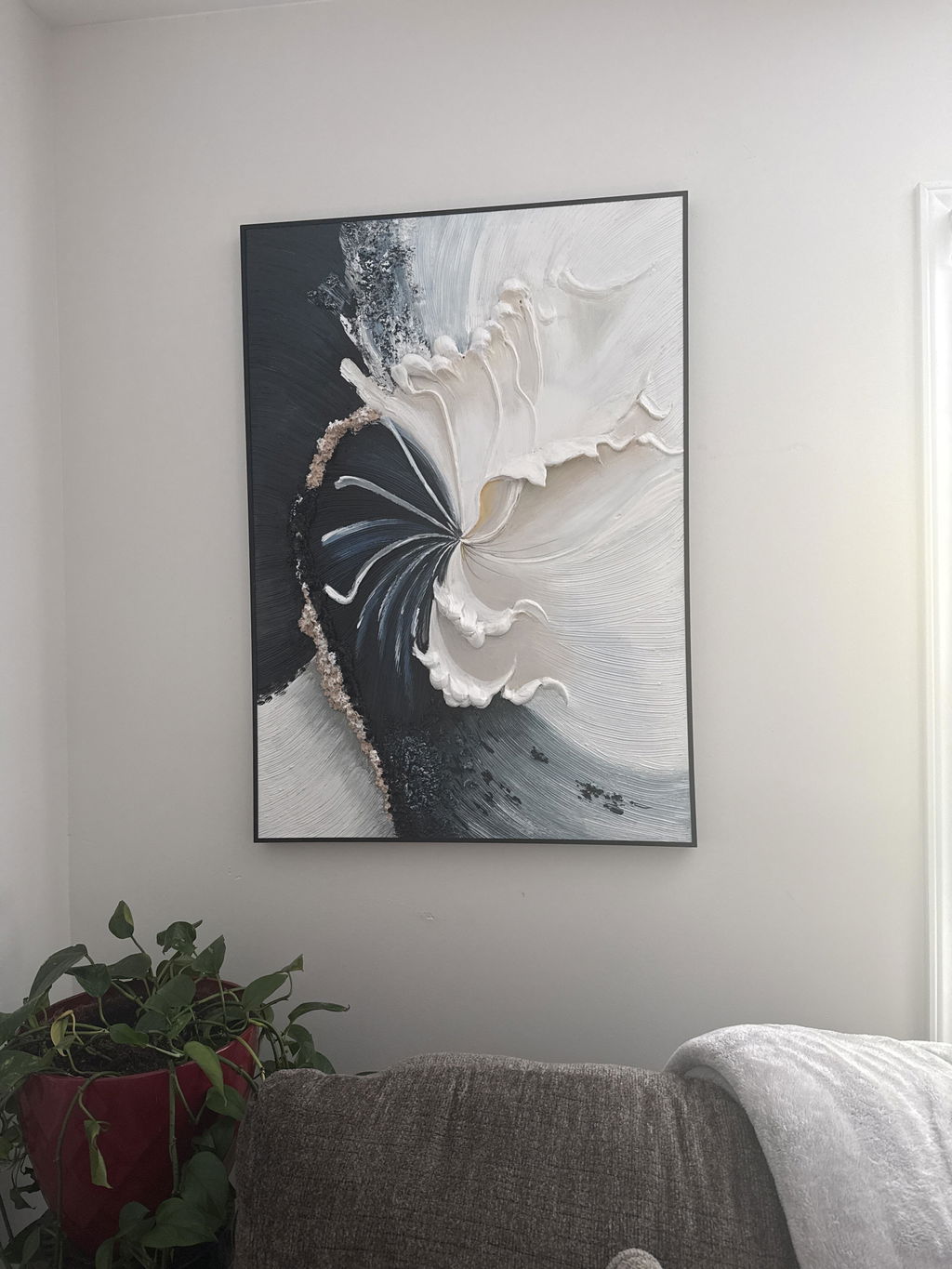
For an open canvas—especially those with heavy impasto or textured wall art—a soft-bristled sable brush or a high-quality goat hair brush is the gold standard. These brushes allow you to gently lift dust from crevices without applying pressure. For framed abstract wall art protected by glass or acrylic glazing, a clean, dry microfiber cloth is sufficient for the exterior.
| Medium | Recommended Tool | Cleaning Agent | What to Avoid |
|---|---|---|---|
| Oil Paint on Canvas | Sable brush / Soft duster | None (Dry only) | Water, solvents, soap |
| Acrylic Painting | Microfiber cloth / Soft brush | None (Dry only) | Heat, ammonia, moisture |
| Glass Glazing | Microfiber cloth | Glass cleaner (on cloth) | Spraying directly on glass |
| Acrylic Glazing | Anti-static cloth | Specialized plastic cleaner | Ammonia-based cleaners |
Critical Warnings
- Never Use Compressed Air: While it may seem efficient, compressed air is too forceful. It can drive dust deeper into the canvas weave or dislodge fragile paint flakes.
- Avoid Chemical Sprays: Household cleaners often contain ammonia or bleach, which can react with paint binders. The Smithsonian MCI warns that water can remove water-sensitive additives from modern acrylic paints, potentially altering the surface texture forever.
Optimal Placement for Sunlight and Heat Protection

Where you hang your art is just as important as how you clean it. Environmental hazards like UV radiation and extreme heat sources can cause cumulative, irreversible damage.
UV Exposure and Pigment Fading
Direct sunlight is the greatest enemy of vibrant pigments. UV rays break down the chemical bonds in both natural and synthetic dyes. The Library of Congress notes that light damage is cumulative; even low-intensity light over many years can cause yellowing, darkening, or bleaching of the artwork. If a room has significant natural light, consider installing UV-filtering window films or using UV-protective glazing on your framed pieces.
The Risks of Heat Sources
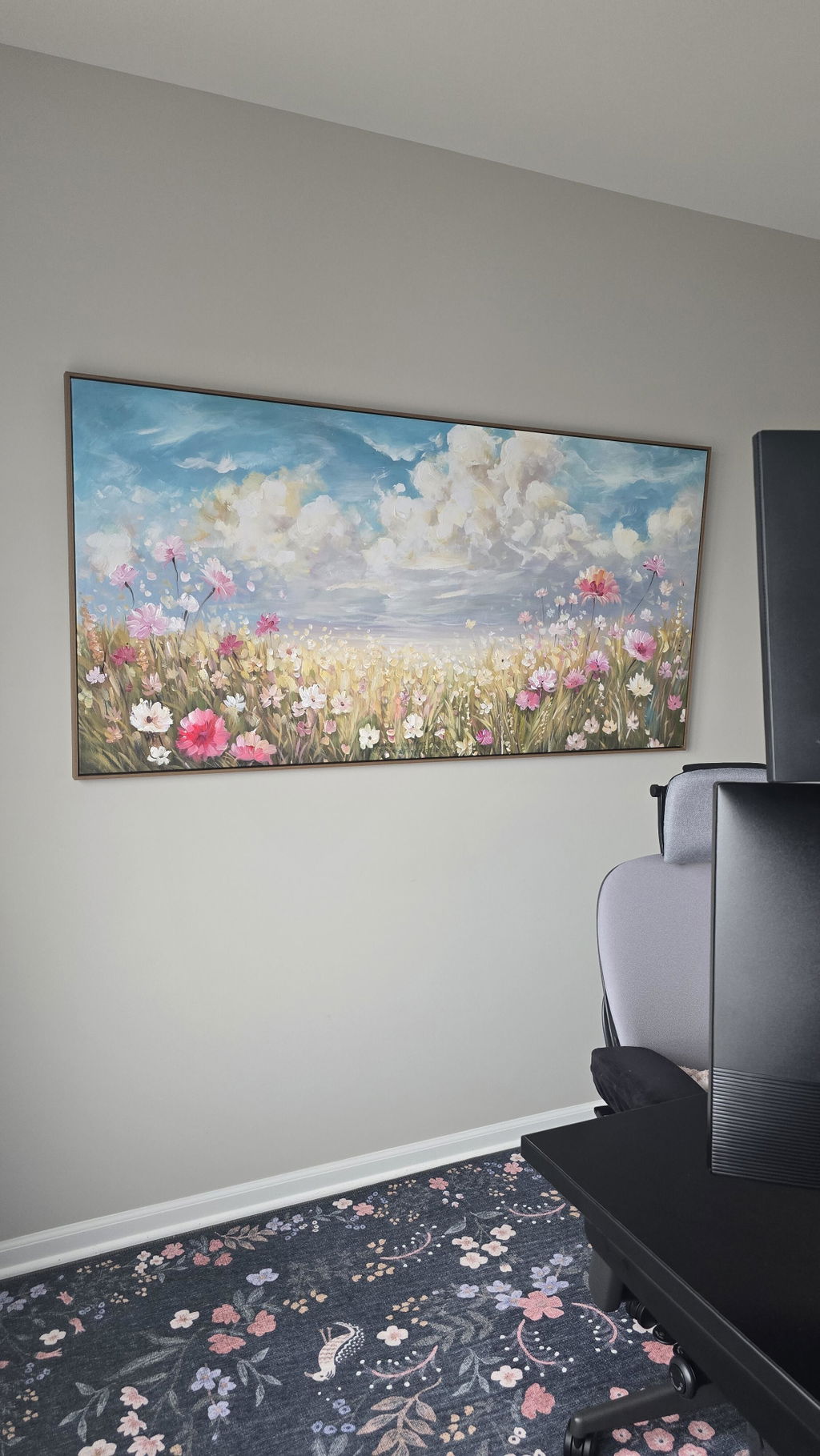
Hanging a landscape canvas wall art piece directly above a fireplace is a common aesthetic choice, but it carries high risks. The heat from a fire can soften paint binders—especially acrylics, which begin to soften at approximately 60°C. Furthermore, the soot and smoke particles from a wood-burning fireplace can settle on the surface, creating a grimy layer that is difficult to remove without professional restoration.
Pros and Cons of Strategic Placement:
- Pro: Interior Walls. Interior walls are less affected by outdoor temperature fluctuations, providing a more stable environment.
- Con: Exterior Walls. These walls can be prone to condensation and temperature drops, which may lead to moisture buildup behind the frame.
- Pro: LED Lighting. LEDs emit very little UV and heat compared to halogen or incandescent bulbs, making them safer for illuminating art.
- Con: Above Radiators. Constant rising heat will dry out the canvas and wooden stretcher bars, leading to warping and cracking.
The Rule of 57 for Professional Hanging
To achieve a gallery-like appearance while ensuring the structural safety of your art, follow the "Rule of 57." This standard ensures that the center of the artwork is at the average human eye level, creating a cohesive look across different sizes of art.
Step-by-Step Guide to the Rule of 57
- Measure the Height of the Art: Find the vertical height of the frame and divide by two to find the center point.
- Mark the Wall: Measure exactly 57 inches from the floor and make a light pencil mark. This is where the center of your painting should rest.
- Adjust for the Hanging Hardware: Measure the distance from the top of the frame to the hanging wire (when pulled taut) or the D-ring. Subtract this distance from your half-height measurement and add it to the 57-inch mark to find your nail placement.
Hanging Above Furniture
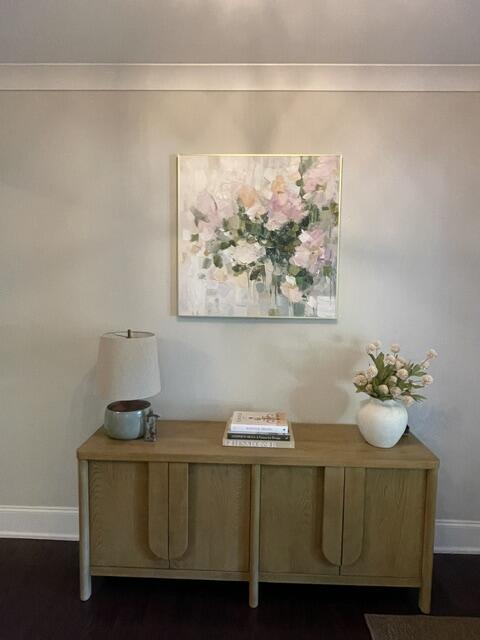
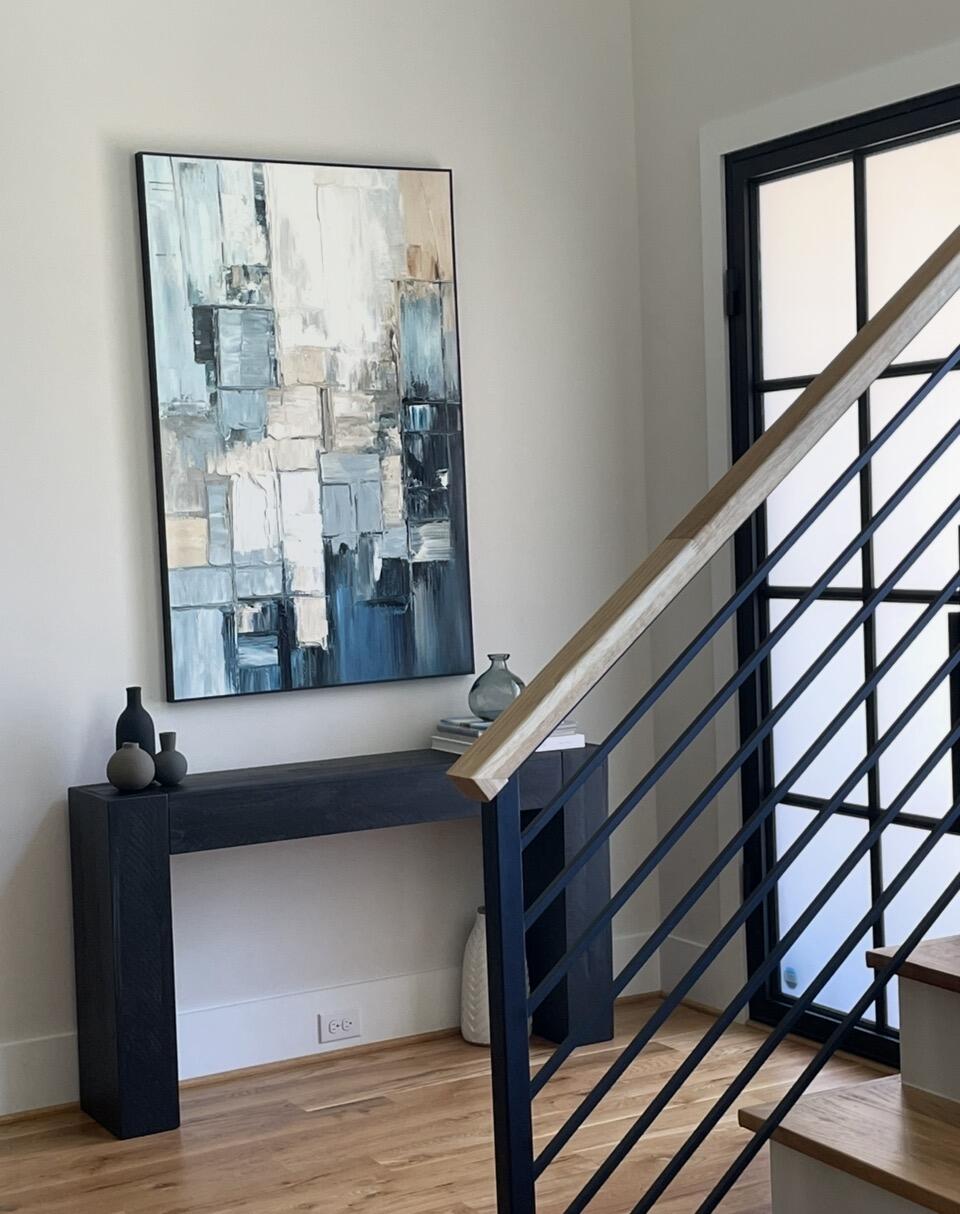
When hanging art above a sofa, console, or headboard, the 57-inch rule may be adjusted. Typically, you should leave 6 to 8 inches of clearance between the bottom of the frame and the top of the furniture. This prevents the piece from looking "disconnected" from the room's decor while keeping it high enough to avoid accidental bumps.
Best Practices for Storing Artwork Long Term
If you need to rotate your collection or store a piece during a move, the materials you use are critical. Improper storage is a leading cause of physical deformation and moisture damage.
Storage Material Comparison
| Material | Preservation Benefit | Risk Factor |
|---|---|---|
| Archival Paper | Acid-free, breathable | None |
| Glassine Paper | Resists grease and moisture | Can stick to fresh paint if humid |
| Plastic Wrap | Waterproof | High Risk: Traps moisture and causes mold |
| Bubble Wrap | Impact protection | Can leave "ghost" patterns if touching the surface |
Storage Checklist
- Use Archival Materials: Always wrap the art in acid-free archival paper or glassine first. This provides a pH-neutral barrier.
- Avoid Plastic: Never wrap a painting directly in plastic or bubble wrap for long periods. These materials trap moisture, which can lead to mold or the softening of the paint layer.
- Store Vertically: Always store paintings on their edges, standing upright. Never stack paintings on top of each other, as the weight can cause "canvas sag" or cause the stretcher bars of the top piece to leave an indentation on the bottom piece.
- Elevate from the Floor: Use pallets or blocks to keep art off the floor in case of minor leaks or dampness.
Monitoring Ventilation and Preventing Foxing

Even with perfect cleaning and placement, you must periodically inspect the reverse side of your artwork. One of the most common issues for collectors in humid climates is foxing—the appearance of small, rusty brown spots on the canvas or paper support.
What is Foxing?
Foxing is often caused by a combination of high humidity and the oxidation of iron or other mineral impurities within the canvas fibers. While it doesn't always damage the paint layer immediately, it indicates that the storage or display environment is too damp.
Troubleshooting Moisture Issues
To prevent foxing and mold, ensure there is adequate ventilation behind the painting. You can attach small cork or rubber "bumpers" to the back corners of the frame. These create a small gap (about 1/4 inch) between the wall and the art, allowing air to circulate.
According to the Canadian Conservation Institute, installing a backing board is one of the most effective ways to protect against humidity fluctuations and dust buildup. A sealed backing board acts as a buffer, slowing down the rate at which the canvas reacts to environmental changes.
Maintaining Your Canvas Paintings Collection
A comprehensive approach to art care balances regular maintenance with long-term environmental protection. By keeping your home gallery within the ideal temperature and humidity ranges, using professional dusting tools like a sable brush, and adhering to the Rule of 57 for hanging, you preserve the visual and financial value of your collection. Remember to check your pieces seasonally for signs of foxing or warping, especially if they are hung on exterior walls. Proper wall art care guide: how to clean, protect and maintain canvas paintings practices ensure that your investment remains a source of beauty for years to come.
Safety Notice
This article provides general guidance only. Always follow the manufacturer's instructions, applicable local requirements, and appropriate safety practices. For installations involving heavy structural loads, placement near high-heat fireplaces, or electrical lighting systems, consult a qualified professional to ensure the safety of your home and artwork.
FAQs
Can I use glass cleaner on my framed artwork?
You should never spray glass cleaner directly onto your artwork. Instead, apply a small amount of ammonia-free cleaner to a microfiber cloth first and then gently wipe the glass. Only use this on the glazing, never on the canvas itself.
Why is my canvas painting turning yellow?
Yellowing is most often caused by cumulative UV exposure from sunlight, which degrades the protective varnish layer over time. It can also be caused by environmental pollutants like tobacco smoke or soot.
Is it safe to use compressed air to dust a painting?
No, compressed air is too forceful and can damage fragile paint layers or drive dust deeper into the canvas fibers. Use a soft-bristled sable brush for safe dusting.