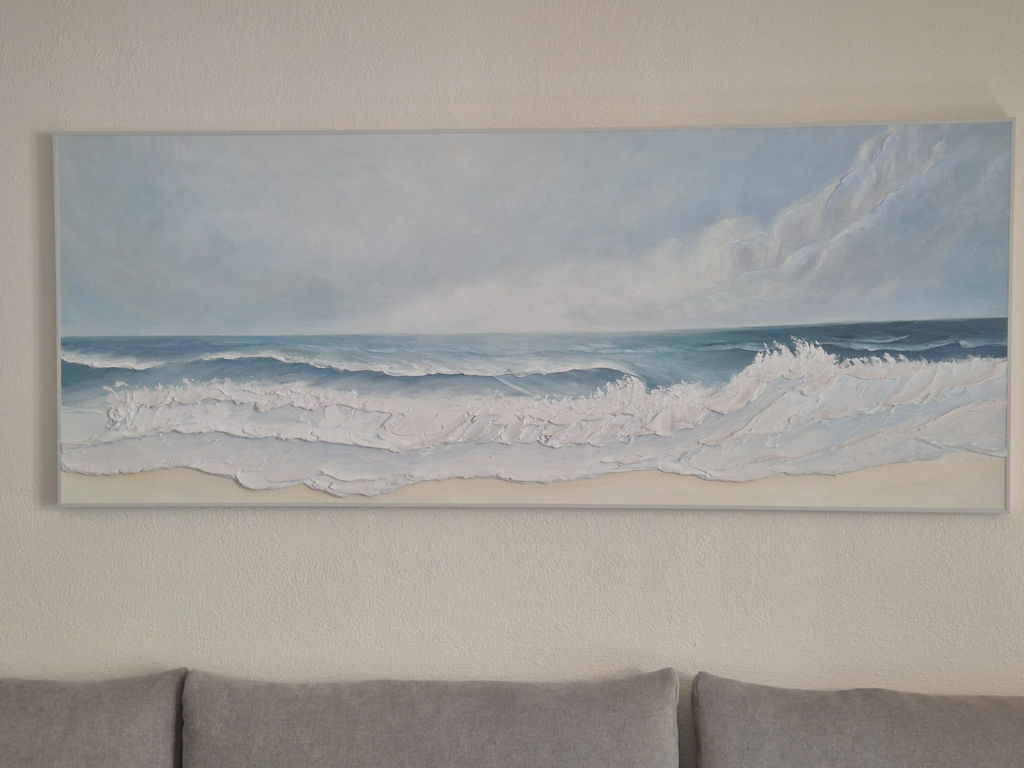
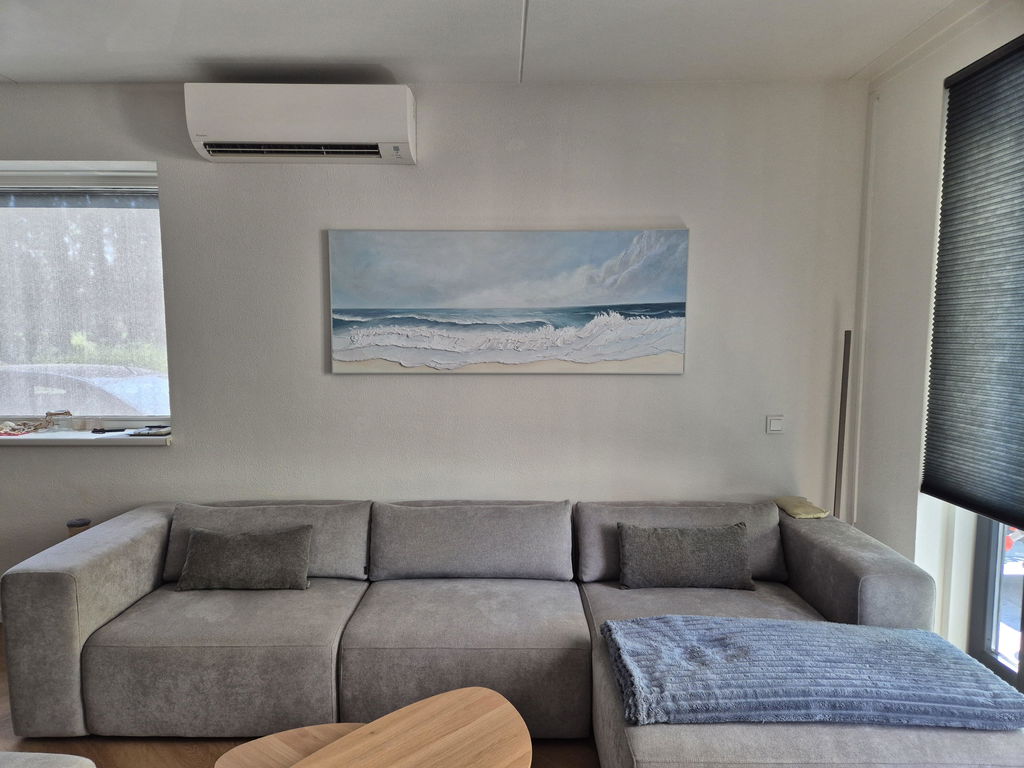
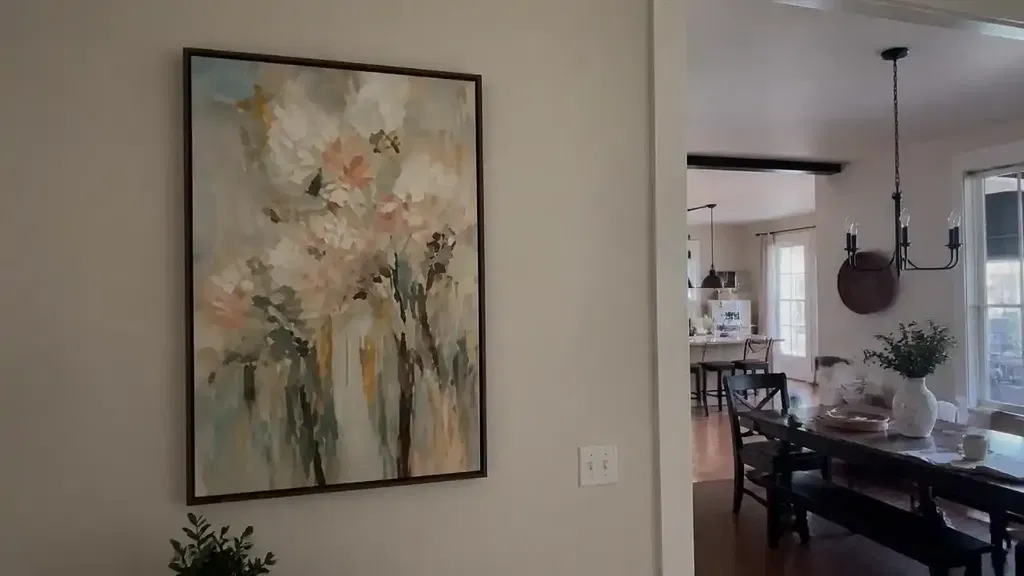
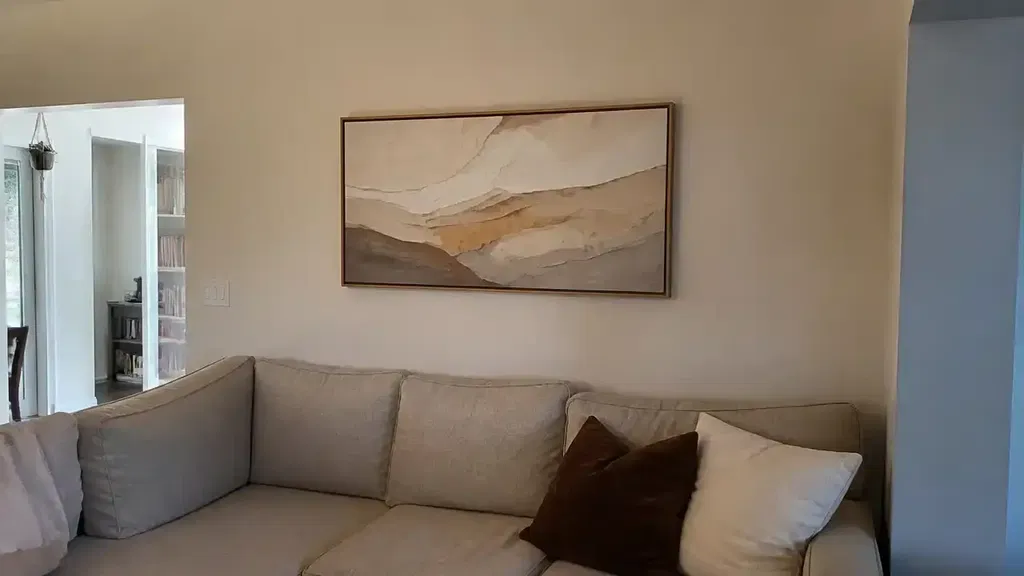
Textured art for high traffic homes can be practical when you place it where people and pets are unlikely to brush it and when you are comfortable with gentle upkeep. In a busy family room, the real question is not whether impasto looks good, but whether it can stay visible without becoming a touch-zone liability. For many homes, that means choosing the right wall first and the artwork second.
Why Textured Impasto Works in Family Homes
Textured impasto art feels practical when it is treated like a display piece, not a surface people will handle. The raised paint adds depth, but the same relief that makes it appealing also means the piece deserves more care than a flat print. That is why textured wall art basics matter before you buy: you are deciding how much visual impact you want, and how much handling risk you can accept.
The useful rule is simple. If the artwork can live on a wall with low contact and routine cleaning can stay gentle, textured art for high traffic homes is often a good fit. If the wall is likely to get brushed by backpacks, sleeves, or pet tails, the piece is more likely to feel delicate than practical.

That makes impasto a better match for families who want statement art without putting it in the middle of daily movement. It is not childproof or petproof, and it should not be treated that way. The win is that you can enjoy the texture while keeping the piece out of the busiest hands-off zones.
Where It Fits Best in Busy Rooms
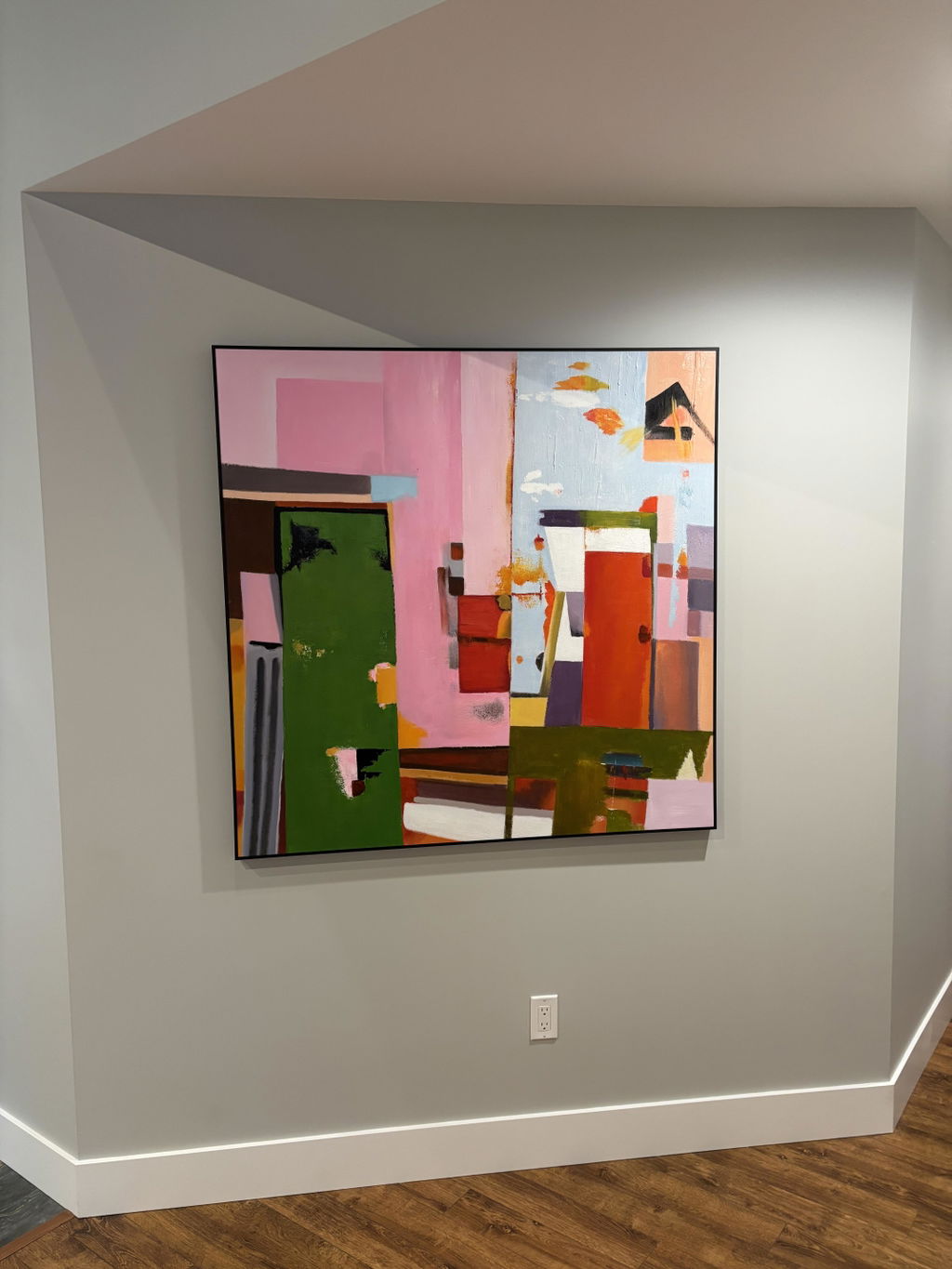
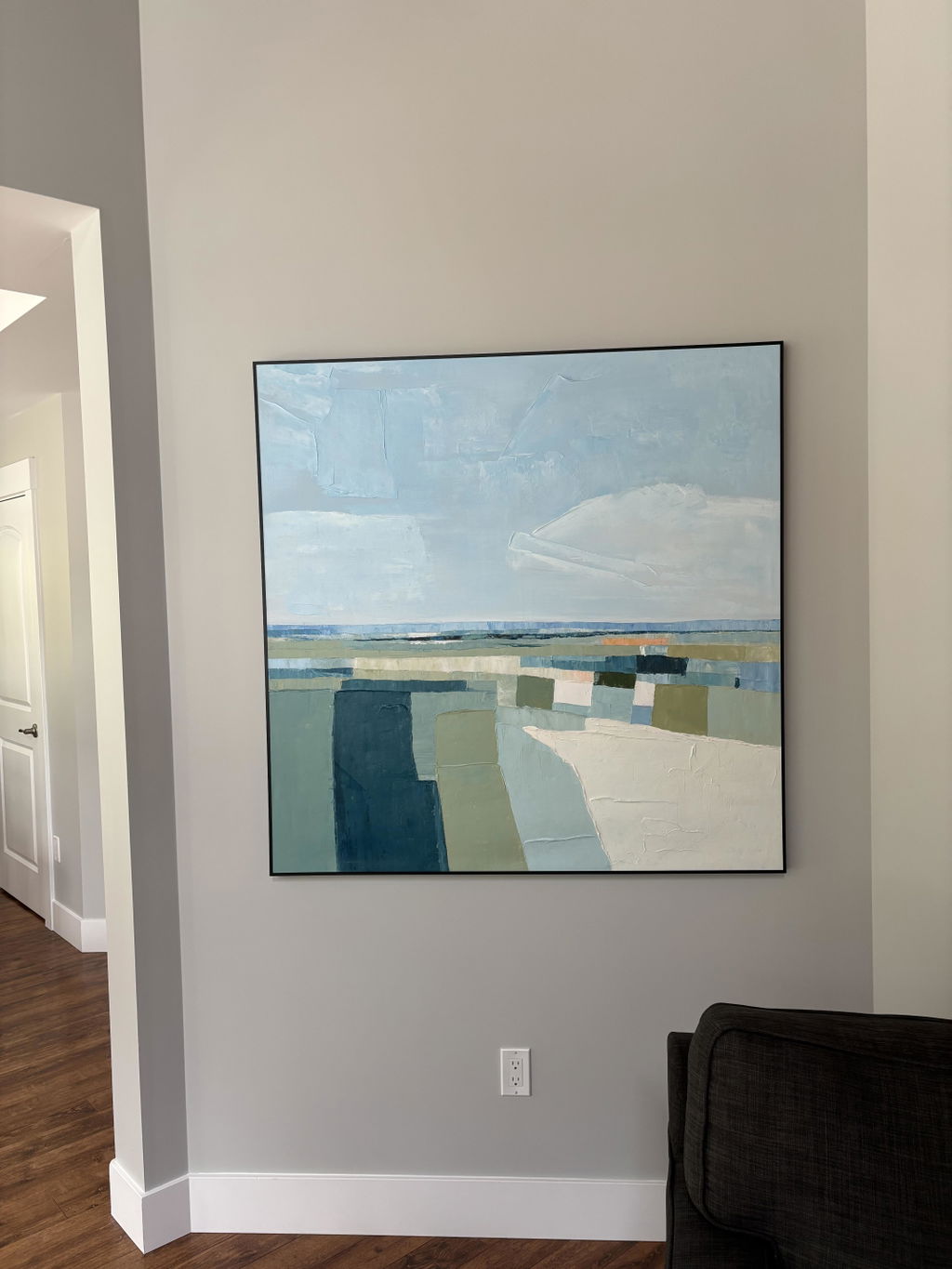
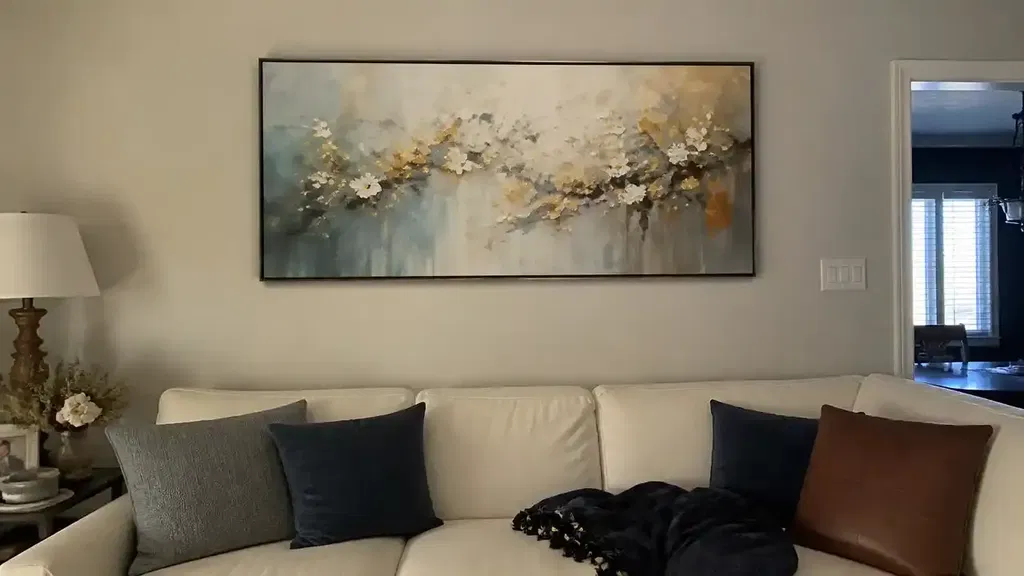
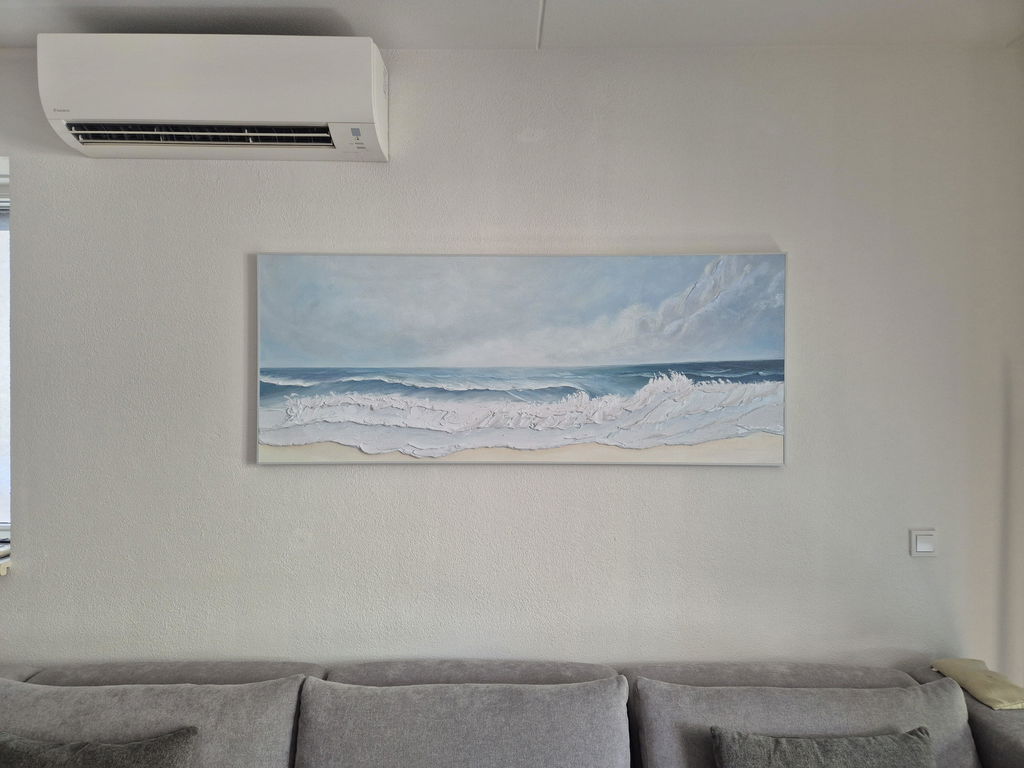
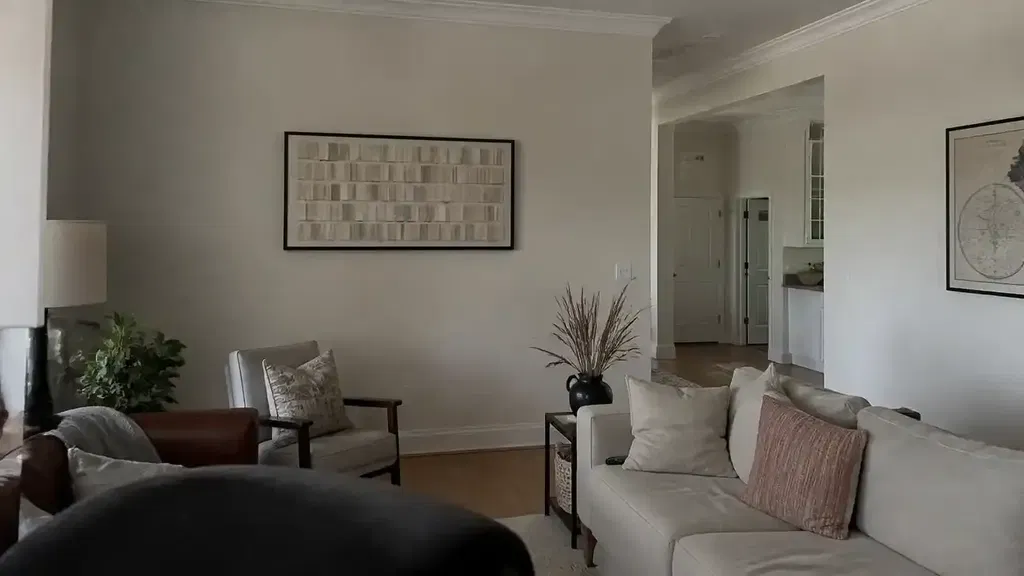
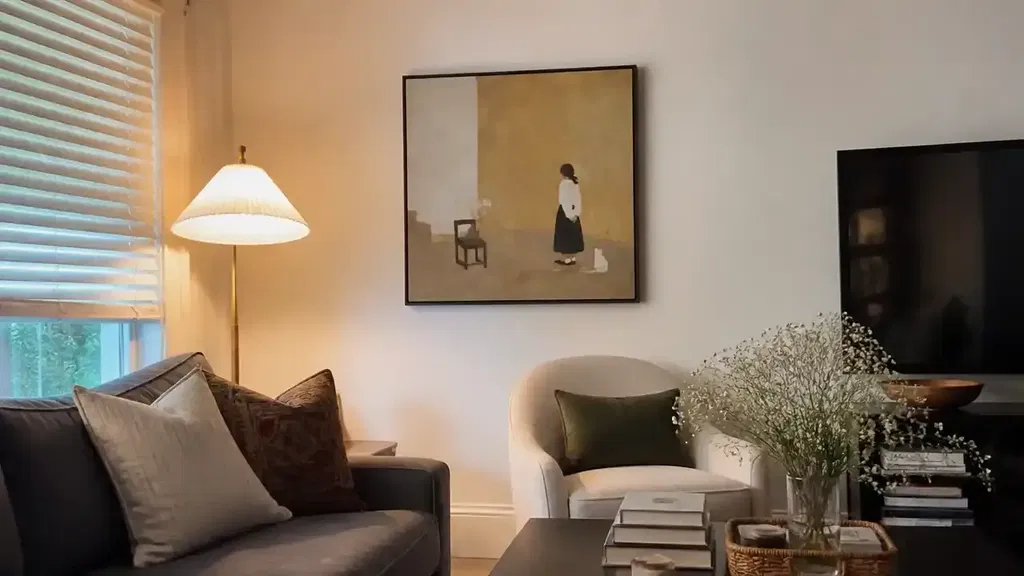
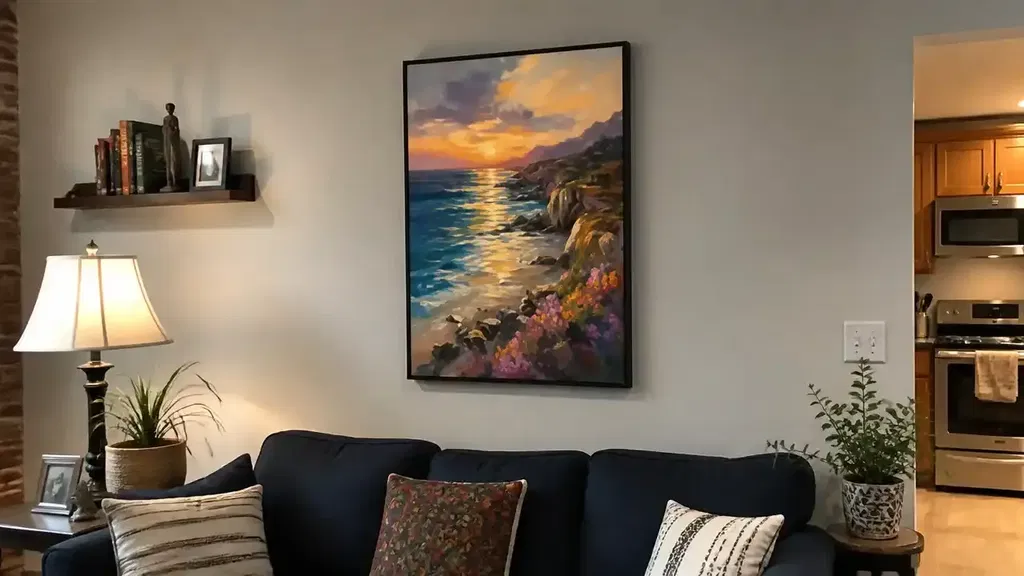
The best placements are visible from normal seating or entry sightlines, but not on the main path through the room. In family rooms, that usually means a wall above a sofa, console, or other lower-contact furniture, rather than a narrow wall people pass within arm's reach. In open-plan homes, the safest-feeling spot is often one that anchors the room visually while sitting off the daily route to the kitchen, play area, or hallway.
A family room often offers the easiest balance because the art can be seen without being constantly approached. Living rooms can work too, especially if the wall is deep enough that the piece is not sitting beside a doorway or corner. Entryways and hall-adjacent walls are more contact-prone, so they need more clearance and a stronger comfort level with bump risk. If the space is tight, the piece can still work, but only if it is far enough from passing bags, strollers, and shoulder-height traffic.

You can think of the placement choice as a reach-reduction problem. The more a wall sits inside an active route, the less forgiving texture becomes. A good family-home wall is the one people look at often and touch rarely.
What Makes It Easier to Live With
Raised texture is easier to live with when dusting can stay light and infrequent, not when it requires close contact every week. Professional conservation guidance notes that dust can settle into impasto crevices and that the peaks are more vulnerable to touch than a flat surface, which is why the surface choice matters as much as the style. See dust collects in impasto crevices for the main maintenance concern.
For routine care, the safer default is gentle dry dusting for textured surfaces rather than wet cleaning or abrasive tools. That means soft, light cleaning, not scrubbing. Harsh cleaners, rough cloths, and anything that can snag on the peaks are more likely to cause damage than help.
The practical takeaway is not that textured art is hard to own. It is that the easiest pieces to live with are the ones you do not have to touch often. A deeper relief, exposed edges, or a very busy wall can make upkeep feel more annoying even when the art itself is well made. If a room already needs frequent cleaning, choose a piece that can stay visually strong without asking for constant surface care.
Kid and Pet Considerations Without Overstating Risk
- Mount the piece where active play and everyday passing do not put hands directly at the surface.
- Keep it away from narrow pinch points where backpacks, elbows, and pet tails can brush by.
- Use higher placement when the room is also a play area or a pet route.
- Treat secure hanging as part of the decision, not an afterthought.
- If the artwork uses artist paints with a health-related pigment concern, keep that caution narrow and specific rather than treating all textured art as a risk.
For family spaces, a center height around family-safe mounting height can help keep art visible while making it less reachable. That does not make the piece childproof or petproof, but it does reduce casual contact in a way that matters in daily use. Higher placement works best when the wall still feels intentional, not so high that it becomes disconnected from the room.
If you are comparing a high-traffic wall to a more protected one, pick the wall with fewer reach and bump moments first. The family-friendly choice is usually the one that lowers contact, not the one that relies on optimism.
How to Choose a Family-Friendly Piece
| Decision factor | What to look for | Family-home benefit | Caution flag |
|---|---|---|---|
| Touch risk | Can the piece sit above furniture or outside the main route? | Lower chance of accidental contact | If hands, bags, or pets pass close by |
| Dusting effort | Can it be cleaned gently and dry? | Easier routine upkeep | If care would require rubbing the raised surface |
| Relief depth | Are peaks exposed or tightly contained? | More control over bump risk | If the texture protrudes into open space |
| Room traffic | Is it on a low-contact wall? | Better fit for busy homes | If it sits beside a doorway or corner |
| Mounting confidence | Is the hanging secure and appropriate for the wall? | Less worry in a busy household | If the hardware feels improvised |
This is where the practical decision becomes clearer. Bold texture is fine when the wall protects it; it is a poor choice when the room asks people to pass too close. Families that want a stronger visual statement can still choose impasto, but the wall should do the work of protecting the piece. If you want a broader family-room style, painting for living room options and large abstract wall art are better starting points when you want scale without putting texture in a tight pass-through zone.
A Simple Placement Checklist Before You Buy
- Check the traffic flow first. If the wall sits on a daily route, treat it as higher risk.
- Check clearance next. Make sure shoulders, bags, and pet movement will not brush the surface.
- Check whether cleaning can stay dry and gentle. If not, the piece may be too fussy for the room.
- Check the mounting plan before purchase. A secure hang matters more in a family home than a perfect photo.
- Check your comfort level with touch risk. If you already expect to worry about it, choose a lower-contact wall or a different wall-art type.
If you want a more neutral look with texture that still suits a family setting, neutral textured wall art can be a useful browsing path, but the real decision is still placement. The best choice is the one you can enjoy without reorganizing the room around the artwork.
Final Takeaway
Textured art for high traffic homes can work well when it stays out of reach, cleans gently, and fits a wall with low bump risk. If you have to protect it constantly, it is probably too delicate for that spot. Choose the lower-contact wall first, then decide whether the texture still feels worth it. If it does, you have a family-friendly placement. If it does not, we would rather help you pick a simpler wall-art setup than force a fragile-feeling one into daily life.
FAQs
Can Textured Impasto Art Work in a Family Room?
Yes, if the wall is outside the main contact path and the piece does not sit where people naturally brush past it. A family room is often one of the better places because you can control furniture placement and clearance. If the room doubles as a play zone, raise the placement and keep the artwork above the reach zone rather than near the floor line.
How Do You Keep Textured Wall Art Cleaner in a Busy Home?
Use light, dry cleaning only when the care instructions allow it, and avoid harsh cleaners or abrasive cloths. The key signal is whether dusting can happen without touching the raised paint. If a piece needs frequent contact to look presentable, it is usually a worse fit for a busy household than a lower-relief option.
Is Textured Art Too Delicate for Homes With Kids or Pets?
Not necessarily, but it becomes a poor fit when it sits at reach height or on a wall with frequent bump traffic. The risk is usually about placement and mounting, not texture alone. If you need to think about it every time a child runs by or a pet passes underneath, choose a higher wall or a smoother piece.
What Rooms Are Best for Impasto Paintings in High-Traffic Areas?
Family rooms and protected living room walls are often the safest bets because they can be visible without being part of a pass-through route. Entry-adjacent walls can work, but only if there is enough clearance. Narrow hallways are the least forgiving because they combine movement, corners, and limited space.
What Should You Check Before Buying Textured Art for a Busy Home?
Check the care instructions, the mounting confidence, and the wall location together. If any one of those feels uncertain, the piece is probably better suited to a lower-contact wall. A practical choice is not the one with the boldest texture; it is the one that fits your room without creating daily worry.