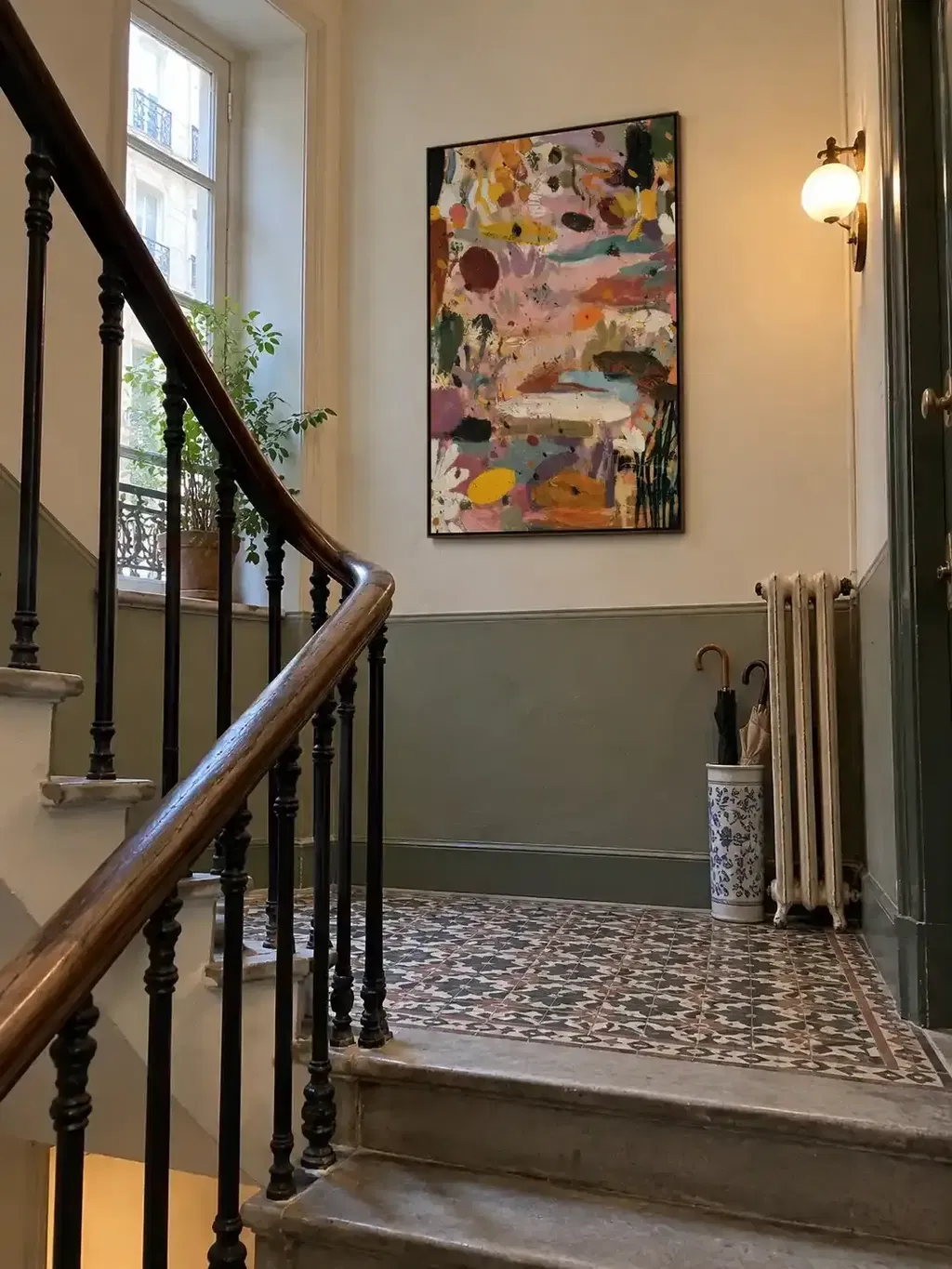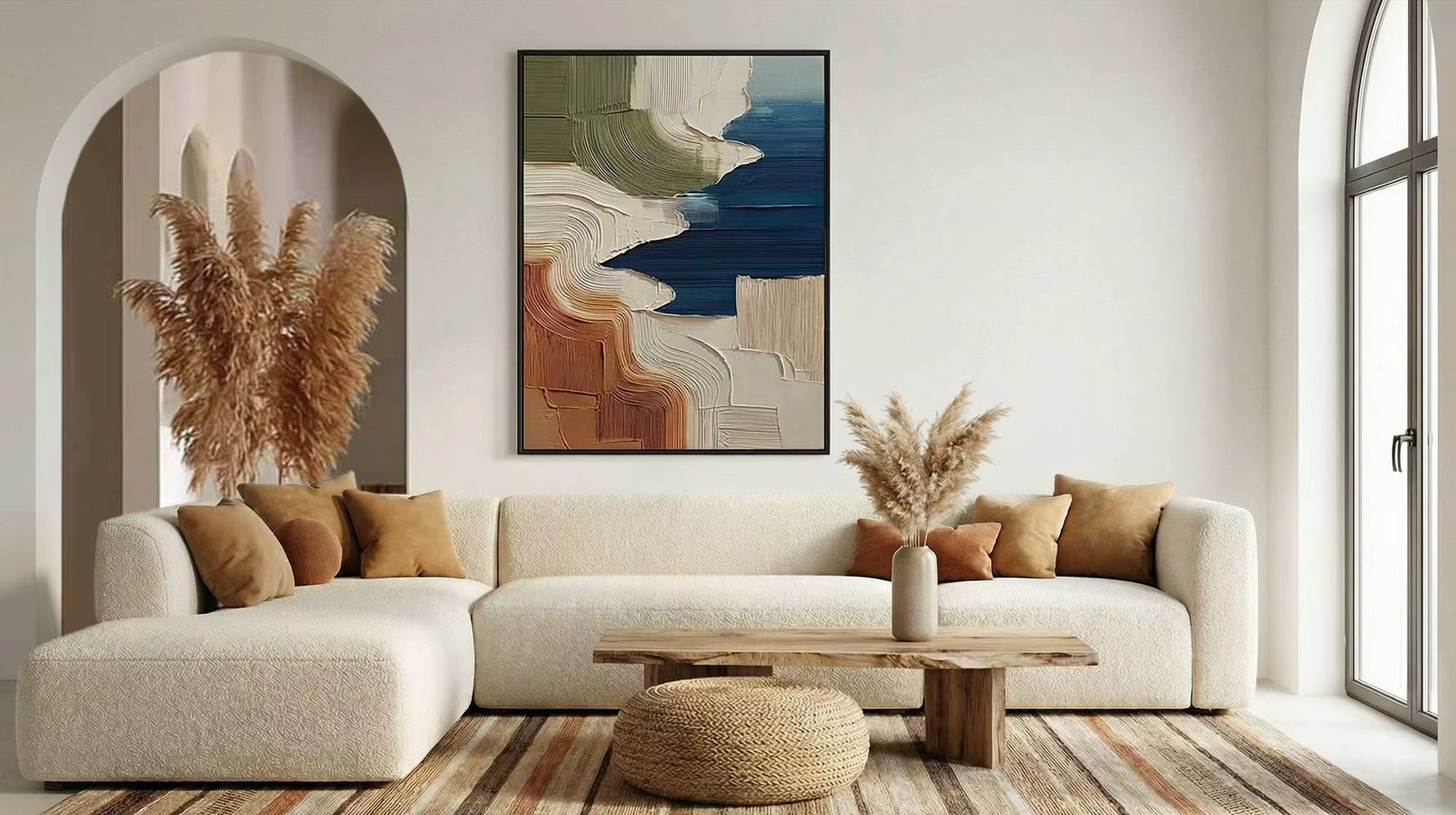
Introduction: Why Textured Wall Art Is Everywhere Right Now
If you’ve been browsing modern home decor recently, you’ve probably noticed a shift.
Flat prints are being replaced by something more tactile, more dimensional, and more refined — textured wall art.
From high-end interior design projects to everyday living rooms, textured oil paintings and impasto-style artwork are becoming a defining trend. But what exactly makes them so popular?
In this guide, you’ll learn what textured wall art is, why it stands out, and how to choose the right piece for your space.
What Is Textured Wall Art?
Textured wall art refers to artwork that has a physical surface you can see and often feel.
Unlike flat prints, these pieces are created using techniques that build up layers of material, giving the artwork depth and dimension.
Common types include:
- Impasto paintings (thick, raised paint)
- Textured oil paintings with visible brushstrokes
- Mixed media or plaster-based artwork
- Thick acrylic paintings with layered surfaces
This added texture creates a more dynamic and engaging visual experience.
Why Textured Wall Art Is Trending in Modern Interiors
1. It Adds Depth to Minimalist Spaces
Modern interiors often use neutral palettes and clean lines.
Textured artwork introduces subtle complexity without disrupting the simplicity.
2. It Feels More Premium Than Prints
Flat canvas prints can sometimes feel generic.
In contrast, hand-painted oil paintings offer:
- Unique variations
- Visible craftsmanship
- A more luxurious finish
This is why many homeowners see textured art as affordable luxury wall decor.
3. It Creates a Strong Focal Point
Because of its depth and surface variation, textured art naturally draws attention.
It becomes the centerpiece of the room without needing bold colors.
4. It Aligns with Current Design Trends
Popular styles like:
- Japandi
- Wabi-sabi
- Minimalist luxury
All emphasize natural textures and imperfections — making textured wall art a perfect fit.

Textured Wall Art vs Canvas Prints: What’s the Difference?
| Feature | Textured Wall Art | Canvas Prints |
| Surface | Raised, dimensional | Flat |
| Technique | Hand-applied layers | Printed image |
| Uniqueness | One-of-a-kind feel | Mass-produced |
| Visual Impact | Strong and dynamic | Moderate |
| Value Perception | Premium | Basic |
If you’re looking to create a more refined interior, textured artwork is usually the better choice.
Popular Types of Textured Wall Art
Impasto Paintings (Thick Texture Art)
This technique uses thick layers of paint to create visible strokes and depth.
Ideal for modern and artistic interiors.
Neutral Textured Abstract Art
Soft tones like beige, cream, and white are widely used in contemporary homes.
These pieces are versatile and calming.
Textured Landscape Paintings
Nature-inspired textured art combines realism with depth, creating a soothing effect.
3D Wall Art and Mixed Media
These pieces incorporate multiple materials to create even more dimension.
Best for statement walls.

How to Choose the Right Textured Wall Art
Consider Size
For living rooms, choose large wall art that spans about 60–75% of your sofa width.
Oversized pieces create stronger visual impact.
Match Your Color Palette
- Neutral tones → calm, modern feel
- Warm tones → cozy atmosphere
- Contrast tones → bold statement
Think About Placement
Best placement areas include:
- Above the sofa
- Behind a console table
- Entryway feature walls
Focus on Texture Intensity
Not all texture is the same.
- Subtle texture → minimalist interiors
- Heavy impasto → artistic, bold spaces

Is Textured Wall Art Worth It?
For many homeowners, the answer is yes.
Compared to prints, textured artwork offers:
- Greater visual depth
- A more premium appearance
- A unique, handcrafted feel
If your goal is to create a space that feels intentional and elevated, it’s a worthwhile upgrade.
Frequently Asked Questions
What is textured wall art made of?
It can be made from oil paint, acrylic, plaster, or mixed materials layered to create depth.
Is textured wall art more expensive?
It is typically more expensive than prints, but it offers higher perceived value and uniqueness.
Where should I place textured wall art?
The most common placement is above the sofa or on a main feature wall.
Does textured art work in small spaces?
Yes. Choosing the right size and subtle texture can enhance smaller rooms without overwhelming them.
Final Thoughts: Why Texture Changes Everything
Textured wall art is more than just decoration.
It adds dimension, enhances lighting, and creates a richer visual experience that flat artwork cannot achieve.
As interior design continues to move toward more natural and tactile elements, textured art is becoming a long-term trend rather than a temporary one.
Ready to Elevate Your Space with Textured Wall Art?
Browse our curated collection of textured oil paintings and discover hand-painted artwork designed to bring depth, character, and a refined aesthetic to your living space.
You can also request a custom piece tailored to your style, size, and color preferences.