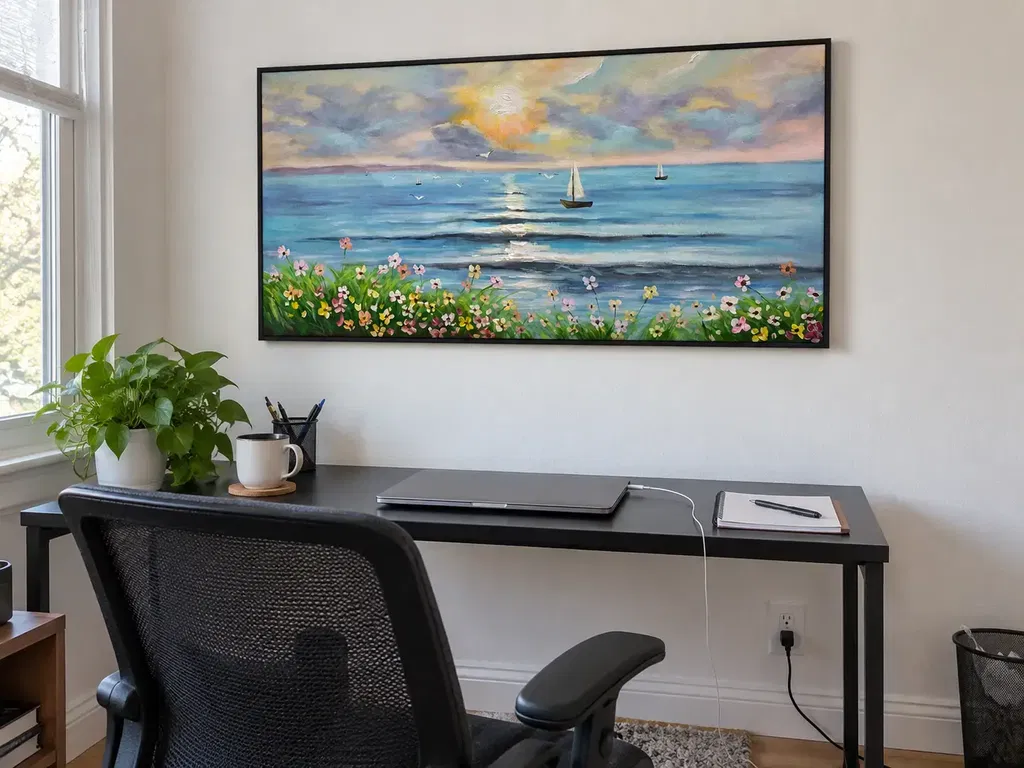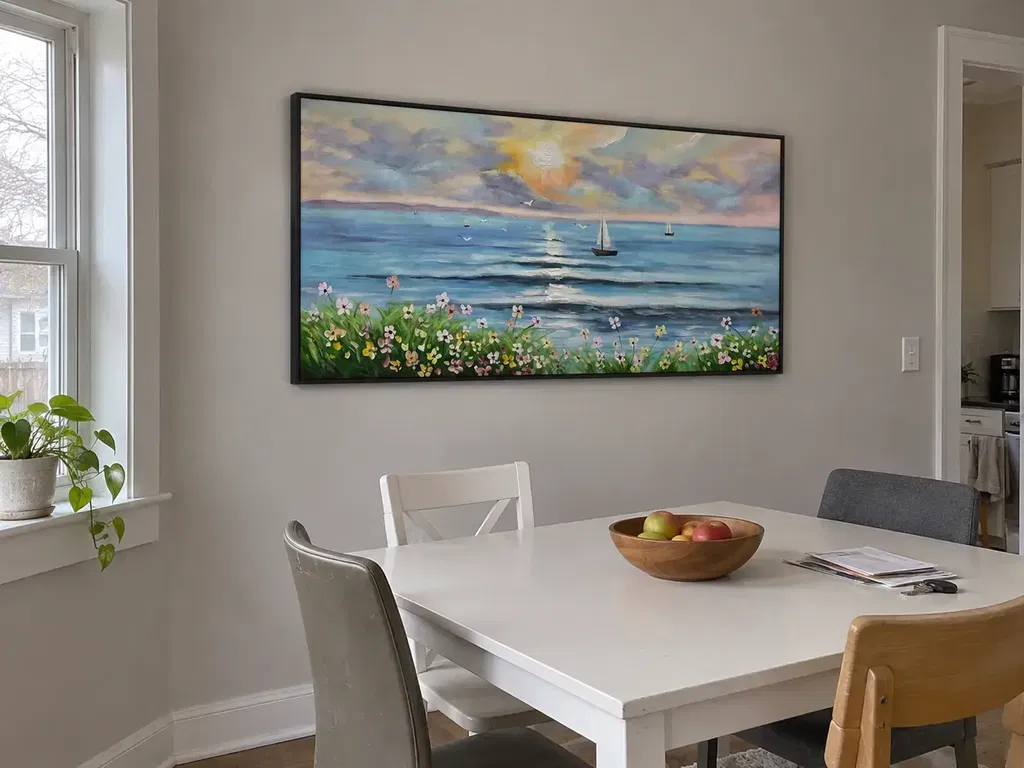
The Shift Toward Ethical Luxury in Fine Art
The landscape of high-end art collecting is undergoing a quiet but profound transformation. For decades, the market was dominated by "vanity" auction pieces—works often purchased more for their financial speculation than their emotional resonance. However, recent data suggests a retreat from this purely transactional model. According to Marketplace, high-end auction sales for pieces over $10 million plummeted by 44% year-over-year in 2024. This shift indicates that collectors are returning to "real application value," prioritizing art that enriches their living spaces and aligns with their personal ethics.
For the modern collector, this value is found in the intersection of authentic human craftsmanship and environmental responsibility. As we move away from mass-produced prints and AI-generated imagery—which Columbia University research confirms consumers value 62% lower than human-created art—the focus has shifted to the "soul" of the piece. This soul extends beyond the canvas to the very materials that hold it. Sustainably sourced framing is no longer a niche preference; it is a critical component of art conservation and ethical interior design.
Logic Summary: Our analysis of the current art market assumes that the decline in speculative auction sales reflects a broader consumer pivot toward "living art" and murals that provide tangible emotional and aesthetic utility in private and commercial spaces.

The Material Science of Sustainable Framing
When selecting a frame for a high-value hand-painted acrylic or oil piece, the choice of material is the first line of defense in conservation. While many believe that any wood is "natural" and therefore sustainable, the reality of the supply chain is more complex.
FSC-Certified Hardwoods vs. The Bamboo Paradox
The gold standard for ethical framing remains Forest Stewardship Council (FSC) certified hardwoods. These materials ensure that the wood is harvested from forests that provide environmental, social, and economic benefits. Hardwoods like oak, walnut, and ash are favored by conservators for their structural density and long-term stability.
In contrast, bamboo is often marketed as the ultimate eco-friendly alternative due to its rapid growth. However, we often observe a "Bamboo Paradox" in the industry. While bamboo sequesters carbon effectively, industrial bamboo plantations can reduce local biodiversity by 40-60% compared to natural forests, according to the Journal of the American Bamboo Society. Furthermore, many bamboo composites used in framing rely on urea-formaldehyde adhesives which can off-gas, potentially damaging the delicate chemical balance of acrylic paint films.
| Framing Material | Est. Carbon Footprint | Durability Rating | Archival Compatibility | Cost Premium |
|---|---|---|---|---|
| FSC Hardwood | Low-Moderate | Excellent | High (with proper finish) | 5-10% |
| Engineered Bamboo | Very Low | Good | Moderate (check adhesives) | 0% (Baseline) |
| Reclaimed Wood | Lowest | Variable | High (after kiln-drying) | 15-20% |
| Recycled Aluminum | Moderate | Superior | High | 10-15% |
Methodology Note: Carbon footprint and cost premium estimates are based on 2024 market averages and life cycle assessment (LCA) heuristics. Actual values vary by shipping distance and specific mill certifications.
Conservation Chemistry: Protecting Art and Air Quality
A frame does more than provide a visual border; it acts as a micro-environment for the artwork. The finishes and sealants applied to the frame can either protect the art or contribute to its decay.
The VOC Impact on Indoor Health
Traditional solvent-based varnishes and paints are notorious for emitting Volatile Organic Compounds (VOCs). The EPA warns that indoor air pollution can be significantly higher than outdoor levels, making low-VOC finishes a prerequisite for healthy homes and LEED-certified commercial spaces.
For hand-painted art, the risk is twofold. First, high levels of VOCs can lead to central nervous system neuropathy in residents, as noted by CDC NIOSH reports. Second, these chemicals can interact with the polymer chains in acrylic art. Acrylics are physically "softer" than oils and form films through a process called coalescence rather than oxidative cross-linking. This makes them more susceptible to absorbing airborne pollutants. Using water-based, non-toxic finishes on sustainable frames ensures that the frame doesn't become a source of chemical stress for the painting.
Understanding the 3mm Gap Rule
A common mistake we see collectors make is assuming a "tight fit" offers better protection. In reality, professional conservators recommend a minimum 3mm gap between the artwork's edge and the interior of the frame.
This gap serves several functions:
- Ventilation: It prevents the buildup of moisture, which can lead to mold or the "haziness" seen in acrylics when surfactants migrate to the surface in high humidity (Tate Modern research).
- Thermal Expansion: Acrylic substrates and wood frames expand and contract at different rates. Without this buffer, the artwork may experience stress fractures or warping over time.
- Support Induced Discoloration (SID): As highlighted by Golden Artist Colors, water-soluble impurities in canvas can be drawn out during drying. Proper spacing and airflow help mitigate the environmental conditions that exacerbate SID.

Economic ROI: Art as a Property Value Catalyst
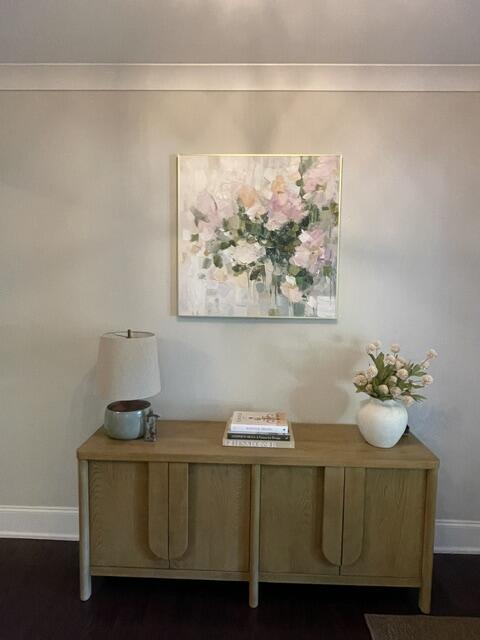
Investing in high-quality, sustainably framed art is not just an aesthetic choice; it is a documented driver of real estate value. For developers and homeowners alike, the presence of authentic art acts as a "marketing trump card."
According to a Royal Society CAR model analysis, neighborhoods with higher "art" geo-tags saw significantly greater relative house price gains. In commercial settings, the impact is even more dramatic. Public art projects, such as those in Chicago’s Millennium Park, have driven over $1.4 billion in real estate-related growth.
When a custom hand-painted mural or a large-scale framed piece is integrated into a space, it creates a sense of "absolute authenticity" that e-commerce and digital prints cannot replicate. This is particularly effective in luxury hospitality; a 2025 hospitality white paper notes that travelers increasingly seek out spaces that feature local artists, viewing it as a mark of a premium, curated experience.
Biophilic Design and Mental Well-being
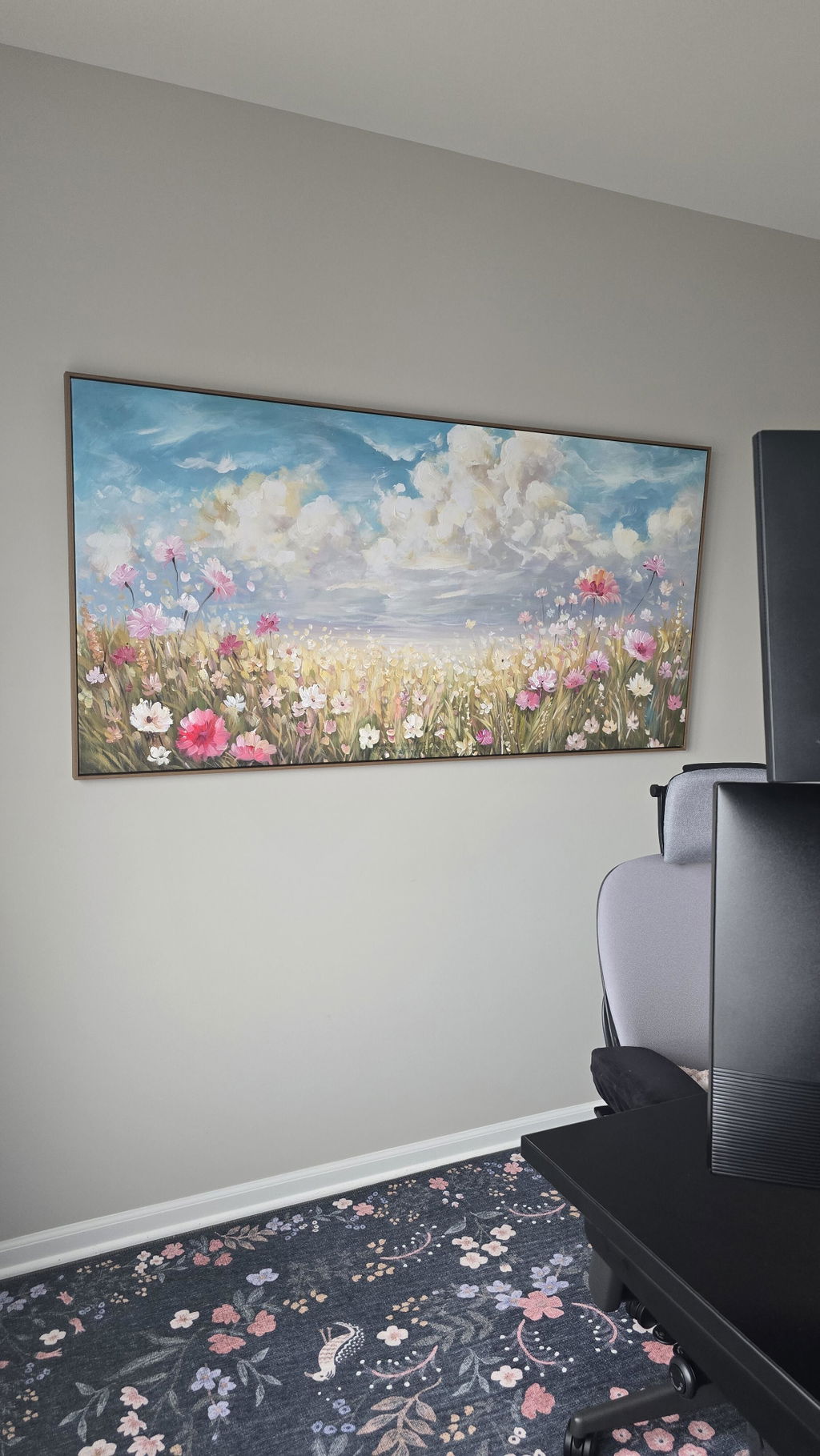
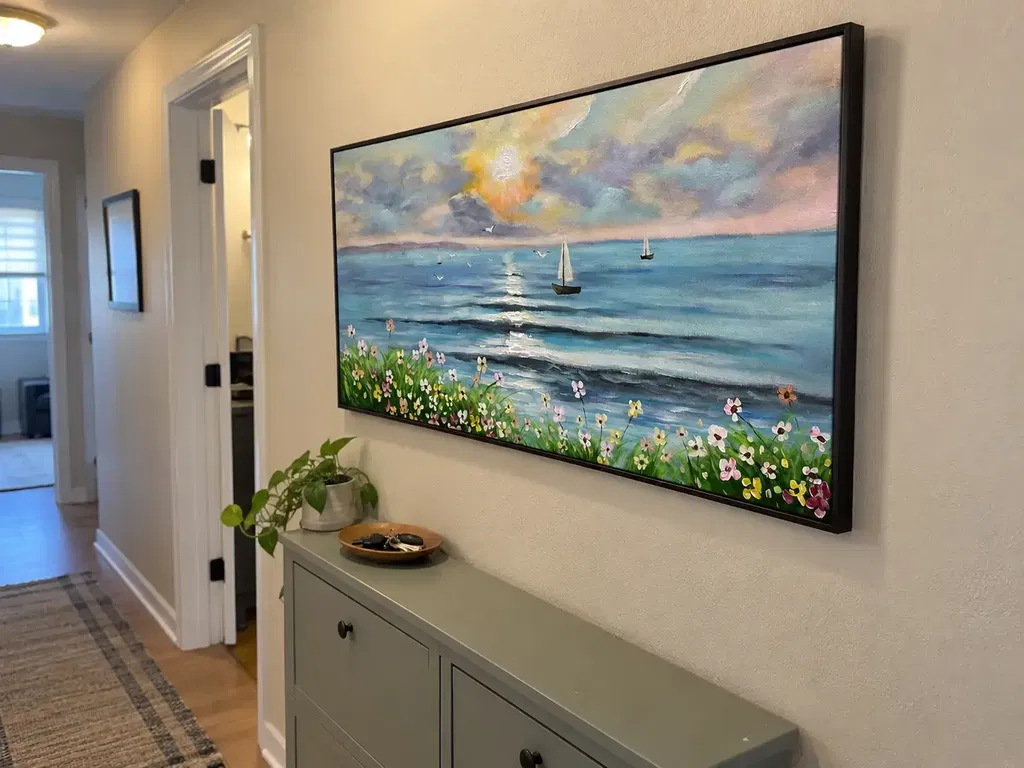
The rise of eco-friendly framing is deeply tied to the principles of biophilic design—the practice of connecting people with nature through the built environment. Framing nature-themed, hand-painted art in sustainable hardwoods creates a powerful "healing" effect.
Research from the University of Pennsylvania found that 73% of patients in clinical settings reported significant mood improvements when exposed to environmental artworks. Furthermore, WHO scoping reviews confirm that art interventions effectively alter clinical indicators for mental health. By choosing frames that use natural materials and low-toxicity finishes, designers can maximize these benefits, creating workspaces that reduce cognitive fatigue and turnover.
Logic Summary: The link between biophilic art and stress reduction is modeled on the "Busy Streets Theory," where aesthetic improvements to an environment trigger positive neurological responses (activating the mPFC and amygdala), leading to observed reductions in somatic stress.

Modern Aesthetics for Acrylics: Floater Frames and Beyond
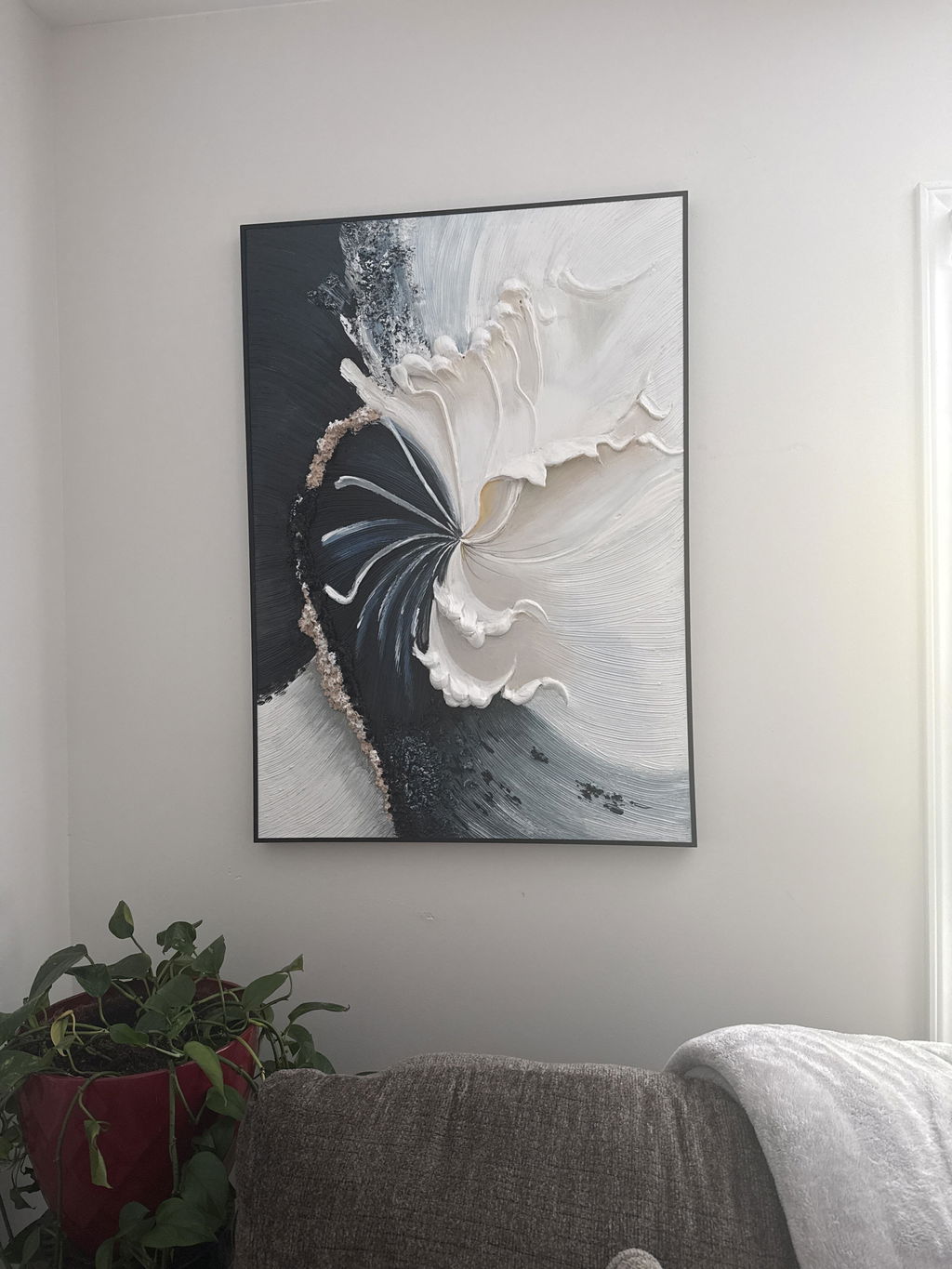
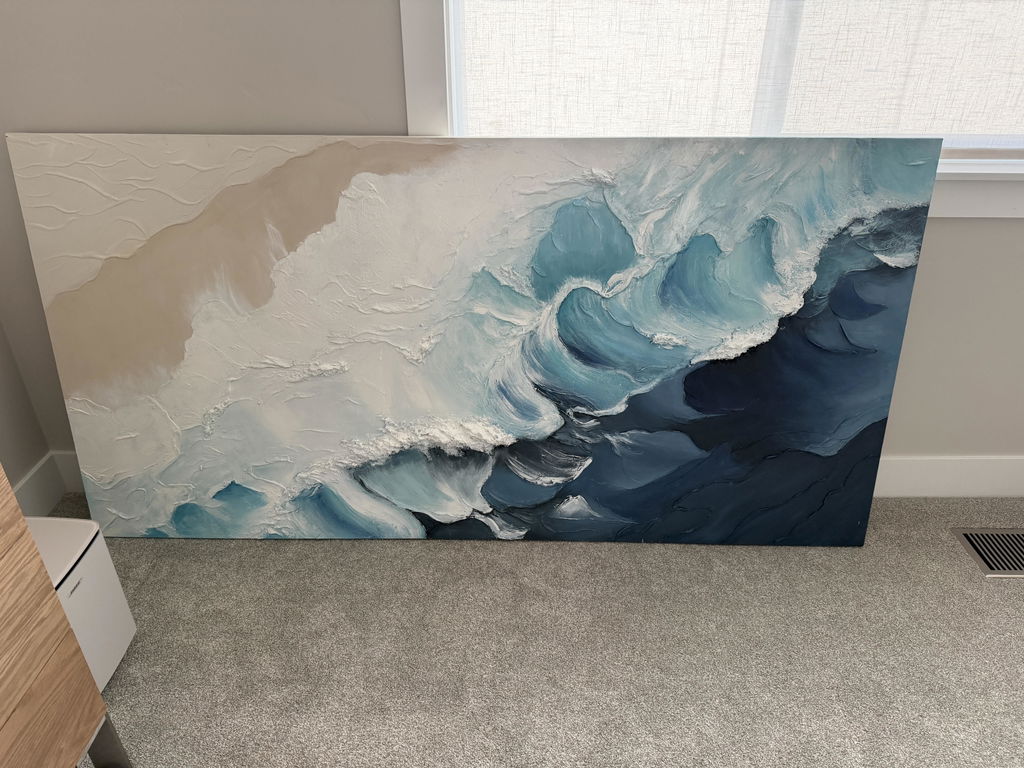
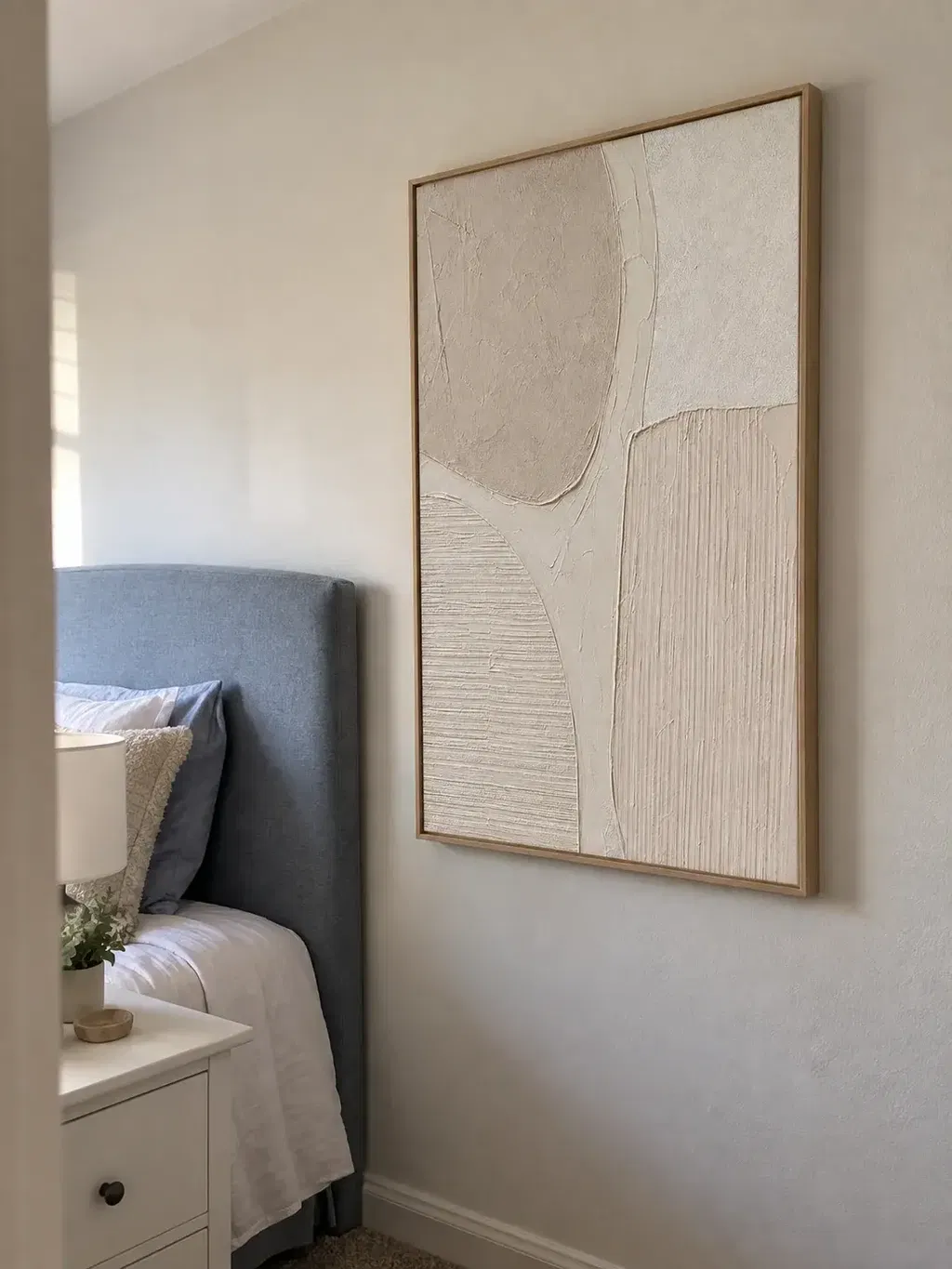
For the contemporary collector, the frame must complement the bold textures and "raw" edges often found in modern acrylic works. Balancing heavily textured art with minimalist decor requires a framing solution that doesn't compete with the art's physical relief.
The Rise of the Floater Frame
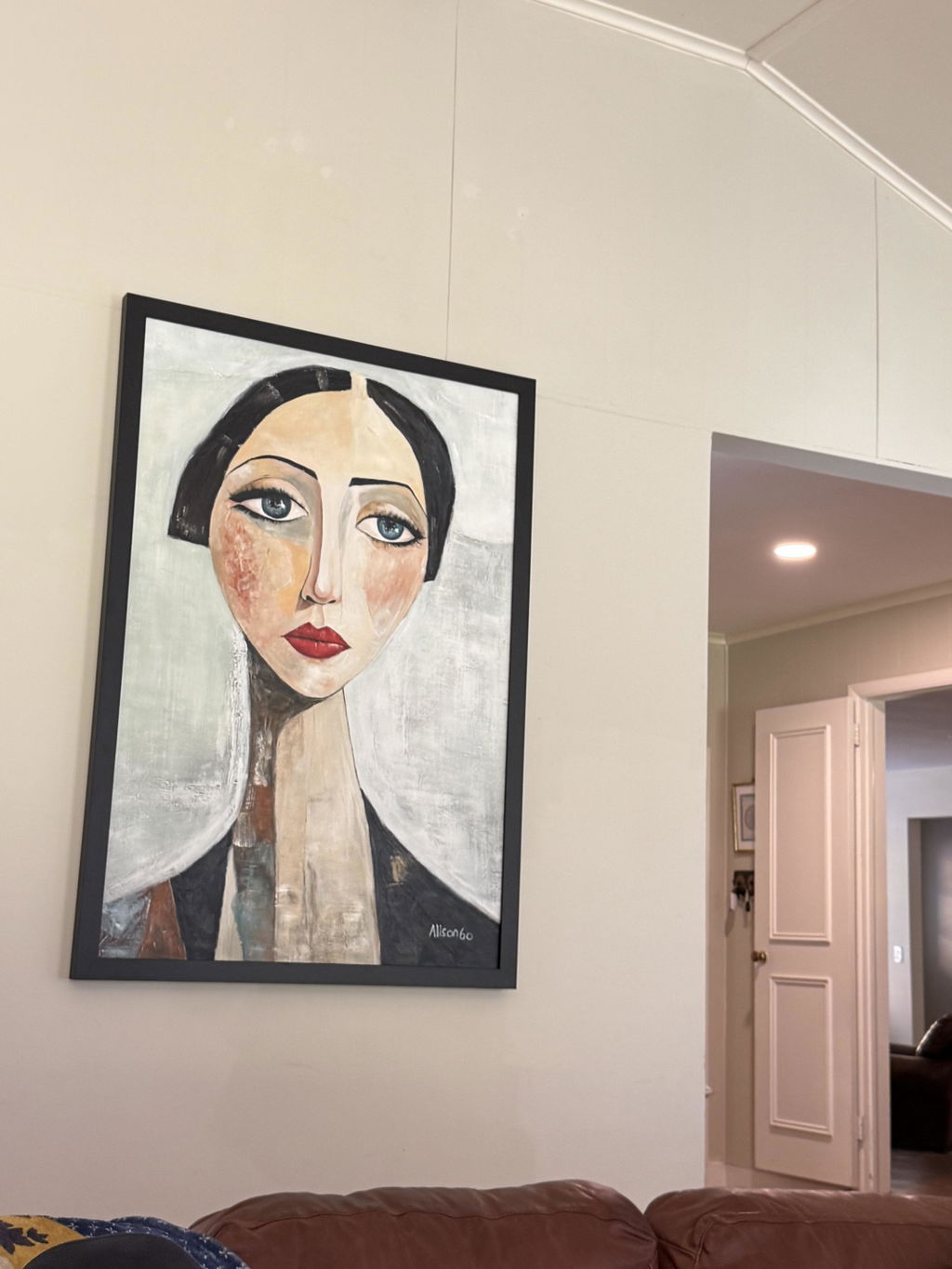
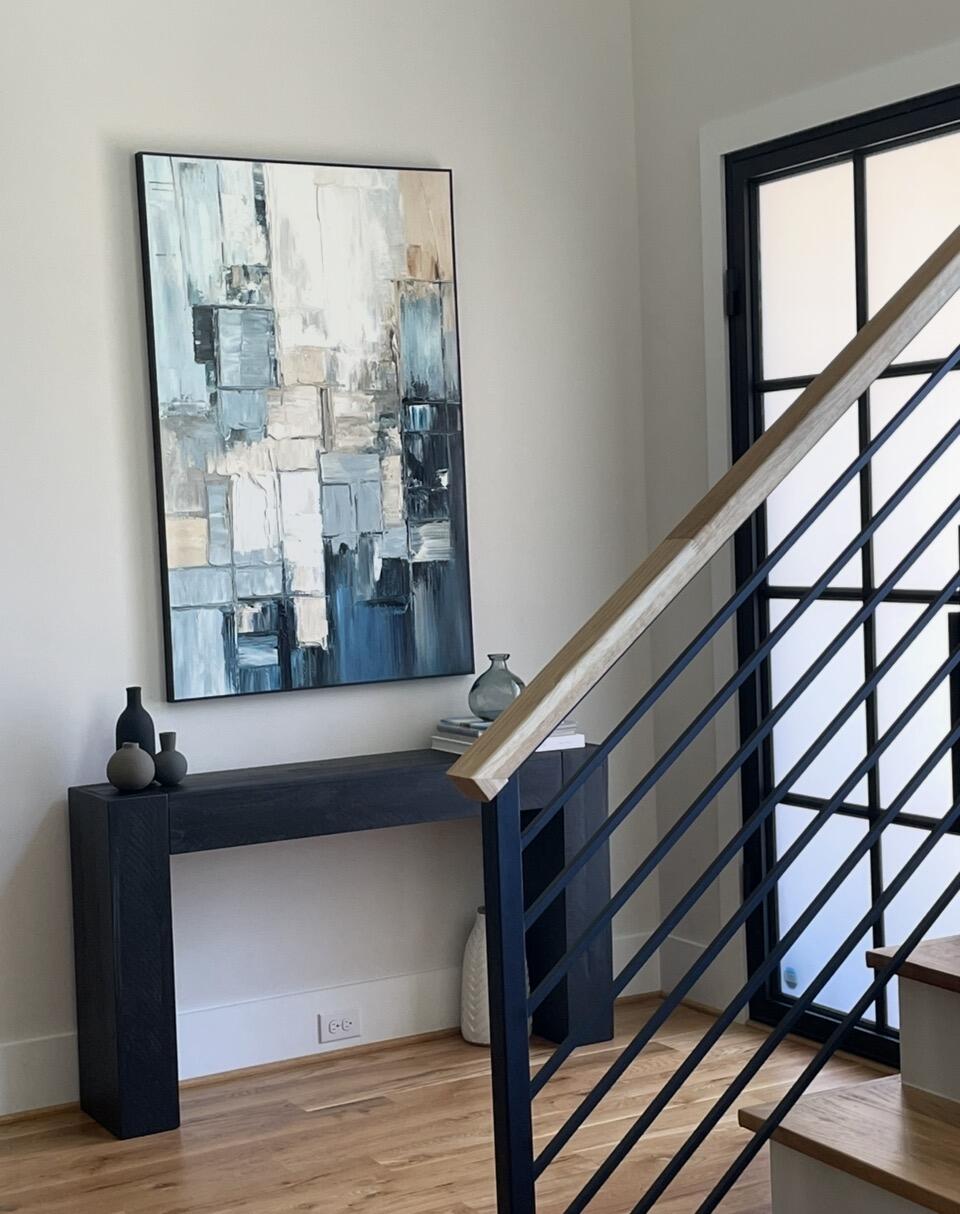
Floater frames are the preferred choice for many interior designers working with acrylic art in shared living spaces. By mounting the canvas so it appears to "float" within the frame without touching the edges, the viewer can appreciate the full extent of the artist's brushwork. When crafted from sustainable ash or maple, these frames provide a clean, museum-grade look that emphasizes the three-dimensional nature of impasto techniques.
Museum-Grade Mounting and Glass
Sustainability also means longevity. A frame that fails in five years is not sustainable. This is why many collectors opt for museum-grade glazing, such as Tru Vue Museum Glass, which offers 99% UV protection. While this adds to the initial cost, it prevents the photochemical aging and "fading" of pigments like Prussian Blue, which National Gallery experiments show is equally susceptible to light damage regardless of whether the medium is oil or acrylic.
Final Considerations for the Ethical Collector
Choosing a frame is the final step in the journey of a hand-painted piece from the artist’s studio to your wall. By prioritizing FSC-certified woods, low-VOC finishes, and proper conservation spacing, you are doing more than just decorating a room. You are preserving a piece of human identity, supporting sustainable forestry, and investing in the long-term value of your collection.
As the art market continues to pivot toward authenticity, the "frame" becomes a statement of intent—a commitment to quality that respects both the artist’s labor and the planet’s resources. Whether you are curating art for a small-space apartment or a large commercial lobby, the principles of sustainable framing ensure that your investment remains as vibrant and healthy as the day it was painted.
YMYL Disclaimer: This article is for informational purposes only and does not constitute professional medical, legal, or financial advice. The health-related data regarding VOCs and pigments are based on general environmental guidelines and should not be used to diagnose or treat any condition. Always consult with a professional art conservator or an environmental health specialist when handling potentially toxic materials or planning large-scale installations.
Sources and Authoritative References
- Market Trends: Marketplace - The expensive art market continues to struggle
- Consumer Perception: Columbia Business School - Human-Made vs. AI Art
- Health & Wellness: WHO Scoping Review on Arts and Health
- Environmental Safety: EPA - Indoor Air Quality and Low-VOC Paints
- Property Value: The Royal Society - Quantifying the link between art and property prices
- Conservation Science: Tate - Conservation Concerns for Acrylic Emulsion Paints
- Material Certification: Forest Stewardship Council (FSC) Connect
- Pigment Safety: CDC NIOSH - Paint and Coating Hazards
- Material Longevity: JustPaint - Aspects of Longevity of Oil and Acrylic Paints